Explore our high-performance engineering systems optimized for gravity gold extraction, crushing circuit integration, and high-efficiency material reduction.
A comprehensive assessment of traditional gravity concentration systems versus modern mineral comminution flowsheets.
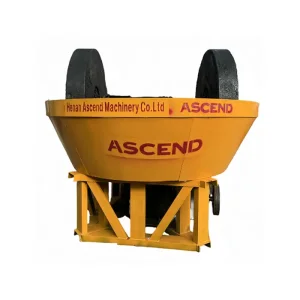
The Chilean mill (historically termed the *trapiche* and commercially known as the **wet pan mill**) represents a highly specialized, historically proven, and engineered grinding system that utilizes high-weight rollers rotating on a central axis to crush material in a wet pan basin. While modern mineral processing flowsheets heavily utilize ball mills for massive, high-throughput operations, the Chilean mill remains a cornerstone in small to medium-scale operations globally, particularly in primary gold and copper recovery.
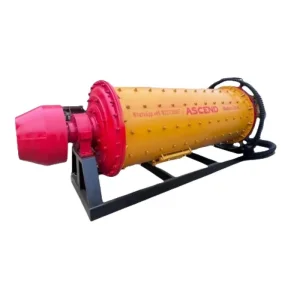
By blending mechanical shear forces, heavy compressive loading, and integrated continuous gravity classification in a single layout, modern wet pan mills reduce overall circuit complexity. When compared to high-capital-expense ball mills, which demand secondary classification units like hydrocyclones and sophisticated pump networks, the Chilean mill functions as an all-in-one comminution and gravity concentration component. This simple mechanical pathway ensures rapid mineral liberation and concentration at a fraction of the CAPEX and OPEX.
Unlike impact-dominated crushing mechanisms, the wet pan mill relies on rolling compression and friction. This mechanism prevents the over-grinding of precious metals like gold. Once the gold particles reach their liberation size, the density-driven separation allows high-density particles to settle at the basin's bottom, preventing the generation of ultra-fine "sliming" particles that typically escape downstream recovery units.
Transitioning from mechanical brute force to intelligent, wear-optimized, and environmentally compliant milling systems.
Modern Chilean mills require exceptional wear resistance. Our technical roadmap incorporates manganese-chromium alloy formulations for the roller rings and basin liners. This development extends the continuous runtime of wear elements by up to 180% under abrasive quartzite processing conditions.
Integrating intelligent variable-frequency drives allows mill operators to tune rotational speed based on slurry density and feed size. This optimization yields a 15% reduction in power consumption and protects the drive gears from high-torque start-up stresses.
Our focus on chemical and environmental safety features integrated, closed-loop gravity-only concentration systems, reducing dependence on hazardous mercury extraction methods and satisfying strict local regulatory expectations globally.
As ore grades decline worldwide, we are pioneering hybrid circuits that combine the scalability of ball mills with the selective liberation mechanics of wet pan mills. Using predictive sensor arrays to measure slurry viscosity, our systems dynamically adjust water inflow to optimize separation density, resulting in maximum operational control and reduced ecological impact.
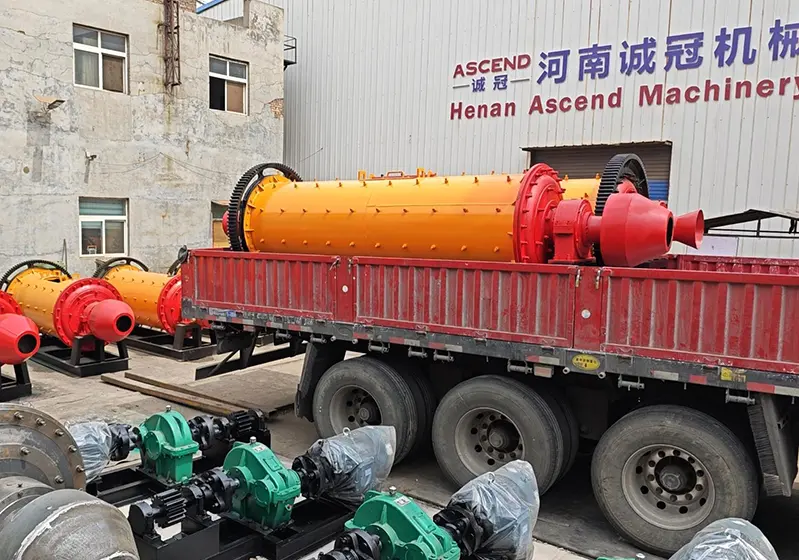
As a leading Chinese heavy machinery manufacturing center located in Zhengzhou, Henan Province, Henan Ascend Machinery & Equipment Co., Ltd. leverages a highly developed local industrial ecosystem. This geographical positioning allows us to source premium structural steels, specialized heavy castings, and precision gearboxes with rapid turnaround times, keeping our production lines resilient against global supply constraints.
Our facility houses advanced CNC machining tools, automatic submerged arc welding units, and dynamic testing bays to verify gear alignment, roller balance, and load capacity prior to shipment. This integrated control structure translates into massive capital-cost savings and guaranteed mechanical durability for our overseas partners.
By operating near key shipping corridors and utilizing robust logistics networks, we ship heavy-duty equipment to Latin America, Africa, and Southeast Asia quickly. This minimizes the logistical issues typically associated with sourcing heavy mining equipment.
How our custom milling solutions adapt to varying geological, regional, and mechanical challenges across different continents.
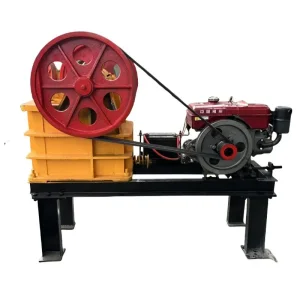
In highly arid mining regions across Africa, water conservation is a critical operational constraint. Our customized 1100 and 1200 model wet pan mills feature water recycling ports that feed return water from settling ponds back into the grinding basin. This configuration preserves the density dynamics needed for effective gold concentration while cutting overall water consumption by up to 40%. The inclusion of heavy-duty, air-cooled diesel drives allows operators to maintain productivity in remote locations without access to high-voltage power grids.
Our shaking tables (such as the high-recovery 6-S model) and custom-engineered wet pan mill circuits provide simple gravity separation flowsheets that eliminate the need for chemical leaching in remote operations, ensuring high recovery rates and compliance with environmental regulations.
Ascend has developed steadily since its establishment. Its business covers more than 130 countries and regions around the world, especially in Africa and Southeast Asia. Our machine quality and after-sales service have won widespread praise from international customers.
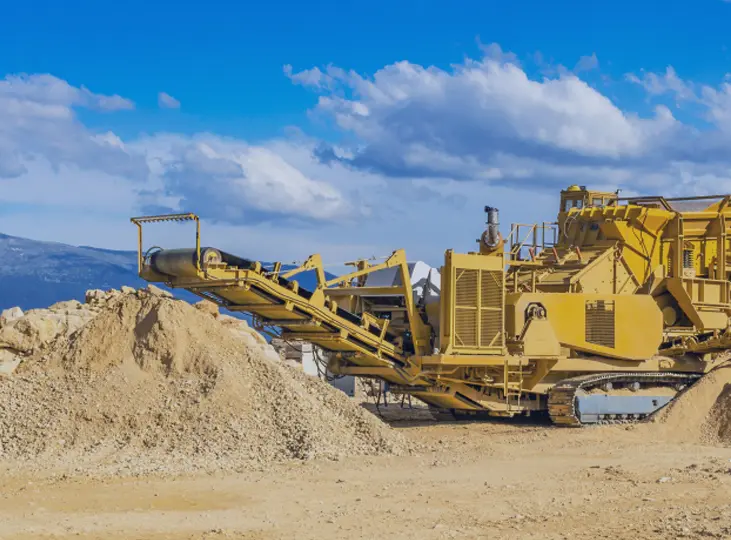
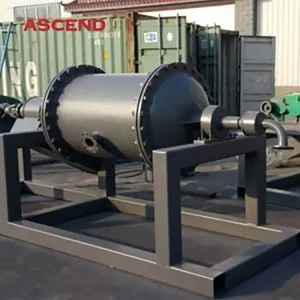
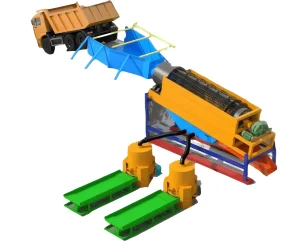
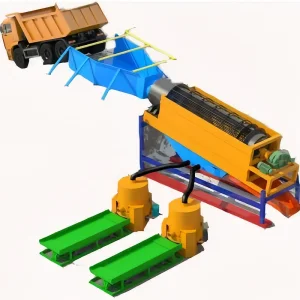
Tailored gravity concentration lines combining wet pan mills with centrifugal separators.
Learn More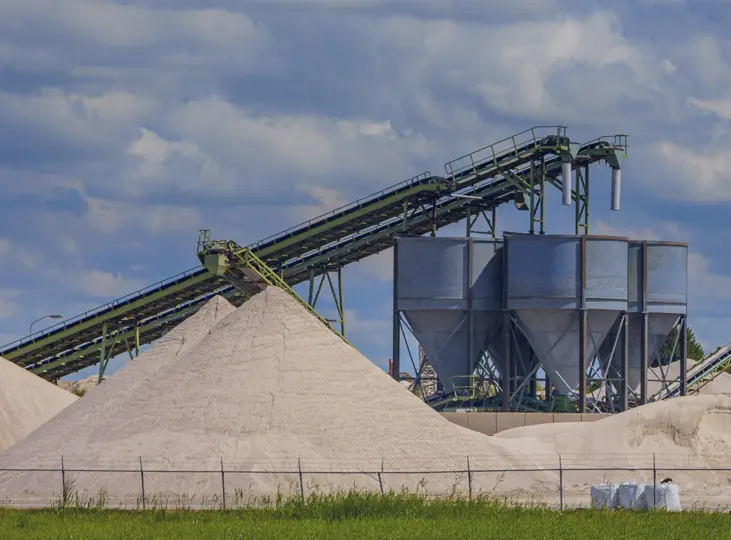
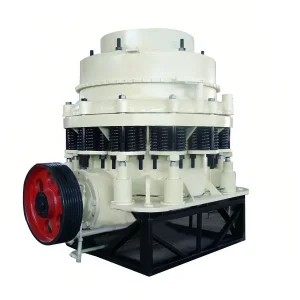
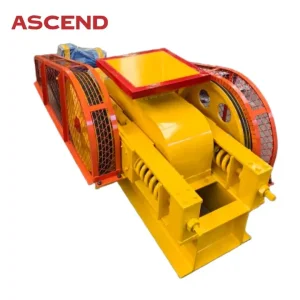
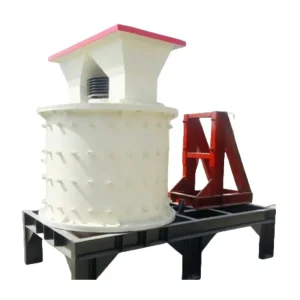
Multi-stage crushing circuits designed to reduce primary feed for downstream milling.
Learn More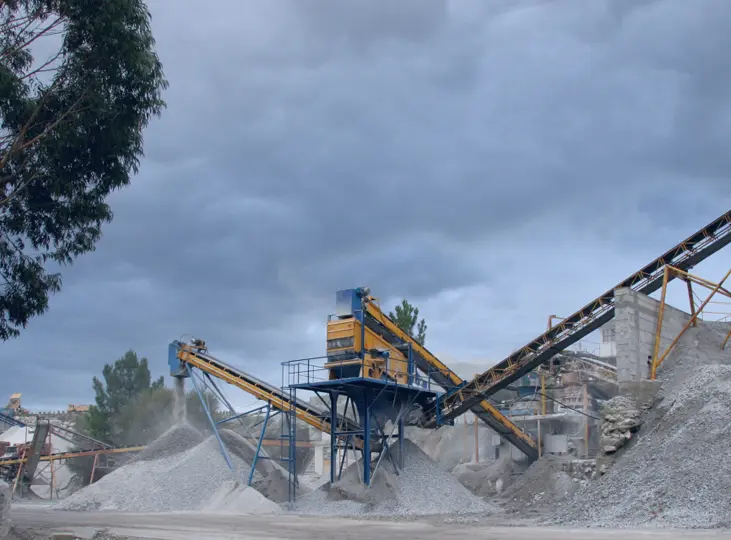
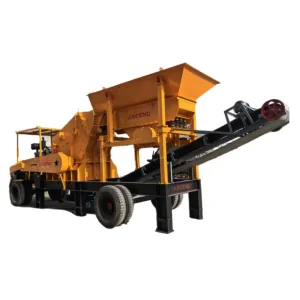
Skid-mounted and wheel-mounted options engineered for rapid field deployment.
Learn More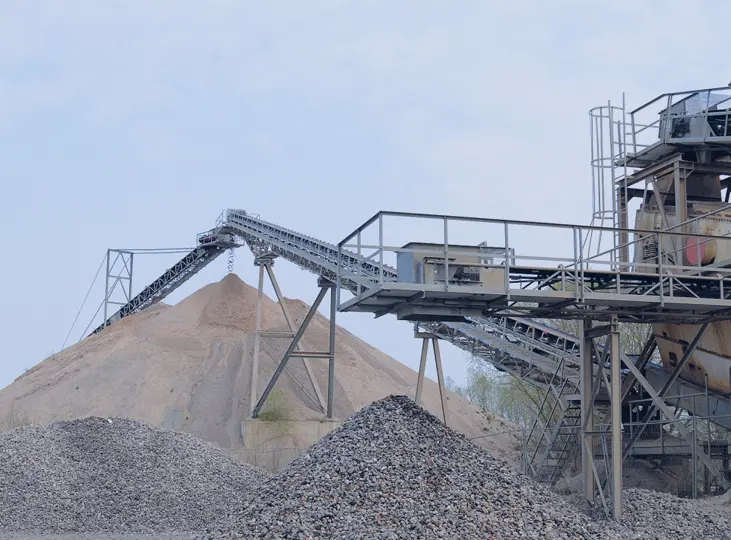
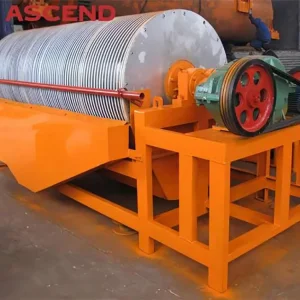
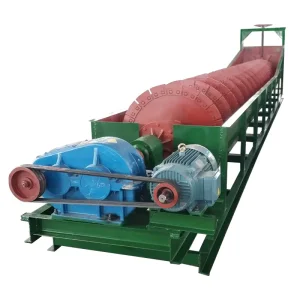
High-efficiency washing and screening configurations to capture fine gold flakes.
Learn More
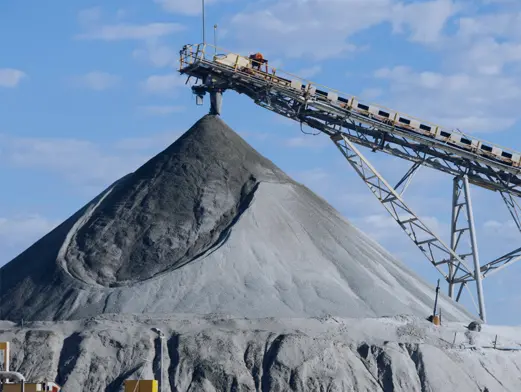
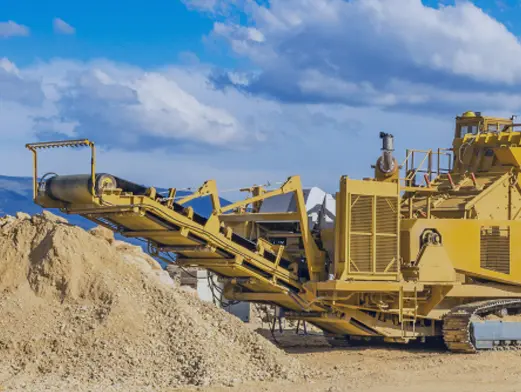
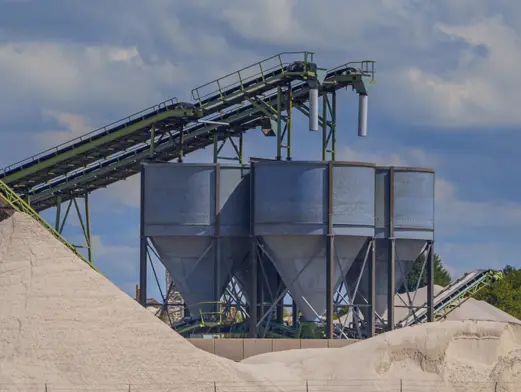
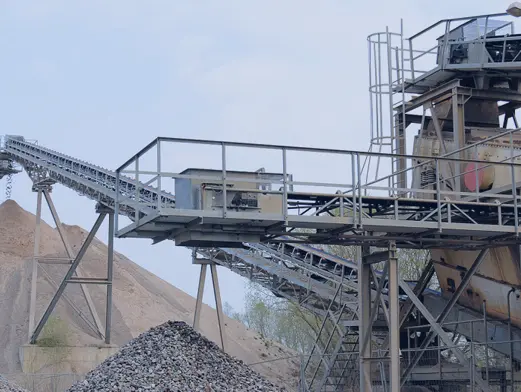
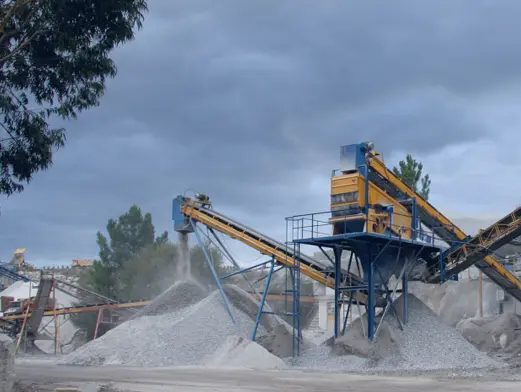
Comprehensive engineering details for our flagship heavy-duty crushing and grinding machinery lines.
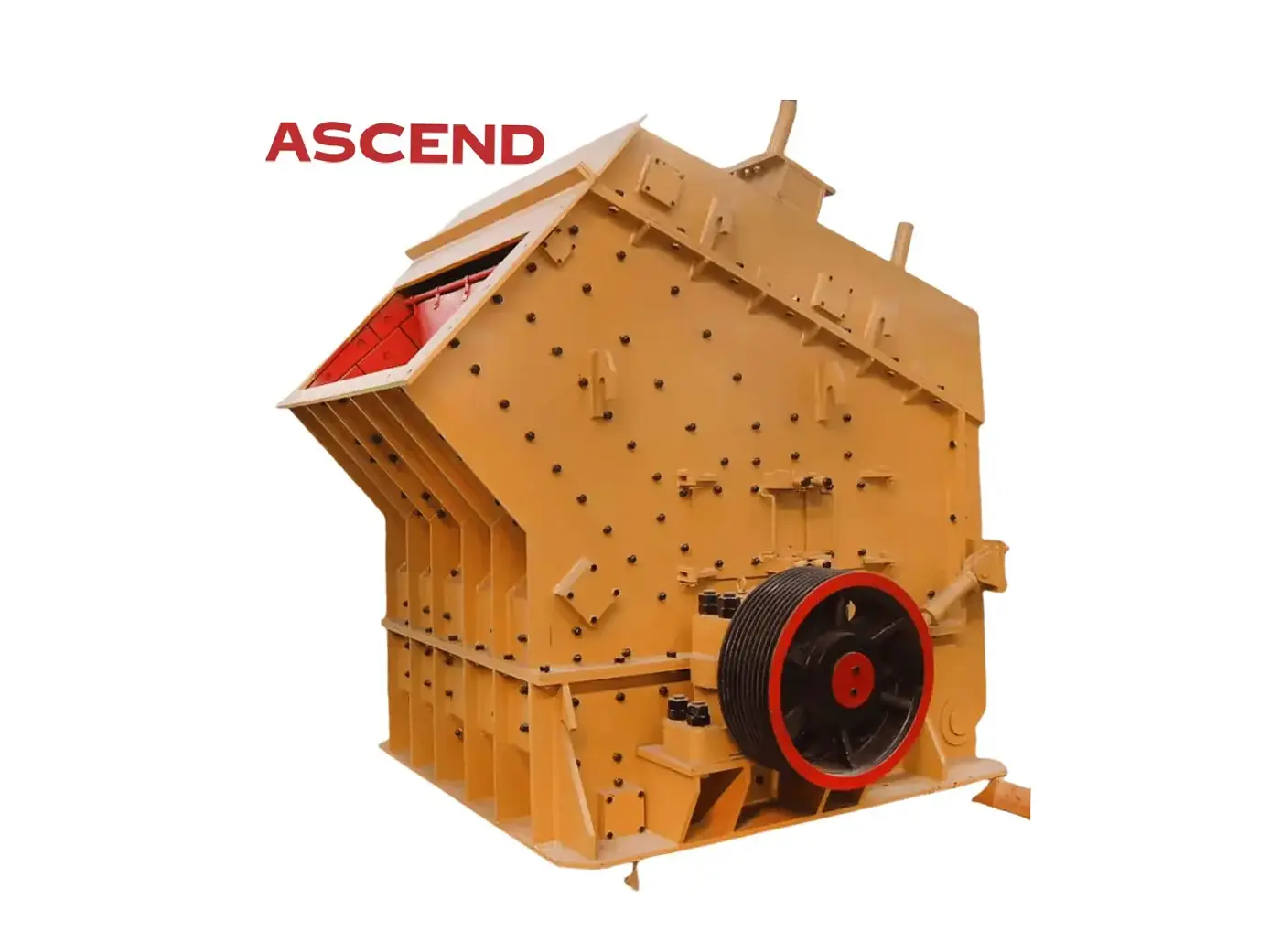
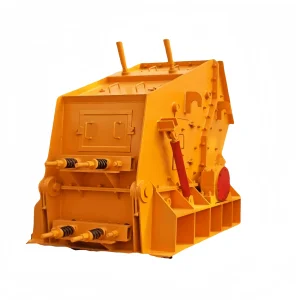
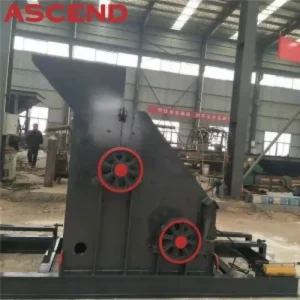
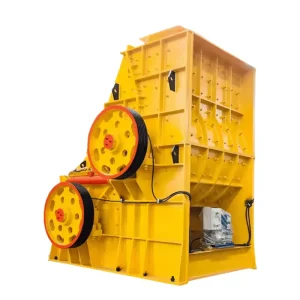
Impact crusher is a kind of secondary crushing equipment which uses impact power to crush materials. Impact crusher is characterized by easy maintenance, high reduction ratios and high efficiency to produce precisely cubic shape products. It is designed with three crushing chambers, seamlessly connected rotor, wear-resistant blow bar and installation of insert type.
Moreover, it has tooth type liner, gradient designed bearing seat, frame with several openings and screws or hydraulic start-up devices. Impact crushers can be used in all different stages of size reduction from primary crushing to the last step of the crushing process.
Providing standardized engineering compliance and global field support in complex mining areas.
Operating heavy machinery in industrial mining plants demands strict compliance with global safety standards. Our manufacturing lines adhere strictly to **CE, ISO 9001:2015, and local safety rules** in Latin America and Africa. The structural framing of our mills uses structural steel profiles that prevent mechanical failure under high-vibration loads.
Additionally, our machines feature protective steel shielding around the gears, dust suppression features, and emergency stop configurations. This ensures compliance with local mine safety inspections and secures long-term site permits.
We provide comprehensive field service packages, dispatching experienced engineers directly to project sites for installation, structural alignment, and commissioning of our mills. We offer comprehensive training programs for local operations crews. These programs cover roller balancing, gear lubrication schedules, and wear-profile measurement to ensure maximum machine life and operational safety.
Our global parts warehouses in key mining countries maintain inventory levels for critical components like manganese roller rings, drive pinions, and liners, minimizing shipping delays and avoiding production interruptions.
Follow our global updates as we deliver high-performance crushing and milling systems directly to remote mining operations.
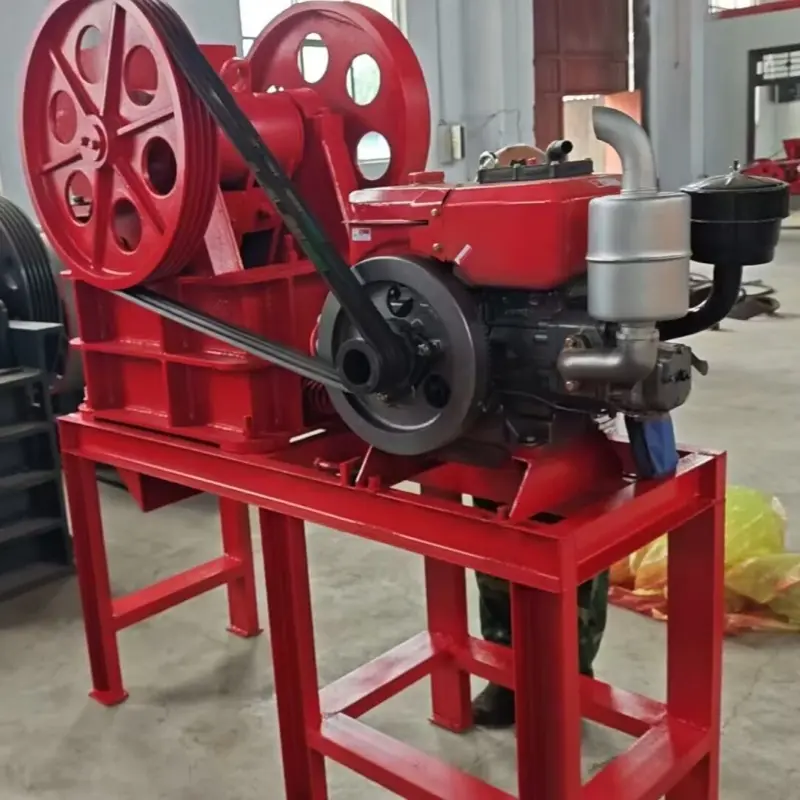 Shipment
 Nov 2025
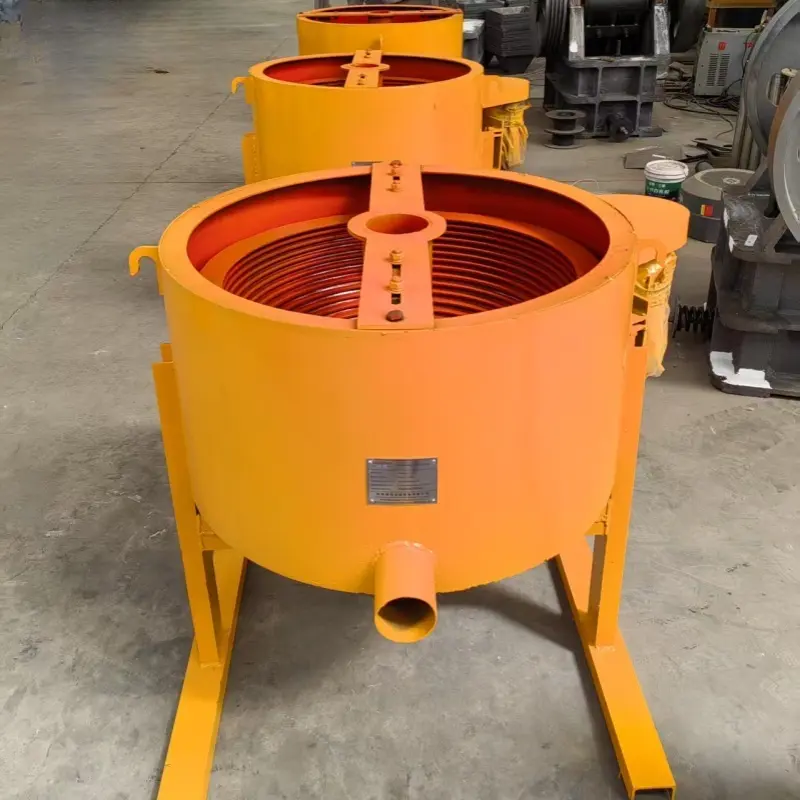 Export
Technical answers to common operational questions regarding wet pan mills, grinding optimization, and maintenance practices.
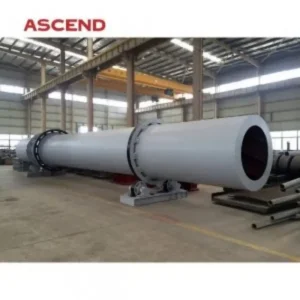
Explore our broader line of heavy-duty crushers, classifiers, rotary dryers, and mobile processing units designed for high-efficiency mineral processing.
 Ascend