 Ascend

1 / 5
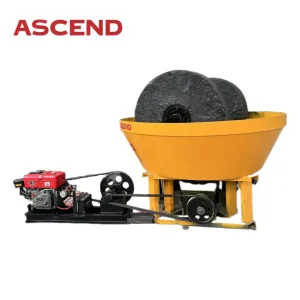
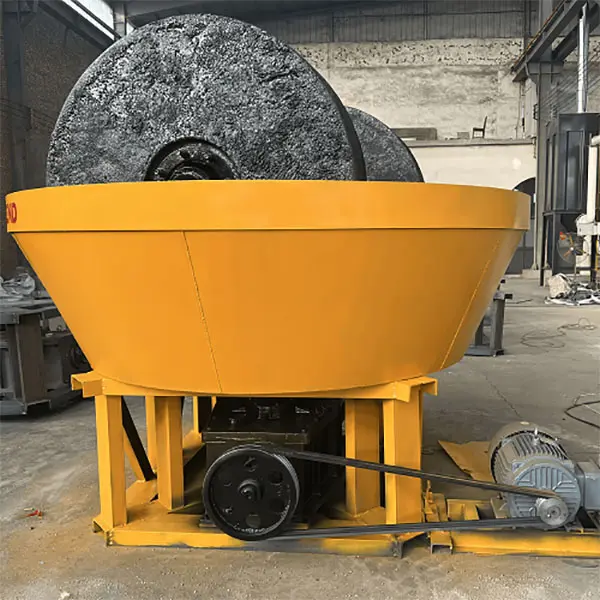
Particle Size Control: There is a screen set at the discharge mouth of the basin (the screen mesh size should be reasonably set according to the mineral type and sorting requirements). It can strictly control the classification particle size to avoid over-crushing of minerals or uneven particle size, creating good conditions for subsequent operations.
| Model | Type (mm) | Input Size (mm) | Capacity (t/h) | Power (kw) | Weight (t) |
|---|---|---|---|---|---|
| 1600 | 1600 × 350 × 200 × 460 ± 20 | < 25mm | 1.5 - 3 | 30 | 13.5 |
| 1500 | 1500 × 300 × 150 × 420 ± 20 | 1 - 2 | 22 | 11.3 | |
| 1400 | 1400 × 260 × 150 × 350 ± 20 | 0.8 - 1.2 | 18.5 | 8.5 | |
| 1200 | 1200 × 180 × 120 × 250 ± 20 | 0.4 - 0.6 | 7.5 | 5.5 | |
| 1100 | 1100 × 160 × 120 × 250 ± 20 | 0.3 - 0.4 | 5.5 | 4.5 |
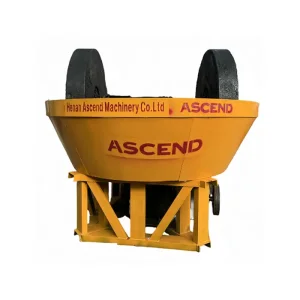
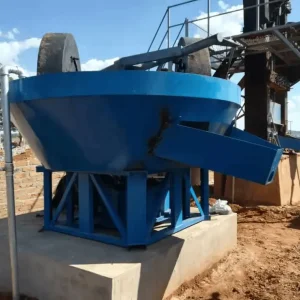
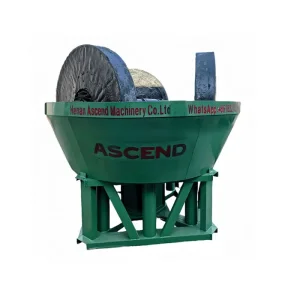
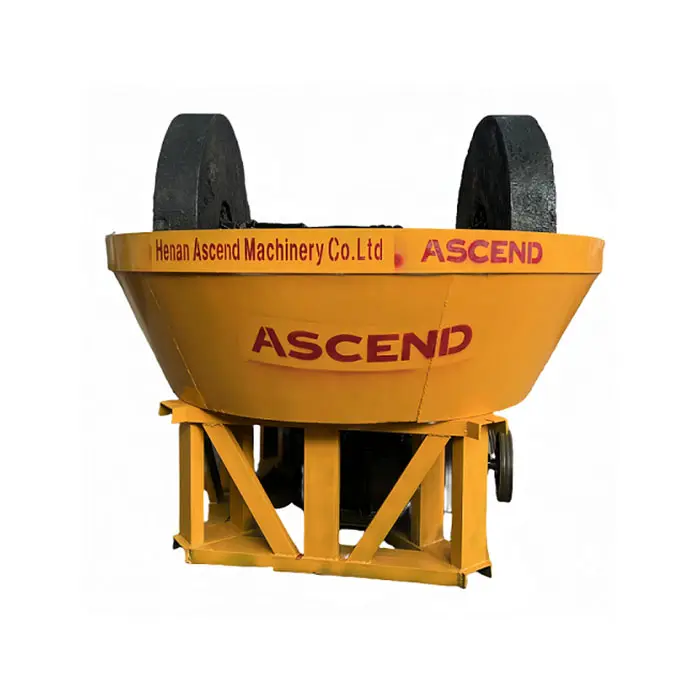
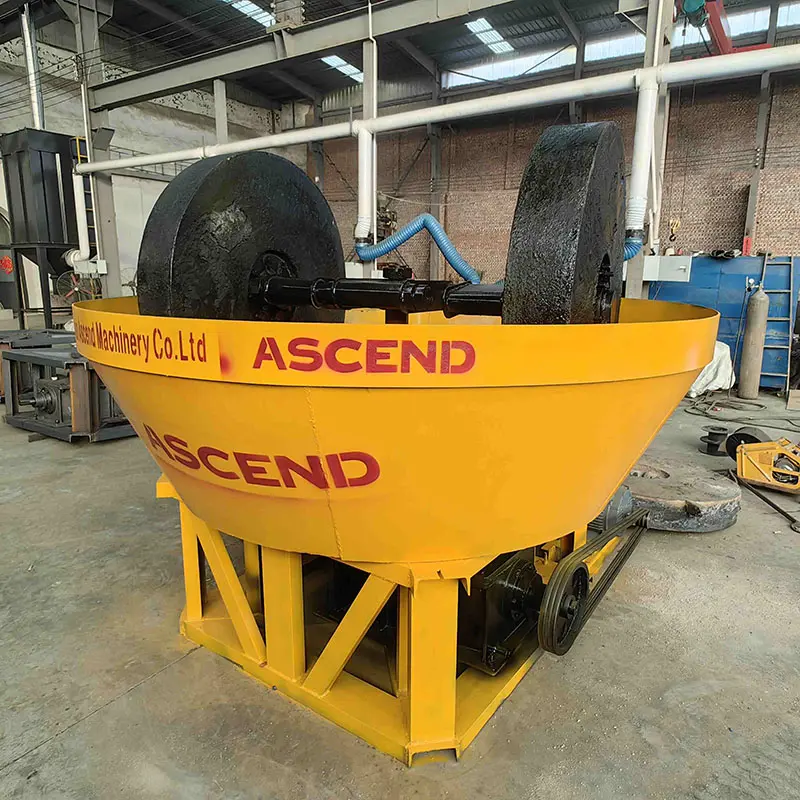
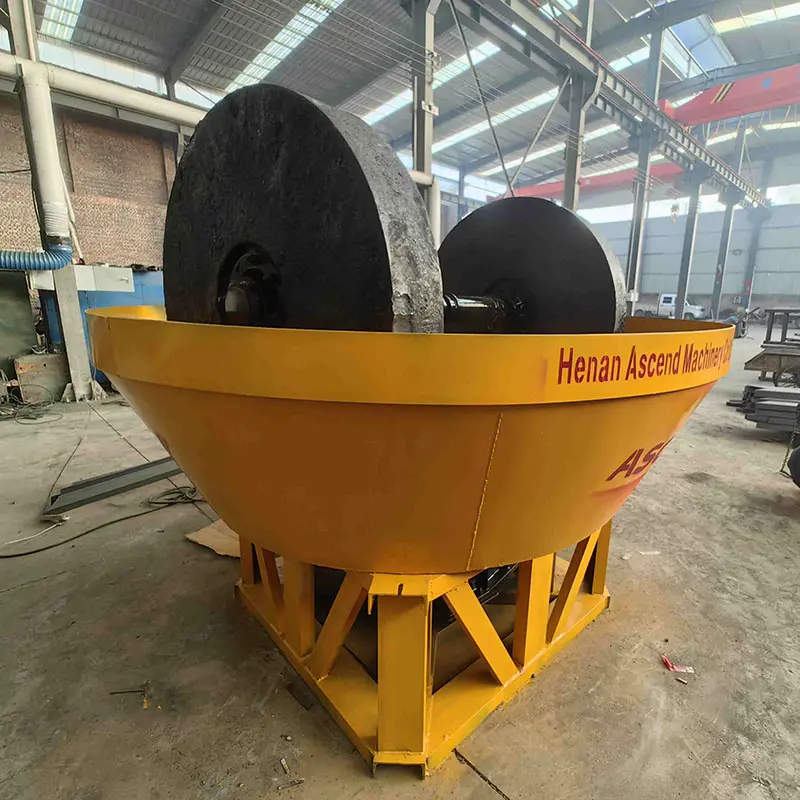
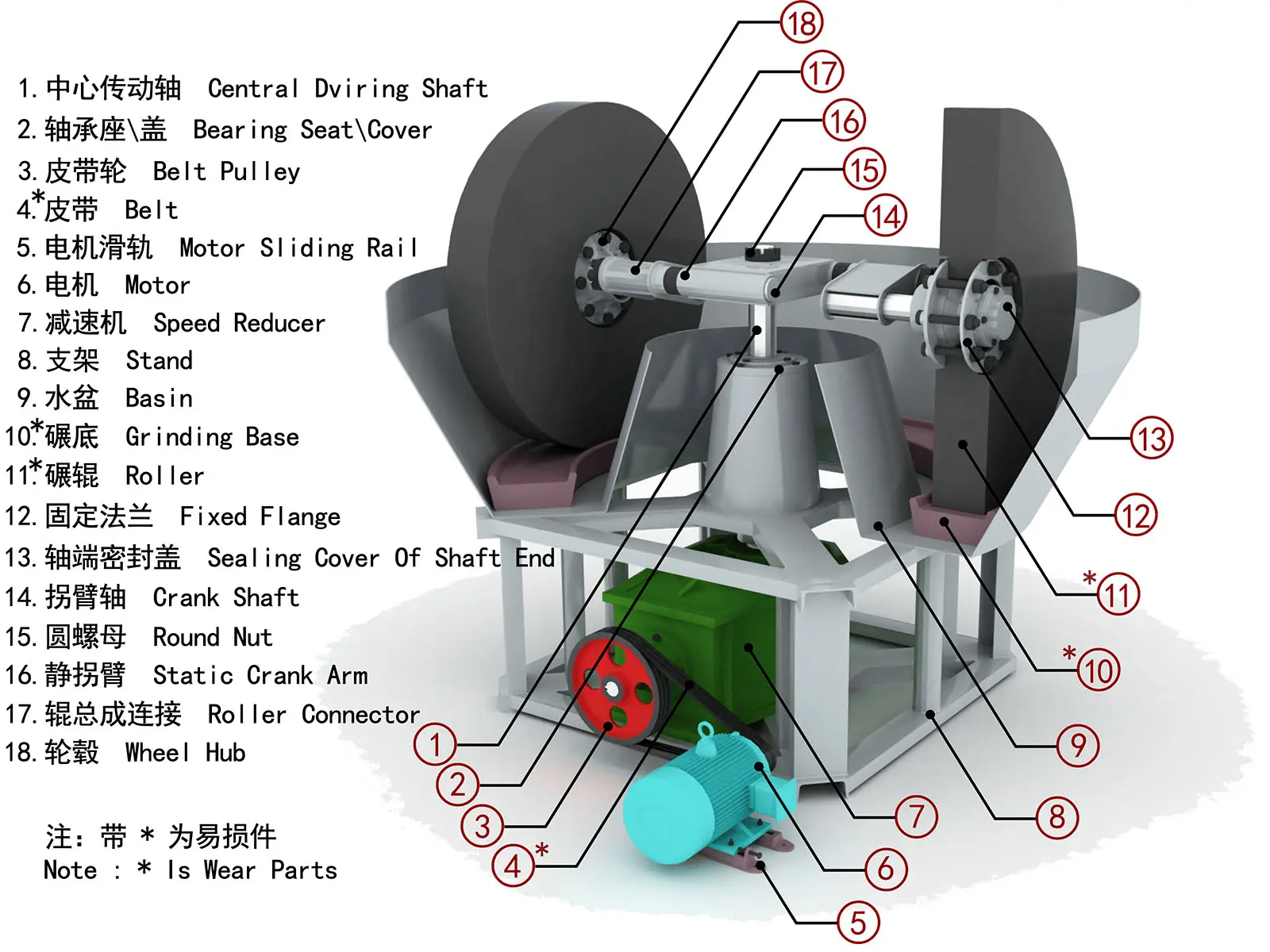
The motor drives the speed reducer, which subsequently drives the roller on the main shaft to operate. Materials and liquid are added in a specific proportion. Ground mineral fine particles rise to the liquid surface and are discharged through the overflow port, while coarse-grained materials settle to the bottom for further grinding.
The input size for all standard models (1600, 1500, 1400, 1200, and 1100) is less than 25mm to ensure optimal grinding performance.
A screen is set at the discharge mouth of the basin. By setting the screen mesh size reasonably based on the mineral type and sorting requirements, it strictly controls the classification particle size, avoiding over-crushing and uneven particle sizes.
Capacity varies by model size. The 1100 model offers a capacity of 0.3-0.4 t/h, while the largest 1600 model can process 1.5-3 t/h.
The power requirements range from 5.5 kw to 30 kw, and the machine weights range from 4.5 t for the smaller 1100 model up to 13.5 t for the heavy-duty 1600 model.