Premium screening, washing, and sizing solutions developed for high-capacity aggregate processing, metallurgy, and mining infrastructure projects globally.
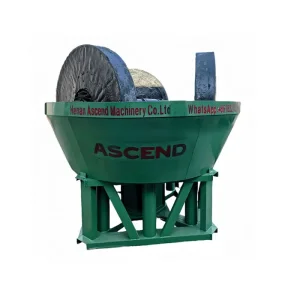
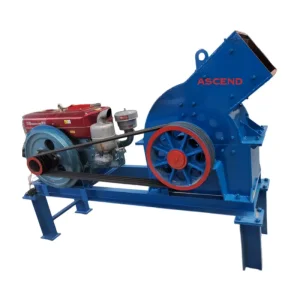
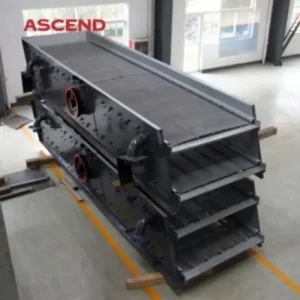
An engineering analysis of material classification, metallurgical design parameters, and procurement standards for international operations.
In modern mineral processing, quarrying, and industrial recycling, vibratory sizing is the critical bottleneck that defines overall plant throughput and downstream product quality. Vibrating screens operate as the sorting gateway, separating materials of varying sizes to feed downstream crushers, flotation circuits, grinding mills, and gravity concentration lines. If a screening plant fails to perform at specified efficiencies, it creates massive recirculating loads, accelerates crusher wear, and lowers the recovery rate of valuable minerals.
Today, the sourcing landscape for screening machinery has shifted fundamentally. Procurement departments from major global engineering firms look to China vibration screen companies and suppliers not simply as low-cost manufacturing entities, but as advanced technological partners capable of supplying high-capacity, customized, and durable machinery. With extensive industrial clusters located in machinery hubs like Zhengzhou, Henan, Chinese manufacturers combine world-class metallurgy, structural engineering, and heavy assembly lines with unmatched efficiency.
“Sieving efficiency is governed by the probability of particles finding openings in the screen deck. Modern Chinese vibrating screen suppliers utilize advanced Finite Element Analysis (FEA) to control structural stress concentrations, permitting continuous operation under heavy g-force parameters.”
Understanding the application-specific mechanics of various vibrating screen formats is essential for process engineers. Each type relies on distinct kinematics, deck configurations, and drive systems to optimize throughput depending on whether the feed is coarse, wet, abrasive, or clay-heavy.
Operating with a circular motion pathway driven by an eccentric shaft and counterweights, these screens are optimized for coarse aggregate scalp-screening. The circular throw continuously tosses the material, reducing blinding and ensuring high separation efficiency in heavy stone quarries.
Driven by dual, counter-rotating eccentric exciters, the linear motions generate high-impact screening forces at a specific angle (usually 45 degrees). They excel in dewatering, desliming, and fine sizing operations where strict size consistency and water recovery are required.
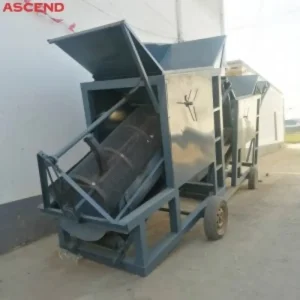
A revolving drum screen optimized for washing and sorting alluvial gold, coal slurries, municipal waste, and soil-heavy gravel. The rolling action ensures continuous scrub action, separating sticky clays from valuable rocks before feed reaches grinding circuits.
When selecting between circular vibrating screens (such as those engineered for rock quarrying) and linear dewatering screens, engineers must evaluate material moisture. Circular screens handle dry to slightly damp rock exceptionally well by keeping the material bed loose. However, when processing wet coal or sticky gold-bearing clays, a rotary trommel wash screen or a high-frequency linear screen provides the required shear energy to strip fines away from larger aggregates, preventing the common issue of mesh blinding.
Purchasing heavy machinery from Chinese vibration screen suppliers offers substantial supply chain advantages that extend far beyond initial pricing differences:
International mining operations require strict alignment with local safety and environmental laws. A vibration screen cannot simply be efficient; it must comply with strict operational safety standards. Major international regulations include:
CE Machinery Directive (2006/42/EC): Ensuring that all rotating components (belts, exciters, pulleys) are fully guarded, emergency stop devices are integrated, and noise levels are minimized through the application of rubber screen mounts or acoustic enclosures.
ATEX & Explosion-Proof Regulations: When operating in enclosed coal processing facilities, the presence of volatile dust clouds demands dust-tight enclosed screens, explosion-proof motors (Ex d IIB T4), and specialized anti-static screen media to prevent electrostatic ignition sources.
ISO 9001:2015 Certification: The manufacturing process of Chinese suppliers must undergo external audits, tracking every steel plate batch, heat treatment chart, and dynamic test run report prior to export.
A primary concern for global procurement officers is "after-sales down-time." If a mining screen deck breaks down in Zambia, Sudan, or Papua New Guinea, the cost of standby operations can exceed thousands of dollars per hour. In response, modern China vibration screen companies have built comprehensive local support frameworks:
Consignment Spare Parts Warehouses: Establishing local parts hubs in strategic mining regions (e.g., Africa, Southeast Asia) containing wear items like polyurethane screen panels, rubber spring dampers, replacement eccentric exciters, and V-belts.
On-site Engineering Support: Deploying factory-trained engineers to oversee structural commissioning, set proper excitation angles, perform dynamic vibration testing, and train local maintenance teams in bearing lubrication schedules and screen tensioning.
Ascend has developed steadily since its establishment. Its business covers more than 130 countries and regions around the world, especially in Africa and Southeast Asia. Our machinery quality and after-sales service have won widespread praise from international customers.
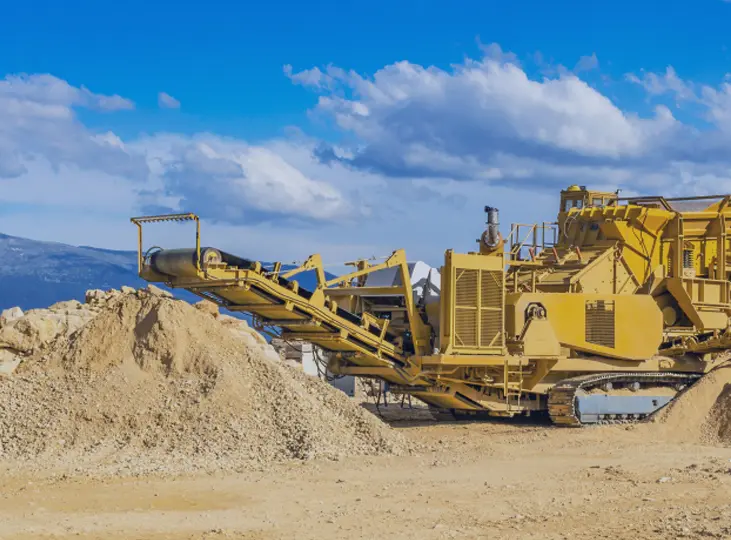
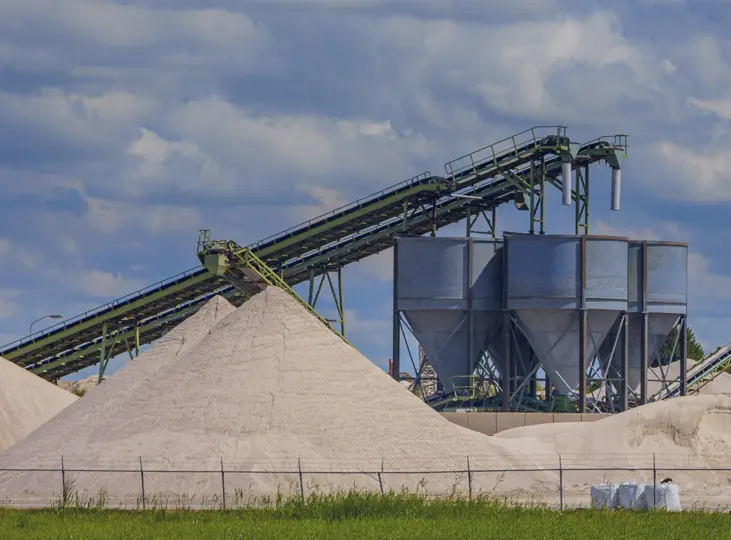
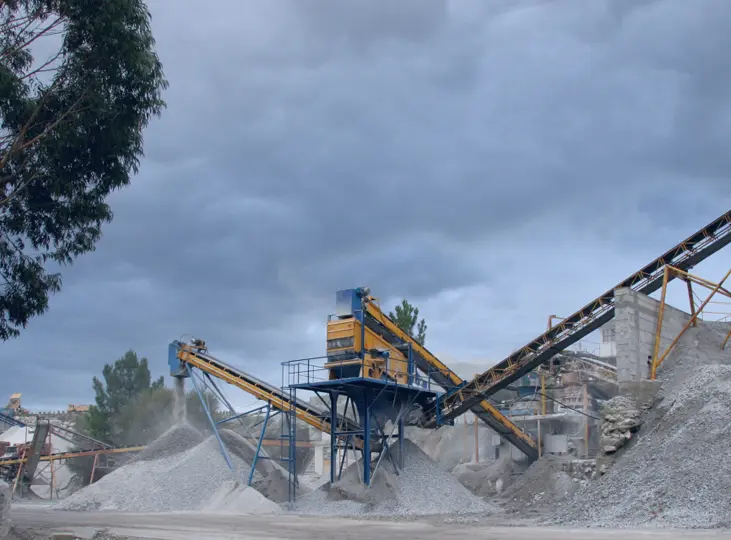
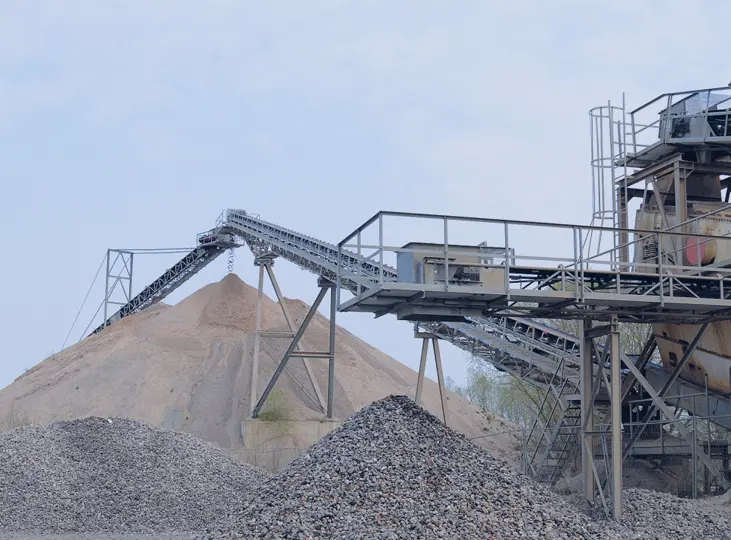
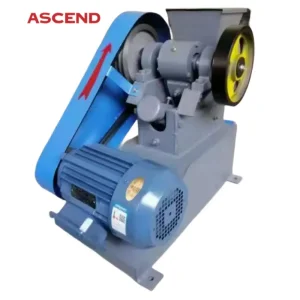
Our primary line of premium mining equipment designed for extreme environments, crushing operations, and sizing processing lines.
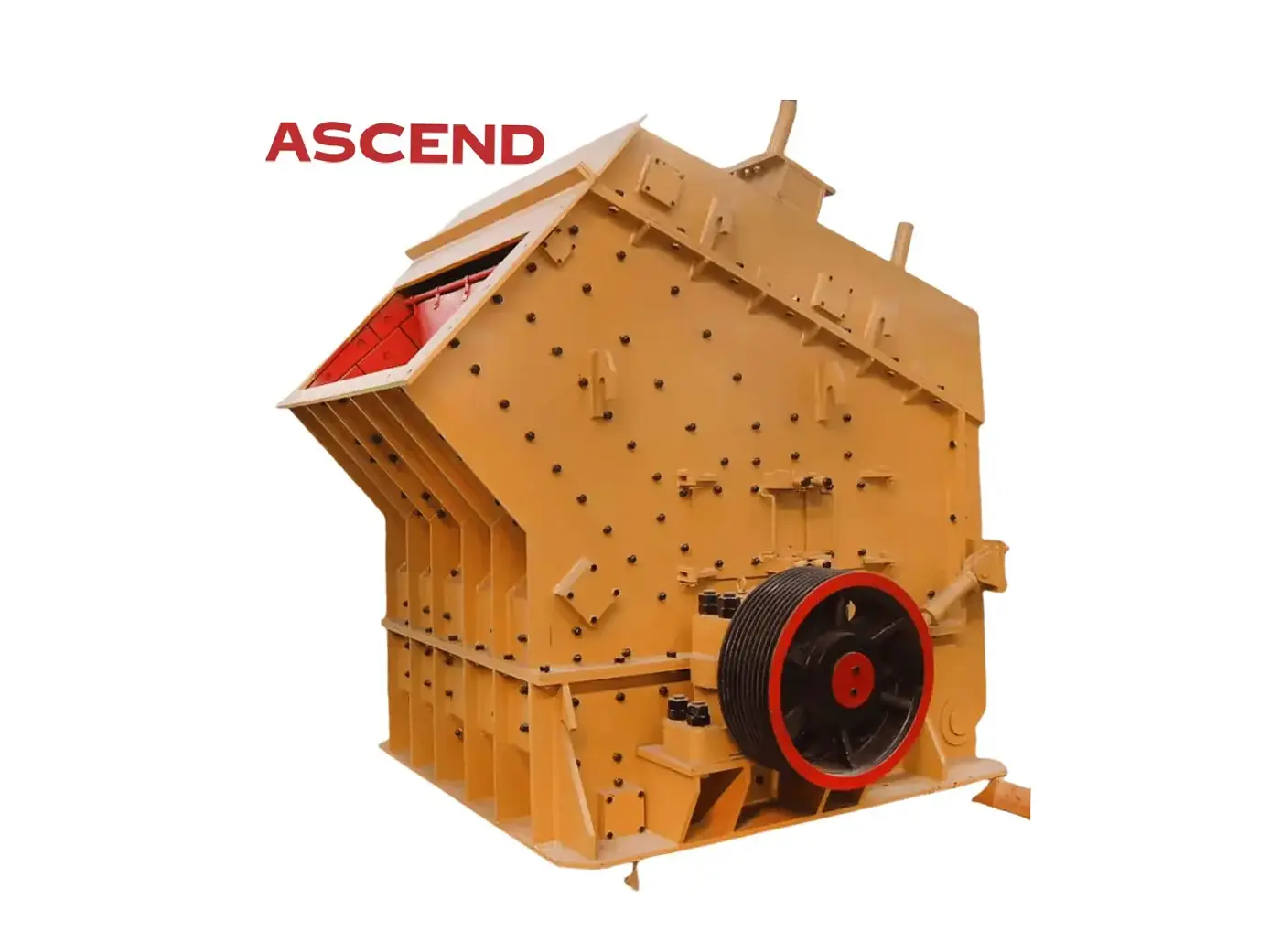
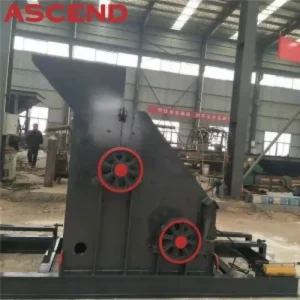
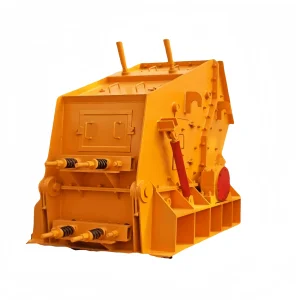
Impact crusher is a kind of secondary crushing equipment which uses impact power to crush materials. Impact crusher is characterized by easy maintenance, high reduction ratios and high efficiency to produce precisely cubic shape products. It is designed with three crushing chambers, seamlessly connected rotor, wear-resistant blow bar and installation of insert type. Moreover, it has tooth type liner, gradient designed bearing seat, frame with several openings and screws or hydraulic start-up devices. Impact crushers can be used in all different stages of size reduction from primary crushing to the last step of the crushing process.
Read More →Explore our project installations and field sites across various mineral-rich regions.
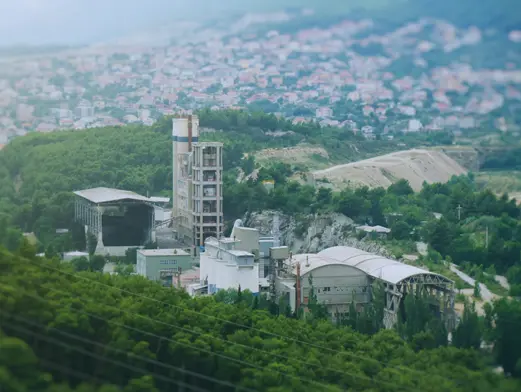
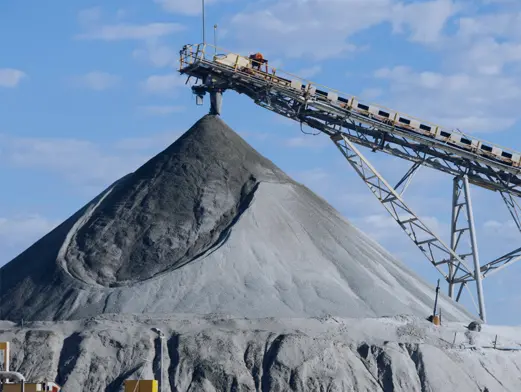
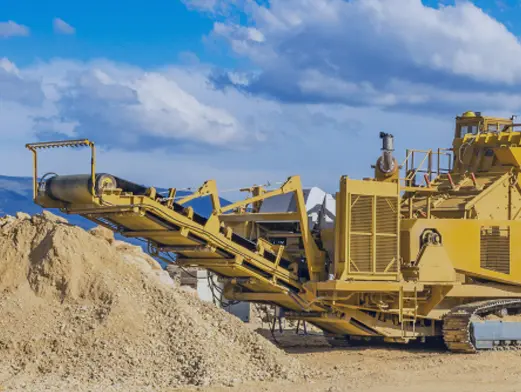
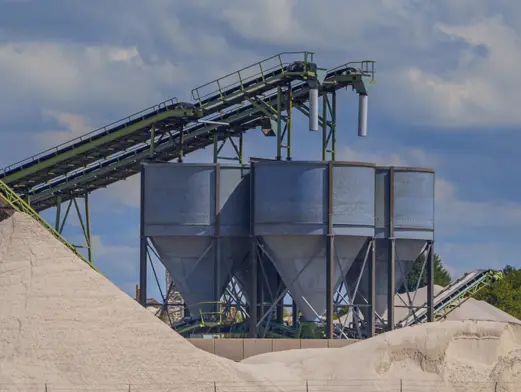
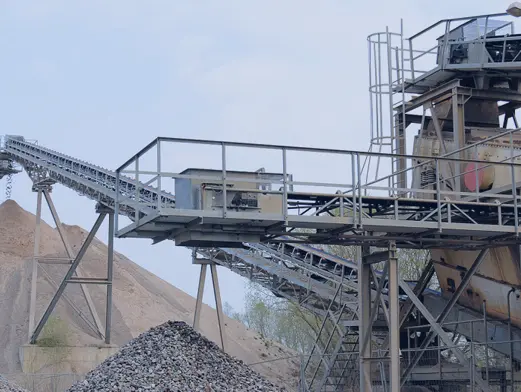
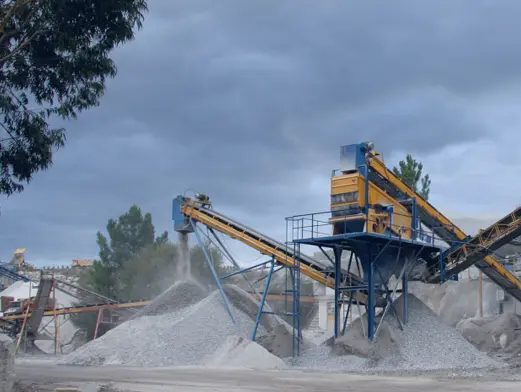
Optimizing plant architecture requires matching the screen design with the specific physical properties of the target geological deposits. The structural mechanics vary greatly across standard application fields:
In alluvial gold recovery, clay balls often trap gold particles, preventing gravity separators from recovering the valuable metal. To counteract this, suppliers specify heavy-duty rotary trommels with internal wash spray bars. The tumbling action washes away clay while the slotted screen plates allow fine gold particles and sand to pass into downstream sluice boxes or shaking tables.
Processing wet coal requires screens that can withstand abrasive slurry flows. High-frequency linear vibrating screens are fitted with anti-clogging polyurethane decks. The high vibration speeds (up to 3000 RPM) force the water off the coal, producing a low-moisture coal product ready for direct rail transport or coking ovens.
Quarry production rates rely on rapid sizing. Large-scale circular screens with multiple decks separate blasted stone into precise commercial sizes: 0-5mm, 5-10mm, 10-20mm, and 20-40mm. The decks are built with tensioned wire mesh, which maximizes open screening area for high hourly tonnage yields.
Tracking our machinery deliveries, successful plant installations, and logistics updates from our heavy machinery manufacturing hub.
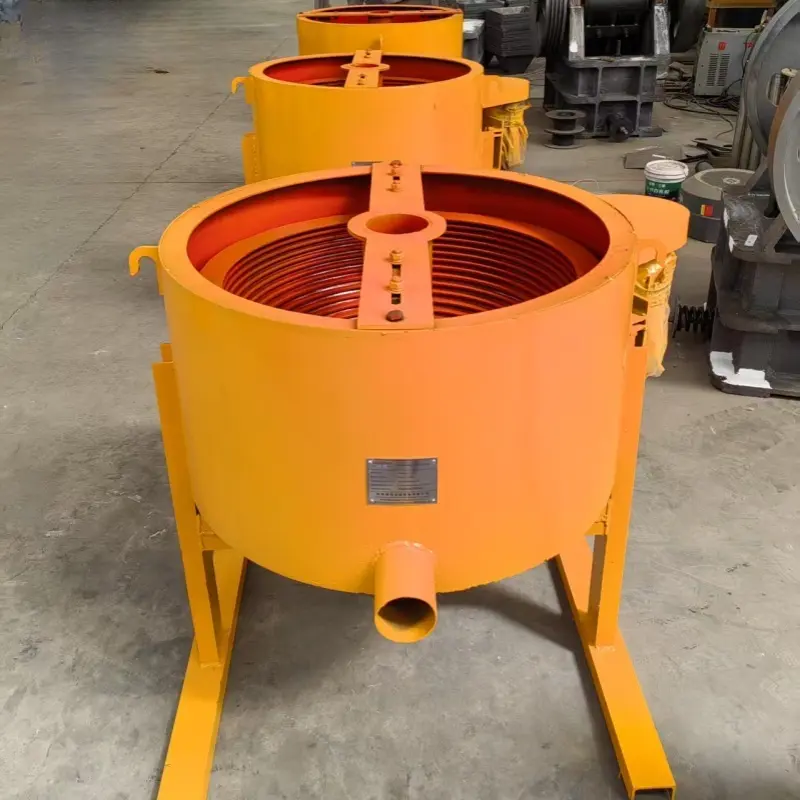
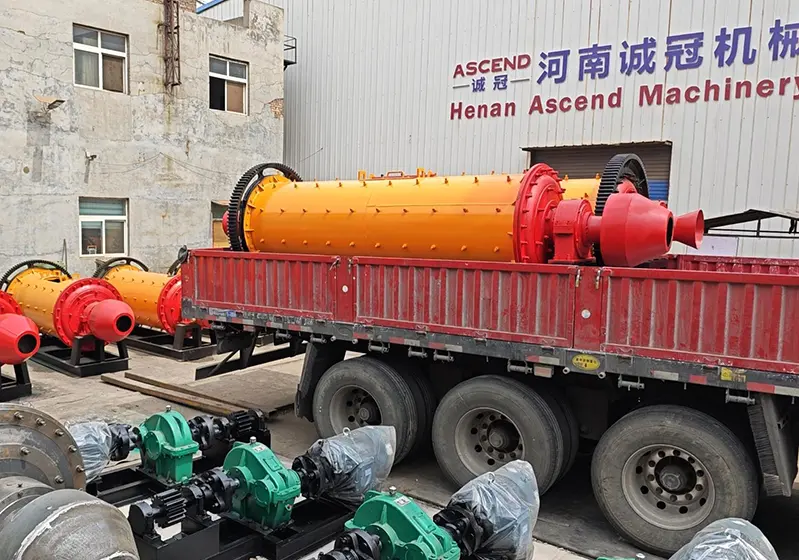
Henan Ascend Machinery & Equipment Co.,Ltd. was established in 2005 and is located in the high-tech zone of Zhengzhou City, Henan Province, China.
Ascend is primarily engaged in the research, development, manufacturing, sales, and after-sales service of complete sets of crushing, grinding, screening, feeding, and conveying heavy mining machinery. If your project requires processing limestone, granite, gravel, or other ores, extracting gold, or grinding materials to fine powders, our experienced engineering team is prepared to design efficient, site-specific configurations. Operating our own modern manufacturing facility ensures strict quality control, structural reliability, and competitive pricing.
Explore Our Factory Profile →Expert responses addressing standard screening mechanics, media selection, structural maintenance, and international procurement concerns.
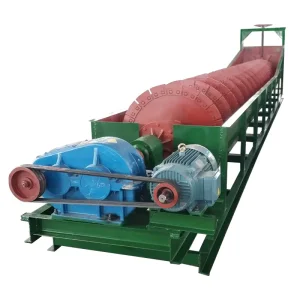
Explore our grinding, washing, classification, and magnetic separation units to complete your minerals processing circuits.
 Ascend