 Ascend
1 / 5
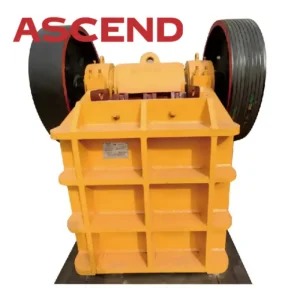
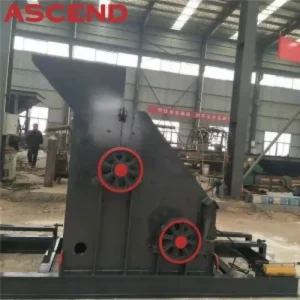
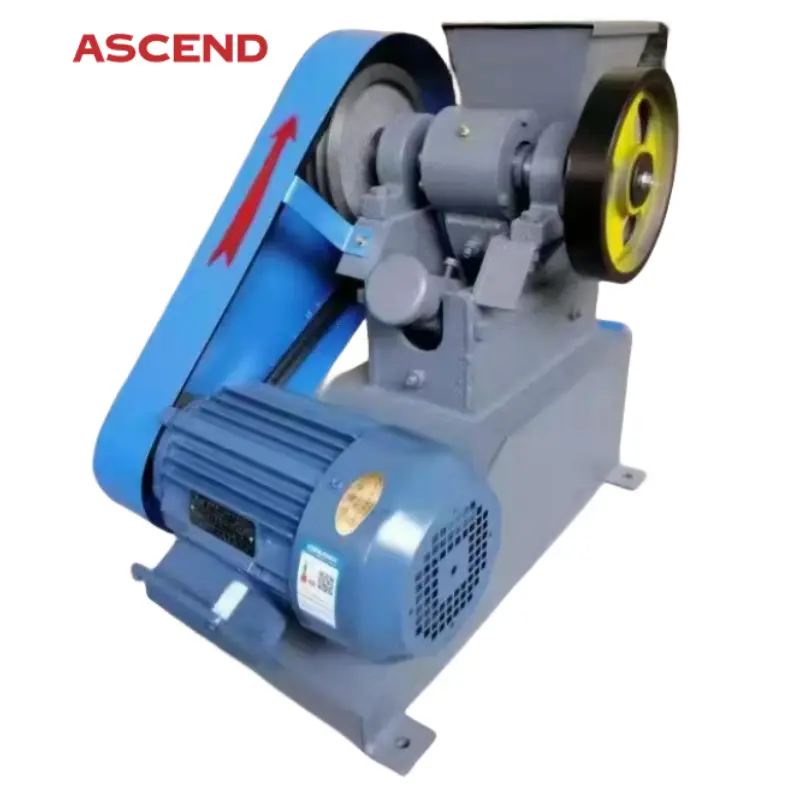
In operation, the motor drives the belt wheel and flywheel to move the eccentric shaft so as to drive the moving jaw plate to move upside down, left and right. Materials entering the feeding mouth will be crushed by squeezing and rubbing of two plates.
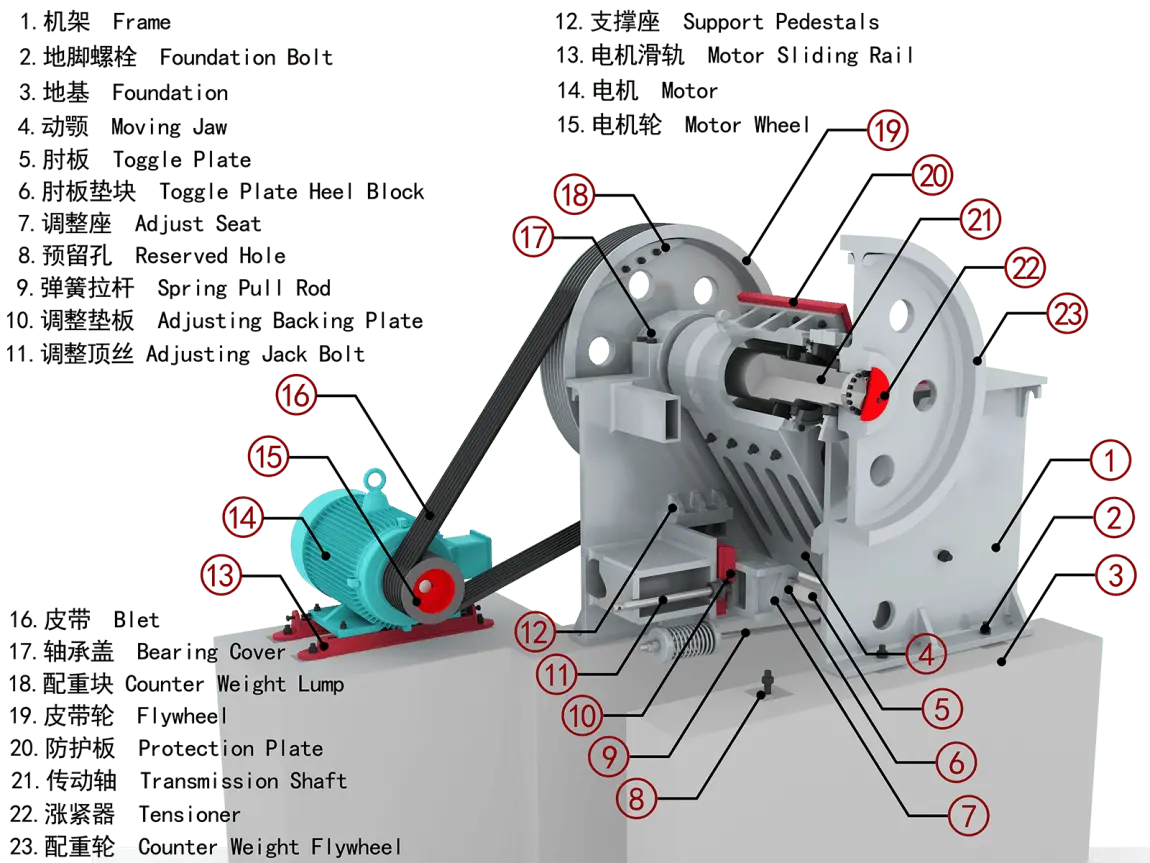
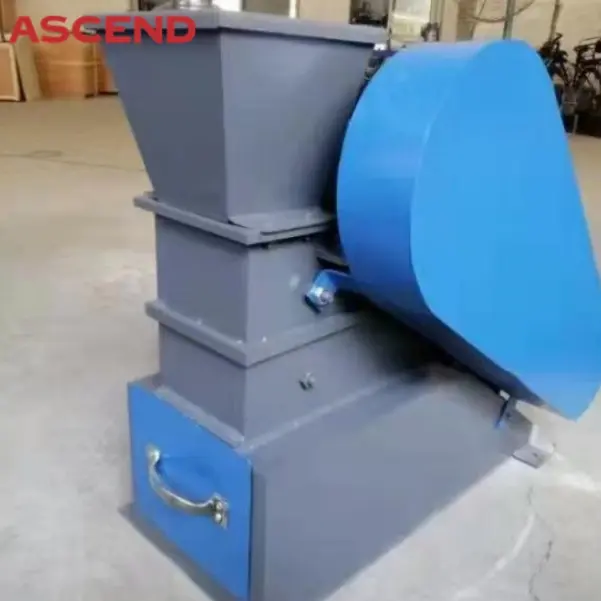
A jaw crusher uses compressive force for breaking down materials. This mechanical pressure is applied by the crusher’s two jaws, where one is fixed and the other is movable, driven by an eccentric shaft mechanism.
The main movement is driven by the motor, which runs the belt wheel and flywheel to rotate the eccentric shaft. This rotation directly moves the movable jaw plate in a mechanical motion pattern.
When material enters the feeding mouth, it is subjected to constant squeezing, crushing, and rubbing actions between the static jaw plate and the moving jaw plate until it reaches the desired discharge size.
The adjustment device is designed to alter the discharge opening size between the jaw plates, allowing operators to control the final output size of the crushed materials.
Flywheels store rotational energy during the idle parts of the shaft rotation and release it during the crushing stroke, helping to maintain a balanced, efficient, and smooth crushing operation.