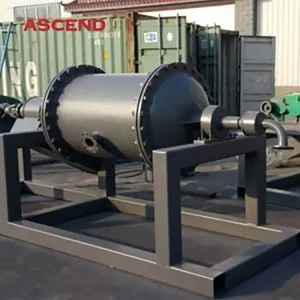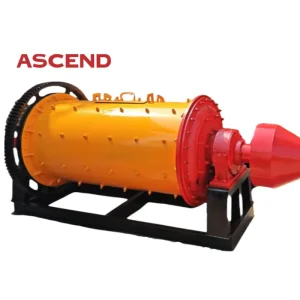
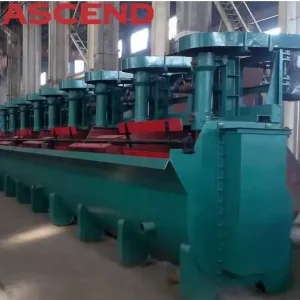
In modern mineral processing, the Gold Stone Ball Mill stands as the cornerstone of size reduction and mineral liberation. As mining enterprises push toward low-grade ore bodies and challenging refractory gold resources, achieving an optimal grind size distribution (d80) becomes a key driver of extraction yield. This equipment must operate continuously in harsh environments, making structural reliability, energy conservation, and operational precision critical factors for global procurement teams.
A high-efficiency ball mill operates on the principle of impact and attrition. The rotating cylindrical shell, filled with steel balls or ceramic media, elevates the materials to a critical height before cascading down. To maximize throughput while minimizing energy draw, modern ball mills employ advanced drive topologies, frequency control, and wear-resistant alloy liners. Understanding the tribological and mechanical properties of these components is vital for reducing mill downtime and extending operating life.
The structural composition of a premium gold stone ball mill is engineered to withstand extreme torsional loads. Fabricated from structural carbon steel, the main shell undergoes ultrasonic weld inspection and thermal stress relief to eliminate residual structural stress.
The main bearings represent another critical focus area. Traditional bearing configurations are increasingly being replaced by high-performance double-row spherical roller bearings or hydro-dynamic slide bearings. These modern designs reduce start-up friction torque, lower overall power consumption by 8% to 15%, and eliminate the complex cooling water systems required by older journal bearings. Additionally, the drive transmission—utilizing a large girth gear, pinion assembly, and modular gearbox—is precision-machined to AGMA standards to ensure smooth power transfer and minimal vibration.
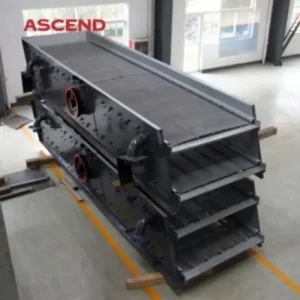
For wet grinding circuits, mineral separation efficiency depends on the closed-circuit layout. Integrating the ball mill with high-performance hydrocyclones or high-frequency vibrating screens prevents over-grinding, which can lead to gold sliming and lower flotation or cyanidation recovery rates.
For international procurement teams, sourcing a gold stone ball mill from China offers major strategic advantages. Central China, particularly the Henan Province machinery cluster, is a leading global hub for heavy mining equipment manufacturing. This concentration of production brings together raw material sourcing, casting foundries, precision machining, and heavy assembly facilities into a highly efficient geographic ecosystem.
Chinese heavy machinery manufacturers operate state-of-the-art foundries capable of producing large girth gears and wear-resistant end covers. By using advanced electric arc furnaces and vacuum degassing processes, these factories can supply casting parts with uniform microstructure and high tensile strength.
The proximity to raw steel producers and specialized auxiliary component manufacturers (such as drive motors, gearboxes, and lubrication units) significantly reduces production lead times. This allows suppliers to complete and ship custom-engineered heavy mills faster than competitors in Europe or North America.
Economies of scale, optimized labor productivity, and streamlined assembly processes enable Chinese manufacturers to offer high-quality equipment at highly competitive capital expenditure (CAPEX) points. This balance of cost and performance is crucial for managing project budgets.
Partnering with a leading manufacturer like Henan Ascend Machinery & Equipment Co., Ltd. gives global operators access to engineered solutions tailored to specific ore characteristics. Whether processing hard quartz veins, complex sulfide ores, or soft weathered placer materials, these custom configurations ensure the grinding system is perfectly matched to the downstream beneficiation process.
Ascend has developed steadily since its establishment. Its business covers more than 130 countries and regions around the world, especially in Africa and Southeast Asia. Additionally, Ascend's machine quality and after-sales service have won widespread praise from international customers.
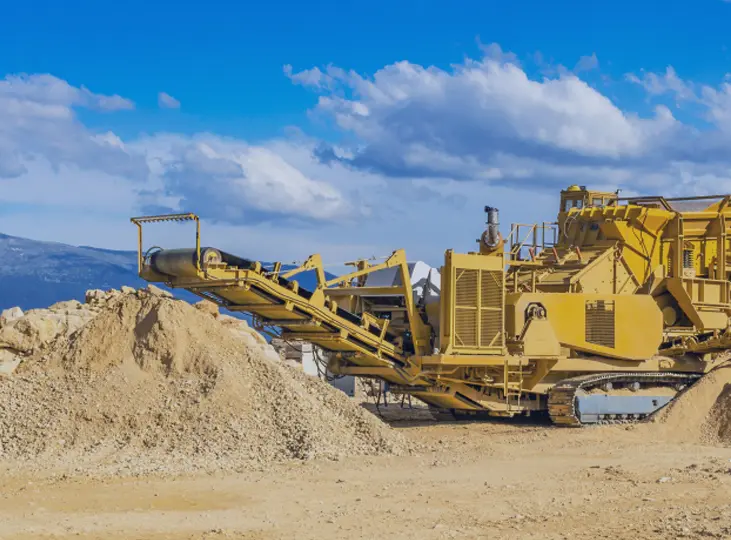
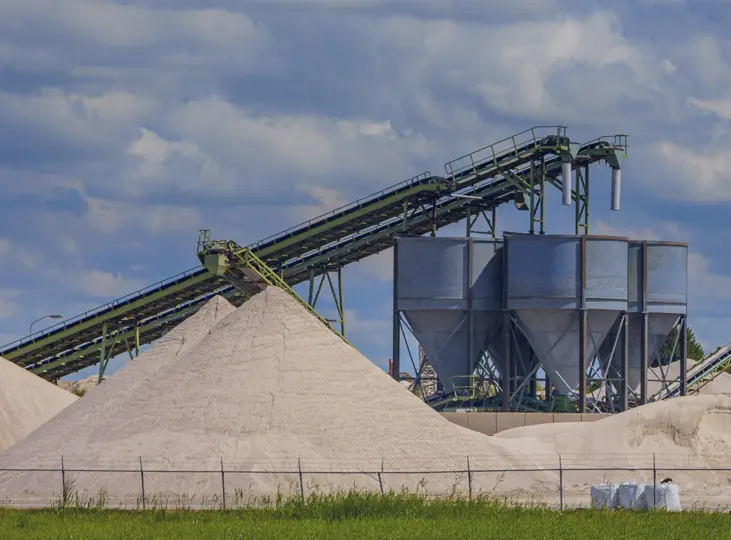
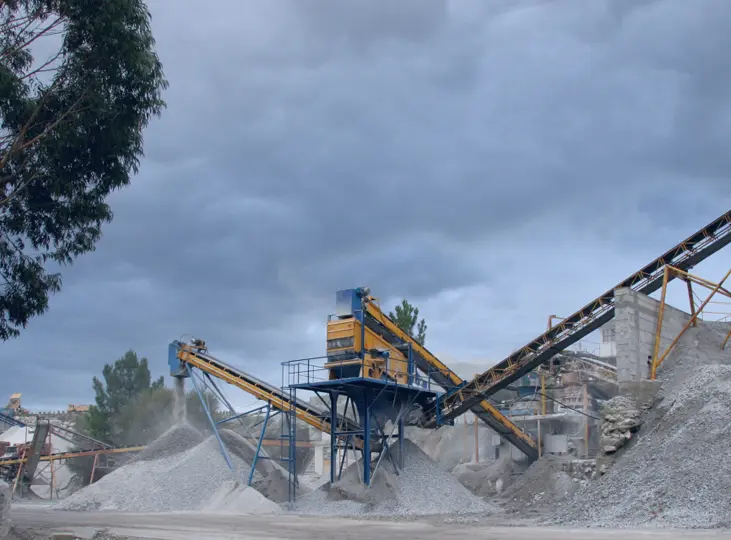
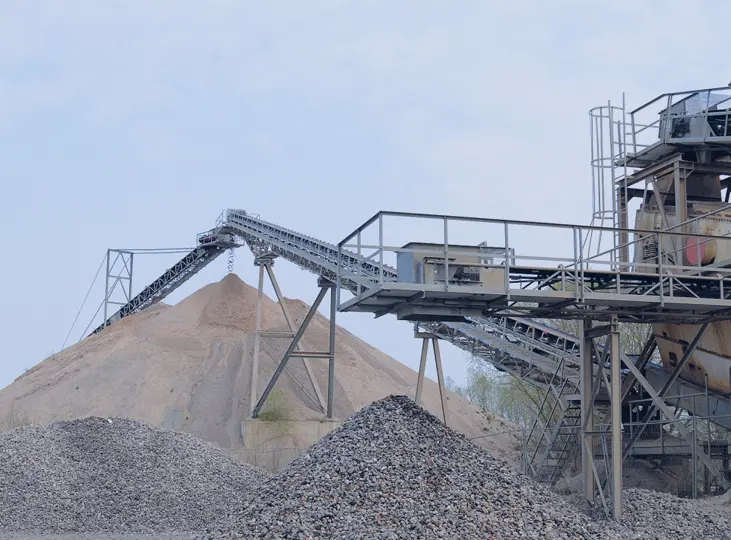
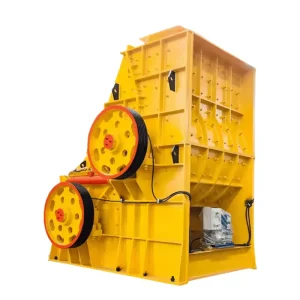
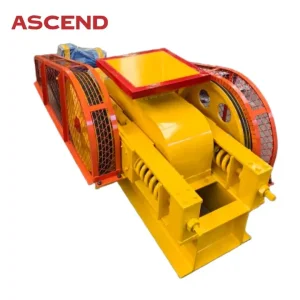
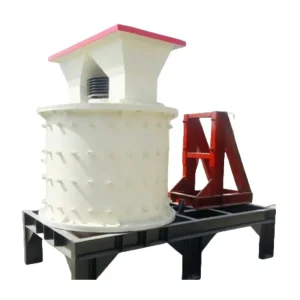
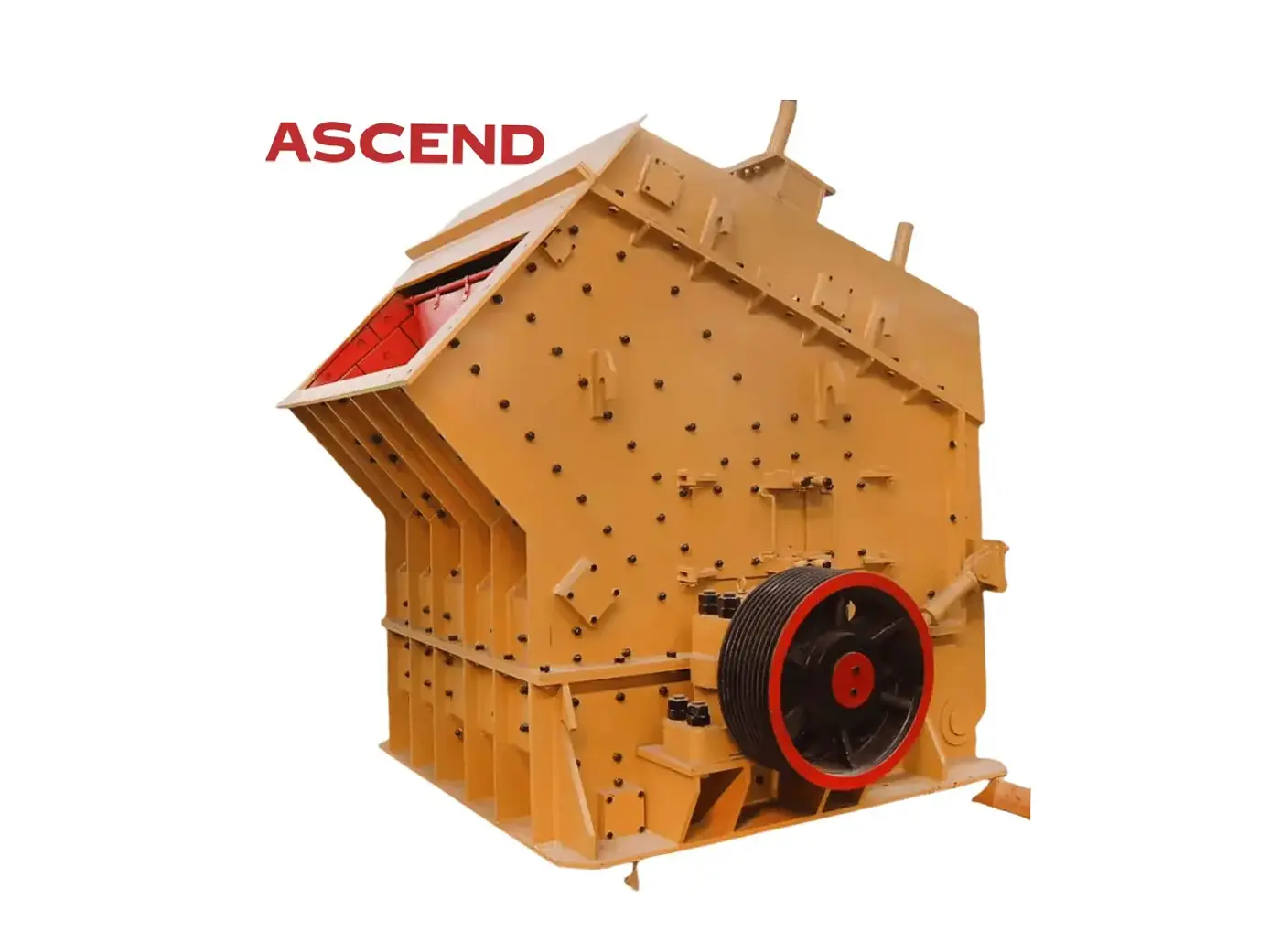
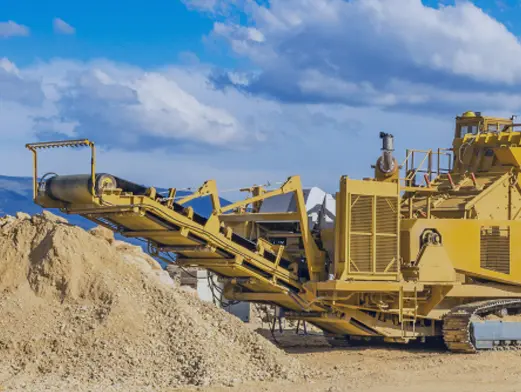
An impact crusher is a secondary crushing equipment that uses impact energy to reduce material size. It is characterized by simple maintenance, high reduction ratios, and high efficiency, producing a clean cubic product shape. Features include three crushing chambers, a seamlessly connected rotor, wear-resistant blow bars, and a secure insert-type installation. Equipped with tooth-type liners, gradient-designed bearing seats, multiple frame openings, and hydraulic start-up systems, impact crushers perform effectively across all size reduction stages, from primary crushing to fine material prep before grinding.
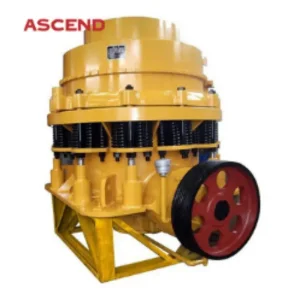
Integrating impact or cone crushers with ball mills creates a highly efficient circuit. By reducing the ball mill feed size (F80), plants can significantly cut down the energy required for the final grinding stage.
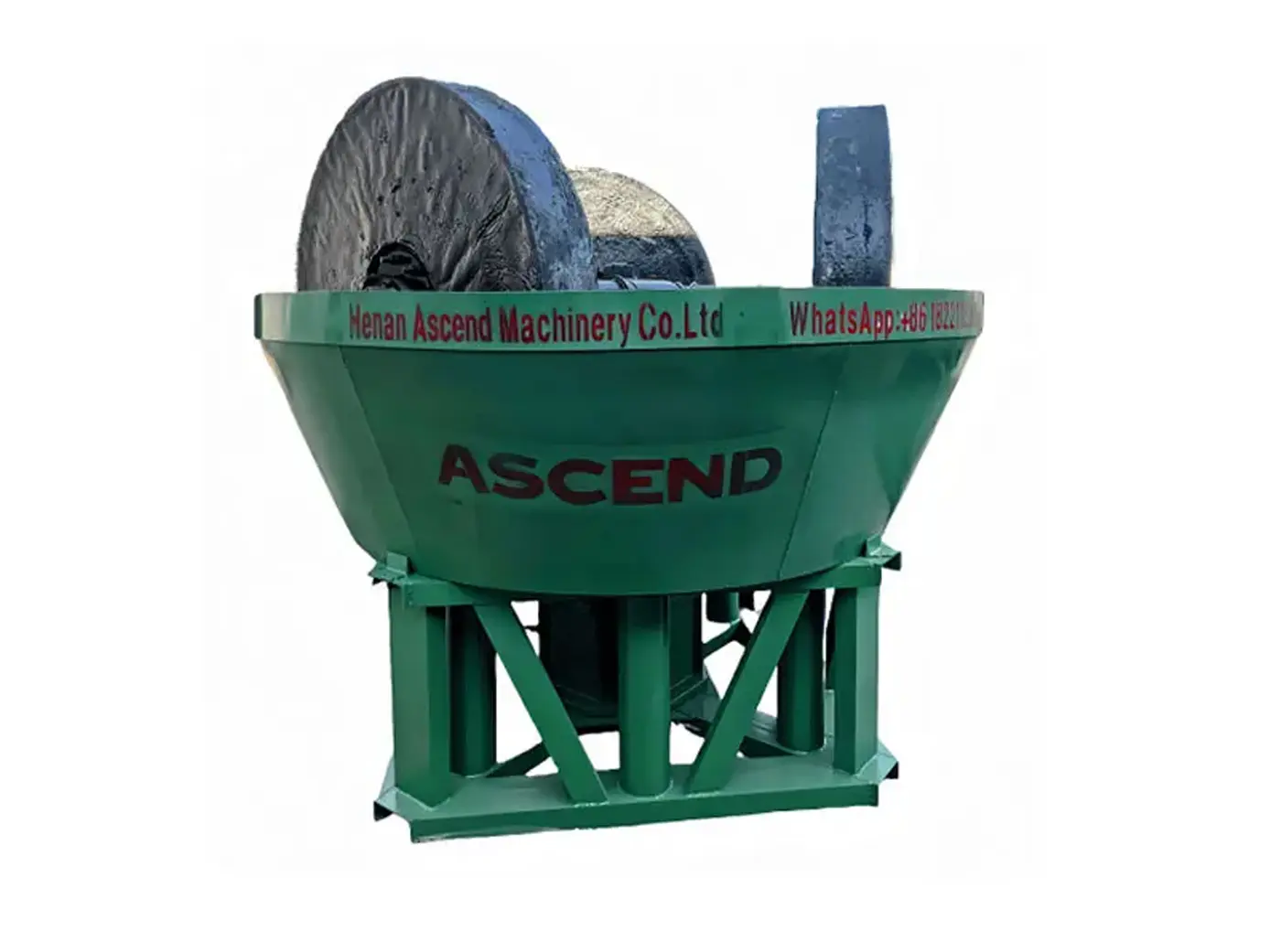
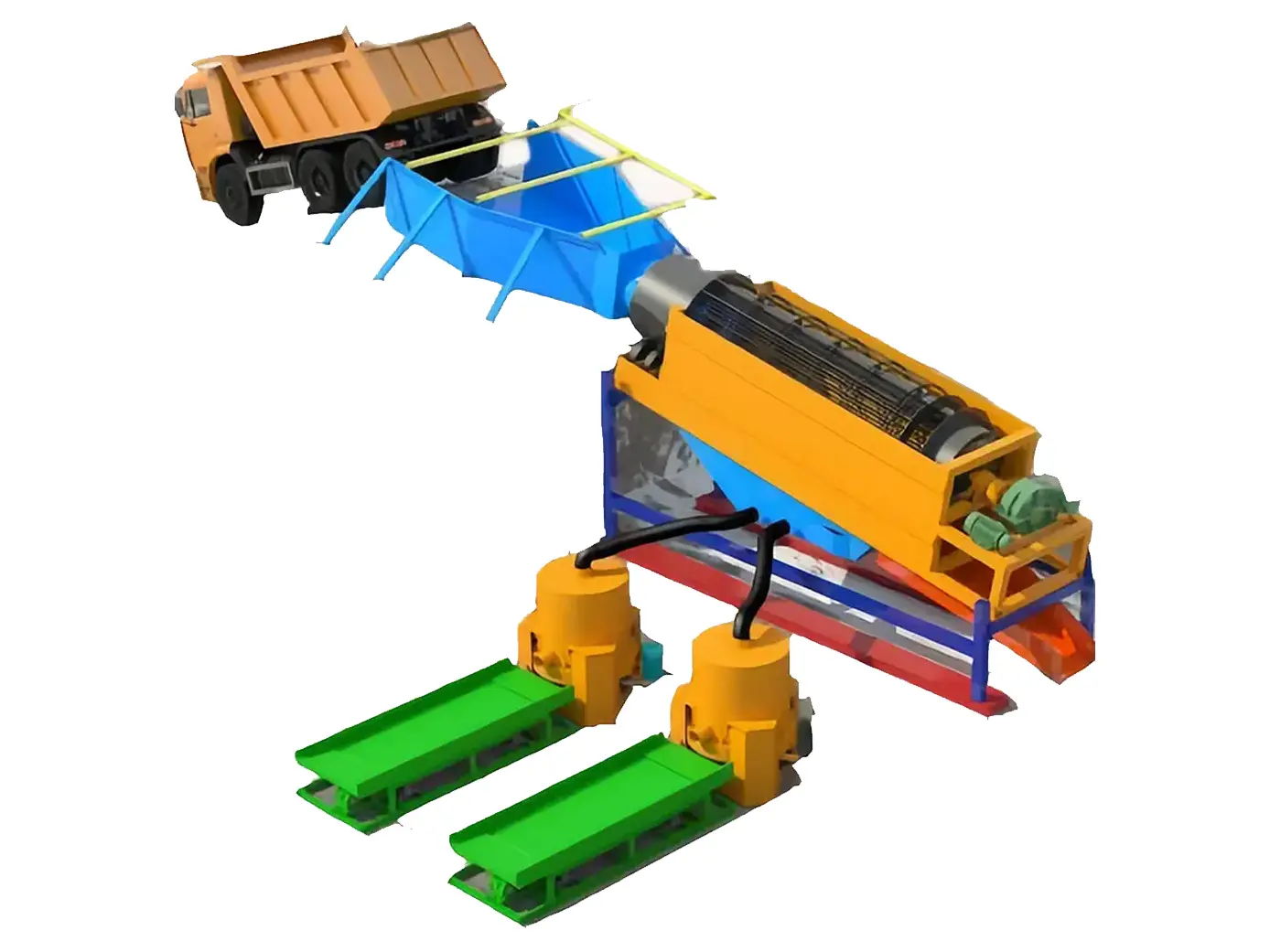
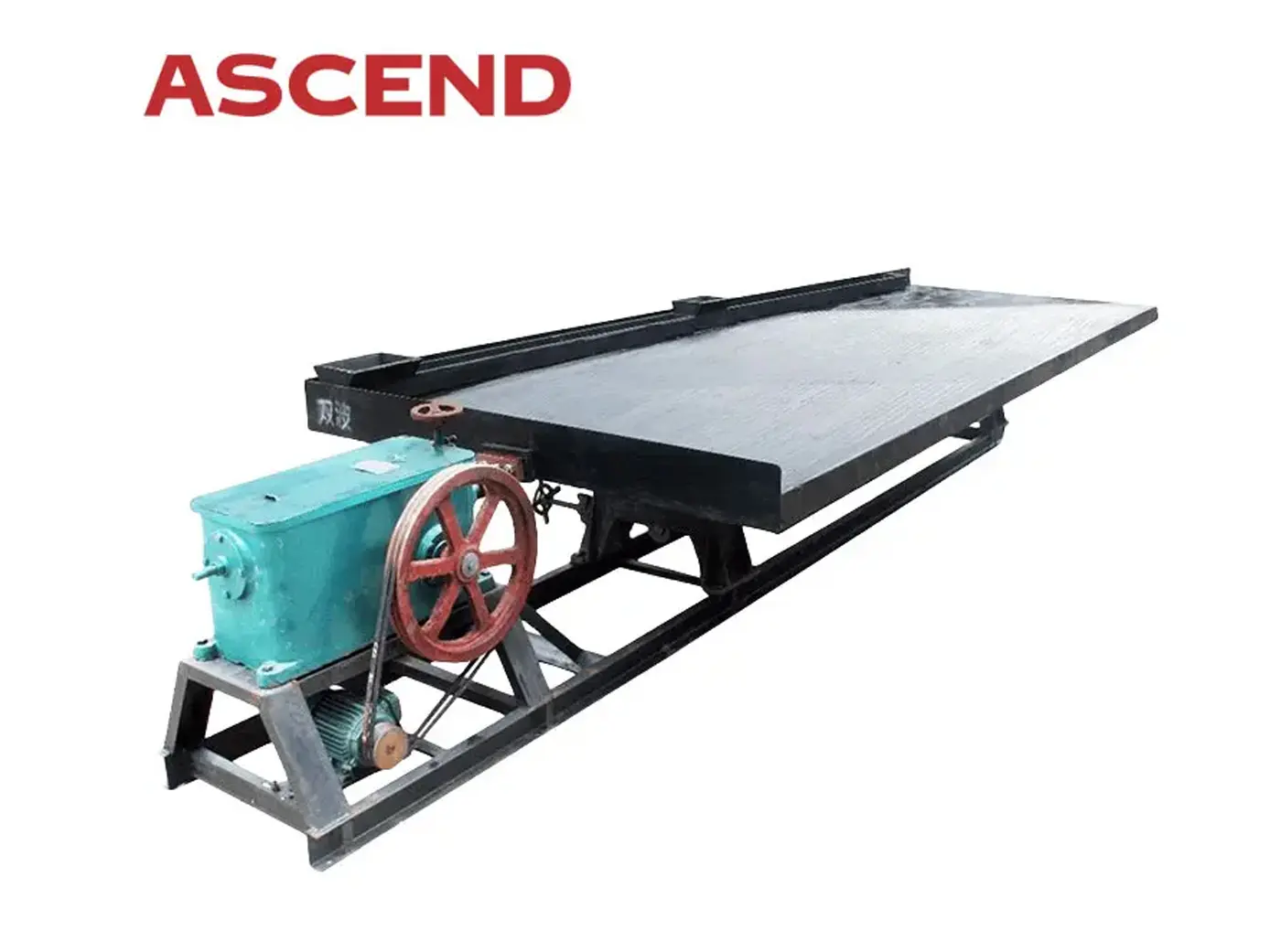
Modern mining projects must comply with strict environmental, safety, and operational standards. Sourcing equipment requires aligning with local regulatory bodies, such as the EPA, European CE directives, local African mining departments, and regional safety frameworks. Ball mill design plays a key role here—especially concerning noise reduction, dust emission control, and slurry management.
Equipped with optional acoustic enclosures and high-density rubber lining inserts, our mills reduce operating noise to under 85 dB at 1 meter. Integrated dust collectors at the feed and discharge points prevent airborne particulate emissions, keeping the work environment safe and compliant.
In arid mining regions such as parts of Africa and Western Australia, water conservation is a priority. Our technical engineers design closed-circuit wet grinding systems that integrate thickening tanks and hydrocyclone recycling loops, recovering and reusing up to 90% of process water.
To minimize downtime, we maintain localized spare parts warehouses and field service engineering teams in key mining regions, including Zambia, Tanzania, and Sudan. This ensures rapid dispatch of technical support, replacement liners, and drive components directly to site.
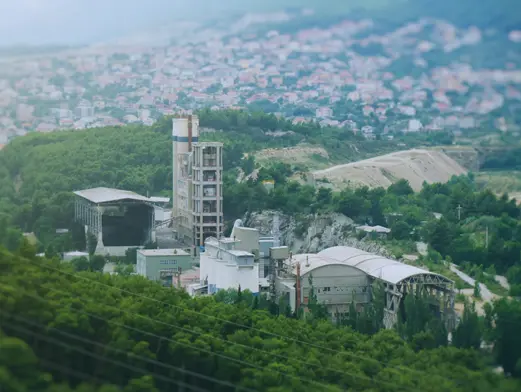
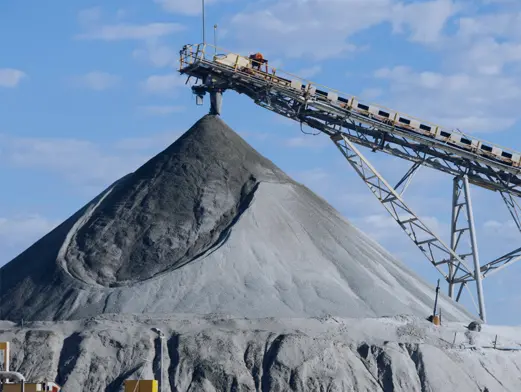
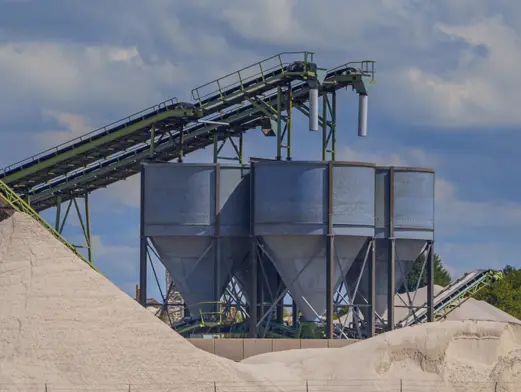
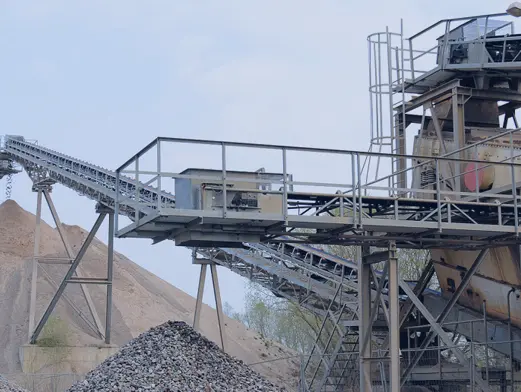
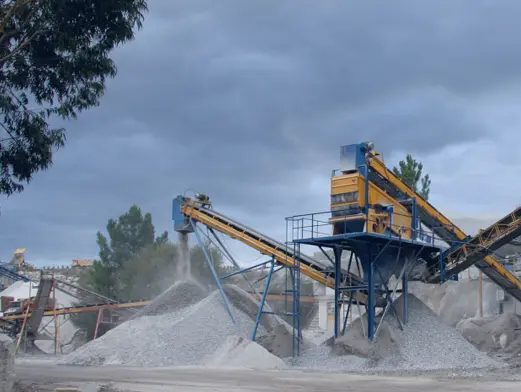
Our grinding systems and crushing solutions are deployed in various gold, copper, and stone processing sites worldwide. Below are some of the project locations and plants utilizing our industrial technology:
Henan Ascend Machinery & Equipment Co.,Ltd. was established in 2005 and is located in the high-tech zone of Zhengzhou City, Henan Province.
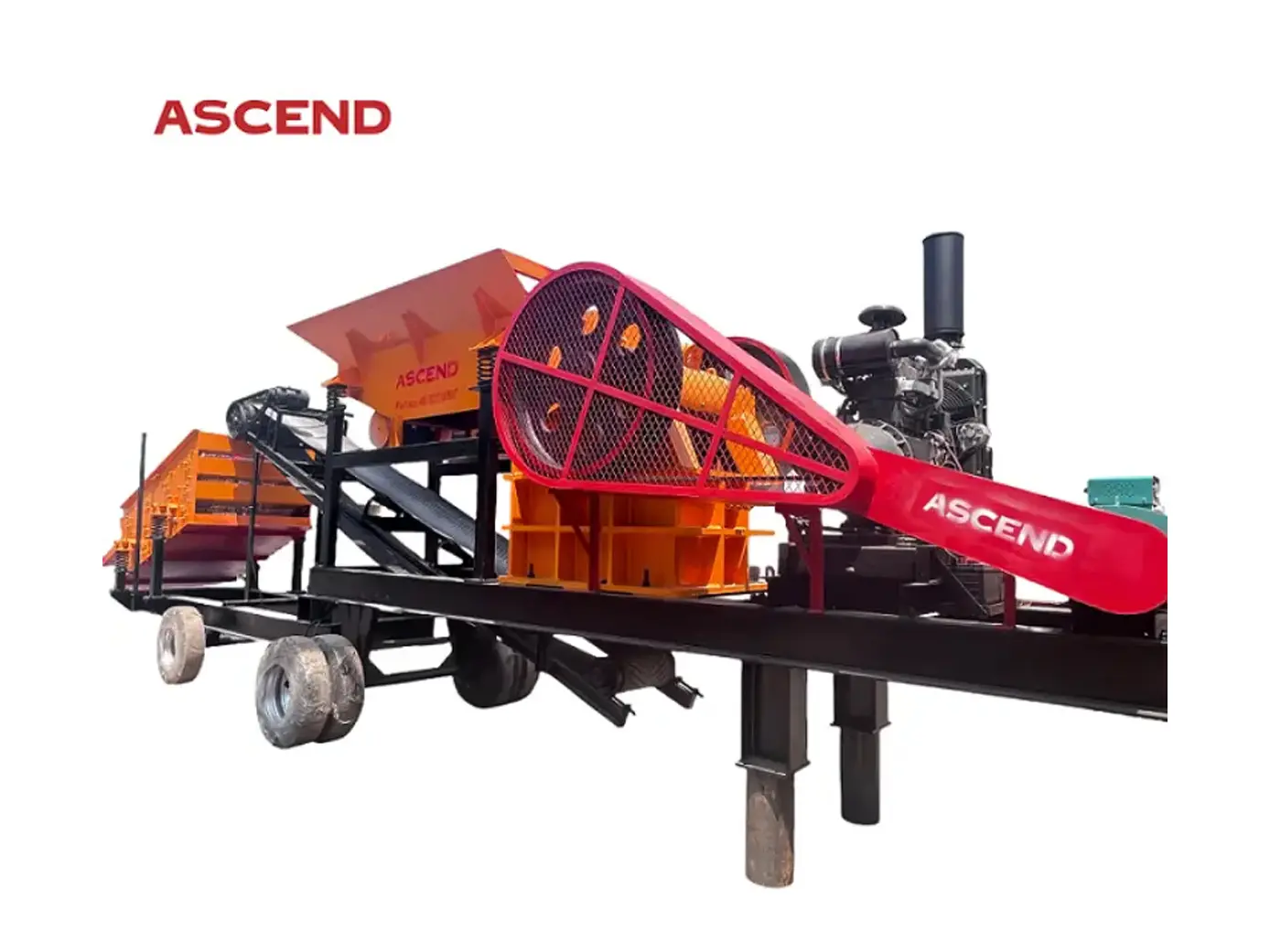
Ascend is mainly engaged in the research and development, manufacturing, sales, and after-sales service of complete sets of crushing, grinding, screening, feeding, and conveying heavy mining machinery. If you need to crush limestone, granite, gravel, or other stone, grind them into powder, or extract gold, please feel free to contact us. Just tell us your needs, and our engineers will provide you with professional advice. With our own manufacturing facilities, we ensure strict machine quality control and competitive pricing. We look forward to being your trusted partner in mineral processing.
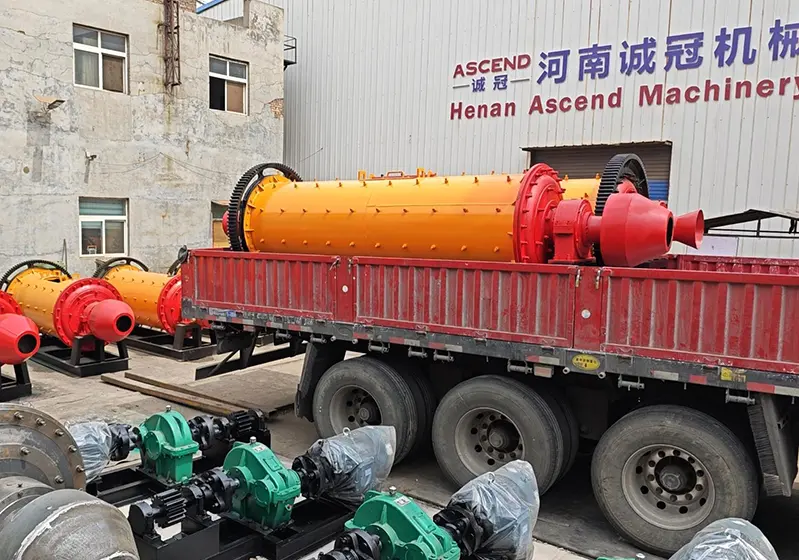
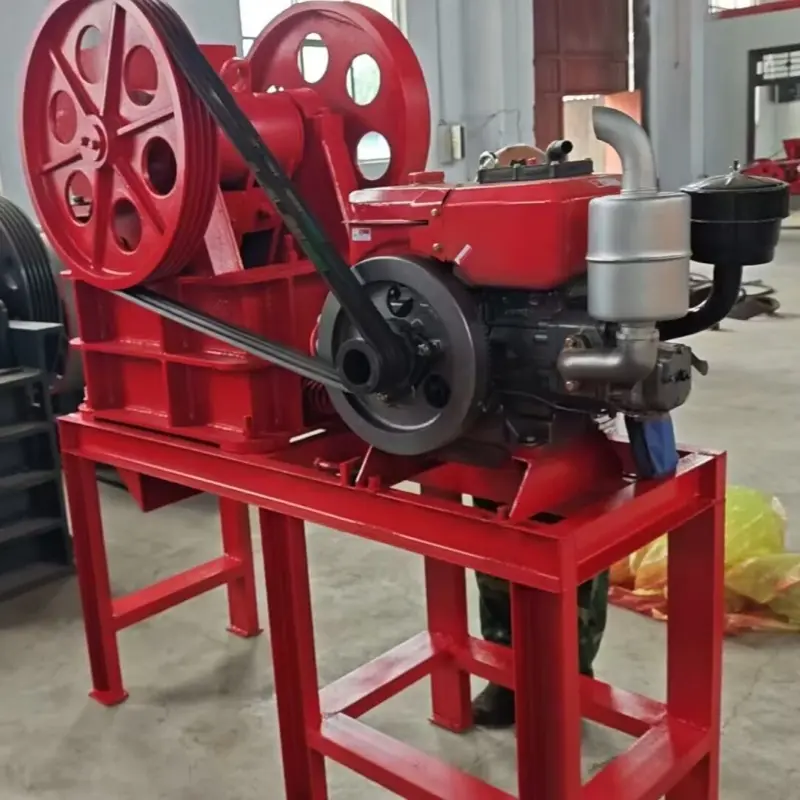
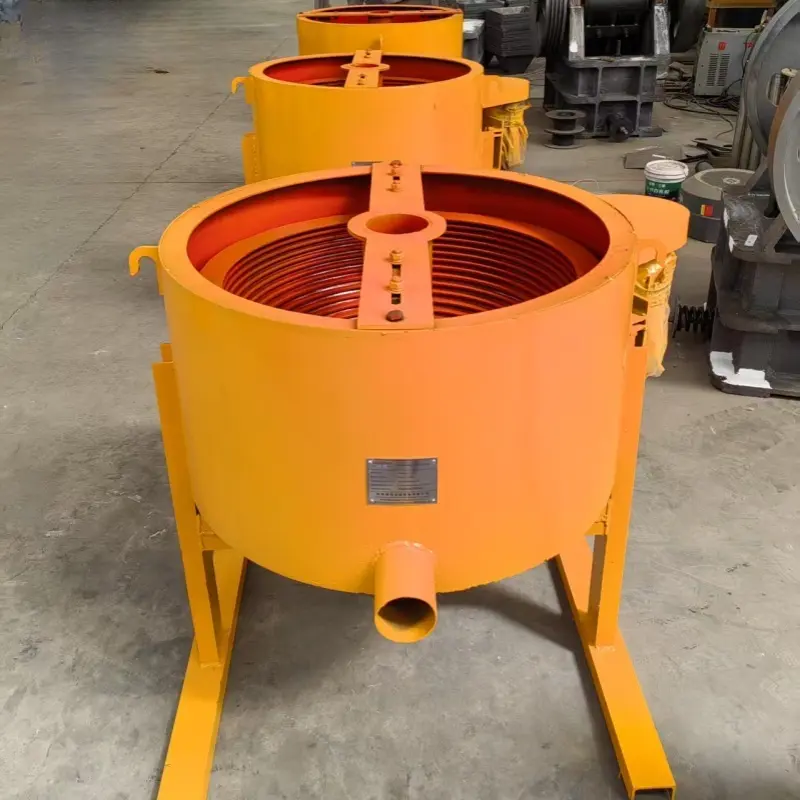
We track and document our machinery shipments to verify transport safety, delivery schedules, and overseas installations. Below are recent delivery updates from our factory:
The efficiency of a gold stone ball mill depends on the relationship between grinding media size, pulp density, and rotational speed. Grinding kinetics are determined by the selection of the correct mill diameter-to-length ratio, ensuring sufficient retention time for the target particle size reduction without causing over-grinding.
Over-grinding reduces processing throughput and can cause gold particles to slime. Ultra-fine gold particles (<10 microns) are more difficult to recover using gravity separation or flotation methods. Using automated feed controls and variable speed drives allows operators to adjust the mill speed relative to its critical speed ($N_c$), adapting to changes in ore hardness (Work Index).
Sizing the grinding media charge is critical to maintaining mill throughput. A balanced charge of high-chromium steel balls ensures large feed particles are fractured by impact while intermediate sizes are ground down by attrition.
Additionally, monitoring pulp density inside the mill is key; high viscosity can cushion the impact of the grinding media, while low viscosity increases liner wear. The target density should typically range between 65% and 75% solids by weight, depending on the mineralogy.
 Ascend