 Ascend
1 / 5
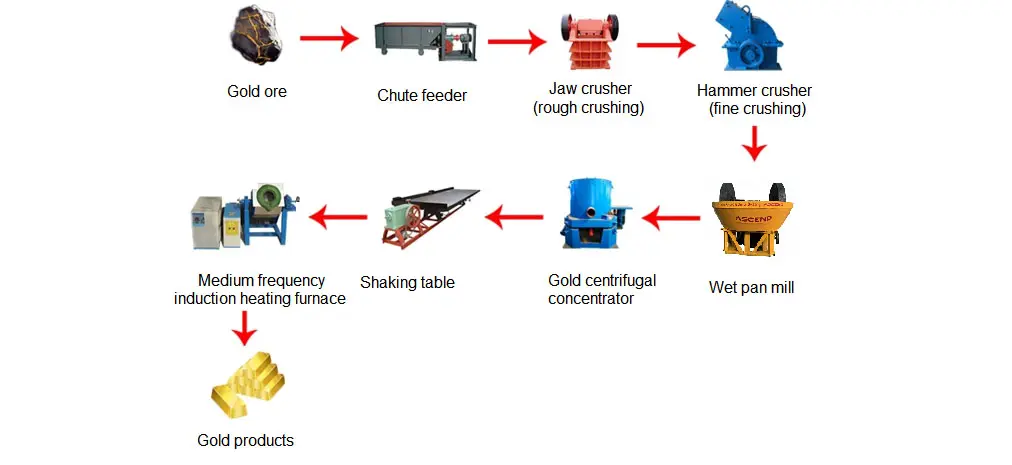
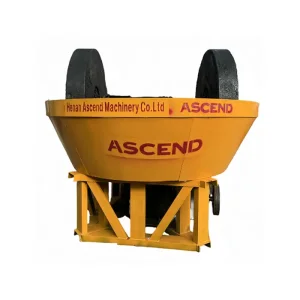
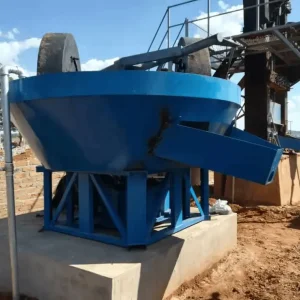
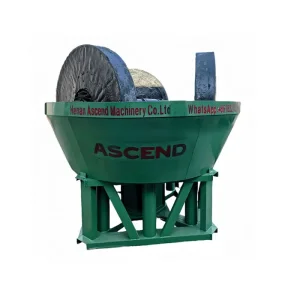
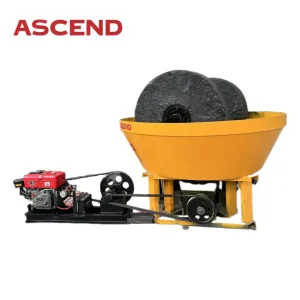
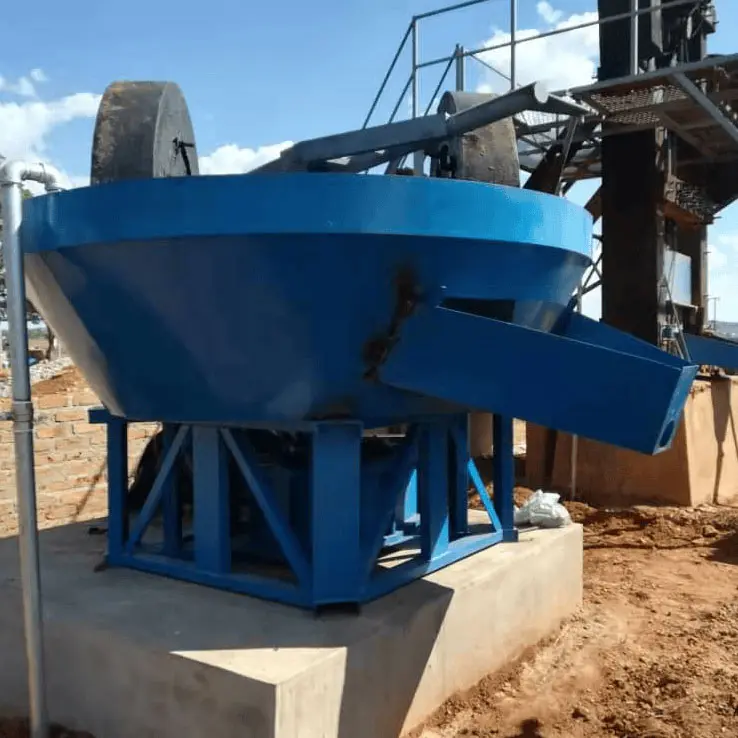
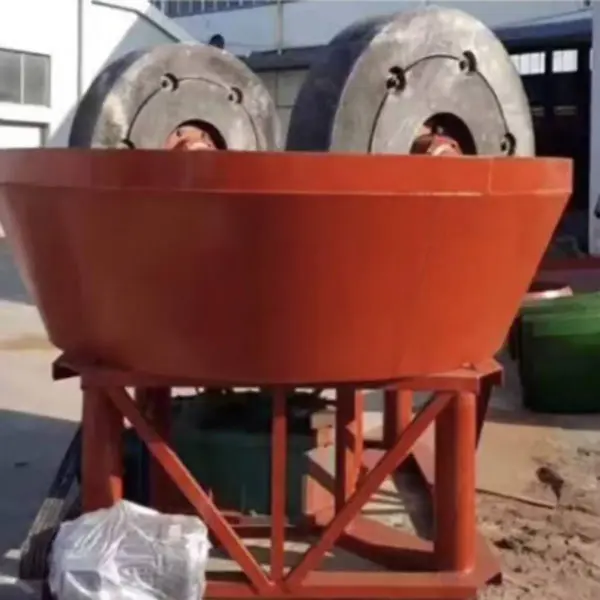
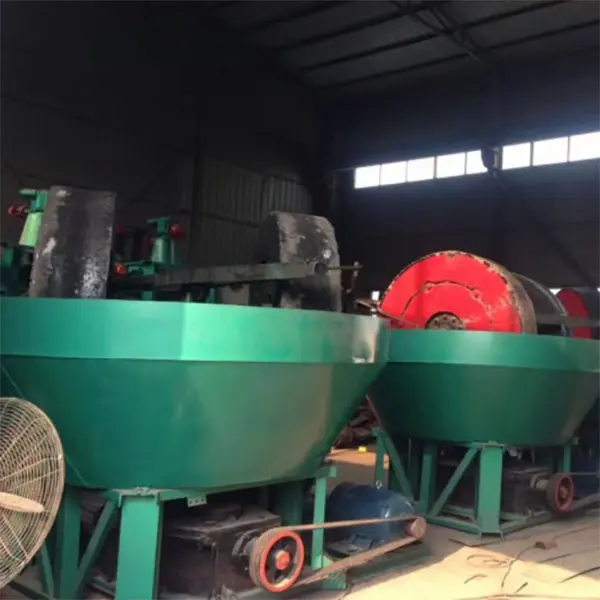
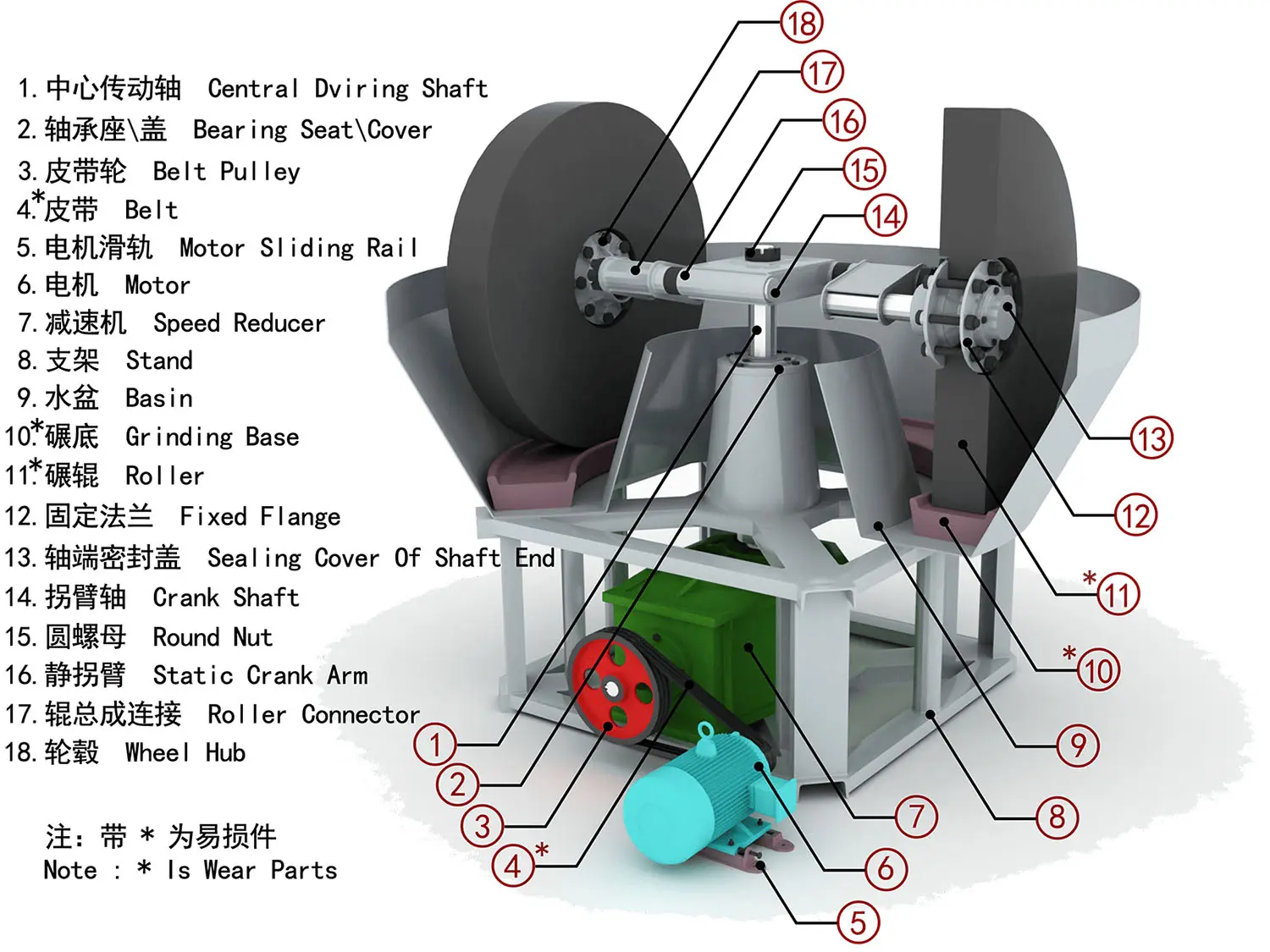
The motor drive the speed reducer, the speed reducer drive the roller on the main shaft to rotate clockwise. We add material and liquid in a certain proportion to the basin of the wet pan mill for grinding. The material can ground into the required output size with the friction between the rollers and the grinding base. And then the fixed materials with required particle size filters out from the discharging mouth for next operation process for processing.
| Model | Type (mm) | Input Size (mm) | Capacity (t/h) | Powder (kw) | Weight (t) |
|---|---|---|---|---|---|
| 1600 | 1600×350×200×460±20 | <25mm | 1.5-3 | 30 | 13.5 |
| 1500 | 1500×300×150×420±20 | 1-2 | 22 | 11.3 | |
| 1400 | 1400×260×150×350±20 | 0.8-1.2 | 18.5 | 8.5 | |
| 1200 | 1200×180×120×250±20 | 0.4-0.6 | 7.5 | 5.5 | |
| 1100 | 1100×160×120×250±20 | 0.3-0.4 | 5.5 | 4.5 |
The maximum input material size for all standard models (1100 to 1600) should be less than 25mm (<25mm) to ensure optimal grinding performance.
Materials and liquid are mixed in a specific ratio inside the basin. The motor drives the rollers to rotate clockwise, grinding the materials through friction against the base until they reach the required size.
Once the materials reach the desired target output size, they automatically filter out through the discharging mouth, preparing them for the next stage of operation.
Depending on the model, capacity ranges from 0.3-0.4 tons per hour for Model 1100, up to 1.5-3 tons per hour for the large Model 1600.
Power requirements scale with the size of the equipment: Model 1100 requires 5.5 kW, Model 1200 requires 7.5 kW, Model 1400 requires 18.5 kW, Model 1500 requires 22 kW, and Model 1600 requires 30 kW.
The overall weight varies by model size and structure, starting from 4.5 tons for Model 1100 up to 13.5 tons for the heavy-duty Model 1600.