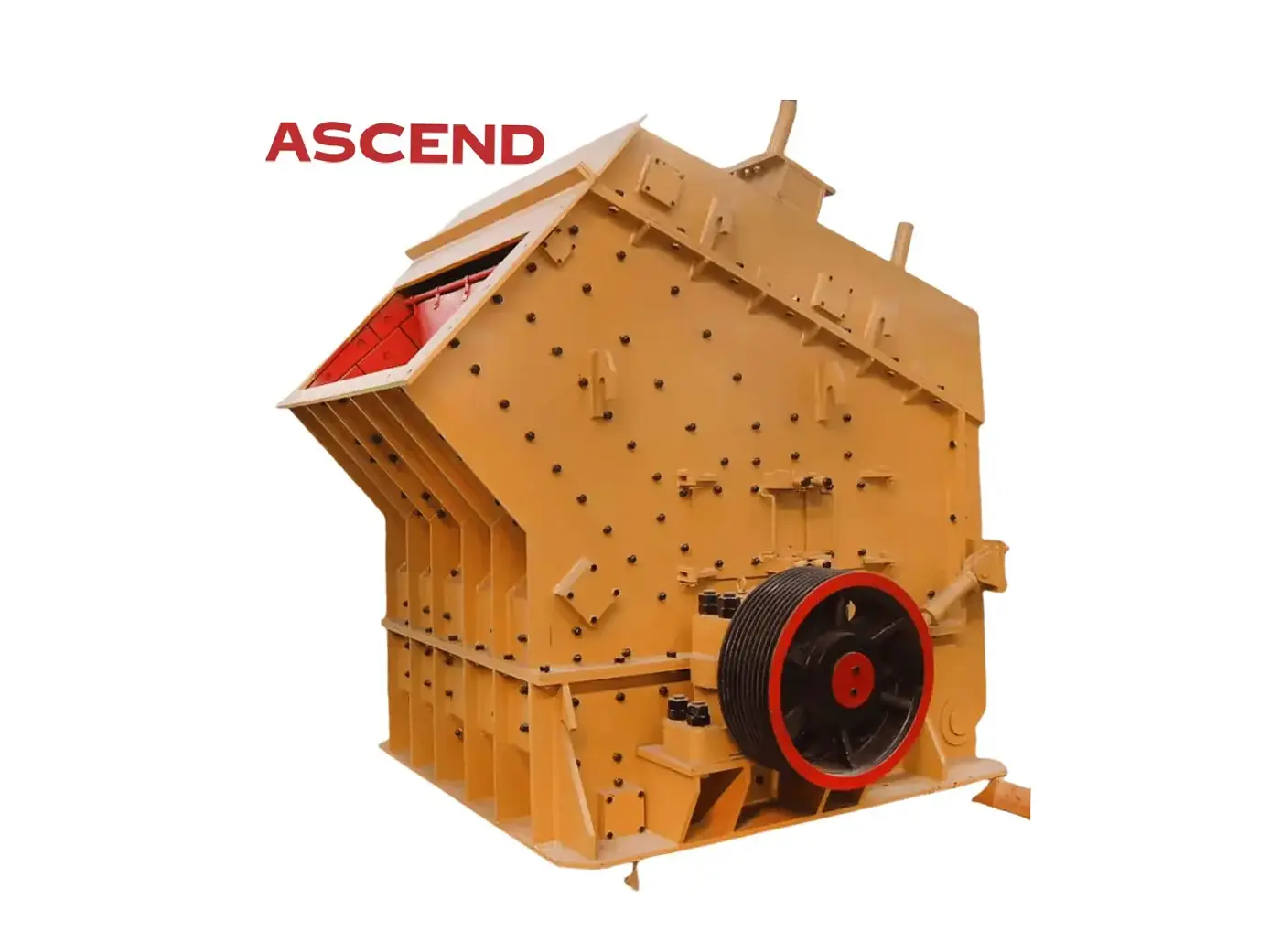
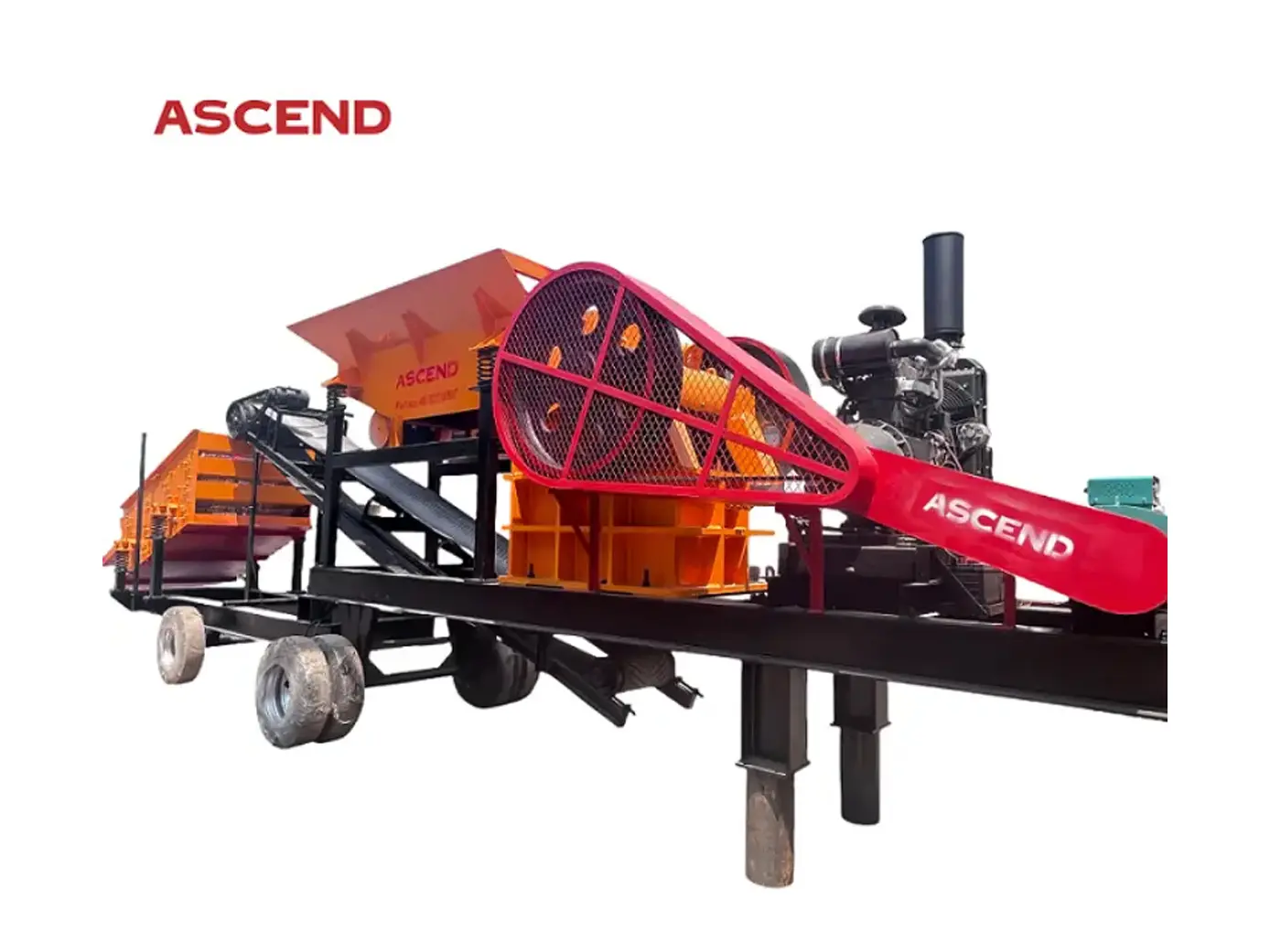
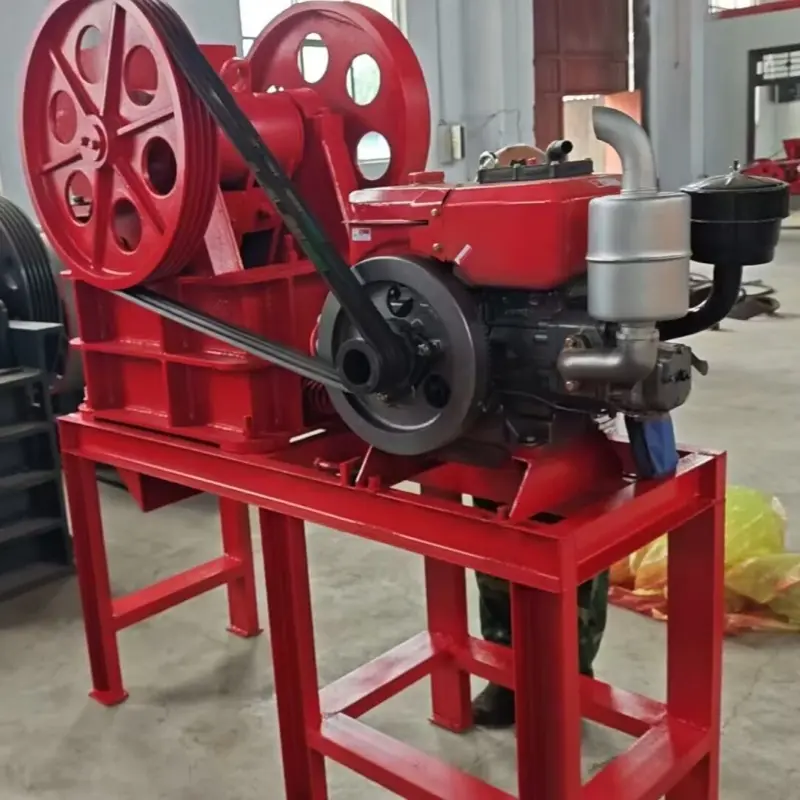
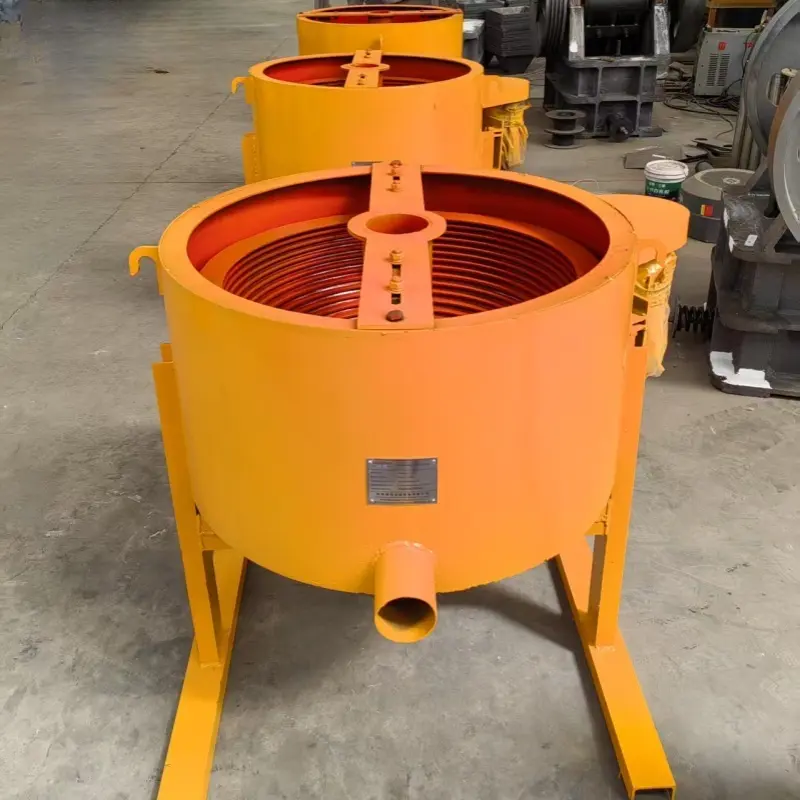
Explore our specialized range of primary grinding mills, spiral classifiers, and field-proven gold recovery machinery designed for high-efficiency mineral operations.
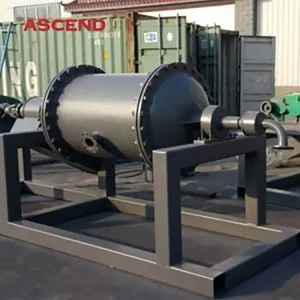
In the modern gold mining industry, the efficiency of the comminution circuit is one of the most critical factors determining the overall metallurgical recovery rate. Comminution, which encompasses the crushing and grinding of gold ore, typically consumes more than 50% of a gold processing plant's operational energy. As high-grade alluvial gold reserves deplete globally, mining companies are increasingly forced to exploit hard-rock deposits, complex refractory ores, and lower-grade gold bodies. Extracting gold from these matrices requires advanced industrial gold grinding mills to reduce the raw run-of-mine (ROM) ore to liberation size (typically d90 < 74 microns).
The global gold grinding mill market has undergone a significant transformation. Artisanal and small-scale gold mining (ASGM) operators, alongside medium-tier producers, are moving rapidly toward systems that prioritize mechanical reliability, minimal downtime, and higher energy efficiency. Regionally, the demand is concentrated in resource-rich belts across sub-Saharan Africa (notably Tanzania, Zambia, Zimbabwe, and Sudan), Latin America, and Oceania (such as Papua New Guinea). In these remote areas, the availability of reliable electrical power is a persistent constraint. Consequently, diesel-driven ball mills and robust wet pan mills have emerged as crucial production components, allowing operators to run uninterrupted off-grid processes.
Furthermore, environmental compliance and ESG (Environmental, Social, and Governance) principles are shaping industrial purchasing behavior. Traditional wet pan milling often involved mercury amalgamation directly inside the grinding chamber. Modern operations are pivoting to mercury-free alternatives, utilizing grinding mills strictly for particle size reduction before feeding gravity separation equipment like shaking tables, centrifugal concentrators, and flotation cells.
The choice between different mill topologies—specifically Ball Mills, Wet Pan Mills, and Hammer Mills—depends on feed characteristics, target product size, operational scale, and capital expenditure constraints. Below is a comparative breakdown of these technical pathways:
| Grinding Mill Type | Primary Mechanics | Feed Size Limit | Discharge Size (d90) | Best Suited For |
|---|---|---|---|---|
| Ball Mill | Impact & Attrition (Steel Balls) | < 25 mm | 37 - 150 microns | Large-scale, continuous closed-circuit operations |
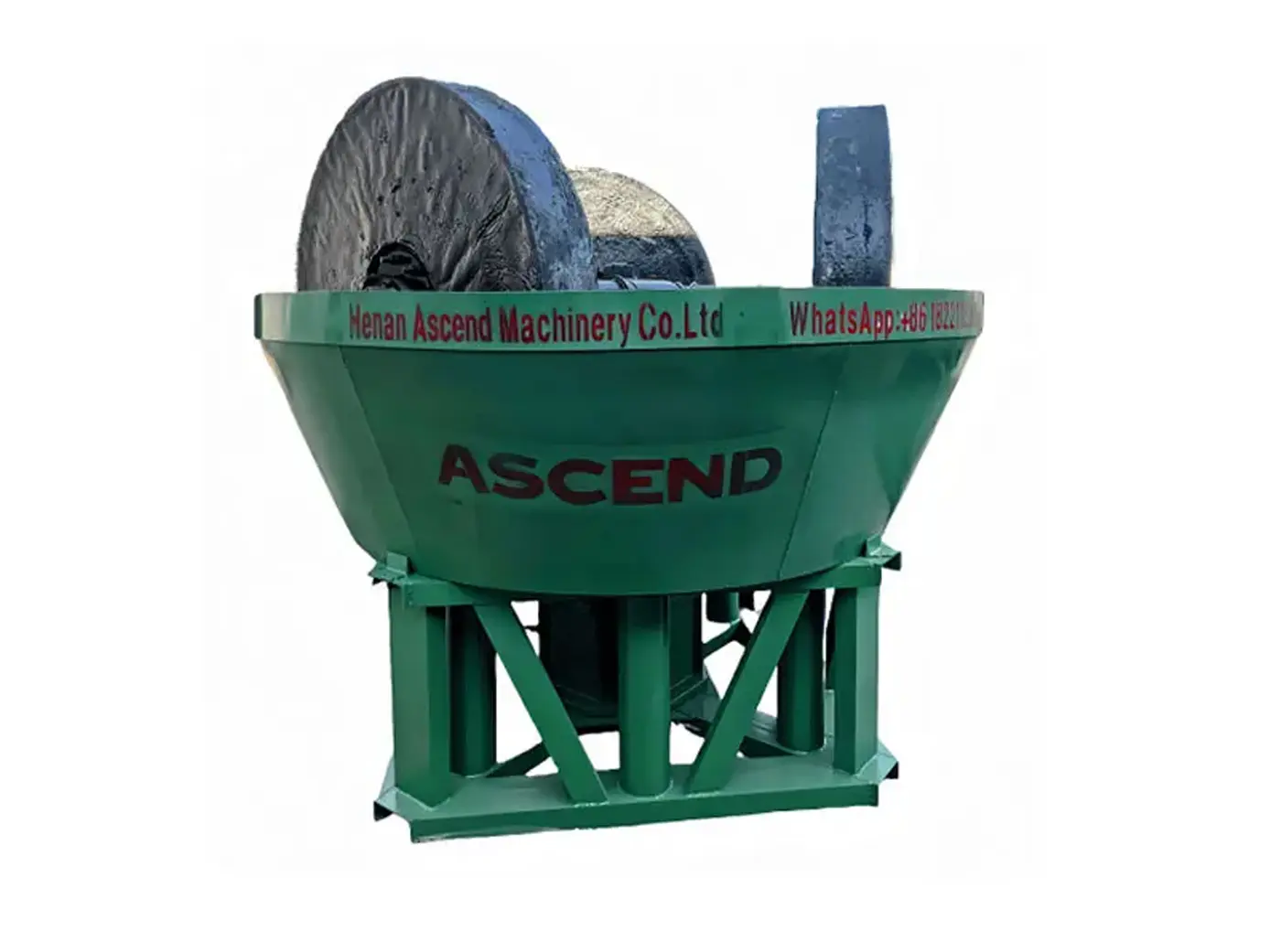
| Wet Pan Mill | Compression & Shear (Heavy Rollers) | < 10 mm | 74 - 200 microns | Artisanal and small-scale operations, low-OPEX gravity circuits |
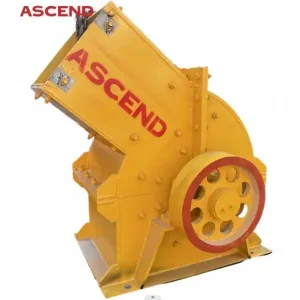
| Hammer Mill | Dynamic Impact (Swing Hammers) | < 50 mm | 1 - 5 mm (pre-grind) | Dry primary reduction or soft weathered ore processing |
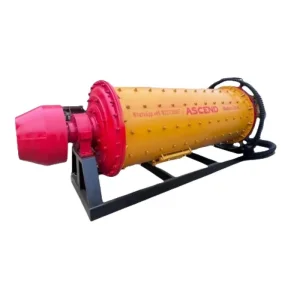
The industrial ball mill operates by rotating a hollow cylindrical shell filled with grinding media (typically high-chrome steel alloy balls). As the shell rotates, the balls are lifted by internal lifters and cascade down onto the slurry, applying impact forces that shatter the mineral host rock. Furthermore, the sliding action between the balls generates shear forces (attrition) that grind the material down to ultra-fine fractions.
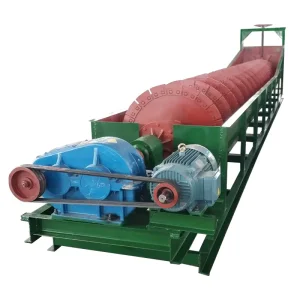
Optimizing ball mill operation requires careful monitoring of the "critical speed," which is the rotation speed at which centrifugal forces cause the grinding media to cling to the inner wall rather than cascading. Most ball mills operate at 70% to 75% of critical speed. Furthermore, closed-circuit configuration with a classifier—such as a spiral classifier or hydrocyclone—is essential. The classifier returns oversize particles back to the mill inlet for regrinding, preventing over-grinding of already liberated gold, which can lead to recovery losses in gravity and flotation circuits.
"Over-grinding causes fine gold particles to become flattened or 'slimed,' which drastically reduces their recovery efficiency on shaking tables and centrifugal concentrators." — Ascend Engineering Department
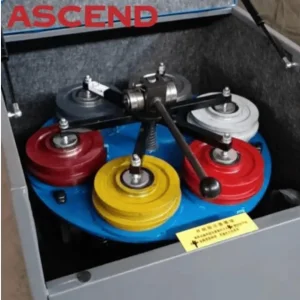
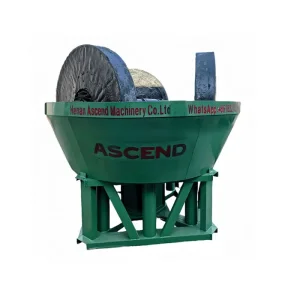
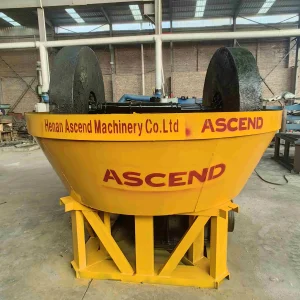
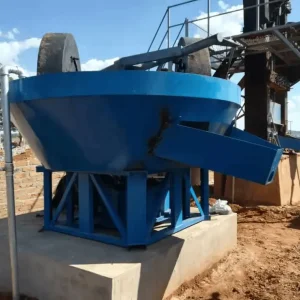
The wet pan mill (often referred to as a gold grinding machine or roller mill) relies on two or three heavy cast-iron rollers that travel in a circular path within a pan filled with water and ore. The grinding action is primarily compressive and shear-driven. As the rollers roll over the ore particles, they crush them against the bottom plate. The water carries the sufficiently ground fine particles through screen openings or over a weir. Wet pan mills are favored for their low cost, simple maintenance, and high efficiency in treating clay-rich and highly oxidized ores.
Deploying heavy machinery to remote mining concessions globally requires more than just manufacturing capabilities. Logistics and regulatory compliance form the backbone of successful operations. Henan Ascend Machinery & Equipment Co., Ltd. has established robust supply-chain networks that facilitate safe transport, customs clearance, and local compliance across Africa, Latin America, and Southeast Asia.
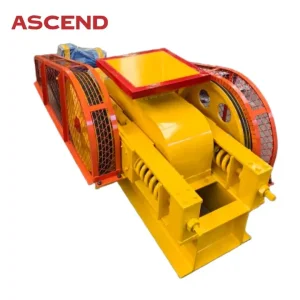
When shipping high-tonnage equipment like ball mills, wet pan mills, or complete jaw crusher plants, structural integrity during maritime and land transport is critical. Heavy-duty wooden packing, moisture-resistant shrink wrapping, and secure container tie-downs prevent alignment warpage of mill shafts and damage to precision-machined gears. Furthermore, local compliance requires adherence to environmental standards, noise emissions regulations, and occupational safety codes. Our engineers design systems that can adapt to strict local mining inspection standards, offering dust-reduction enclosures and safety guards on all moving parts.
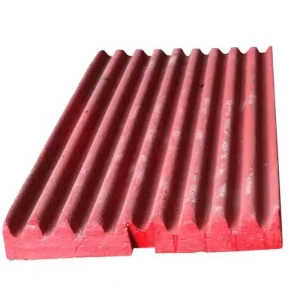
Our dedicated after-sales support engineers provide on-site commissioning, foundation layout drawings, and training for local operators. Maintaining a reliable stock of critical wear components (such as manganese jaw plates, high-chromium steel liners, and replacement rollers) within regional distribution centers ensures minimal downtime and sustained mineral recovery rates for our global clientele.
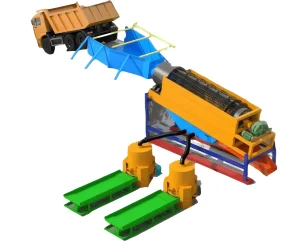
Custom engineering layouts designed by Henan Ascend to maximize recovery rates and adapt to varying geographical conditions.
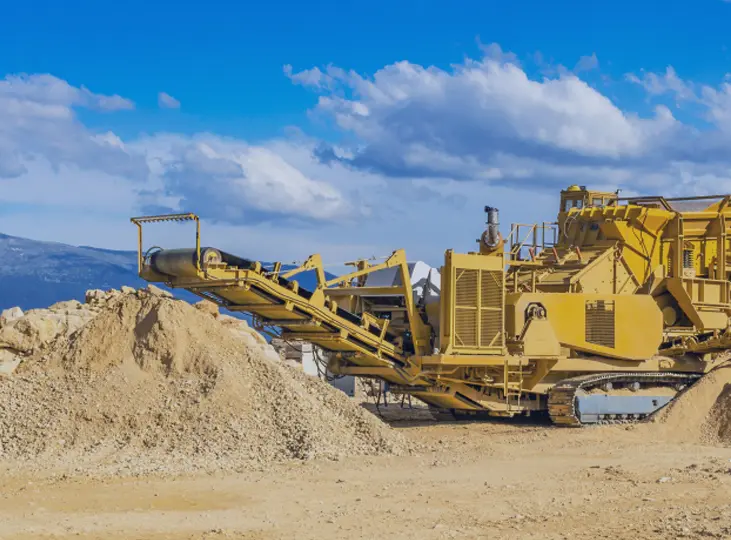
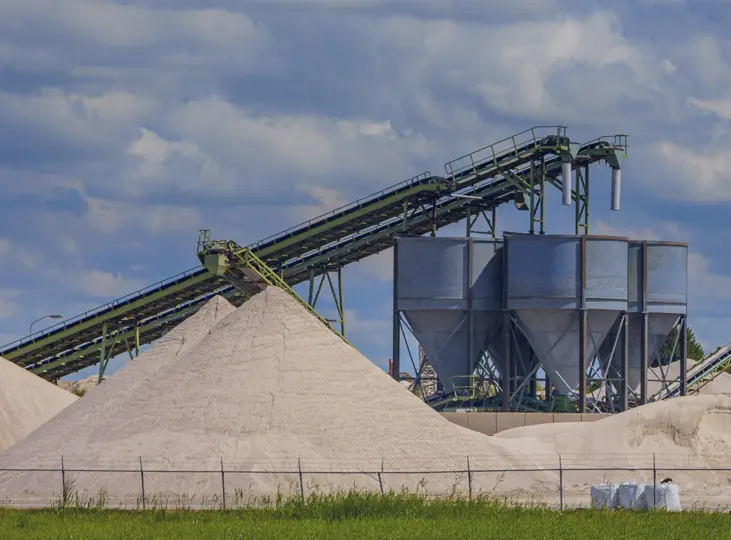
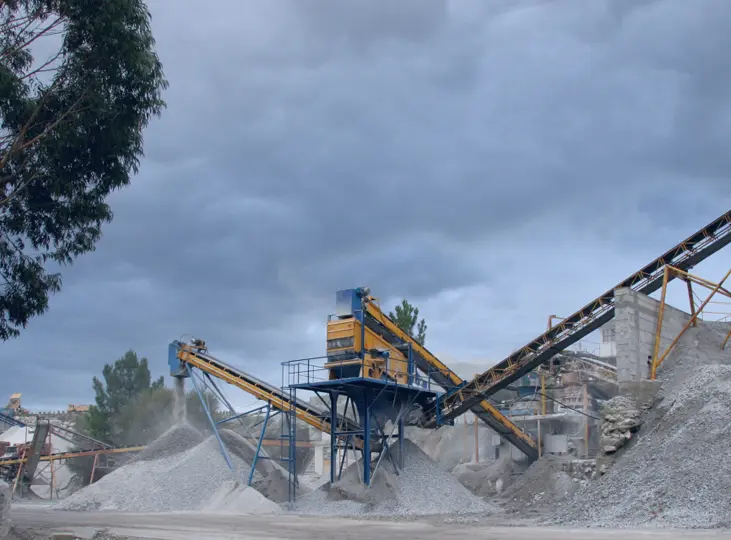
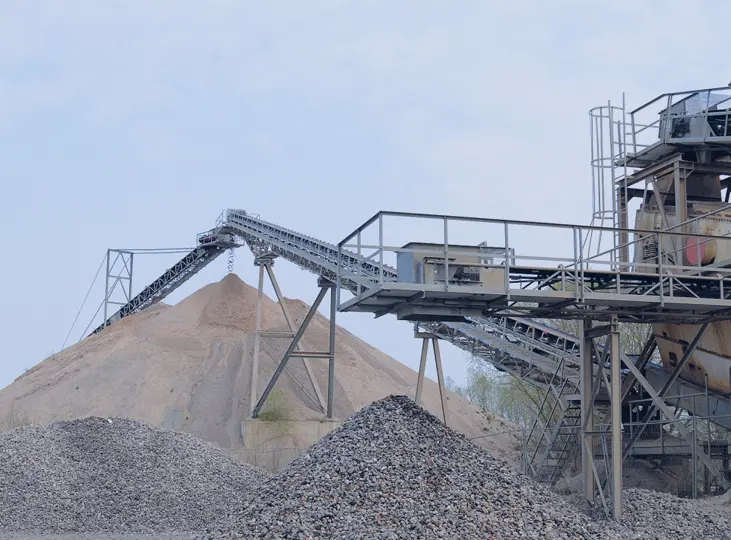
Explore technical profiles of our flagship crushing and grinding machinery deployed across global mining projects.
Operational photos showing actual processing plants, crushing stations, and grinding circuits installed across international mining regions.
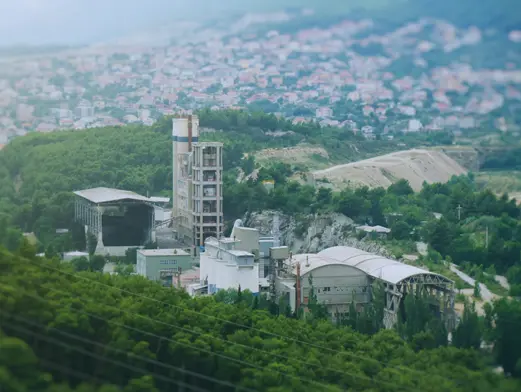
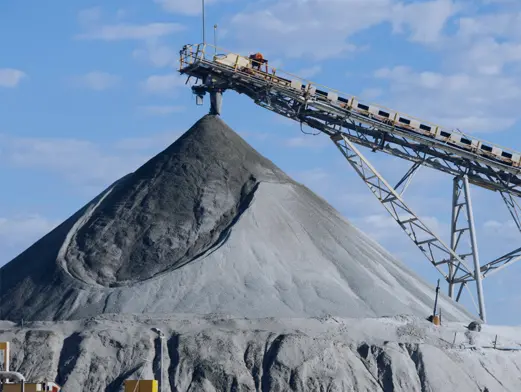
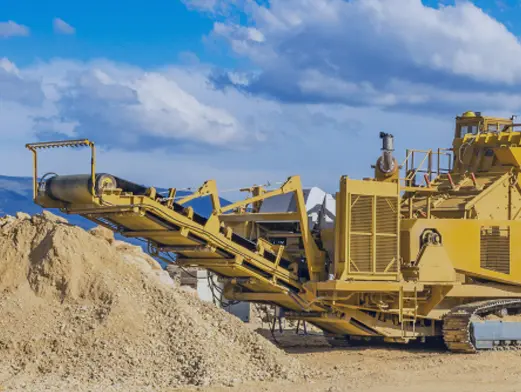
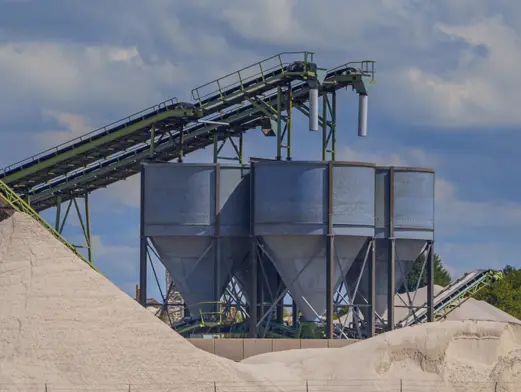
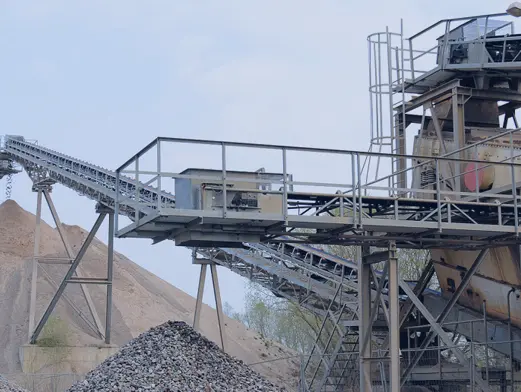
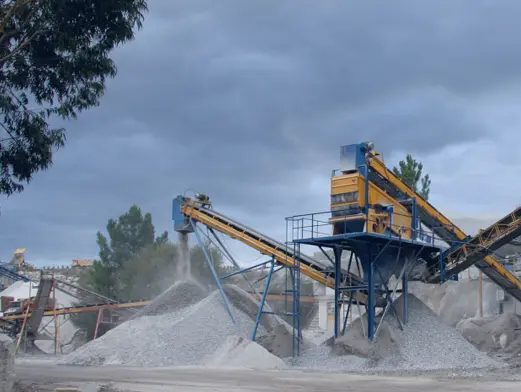
Stay updated with our manufacturing milestones, international equipment shipments, and metallurgical research papers.
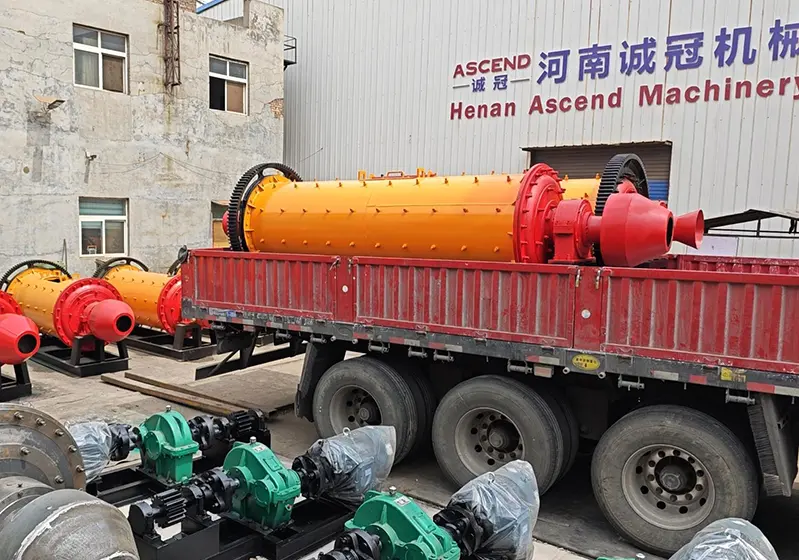
Established in 2005, Henan Ascend Machinery & Equipment Co., Ltd. is located in the High-Tech Industrial Development Zone of Zhengzhou City, Henan Province, China. As a technology-driven manufacturing enterprise, Ascend is fully committed to the research, development, production, and after-sales service of heavy-duty mineral processing systems.
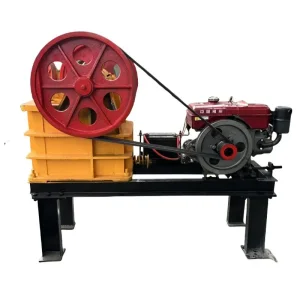
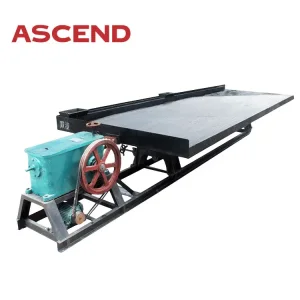
Our product line ranges from complete crushing systems (jaw crushers, cone crushers, impact crushers) to ultra-fine grinding circuits (ball mills, wet pan mills, pulverizers), sorting systems (spiral classifiers, vibrating screens), and gravity separation machines (shaking tables, gold concentrators). With an engineering team boasting decades of metallurgical field experience, we supply tailored solutions that maximize efficiency, lower energy costs, and ensure consistent material throughput.
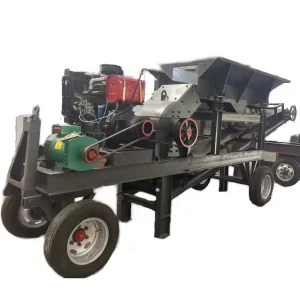
Read Company HistoryComplete your milling circuit with our high-capacity jaw crushers, mobile pulverizers, gravity tables, and wet pan mills designed for durable performance.
 Ascend