Wholesale Ball Mill 900*3000 Manufacturer & Companies

High-efficiency mineral processing solutions, custom engineering, and world-class grinding technology for international metallurgy.

The Strategic Role of 900*3000 Ball Mills in Modern Comminution Circuits

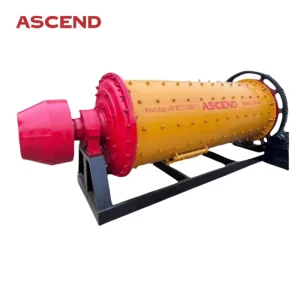
Comminution—the reduction of solid materials from a given feed size to a fine, liberated product—is the most energy-intensive process in modern mineral processing. The 900*3000 ball mill (featuring a nominal shell diameter of 900mm and a length of 3000mm) has emerged as a cornerstone sizing machine for metallurgical testing facilities, pilot plants, and small-to-medium scale mining operations globally. This specific length-to-diameter (L/D) ratio of 3.33 classification makes it highly efficient for achieving target liberation sizes in single-stage closed-circuit arrangements.

By employing a cascade-cataract impact dynamic, these mills utilize optimal charge ratios of forged steel balls to grind complex ores down to typical liberation ranges of 74 microns (200 mesh) or finer. Henan Ascend Machinery & Equipment Co., Ltd., leveraging over two decades of production experience since 2005, designs these units with specialized wear-resistant liners and structural improvements to maximize grinding efficiency while lowering operating expenditures (OPEX).
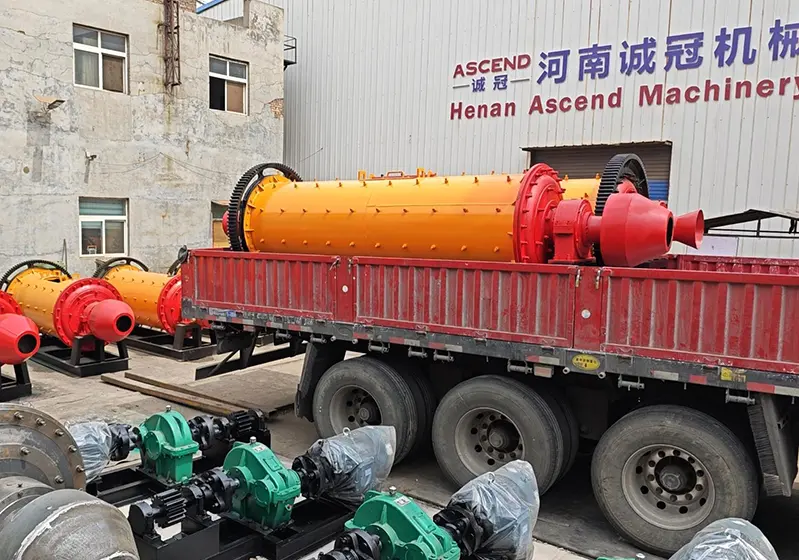
Ascend Factory and Quality Ball Mill Production Area
2005 Year of Establishment
130+ Countries Reached globally
18.5 kW Optimized Power System
1.5 - 5.8 t/h Production Capacity range

Technical Architecture & Mechanical Specifications

A rigorous examination of the structural, hydraulic, and electrical configurations of the 900*3000 horizontal ball mill.

Technical Parameter Standard Configuration Diesel Engine Variant (Remote Site)
Model Designation Φ900×3000 mm Ball Mill Φ900×3000 Diesel Drive Mill
Shell Inner Diameter 900 mm 900 mm
Cylinder Shell Length 3000 mm 3000 mm
Rotational Cylinder Speed 36 - 38 r/min Adjustable via governor (32-38 r/min)
Max. Feed Size (F80) ≤ 20 - 25 mm ≤ 20 mm
Discharge Product Size (P80) 0.074 - 0.4 mm (200 mesh target) 0.074 - 0.4 mm
Processing Capacity Limit 1.5 - 5.8 t/h (varying by ore hardness) 1.2 - 5.0 t/h (directly coupled)
Grinding Media Charge Volume 2.7 - 3.2 Metric Tons 2.7 Metric Tons
Primary Electric Motor Power 18.5 kW - 22 kW N/A (Replaced by Direct Drive Engine)
Diesel Engine Rating N/A 35 HP - 42 HP heavy-duty engine
Total Operational Weight 5.6 - 5.8 Tons (excluding grinding balls) 6.2 Tons (including structural skid)

Precision Components Engineered for Longevity

Every component of the Φ900×3000 ball mill manufactured by Ascend is sourced and machined to strict standards:

  • Cylinder Shell: Fabricated from Q235B/Q345B carbon steel plate with a nominal thickness of 12-16mm to resist deformation under cyclic thermal and mechanical stresses.
  • Main Bearings: Double-row self-aligning spherical roller bearings, encased in dust-tight housings. This replaces antiquated sliding copper tiles, reducing starting torque requirements by up to 10-15%.
  • Lining Plates: Available in high-manganese steel (Mn13), alloy steel, or high-grade rubber liners. The rubber liners are particularly suitable for wet grinding applications, offering reduced noise and simplified replacement intervals.
  • Girth Gear & Pinion: Formed using high-strength alloy castings, induction hardened, and profile ground to ensure smooth energy transmission and minimal backlash.

Localized Applications & Global Case Studies

Analyzing how the Φ900×3000 ball mill adapts to distinct geological and logistical environments worldwide.

Off-Grid Gold Beneficiation in Papua New Guinea

In the high-altitude remote gold deposits of Papua New Guinea, reliable electrical power grids are nonexistent. Ascend delivered customized diesel-driven 900*3000 ball mills combined with high-recovery gravity separation circuits. The direct diesel-drive mechanical transmission bypasses generator losses, providing high torque for continuous processing of hard quartz vein ores.

Artisanal Gold Upgrades in East Africa (Sudan & Zambia)

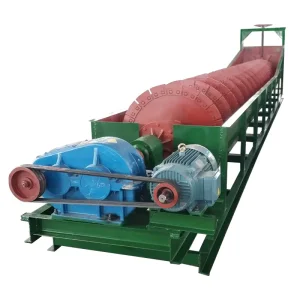
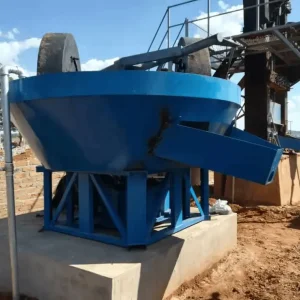
In dry region operations like North Sudan and central Zambia, small-scale miners rely heavily on the high-quality 900*3000 model to replace energy-inefficient wet pan mills. Working in closed circuits with spiral classifiers and shaker tables, this mill helps local operations boost recovery rates from 55% to 88% while saving water.

Silica Sand & Quartz Processing in Southeast Asia

For high-purity glass sand manufacturers in Indonesia and Vietnam, iron contamination is critical. Ascend supplies the 900*3000 ball mill fitted with silica lining bricks or high-density alumina liners combined with ceramic grinding media, preventing ferrous introduction and maintaining clean silica outputs of 99.8% SiO2.
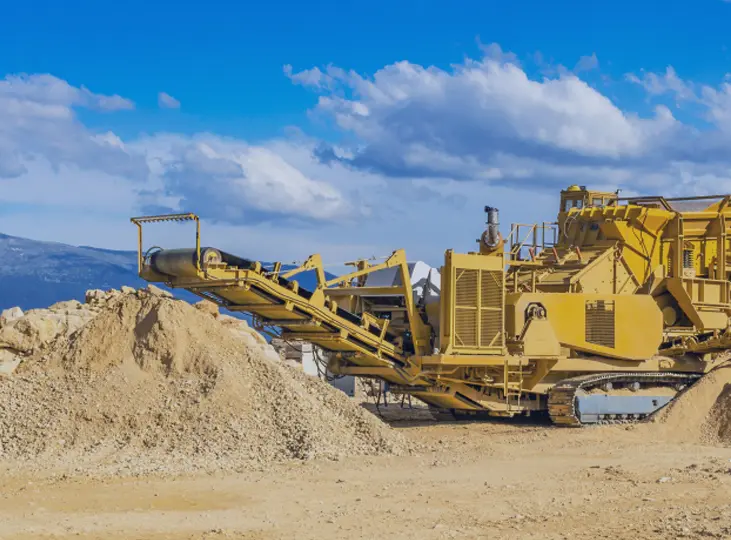
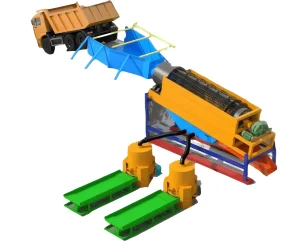
Grinding and Milling Solutions Project Site Layout

The Technical Roadmap of Small-Scale Grinding Systems

As the mining sector transitions to greener operations, equipment reliability and energy efficiency are critical. Ascend's R&D roadmap focuses on:

  • Variable Frequency Drives (VFDs): Integrating VFDs enables soft-start capabilities and allows operators to adjust rotational speed to match changing ore hardness, saving up to 15% on electricity.
  • Acoustic Charge Monitors: Developing clamp-on acoustic sensors that detect the frequency of the shell to estimate the internal load ratio (steel balls vs. pulp volume) in real time.
  • Eco-Friendly Wear Alloys: Transitioning to cobalt-free, chromium-molybdenum cast steels that offer longer wear lives and are easier to recycle when replaced.

Supply Chain Resilience & China Manufacturing Efficiency

Why Henan Ascend Machinery in Zhengzhou's High-Tech Zone is a trusted manufacturing partner.

Strategic Sourcing, Production, and Logistical Synergies

Henan Ascend Machinery & Equipment Co., Ltd. is based in the high-tech zone of Zhengzhou City, Henan Province. This central China industrial hub provides key supply chain advantages:

  • Direct Raw Material Sourcing: Proximity to major steel producing centers ensures a reliable supply of thick structural plate and high-quality casting alloys.
  • Optimized Manufacturing Processes: The factory handles large-scale operations from flame cutting and rolling to automated welding, normalizing furnace heat treatments, and final gear assembly.
  • Rapid Export Logistics: Located near major transportation corridors, Ascend provides efficient shipping routes to Qingdao, Shanghai, and Tianjin ports, keeping delivery schedules for overseas projects on track.

Compliance & International Support

Our export services prioritize quality, certification, and hands-on site support:

  • International Standards: Certified to ISO 9001:2015 and CE quality standards.
  • Pre-Shipment Inspections: All units undergo dry-run assembly testing and ultrasonic flaw detection on main shafts and trunnions before dispatch.
  • Local On-Site Support: Ascend provides engineering support for foundation design, startup commissioning, and operator training in Africa and Southeast Asia.

Frequently Asked Questions (FAQ)

Expert answers to common technical, shipping, and operational questions about the Φ900×3000 ball mill.

Q1: What is the processing capacity of the Ascend Φ900×3000 ball mill?
The processing capacity of the Φ900×3000 ball mill ranges between 1.5 and 5.8 tons per hour. The actual throughput is influenced by the physical characteristics of the feed ore, including its Bond Work Index (hardness), the feed size distribution (normally targeted under 20mm), and the target output particle size (P80 target of 74 microns/200 mesh). Soft material like limestone will process at the higher end of this range, while hard quartz gold ore will occupy the lower end.
Q2: Can this ball mill run without a stable electricity grid?
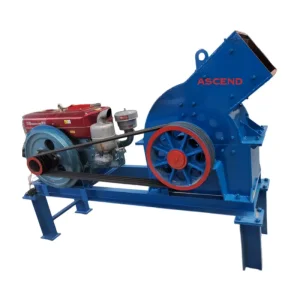
Yes. Ascend specializes in off-grid solutions, offering a diesel-engine-driven Φ900×3000 ball mill. This configuration uses a diesel motor connected directly to the pinion drive shaft through a clutch mechanism. This design is widely used in remote locations like Papua New Guinea, Sudan, and Zambia to eliminate the need for heavy electrical generator setups.
Q3: How do I select the right lining material (high manganese vs. rubber) for my mill?
Lining selection depends on your feed characteristics and grinding circuit style. For wet grinding of non-metallic materials or fine ores, rubber liners are recommended because they are lighter, reduce noise, and offer longer service lives. For highly abrasive ores with feed sizes larger than 15mm, high-manganese steel (Mn13) liners are preferred due to their high impact resistance and work-hardening properties.
Q4: What is the recommended steel ball loading ratio for initial startup?
For the Φ900×3000 model, the standard grinding ball charge is 2.7 to 3.2 tons. A typical startup load distribution is 30-40% large balls (60mm/80mm) for primary impact, 40% medium balls (40mm) for secondary grinding, and 20-30% small balls (30mm) for fine comminution. This ratio should be adjusted over time based on the wear rate and size of the incoming feed.
Q5: What after-sales support does Henan Ascend offer for international orders?
We provide comprehensive international support, including structural foundation drawings, online installation video guides, and direct technician dispatch for on-site commissioning. We also maintain inventories of critical wear parts, including liners, steel balls, pinions, and bearing housings, at our warehouse to ensure quick shipping to customers.