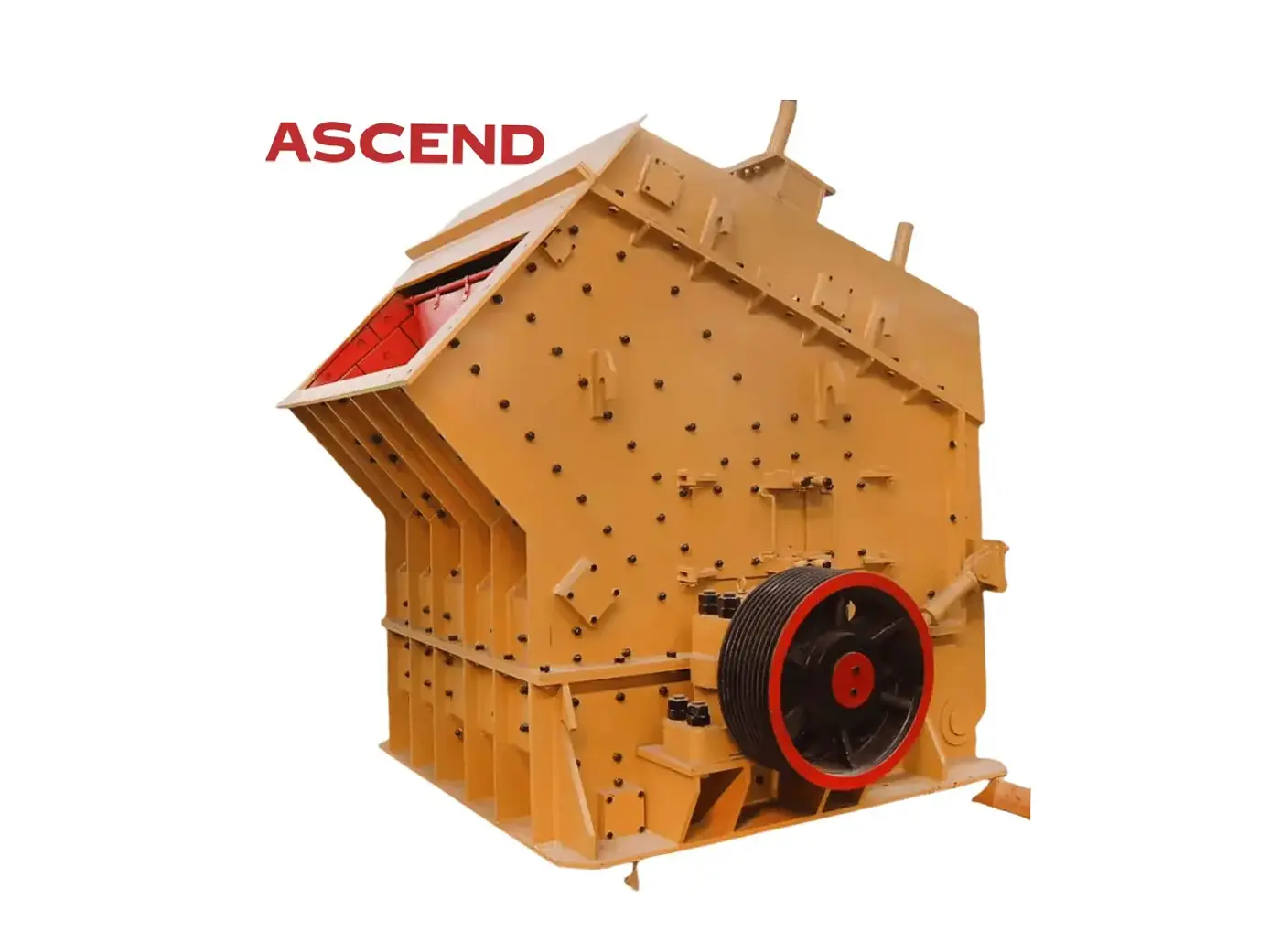
Explore our premium selection of heavy industrial crushers and grinding mills engineered for high output and maximum reliability.
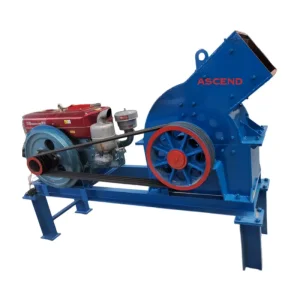
A stone heavy hammer crusher represents a vital technological leap in size reduction machinery. Unlike standard hammer mills that rely purely on high-speed kinetic impacts for lightweight crushing, the heavy hammer crusher is designed for primary, single-stage crushing of medium to hard minerals (with compressive strength not exceeding 200 MPa, such as limestone, coal, shale, gypsum, and chalk). By consolidating the traditional two-stage crushing process (coarse crushing via jaw crushers followed by secondary impact or cone crushing) into a single, high-efficiency step, these machines dramatically reduce capital expenditure (CAPEX) and operational overhead (OPEX) for quarry operators.
E-E-A-T Technical Insight: The core efficiency of a heavy hammer crusher lies in its kinetic moment of inertia. Using heavy alloyed hammerheads weighing up to 120 kg, these systems leverage rotational momentum rather than sheer mechanical force, enabling them to shatter large blocks of limestone (up to 1200mm feed size) directly into sub-40mm aggregate in a single pass.
Sourcing a high-quality heavy hammer crusher demands an understanding of its internal design, metallurgy, and material dynamics. The wear lifecycle of the hammerhead—which is often alloyed with chromium and manganese (Mn13Cr2 or Mn18Cr2)—determines the runtime efficiency. As modern aggregate plants face increasing demands for cubical particle shapes and minimal flakiness index, purchasing decisions must be guided by engineering parameters rather than superficial price competition.
Global procurers look to Henan Province, specifically Zhengzhou's High-Tech Zone, as the premier center for heavy mining machinery. Factories like **Henan Ascend Machinery & Equipment Co.,Ltd.** offer significant advantages that go beyond lower labor costs. The primary driver is the mature industrial supply chain ecosystem. The integration of local iron and steel casting foundries, automated machining facilities, and state-backed engineering research institutions enables Chinese manufacturers to rapidly prototype, test, and iterate heavy industrial equipment.
Key advantages of sourcing from top Chinese manufacturers include:
Navigating the price landscape of heavy hammer crushers requires an understanding of what drives cost. Buyers often encounter a wide range of quotes, but a lower initial purchase price can lead to higher maintenance costs if not evaluated carefully. The total cost of ownership is determined by four key structural pillars:
Crusher configuration depends heavily on geological characteristics and local operating conditions. A hammer crusher that performs well on soft limestone in Southeast Asia may experience high wear on highly abrasive silica-rich granite in West Africa. Designing a plant requires analyzing the mineral composition of the deposit.
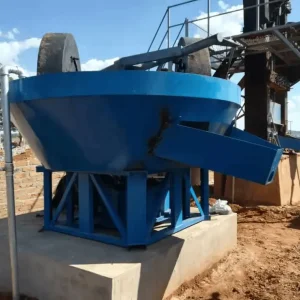
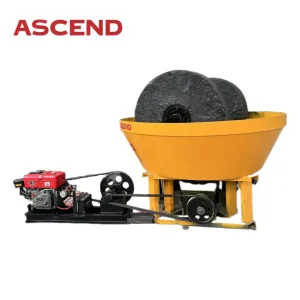
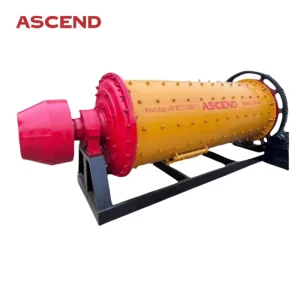
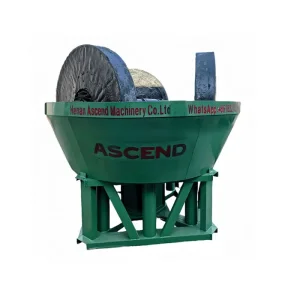
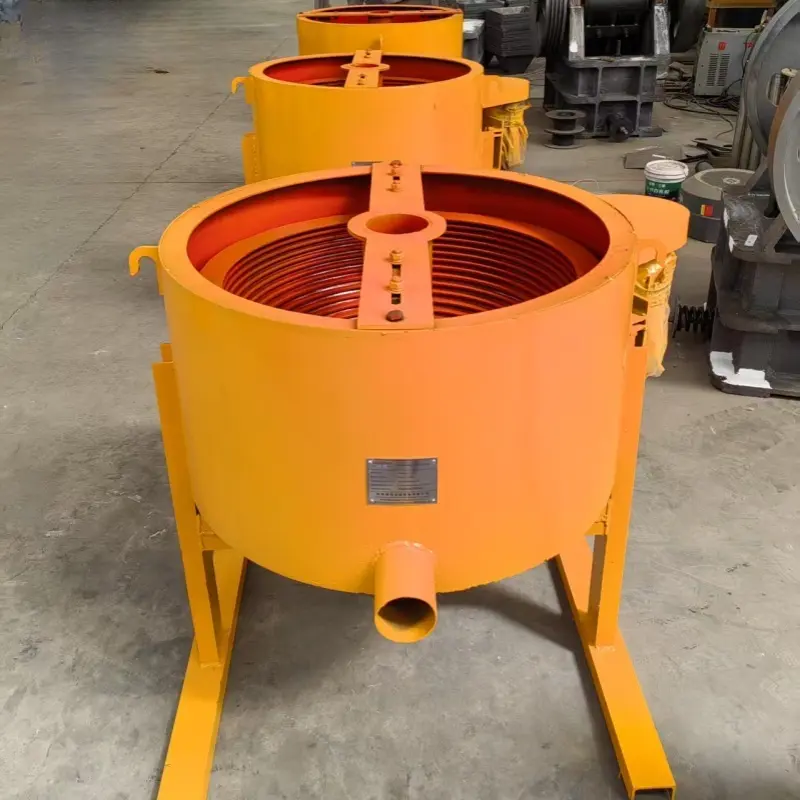
In gold gravity separation plants, heavy hammer crushers are used as primary reduction units to prepare run-of-mine ore for ball mills or wet pan mills. Fines must be managed carefully to avoid over-grinding, which can cause gold particles to slime and reduce recovery rates.
For high-speed rail and expressway concrete, aggregate shape is critical. Heavy hammer crushers deliver cubical products with low elongation ratios. The output meets international standards, reducing the need for costly sand-making secondary circuits.
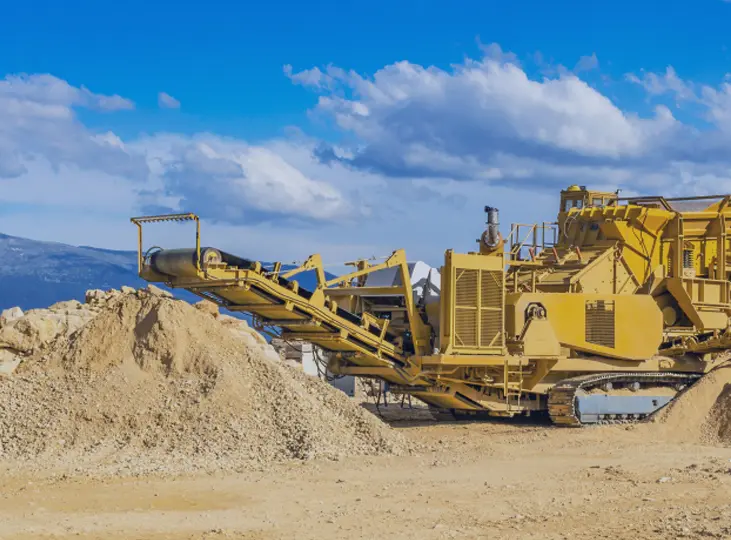
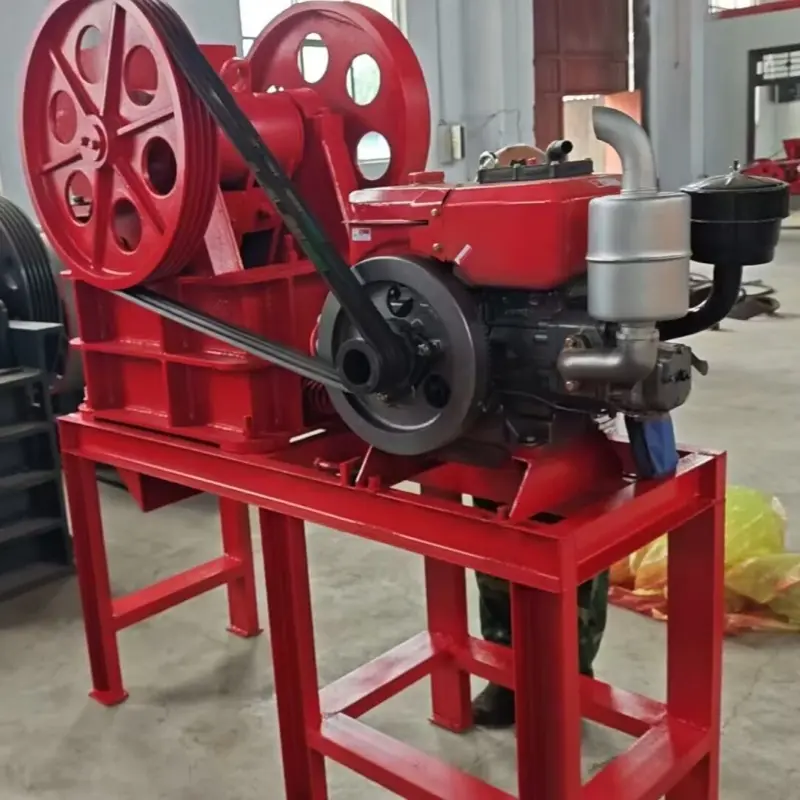
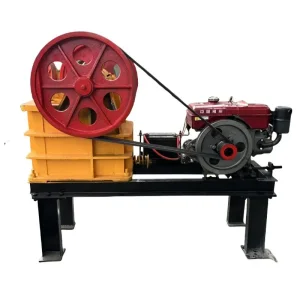
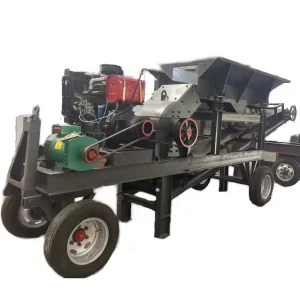
For remote areas without stable power grids, trailer-mounted mobile hammer crusher systems driven by diesel engines provide a flexible solution. These systems can be moved directly to the quarry face, reducing haulage costs.
The global heavy mining machinery industry is shifting toward digitalization, safety, and decarbonization. Modern procurement agents look for more than just a low price list; they look for strategic partnerships. Key requirements include:
Tailored plant configurations designed by Ascend engineers to match your raw material specifications and throughput requirements.
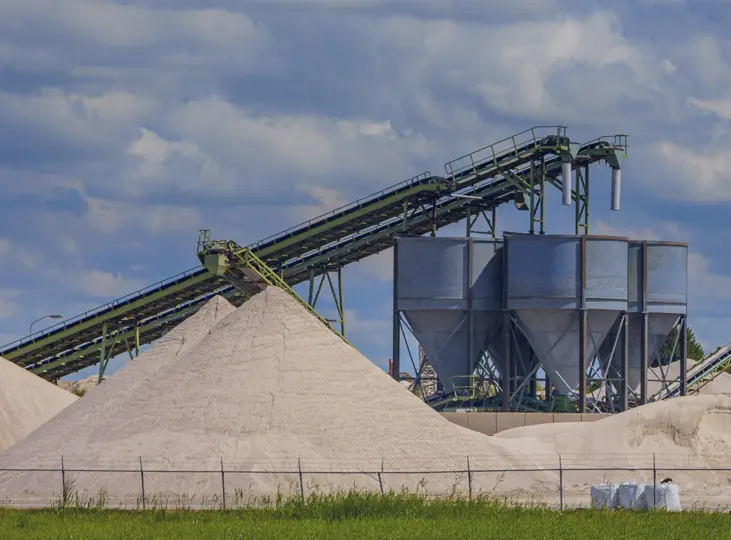
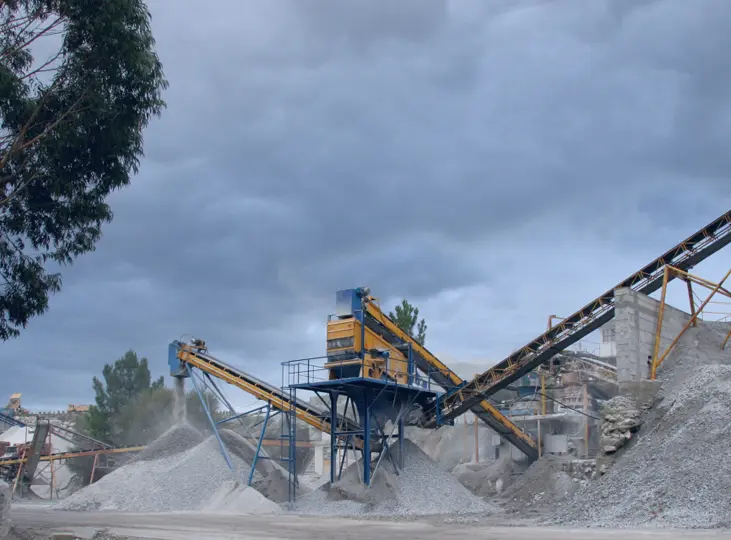
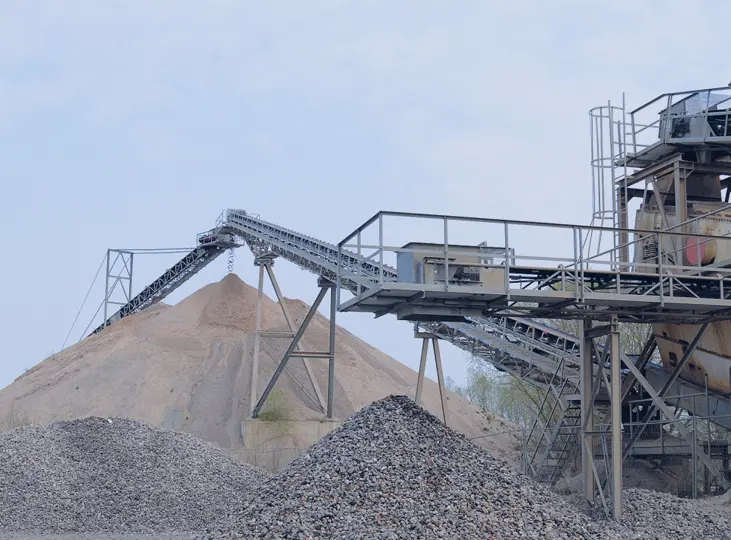
Understanding the engineering differences between heavy hammer and secondary impact crushing systems.
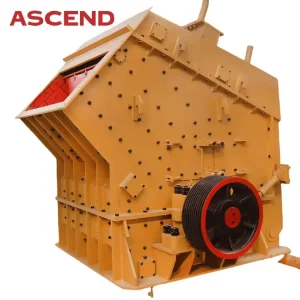
Impact crushers are secondary crushing machines that use impact force to reduce material size. They feature easy maintenance, high reduction ratios, and high efficiency to produce cubical products. Key features include three crushing chambers, a seamlessly connected rotor, wear-resistant blow bars, and an insert-type installation. Equipped with tooth-type liners, gradient-designed bearing seats, and open frames with hydraulic start-up devices, they are used across different crushing stages, from primary crushing to the final sizing steps.
Explore Impact CrushersProven performance on site. Our heavy machinery operates under demanding conditions around the world.
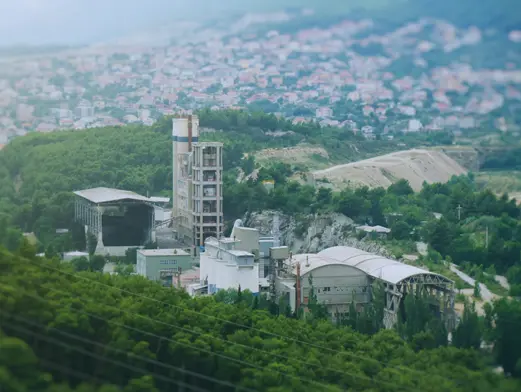
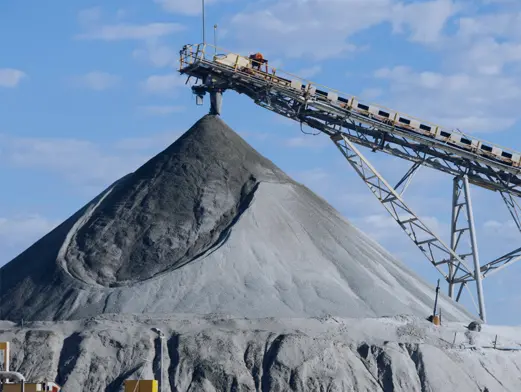
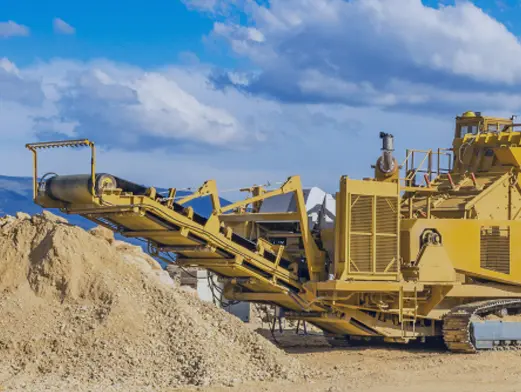
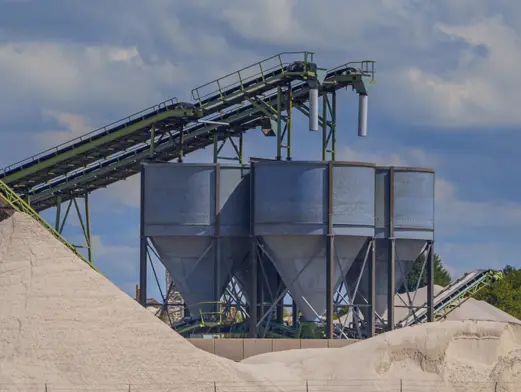
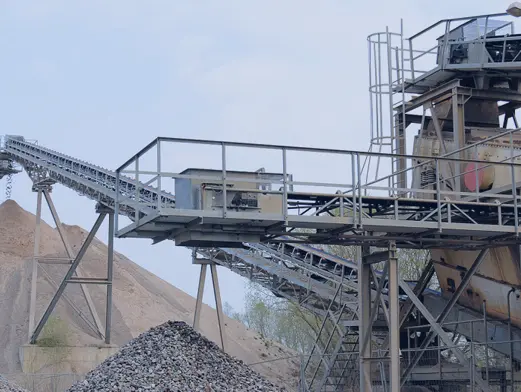
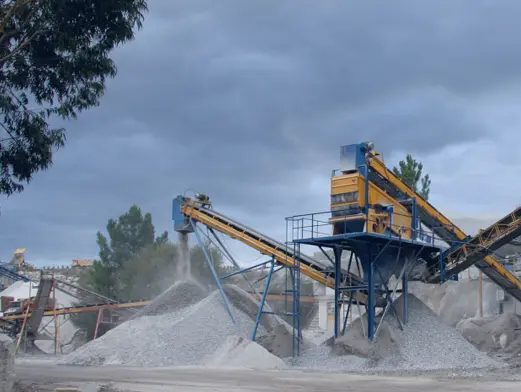
Updates on global shipments, commissioning reports, and technological breakthroughs.
 Nov 2025
 Aug 2025
Jul 2025
Jul 2025
Jul 2025
Jun 2025
Aug 2025
Jul 2025
Jul 2025
Jul 2025
Jun 2025
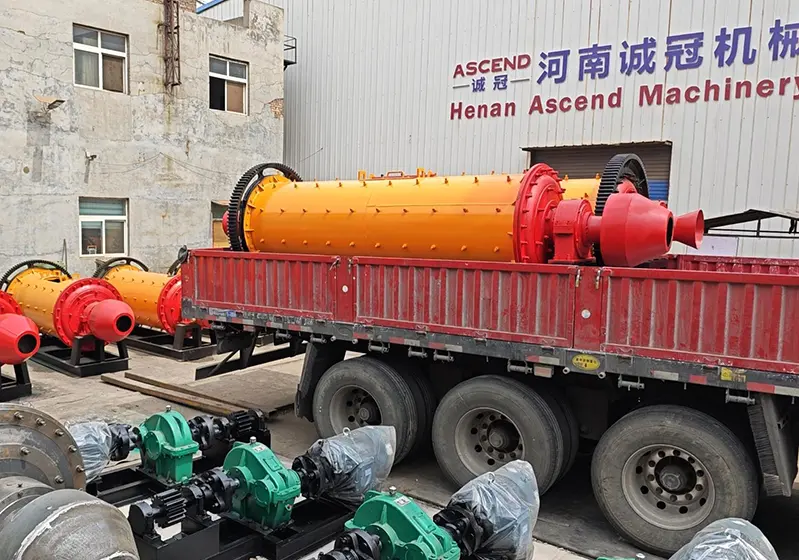
Henan Ascend Machinery & Equipment Co.,Ltd. was established in 2005 and is located in the high-tech zone of Zhengzhou City, Henan Province. For over two decades, Ascend has focused on the research, development, manufacturing, sales, and after-sales service of complete sets of crushing, grinding, screening, feeding, and conveying machinery.
If you need to process limestone, granite, gravel, or other stone, grind materials into powder, or extract gold, our engineers can design a custom plant layout. Operating our own manufacturing plant ensures quality control and enables direct factory pricing. We partner with operators worldwide to deliver reliable processing solutions.
Answers to common technical and commercial questions regarding stone heavy hammer crushers and plant configuration.
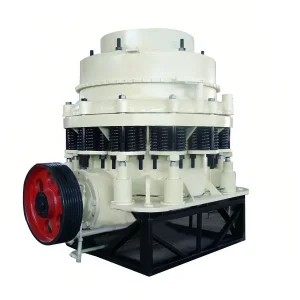
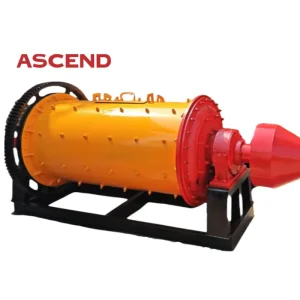
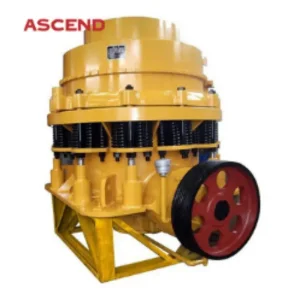
Explore our secondary cone crushers, ball mills, and gravity separators designed for fine crushing and mineral processing plants.
 Ascend