Explore our top-tier heavy machinery solutions engineered for maximum mineral recovery and rock size reduction.
Analyzing the kinetic engineering, material physics, and structural output capabilities of PE-150x250 and PE-250x400 single-toggle jaw crushers.
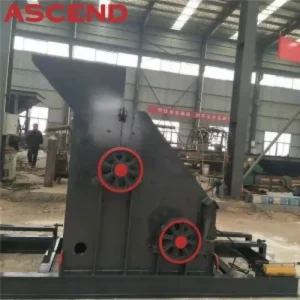
In the field of heavy mineral extraction, mining exploration, and civil infrastructure, the primary comminution phase dictates the entire material processing workflow's performance and efficiency. Single-toggle jaw crushers, specifically the PE-150x250 and PE-250x400 variants, represent the cornerstone of fine-to-medium primary crushing applications. These machines employ compressive force to break down high-hardness materials like quartz, granite, basalt, iron ore, and limestone.
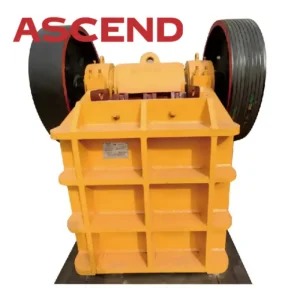
By using an eccentric shaft mechanism, a pitman moves a dynamic jaw plate relative to a stationary jaw plate, forming a V-shaped crushing chamber (the nip angle). This kinetic arrangement compresses feed materials down to target discharge settings, ensuring consistent throughput. Engineers prefer these models for their structural simplicity, compact footprint, low maintenance requirements, and high adaptability to mobile configurations.
To support proper machinery selection, the table below highlights the performance envelopes of these primary crushing units:
| Engineering Specification | Model: PE-150x250 | Model: PE-250x400 |
|---|---|---|
| Feed Opening Dimensions (W x L) | 150 mm x 250 mm | 250 mm x 400 mm |
| Maximum Feed Particle Size | ≤ 125 mm | ≤ 210 mm |
| Adjustable Discharge Range (CSS) | 10 mm – 40 mm | 20 mm – 60 mm |
| Processing Capacity Range | 1.0 – 3.0 metric tons per hour | 5.0 – 20.0 metric tons per hour |
| Eccentric Shaft Rotational Speed | 250 rpm | 310 rpm |
| Electric Motor Power Rating | 5.5 kW / 7.5 HP | 15.0 kW / 20 HP |
| Alternative Diesel Engine Power | 8.0 HP (Single Cylinder) | 22.0 HP (Multi-Cylinder) |
| Total Operational Machine Weight | Approx. 810 kg | Approx. 2,900 kg |
The PE-150x250 jaw crusher is designed for laboratory-scale metallurgical testing, gold prospecting, pilot plants, and small quarries. Its compact footprint makes it highly portable, allowing it to be easily integrated onto mobile trailers or deployed in deep underground mine shafts. The larger PE-250x400 model is a rugged, mid-range primary crusher for regional sand and aggregate plants, mining operations, and concrete recycling. It serves as an optimal feeder to secondary cone crushers or impact crushers, maximizing production line efficiency.
Analyzing market demand, supply chain movements, and macroeconomic factors across developing mining jurisdictions.
Small and medium-sized jaw crushers are essential tools in the global industrial machinery market. In rapidly developing economies across Sub-Saharan Africa, Southeast Asia, Central America, and the Pacific Islands, reliable mineral processing equipment is critical for regional growth. In these markets, heavy-duty mining machinery serves as the foundation for rural electrification, new road construction, and resource extraction initiatives.
In regions like the Democratic Republic of Congo, Zambia, and Zimbabwe, mining companies rely on these compact jaw crushers for gold, copper, and cobalt extraction. Their simplified, easily serviceable mechanical layouts are crucial in remote sites where replacement parts can take weeks to arrive. In Southeast Asian countries such as Indonesia, the Philippines, and Vietnam, these crushers are widely used to produce aggregates for urban expansion projects, highway networks, and marine port infrastructure.
From a commercial standpoint, suppliers must balance high wear resistance with accessible pricing. Factories are increasingly shifting toward automated manufacturing, utilizing CNC machining centers and robotic welding to ensure frame alignment and structural integrity. This industrial modernization directly benefits operators by lowering initial capital costs, extending machine lifespans, and reducing operational downtime.
Field reports and engineering case studies illustrating operational performance in demanding environments.
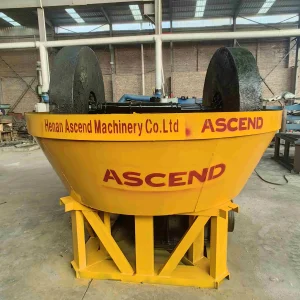
In Geita and Chunya, diesel-driven PE-150x250 jaw crushers process hard gold-bearing quartz veins, reducing rock sizes down to 15mm before secondary wet pan milling.
Decentralized construction projects in Indonesia use PE-250x400 crushers to process local river stones and basalt into concrete aggregates, keeping logistics costs low.
Urban contractors deploy mobile PE-250x400 crushers directly on demolition sites to crush concrete debris, separating rebar to create structural base fill.
Global mineralogical labs use the PE-150x250 to crush core samples, ensuring representative assays without cross-contamination between testing batches.
Integrating primary crushers into multi-stage, high-yield plant layouts to maximize efficiency and recovery rates.
Henan Ascend Machinery & Equipment Co.,Ltd. has developed steadily since its establishment in 2005. Today, its business footprint covers more than 130 countries and regions around the world, especially across Africa and Southeast Asia. Our machinery quality and after-sales service have won widespread praise from international mining and aggregate customers. Our engineering team designs custom processing lines tailored to specific ores and feed materials.
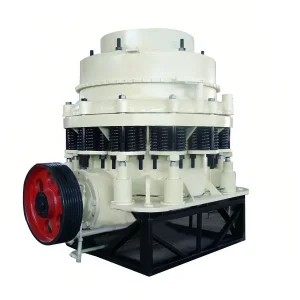
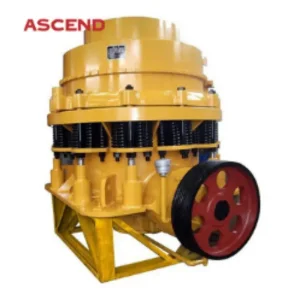
A typical modular plant pairs primary jaw crushers with secondary units. For high-silica stones or hard iron ores, a PE-250x400 Jaw Crusher performs the initial size reduction, feeding a Spring Cone Crusher to produce cubical, high-strength aggregate. When processing softer ores like limestone, coal, or gypsum, the jaw crusher discharge is routed to an Impact Crusher or Double Stage Hammer Crusher, minimizing wear on downstream equipment.
Select product classifications designed to handle primary, secondary, and tertiary mineral reduction phases.
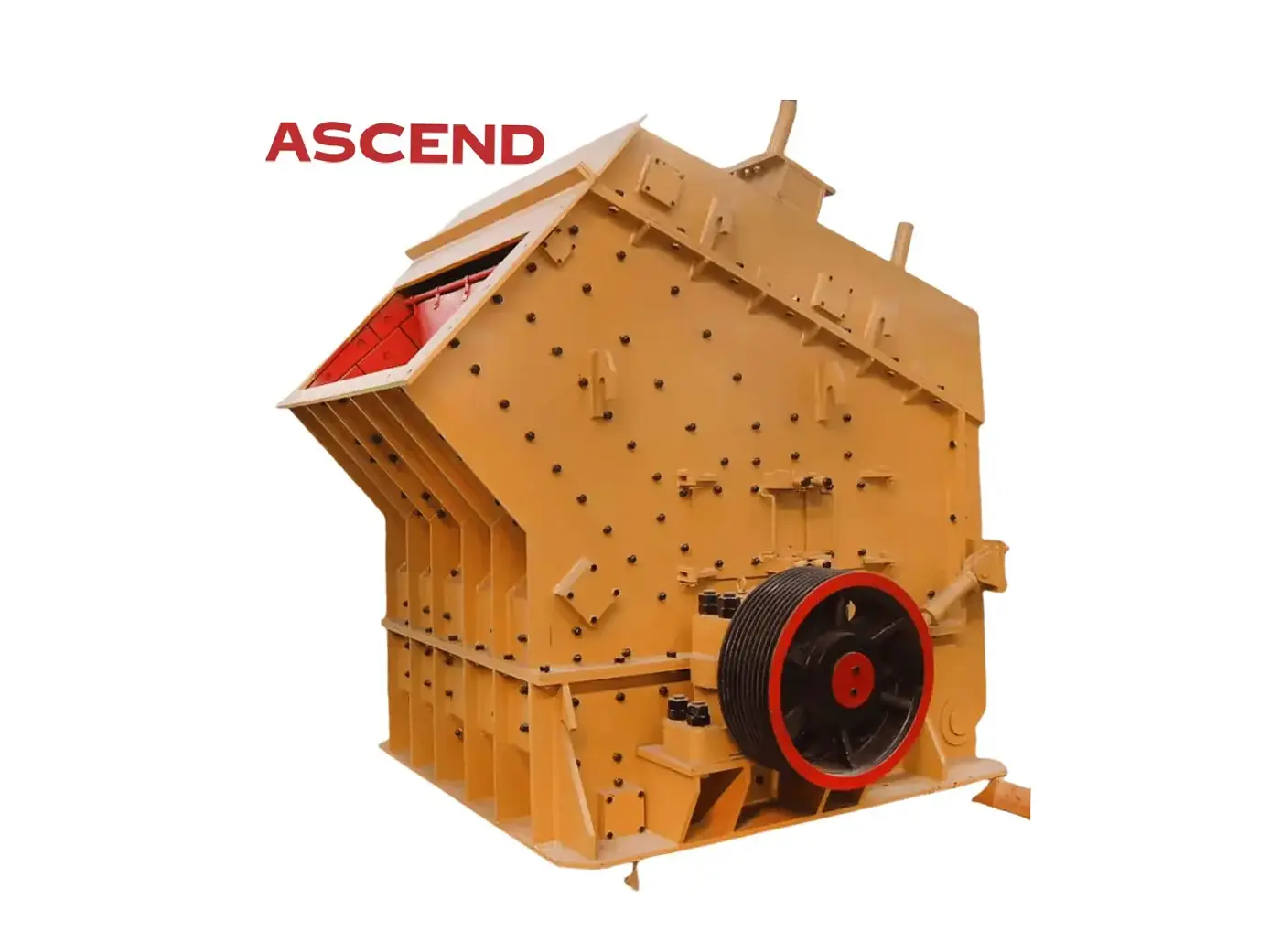
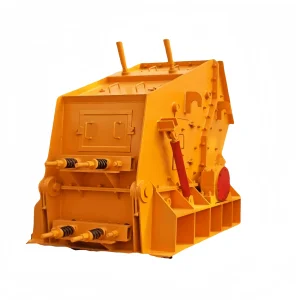
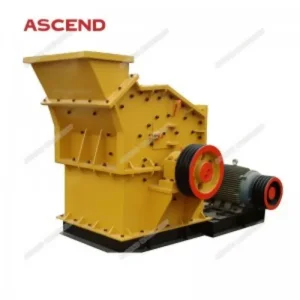
Our impact crusher is a high-performance secondary crushing unit that utilizes kinetic energy to break materials down into uniform shapes. Characterized by simple maintenance, high reduction ratios, and high efficiency, it produces cubic products that meet strict civil engineering standards.
It features three crushing chambers, a seamlessly balanced rotor, and wear-resistant blow bars. Built with tooth-type liners, optimized bearing seats, and hydraulic start-up systems, it delivers reliable operation across primary, secondary, and tertiary stages.
Additional Product Resources:
• Mobile Crusher: 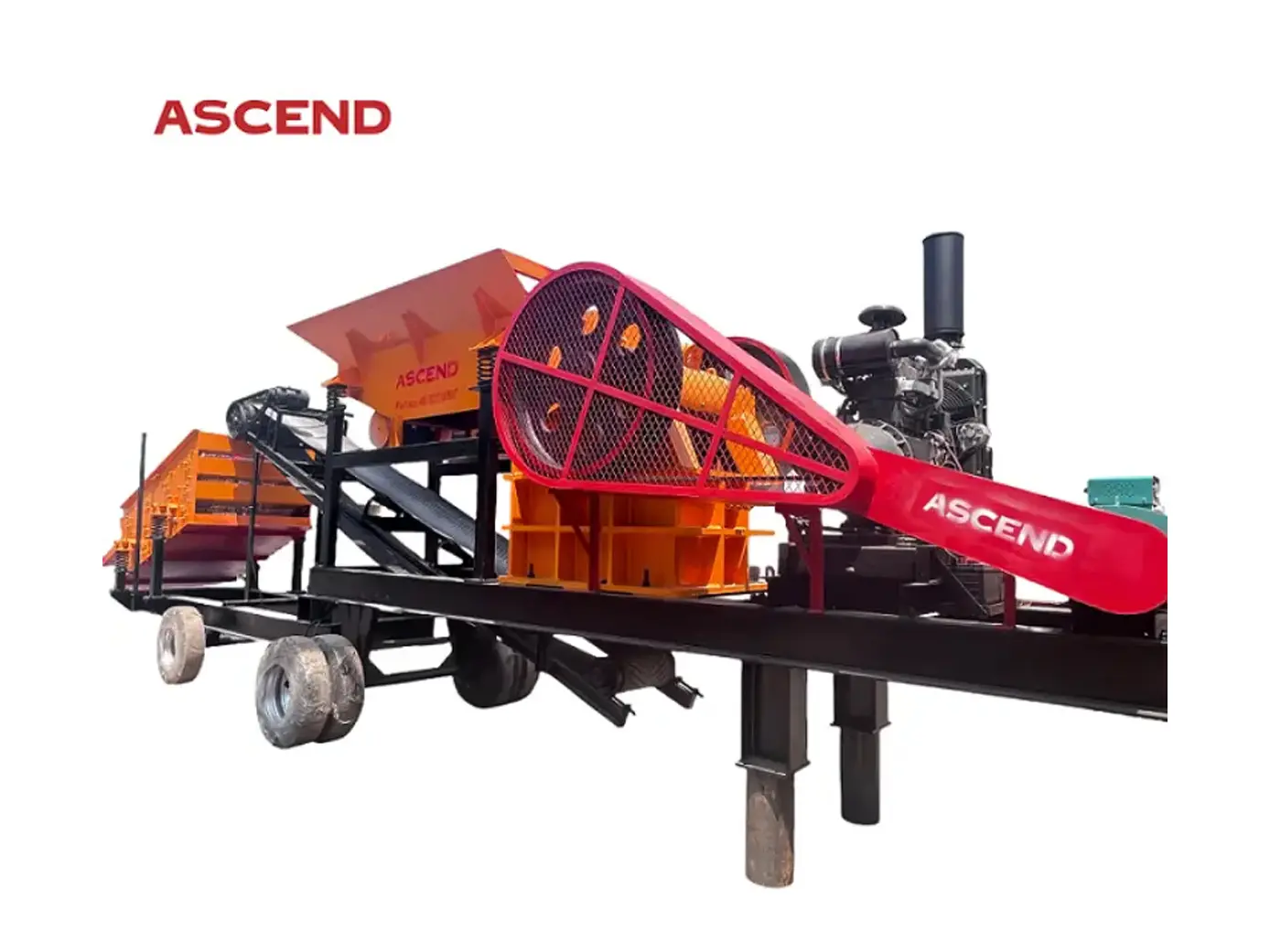 Premium Mobile Crusher Units.
• Grinding Mills: 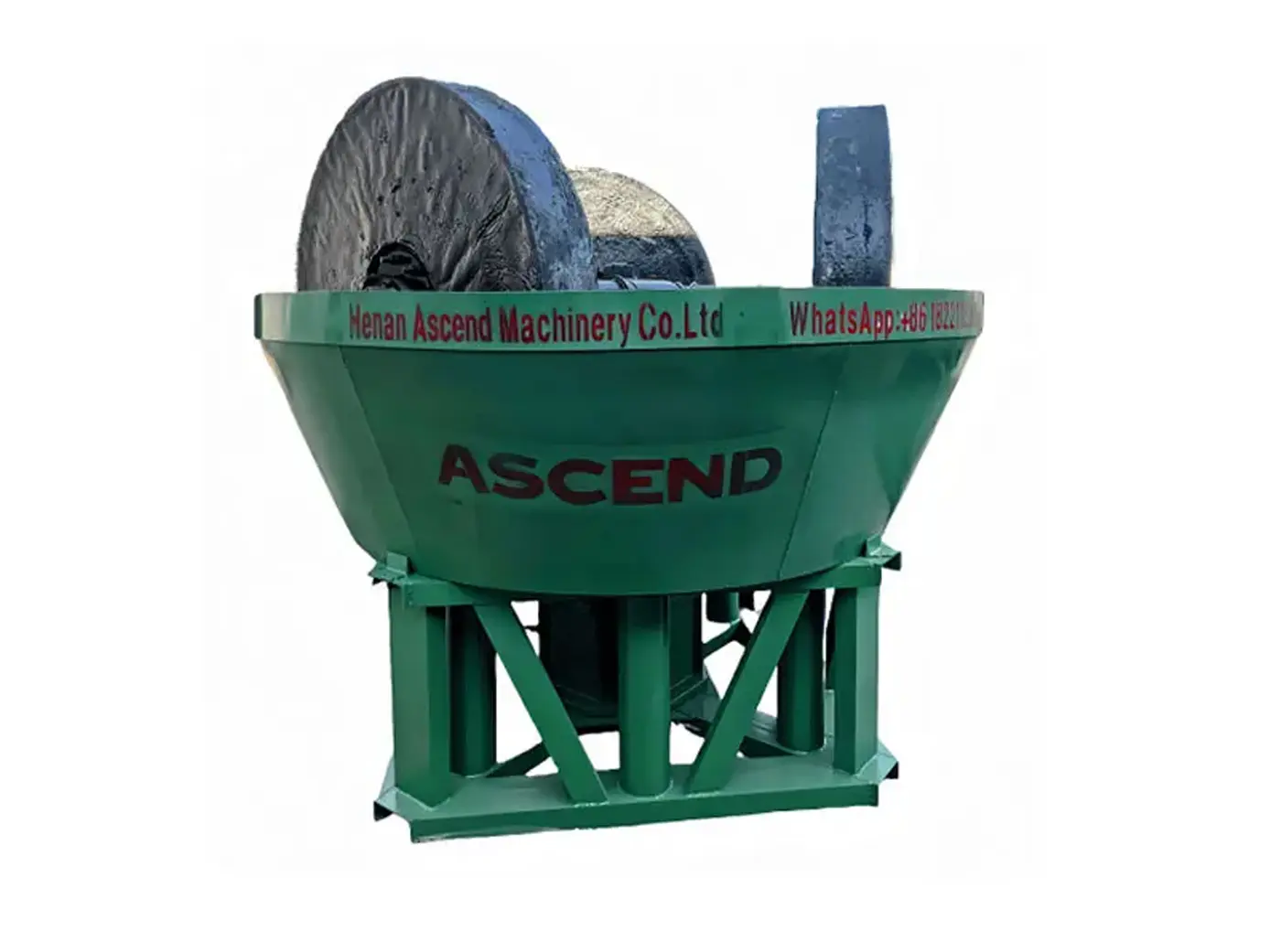 High-yield pulverization mills.
• Gold Extraction: 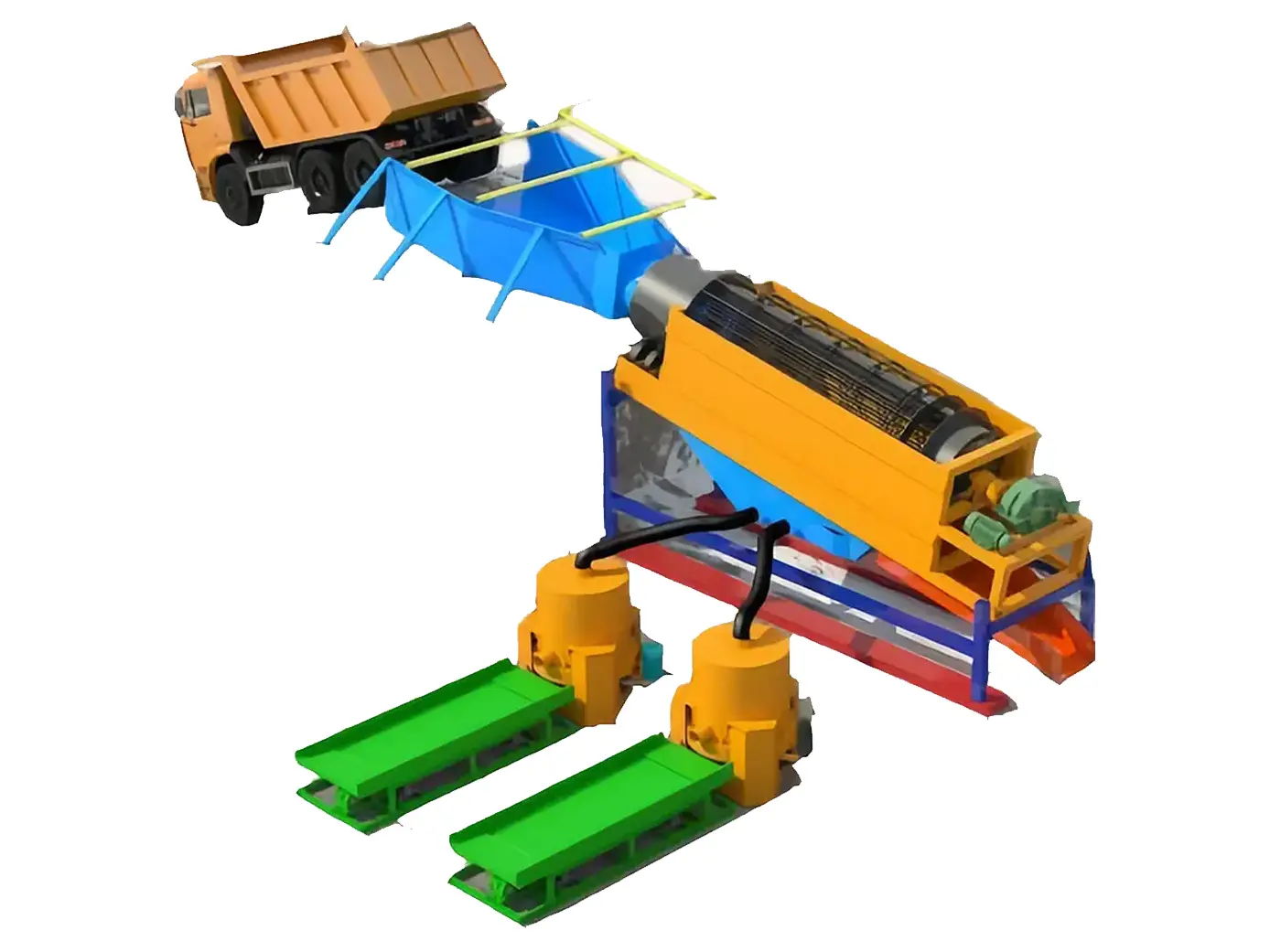 Turnkey processing lines.
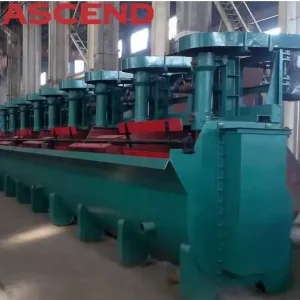
• Ore Dressing: 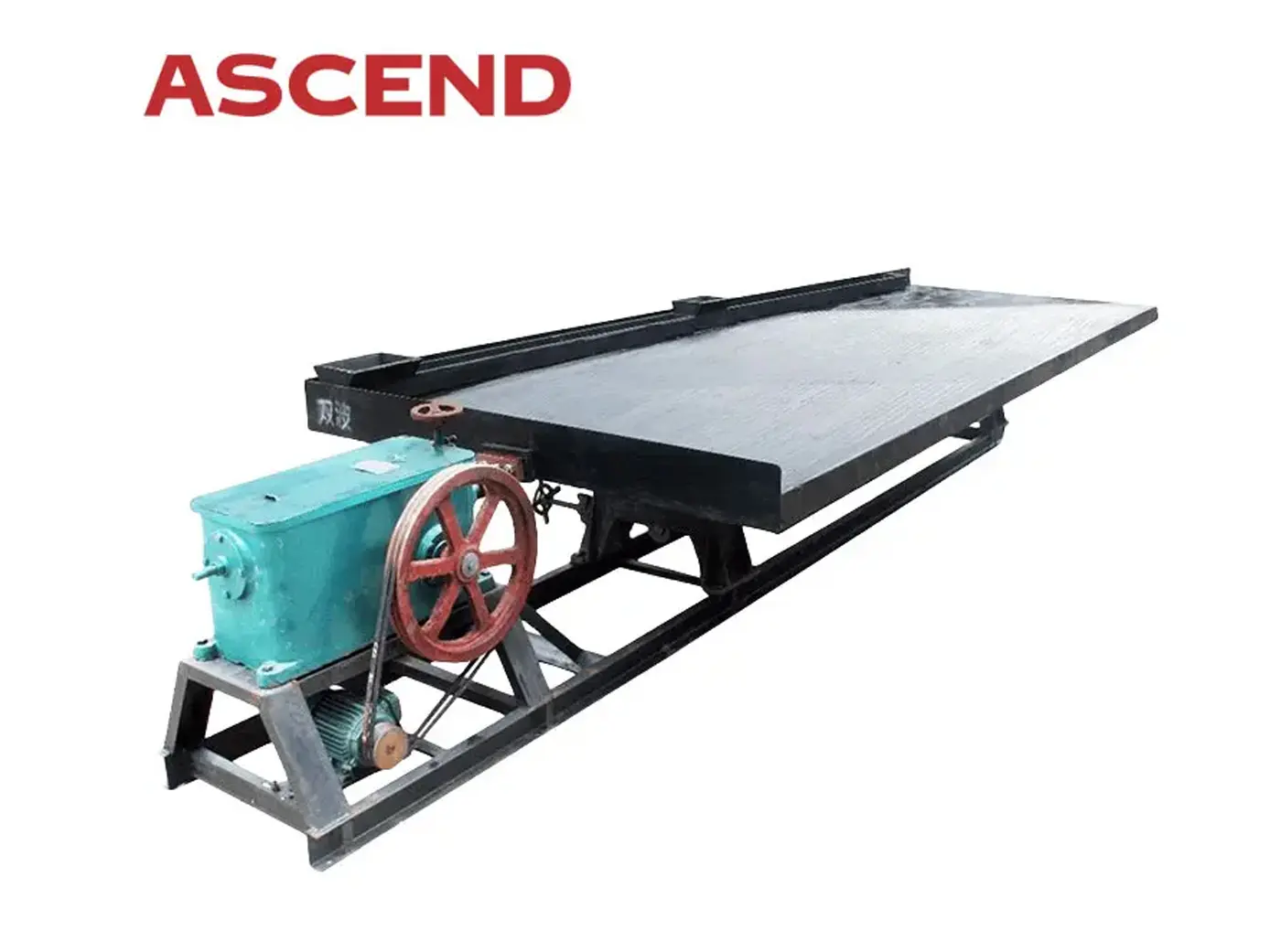 Modern separation machinery.
How engineering innovations are reshaping the next generation of jaw crushers.
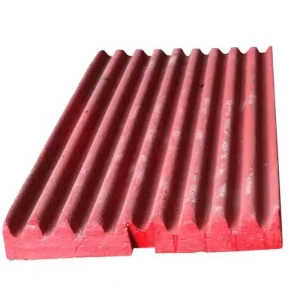
Developing dynamic jaw plates with up to 22% manganese content alongside chromium and titanium micro-alloys, extending operational lifespans in high-abrasion applications by 35%.
Using Finite Element Analysis (FEA) to redesign toggle plates and tension assemblies, reducing power requirements while increasing capacity at the discharge opening.
Creating modular power modules that allow operators to switch between electricity and diesel, improving fuel efficiency in remote regions.
Integrating sensors to monitor main bearing temperatures and plate wear, allowing operators to plan preventative maintenance and prevent mechanical failure.
Tracking our deliveries and installations across key international mining sites.

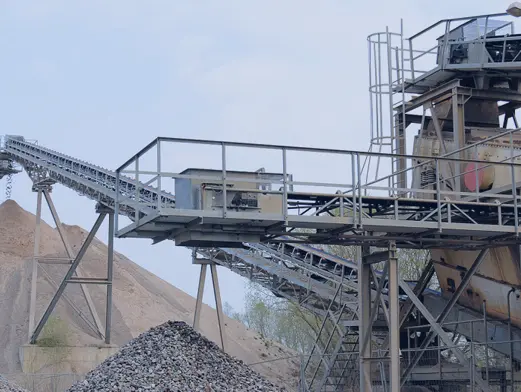
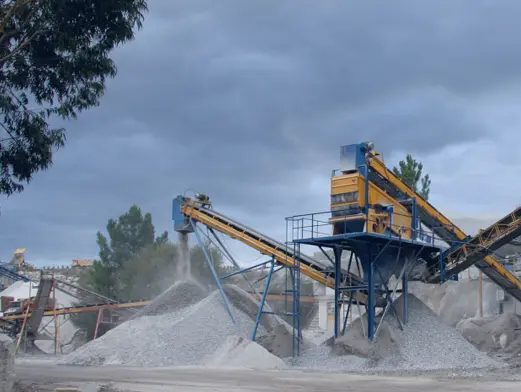
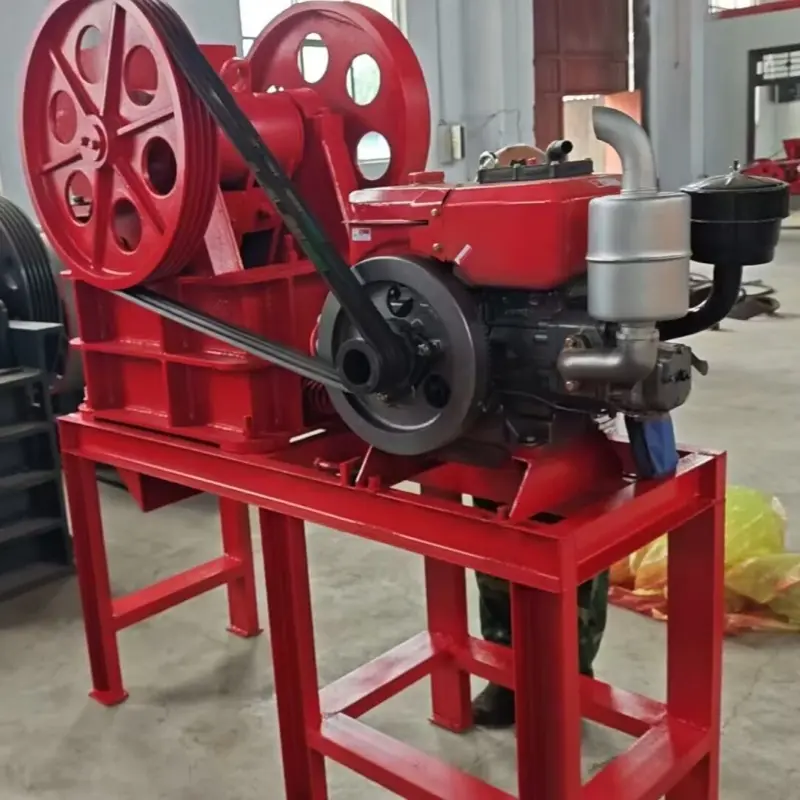
 November 2025
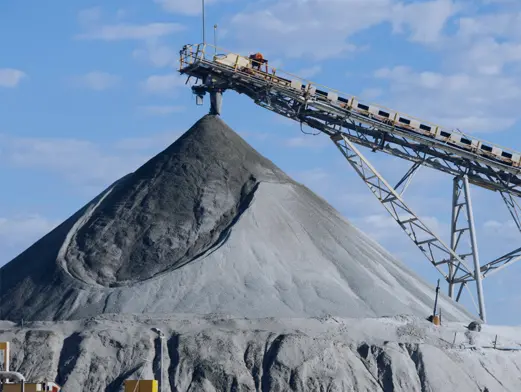
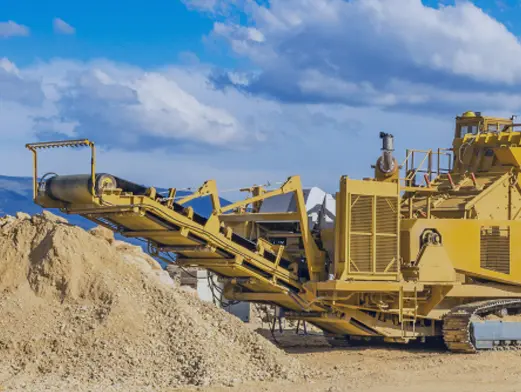
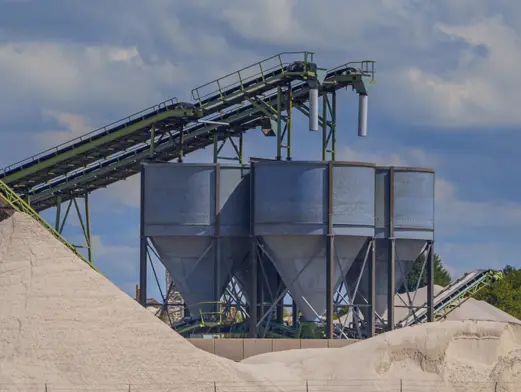
Successfully customized two diesel-driven PE250x400 jaw crusher units for off-grid operations in Papua New Guinea, providing a durable solution for primary gold ore crushing.
Read Full Article →
July 2025
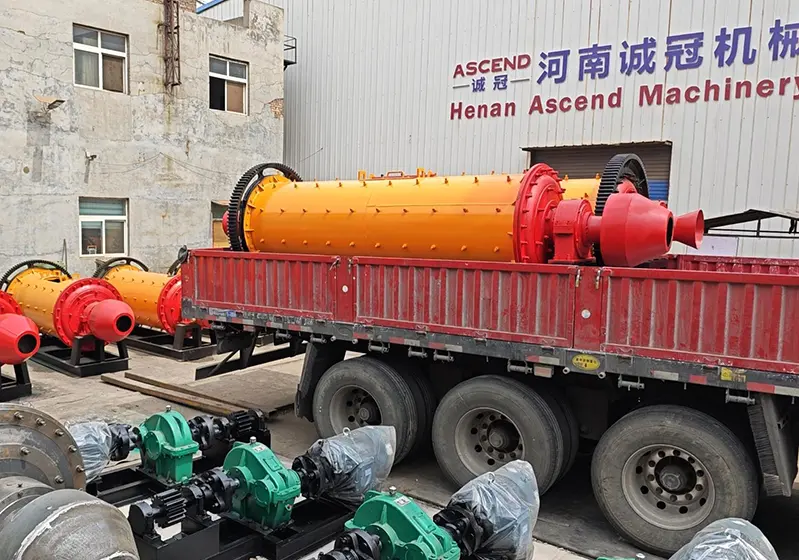
Henan Ascend Machinery & Equipment Co.,Ltd. was established in 2005 and is located in the High-Tech Industrial Zone of Zhengzhou City, Henan Province, China.
Ascend specializes in the research, development, manufacturing, sales, and support of heavy-duty mining machinery. Our product range includes complete solutions for crushing, grinding, screening, feeding, and mineral separation.
Whether you are processing limestone, granite, river gravel, or extracting gold and industrial minerals, our engineers design solutions tailored to your operational goals. Operating our own modern manufacturing facility allows us to maintain strict quality control, offer competitive pricing, and provide reliable factory warranties on all equipment.
Read More About UsAnswers to common operational, maintenance, and engineering questions regarding small and mid-sized jaw crushers.
The primary differences lie in the physical sizing, feeding capabilities, and production output:
Yes. Both models can be fitted with diesel engines rather than standard electric motors. The PE-150x250 can run on an 8 HP single-cylinder diesel engine, while the PE-250x400 uses a 22 HP multi-cylinder diesel engine. This configuration is ideal for remote exploration sites and off-grid mining projects.
The discharge size is adjusted by altering the shim stack thickness or utilizing a wedge adjustment mechanism located at the rear of the dynamic swing jaw. Adding or removing shims shifts the toggle seat forward or backward, widening or narrowing the discharge opening (from 10-40mm on the PE-150x250 and 20-60mm on the PE-250x400) to control output sizing.
We use high-manganese steel alloys, primarily Mn13Cr2 or Mn18Cr2, for the dynamic and stationary jaw plates. Plate service life depends on the feed material's hardness and abrasiveness. When processing quartz or granite, plates typically require replacement every 3 to 6 months. When processing softer stones like limestone, they can last over a year.
The toggle plate acts as a mechanical fuse. If an uncrushable object (such as tramp iron or drill teeth) enters the chamber, the load exceeds the machine's limits. The toggle plate is designed to bend or break, stopping the swing jaw and protecting expensive components like the eccentric shaft, bearings, and frame from damage.
Integrate our high-efficiency separation, screening, and fine-grinding equipment to build a complete production line.
 Ascend