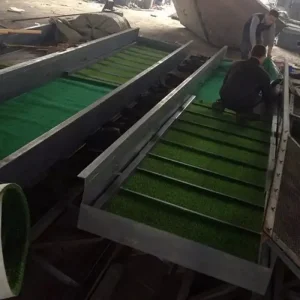
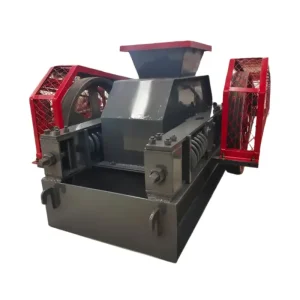
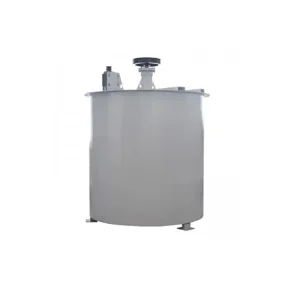
Explore our engineering-grade crushing, grinding, and classification machinery designed for severe-duty industrial applications.
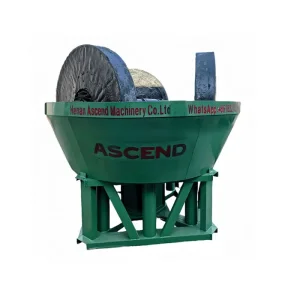
A technical examination of mechanical advantages, kinematic trajectories, and material sciences in modern comminution circuits.
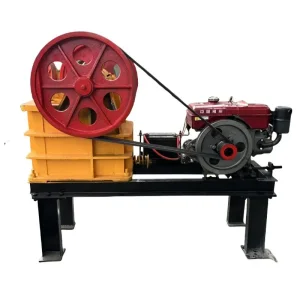
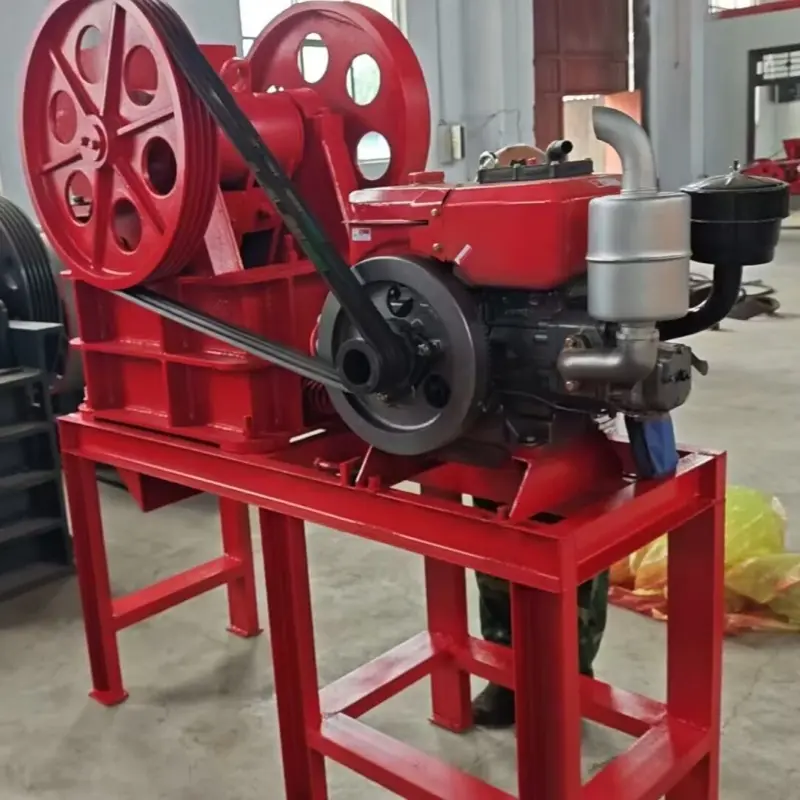
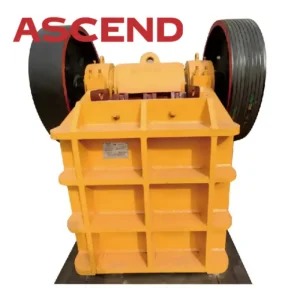
In modern raw material processing and aggregate production fields, primary crushing represents the initial stage of size reduction. The Mini Stone Jaw Crusher (or small jaw crusher) has transitioned from laboratory and test environments to become a standard tool in localized processing sites, gold ore concentration units, recycling centers, and micro-scale aggregates installations globally. Designed specifically for hard materials (compressive strengths < 320 MPa), these systems provide the initial high reduction ratio needed for subsequent milling and concentration.
For mining operators, engineers, and suppliers, choosing the right machinery depends on understanding mechanical kinematics, wear resistance, and power options. Key factors include eccentric shaft configurations, mechanical toggle-plate kinematics, high-manganese cast steel metallurgy, and hybrid power units (diesel-electric). This technical guide reviews the design, performance metrics, and application criteria for China's mini stone jaw crushers, offering insights to support purchase and engineering decisions.
The global demand for mineral processing and aggregate recycling equipment has changed. In regions like Sub-Saharan Africa (Sudan, Zambia, Tanzania), Central Asia, and Southeast Asia, localized gold concentration processes rely on compact primary crushing units. Historically, small-scale operations used manual hammering to break down hard ores (such as gold-bearing quartz veins) before grinding, which had low efficiency and presented high dust risks. The introduction of standardized mini stone jaw crushers, like the PE-150x250 or PE-250x400 models, has mechanicalized these initial steps, improving through-put and process reliability.
At the same time, mature markets in North America and Western Europe are seeing increased deployment of compact jaw crushers for concrete recycling, demolition waste processing, and urban infrastructure projects. In these situations, large fixed crushing plants are often impractical due to high site mobilization costs, strict environmental regulations, and space limits. A mobile or skid-mounted mini jaw crusher can process waste on-site, producing reusable base materials and reducing transportation costs.
Moving treatment closer to the mine face or demolition site limits material transport costs, optimizing early-stage logistics and reducing haulage emissions.
Engineered to operate within strict municipal noise, vibration, and particulate emission thresholds, opening up operations in urban zones.
Mini-jaw configurations allow operators to limit capital investments and build modular comminution circuits that can expand as production grows.
The design of mini stone jaw crushers focuses on balancing structural strength, weight, dynamic balance, and ease of maintenance. Traditional systems relied on heavy cast-iron frames, which were durable but heavy and prone to stress cracks along casting lines. Modern manufacturers have transitioned to low-carbon, high-strength alloy plates, welded using automated systems and thermal-stress-relief treated. This produces a lighter frame capable of handling dynamic loads.
The kinematic profile of the swing jaw is also a key design area. By optimizing the eccentric throw and toggle plate angle, modern designs achieve a combination of downward crushing force and material movement in the crushing cavity. This helps prevent bridging (blocking) near the feed throat, improving throughput and wear plate life.
Another major development is the modular hybrid drive. In areas without a stable grid, diesel-direct mechanical drives can be noisy and require constant maintenance of belts and clutches. Transitioning to integrated diesel-generator-electric motor drives allows operators to switch between grid power (when available) and an onboard diesel generator, helping to manage fuel use and operational costs.
Henan Ascend Machinery & Equipment Co., Ltd. delivers customized industrial solutions across 130+ countries, with a strong focus on high-efficiency gold, mineral, and aggregate recovery plants.
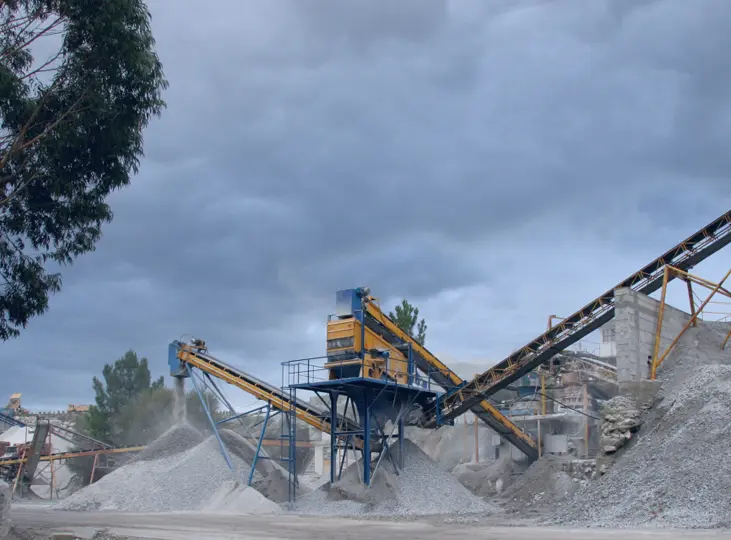
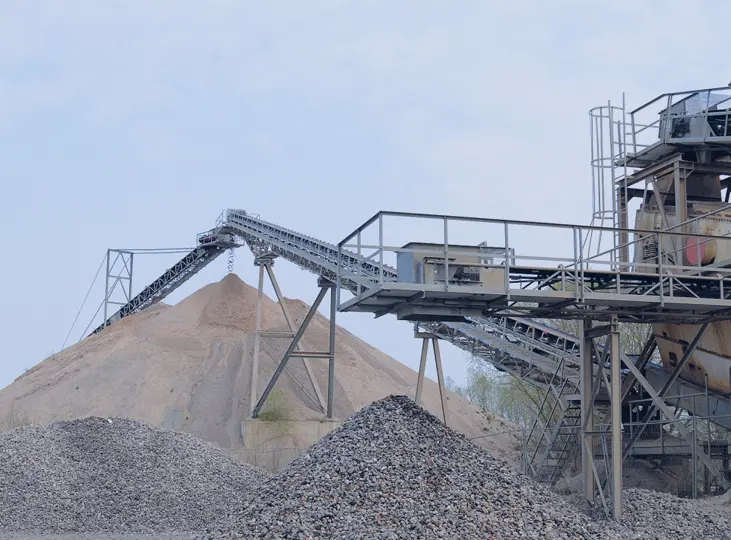
Explore our main product lines designed to match specific rock crushing, grinding, and concentration applications.
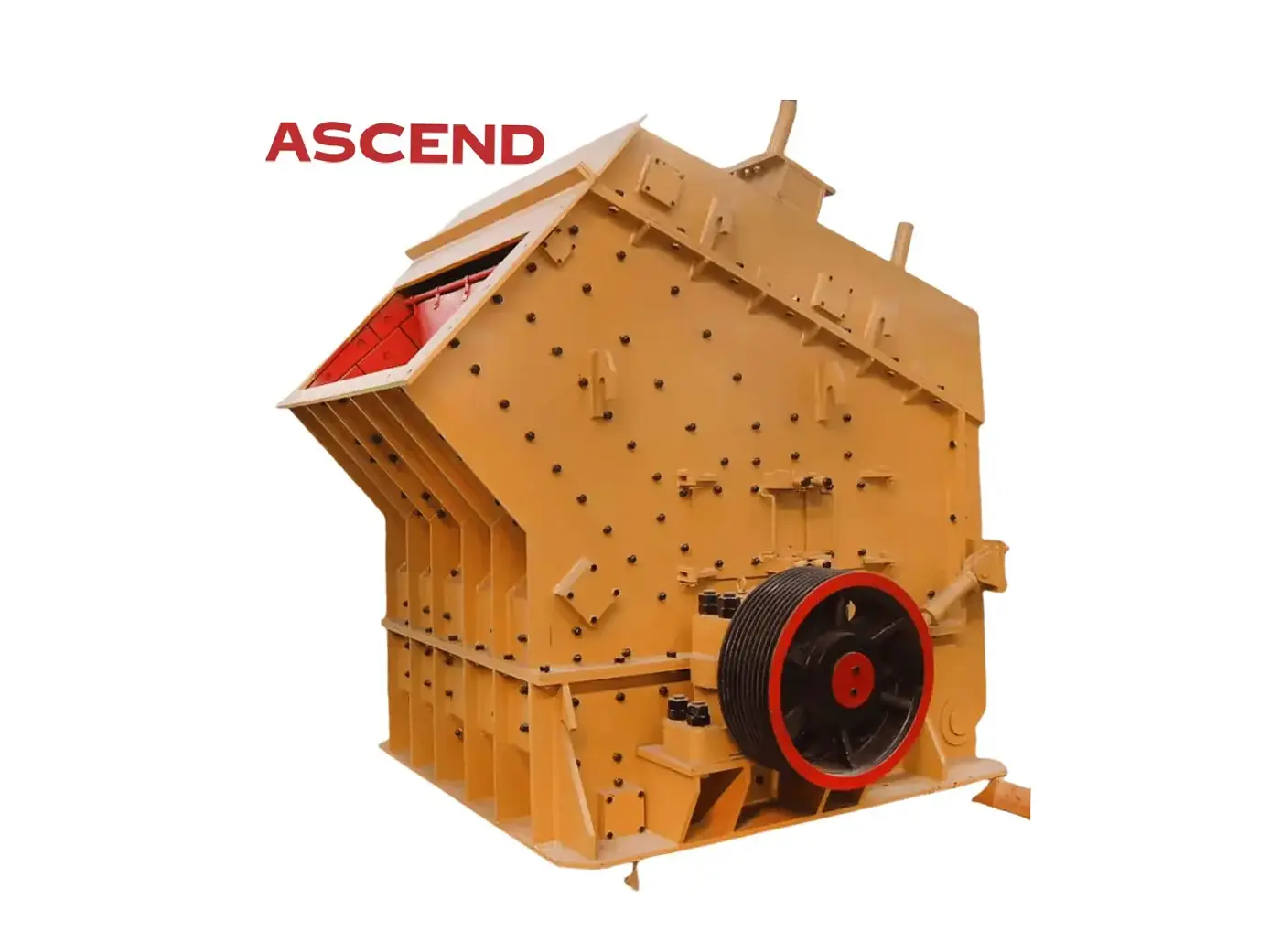
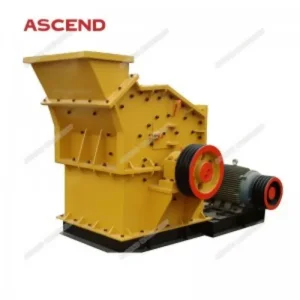
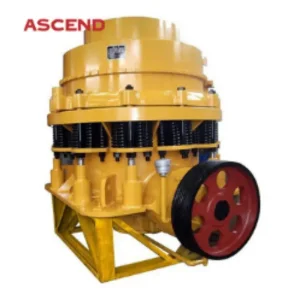
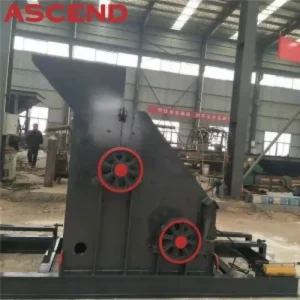
The impact crusher is a secondary crushing equipment option that uses impact force to reduce materials. It features easy maintenance, high reduction ratios, and cubical product shapes. Key features include three crushing chambers, a heavy-duty rotor, wear-resistant blow bars, and a hydraulic start-up system. These machines are used across various crushing stages, from primary size reduction to the final steps of aggregate preparation.
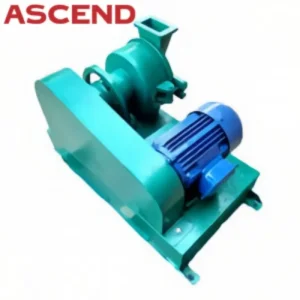
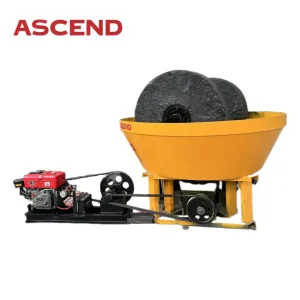
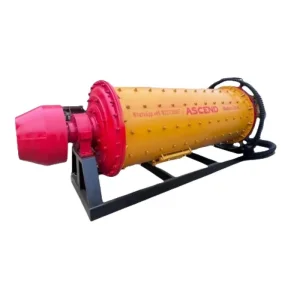
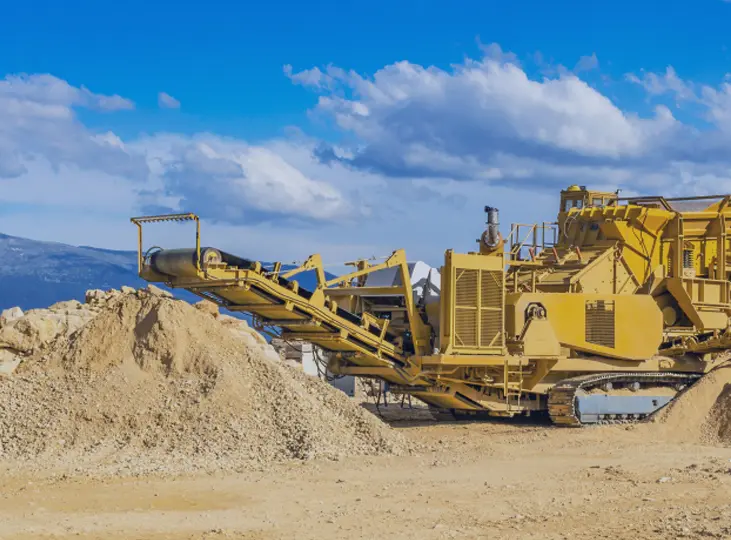
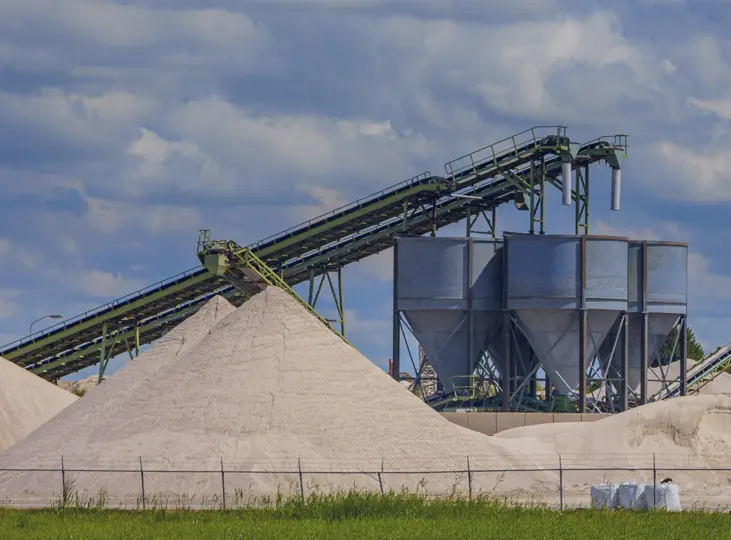
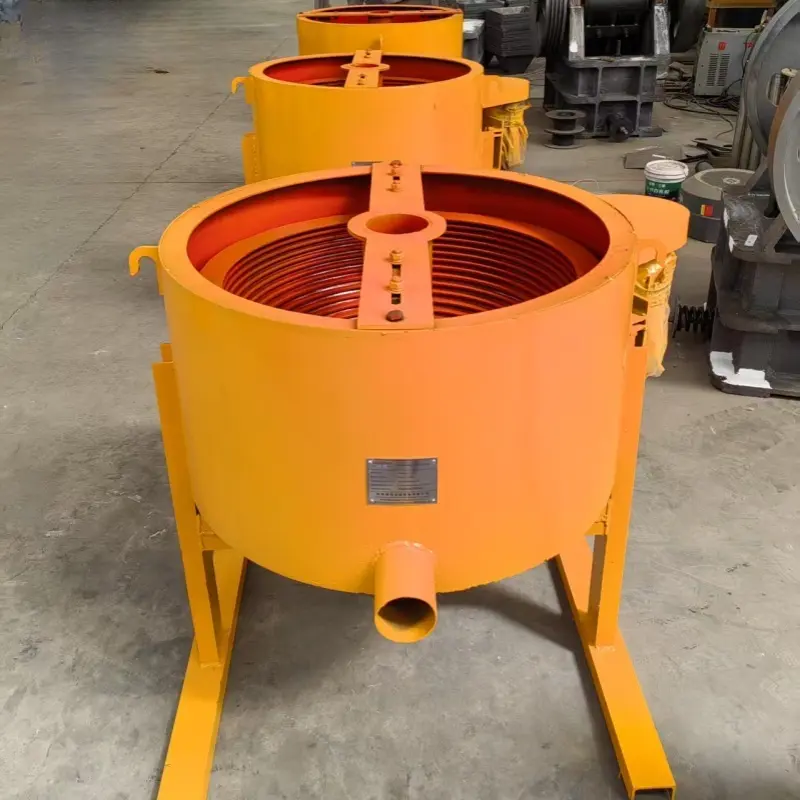
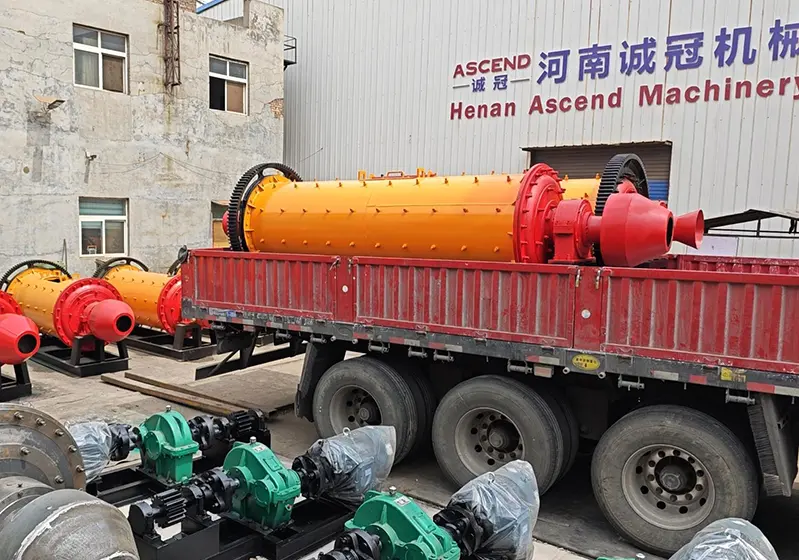
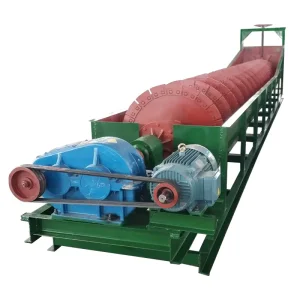
Additionally, we supply mobile secondary plants, including the 942f28f5eeded11f671880e9d8e1b3c1.jpg plant, high-recovery grinding mill systems (d7abd48b64eaa25784147fac5488018f.jpg), full gold concentration circuits (1b16747a0e51c8648ecdad867a6a4704.jpg), and specialized classifier lines (d00d9f3058bf380b8c052d98a14a3c41.jpg) for comprehensive mineral recovery.
Read MoreExplore our active project sites and engineering installations worldwide, handling materials from granite to gold-bearing quartz.
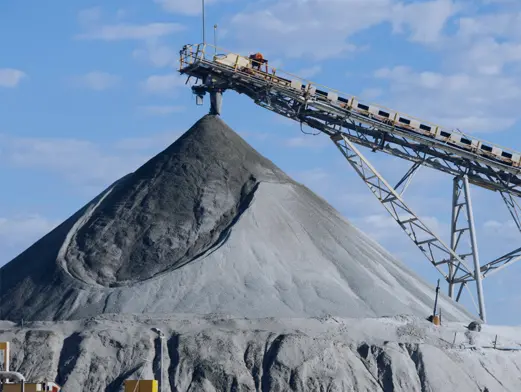
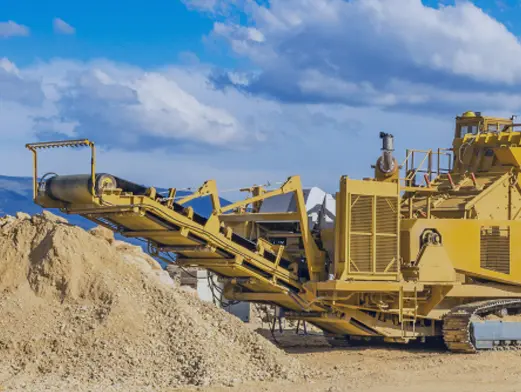
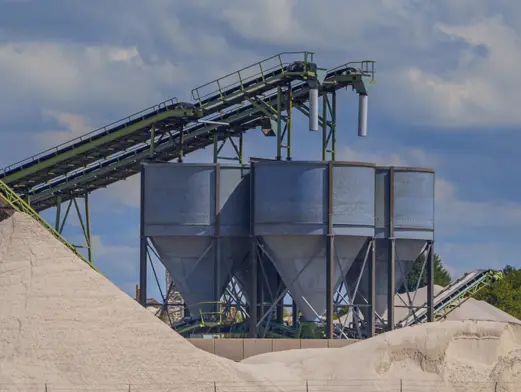
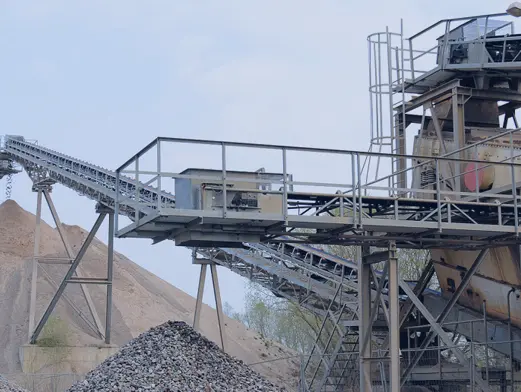
Stay updated with our manufacturing deliveries, site installations, and international client reviews.
 Nov 2025
 Aug 2025
Henan Ascend Machinery & Equipment Co.,Ltd. was established in 2005 and is located in the high-tech zone of Zhengzhou City, Henan Province.
Ascend is focused on the research and development, manufacturing, sales, and after-sales service of complete sets of crushing, grinding, screening, feeding, and conveying heavy mining machinery. Whether you need to crush limestone, granite, gravel, or other stone, grind them into powder, or extract gold, our engineers can provide tailored technical advice. Operating our own production facility allows us to manage manufacturing quality directly and provide competitive pricing options.
Read MoreThe operating cost of a mini jaw crusher depends on the wear life of its jaw plates. When crushing abrasive materials like quartz, granite, or iron ore, the jaw plates are subjected to high compressive stresses and abrasive slide wear.
High-Manganese Steel Casting: To address this, Ascend's jaw plates are cast from high-grade manganese steel alloy (typically Mn13Cr2 or Mn18Cr2). High-manganese steel possesses a characteristic known as work-hardening. Under continuous impact and high pressure, the surface structure of the plate hardens from its base state (around 200-220 HB) to over 500-600 HB, while the core remains ductile to absorb shocks without breaking. The addition of Chromium (Cr) increases corrosion resistance and prevents premature wear when processing wet materials.
Optimized Tooth Profile: Standard jaw plates are available in different profiles depending on the material. Sharp tooth designs are used to concentrate force on hard, brittle stones, while flatter, wave-shaped teeth are suitable for soft or clay-heavy ores to prevent clogging in the chamber.
Eccentric Shaft & Bearings: The eccentric shaft is forged from 42CrMo alloy steel and precision-machined. It is supported by double-row self-aligning spherical roller bearings, which help protect the shaft from high radial forces during the crushing stroke and prevent misalignment under heavy loads.
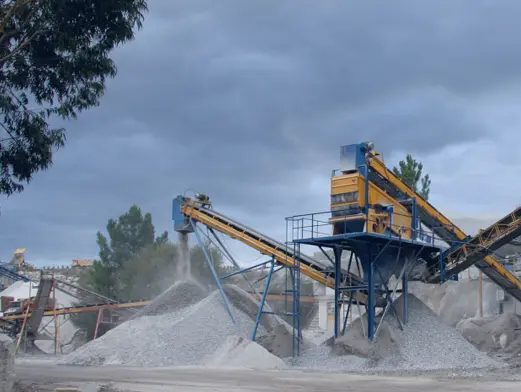
A jaw crusher reduces run-of-mine (ROM) materials to a size suitable for secondary crushing or grinding. Designing a balanced system requires matching the jaw crusher's discharge size with the feed limits of downstream equipment.
Proper sizing at each stage prevents bottlenecking and helps protect downstream equipment from damage caused by oversized feed.
Detailed engineering answers to common inquiries regarding the selection, operation, and maintenance of mini jaw crushers.
Explore our full range of heavy-duty primary crushers, secondary classifiers, and concentration systems.
 Ascend