Explore our robust range of heavy machinery directly engineered for gold extraction, aggregate production, and industrial mineral size reduction.
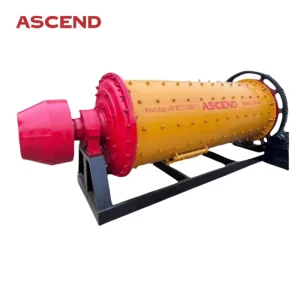
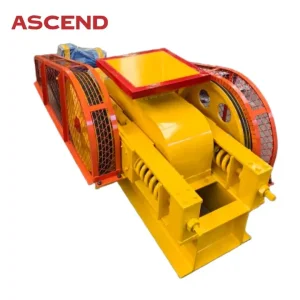
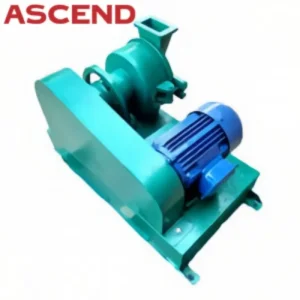
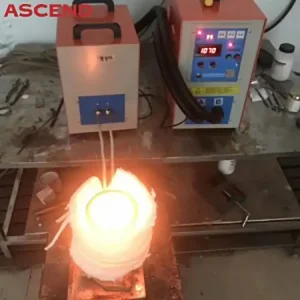
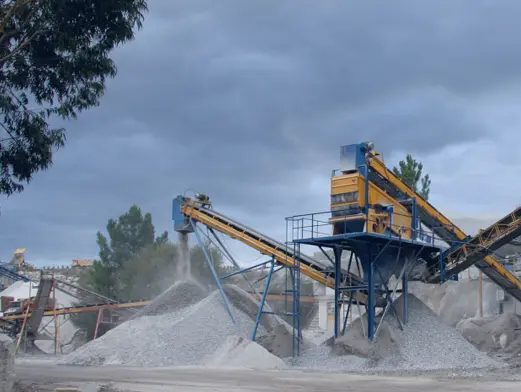
In modern metallurgy, infrastructure development, and mining operations, the demand for highly efficient size-reduction equipment is increasing. Among the various technologies available, Impact Crusher Equipment stands as a crucial pillar for secondary and tertiary stage crushing. Unlike compressive crushers (such as jaw or cone crushers) that utilize force to pinch material, impact crushers utilize dynamic kinetic impact. The incoming mineral rock is struck by high-speed blow bars mounted on a heavy-duty spinning rotor, driving it against impact plates. This creates a high-velocity particle-on-particle fracturing environment, which produces a highly cubical aggregate profile.
Globally, road building and high-performance concrete production demand aggregates with very low flakiness and elongation indexes. Traditional compression crushing often yields elongated particles that weaken concrete mixtures and lead to structural failures under load. Impact crushers solve this issue by naturally breaking rock along its geological cleavage planes. As developing countries in Africa, Southeast Asia, and South America invest heavily in highways, railways, and municipal infrastructure, impact crushing plants have transitioned from optional machinery to essential processing units.
Additionally, the recovery of precious and base metals relies on proper downstream liberation. The primary mechanical stage must break down ores to optimal sizes before grinding mills can achieve liberation size. Deploying energy-efficient impact crushers reduces the workload of downstream ball mills, optimizing energy consumption and lowering processing plant operating costs.
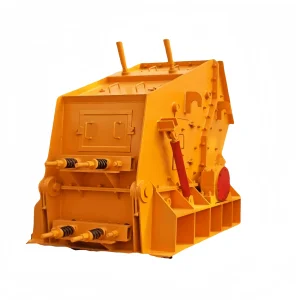
The mechanical excellence of Ascend’s impact crushers stems from their internal engineering design. These machines are designed for reliable performance in demanding quarry environments. The key components include:
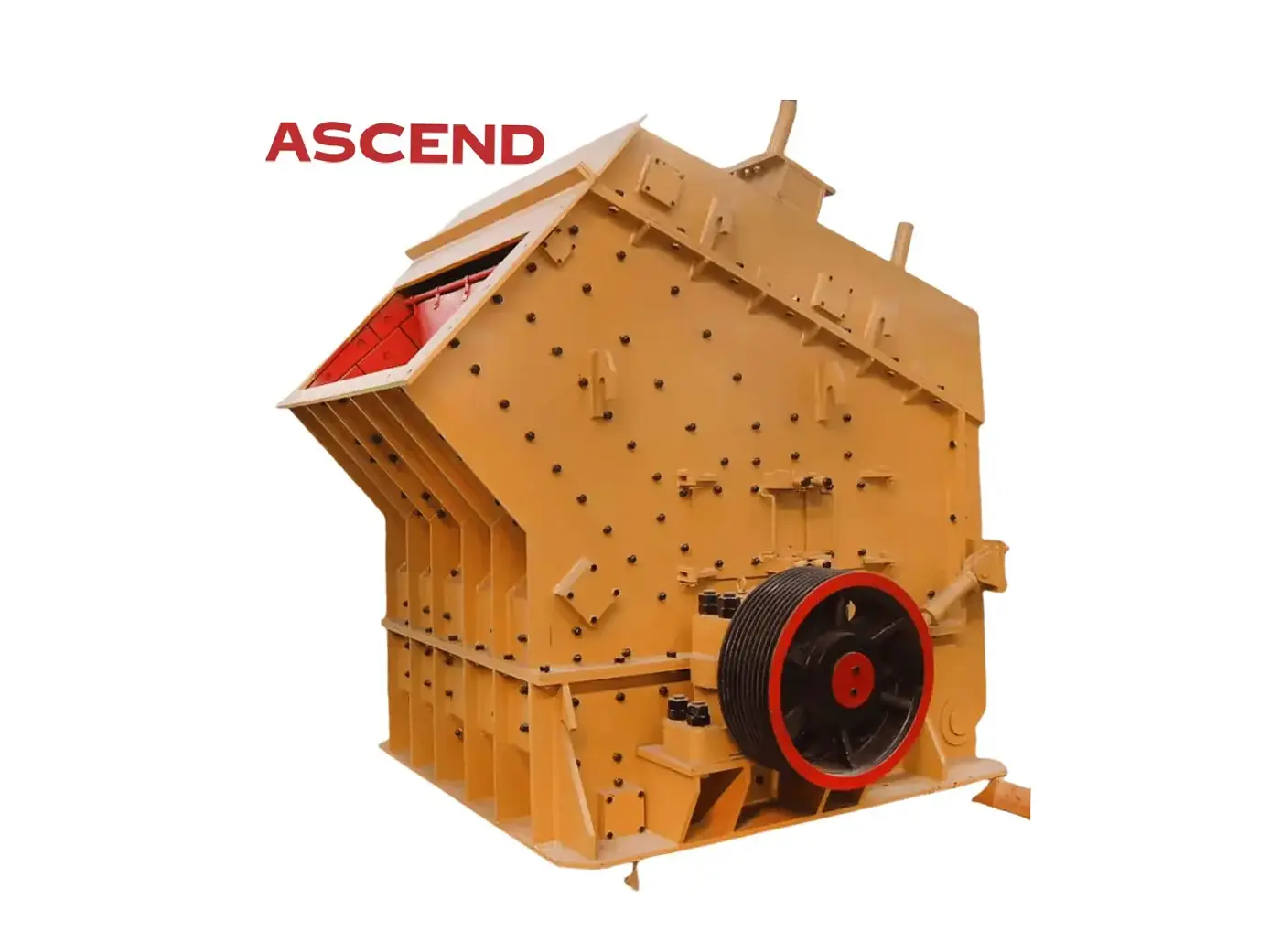
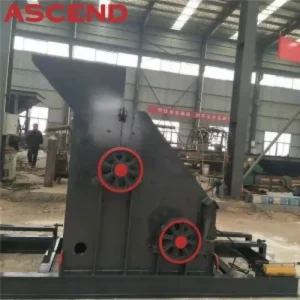
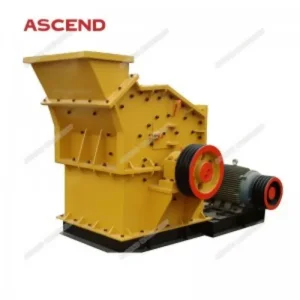
Impact crusher is a kind of secondary crushing equipment which uses impact power to crush materials. Impact crusher is characterized by easy maintenance, high reduction ratios and high efficiency to produce precisely cubic shape products. It is designed with three crushing chambers, seamlessly connected rotor, wear-resistant blow bar and installation of insert type. Moreover, it has tooth type liner, gradient designed bearing seat, frame with several openings and screws or hydraulic start-up devices. Impact crushers can be used in all different stages of size reduction from primary crushing to the last step of the crushing process.
The combination of premium bearing designs and precision-aligned frames ensures low heat generation, high mechanical availability, and structural integrity under constant vibration.
As procurement departments look to optimize their supply chains, sourcing from China Impact Crusher Equipment Factories has become a standard approach. China's industrial clusters, particularly in the Zhengzhou High-Tech Development Zone in Henan Province, offer advantages in engineering talent, supply chain integration, and advanced casting technologies.
Henan Ascend Machinery & Equipment Co.,Ltd., established in 2005, operates in this manufacturing hub. Over two decades of R&D have allowed us to optimize our production lines. Our integrated foundry process ensures we control every stage of manufacturing—from raw scrap selection to induction furnace smelting, alloy pouring, heat treatment, and precision machining.
This domestic supply chain density allows Ascend to deliver machinery that matches the performance of Western brands, while offering significant capital expenditure (CAPEX) savings. Furthermore, our strategic proximity to international ports and logistics hubs ensures short lead times for complete mineral processing lines and replacement parts.
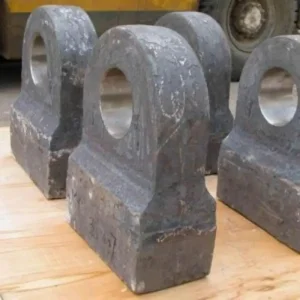
We use high-chromium alloys and specialized heat treatments to extend the service life of our blow bars and wear liners.
We configure customized crushing chambers and portable diesel-powered units for remote, off-grid operations.
We provide field installation support, wear-parts supply, and operator training across more than 130 countries.
Mining and aggregate production requires solutions tailored to specific site geography, climate, and ore characteristics. Standard machinery configurations often fall short of meeting local specifications. At Ascend, we specialize in delivering tailored industrial solutions.
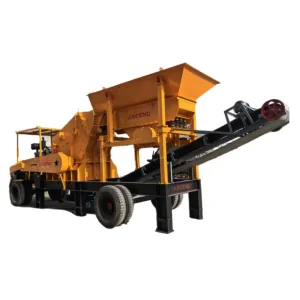
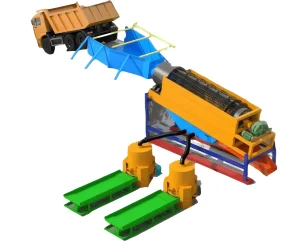
In Zambia and Sudan, for example, gold operations are frequently located in remote areas with limited access to grid power. To address this, we engineer diesel-powered mobile plants that combine jaw primary crushing with impact secondary processing, screens, and wet concentrators. This design allows operators to begin gold recovery without needing to invest in heavy electrical infrastructure.
In the tropical environments of Papua New Guinea, processing highly weathered, high-moisture gold-bearing stone presents distinct challenges. Standard impact configurations can suffer from clogging in the discharge zone. To prevent this, our engineers adjust the machine geometry and install specialized steam-jacketed or open-discharge cavities, allowing high-performance operation even during the monsoon season.
Tested in the field and deployed globally to optimize material recovery and operational efficiency.
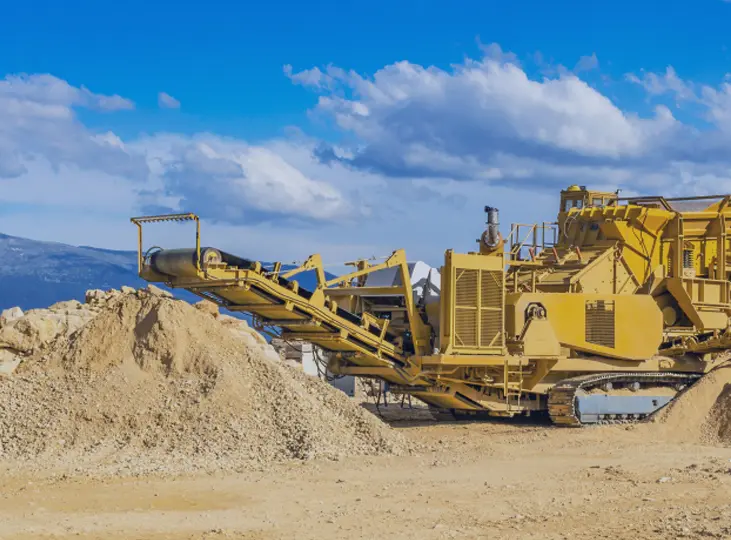
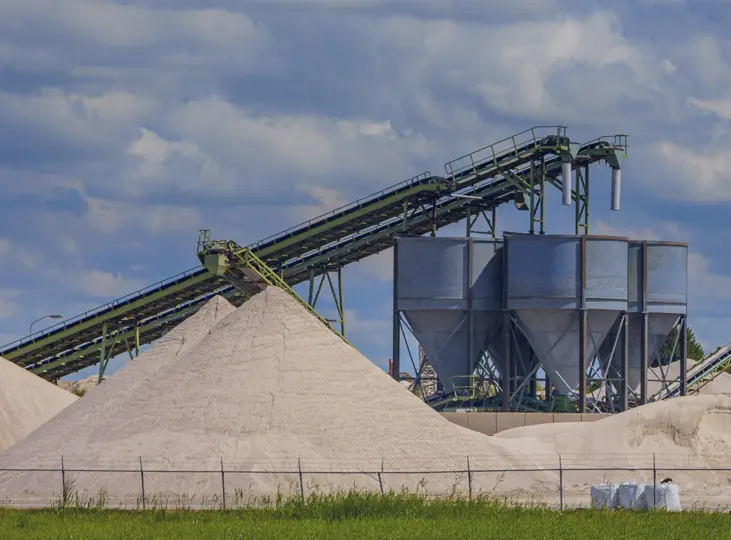
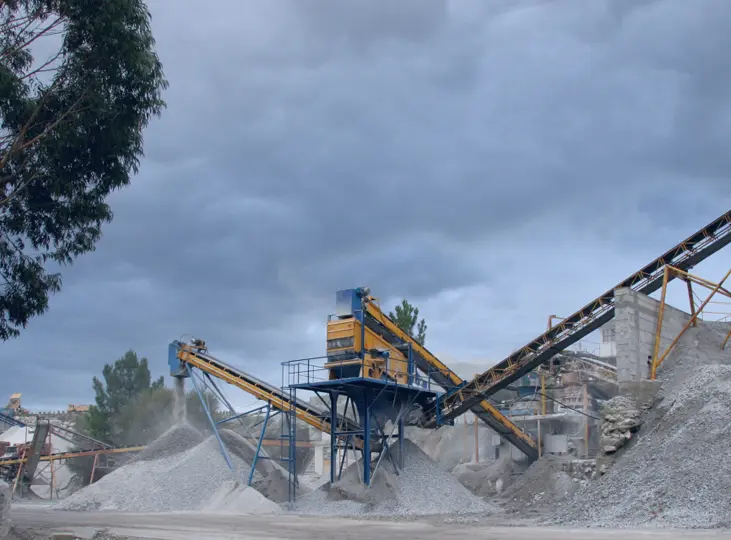
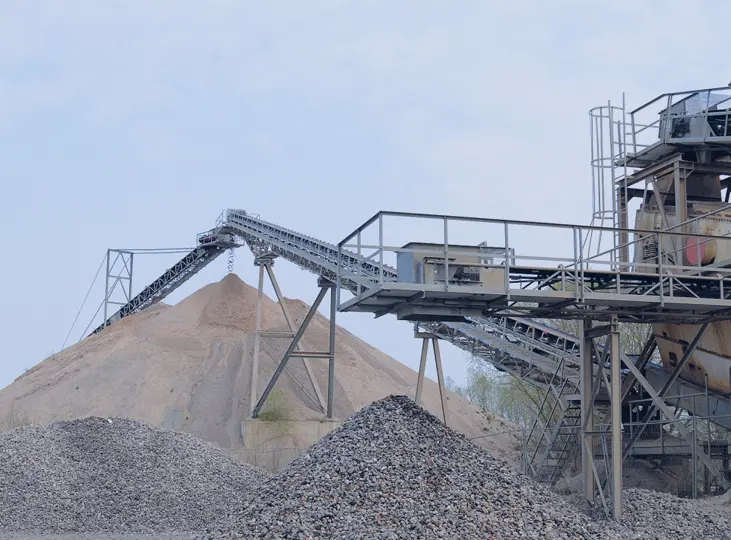
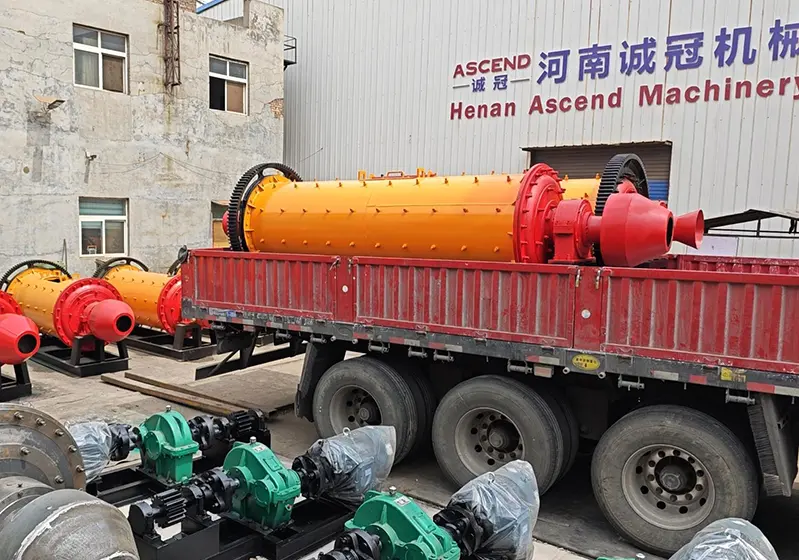
Recent logistics updates, equipment commissioning, and project deliveries from our Henan factory to job sites worldwide.
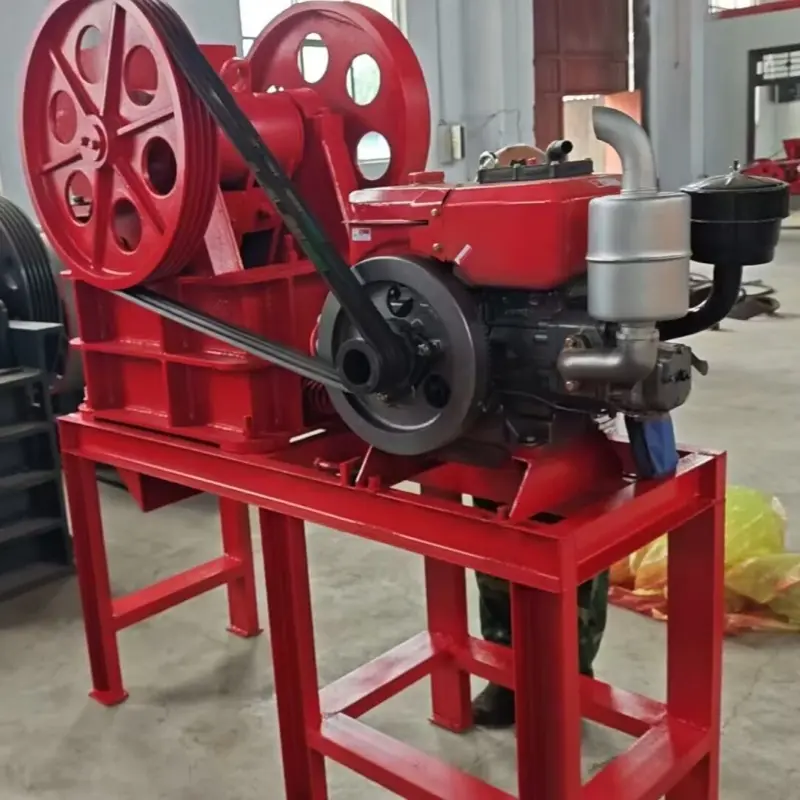
 November 2025
To support gold mining operations in remote regions of Papua New Guinea, Henan Ascend shipped a batch of PE250x400 model diesel jaw crushers. These units are configured with fuel-efficient diesel engines, heavy-duty steel wheels, and reinforced frames to withstand rough terrain.
August 2025
Custom-built gravity concentration units shipped to the Zambian copperbelt for gold recovery.
July 2025
Delivered premium mineral gravity separation shaking tables to Sudanese artisanal mining operations.
July 2025
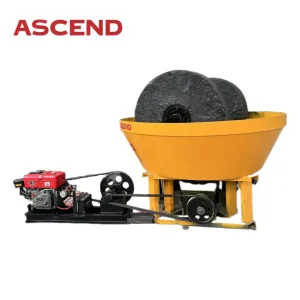
Off-grid wet-grinding solution shipped to PNG mining operations to support local processing lines.
July 2025
Portable crushing plant designed for limestone and quarry operations in Tanzania.
June 2025
Heavy-duty primary crushing unit delivered to Zambia to support copper ore size reduction.
Procuring heavy mining equipment requires careful analysis of long-term operational costs alongside initial capital expenditure. Procurement managers should evaluate three key metrics when selecting a supplier:
1. Total Cost of Wear Parts (OPEX): The initial price of an impact crusher is only part of the investment. The real cost driver is the rate of wear-part consumption. Working with a factory that uses high-chrome alloys and offers direct replacement parts ensures predictable maintenance costs over the lifetime of the machine.
2. Rotor Dynamic Balancing and Vibration Control: If a rotor is even slightly out of balance, the resulting vibration can accelerate bearing failure and cause structural issues in the frame. Buyers should request dynamic balance test certifications from the manufacturer before shipment.
3. Cavity Profile Configuration: The design of the crushing cavity determines the reduction ratio and grain-size distribution. Selecting the proper cavity style (e.g., standard secondary crushing vs. fine sand-making) is essential to achieving project output specifications.
The global crushing industry is shifting toward automated, energy-efficient operations. Key trends shaping this transition include:
Operational footage and field installations from our worldwide project network.
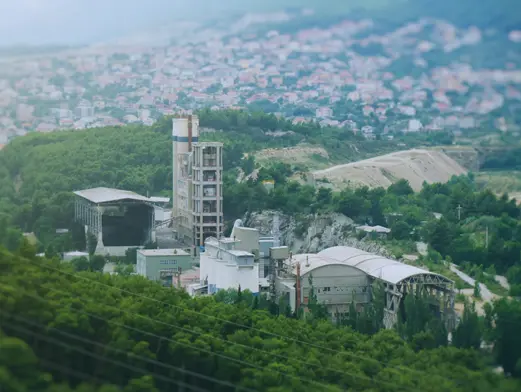
Common questions from plant managers and procurement professionals, answered by Ascend's engineering team.
Impact crushers perform best when processing soft-to-medium hard materials with low-to-moderate abrasiveness, such as limestone, gypsum, dolomite, calcium carbonate, and coal. While they can process harder rocks like granite or basalt, processing highly abrasive stones can lead to rapid wear of the blow bars, increasing long-term operational costs.
A two-cavity impact crusher is configured for high-throughput primary or secondary crushing, prioritizing raw tonnage and larger feed capacities. A three-cavity design includes an additional tertiary chamber that recirculates material to produce a finer, more cubic product, making it ideal for road construction and aggregate production.
We manufacture our blow bars using high-chromium cast iron (typically 20% to 26% Cr content) combined with custom tempering processes. For highly demanding aggregate applications, we offer blow bars reinforced with titanium-carbide insert matrices (ceramic composites), which significantly extend service life compared to standard steel alternatives.
For remote mining operations, constructing high-voltage lines is often cost-prohibitive. Our diesel-powered mobile plants combine the diesel engine, crusher, screen, and conveyors onto a single chassis. This allows operators to run the entire processing line using local fuel supplies, reducing upfront capital requirements.
We provide full installation, commissioning, and operator training support. In our Zhengzhou factory, we maintain a complete stock of standard wear parts (blow bars, impact plates, bearings, liners) and ship replacements internationally via express logistics to minimize client downtime.
High moisture content can cause fines to stick to the crushing chamber walls, potentially blocking the discharge chute. To manage wet materials, we configure our crushers with open discharge structures and specialized, non-stick liners, ensuring smooth material flow even during wet seasons.
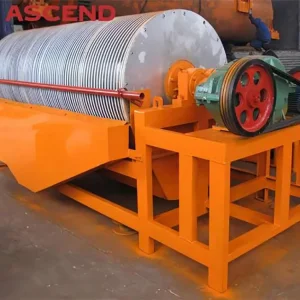
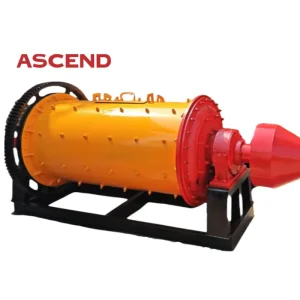
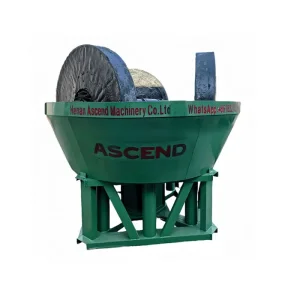
Browse our selection of specialized mining equipment, ranging from replacement parts and separators to water-based grinding systems.
 Ascend