Engineered for high throughput, optimized energy consumption, and maximum mineral liberation in rugged Brazilian mining environments.
A Technical Guide on Ore Preparation, Efficiency Parameters, and Environmental Adherence in South America's Mining Powerhouse.
Brazil possesses some of the largest mineral reserves globally. In regions like Minas Gerais, Pará, and Goiás, mining is a primary economic driver. Extraction ranges from vast iron ore complexes to small-to-medium-scale gold operations (often termed *garimpo* or localized cooperatives).
Processing hard rock containing gold, copper, manganese, or bauxite requires crushing and ultra-fine grinding. Traditional gravity methods are undergoing technological modernization. Operators seek options that decrease energy demand while maximizing output.
Regulatory Insights: The Agência Nacional de Mineração (ANM) and IBAMA regulate operations closely. They emphasize reduced water consumption and tailings safety. This focus has spurred demand for dry grinding, closed-circuit wet grinding, and mercury-free concentration.
Globally, the mineral processing sector is shifting toward automation, energy efficiency, and modular plant designs. High-pressure grinding rolls (HPGR) and modern ball mills with variable speed drives are increasingly popular. These systems adapt to changes in feed hardness and Bond Work Index (BWI).
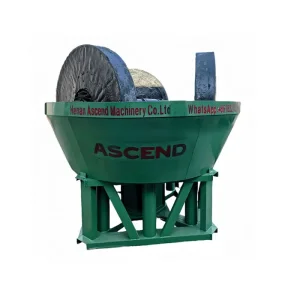
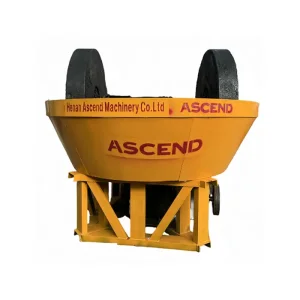
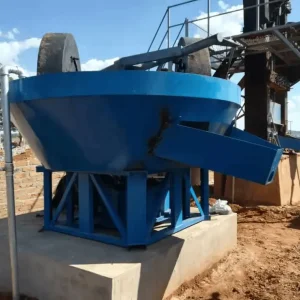
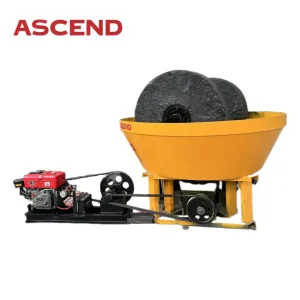
For artisanal and medium scale operations, the wet pan mill remains a practical choice. By combining grinding and basic mixing, it serves as an economical entry point for gravity separation circuits. This is particularly true in South American and African gold sectors where simplicity and durability are essential.
The future of grinding mill machinery centers on wear-resistant materials and low-carbon operation. Heavy-duty manganese alloy liners, high-chromium grinding balls, and automated lubrication systems are standard features. These components reduce downtime and extend maintenance intervals.
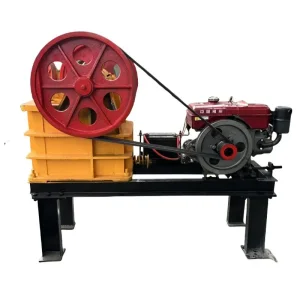
Additionally, remote off-grid mining sites in Brazil—such as those in the northern region—rely heavily on diesel-engine powered crushers and grinding mills. The transition to hybrid diesel-electric configurations is currently underway, providing reliable operation even when grid connectivity is limited.
Selecting the appropriate mill involves matching mill types to specific mineral properties and throughput targets:
| Mill Type / Model | Feed Size Limit (mm) | Discharge Size (Mesh/mm) | Capacity (t/h) | Ideal Application in Brazil |
|---|---|---|---|---|
| 1200 Wet Pan Mill | < 15 mm | 80 - 150 mesh | 1.5 - 2.5 t/h | Artisanal Gold Gravity Recovery (Pará) |
| 1500 Wet Pan Mill | < 20 mm | 100 - 200 mesh | 3.0 - 5.0 t/h | Cooperative Gold Beneficiation (Mato Grosso) |
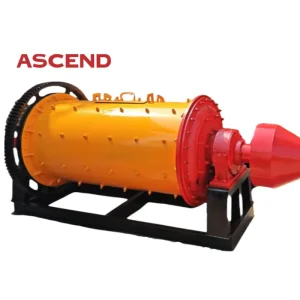
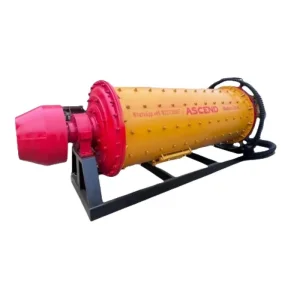
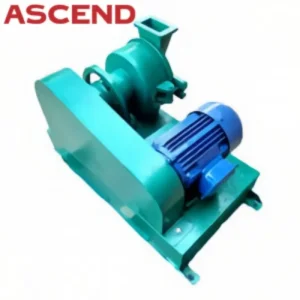
| Ball Mill (900x3000) | < 25 mm | 0.074 - 0.4 mm | 1.5 - 5.0 t/h | Industrial Quartz & Copper Ore Grinding |
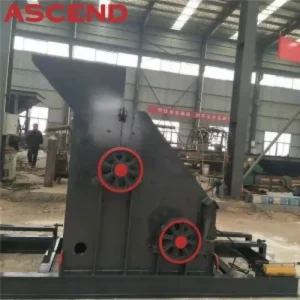
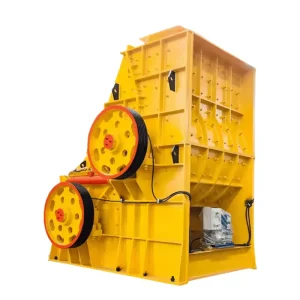
| Double Stage Hammer Crusher | < 150 mm | < 3 mm (90%) | 5.0 - 20.0 t/h | Wet Coal & Clay-laden Limestone Crushing |
Ascend has developed steadily since its establishment. Its business covers more than 130 countries and regions around the world, especially in Africa, Southeast Asia, and South America. Ascend machine quality and after-sales service have won widespread praise from international customers.
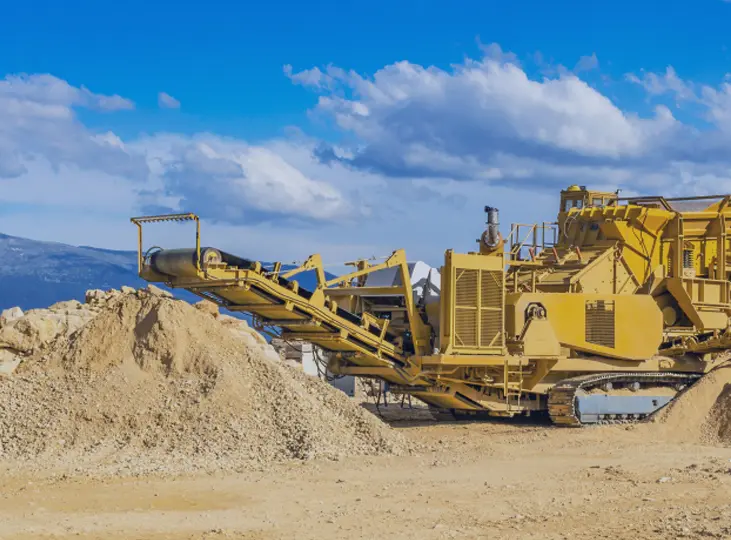
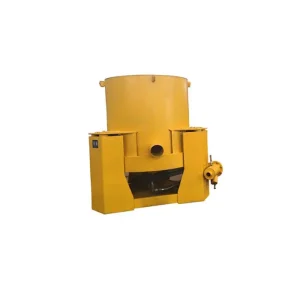
Implementation of 1500-model wet pan mills coupled with Knelson separators for high-recovery gravity gold concentration.
Learn More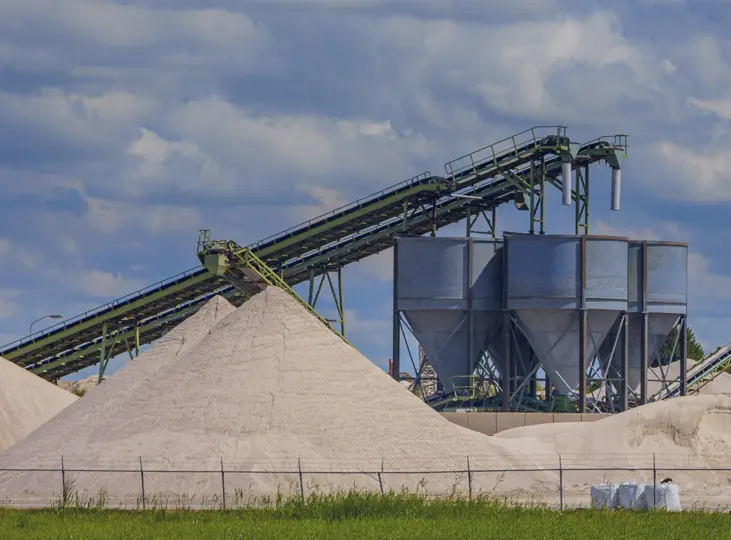
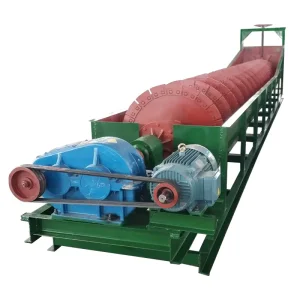
Integration of heavy-duty jaw crushers and classification systems to handle high-abrasive iron ore tailing reclamation.
Learn More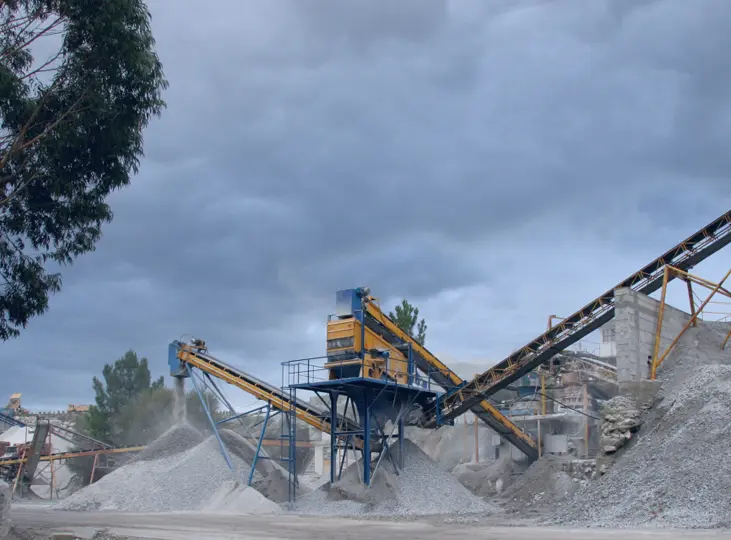
A fine-milling ball mill circuit producing agricultural lime (corretivo de solo) with controlled grain-size distribution.
Learn More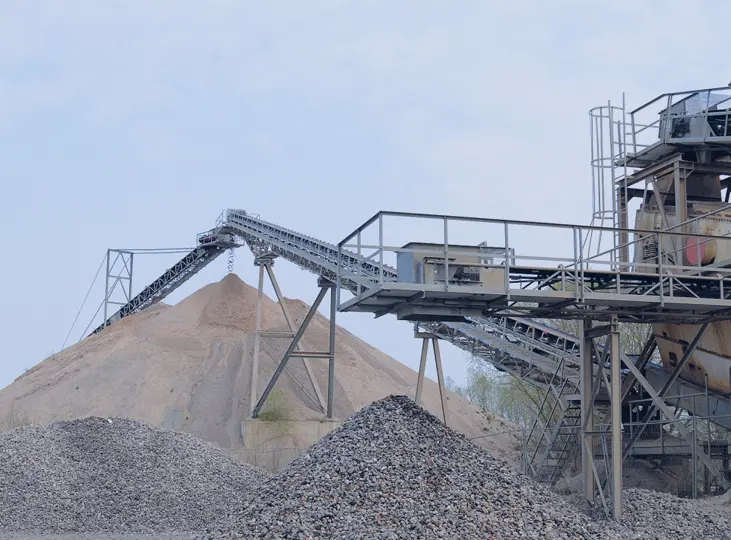
An integrated primary diesel jaw crusher and secondary hammer mill circuit for remote agricultural fertilizer production.
Learn MoreEssential auxiliary machinery designed to integrate seamlessly with our grinding line, ensuring high operational efficiency from primary crushing to final concentration.
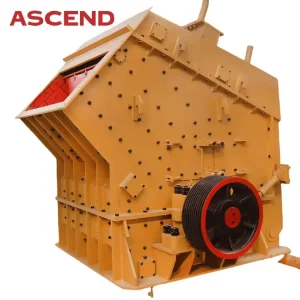
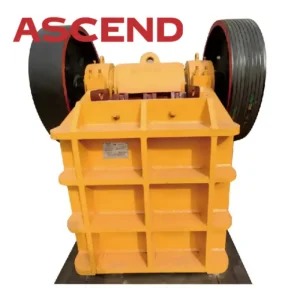
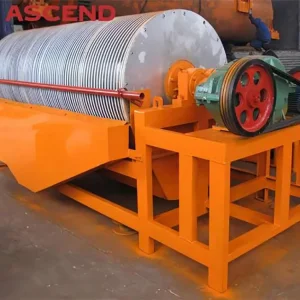
Answering key logistical, technical, and regulatory questions for engineers and purchasing managers.
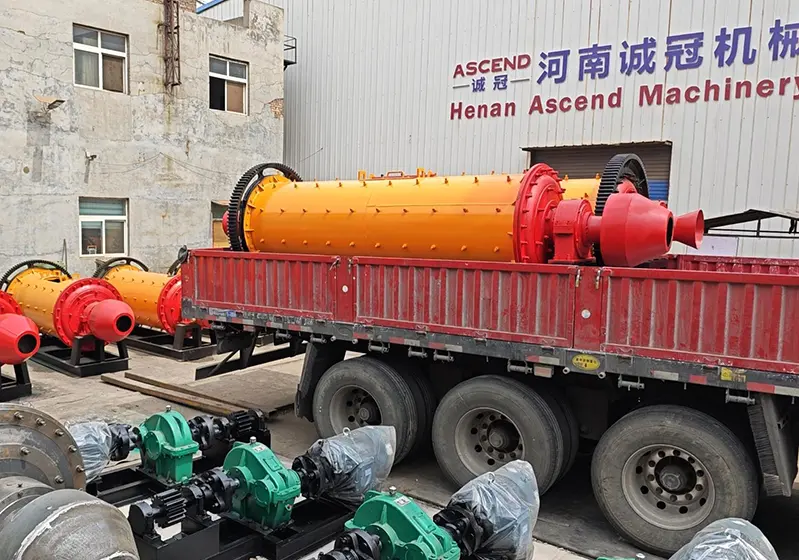
Henan Ascend Machinery & Equipment Co., Ltd. was established in 2005 and is located in the high-tech zone of Zhengzhou City, Henan Province.
Ascend is primarily engaged in the research, development, manufacture, sales, and after-sales service of complete crushing, grinding, screening, feeding, and conveying systems for heavy mining machinery.
Whether processing limestone, granite, gravel, or other hard stones for construction sand, or grinding rock ores for mineral extraction, our engineers are prepared to design a reliable layout. Operating our own manufacturing facilities allows us to oversee quality control and offer competitive factory pricing.
Explore our highly reliable selection of wet pan mills, diesel-driven crushers, and gravity concentrators engineered for optimal performance.
 Ascend