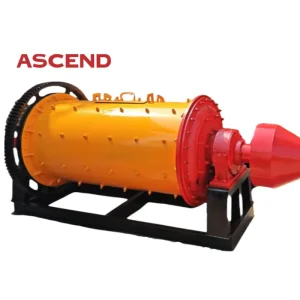
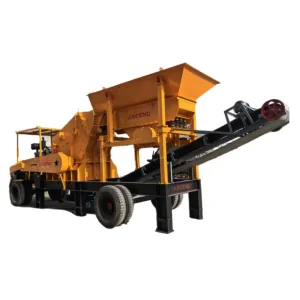
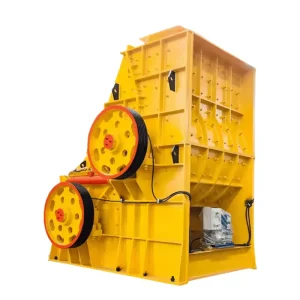
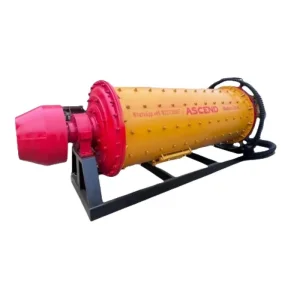
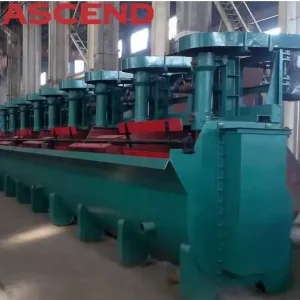
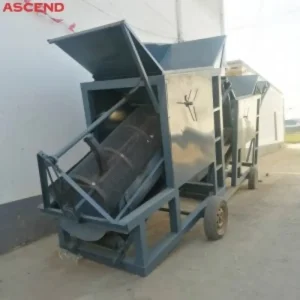
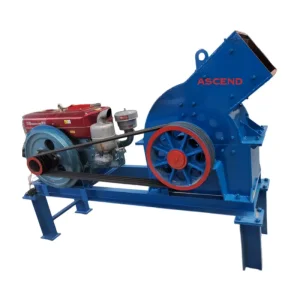
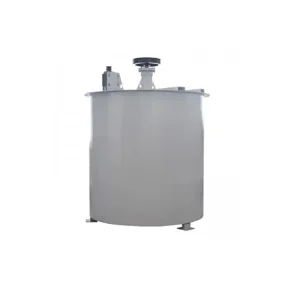
Explore our foundational grinding, screening, crushing, and concentrating components engineered for modern mineral processing loops.
Exporting Countries
Established Year
Leading Mill Models
Gold Recovery Rate
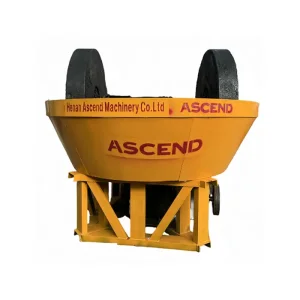
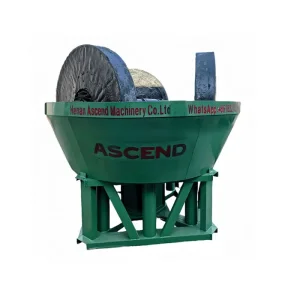
Zimbabwe holds the second-largest gold deposits per square kilometer in the world, with over 4,000 recorded gold deposits, primarily hosted within greenstone belts. For small to medium-scale miners (ASMs)—who contribute over 60% of Zimbabwe's total gold output—efficient, cost-effective, and highly accessible liberation technologies are vital. The wet pan mill, colloquially known as the "gold grinding machine" or "chilean mill", has emerged as the definitive champion of mineral processing in major mining districts including Kadoma, Kwekwe, Shurugwi, Gwanda, and Bindura.
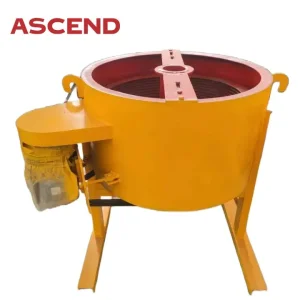
Unlike massive ball mills that require highly stable three-phase electrical grids, complex civil foundations, and substantial capital expenditures, wet pan mills provide an elegant, decentralized grinding solution. They combine the operations of crushing, grinding, and amalgamation into a single unit. Henan Ascend Machinery & Equipment Co., Ltd. has developed specialized 1100 and 1200 model wet pan mills customized for the abrasive, quartz-heavy ores characteristic of the Zimbabwean geology. This whitepaper analyzes the mechanical engineering principles, cost structures, and implementation methodologies that make wet pan mills a key factor in maximizing recovery rates and profitability.
The operational efficiency of a wet pan mill is dictated by the interaction between the heavy cast rollers, the pan liner, and the drive system. Understanding these dynamics is essential for selecting the correct unit for specific geological formations.
| Specification Parameter | 1100 Wet Pan Mill Model | 1200 Wet Pan Mill Model | 1400 Heavy-Duty Model |
|---|---|---|---|
| Roller Diameter x Width | 1100 mm x 150 mm | 1200 mm x 180 mm | 1400 mm x 220 mm |
| Roller Weight | Approx. 1.2 Tons per Roller | Approx. 1.5 Tons per Roller | Approx. 2.2 Tons per Roller |
| Required Power | 5.5 kW / 7.5 HP (Electric) or Diesel | 7.5 kW / 10 HP (Electric) or Diesel | 11 kW / 15 HP (Electric) or Diesel |
| Processing Capacity | 0.8 – 1.2 Tons per Hour | 1.5 – 2.0 Tons per Hour | 2.5 – 3.5 Tons per Hour |
| Feed Particle Size | < 20 mm | < 25 mm | < 30 mm |
| Output Fineness | 80-200 mesh (80% passing) | 100-200 mesh (85% passing) | 120-200 mesh (90% passing) |
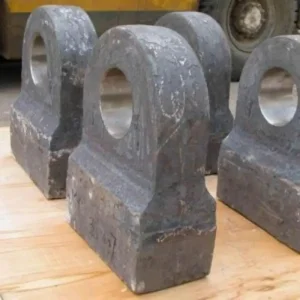
The reliability of the mill depends heavily on its materials. Wear parts are subjected to intense mechanical stress, requiring premium structural elements:
In the global mining sector, processing efficiency relies on the "degree of liberation"—the percentage of target mineral particles completely freed from the surrounding waste rock. For gold ores, particularly the complex sulfides and refractory gold deposits found across Africa and Latin America, inadequate grinding leads to gold locking within silicate minerals or pyrite matrices, reducing downstream recovery rates in gravity separation and cyanidation.
Wet pan mills solve this processing bottleneck. Through a combined action of compression and shear forces, they generate a high-pressure zone between the rolling wheel and the pan base plate. When the ore slurry passes beneath the heavy rollers, it undergoes intensive attrition, causing fracturing along mineral grain boundaries. This micro-fracturing yields higher liberation rates at coarser grain sizes than conventional impact crushing, leading to optimal conditions for gravity concentration systems, flotation plants, and cyanidation circuits.
Globally, the selection of grinding equipment is a balance between capital expenditure (CAPEX), operating expenditure (OPEX), maintenance accessibility, and production scale. Here is a comparison of wet pan mills and ball mills for small and medium mining enterprises:
As a result of these advantages, regional distributors across Africa, Southeast Asia, and South America import hundreds of wet pan mills monthly to support decentralized mining operations.
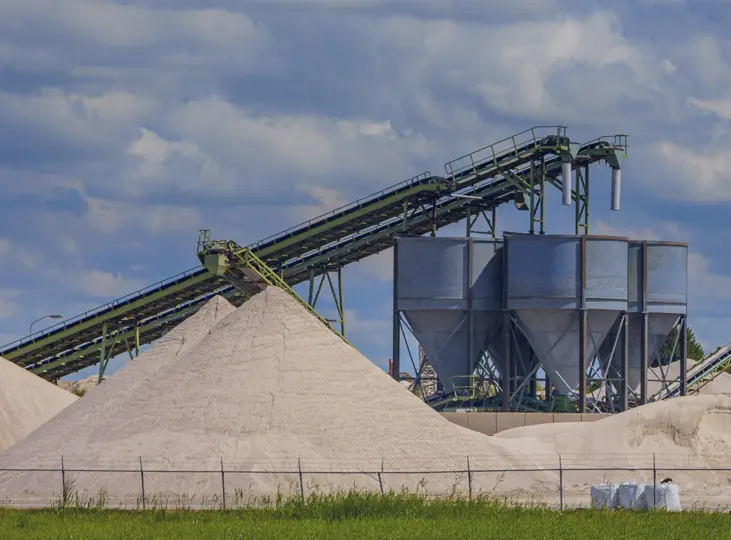
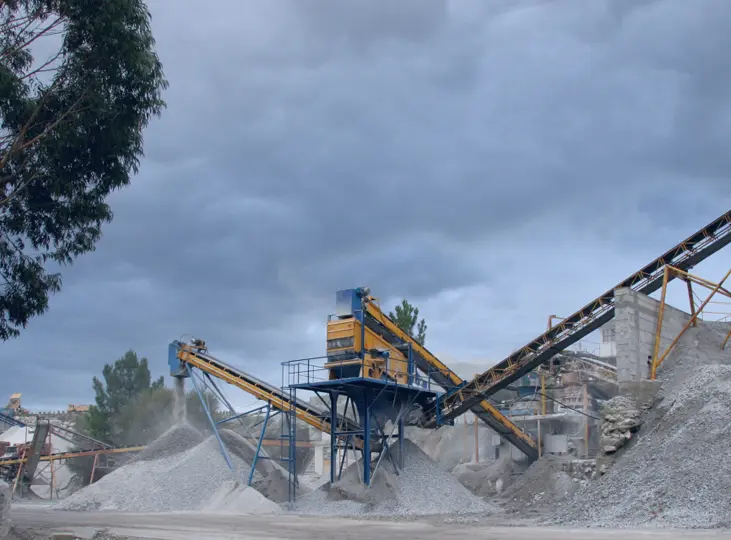
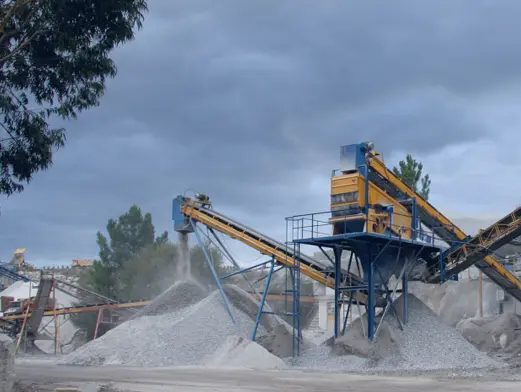
Original case layouts showing our production capacity across key mineral processing sites globally.
To maximize recovery, wet pan mill configuration must be adapted to the local context. Below are the primary operating scenarios in Zimbabwe:
In rural gold-bearing zones near Shurugwi or Mount Darwin, grid electricity can be unreliable or unavailable. For these operations, Ascend configures the 1100 and 1200 wet pan mills with diesel engines mounted directly to the sub-frame. This allows miners to run their operations continuously without relying on the national grid, reducing downtime due to power outages.
In mining hubs like Kadoma, custom milling centers operate batteries of 5 to 20 wet pan mills. Local miners bring their ore to these centers for toll grinding. By running multiple mills in parallel, operators can process different ore batches simultaneously, maximizing daily throughput and ensuring stable operation even if one mill is shut down for maintenance.
For operations that use vat leaching or CIP (Carbon-in-Pulp) systems, achieving the right grind size is essential. Wet pan mills are used to grind ore to 80-90% passing 200 mesh. The mill discharges the slurry directly into a concentration circuit, ensuring consistent feed size for downstream chemical extraction.
As Zimbabwe's regulatory environment updates, mining operations must balance production with environmental compliance. The Environmental Management Agency (EMA) of Zimbabwe enforces guidelines to minimize soil and water contamination, particularly regarding chemical use. Additionally, the Ministry of Mines and Mining Development encourages safety standards for heavy machinery.
Ascend supports local compliance through several design features and service offerings:
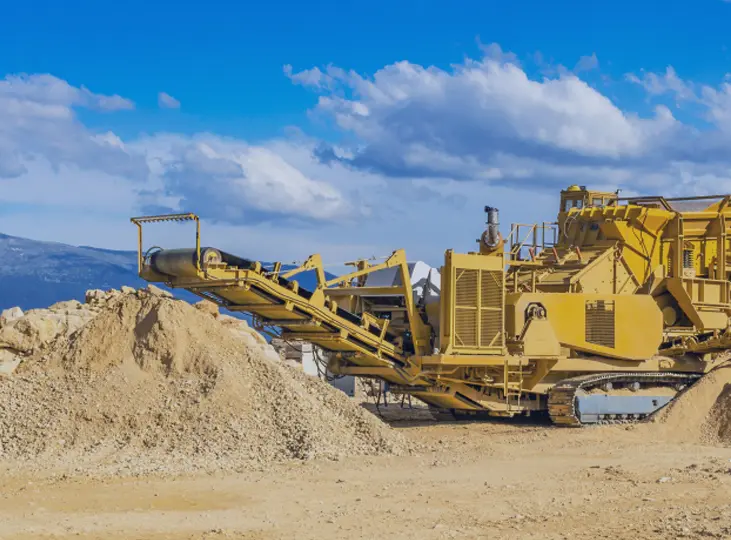
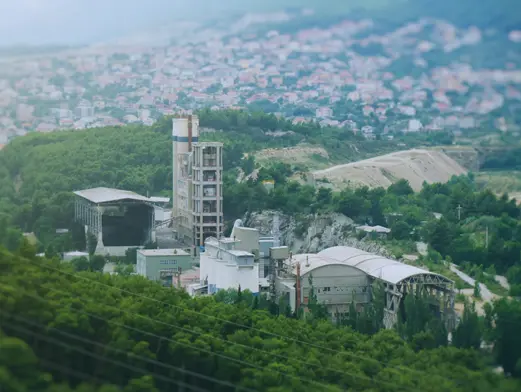
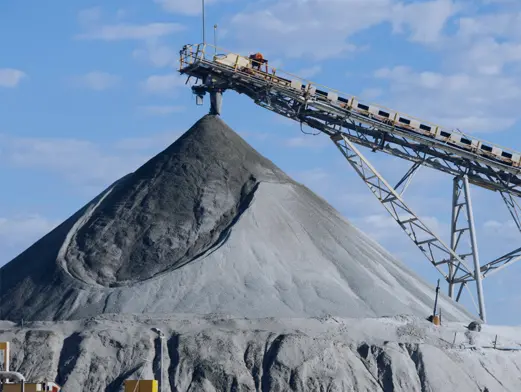
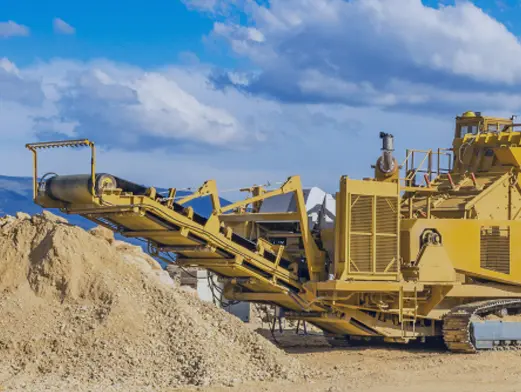
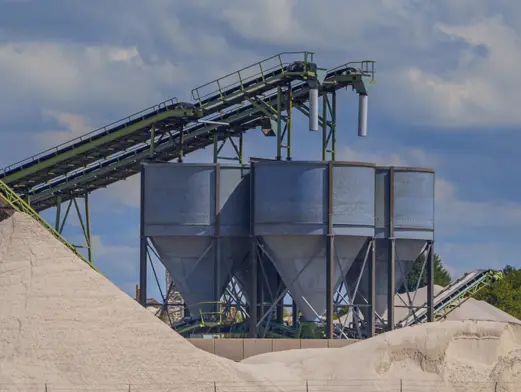
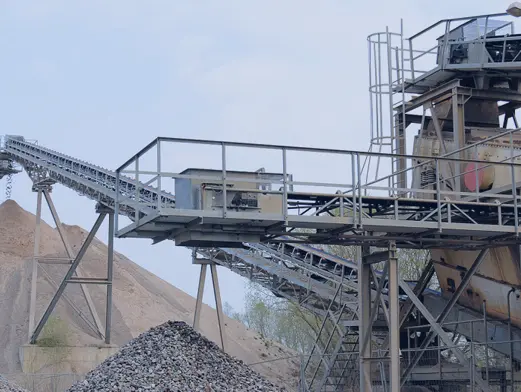
Explore real-world snapshots of our heavy machinery running successfully across major international sites.
As greenstone deposits deep in the ground turn from easily reachable oxidized ore to harder sulfide zones, grinding technology has to adapt. Ascend's R&D team is continually updating wet pan mills for higher efficiency and lower environmental impact:
Conventional wet pan mills require operator experience to maintain the correct slurry density. If too much water is added, the particles wash out before they are ground fine enough; if too little water is added, the pan clogs. Ascend's upcoming smart models feature simple mechanical float valves that maintain a consistent liquid-to-solid ratio, standardizing particle sizing automatically.
To address energy access issues in remote mining sites, we are developing drive systems that can switch between electric motors and diesel engines. This allows operators to run on diesel during grid outages and switch to electric power when the grid is stable, lowering overall operating costs.
To reduce wear on metal components, Ascend is testing composite steel-polyurethane plates. These plates provide impact resistance and reduce noise levels, while extending operational life by up to 1.8 times compared to standard manganese iron plates.
Q1: Which wet pan mill model (1100 or 1200) is best suited for small-scale gold mining in Zimbabwe?
A1: For standard small-scale operations (ASMs), the 1200 model is our most recommended option. It offers a balance between processing capacity (1.5–2.0 tons per hour) and power requirement (7.5 kW). The 1100 model is well-suited for smaller entry-level projects or testing sites that require lower power draw.
Q2: How often do the rollers and ring dies need to be replaced, and where can we get spares?
A2: Depending on the quartz content and hardness of the ore, our high-manganese rollers and ring plates typically last between 6 to 12 months under continuous daily operation. We maintain spare parts inventory in local warehouses, allowing for quick dispatch to major mining districts.
Q3: Can these mills be operated without grid electricity?
A3: Yes, both models can be outfitted with heavy-duty diesel engines. This setup is widely used in remote areas of Zimbabwe where electrical hookups are unavailable or unstable.
Q4: How does the wet pan mill compare to a traditional stamp mill?
A4: Wet pan mills offer several advantages over traditional stamp mills, including lower initial cost, reduced noise levels, smaller footprint, and simpler maintenance, making them an efficient choice for modern small-scale operations.
Henan Ascend Machinery & Equipment Co.,Ltd. was established in 2005 and is located in the high-tech zone of Zhengzhou City, Henan Province. For nearly two decades, Ascend has engaged in the research, development, manufacturing, and support of heavy-duty crushing, grinding, screening, and conveying equipment.
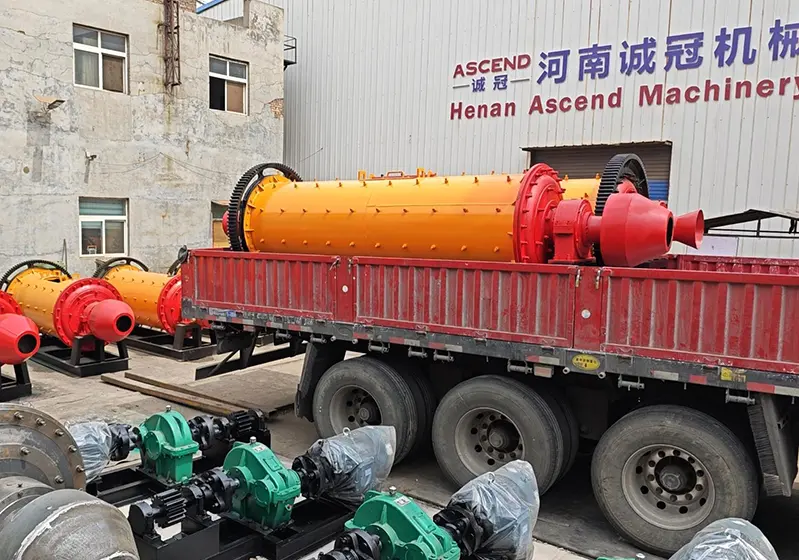
Ascend covers over 130 countries and regions globally, particularly in Africa and Southeast Asia. Our machine quality and after-sales service have won widespread praise from international mining customers.
Whether you need to crush limestone, granite, gravel, grind rock ores into powder, or extract gold from complex deposits, our engineers can design custom setups to match your target site conditions.
Read More About UsStay up to date with our recent equipment shipments and successful deliveries to mining regions worldwide.
 Nov 2025
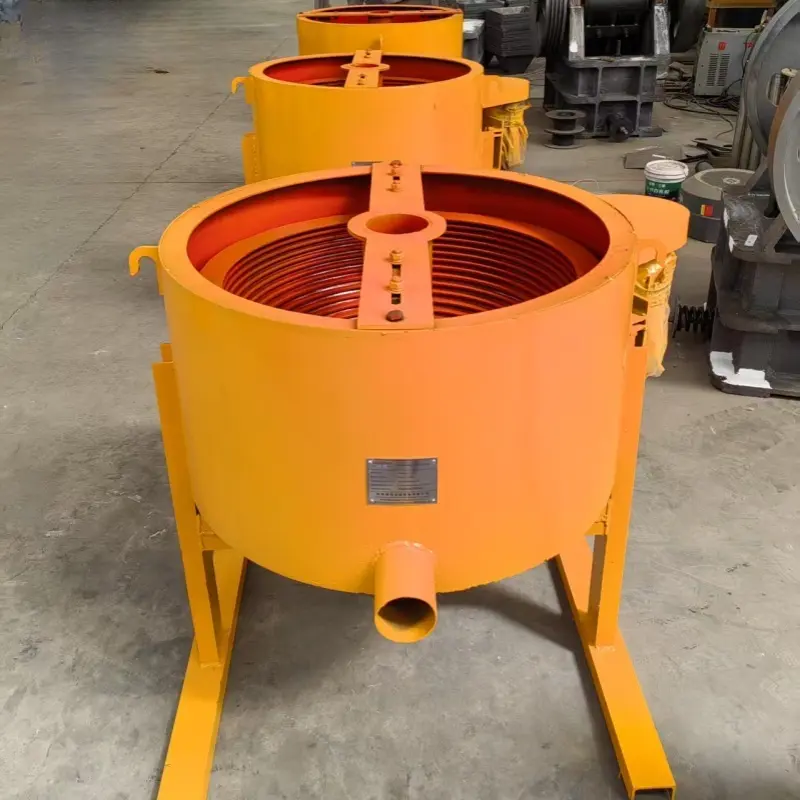
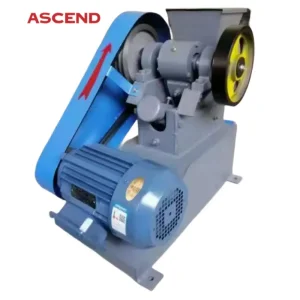
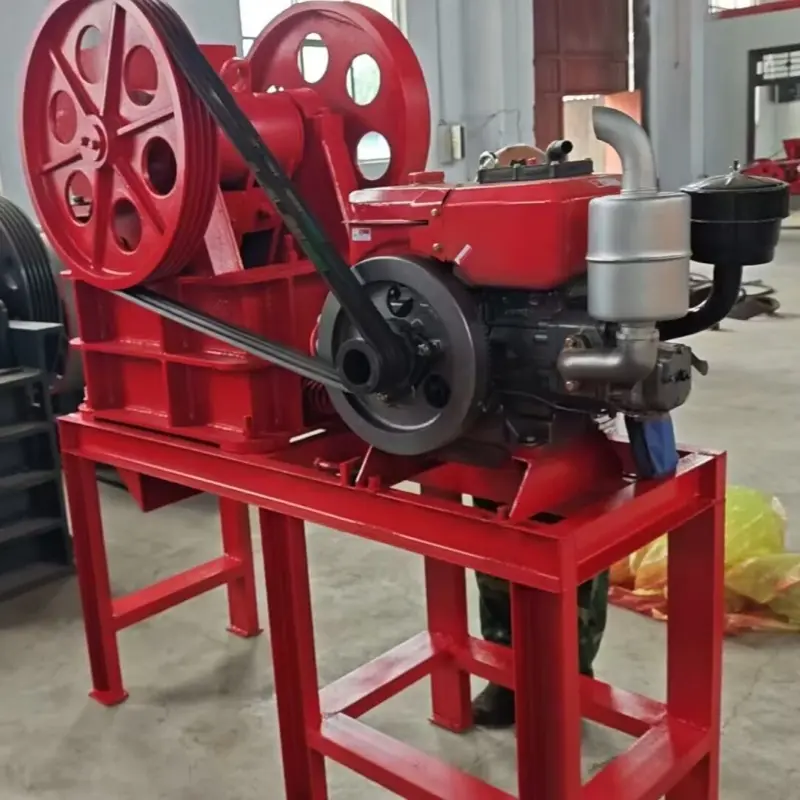
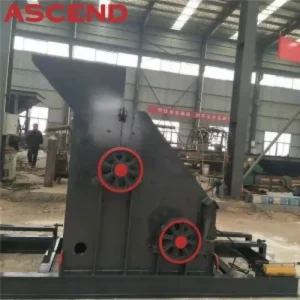
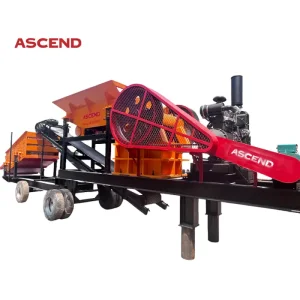
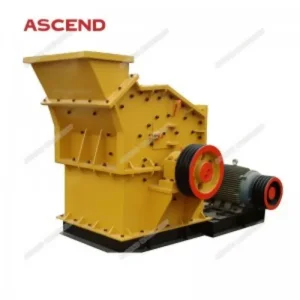
Browse our advanced milling systems, heavy rock jaw crushers, and diesel-powered crushing setups built for reliability.
 Ascend