Explore our top-tier industrial gravity separating concentrators and support machinery manufactured for heavy-duty field mining operations.
In the modern mining landscape, the extraction of placer and alluvial gold deposits relies heavily on physical processing techniques rather than chemical leaching. Gravity separation remains the backbone of sustainable mineral processing globally due to its environmental benignity, low capital expenditure (CAPEX), and immediate operational viability.
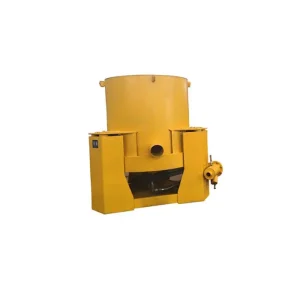
From the extensive deposits in Sub-Saharan Africa and the alluvial flats of South America to the complex mining projects in Siberia and Southeast Asia, gravity alluvial gold concentrators are pivotal. High-G force centrifugal concentrators (often categorized broadly under Knelson or Falcon type technologies) utilize centrifugal acceleration to separate fine gold particles from lighter gangue materials. In regions where mercury and cyanide are strictly regulated or banned, gravity separation acts as a critical pathway to achieving high recovery rates (often up to 98% for free-milling gold) without ecological compromise.
Global demand for high-capacity alluvial gold washing plants is scaling, propelled by the rising value of gold and the discovery of new placer fields. High-throughput operations require machinery that can handle heavy clay loads, abrasive gravels, and varying grain sizes while maintaining uninterrupted duty cycles.
Modern alluvial operations require advanced fluidization systems to counteract bed compaction. Gravity concentrators manufactured today must meet rigorous mechanical parameters: stable high centrifugal forces (60G to 120G), dynamic fluidization water control, and heavy wear resistance. The integration of modern metallurgy ensures components withstand continuous impact from gold-bearing conglomerates.
The mining sector is actively transitioning towards dry mining techniques paired with highly efficient water-recycling washing systems to maximize recovery while saving local water resources.
Strategic supply chain control, cutting-edge steel fabrication, and direct engineering access drive operational efficiency.
Factories situated in China's industrial zones (such as Zhengzhou, Henan) leverage unmatched industrial density. Every supply vector—from high-strength manganese steel casting to precision electric motor integration—is localized, eliminating shipping bottlenecks and reducing raw production overheads.
Chinese factories are structured to easily alter designs based on specific ore mineralogy. Whether you require mobile diesel-driven units for remote terrains or stationary plants with automated pneumatic discharge, Chinese engineers quickly translate requirements into CAD models and finished products.
Leading companies like Henan Ascend Machinery execute strict ISO 9001:2015 standards. Every centrifugal bowl undergoes dynamic balance testing at high RPMs, and structural elements are stress-tested to ensure structural stability in extreme operational environments.
Delivering robust mineral processing plants and industrial support to major mining operations globally.
Ascend has developed steadily since its establishment. Its business covers more than 130 countries and regions around the world, especially in Africa and Southeast Asia. Our machinery quality and after-sales service have won widespread praise from international mining operations.
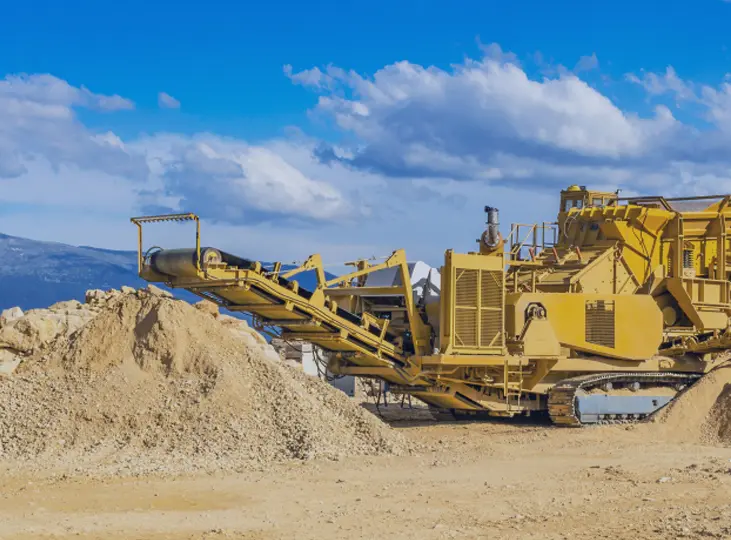
Integrated crushing, milling, and gravity separation plants configured to maximize local placer yields.
Learn More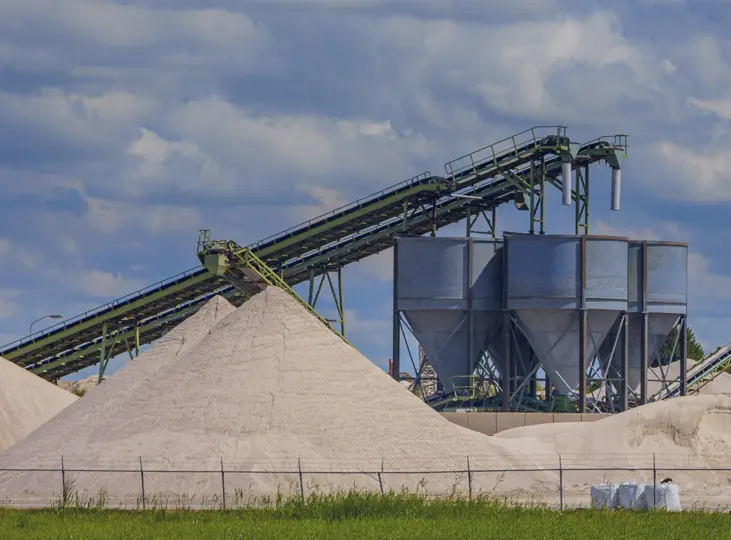
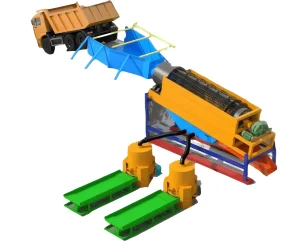
Robust plant schematics from primary screening to final concentrate processing.
Learn More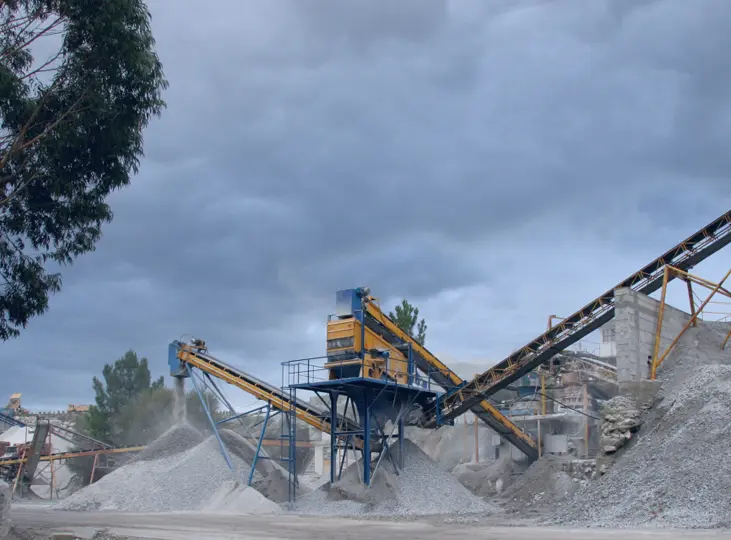
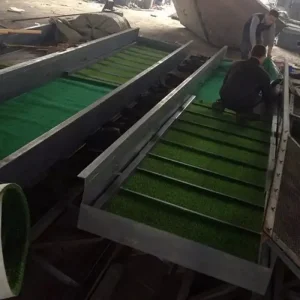
Specialized separation lines containing gravity concentrators, shaking tables, and classifiers.
Learn More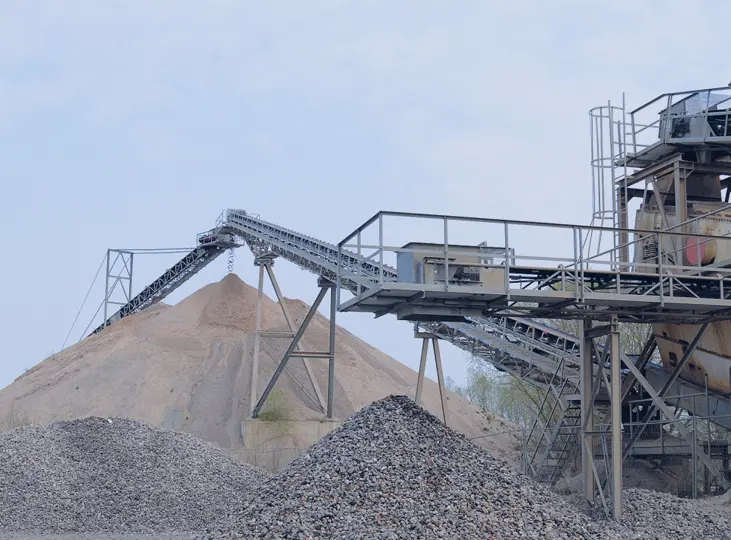
Comprehensive sand washing and high-G force centrifugal separation lines for sand-clay deposits.
Learn MorePlacer and alluvial deposits behave differently across regions. Matching machinery configurations to localized geological realities prevents massive gold losses.
In countries like Zambia, Sudan, and Tanzania, mining is often hindered by unstable power grids and remote geography. Placer deposits are commonly mixed with highly sticky laterite clays that can wrap gold particles, rendering basic gravity systems useless. The optimal system here features a diesel-powered jaw crusher or wet pan mill feeding into a robust trommel washer, followed by a centrifugal concentrator. The addition of portable, diesel-driven mobile gold washing plants allows operators to process directly at the deposit site, reducing transportation costs.
In high-moisture tropical zones like Papua New Guinea or the Indonesian archipelago, placer gold occurs as extremely fine flakes (often sub-100 mesh) suspended in high-volume sand rivers. Traditional sluice boxes fail to capture these fine particles, resulting in substantial losses. By utilizing our fluidized centrifugal gravity concentrators, high G-forces (often running at 90-110G) force the fine gold particles out of the slurry into the concentrate ring, recovering gold that would normally wash directly into the tailings pond.
Review our widely deployed primary and secondary size reduction machinery. Ensuring appropriate feed sizes is crucial before material is fed to gravity separation lines.
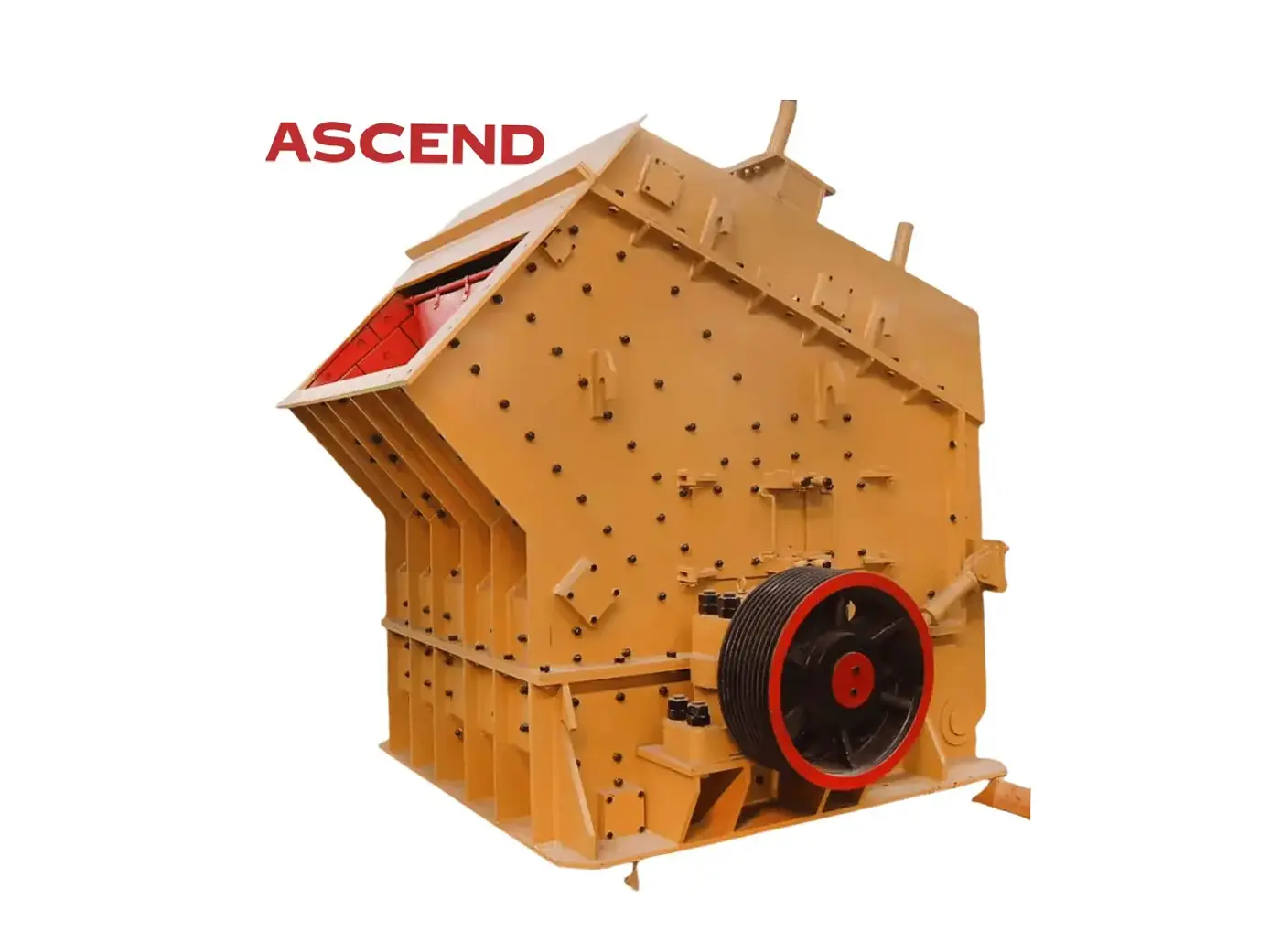
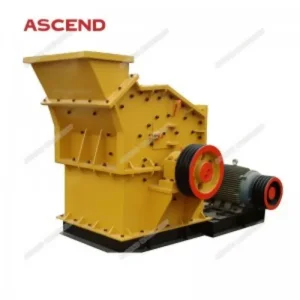
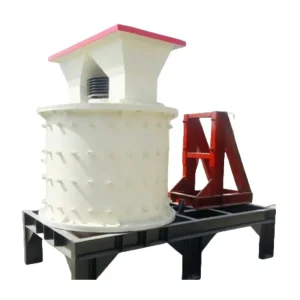
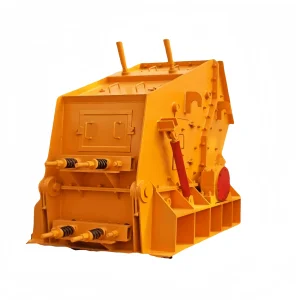
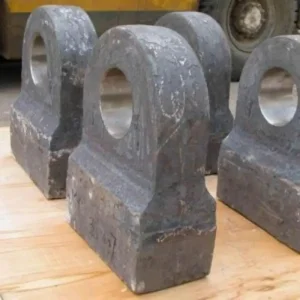
Impact crusher is a kind of secondary crushing equipment which uses impact power to crush materials. Impact crusher is characterized by easy maintenance, high reduction ratios and high efficiency to produce precisely cubic shape products. It is designed with three crushing chambers, seamlessly connected rotor, wear-resistant blow bar and installation of insert type.
Moreover, it has tooth type liner, gradient designed bearing seat, frame with several openings and screws or hydraulic start-up devices. Impact crushers can be used in all different stages of size reduction from primary crushing to the last step of the crushing process. Our engineering team ensures these impact systems integrate smoothly with conveyor layouts feeding alluvial separation lines.
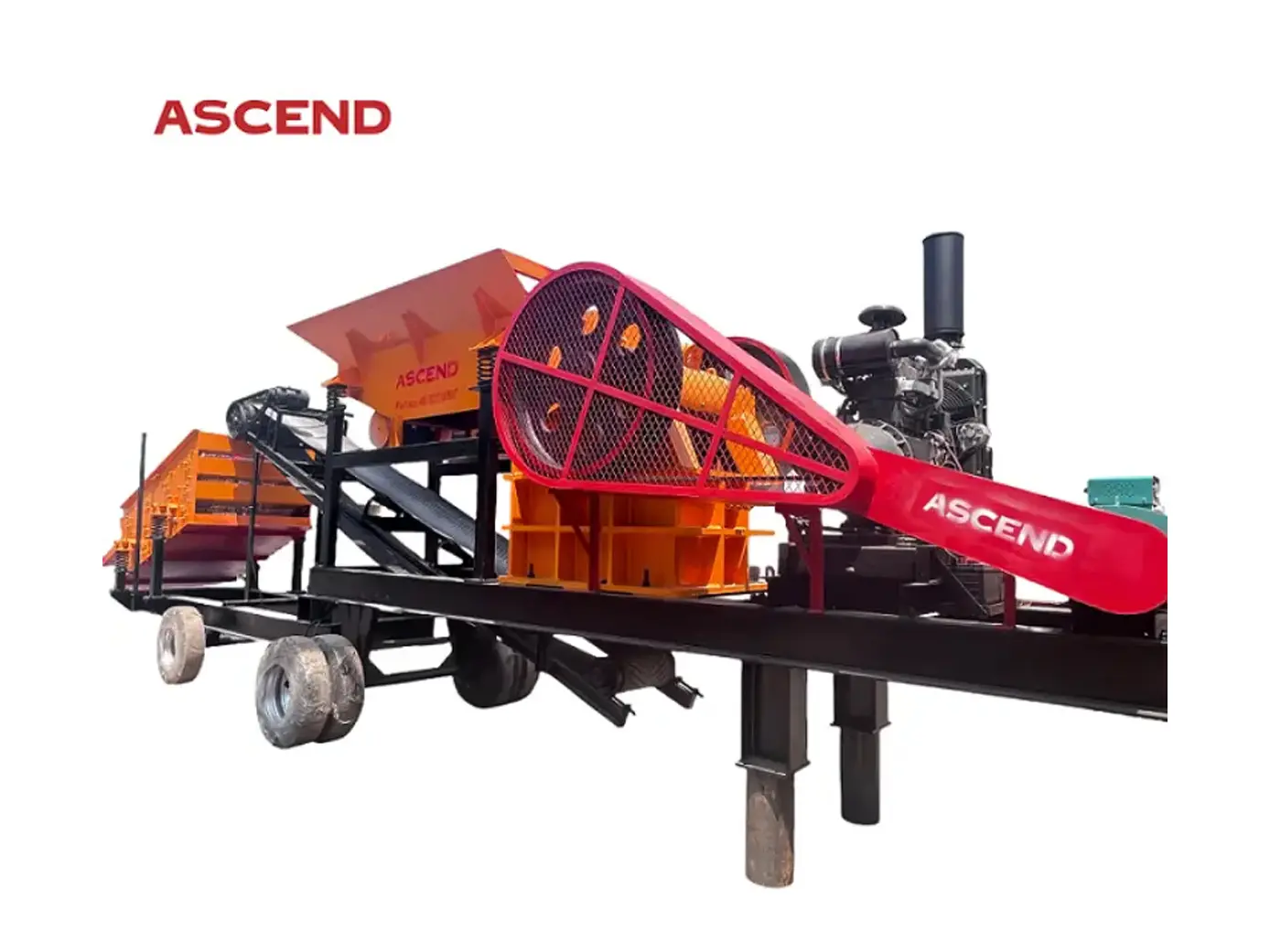
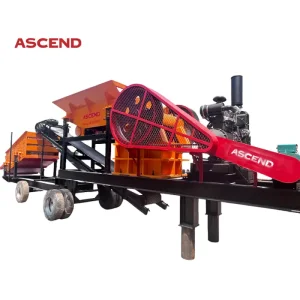
Compact mobile chassis equipped with jaw or cone systems, suitable for dynamic mining layouts.
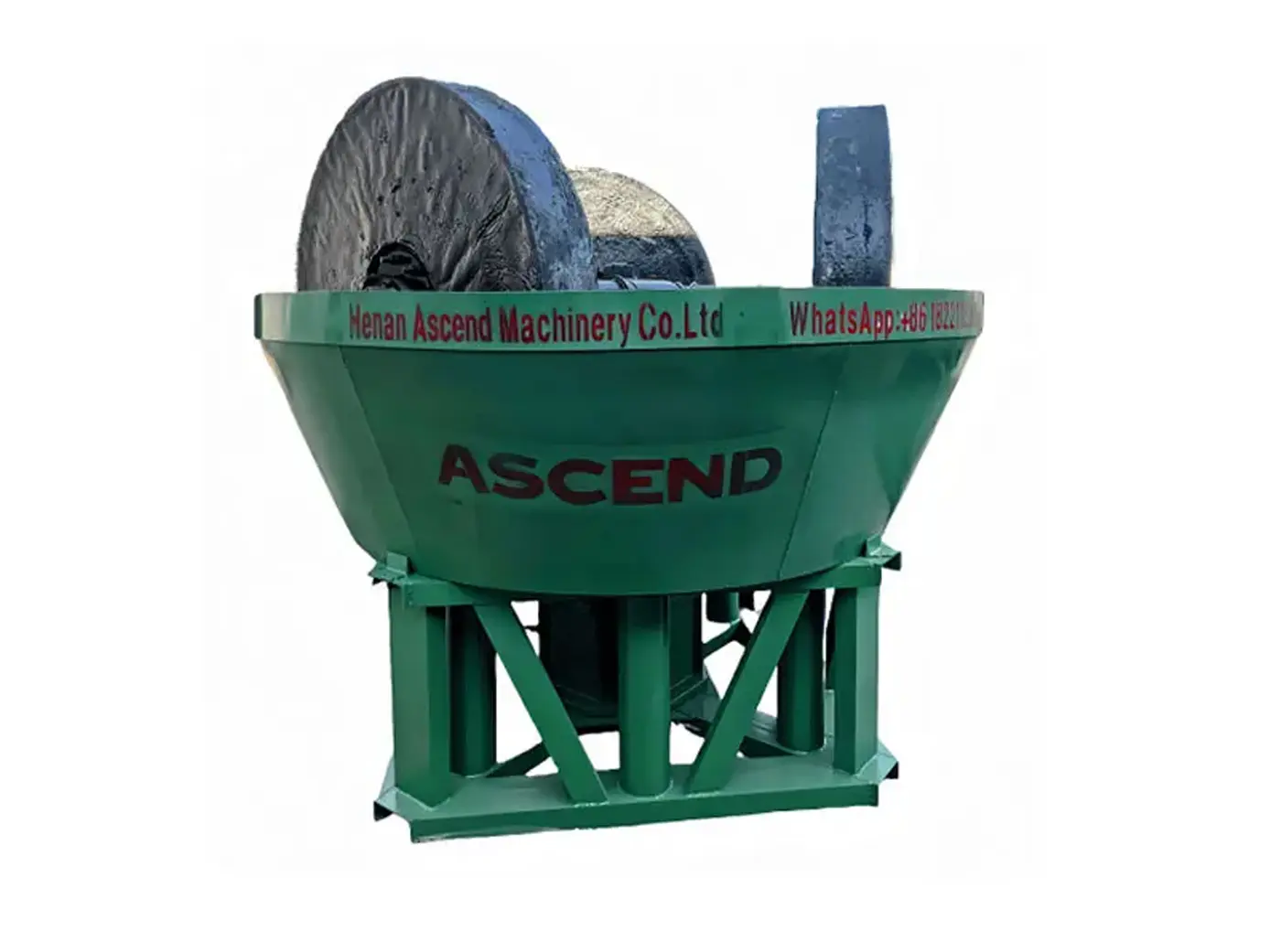
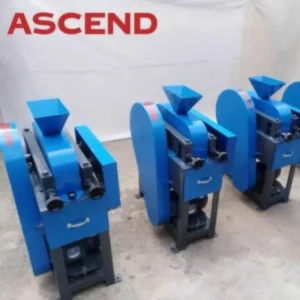
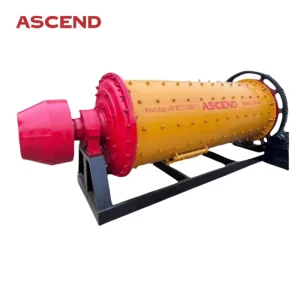
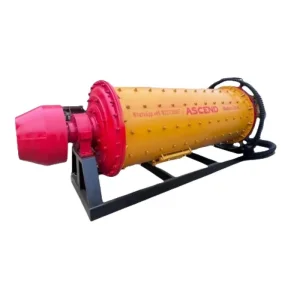
High reduction-ratio mills to reduce ore to micro-sizes, optimizing liberated free gold recovery.
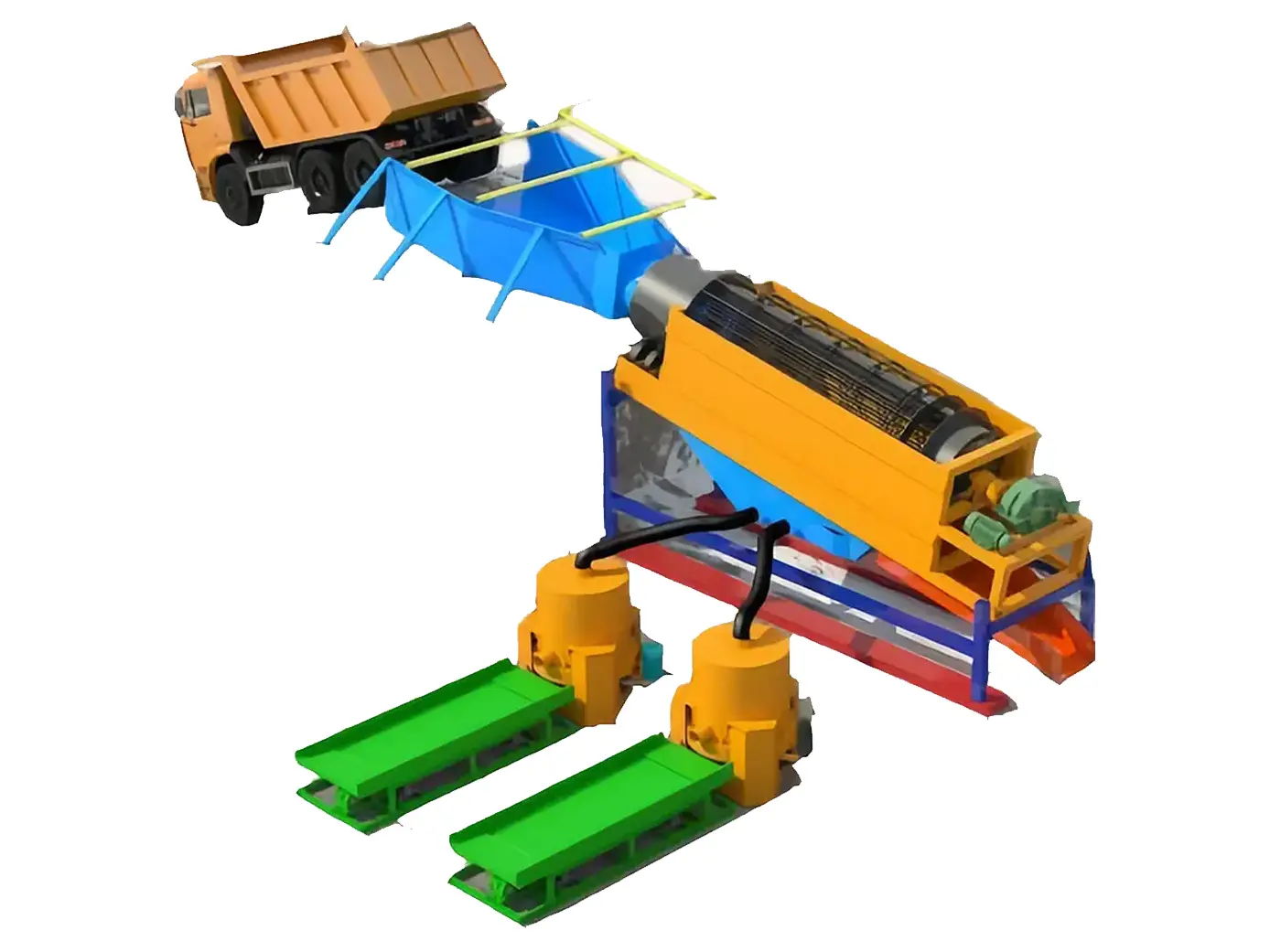
Turnkey process installations tailored for gravity, flotation, and magnetic separation streams.
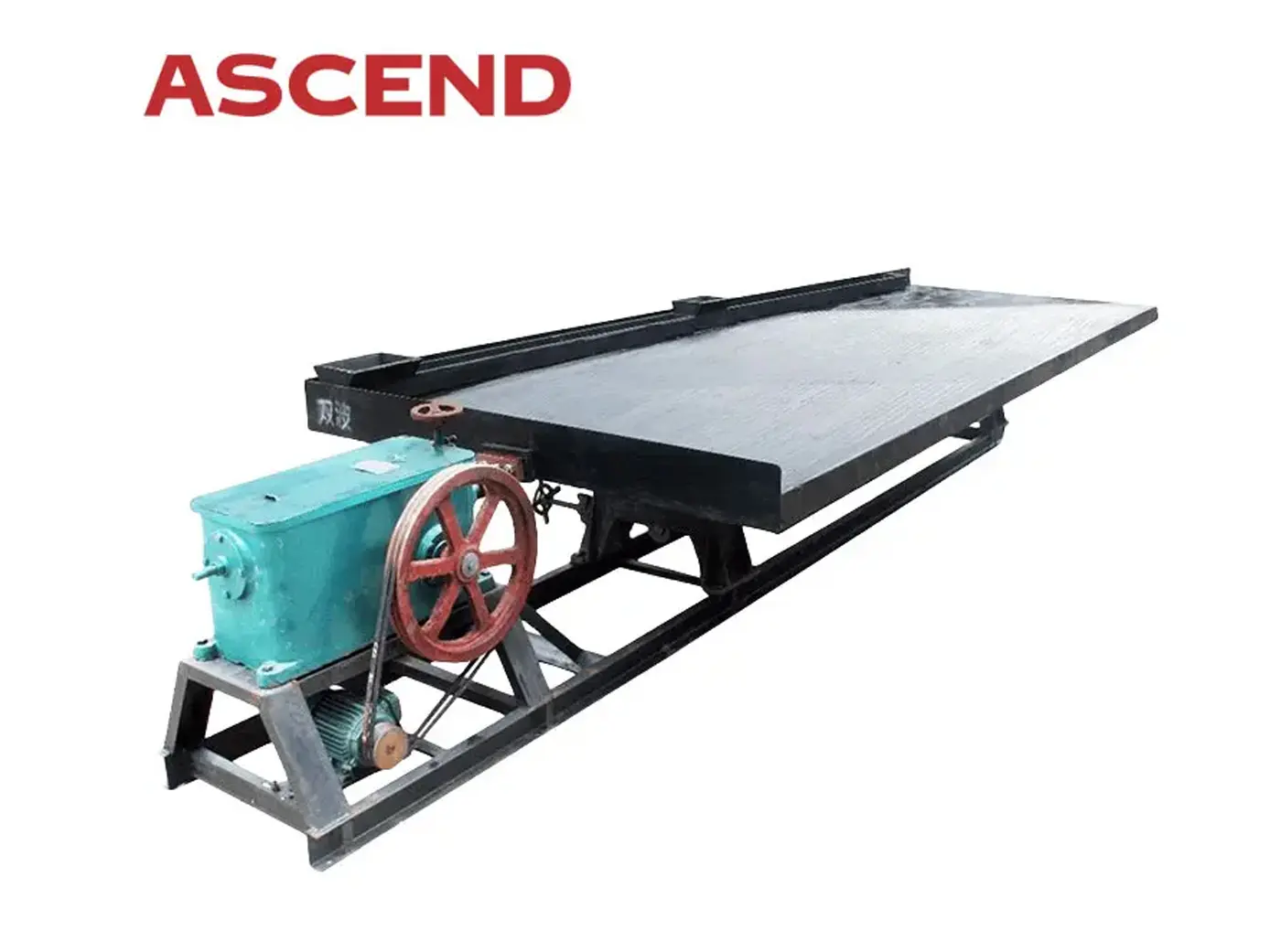
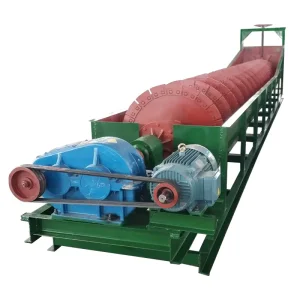
Ancillary systems including screen classifiers, hydrocyclones, and high-G concentrators.
Technological advancements driving the next generation of eco-friendly mineral processing equipment.
Operators now demand modular, containerized washing units that can be transported between mine sites within a few days. These structures require minimal site preparation and are bolted rather than welded, allowing fast relocation once placer veins are depleted.
Fluctuating water pressure is the leading cause of gold loss in centrifugal concentrators. Modern systems employ computerized automatic pressure valves that adjust the fluidizing water flow in real-time, matching the feed density variations.
To reduce fuel costs in remote regions, modern factories are equipping plants with dual diesel-electric or solar-diesel power units. These systems cut operating expenses by 30-40% compared to traditional, dedicated diesel setups.
Procuring heavy mining equipment involves significant capital outlays. Sourcing managers must look beyond unit price to evaluate key total cost of ownership (TCO) metrics:
Verify whether the concentrator features continuous discharge or semi-continuous batch cleanup. For rich placer mines, automated flushing cycles (typically taking 5-10 minutes) must be integrated seamlessly without interrupting the primary trommel feed loop.
Trommel screen mesh, centrifugal inner lining jackets, and main feed pipes take high abrasiveness daily. Confirm if the factory utilizes wear-resistant materials like high-manganese steel (Mn13Cr2) or customizable polyurethane panels that extend operational life cycles by 2-3 times.
Fluidized gold concentrators require substantial water supplies (often 10 to 80 m³/h depending on bowl diameter). Ensure the factory designs appropriate thickeners or water settling pond circuits to recycle up to 90% of the wash water, which is crucial in arid regions.
Heavy duty vibration from trommels and high dynamic torque from high-speed centrifugal concentrators require rigid structural steel frames. Verify that the supplier performs structural FEM (Finite Element Method) analysis on frames and supports before shipment.
Henan Ascend Machinery & Equipment Co.,Ltd. was established in 2005 and is located in the high-tech zone of Zhengzhou City, Henan Province. We are a heavy-duty industrial manufacturer specializing in mineral processing systems.
Ascend is mainly engaged in the research and development, manufacturing, sales and after-sales service of complete sets of crushing, grinding, screening, feeding and conveying heavy mining machinery. If you need to crush limestone, granite, gravel or other stone, or grind them into powder, or extract gold, please feel free to contact us. Just tell us your needs and our engineers can provide you with professional advice. We operate our own state-of-the-art production factory, ensuring the quality of the machine is guaranteed and the price is highly competitive. We believe that we will be your reliable Choice.
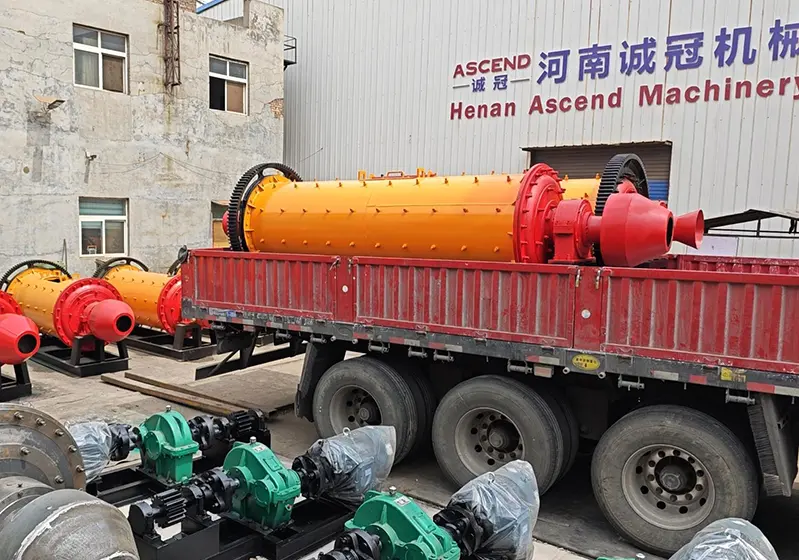
Tracking our global logistics footprint and structural installations across challenging field terrains.
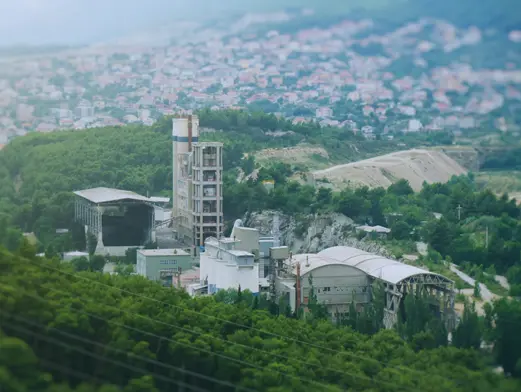
Constructed in Africa, providing raw size reduction to feed downstream gravity separators.
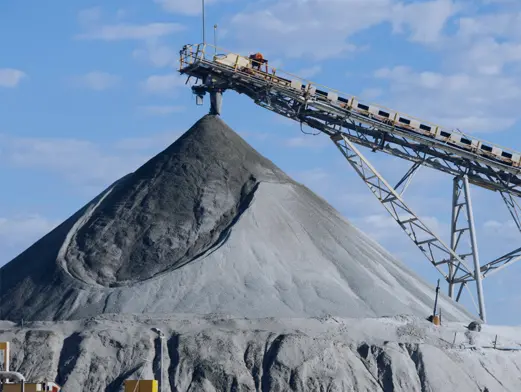
Compact, skid-mounted unit processing hard rock gold conglomerates before milling.
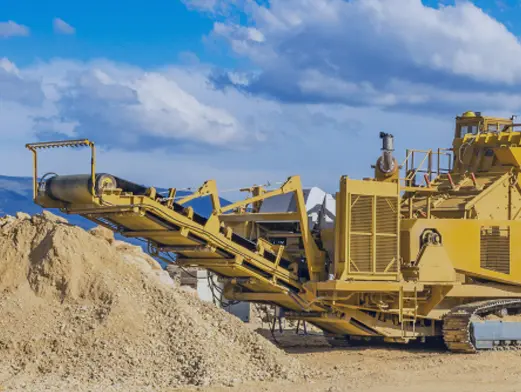
A high-capacity alluvial washing trommel deployed in Southeast Asia to handle clay-laden gravels.
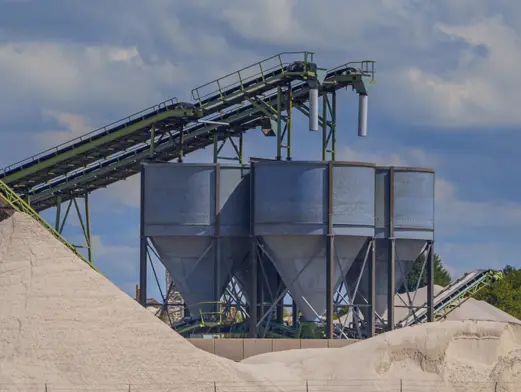
Deploying centrifugal separators to capture ultra-fine placer particles from riverbed silt.
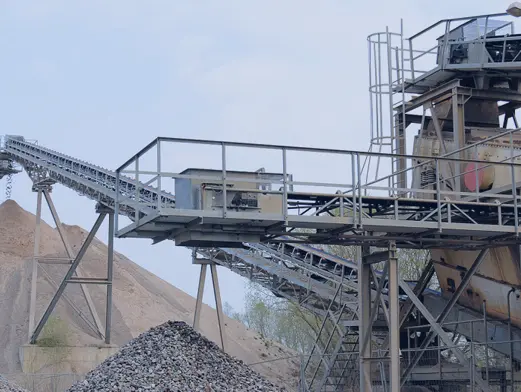
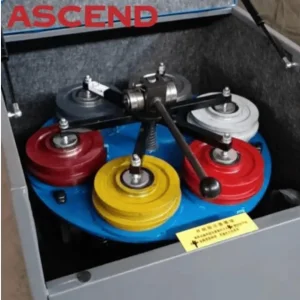
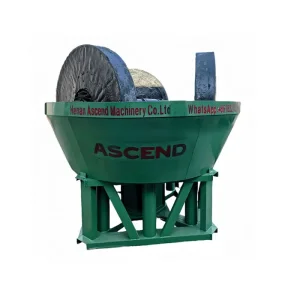
High-efficiency wet pan milling line built to liberate gold from oxidized rock ore prior to gravity concentration.
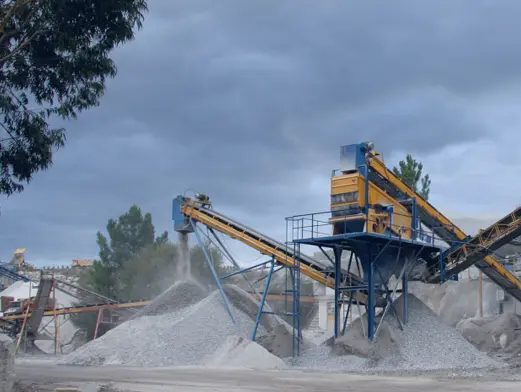
Finishing table installation configured to isolate pure gold concentrates from the centrifugal heavy fractions.
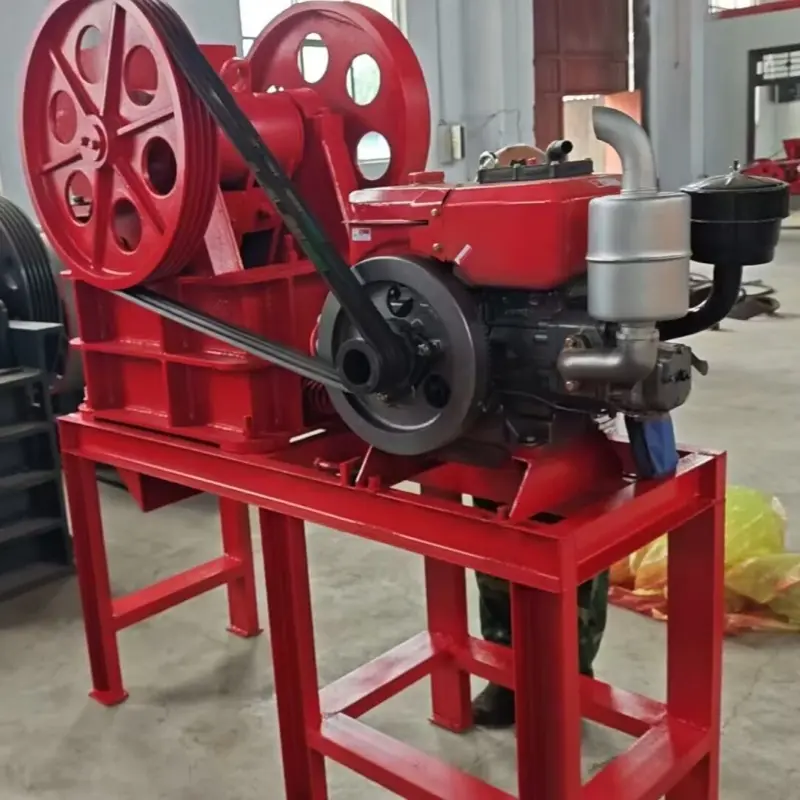
 Nov 2025
Delivering compact jaw crushing solutions to remote PNG placer gold projects, powered by reliable direct-injection diesel engines.
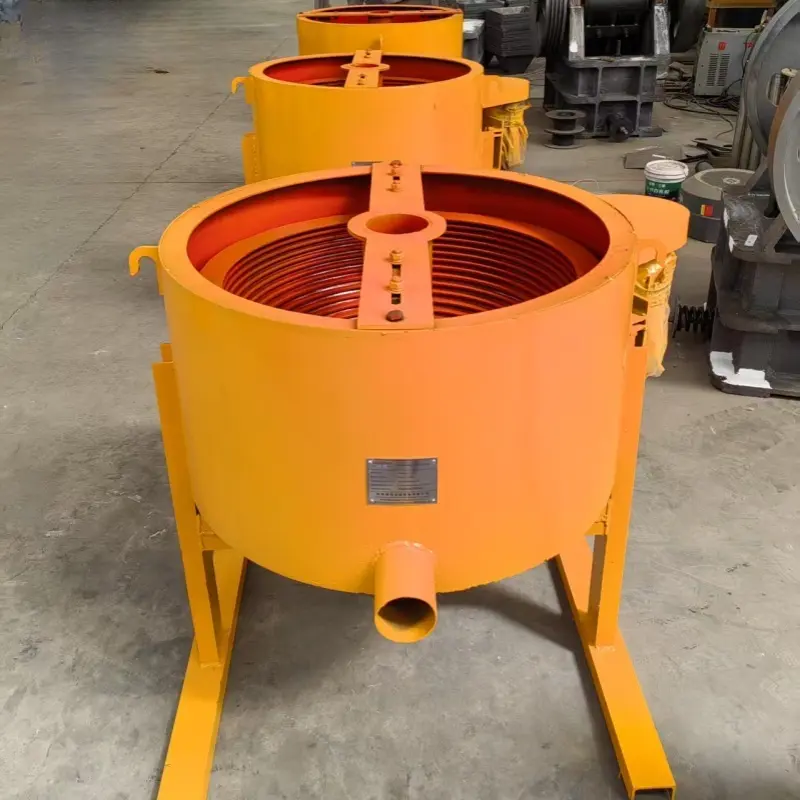 Aug 2025
Compact mobile gravity concentration setups delivered to Lusaka partners, utilizing robust classifying screens to process high-yield clays.
Shipped 6-S shaking table sets to Northern Sudan, optimizing alluvial concentration lines.
Heavy drum mill dispatched to Papua New Guinea for off-grid grinding applications.
Towable jaw system configured for small-scale operations in rural gold mining tracts.
High-capacity primary jaw crusher dispatched to Copperbelt mineral sorting lines.
Crucial operational answers provided by Ascend's Chief Metallurgical Engineering Team.
Fluidization water is injected through concentric holes in the rotating cone to prevent the sand bed from compacting under centrifugal force. If the water pressure is too low, the bed compacts into a solid wall, forcing fine gold particles to slide directly over the bed and escape into the tailings. If the water pressure is too high, the upward force washes out the fine gold from the catch rings. Typically, the optimum pressure ranges between 0.05 and 0.15 MPa, depending on the feed particle size and slurry density.
Placer gold has already been liberated by natural weathering and is usually mixed with sands, clays, and gravels. Gravity separation can be applied directly using a washing trommel followed by a centrifugal concentrator. Lode (rock) gold, however, is encapsulated within quartz veins or sulfidic ores. It requires extensive crushing (using jaw or impact crushers) and fine grinding (using ball mills or wet pan mills) to physically liberate the gold grains before gravity concentration can take place.
Sticky clays (such as laterite clays common in tropical zones) act as a binder that encapsulates gold, preventing it from settling. If fed directly to a concentrator, the clay will clog the feed line and cover the recovery rings. We resolve this by adding a rotary clay scrubbing trommel with internal high-pressure water jets and lifters. This completely breaks down and washes the clay, liberating the gold particles before the slurry enters the centrifugal concentrator.
Daily maintenance includes checking the fluidization water pressure gages and inspecting the feed nozzle for blockages. Monthly maintenance requires inspecting the wear-resistant polyurethane inner cone lining and checking the drive belts. Every 6 to 12 months, the main bearing assembly should be greased and inspected for dynamic balance. Using high-quality cast housings from our Zhengzhou factory minimizes structural vibration, significantly extending the life cycle of these bearings.
Yes. Gravity concentrators rely purely on physical density differences (gold has a specific gravity of ~19.3, while quartz sand is ~2.65). By utilizing high centrifugal forces and fluidizing water, we achieve high concentration ratios without the use of toxic chemicals like mercury or cyanide, making it an eco-friendly and easily permitted mining method worldwide.
Explore the second range of industrial equipment manufactured to support modern mining processing circuits.
 Ascend