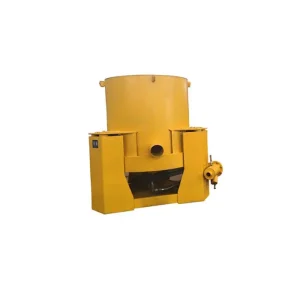
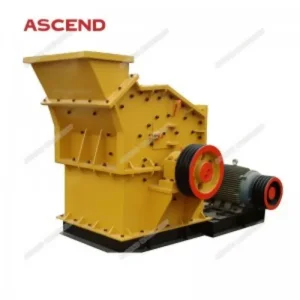
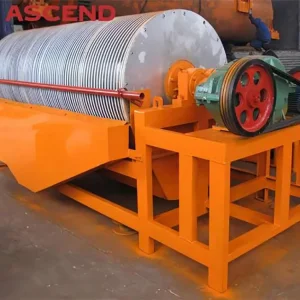
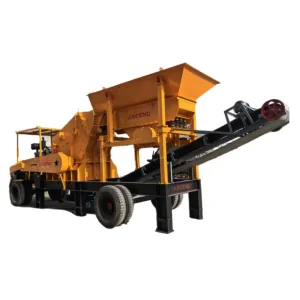
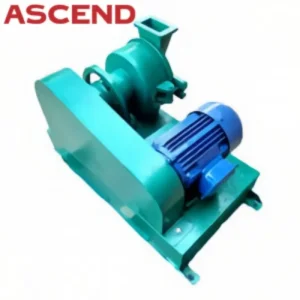
Explore our specialized heavy equipment systems built for reliability, durability, and high recovery rates.
A Comprehensive Technical Analysis on Mobile Primary Crushing Systems for Global Aggregates, Infrastructure, and Ore Beneficiation Operations.
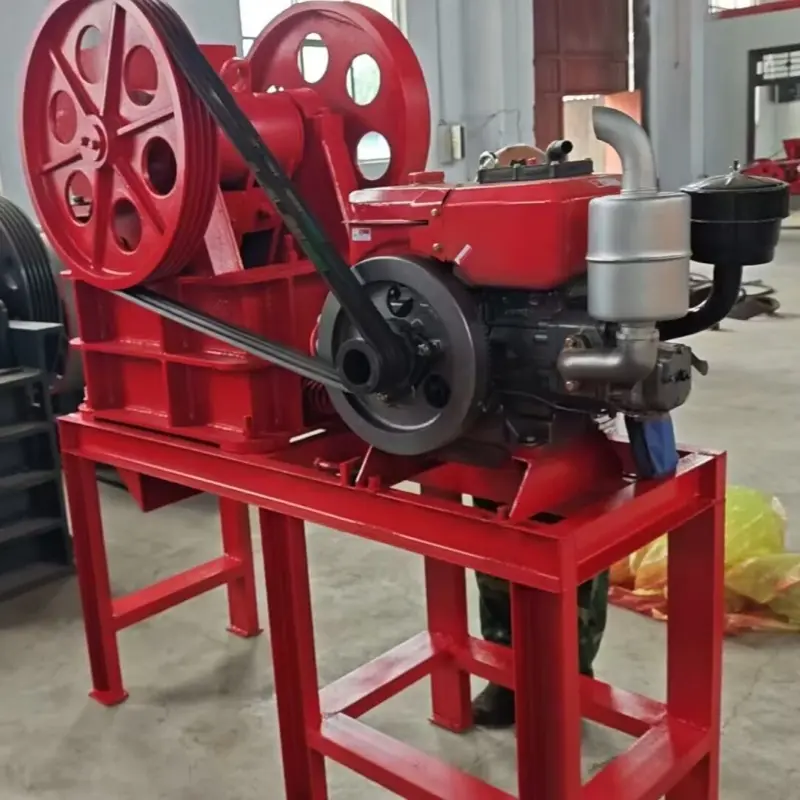
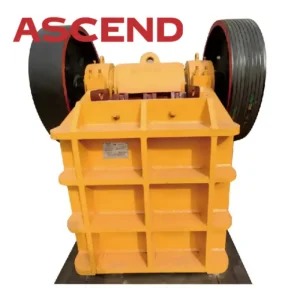
In the fields of global mining, quarrying, and infrastructural development, the efficiency of primary size reduction dictates the economic feasibility of entire operations. Among various crushing technologies, the Diesel Engine Jaw Crusher remains the essential first line of defense. By decoupling high-capacity compression crushing from grid infrastructure, these machines empower mining operators to establish decentralized processing centers directly at the extraction face. This whitepaper analyzes the engineering advancements, operational integration, and long-term procurement considerations that define modern diesel-driven crushing plants.
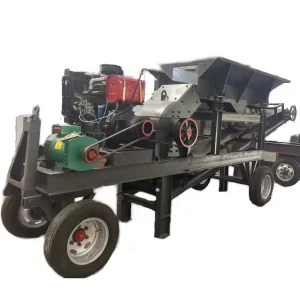
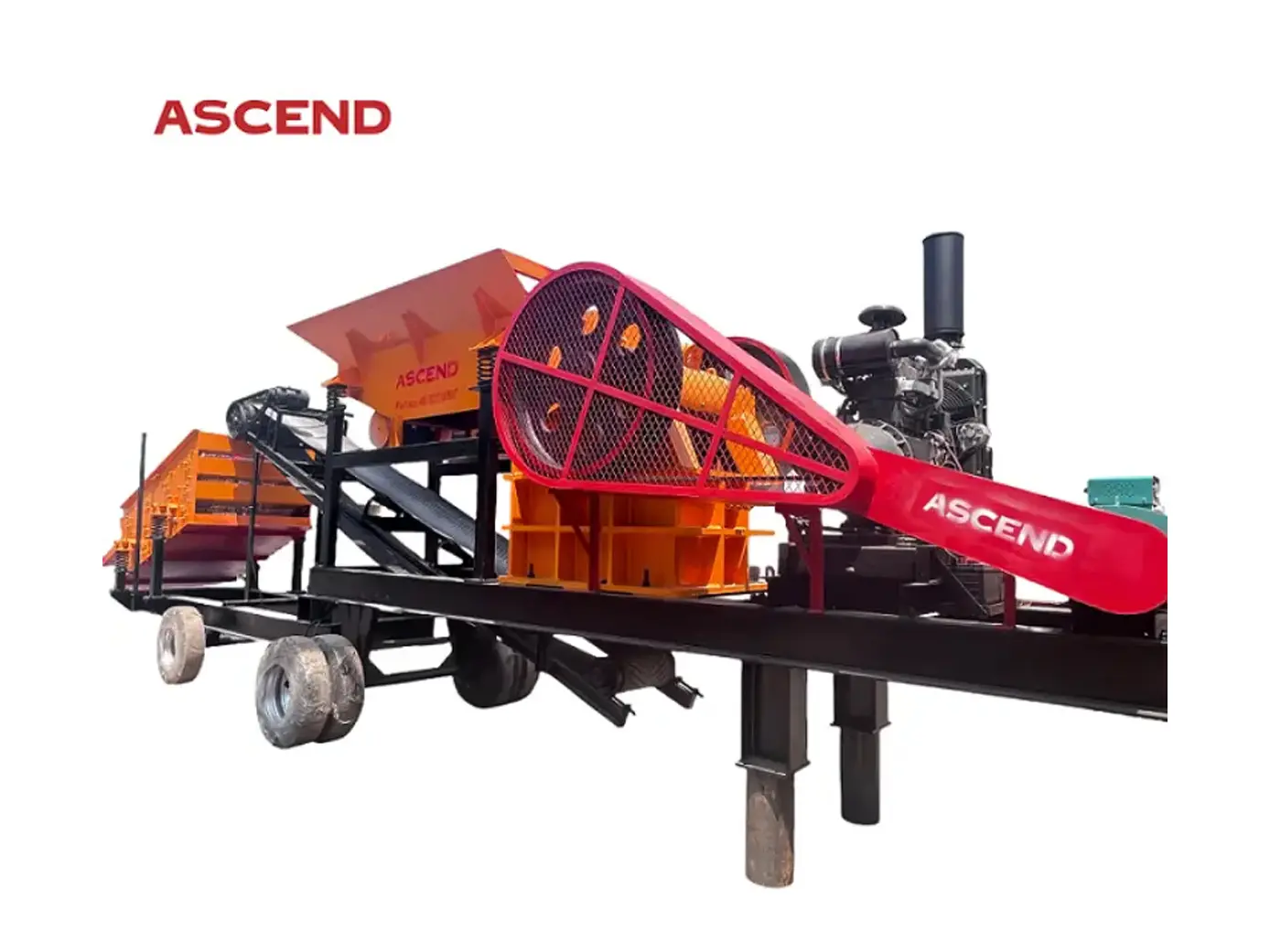
Historically, establishing a stone crushing or mineral processing plant required significant capital investment in electrical substation infrastructure and high-voltage transmission lines. In remote mining regions across Africa, Southeast Asia, and South America, this reliance on grid connectivity created bottlenecks. The integration of heavy-duty diesel drive systems into classic jaw crusher configurations solved this problem. Equipped with reliable diesel engines, these mobile and skid-mounted jaw crushers operate independently. This allows project managers to bypass electrical grid construction timelines and begin processing immediately upon machinery delivery.
How structural analysis, material sciences, and diesel power dynamics are shaping the next generation of mobile crushers.
Modern diesel jaw crushers utilize Finite Element Analysis (FEA) to design optimized crushing cavities. By perfecting the nip angle—the angle between the fixed and swing jaw plates—engineers achieve aggressive bite characteristics and minimize material bridging, directly increasing throughput by up to 22% compared to legacy designs.
Integrating a diesel engine with a jaw crusher requires managing load fluctuations. When a large granite or quartz block enters the cavity, torque requirements peak instantly. Heavy-duty cast flywheels store rotational energy, which is supported by modern diesel engine control units (ECUs) that dynamically adjust fuel injection to maintain crusher RPM without stalling.
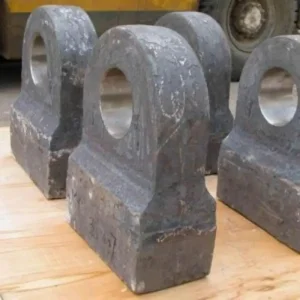
The jaw plates bear the brunt of compressive forces. Modern plants use Mn18Cr2 and Mn22Cr2 high-manganese steel alloys. The addition of chromium increases initial hardness, while the manganese matrix work-hardens under impact, extending the service life of wear components in highly abrasive quartz or granite crushing applications.
As international environmental regulations tighten, the industrial machinery sector is shifting toward sustainable power sources. The development roadmap for future mobile crushers focuses on Dual-Power (Hybrid) Systems. These systems allow operators to run on a diesel engine in remote quarry phases, and then switch to local electrical power when stationed near developed utility nodes. Furthermore, integration of IoT telemetry enables predictive maintenance, tracking diesel particulate levels, fuel flow dynamics, and jaw plate wear patterns in real time to prevent unscheduled downtime.
Adapting machinery systems to create unified processing circuits for maximum mineral recovery and site profitability.
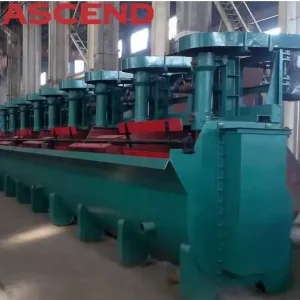
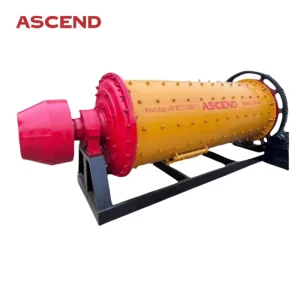
A jaw crusher does not operate in isolation. To maximize ROI, it must be integrated into a balanced mineral processing flowsheet. In typical aggregate plants, the diesel jaw crusher serves as the primary stage, receiving run-of-mine (ROM) materials and reducing them to a manageable size (typically under 100-150mm). This output is then fed to secondary impact or cone crushers, screening decks, and eventually grinding mills or flotation circuits.
Ascend has developed steadily since its establishment in 2005. Our business covers more than 130 countries and regions around the world, especially in Africa and Southeast Asia. We guarantee high machine quality and dependable after-sales service.
Engineered for precision reduction, durability under continuous loads, and straightforward operational maintenance.
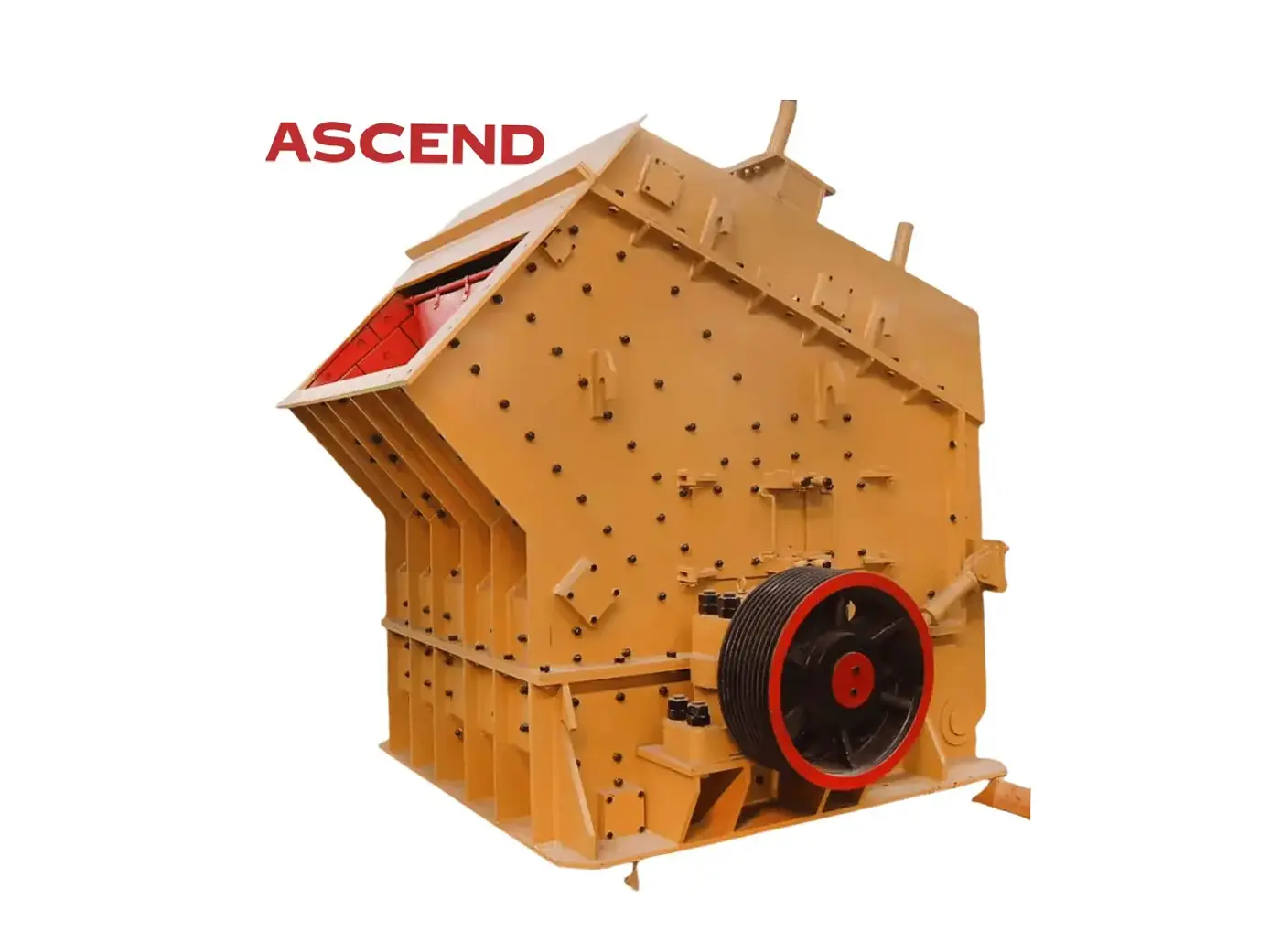
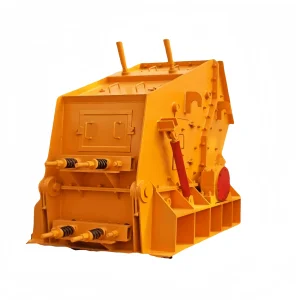
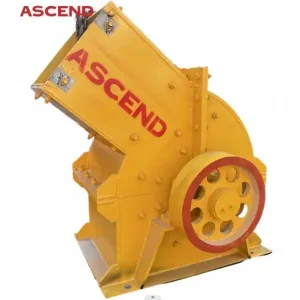
Impact crusher is a kind of secondary crushing equipment which uses impact power to crush materials. Impact crusher is characterized by easy maintenance, high reduction ratios and high efficiency to produce precisely cubic shape products. It is designed with three crushing chambers, seamlessly connected rotor, wear-resistant blow bar and installation of insert type. Moreover, it has tooth type liner, gradient designed bearing seat, frame with several openings and screws or hydraulic start-up devices. Impact crushers can be used in all different stages of size reduction from primary crushing to the last step of the crushing process.
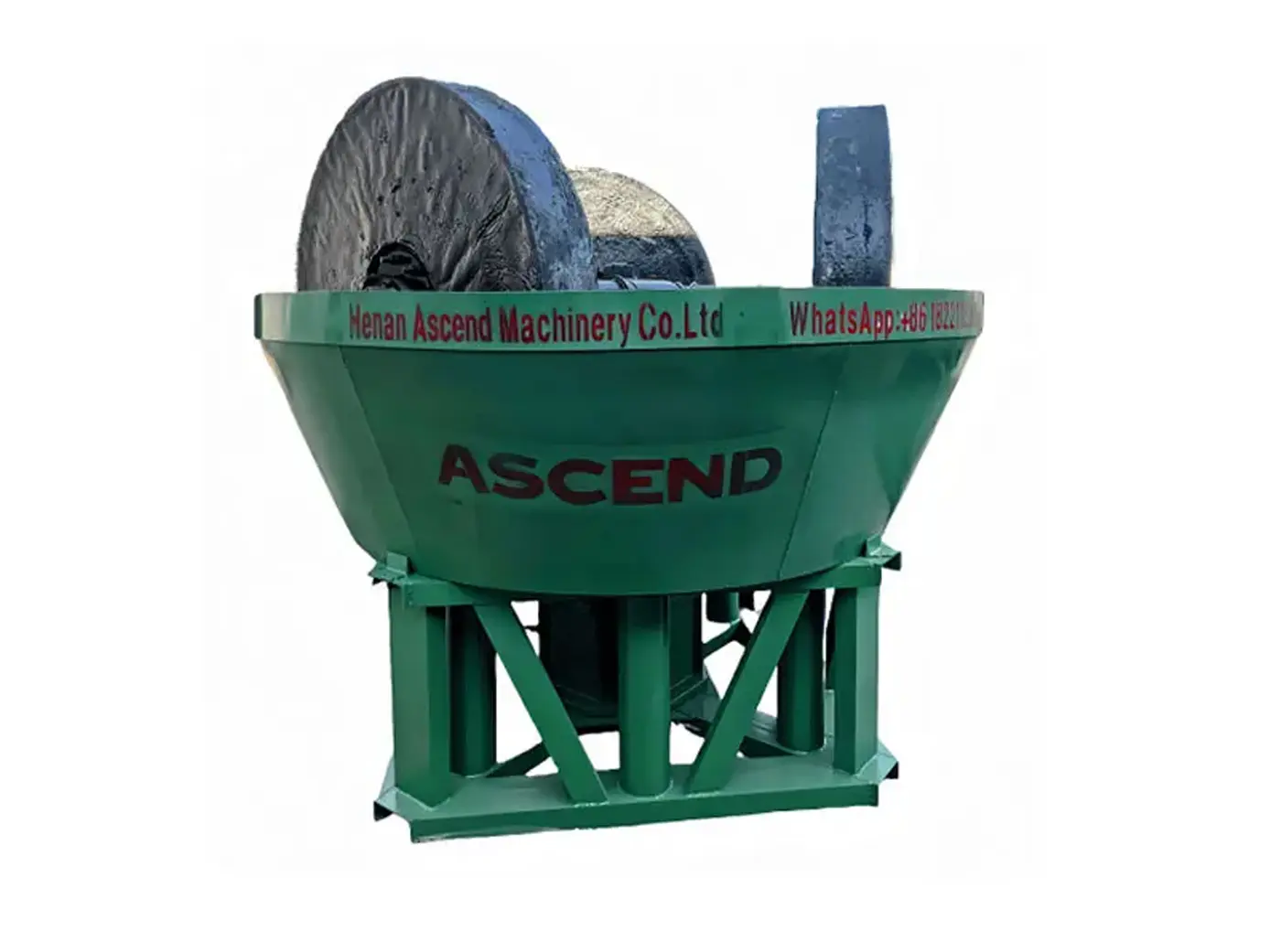
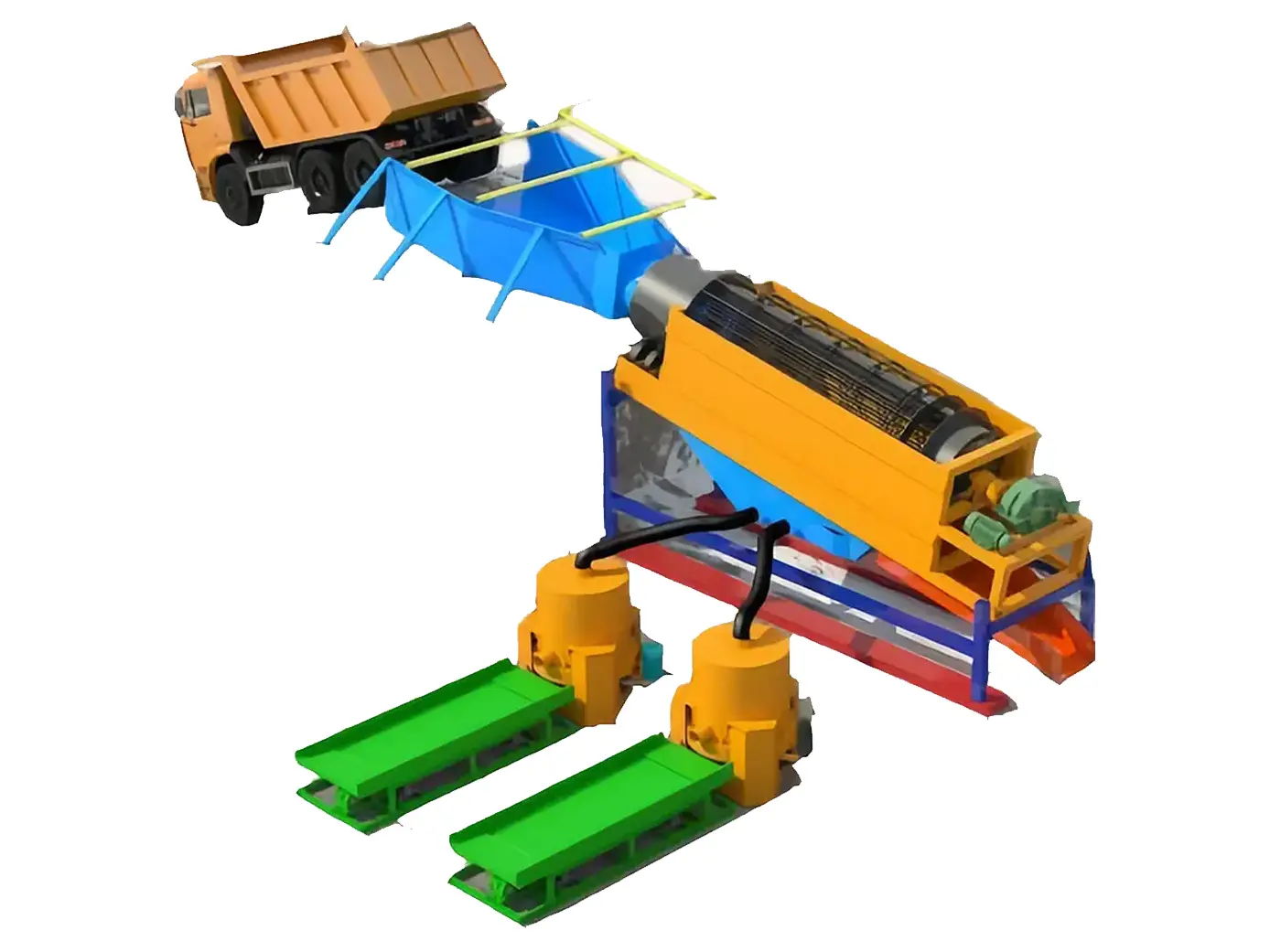
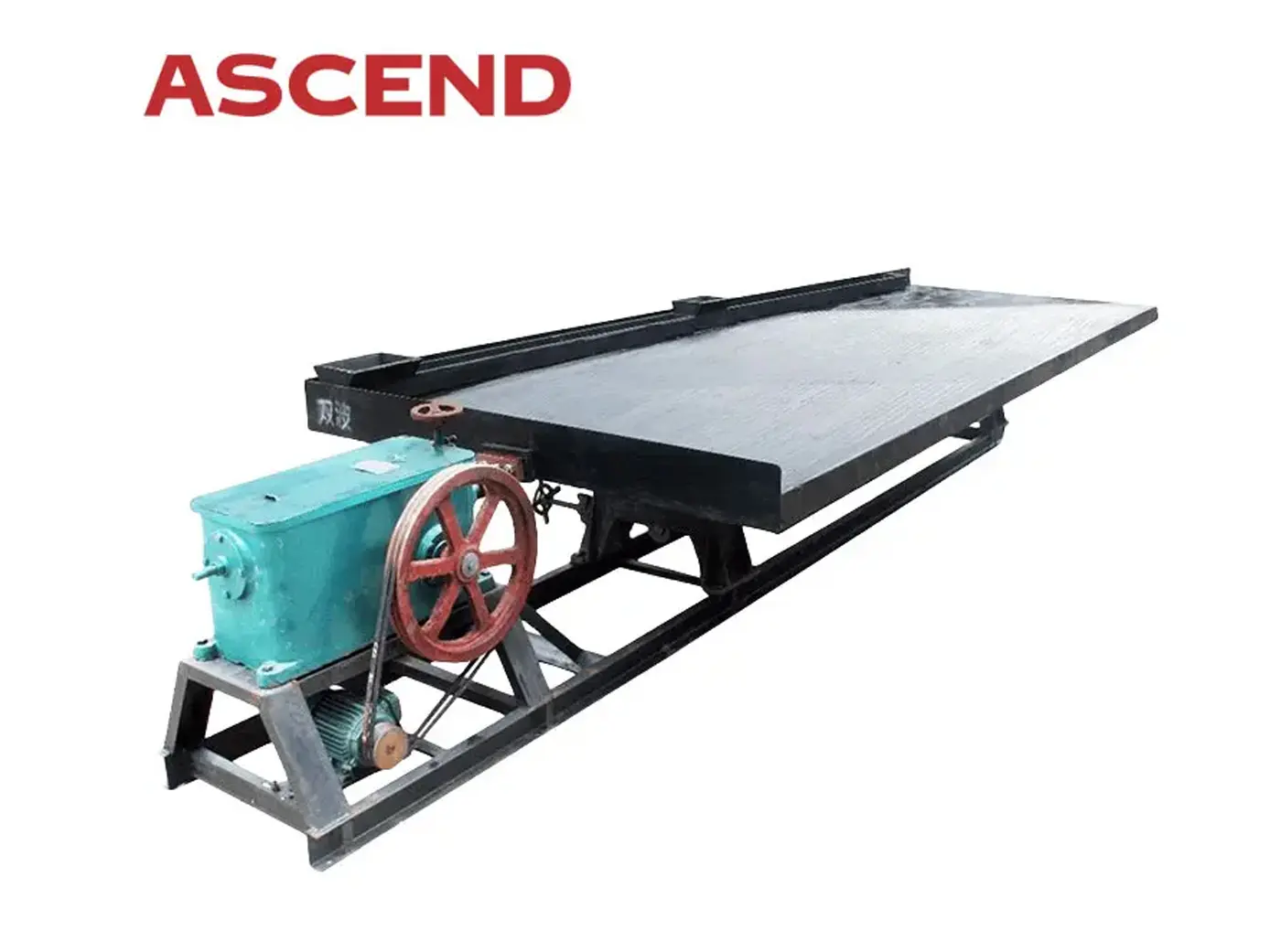
Why sourcing directly from advanced manufacturing hubs in Henan offers unique capital advantages.
The global heavy machinery sector relies on robust supply chains to control capital expenditure (CAPEX) and operating expenses (OPEX). China's industrial sector has evolved from simple assembly lines to highly automated, digitally integrated smart factories. At Henan Ascend's manufacturing facilities in Zhengzhou, advanced production methods ensure quality, repeatability, and structural integrity for every jaw crusher produced.
A jaw crusher frame must withstand continuous impact loads. Standard manual welding can lead to internal stresses and micro-fissures over time. By using robotic multi-pass arc welding systems under strict temperature controls, structural stress is minimized. Following welding, the entire crusher frame undergoes thermal stress relief annealing in computer-controlled ovens before the bearing housings are machined on precise vertical CNC boring mills. This level of precision guarantees bearing alignment, preventing premature bearing failure and extending the operating lifespan of the eccentric shaft assembly.
Sourcing heavy equipment internationally requires dependable shipping coordination. A key advantage of our modern manufacturing model is the centralization of components. From hydraulic toggle assemblies to replacement manganese jaw plates, we maintain inventory levels that buffer against supply chain disruptions, ensuring fast shipping to operations worldwide.
Evaluating the total financial impact: Acquisition costs versus lifetime operating expenses.
For procurement officers and mining executives, the initial purchase price represents only a fraction of a jaw crusher's lifetime cost. A complete Total Cost of Ownership (TCO) evaluation should include:
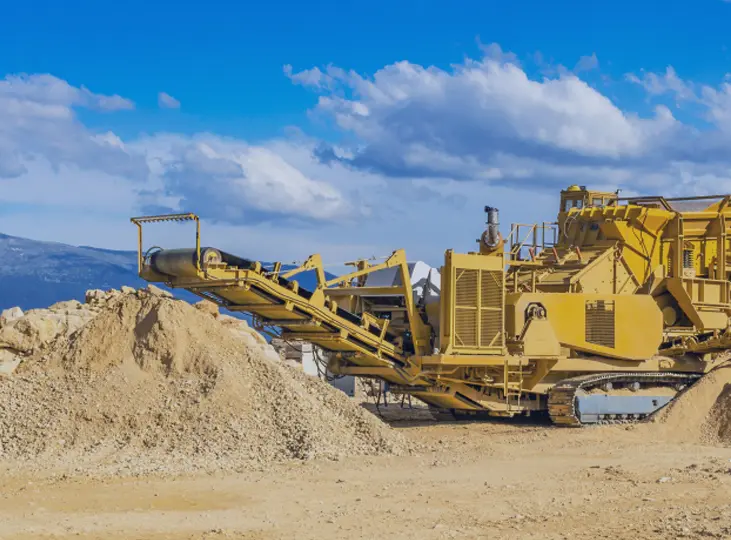
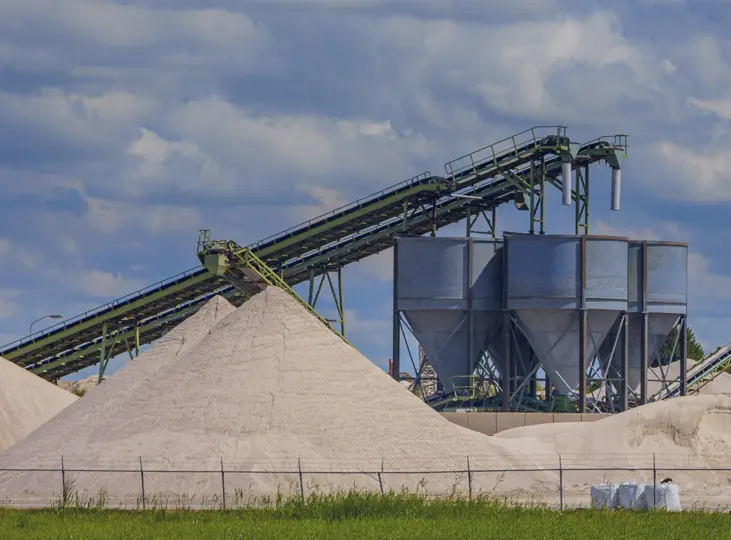
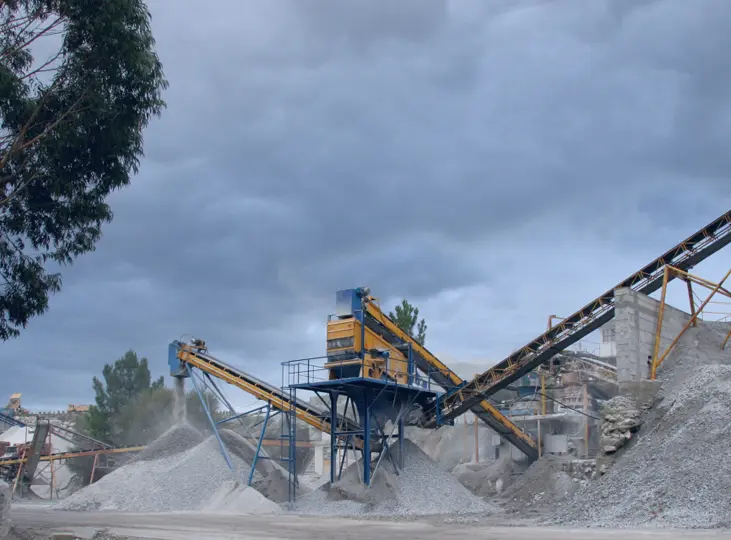
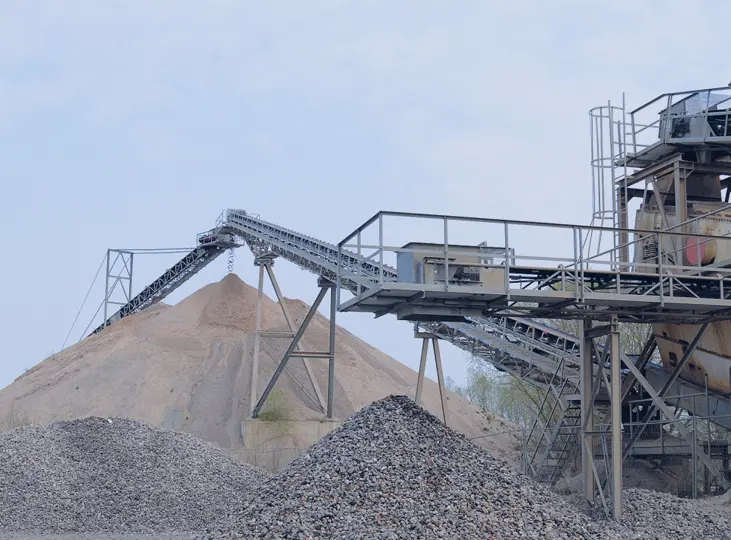
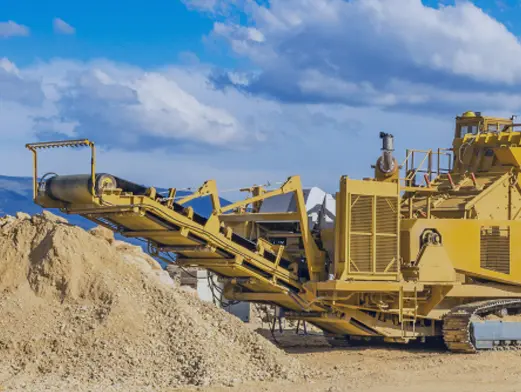
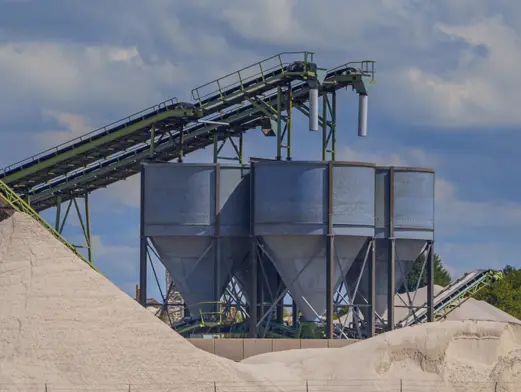
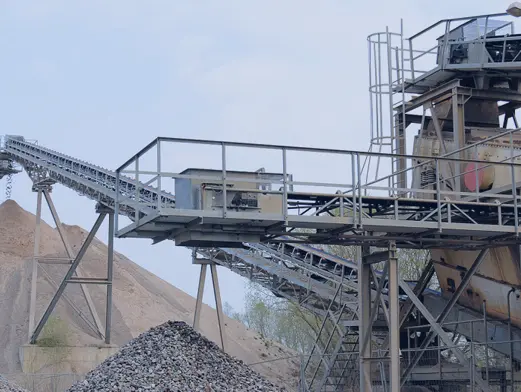
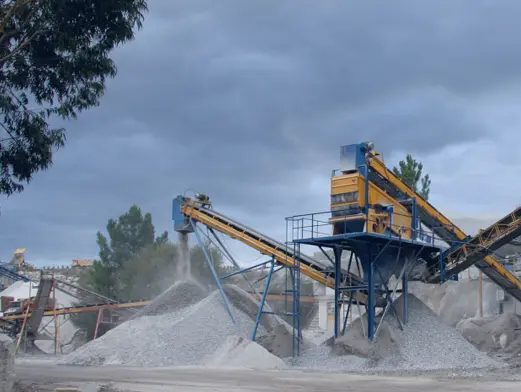
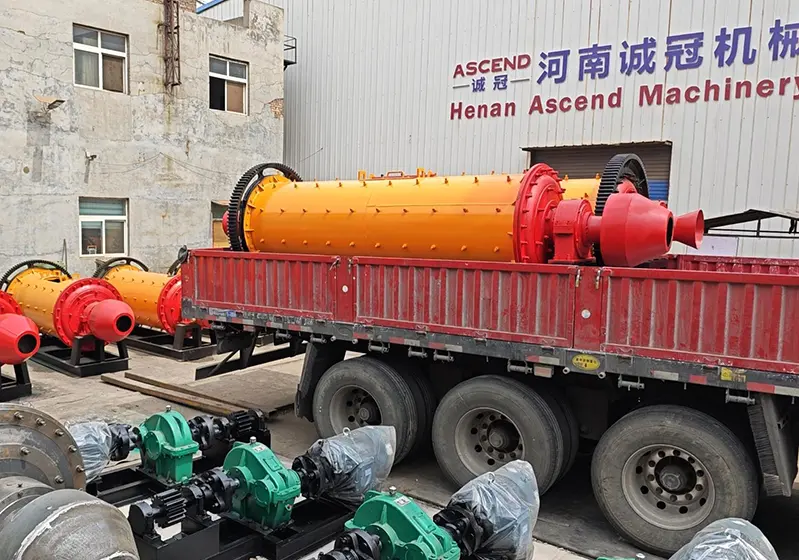
Visual evidence of our equipment deployed on-site, serving quarrying, road construction, and mining operations.

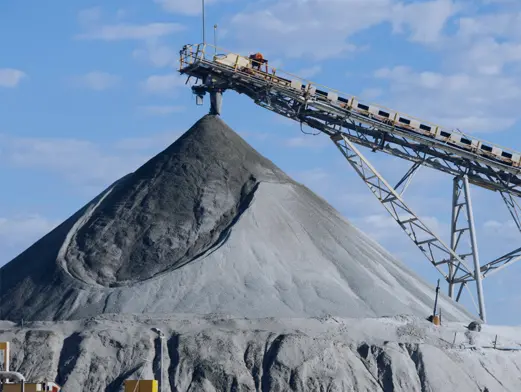
Tracking the distribution of our machinery systems across major mining and processing hubs globally.
Henan Ascend Machinery & Equipment Co.,Ltd. was established in 2005 and it is located in the high-tech zone of Zhengzhou City, Henan Province.
Ascend is mainly engaged in the research and development, manufacturing, sales and after-sales service of complete sets of crushing, grinding, screening, feeding and conveying heavy mining machinery. If you need to crush limestone, granite, gravel or other stone, or grinding them into powder, or extract gold, please feel free to contact us. Just tell us your needs and our engineers can provide you with professional advice. Because we operate our own factory, machine quality is guaranteed, and pricing is highly competitive. We are committed to providing reliable solutions for your operations.
Read More About AscendAnswers to common technical and operational questions regarding diesel jaw crushers, wear parts, and maintenance schedules.
Selection depends on the maximum size of your feed material and your target throughput. For example, our PE250x400 model accepts feed sizes up to 210mm and delivers a throughput of 5–20 tons per hour, making it ideal for small-scale gold projects or pilot plants. For larger aggregate or quarry operations, the PE600x900 accepts feed sizes up to 500mm and yields between 50–120 tons per hour.
Lifespan is determined by material abrasiveness (such as silica content) and operating hours. Crushing highly abrasive quartz or granite typically requires jaw plate rotation or replacement every 300 to 600 operating hours. For softer rock like limestone, the lifespan can extend past 1,200 hours. Utilizing Mn18Cr2 alloy plates helps maximize wear life.
We couple heavy, balanced flywheels with responsive diesel engines. The flywheels store kinetic energy during idle cycles, which is released as torque when raw stone enters the jaw. This helps maintain stable RPM and reliable operation during peak loads.
Key maintenance includes daily greasing of the eccentric shaft bearings, checking toggle plate alignment, inspecting jaw plate wedge tension, and performing routine engine maintenance (oil, fuel, and air filter changes). Proper bearing lubrication is essential to prevent heat buildup and premature component wear.
Complete your production circuit with our specialized downstream equipment.
 Ascend