Engineered to execute precise particle size reduction for mining, ore processing, and aggregate manufacturing operations worldwide.
In modern metallurgy, mineral extraction, and chemical processing, size reduction (comminution) is often the most capital-intensive phase. The stone ball mill is a central component in these circuits, reducing mineral ore feeds to target liberation sizes. Sourcing departments, quarry operators, and engineering firms face a complex procurement matrix when choosing equipment. The primary objective is to balance capital expenditure (CAPEX) with operational expense (OPEX), minimizing energy consumption and grinding media wear while maximizing throughput.
As a leading player in heavy machinery, Henan Ascend Machinery & Equipment Co., Ltd. (established in 2005 in the High-Tech Industrial Zone of Zhengzhou City, Henan Province) has specialized in high-performance stone ball mills, jaw crushers, and recovery plants for over two decades. Over this period, Ascend has delivered grinding technology across more than 130 countries, with extensive installations in Southeast Asia, Sub-Saharan Africa, and Latin America. This guide analyzes factory sourcing strategies, technical specifications, dynamic pricing factors, and the operational nuances of stone ball mills.
Stone ball mill pricing is not fixed; it is defined by a range of mechanical features, sizing parameters, and material specifications. Understanding these components prevents over-paying or under-specifying equipment.
| Model Spec (Diameter × Length) | Processing Capacity (t/h) | Motor Rating (kW) | Grinding Media Load (t) | FOB Estimated Price Range (USD) | Primary Industrial Applications |
|---|---|---|---|---|---|
| Ф900 × 1800 | 0.65 – 2.0 | 18.5 | 1.5 | $7,500 – $14,000 | Lab scale, small-scale gold recovery, pilot plants |
| Ф900 × 3000 | 1.1 – 3.5 | 22 | 2.7 | $11,000 – $19,500 | Mid-tier quartz crushing, feldspar separation |
| Ф1200 × 2400 | 1.5 – 4.8 | 45 | 3.8 | $16,000 – $28,000 | Industrial copper mining, limestone slurry creation |
| Ф1500 × 3000 | 2.0 – 15.0 | 75 | 8.0 | $32,000 – $55,000 | Iron ore dressing, silica sand grinding |
| Ф1800 × 3000 | 4.5 – 22.0 | 130 | 11.0 | $58,000 – $85,000 | Medium-capacity mining plants, dry-process cement plants |
| Ф2200 × 5500 | 10.0 – 54.0 | 280 | 26.0 | $110,000 – $170,000 | Heavy-duty mining circuits, large-scale quartz factories |
Several factors influence where a final quote falls within the ranges listed above:
China, specifically the Henan machinery cluster in Zhengzhou, produces a significant share of the world’s heavy comminution machinery. This concentration offers key advantages for global buyers:
Raw Material Integration: Chinese manufacturers operate close to major steel foundries, ensuring access to high-quality steel plates (Q235B, Q345B) and custom casting facilities for large girth gears and pinions. This integration keeps raw material costs lower than in regions with fragmented supply chains.
Industrial Clusters: The proximity of motor factories, bearing manufacturers, and gearbox specialists creates a highly efficient component ecosystem. This helps shorten production lead times, allowing mills to be completed and shipped faster than other suppliers.
Manufacturing Experience: Experienced engineering teams build and inspect these machines according to international standards. Advanced processes like automated submerged arc welding, ultrasonic non-destructive testing (NDT), and stress-relieving thermal annealing ensure the structural integrity of the mill shells.
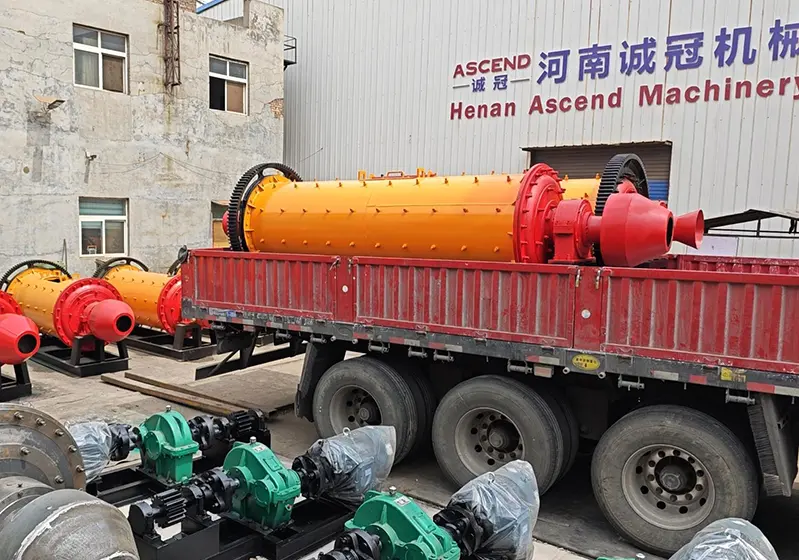
Stone ball mills do not run in isolation. A ball mill must be integrated with complementary equipment to maintain circuit balance and process efficiency.
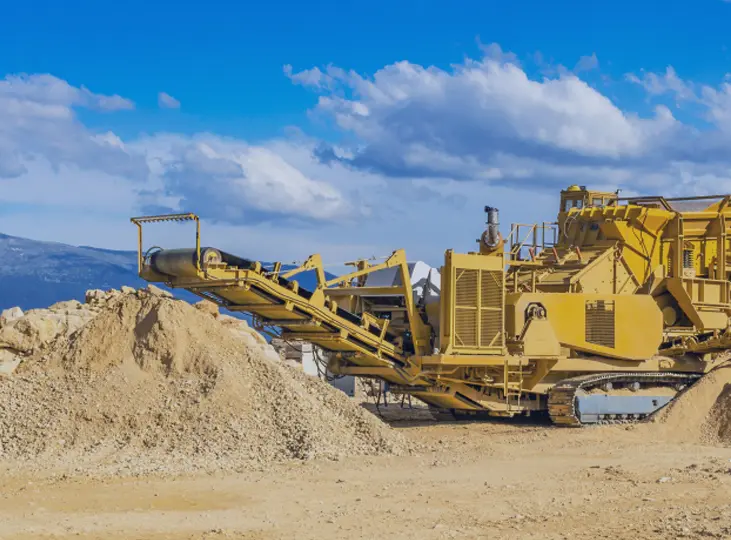
Complete cyanidation and flotation circuits designed for high gold recovery rates.
Learn More →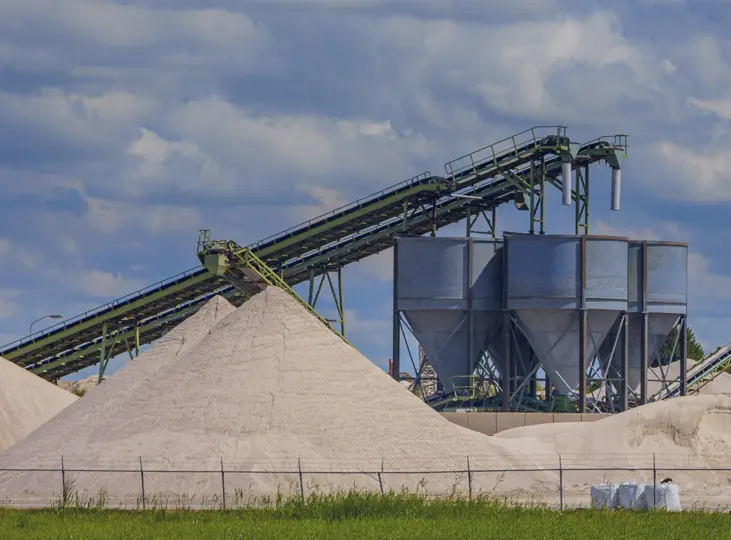
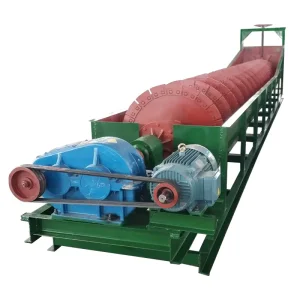
Closed-circuit grinding systems incorporating spiral classifiers or hydrocyclone clusters.
Learn More →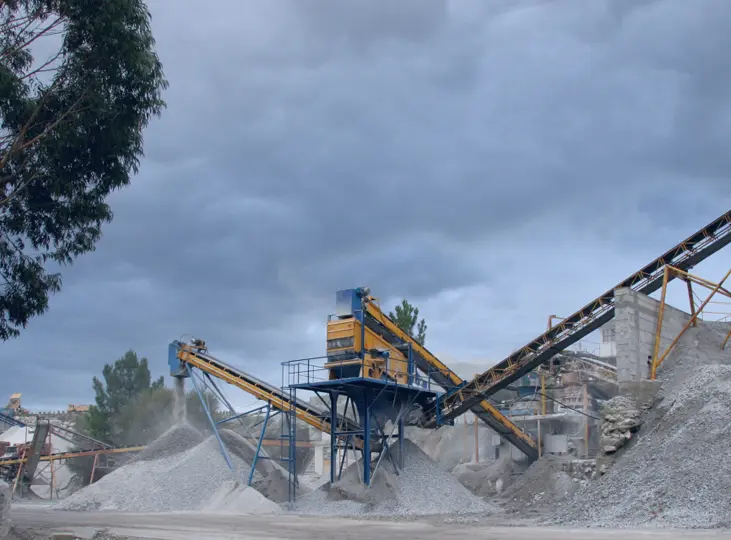
Heavy-duty crushing and sizing plants tailored for granite, basalt, and iron ore.
Learn More →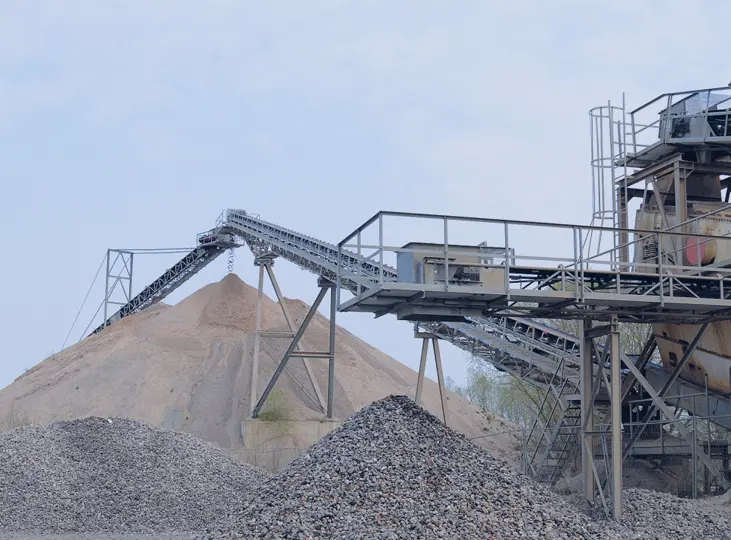
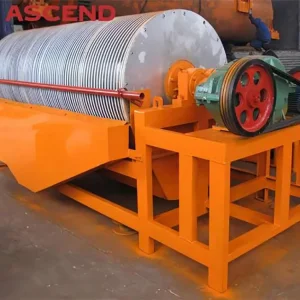
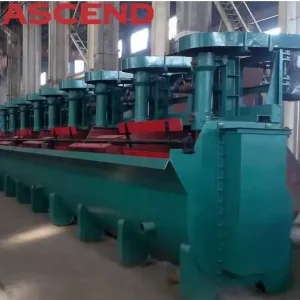
Wet mineral separation lines featuring magnetic separators and flotation machinery.
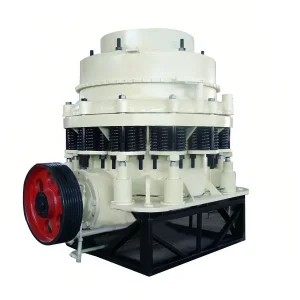
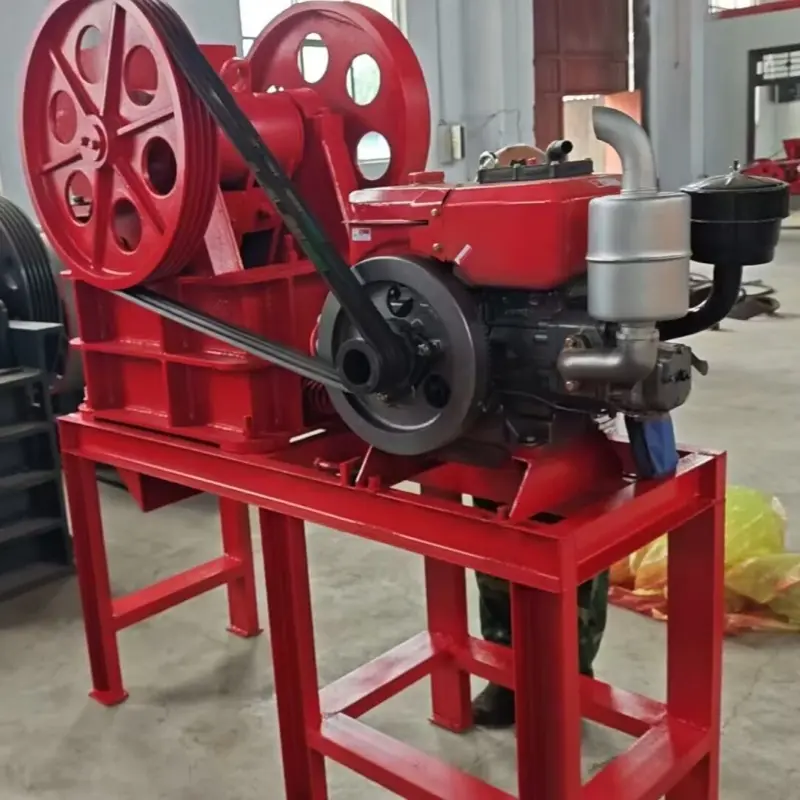
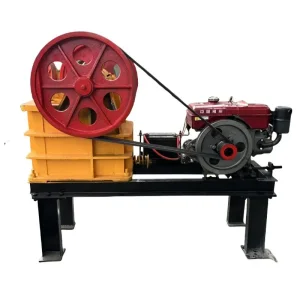
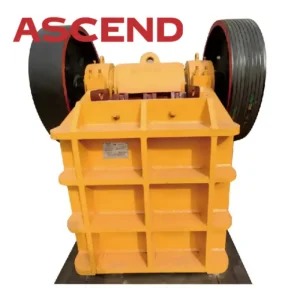
Learn More →In a typical closed-circuit grinding plant, the raw rock is first reduced in size by primary and secondary crushers (such as PE Jaw Crushers and Cone Crushers). This crushed rock (generally less than 25mm) is then fed into the stone ball mill.
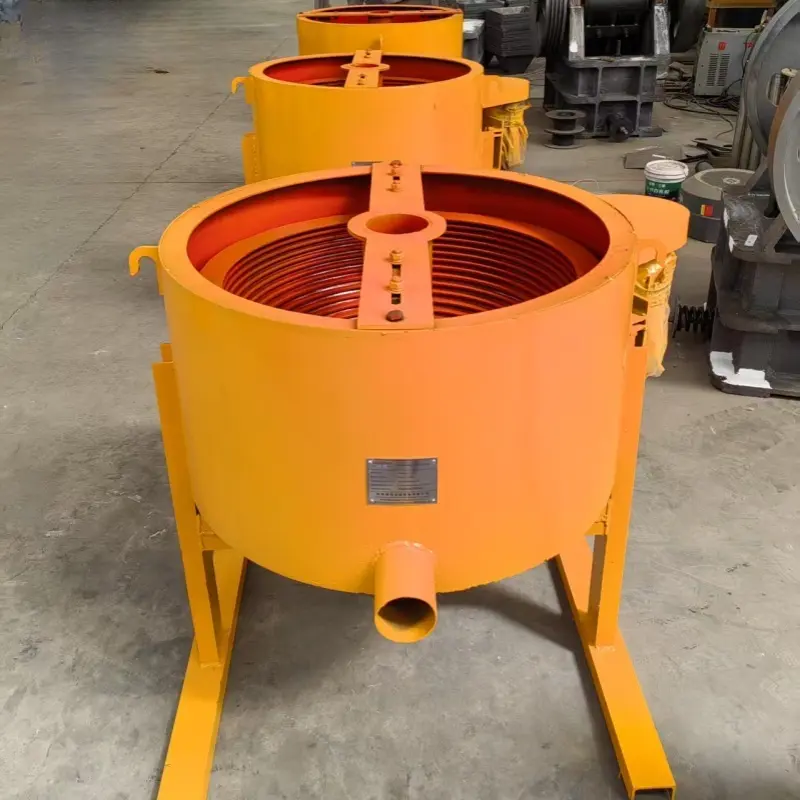
As the mill rotates, the grinding balls cascade, reducing the material through impact and attrition. The discharged slurry flows into a Spiral Classifier or hydrocyclone. The oversized particles are returned to the mill for further grinding, while the fine particles proceed to recovery equipment like Magnetic Separators or Flotation Cells. This configuration prevents over-grinding, minimizes energy consumption, and improves recovery rates.
Industrial machinery purchases require careful planning for international shipping, local regulations, and installation support. Henan Ascend ensures compliance across different operating environments:
We customize electric motors to match regional grids (e.g., 50Hz or 60Hz systems) and offer optional diesel engines for remote mining operations with limited power access. Moisture-proof, dust-sealed motor systems (IP55/IP65) and special cooling packages are available for high-humidity or high-altitude environments.
Our mills are built and certified to meet regional standards, including CE marking for European markets, ISO 9001:2015 for quality management, and dynamic balancing certifications for structural shafts. We provide full documentation to assist with customs clearance and local operations.
We offer on-site commissioning by experienced field engineers and training for local operators. We also stock critical wear parts, including liners, steel balls, gears, and pinions, in regional hubs to ensure quick delivery and minimize operational downtime.
Modern grinding operations are increasingly focused on reducing energy use and carbon emissions through improved technology and process design.
Energy consumption in grinding circuits is a significant operational cost. The industry is adopting several strategies to address this:
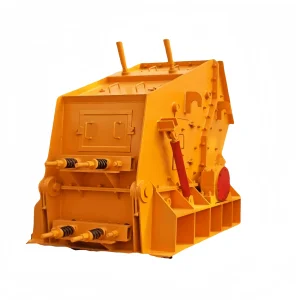
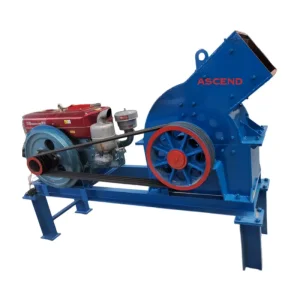
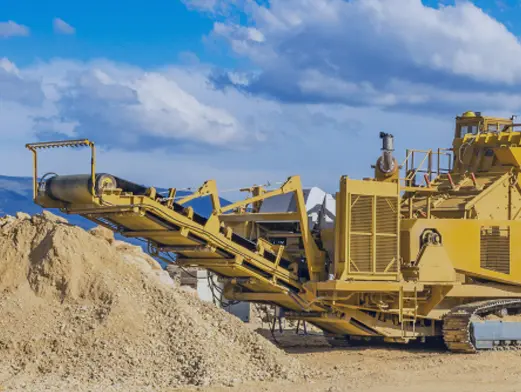
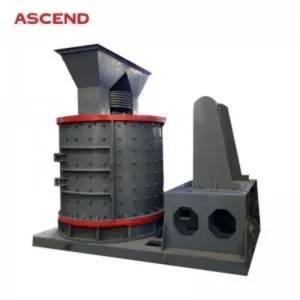
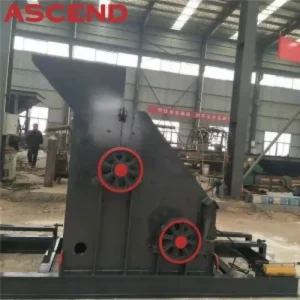
"Impact crusher is a kind of secondary crushing equipment which uses impact power to crush materials. Impact crusher is characterized by easy maintenance, high reduction ratios and high efficiency to produce precisely cubic shape products. It is designed with three crushing chambers, seamlessly connected rotor, wear-resistant blow bar and installation of insert type. Moreover, it has tooth type liner, gradient designed bearing seat, frame with several openings and screws or hydraulic start-up devices. Impact crushers can be used in all different stages of size reduction from primary crushing to the last step of the crushing process."
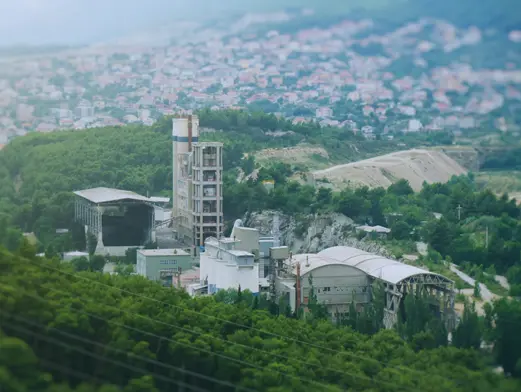
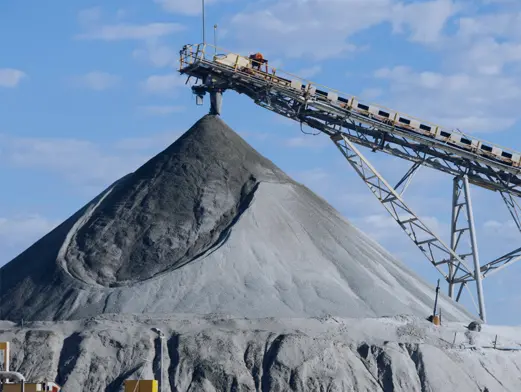
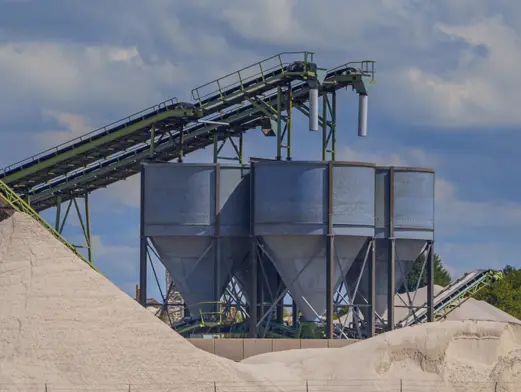
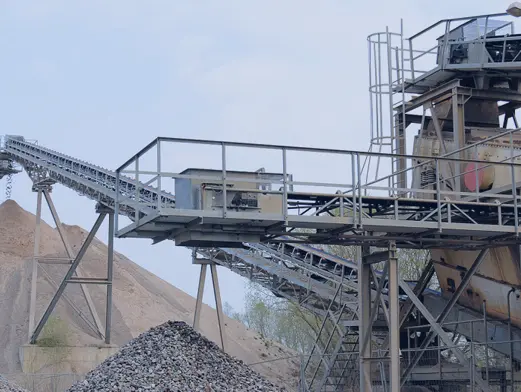
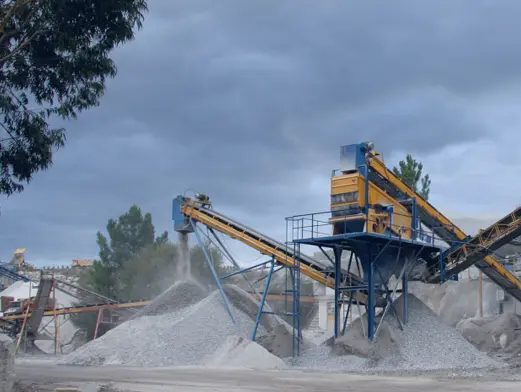
Our equipment is deployed globally in aggregate processing plants, copper mines, and industrial facilities.
Common questions regarding technical specifications, sourcing, and operation of stone ball mills.
Our complete product line, designed to support mining and materials processing applications worldwide.
 Ascend