Explore our industrial line of primary reduction and gravity separation systems manufactured in Henan, China.
A comprehensive engineering handbook on designing and deploying industrial hammer crushers for the charcoal manufacturing sector.
Note on Information Gain: Charcoal processing introduces distinct physical challenges that diverge significantly from traditional aggregate or stone crushing. Charcoal is highly friable but extremely abrasive. Processing carbonized wood, coconut shells, or agricultural waste requires precision rotor speeds, specialized alloy selection, and airtight dust suppression systems to prevent explosive fine concentration. This whitepaper details the architectural and metallurgical designs required for optimized processing.
In the charcoal manufacturing industry, achieving a uniform particle distribution is a key step in producing high-density briquettes, shisha charcoal, and high-performance activated carbon. Unlike raw limestone or hard ores, charcoal has low compressive strength but exhibits high micro-abrasiveness due to embedded silica and carbon crystals. Traditional jaw crushers or high-impact mills can generate an excess of unwanted dust (fines), which reduces the overall yield of high-value charcoal briquettes.
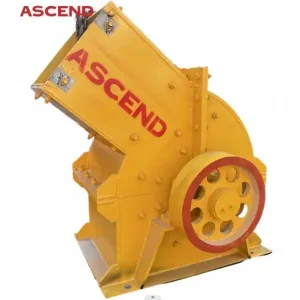
A specialized hammer crusher addresses this challenge through dynamic impact and shear force. The material is fed into the crushing chamber where high-speed rotating hammers strike the charcoal fragments. These fragments are forced against breaker plates and subsequently pass over a bottom screen grid. The size of the finished product is regulated by the screen aperture. Designing the correct screen mesh and optimizing the tip speed of the hammers prevents over-crushing and minimizes dust formation.
China is a major producer of heavy industrial processing machinery, offering distinct manufacturing and supply chain advantages for global charcoal producers:
The global shift toward sustainable carbon alternatives is transforming the industrial charcoal sector. Biomass charcoal, derived from forestry residue, agricultural waste, and coconut husks, is increasingly replacing coal in metallurgical applications, soil amendment, and industrial fuel. In response, modern hammer mill design is evolving to prioritize energy efficiency and environmental safety:
Dust Emission Control: Airborne charcoal dust is a serious respiratory hazard and carries risks of dust explosion. Current industry designs incorporate negative-pressure dust collectors, baghouses, and air classification systems to maintain a clean workspace.
Smart Automated Controls: Modern crushing lines are equipped with variable frequency drives (VFDs) and PLC control panels. By monitoring motor load in real time, the feeding rate can be automatically adjusted to prevent overload shutdowns and maintain stable throughput.
Decarbonization and Circular Economy: High-efficiency sizing equipment allows manufacturers to turn low-value charcoal fines into high-value activated carbon or briquettes, maximizing the raw material utilization rate and reducing waste.
Industrial charcoal processing requirements vary widely by region, material type, and target output. Here is how our hammer crushers are configured for specific applications:
Southeast Asian Coconut Shell Charcoal Mills: Coconut shell charcoal is extremely hard and abrasive. For these operations, we supply hammer crushers fitted with heavy-duty chrome alloy hammers and reinforced wear plates, producing a uniform 2-3mm grit size ideal for steam activation processing.
Eastern European Hardwood Charcoal Processing: Processing oak, birch, or beech wood charcoal requires high-throughput systems. Our crushers feature large chamber entries and adjustable screen grates to handle irregular, bulky charcoal logs, preparing them for the binders and extrusion presses used in BBQ charcoal production.
Latin American Agricultural Residue Briquetting: Processing carbonized agricultural residues, such as cotton stalks, bagasse, or corn cobs, requires high-velocity impact to reduce fibrous, partially carbonized strands. We configure these mills with sharp, high-speed blade hammers to ensure a homogeneous powder texture.
Selecting the correct machine capacity and power rating is critical for achieving optimal ROI. The table below outlines our standard line of industrial hammer crushers:
| Model Series | Feed Capacity (t/h) | Max Feed Size (mm) | Motor Power (kW) | Standard Rotor Speed (RPM) |
|---|---|---|---|---|
| HC-400×300 | 5 - 10 | ≤ 100 | 11 - 15 | 1000 - 1200 |
| HC-600×400 | 10 - 15 | ≤ 150 | 22 - 30 | 980 - 1100 |
| HC-800×600 | 15 - 25 | ≤ 200 | 45 - 55 | 900 - 1000 |
| HC-1000×800 | 30 - 50 | ≤ 250 | 75 - 90 | 850 - 950 |
Henan Ascend Machinery & Equipment has developed steadily since 2005. Our machinery operates in over 130 countries, providing reliable sizing and beneficiation solutions across Southeast Asia, Africa, and beyond.
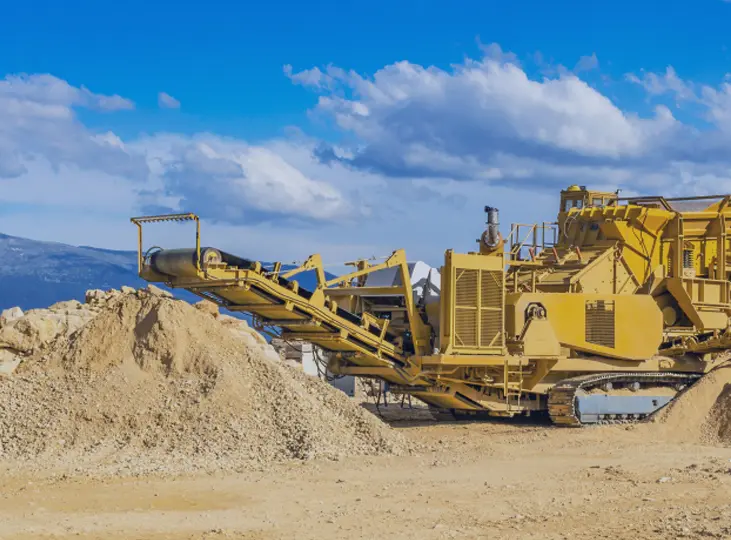
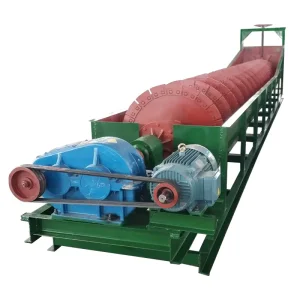
Complete crushing and gravity separation circuits tailored to maximize recovery rates for small-to-large operations.
Learn More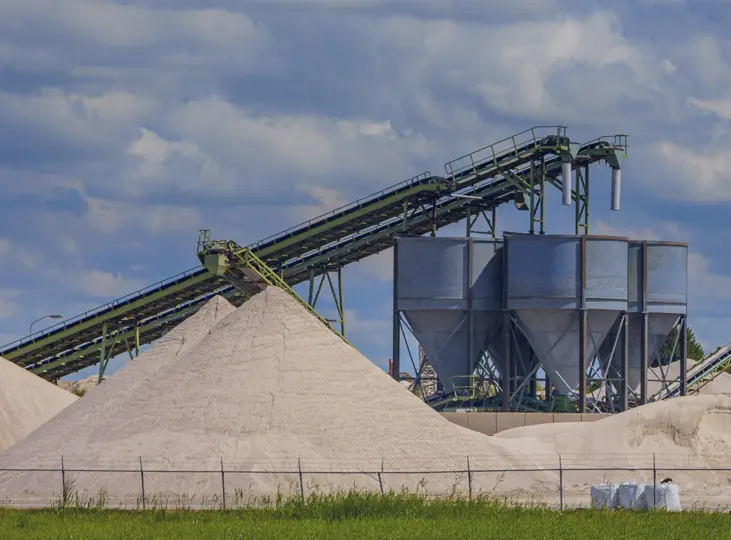
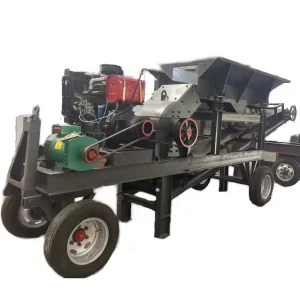
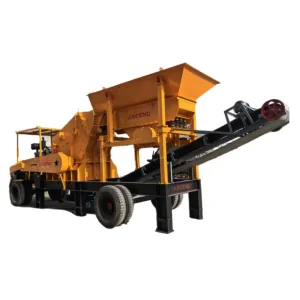
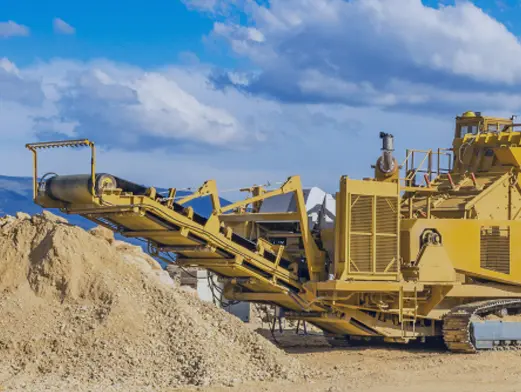
Heavy-duty, stationary and mobile plants engineered to crush highly abrasive basalt, granite, and limestone.
Learn More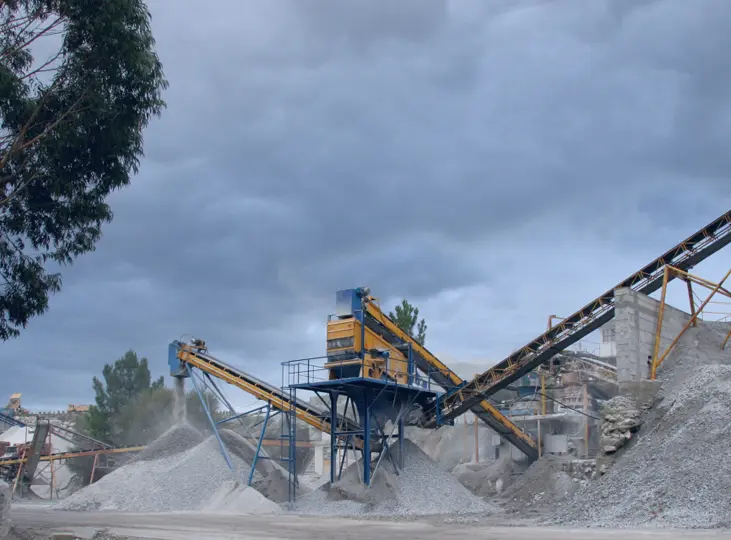
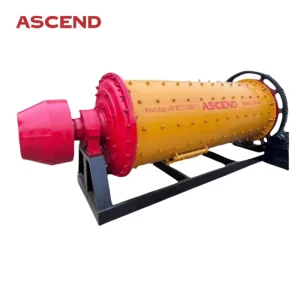
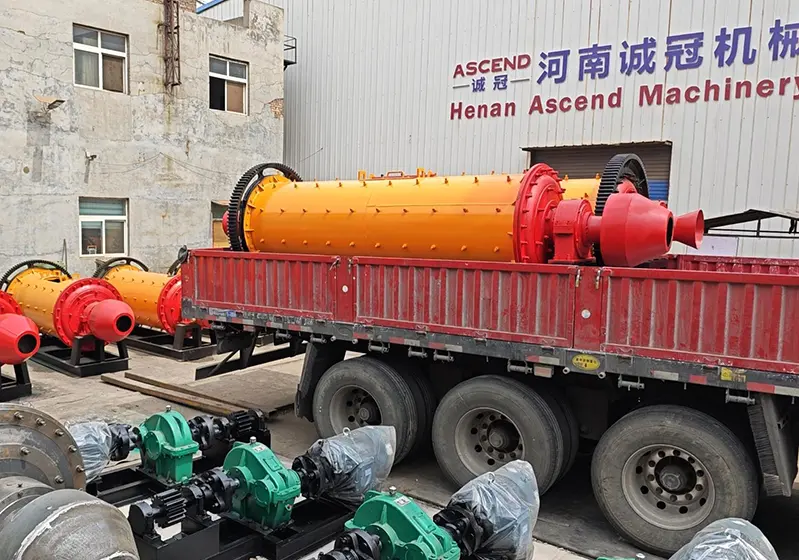
Fine-grinding ball mills and classifier setups that deliver consistent micron-level outputs for ore dressing.
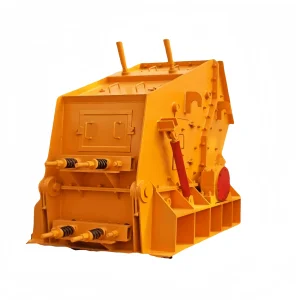
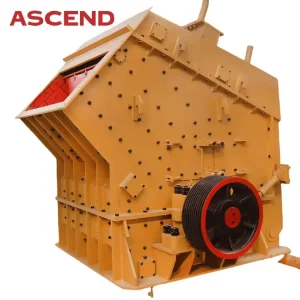
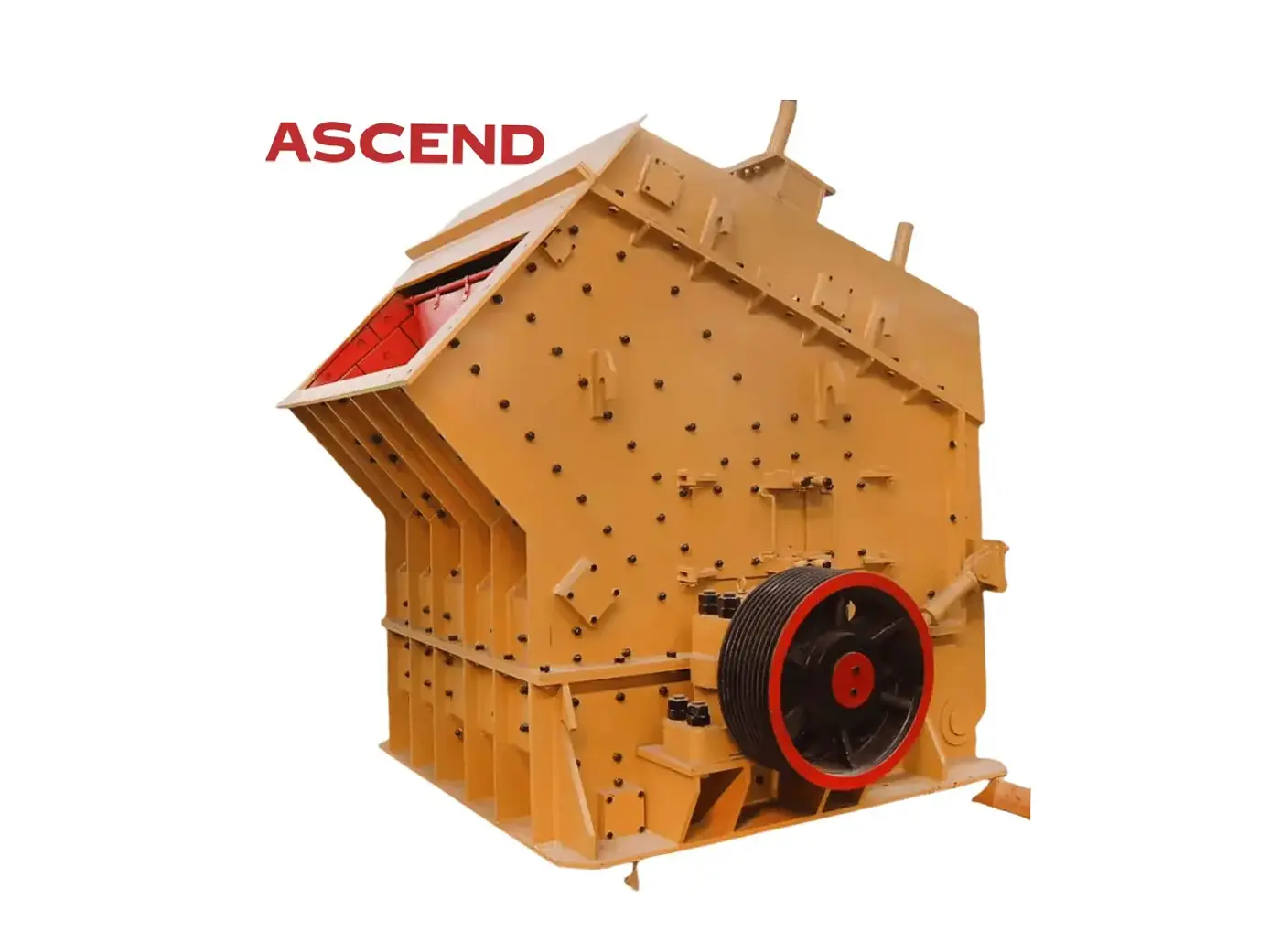
Learn MoreOur impact crusher is a primary example of using dynamic kinetic force for sizing. By utilizing high-velocity rotors and durable blow bars, it reduces materials along natural structural lines. Key features include an easily accessible main chamber, simple maintenance procedures, high reduction ratios, and a cubical product shape. Its design integrates three crushing chambers, a robust rotor assembly, wear-resistant blow bars, and a hydraulic opening mechanism to minimize maintenance downtime.
This design philosophy translates directly to our hammer crusher line, which utilizes similar heavy-duty bearings, structural housings, and wear-resistant components to ensure reliable operation in demanding charcoal production environments.
View our processing equipment installations and turn-key crushing plants operating worldwide.


Stay updated on our latest shipments, commissioning reports, and technological developments.
 Nov 2025
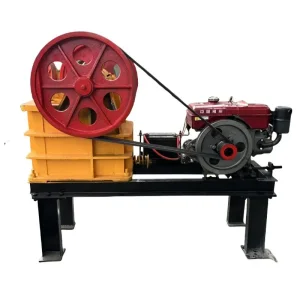
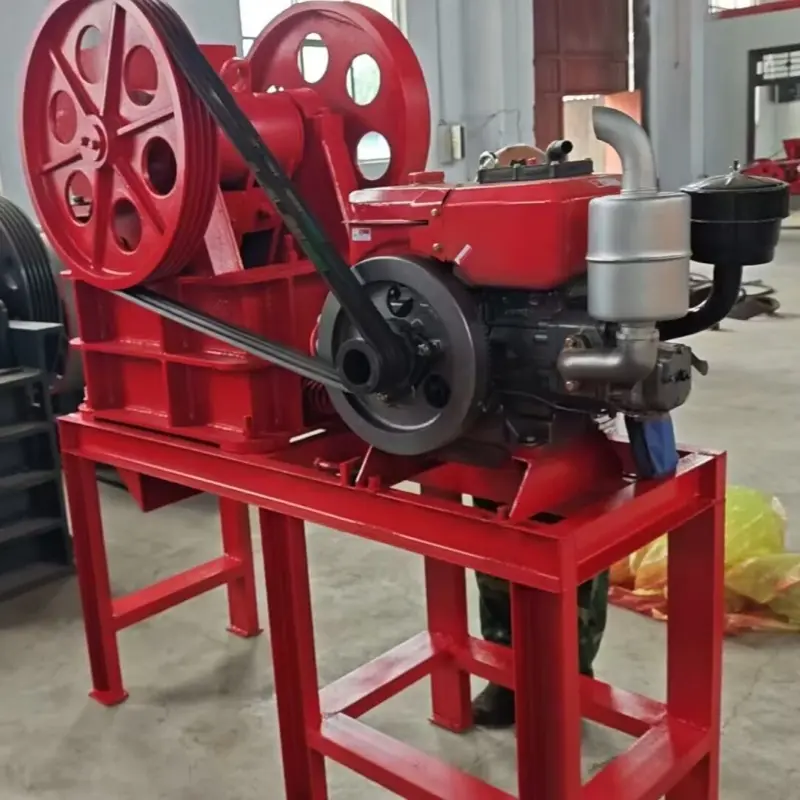
Our diesel-configured jaw crushers provide reliable primary reduction for remote, off-grid projects in Papua New Guinea.
Located in the High-Tech Zone of Zhengzhou City, Henan Province, Henan Ascend Machinery & Equipment Co., Ltd. specializes in the R&D, manufacturing, sales, and support of heavy-duty industrial machinery.
Our product line features complete systems for crushing, grinding, screening, feeding, and conveying. Whether you are processing hard rock, limestone, gravel, or manufacturing industrial charcoal, our engineering team can design a solution tailored to your operational needs.
Read More About UsDetailed technical advice on operating and maintaining industrial hammer mills for carbonized biomass.
Moisture content is a key factor in charcoal crushing efficiency. Ideally, input charcoal should have a moisture content below 10-12%. High moisture levels (above 15%) cause charcoal fines to become sticky, which can clog the screen grates, reduce throughput, and increase thermal load on the motor. If wet charcoal must be processed, we recommend widening the screen apertures or installing a flash dryer upstream.
Although carbonized charcoal is softer than stone, its micro-abrasiveness causes steady wear. Standard steel hammers may require rotation or replacement every 2-3 months in high-volume operations. Our high-manganese and bimetallic alloy hammers extend this lifespan by up to 2.5 times compared to standard carbon steel, depending on feed rate and screen size.
Effective dust control is necessary for both environmental safety and to prevent dust explosions. We recommend pairing the hammer crusher with a cyclone separator and a pulse-jet bag filter. Enclosing the feeding hopper and discharge conveyors maintains negative air pressure within the system, capturing airborne fines before they enter the work environment.
Yes. Shisha charcoal requires a very fine, uniform grind (typically below 1mm or 80-100 mesh) to ensure smooth extrusion and a clean burn. By utilizing a fine-mesh screen (e.g., 0.8mm or 1mm) and high rotor speeds, our hammer mills produce a consistent powder that blends well with binders.
Equipment quotes depend on the required throughput capacity, alloy grade, power configuration (electric vs. diesel engine), and auxiliary equipment like feeding conveyors or dust collectors. Contacting our engineering team with your feed size, moisture profile, and capacity goals allows us to provide a detailed, itemized quote.
Explore additional crushing models, roller assemblies, and thermal processing units designed for heavy industrial use.
 Ascend