Engineered for precise density-based sorting of precious metals, ferrous concentrates, and industrial minerals. Explore our primary equipment catalog.
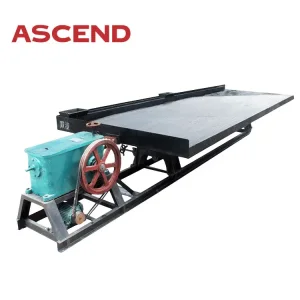
In the field of mineral processing, gravity separation remains a highly efficient, cost-effective, and ecologically sound processing method. At the center of this field is the wet shaking table (commonly known as the 6-S shaking table), a time-tested concentrator designed to separate minerals based on differences in their specific gravity under asymmetric reciprocating motion and thin-film water flow. Unlike chemical flotation and toxic amalgamation, gravity separation does not introduce dangerous reagents into the circuit, positioning it as a key technology for modern green mining practices.
This comprehensive technical whitepaper details the engineering principles, fluid dynamics, design variations, and market dynamics of commercial wet shaking tables. It addresses critical operational criteria for international procurement managers, process engineers, and mine operators seeking to maximize mineral recovery yields while keeping operating expenditures (OPEX) low.
The separation process on a wet shaking table occurs over a tilted, riffled deck. As slurry (consisting of mineral particles and water) is introduced via the feed box at the top corner, it flows transversely down the deck under gravity. Simultaneously, the deck undergoes a longitudinal, asymmetric reciprocating motion powered by a heavy-duty headmotion gear assembly.
The key separation mechanism relies on three intersecting forces:
Did You Know? The 6-S shaking table is highly effective for processing fine-grained ores down to 0.037 mm (400 mesh). It is widely utilized as a scavenger or cleaning unit for gold, tin, tungsten, tantalum, niobium, and other high-value minerals.
Historically, shaking table decks were manufactured from heavy timber boards. Modern industrial operations require more durable materials to withstandabrasive slurries and harsh environments. The core components of modern shaking tables include:
Selecting the correct deck configuration and operational parameters is essential for high recovery rates. The table below outlines standard industrial parameters.
| Deck Type Classification | Feed Particle Size (mm) | Stroke Length (mm) | Stroke Frequency (RPM) | Recommended Slurry Density | Typical Applications |
|---|---|---|---|---|---|
| Coarse Sand Deck (46/60 Riffles) | 0.5 – 2.0 mm | 16 – 30 mm | 240 – 280 RPM | 25% – 35% Solids | Primary gold, tin, and wolframite roughing circuits |
| Fine Sand Deck (88/120 Riffles) | 0.074 – 0.5 mm | 11 – 20 mm | 280 – 320 RPM | 20% – 30% Solids | Middlings concentration, zircon and silica sand cleaning |
| Slime Deck (Grooved/Left-Hand) | 0.037 – 0.074 mm | 8 – 14 mm | 320 – 360 RPM | 15% – 25% Solids | Ultra-fine tailing recovery, fine tin and tantalum cleaning |
Procurement professionals evaluate wet shaking tables based on mechanical reliability, shipping volume efficiency, and ease of deployment in remote mining zones.
Mining operations in Africa, Central Asia, and South America often operate far from industrial infrastructure. Shaking tables must function reliably with minimal maintenance. Selecting units with self-lubricating headmotions and durable fiberglass decks reduces downtime.
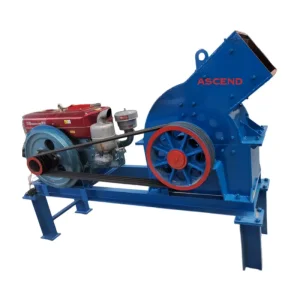
For operations lacking reliable grid access, diesel-powered shaking tables provide a self-contained solution. Utilizing a small diesel engine to drive the reciprocating eccentric assembly ensures steady operation without requiring large electrical generators.
Global mining regulations are increasingly restricting chemical processing methods. Shaking tables offer a purely physical separation process, helping operators comply with environmental standards while recovering fine concentrates.
As industrial automation advances, China's mining machinery manufacturing sector has transitioned to Factory 4.0 standards. Henan Ascend Machinery & Equipment Co., Ltd. combines advanced manufacturing technology with efficient supply chain logistics to deliver reliable equipment globally.
Read about our equipment in action, supporting mining projects and mineral processing plants worldwide.
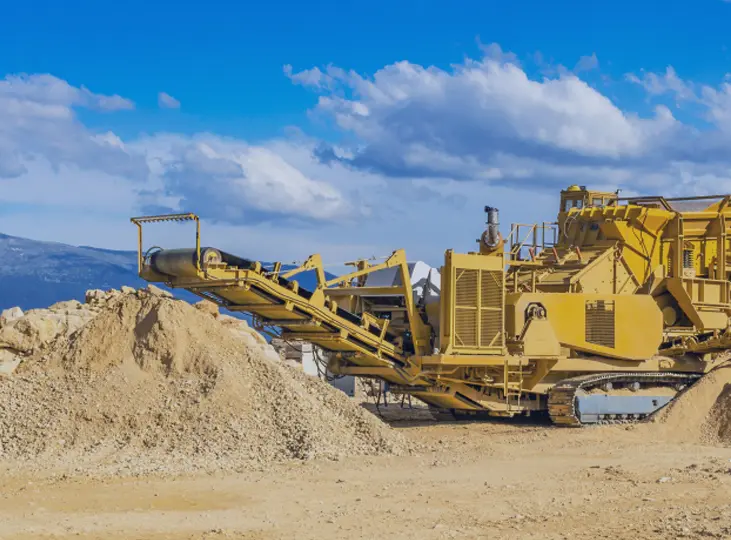
Complete gravity concentration circuits designed for optimal gold recovery in diverse geological formations.
Learn More →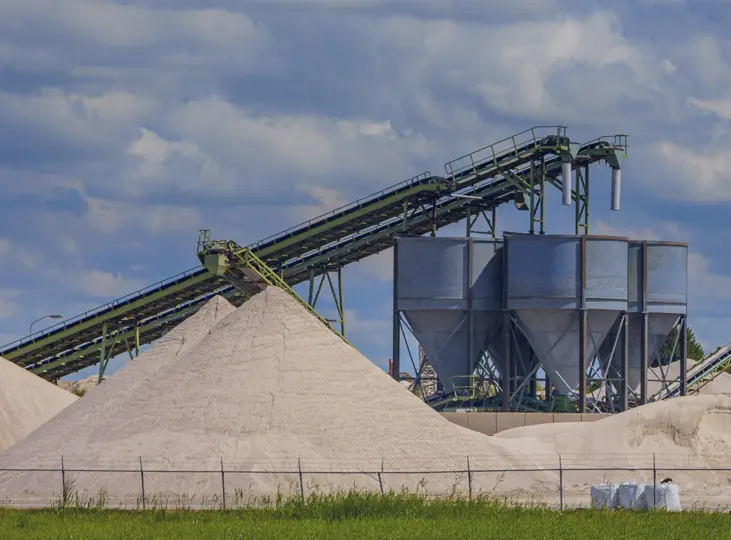
Customized slime decks configured to concentrate rare earth minerals from fine alluvial sands.
Learn More →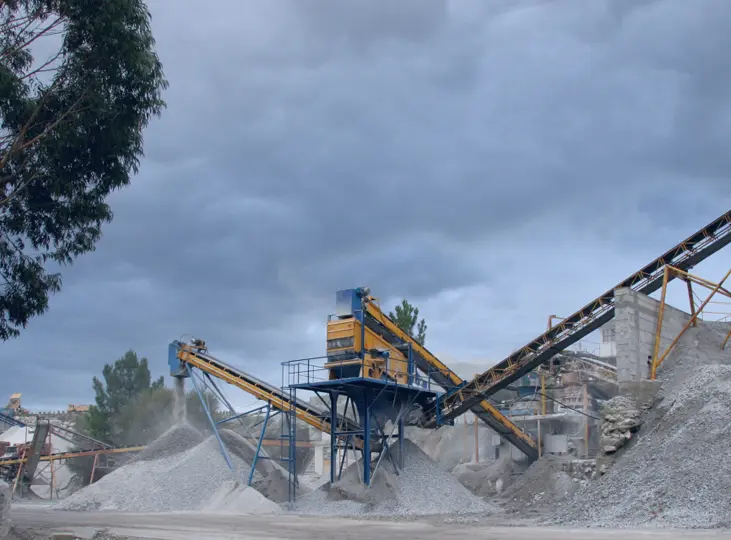
Multistage shaking table configurations deployed to optimize mineral dressing and grade quality.
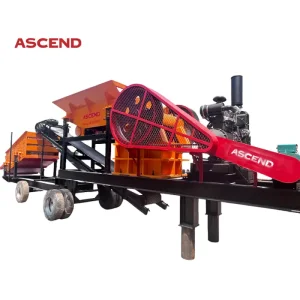
Learn More →Recent Shipment Notice: We recently exported multiple sets of high-recovery 6-S shaking tables to Sudan, PE250x400 mobile diesel crushing plants to Papua New Guinea, and gold Kacha concentrators to Zambia. Our global support team manages logistics and commissioning for operations worldwide.
Technical answers to common questions about operating and maintaining wet shaking tables.
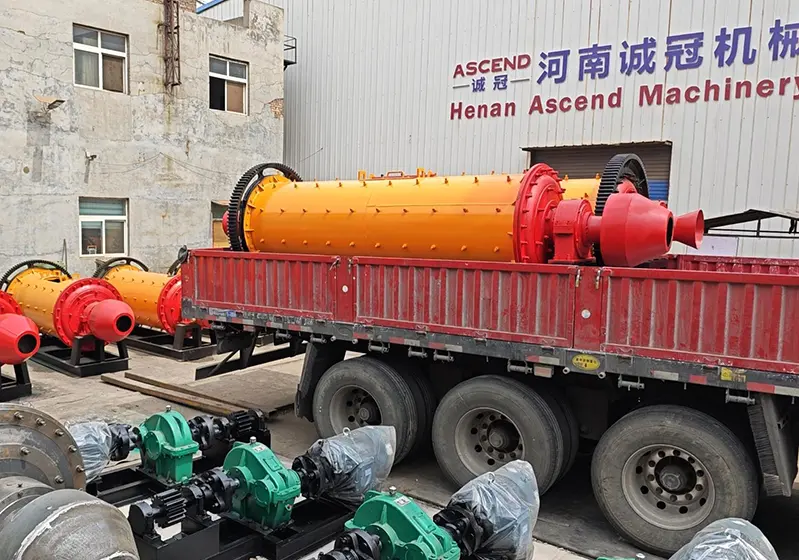
Established in 2005 and located in the High-Tech Development Zone of Zhengzhou City, Henan Province, Henan Ascend Machinery & Equipment Co., Ltd. specializes in manufacturing heavy-duty mining machinery. Our product range includes equipment for crushing, grinding, screening, and mineral dressing.
Ascend machinery is deployed in over 130 countries and regions worldwide, with a strong presence in Africa, Southeast Asia, and South America. We work closely with mining engineers and operators to provide reliable equipment configurations, verified replacement parts, and dedicated after-sales support.
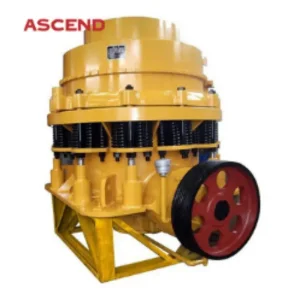
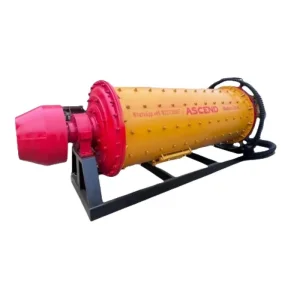
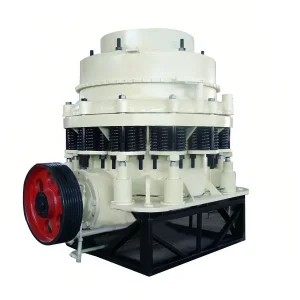
We manufacture a complete range of rock crushers, grinding mills, and sand-making machinery to prepare your feed for gravity separation.
 Ascend