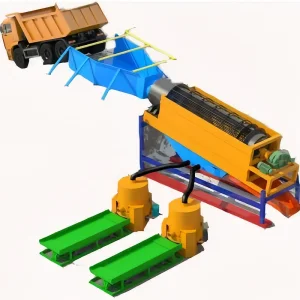
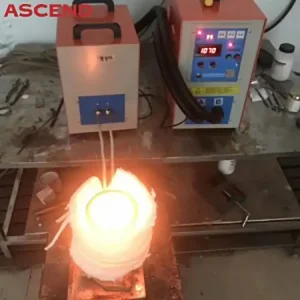
Explore our industrial mining machinery engineered for gold extraction, heavy-duty size reduction, and raw material processing.
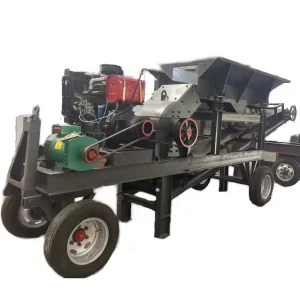
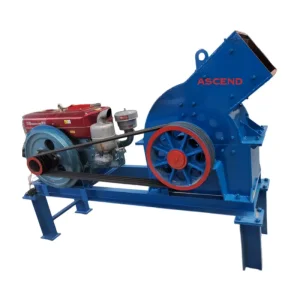
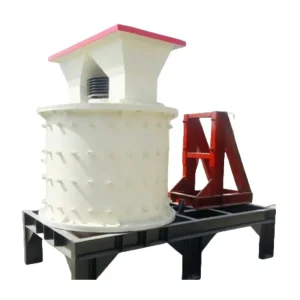
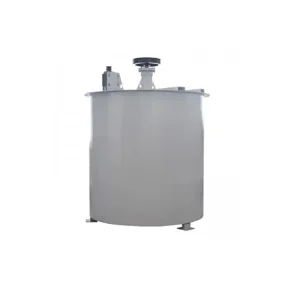
In the global mining, aggregate, and quarrying sectors, achieving optimal size reduction is a core determinant of operational profitability. The Stone Symons Cone Crusher remains one of the most widely respected, trusted, and mechanically resilient technologies ever developed for secondary and tertiary stage crushing. Leveraging a combination of mechanical spring safety releases and custom-designed crushing cavities, Symons technology consistently delivers high throughput ratios and excellent particle shape parameters.
Information Gain Insight: While modern hydraulic hydraulic cone crushers offer simplified automated adjustments, the classic Symons Spring Cone Crusher provides unparalleled reliability in environments with volatile power supply grids and highly variable ore hardness, saving up to 40% in electronic control maintenance costs.
The core operating principle of a Symons Cone Crusher relies on the eccentric rotation of the main shaft driven by a heavy-duty pinion assembly. When hard rock (such as granite, basalt, or gold-bearing quartz) enters the crushing chamber, it is crushed by compressive forces generated between the reciprocating mantle (the moving component) and the stationary bowl liner. The heavy spring package serves as a mechanical relief mechanism. If a non-crushable object (tramp iron, steel drill bits, etc.) enters the chamber, the springs compress, allowing the bowl to lift and safely discharge the material without structural deformation.
Procuring raw aggregates and precious metals demands high efficiency. For processing medium-to-hard ores, alternative systems like impact crushers exhibit high wear rates on blow bars, causing downtime. Conversely, Symons Cone Crushers use compressive force to reduce wear part costs, making them the most economical selection for processing abrasive materials like quartzite, granite, and porphyritic iron ores.
Compare Symons cone crusher configurations to align your aggregate processing plant capacity with target performance criteria.
| Model / Size | Chamber Type | Max Feed Size (mm) | Discharge Setting (CSS mm) | Processing Capacity (t/h) | Motor Power (kW) |
|---|---|---|---|---|---|
| Symons 3 Ft (Standard) | Medium / Coarse | 115 - 145 | 13 - 38 | 50 - 110 | 75 |
| Symons 3 Ft (Short Head) | Fine / Extra Fine | 40 - 75 | 3 - 15 | 25 - 75 | 75 |
| Symons 4.25 Ft (Standard) | Medium / Coarse | 160 - 200 | 19 - 50 | 110 - 240 | 110 - 132 |
| Symons 4.25 Ft (Short Head) | Fine / Extra Fine | 60 - 100 | 6 - 19 | 60 - 150 | 110 - 132 |
| Symons 5.5 Ft (Standard) | Medium / Coarse | 220 - 260 | 25 - 64 | 180 - 450 | 200 - 220 |
| Symons 5.5 Ft (Short Head) | Fine / Extra Fine | 80 - 130 | 10 - 25 | 120 - 320 | 200 - 220 |
| Symons 7 Ft (Standard) | Medium / Coarse | 300 - 350 | 32 - 76 | 350 - 900 | 355 - 400 |
Procurement departments often overlook the structural design variance between the Standard and Short Head crusher setups. Standard Symons Crushers feature a shallower cavity angle, which accepts larger stone blocks and feeds secondary reduction steps. The Short Head configuration exhibits a steeper cavity angle and shorter parallel zone, optimizing tertiary fine crushing to prepare material for direct milling or sand manufacturing plants.
Select specialized machine divisions to view targeted technical details and system parameters.
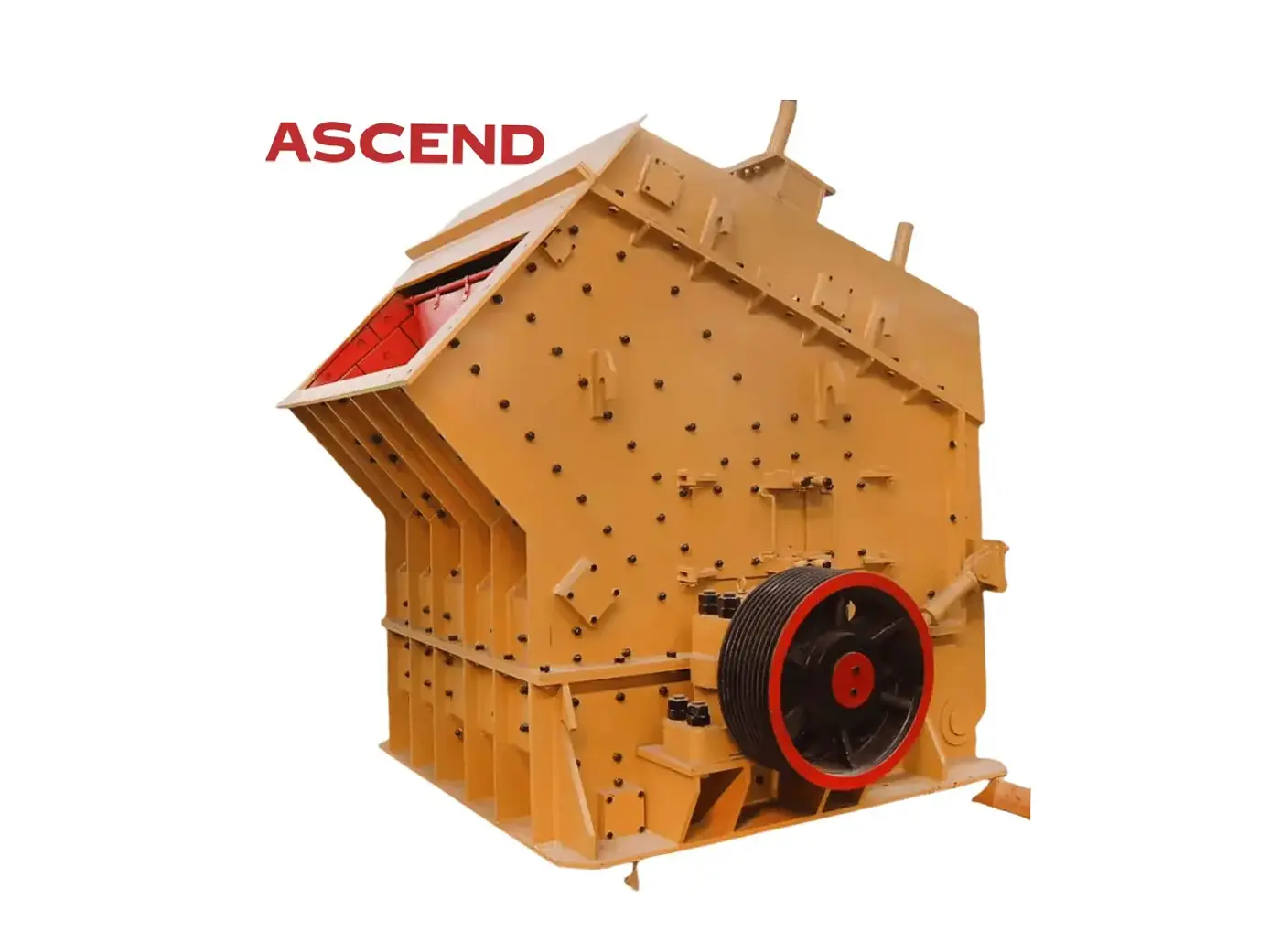
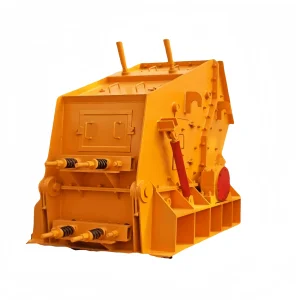
Impact crusher is a kind of secondary crushing equipment which uses impact power to crush materials. Impact crusher is characterized by easy maintenance, high reduction ratios and high efficiency to produce precisely cubic shape products. It is designed with three crushing chambers, seamlessly connected rotor, wear-resistant blow bar and installation of insert type. Moreover, it has tooth type liner, gradient designed bearing seat, frame with several openings and screws or hydraulic start-up devices. Impact crushers can be used in all different stages of size reduction from primary crushing to the last step of the crushing process.
Explore Impact Systems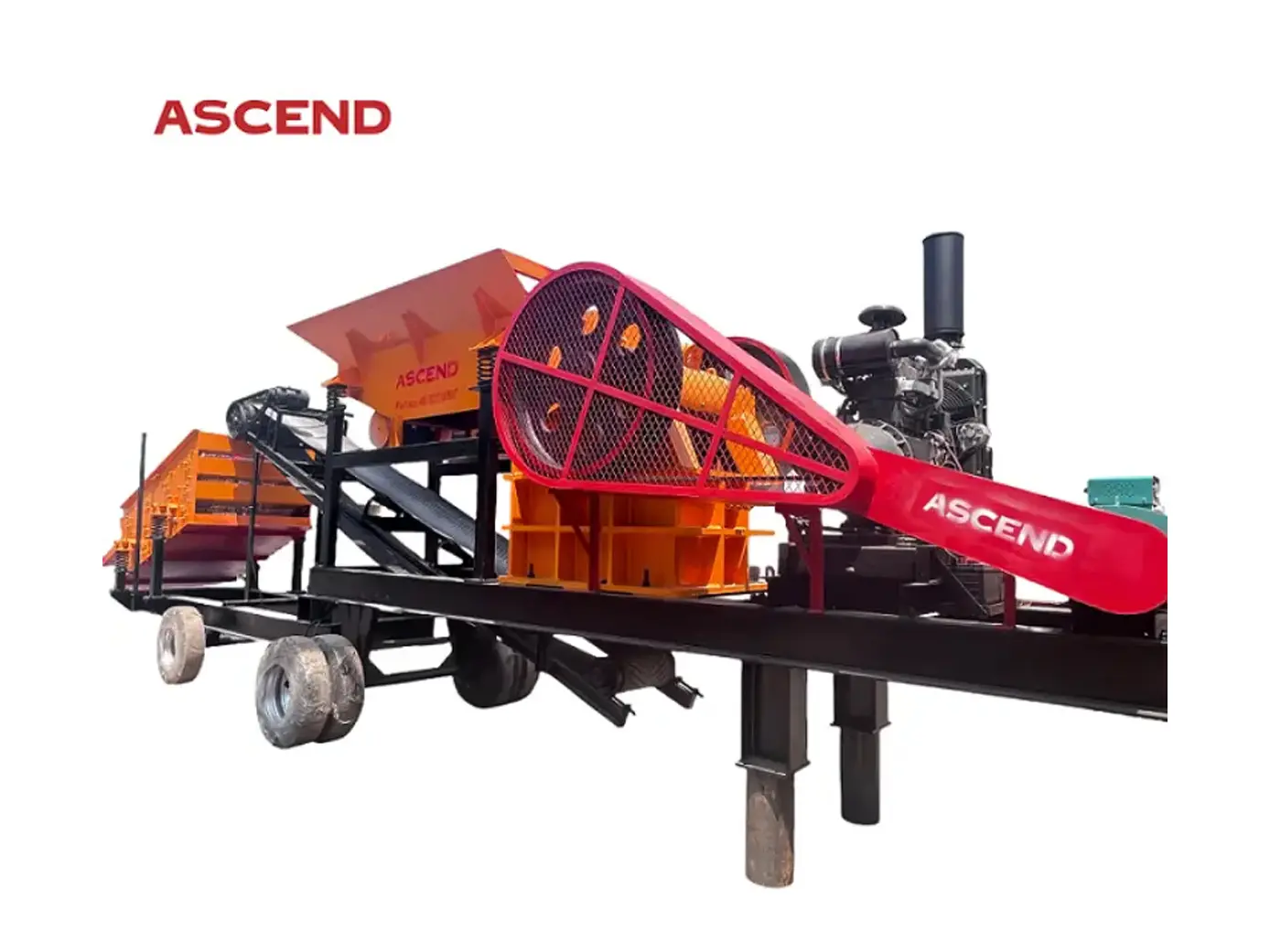
Modern global development relies heavily on aggregates for infrastructural growth. When selecting a wholesale supplier, understanding the pricing metrics is crucial for procurement. The cost of a Symons Cone Crusher is determined by several core variables: steel grades, manganese casting quality, lubrication assembly standards, and hydraulic integration options.
1. Manganese Liner Grade: Wear components (mantle and bowl liners) are typically cast from manganese alloy steel. The percentage of manganese determines both price and longevity. For highly abrasive rocks like quartzite, upgrading from standard 13% manganese (Mn13) to high-manganese alloy (Mn18 or Mn22) increases the purchase price by 15-20% but extends service life by up to 50%.
2. Bushing and Bearing Composition: Symons crushers rely on precision-machined bronze bushings to handle massive crushing thrusts. Cheap imitation components often use low-quality lead bronze which breaks under continuous load. High-grade tin bronze bushings prevent premature seizure and catastrophic equipment downtime.
3. Hydraulic Adjustment Integration: Modern updates to traditional Symons machines feature hydraulic locking and unlocking mechanisms, allowing operators to clear the crushing cavity quickly in case of power failure. Adding this convenience feature shifts the machinery price bracket, which is why detailed manufacturer quotes must reflect your configuration preferences.
Optimize your plant's OPEX by choosing Mn18Cr2 or Mn22Cr2 castings. These premium materials provide longer operational runtimes on hard materials like basalt.
Heavy-duty carbon steel spring coils respond rapidly to non-crushable materials, releasing tramp iron within milliseconds to prevent damage to the mainframe.
Factory-direct sourcing from Henan Ascend bypasses intermediate trading margins. This provides transparent pricing models combined with customizable steel certifications.
Ascend has developed steadily since its establishment. Our operations span over 130 countries and regions globally, with strong footholds in Africa and Southeast Asia.
Our machine quality and after-sales service have won widespread praise from international mining consortiums. We specialize in tailoring custom crushing circuits. By selecting the correct combinations of Symons cone crushers, jaw crushers, and downstream ball mills, we ensure our clients achieve their output targets at minimum energy expenditures.
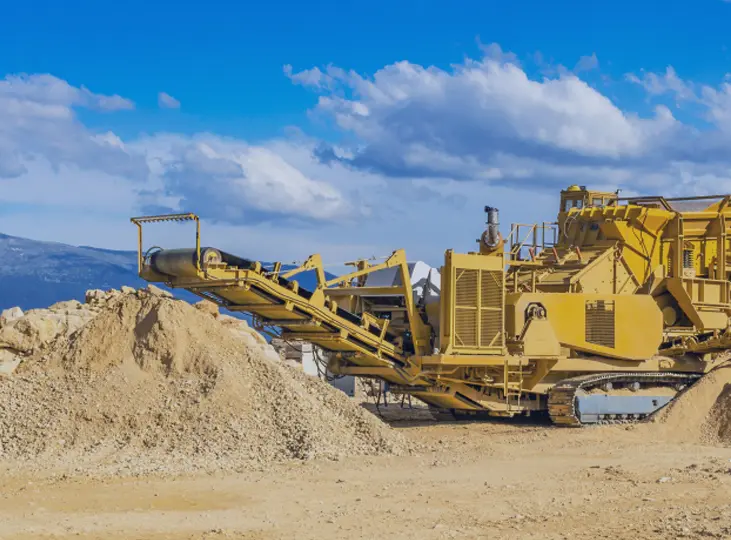
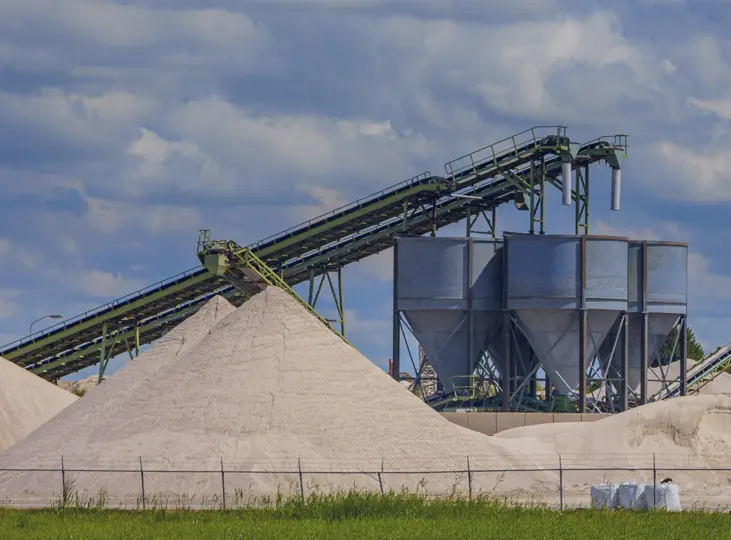
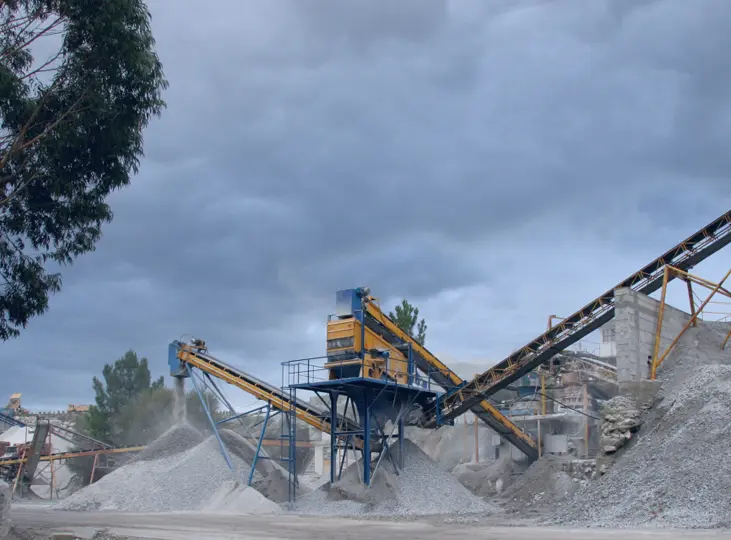
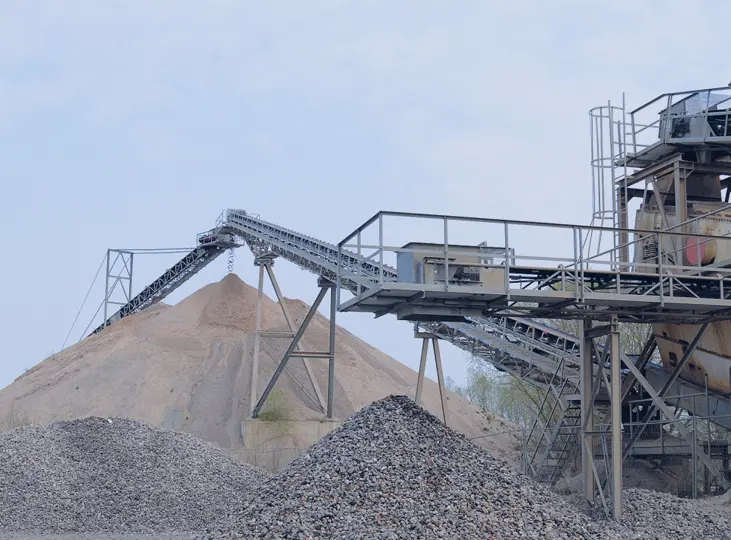
Symons Cone Crushers rarely operate in isolation. In typical mining operations, they form the core of secondary and tertiary sizing circuits. A comprehensive plant layout integrates multiple stages of processing to handle heavy material flow smoothly and protect equipment from damage.
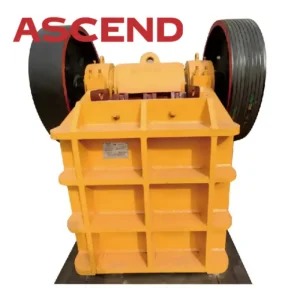
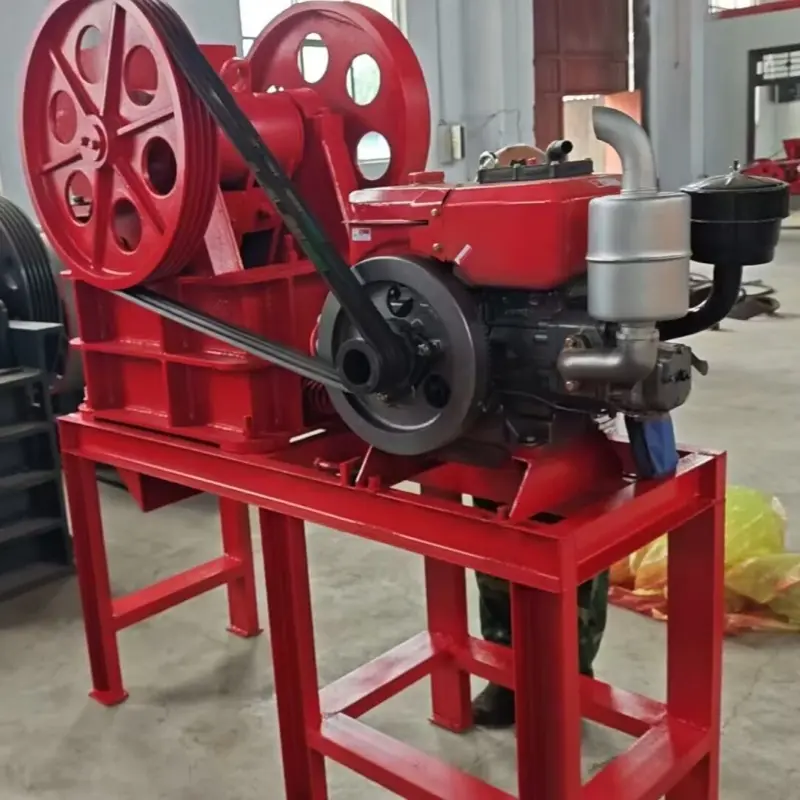
1. Primary Crushing Stage: Large-run-of-mine (ROM) materials are fed into heavy-duty Jaw Crushers (such as the PE series). These machines reduce boulders to a manageable size (typically below 150-300mm).
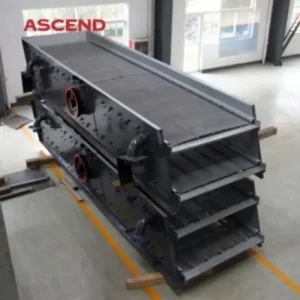
2. Screening & Separation: A *Circular Vibrating Screen* (YZS series) sorts the discharge from the jaw crusher. Materials that are already smaller than the final product size bypass the cone crusher, reducing wear on the cone's liners and optimizing overall circuit efficiency.
3. Cone Crushing Stage: The oversize material goes to the Symons Cone Crusher for fine reduction. The CSS (Closed Side Setting) of the cone crusher is set to match the desired input feed size for the next step, such as grinding mills or impact crushers.
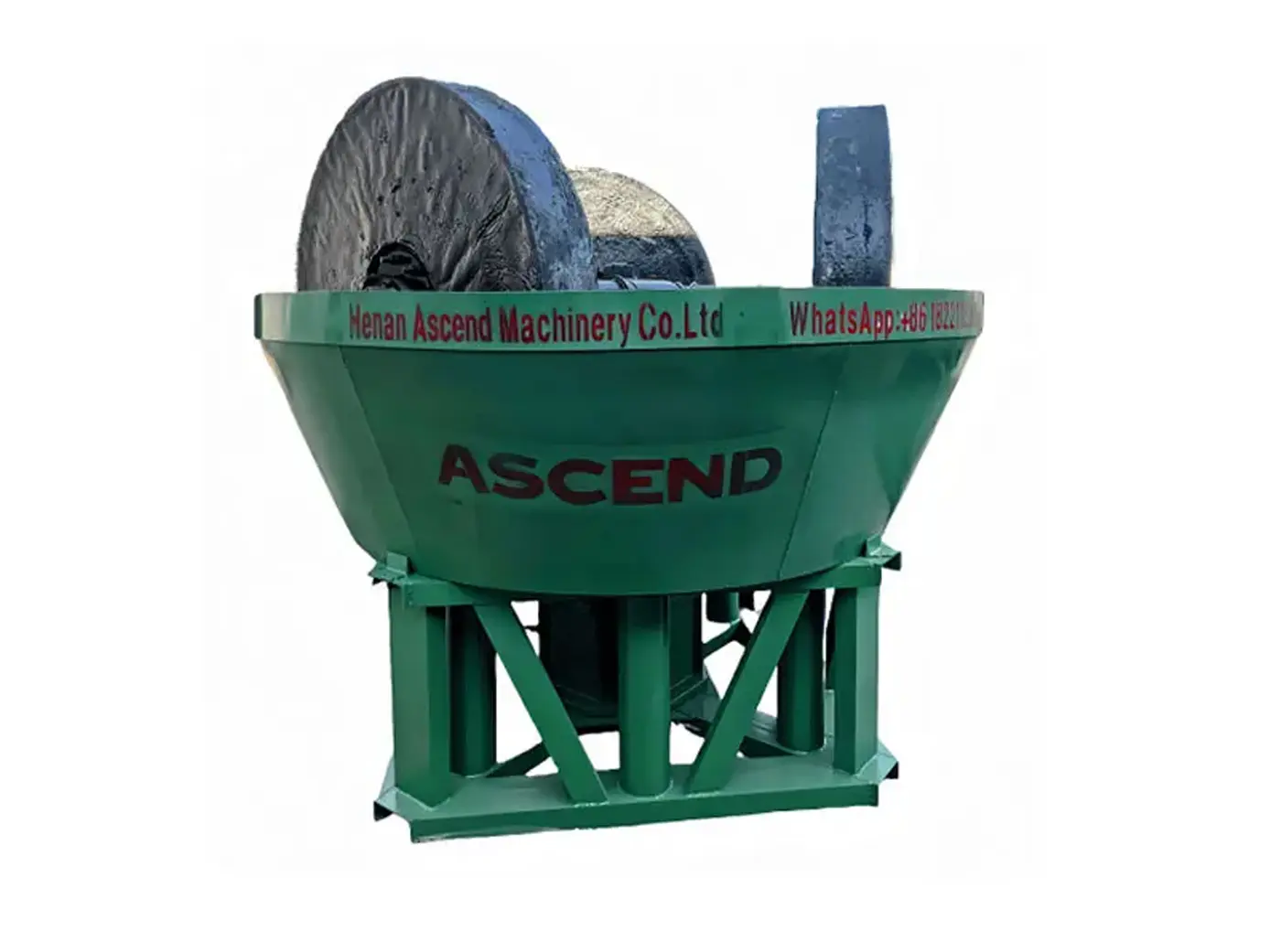
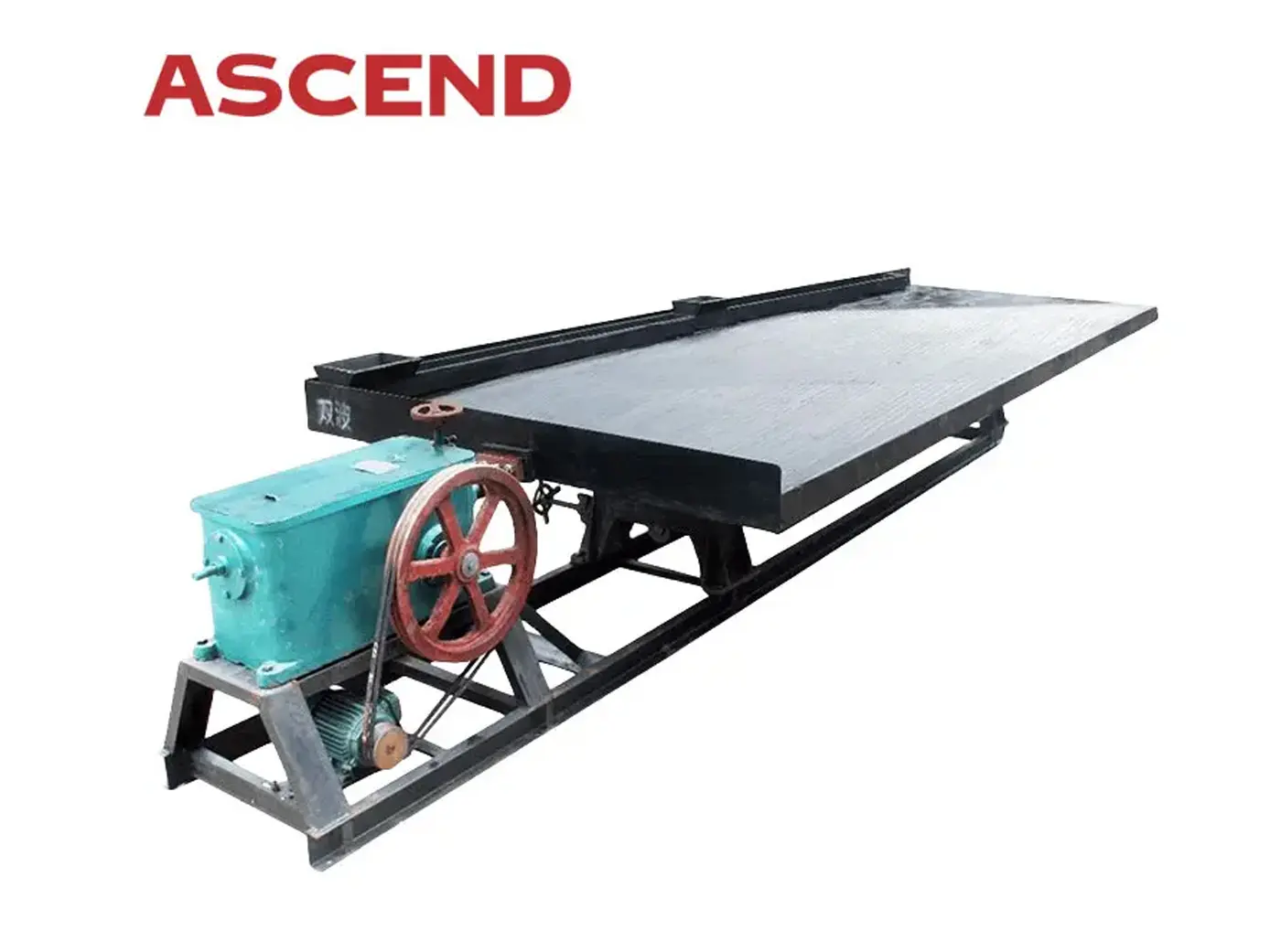
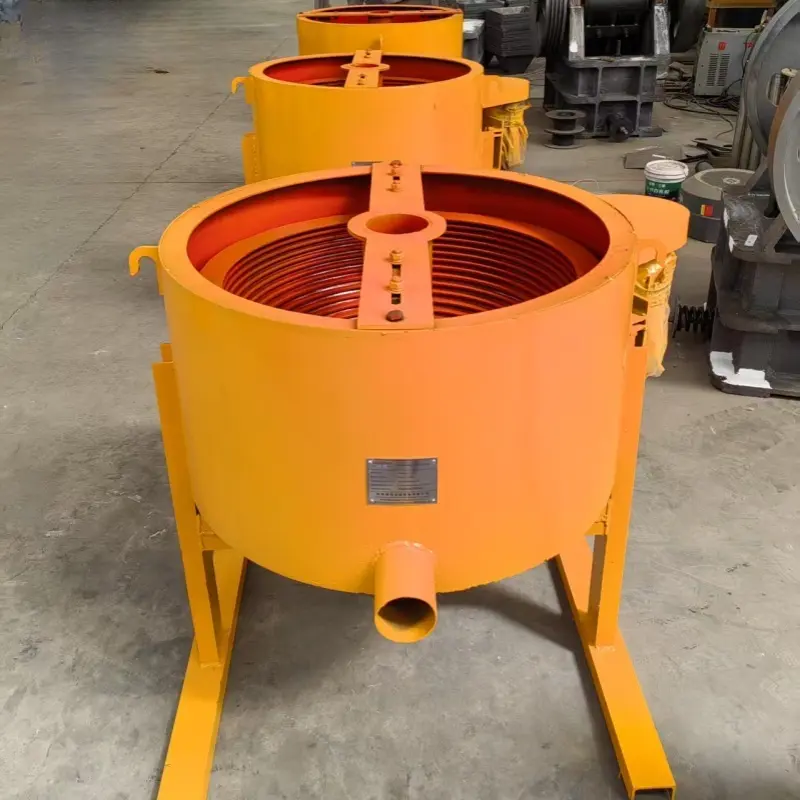
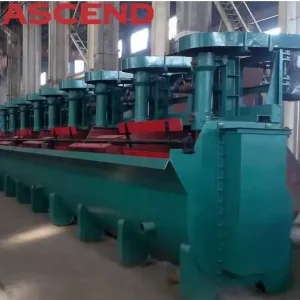
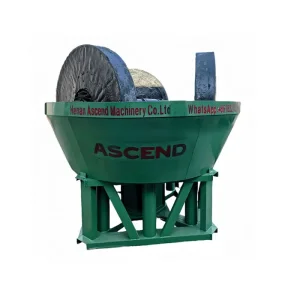
4. Downstream Milling (Gold & Minerals processing): For gold extraction plants, the discharge from the cone crusher goes to a *Ball Mill* or *Wet Pan Mill* to reduce the ore to a fine powder, preparing it for flotation cells or gravity concentration tables.
Real-world application highlights from our client installations, showing systems performing under demanding field conditions.
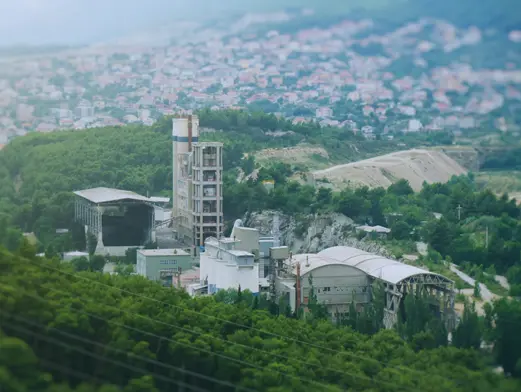
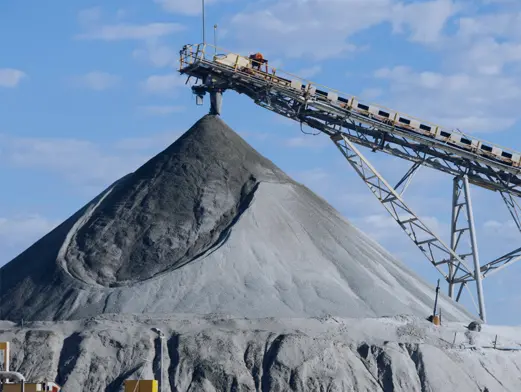
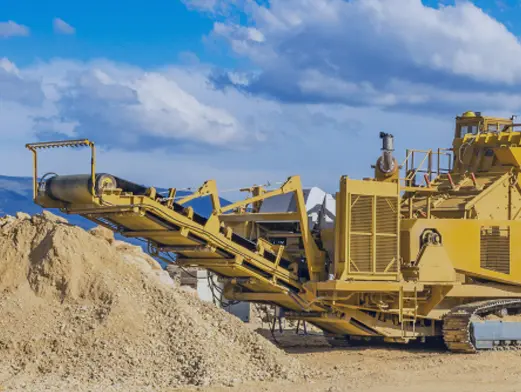
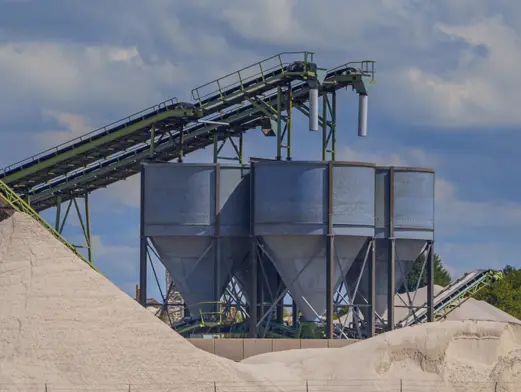
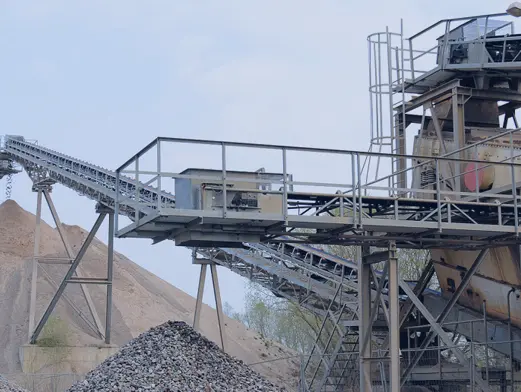
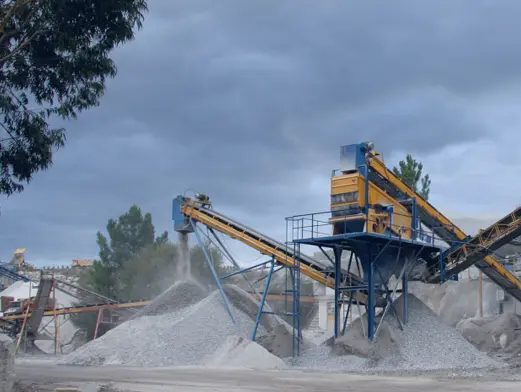
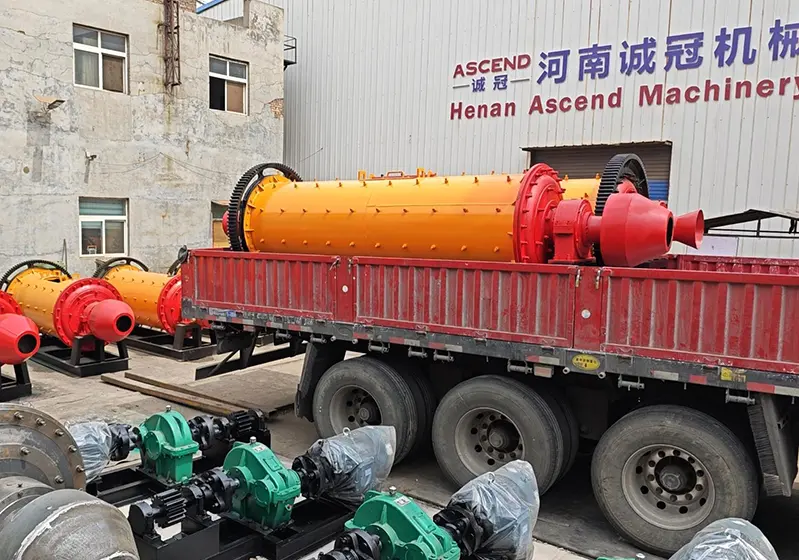
Henan Ascend Machinery & Equipment Co.,Ltd. was established in 2005 and it is located in the high-tech zone of Zhengzhou City, Henan Province. Ascend is mainly engaged in the research and development, manufacturing, sales and after-sales service of complete sets of crushing, grinding, screening, feeding and conveying heavy mining machinery.
If you need to crush limestone, granite, gravel or other stone, or grinding them into powder, or extract gold, please feel free to contact us. Just tell us your needs and our engineers can provide you with professional advice. And we have our own factory, the quality of the machine is guaranteed, the price is more advantageous. We believe that we will be your good choice.
Stay informed with our global shipping logs and plant delivery updates from around the world.
 Export Logistics
 Nov 2025
 Project Shipment
Aug 2025
Project Shipment
Aug 2025
E-E-A-T principles require that industrial suppliers back their machinery with localized engineering support and regulatory compliance documentation. Buying a cone crusher involves establishing a long-term service partnership. Because cone crushers are subject to continuous friction, a secure spare parts supply chain is critical to avoid costly unscheduled downtime.
Industrial machinery must comply with local safety and environmental standards. We ensure all exported machinery meets international requirements, including CE markings for European markets, Gost/EAC certifications for Central Asia, and specific electrical configurations (e.g., NEMA standards for North American power systems). Each Symons unit is manufactured under ISO 9001:2015 quality standards, with certified test reports provided for all load-bearing castings.
Technical Compliance Insight: To protect downstream processes, our lubrication systems feature safety interlocks. These sensors automatically stop the crusher feed if oil temperature exceeds 55°C or line pressure drops below 0.05 MPa, preventing damage to the eccentric bushings.
A crusher is only as reliable as its spare parts supply. We maintain a large stock of replacement components ready for immediate dispatch, including:
Modern mineral processing is moving toward automated, data-driven plant management. The classic mechanical Symons design is being updated with digital monitoring systems to optimize performance and protect components.
Using ultrasonic and radar level sensors, the plant control system monitors feed box level in real time. This allows the system to adjust feeder speeds dynamically, keeping the crushing cavity full (choke feeding) to optimize particle shape and maximize throughput.
By monitoring power draw and setting adjustments over time, our wear diagnostic systems estimate remaining liner life. This lets maintenance teams schedule liner replacements during planned shutdowns, avoiding unexpected failures.
To reduce maintenance times, we offer hydraulic clearing and adjustment systems for standard spring cones. This allows operators to clear a stalled crusher quickly using a hydraulic hand pump, minimizing downtime compared to manual mechanical adjustments.
Answers to common questions regarding procurement, maintenance, and operation of Symons Cone Crushers.
A complete list of our milling, drying, floatation, and fine crushing equipment designed to work alongside your Symons cone crusher circuits.
 Ascend