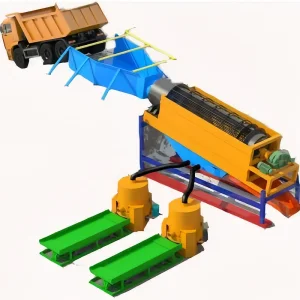
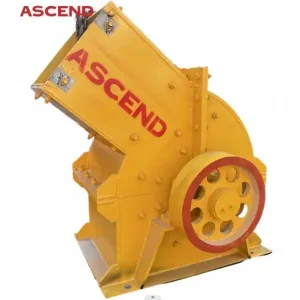
Explore our highly integrated equipment engineered for critical mining, quarrying, and material size reduction applications globally.
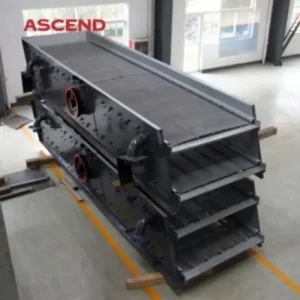
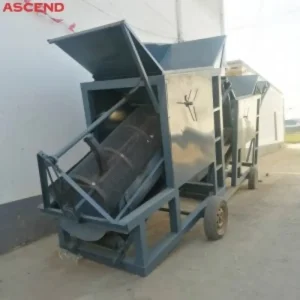
An authoritative guide to understanding comminution dynamics, circuit efficiency, and modern mill design paradigms.
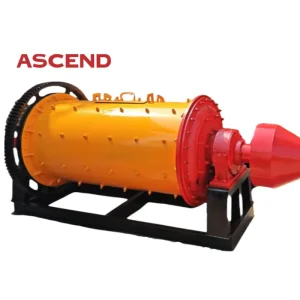
In modern mineral processing, industrial size reduction—commonly referred to as comminution—is one of the most energy-intensive stages of operation. The industrial ball mill stands as the workhorse of this domain. It is designed to perform fine and ultrafine grinding of various ores and chemical materials, reducing feed sizes from approximately 25mm down to target PSDs (particle size distributions) often measured in microns. Achieving high performance in these systems requires deep insights into structural physics, kinetics of grinding media, and structural lining profiles.
The interior dynamics of a ball mill depend closely on its rotational speed relative to its critical velocity. Critical velocity ($N_c$) represents the exact rotational speed at which the centripetal forces match gravitational forces, causing the grinding media (steel balls or pebbles) to centrifuge against the mill wall. Under-speeding results in cascading, where the media rolls down the heap, causing fine, abrasive comminution. Optimal speed—typically 70% to 80% of critical speed—promotes cataracting, where grinding media is lifted to a peak position and projected in a parabolic trajectory, delivering high-impact forces that break larger rock matrices.
To shield the structural outer shell of the ball mill from continuous abrasion and heavy impact, engineers utilize replaceable lining plates. Henan Ascend utilizes high-manganese steel, alloy steel, and modern molded rubber liners. While manganese steels work harden under impact, rubber liners have emerged as highly efficient alternatives for wet grinding processes. Rubber liners not only decrease overall mill weight and noise pollution, but their elasticity also absorbs impacts, reducing structural wear and lowering long-term maintenance costs.
To calculate the power draw requirements of a closed-circuit ball mill, metallurgical engineers depend on the Bond Work Index equation. The energy ($W$) required in kilowatt-hours per metric ton of feed is expressed as:
Where Wi represents the Bond Work Index (kWh/t) determined by laboratory tests, F80 is the feed size where 80% of the material passes, and P80 is the product target size where 80% of the material passes.
Choosing the right grinding method has significant implications for downstream processes like mineral flotation, gravity separation, or chemical extraction. Wet grinding is typically chosen for metallic ores due to its lower energy consumption and compatibility with wet classification systems like hydrocyclones. Dry grinding, on the other hand, is essential in cement production, chemical manufacturing, and silica processing, where water contact causes premature reactions or complex material agglomeration.
| Mill Parameter | Wet Grinding Circuit | Dry Grinding Circuit | Optimization Goal |
|---|---|---|---|
| Pulp Density / Moisture | 60% - 75% solids by weight | < 1% moisture content | Prevent slurry viscosity issues / air fluidization |
| Media Charge Level | 35% - 45% of total volume | 30% - 35% of total volume | Balancing impact forces vs. power consumption |
| Energy Efficiency | High (typically 30% more efficient) | Moderate to Low | Minimizing operational expenditure (OPEX) |
| Primary Classifier | Hydrocyclone / Spiral Classifier | Dynamic Air Separator | Eliminate circulating load issues and over-grinding |
Providing customizable production circuits tailored to achieve high recovery rates across regional geologic variations.
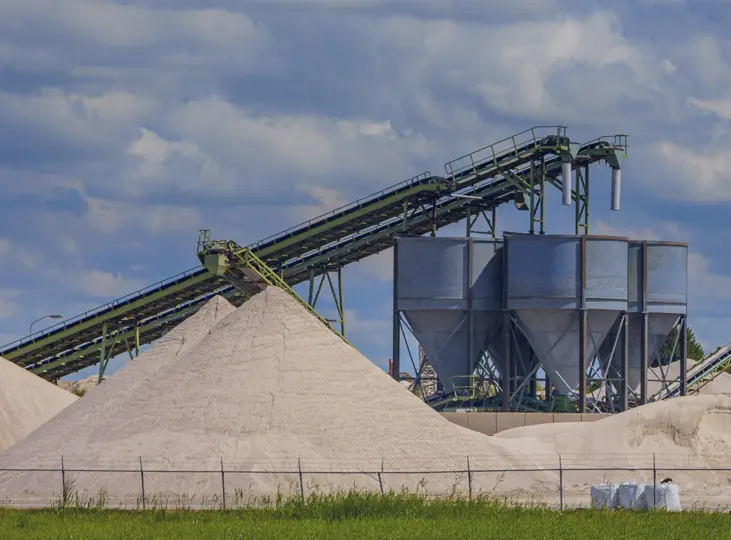
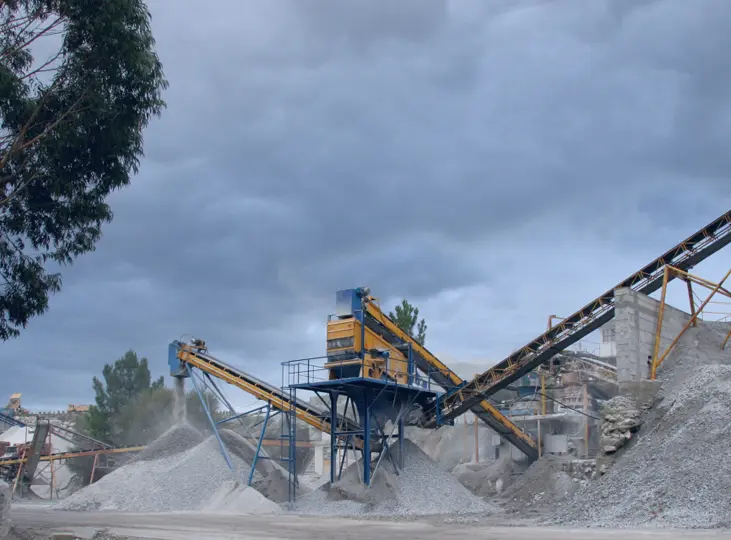
Ascend has developed steadily since its establishment in 2005. Its business covers more than 130 countries and regions around the world, especially in Africa and Southeast Asia. We recognize that no two mineral deposits are alike. High-grade gold ores in Sudan demand a different processing route than complex alluvial deposits in Papua New Guinea or hard-rock iron ores in Zambia.
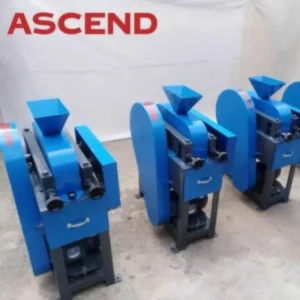
Our engineering approach begins with feed characterization. We perform mineralogical testing, work index determination, and sizing analysis. We then design the layout of the circuit—which may incorporate mobile jaw crushers, hammer mills, and ball mills—to ensure seamless flow, prevent bottlenecking, and minimize overall energy consumption.
Deep dive into the operational mechanics of our main equipment classifications.
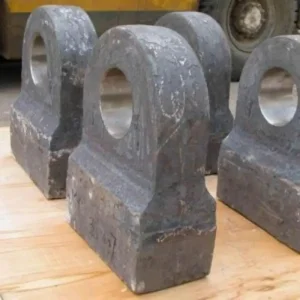
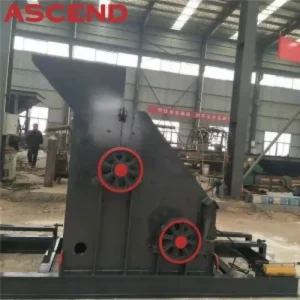
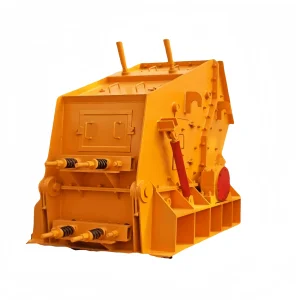
Impact crushers act as secondary and tertiary crushing equipment, using impact force to break materials. They feature easy maintenance, high reduction ratios, and high efficiency to produce precisely cubical shapes. They are designed with three crushing chambers, a seamlessly connected rotor, wear-resistant blow bars, and dynamic hydraulic start-up mechanisms. Ideal for primary mineral size reduction stages.
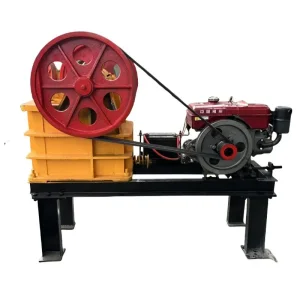
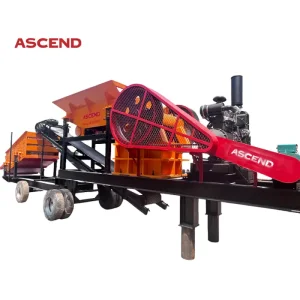
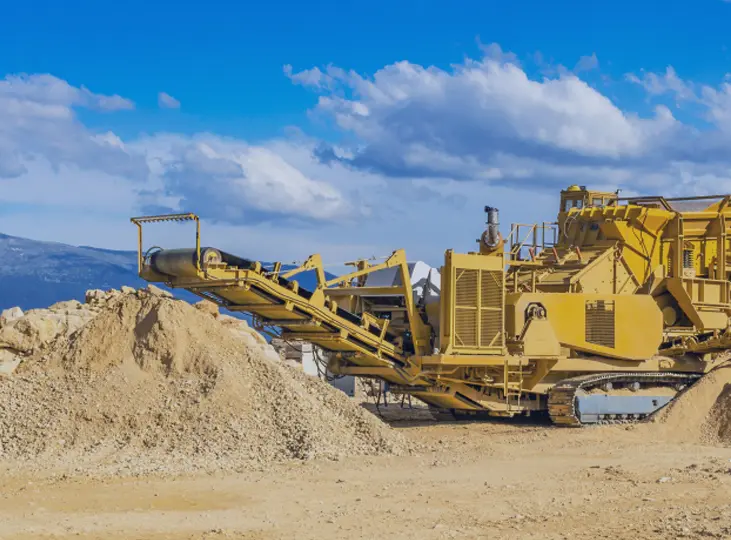
Designed for immediate on-site operation, these plants integrate diesel engine jaw crushers, screens, and conveyors onto a single mobile chassis. Perfect for remote gold mining concessions in Africa and PNG, they allow operations to move along with the excavation face, reducing raw material transport costs.
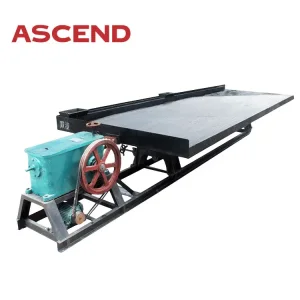
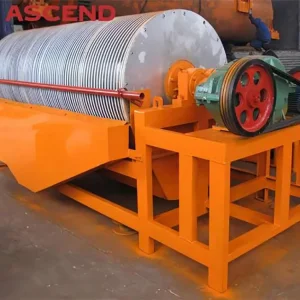
Our gravity separation shaking tables and magnetic separator units are designed to concentrate valuable minerals from ball mill discharge slurries. This equipment leverages density differences and magnetic susceptibilities to maximize concentrate grades while minimizing tailings losses.
Real-world evidence of our manufacturing footprint and logistical reach to remote mining zones.
Ascend PE250x400 model diesel-driven jaw crushers safely packed and shipped to remote quarry operations in PNG.
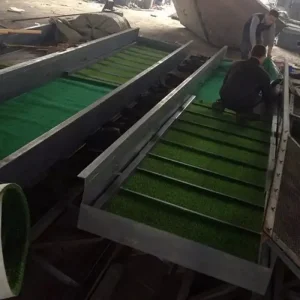
Two complete sets of gold kacha concentrators with integrated sizing screens shipped to processing plants in Zambia.
High-recovery gravity separation 6-S shaking tables shipped to artisanal and medium-scale gold operations in Sudan.
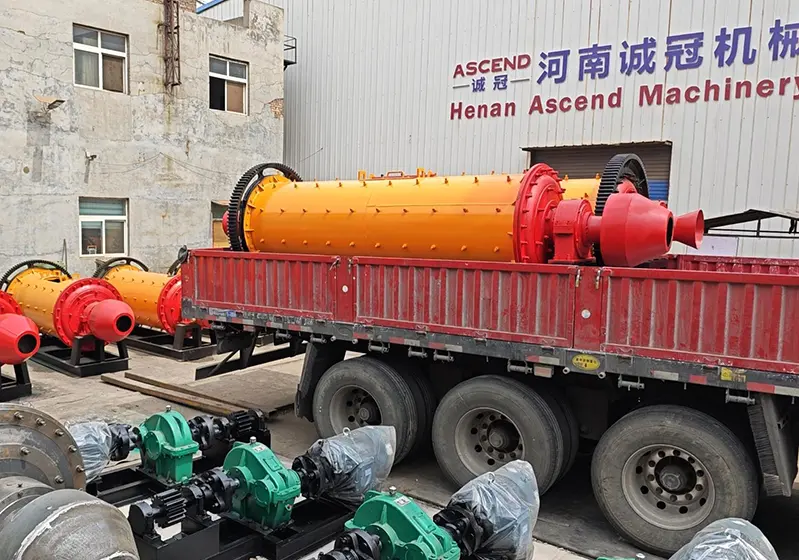
A custom-built 900x3000 diesel engine ball mill was dispatched to PNG to support off-grid gold ore processing.
A PE250x400 diesel-powered mobile jaw crusher plant was delivered to small-scale mining collectives in Tanzania.
A heavy-duty primary jaw crusher (PE600x900) was exported to help scale copper-bearing rock processing in Zambia.
Understanding the shift towards smart, sensor-driven milling technologies and zero-waste processing circuits.
The future of industrial size reduction centers on energy optimization and real-time process control. Historically, ball mills have operated as "black boxes" with operators relying on static measurements to estimate internal conditions. Modern advancements are changing this:
By installing acoustic sensors on the outer shell of the ball mill, smart control systems analyze the frequency spectrum of the media impacts. A dry, high-frequency sound indicates direct steel-on-steel impact (signaling an underloaded mill or excessive wear), whereas a muffled, low-frequency sound indicates thick material cushioning. Integrated AI algorithms dynamically adjust the feed rate to maintain optimal grinding performance, reducing energy waste and wear.
Connecting the ball mill discharge pump to online particle size analyzers allows the system to continuously monitor the product slurry. By adjusting water injection rates and feed speeds based on classifier performance, the circuit prevents over-grinding, which saves energy and helps protect mineral surfaces for downstream flotation processes.
Furthermore, environmental compliance is driving the development of hybrid grinding circuits. For dry grinding, dust capture systems and closed-circuit baghouses are standard. In wet grinding, water recycling systems reclaim up to 95% of process water from tailings, making operations viable in dry regions like Sudan, Western Australia, and parts of South America.
Henan Ascend Machinery & Equipment Co.,Ltd., established in 2005 and headquartered in the High-Tech Industrial Zone of Zhengzhou City, Henan Province, operates a large, specialized production factory. Our manufacturing systems comply with ISO 9001 and CE standards.
We offer robust localization support, including:
Technical explanations to assist procurement officers and engineers with ball mill planning and operations.
Complementary equipment designed to optimize feed sizes and downstream concentration stages.
 Ascend