In modern industrial manufacturing, the production of cement is historically recognized as both resource-heavy and energy-intensive. Grinding processes, particularly during the conversion of raw material mixes and clinker into high-grade cement, consume over 60% to 70% of the plant's total electrical power. As cement plants globally strive to lower carbon footprints and optimize operational expenditures (OPEX), the selection of industrial-grade wholesale ball mills for cement plants emerges as a core strategy.
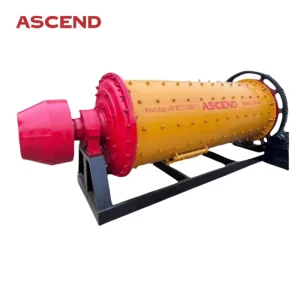
A cement ball mill operates as a horizontal cylinder filled with steel balls or grinding media that rotates about its axis, imparting cascading and cataracting forces on raw materials. The mechanical impact and friction shear down large clinker rocks, gypsum, and additives into ultra-fine powder. Today's high-tech mills utilize advanced closed-circuit systems integrated with dynamic high-efficiency air separators, resulting in a narrower particle size distribution (PSD) and significantly reduced over-grinding losses.
Every industrial project is characterized by unique geographic settings, varying raw material parameters, and environmental regulations. Henan Ascend Machinery delivers integrated macro-system configurations, designed specifically to match regional clinker hardiness and production demands:
China has evolved from a basic equipment fabricator to a global leader in high-performance metallurgy, engineering design, and digital industrialization. Exploring the core competencies reveals why procurement managers prioritize Chinese factories for heavy-duty grinding infrastructure.
Ball mills require massive casting components, including girth gears, trunnions, and heavy-duty shells. Chinese industrial hubs host some of the world's largest casting and forging facilities, allowing for single-pour steel castings that are highly resistant to stress fractures, ensuring continuous operation for up to 30 years without structural deformation.
By localizing raw steel supplies, bearing assemblies, gear transmission structures, and digital drive controls within tight geographic industrial belts (such as Henan's heavy machinery parks), Chinese manufacturers minimize raw material logistics and transit expenses. This structural efficiency translates directly to highly competitive FOB/CIF wholesale prices.
Chinese factories specialize in adapting standardized engineering platforms to match customized parameters. Whether a client requires specific diaphragm plate spacing, chrome alloy liner profiles for ultra-abrasive raw materials, or a particular lubrication station footprint, engineers can deliver detailed CAD and 3D simulations in a fraction of standard lead times.
From site-planning support and installation supervision to final commissioning and operational training, Chinese export leaders like Henan Ascend maintain on-site technical teams across major developmental regions—especially in Southeast Asia, the Middle East, Central Asia, and Africa.
Ascend has developed steadily since its establishment. Its business covers more than 130 countries and regions around the world, especially in Africa and Southeast Asia. Also, Ascend machine quality and after-sales service have won widespread praise from international customers.
Henan Ascend Machinery & Equipment Co.,Ltd. was established in 2005 and it is located in the high-tech zone of Zhengzhou City, Henan Province. Ascend is mainly engaged in the research and development, manufacturing, sales and after-sales service of complete sets of crushing, grinding, screening, feeding and conveying heavy mining machinery. If you need to crush limestone, granite, gravel or other stone, or grinding them into powder, or extract gold, please feel free to contact us. Just tell us your needs and our engineers can provide you with professional advice. And we have our own factory, the quality of the machine is guaranteed, the price is more advantageous. We believe that we will be your good choice.
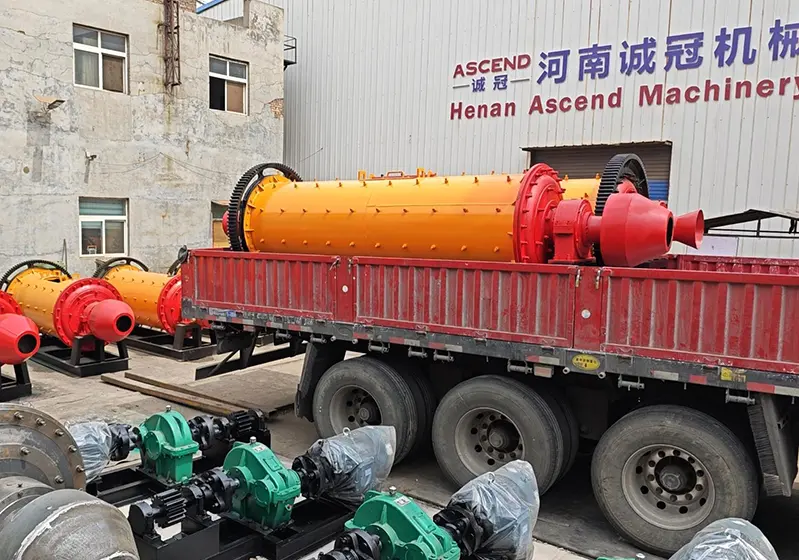
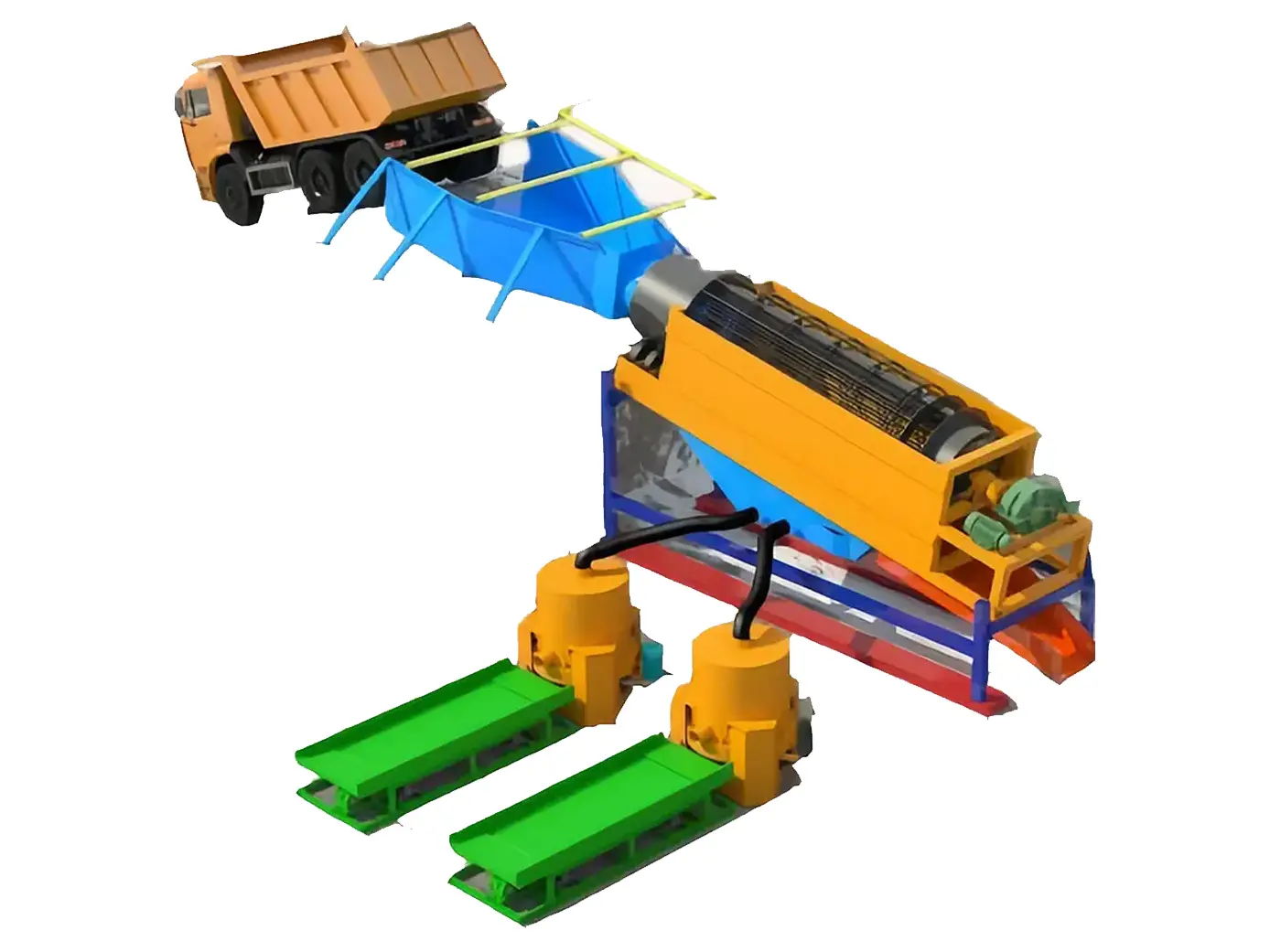
Integrated Mining & Minerals Processing: Ascend engineers tailor complete plants for crushing and grinding raw material flows, optimizing particle size distribution for chemical reaction speed in clinker manufacturing processes.
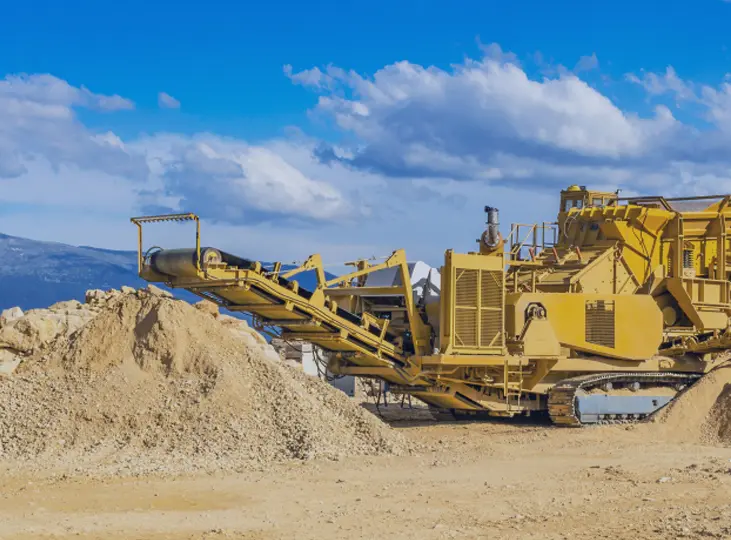
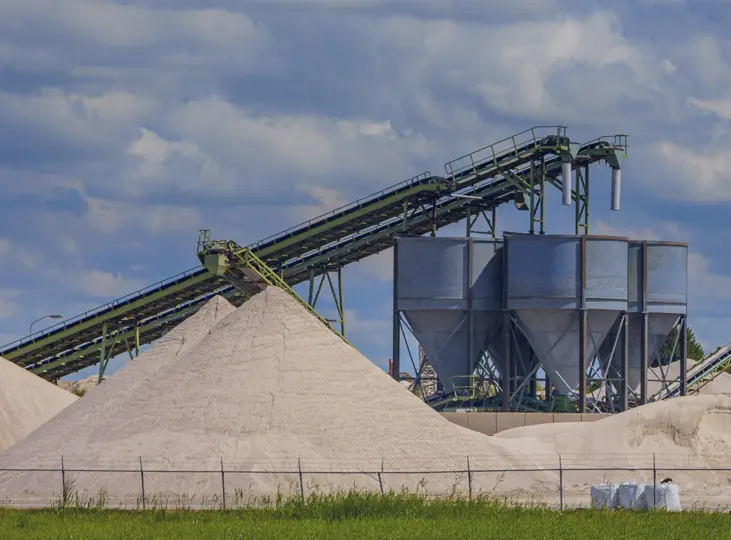
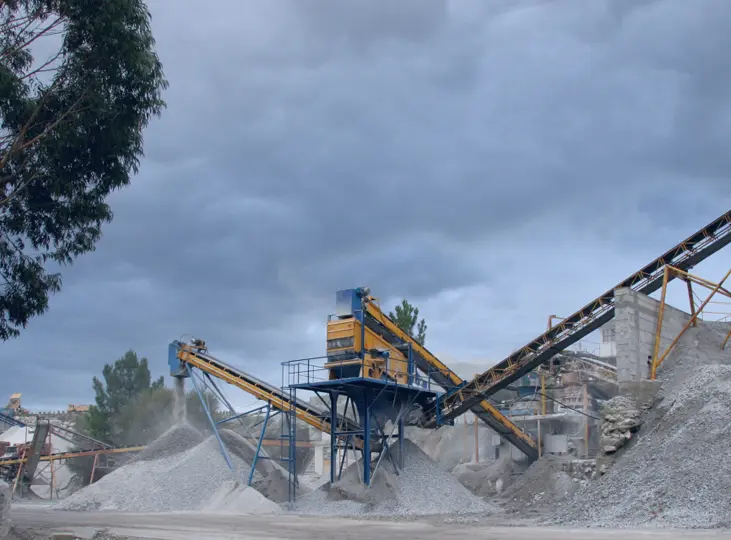
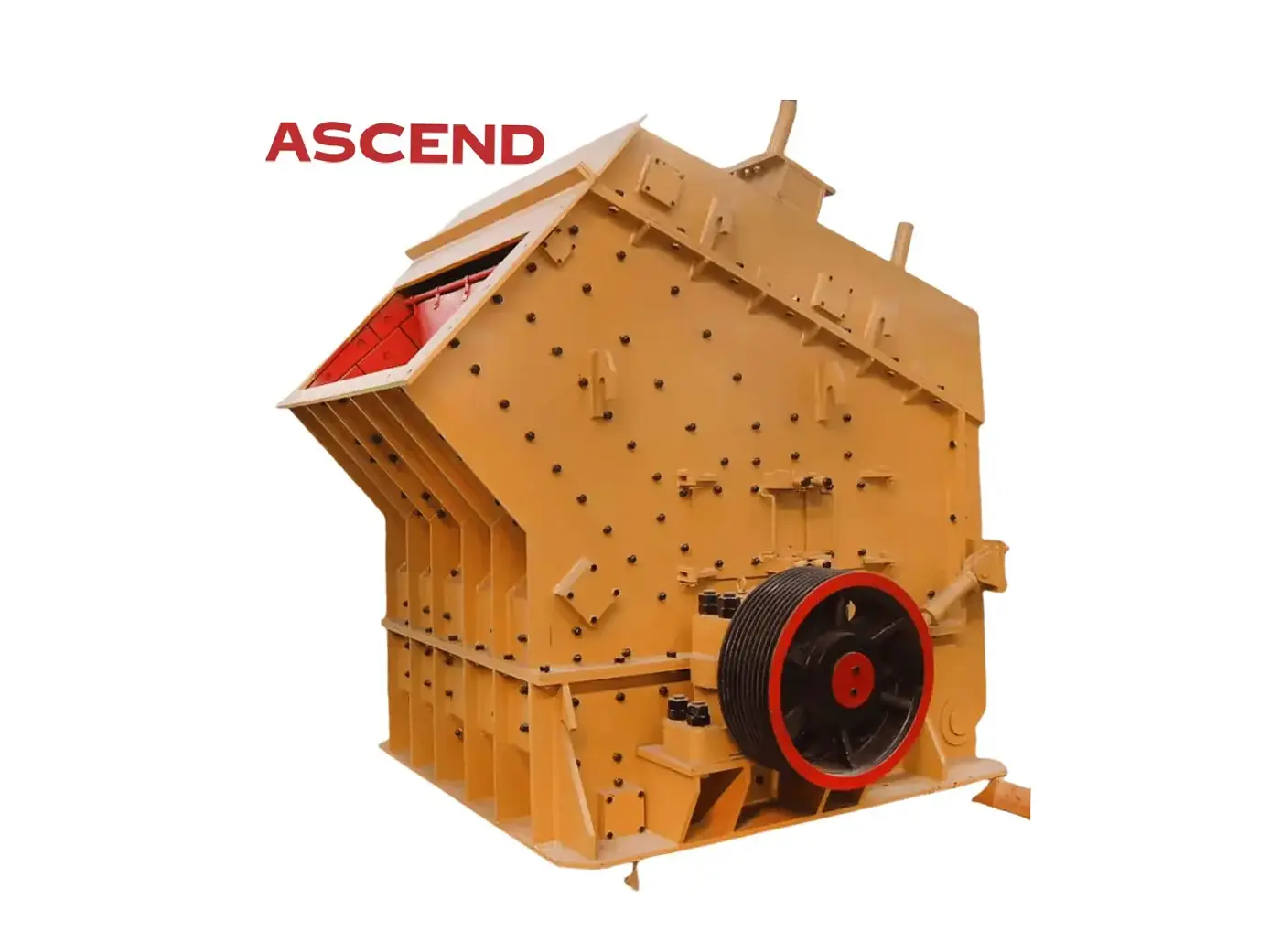
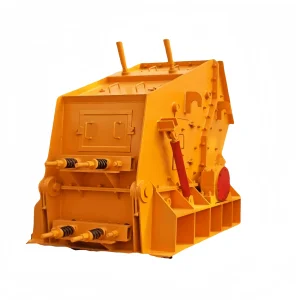
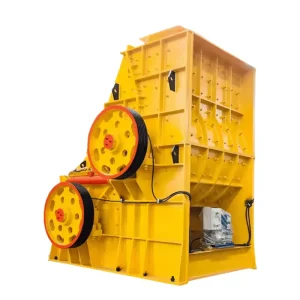
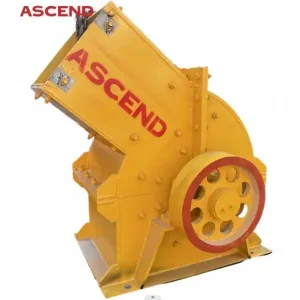
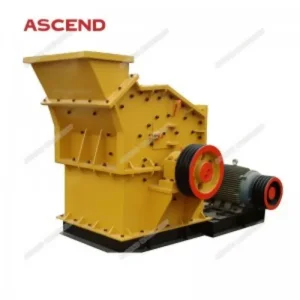
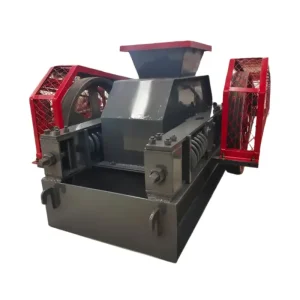
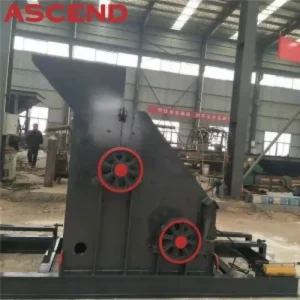
Impact crusher is a kind of secondary crushing equipment which uses impact power to crush materials. Impact crusher is characterized by easy maintenance, high reduction ratios and high efficiency to produce precisely cubic shape products. It is designed with three crushing chambers, seamlessly connected rotor, wear-resistant blow bar and installation of insert type. Moreover, it has tooth type liner, gradient designed bearing seat, frame with several openings and screws or hydraulic start-up devices. Impact crushers can be used in all different stages of size reduction from primary crushing to the last step of the crushing process.
In the context of a cement plant, installing a pre-crushing system (utilizing impact crushers or jaw crushers) before the ball mill feed inlet can reduce the feed size down to below 10 mm. This simple configuration adjustment increases the throughput of the ball mill system by 20% to 30%, while dramatically reducing grinding media wear rate.
The global cement manufacturing industry is shifting rapidly towards high-performance metrics, automation, and green manufacturing. Staying competitive requires understanding the latest technology transitions in ball mill system operations.
Modern cement mills integrate Acoustic Sensors and Multivariable Control Systems. These systems monitor the specific frequency of the sound emitted by the rotating cylinder shell. By utilizing advanced algorithms, the control system calculates the internal mill loading dynamically, preventing overfilling and optimizing the continuous feed rate to achieve stable product quality.
Wear costs form a major part of finish-grinding OPEX. Traditional carbon steel balls have been replaced with high and ultra-high chromium cast alloy balls. High chromium liners and diaphragms retain physical shape profiles longer, maintaining lift efficiency and optimizing cataracting impacts for efficient raw material shearing.
Open-circuit mills suffer from high energy loss due to particles remaining in the chamber long after they have reached target fineness. Introducing dynamic air classifiers enables high-efficiency separation, routing coarse particles back to the mill inlet and only discharging fine material that meets target quality specifications.
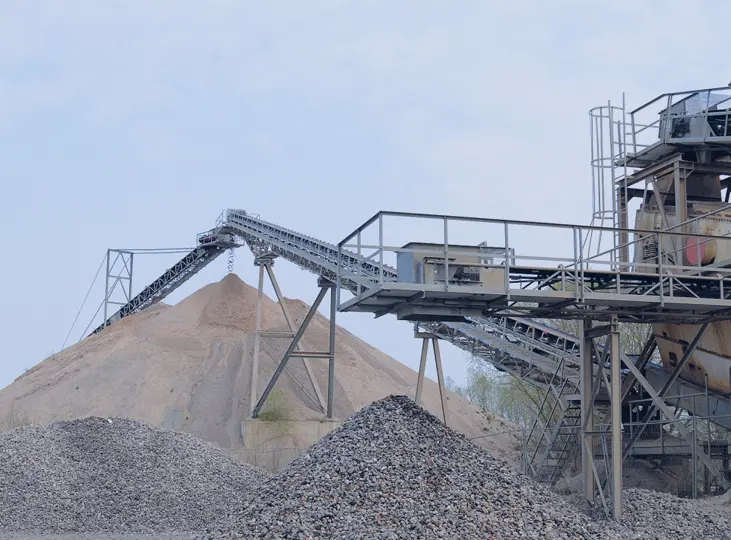
View our proven global installations and execution works. From robust structural assemblies to targeted site layout layouts.
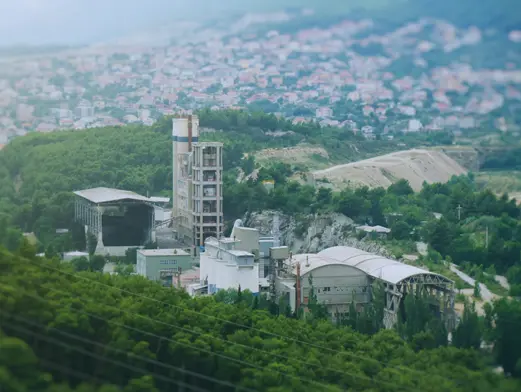
Primary Clinker Grinding Setup
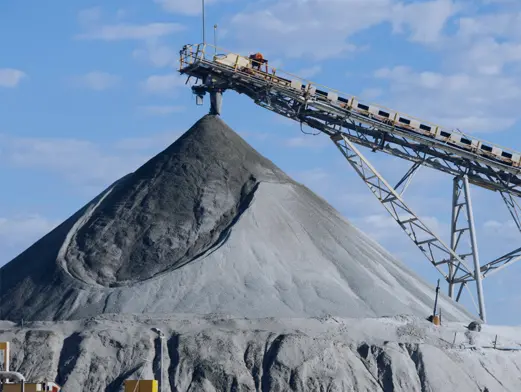
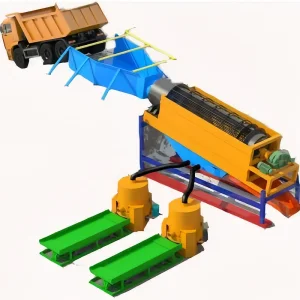
Raw Material Processing Station
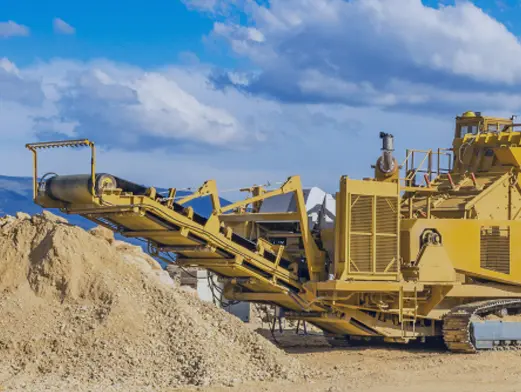
Large-Scale Mineral Beneficiation
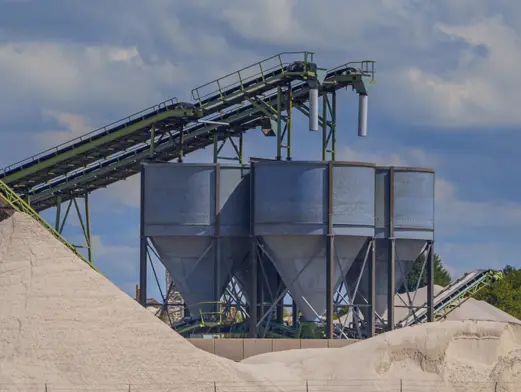
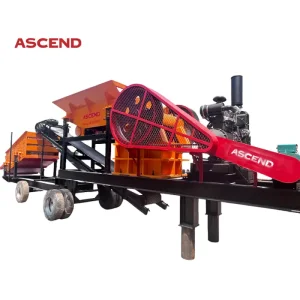
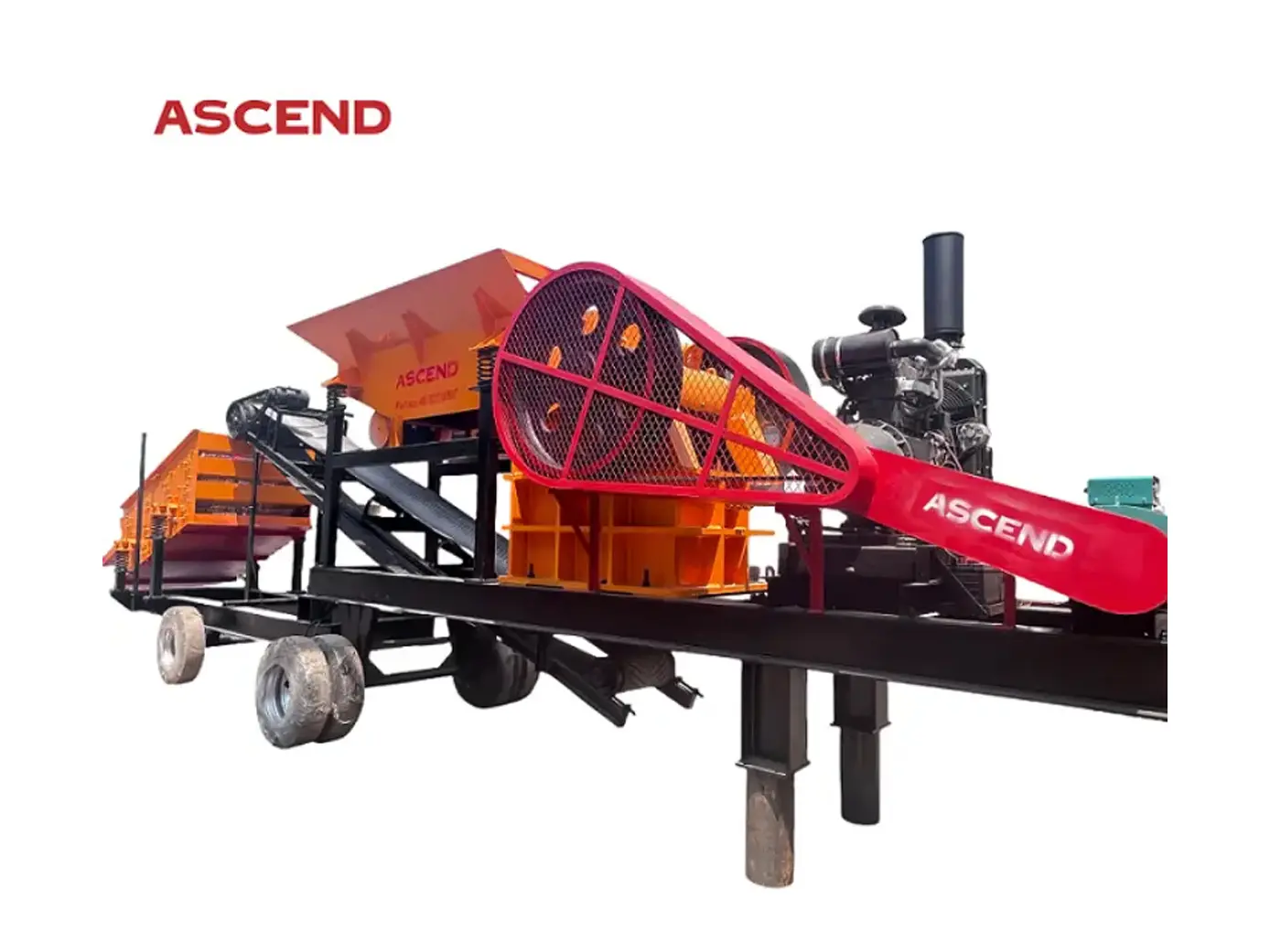
Mobile Aggregate Processing Station
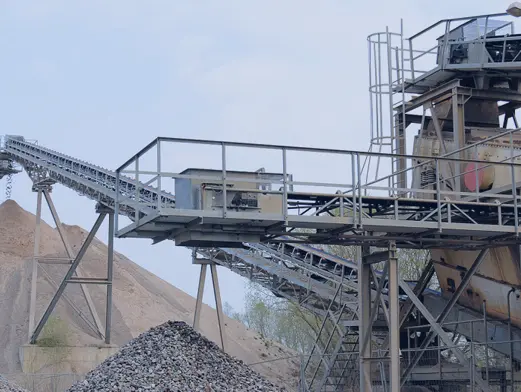
Crushing and Sorting Line Construction
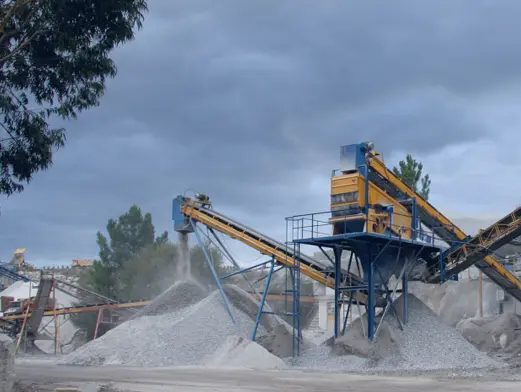
Heavy-Duty Finishing Plant
When procuring heavy industrial ball mills, international cement conglomerates and engineering firms prioritize long-term performance consistency and strict adherence to global compliance standards:
Industrial machinery must be engineered to operate reliably in diverse climates and regional terrains:
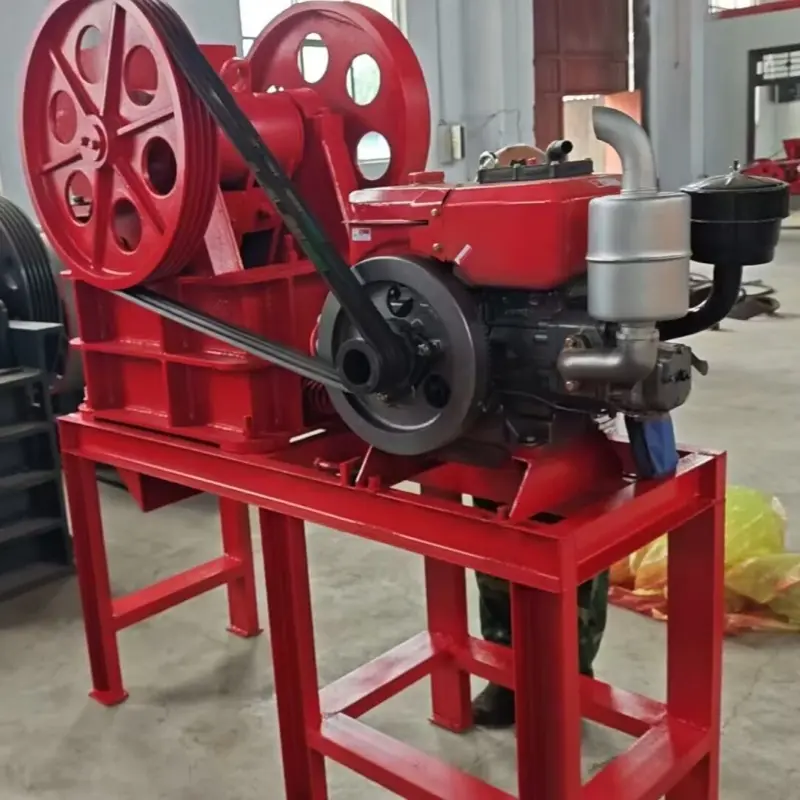
Nov 2025 - Delivering critical primary material crushing components to support regional construction developments.
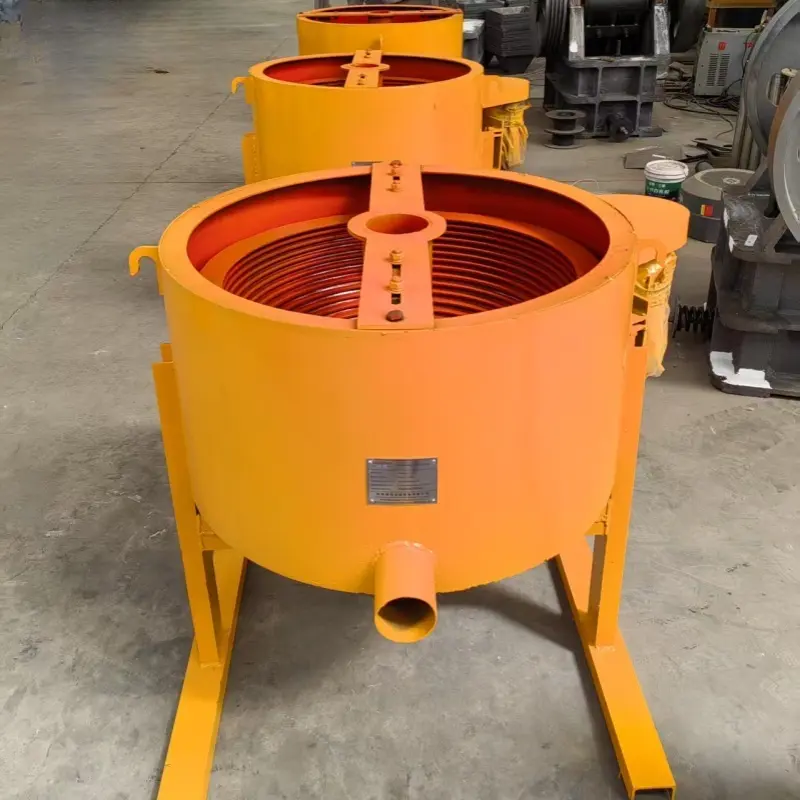
Aug 2025 - Providing optimized separation solutions to local operations in Zambia.
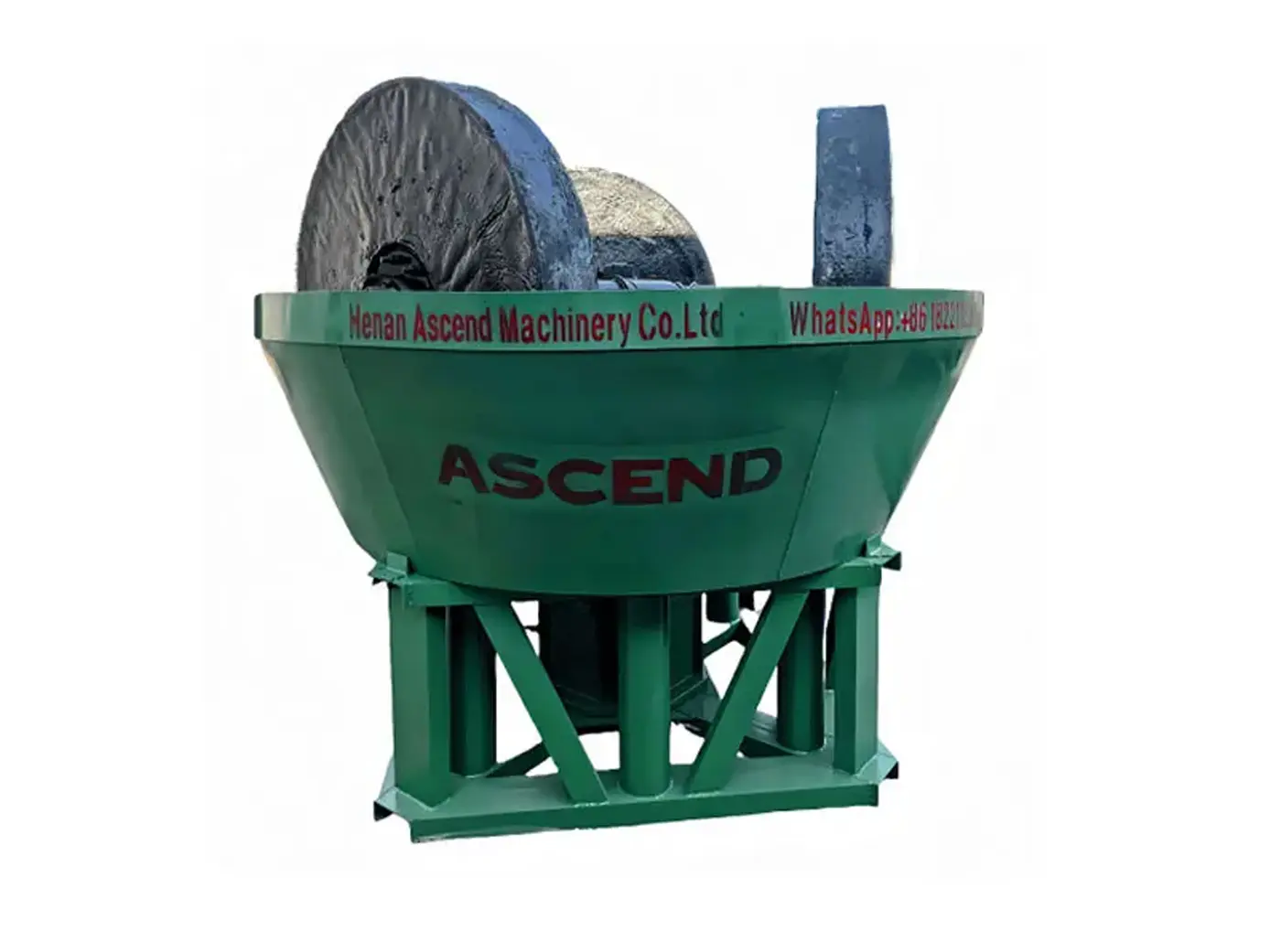
Supporting fine gravity concentration and mineral refinement structures.
Enabling regional off-grid grinding power via high-efficiency diesel configurations.
Flexible modular primary processing units supporting regional infrastructure.
Supplying heavy duty mechanical systems for mineral size reduction plants.
Get answers to technical queries regarding structural installation, maintenance, and power optimization.
 Ascend