Explore our high-performance crushing, grinding, and gravity separation machinery designed for maximum ore liberation and recovery.
The global gold mining sector is undergoing a profound structural transition. As high-grade, easily accessible near-surface deposits face depletion, mining enterprises are increasingly forced to process complex, lower-grade refractory ores. This shift places the comminution circuit—specifically the gold grinding mill—at the very center of operational profitability and metallurgical efficiency.
Comminution (crushing and grinding) is historically the most energy-intensive stage of mineral processing, accounting for up to 50% of a mine's total operating costs and roughly 3% to 4% of global electrical energy consumption. Consequently, the selection of grinding technology is no longer merely a mechanical decision; it is a critical financial lever. In regions like Sub-Saharan Africa (Zambia, Sudan, Tanzania), Southeast Asia, and Latin America, the balance between capital expenditure (CAPEX) and operational expenditure (OPEX) determines the viability of medium-scale mining projects.
For artisanal and small-to-medium scale gold miners (ASGM), the challenge is twofold: achieving a high liberation size of gold particles from host quartz veins while minimizing energy input and water consumption. Traditional stamp mills and inefficient grinding methods are rapidly being replaced by advanced wet pan mills and modular ball mills. These modern systems offer controlled particle size distribution, preventing over-grinding (which leads to gold sliming and subsequent recovery losses on shaking tables) while ensuring the target liberation size is consistently met.
Understanding the mechanical and physical principles that govern efficient gold ore reduction.
Grinding is the final stage in the comminution process where particles are reduced from a top size of approximately 10–25 mm down to the target liberation size, often measured in microns (e.g., P80 passing 74 microns or 200 mesh). The physics of grinding involves a combination of impact, attrition, and shear forces:
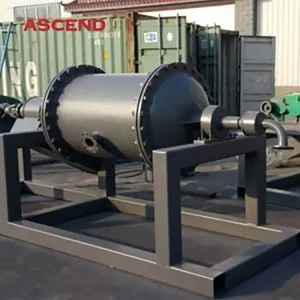
In a traditional ball mill, grinding is achieved primarily through impact (falling grinding media striking the ore) and attrition (ore particles rubbing against each other and the mill liners). The mill speed must be carefully calibrated relative to its critical speed to ensure a cascading or cataracting motion of the steel balls. If the mill rotates too fast, centrifugal force holds the balls against the shell; if too slow, the balls roll without sufficient impact energy.
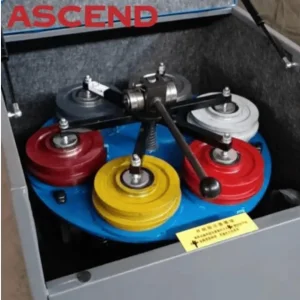
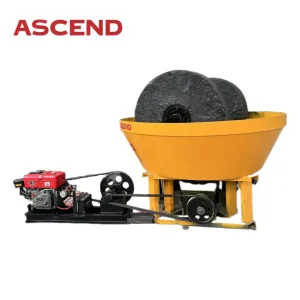
In contrast, a wet pan mill (often referred to as a gold grinding machine or roller mill) operates primarily on shear and compressive forces. Heavy iron rollers rotate within a pan, crushing the ore against a base plate. This action is highly effective for free-milling gold ores where the gold is hosted in quartz. The shearing action flattens the malleable gold particles rather than breaking them, which makes subsequent gravity separation on shaking tables or gold kacha concentrators highly efficient.
Variable frequency drives (VFD) allow real-time adjustment of mill rotation speed to match changing ore hardness, reducing energy waste by up to 15%.
Utilization of high-chromium steel and manganese liners extends the operational lifecycle of grinding plates and liners, minimizing downtime.
Integration of hydrocyclones or high-frequency screens ensures that only under-sized particles proceed to recovery, preventing over-grinding.
Ascend has developed steadily since its establishment in 2005. Our business covers more than 130 countries and regions around the world, especially in Africa and Southeast Asia. Ascend machine quality and after-sales service have won widespread praise from international customers.
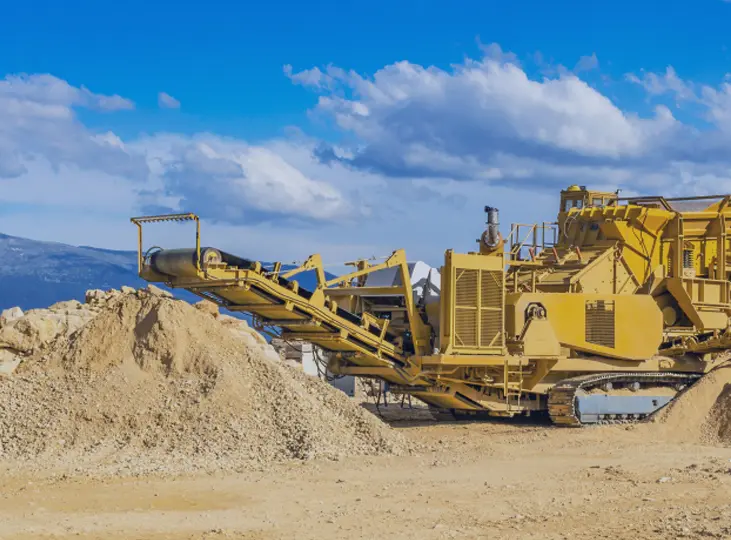
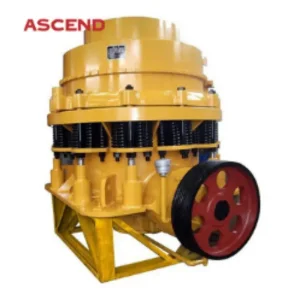
Complete EPC solutions for gold beneficiation, including crushing, grinding, gravity separation, and smelting. Tailored to maximize recovery rates based on ore mineralogy.
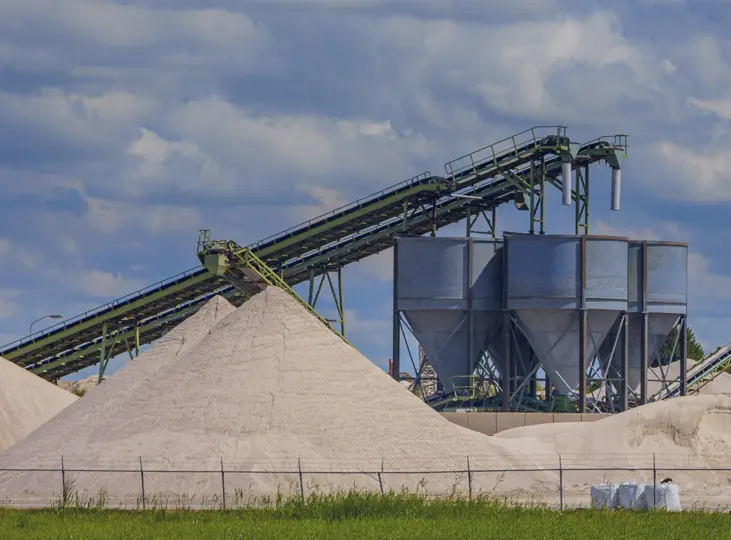
Heavy-duty crushing and grinding circuits designed for continuous, high-throughput operations in harsh environments. Engineered for durability and ease of maintenance.
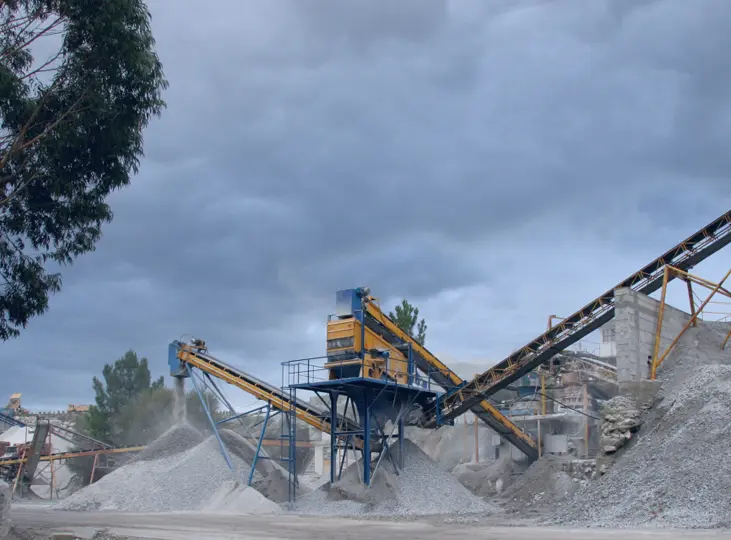
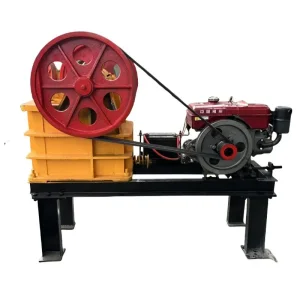
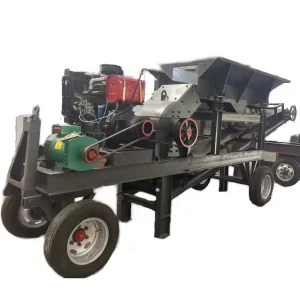
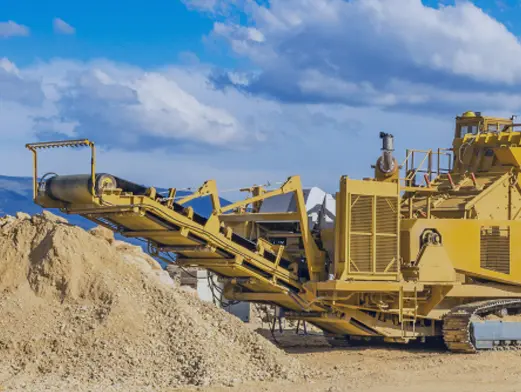
Flexible, diesel-driven mobile crushing units designed for rapid deployment in remote sites, reducing material transport costs and accelerating project timelines.
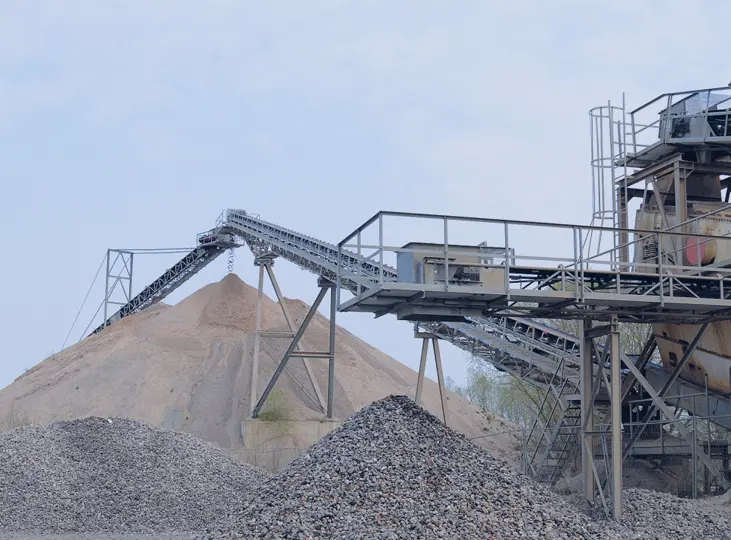
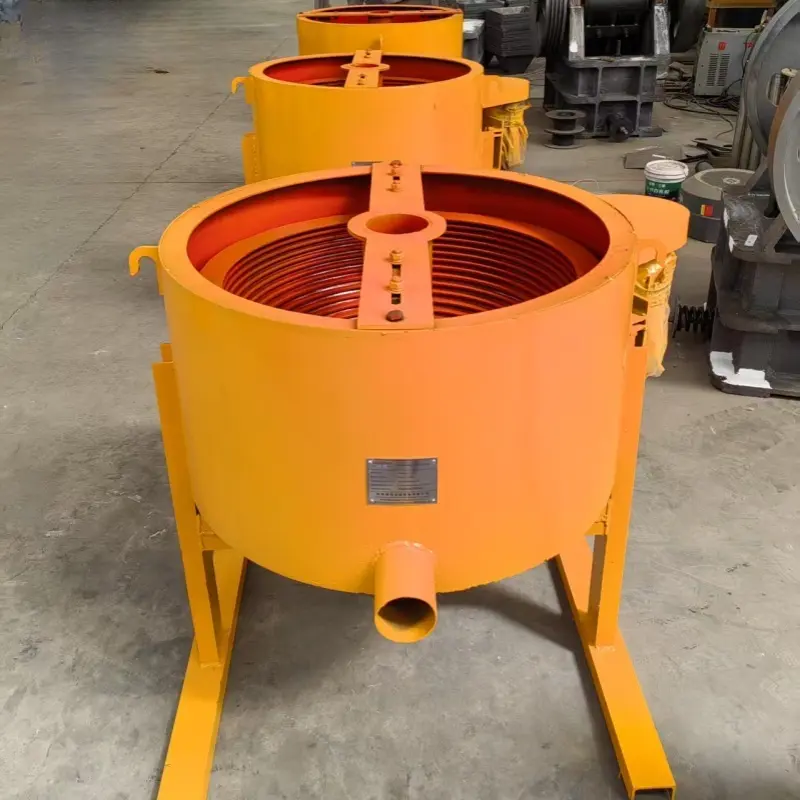
High-efficiency agitation tanks and slurry mixers that maintain uniform pulp density, critical for optimal chemical leaching and flotation processes.
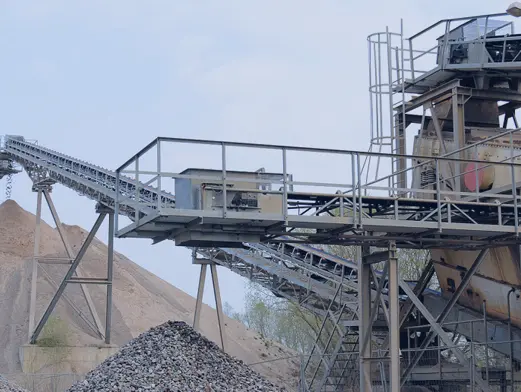
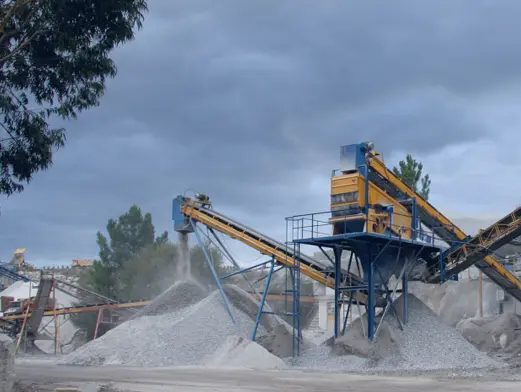
Mining conditions vary dramatically by geography. A grinding mill that performs optimally in a highly structured, grid-connected mine in North America will fail in a remote, off-grid site in Central Africa without proper localization. Henan Ascend specializes in engineering equipment tailored to specific regional challenges:
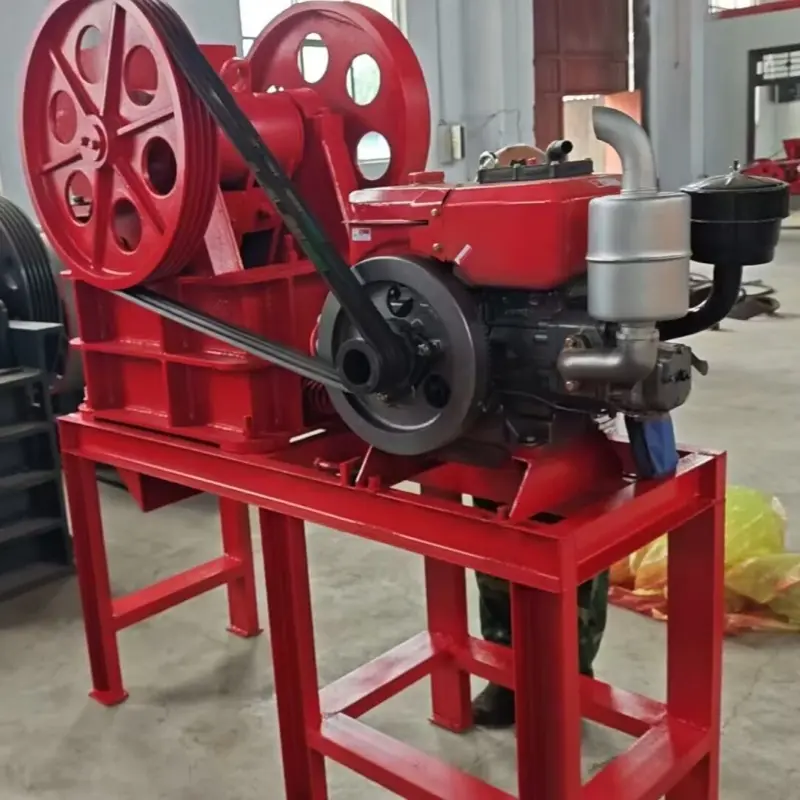
In these regions, electrical grid reliability is a major constraint. Many operations rely entirely on diesel generators. Therefore, we design and export diesel-engine wet pan mills and diesel jaw crushers. By decoupling the primary comminution circuit from the electrical grid, miners can maintain continuous operations, avoiding the costly downtime associated with power outages. Furthermore, water availability in arid regions like northern Sudan requires closed-loop water recycling systems integrated with gravity separation tables.
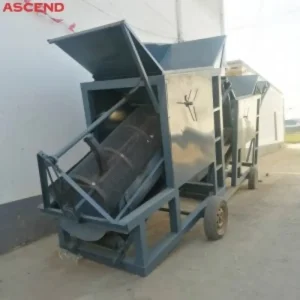
In Papua New Guinea, high humidity, heavy rainfall, and clay-rich ores present significant feeding and screening challenges. Sticky clay can easily clog standard jaw crushers and dry screening media. Our solutions involve heavy-duty rotary trommel screens with high-pressure washing systems to wash out clay before the ore enters the grinding mill. This prevents the "caking" effect inside the ball mill, ensuring that the grinding media can impact the target rock directly.
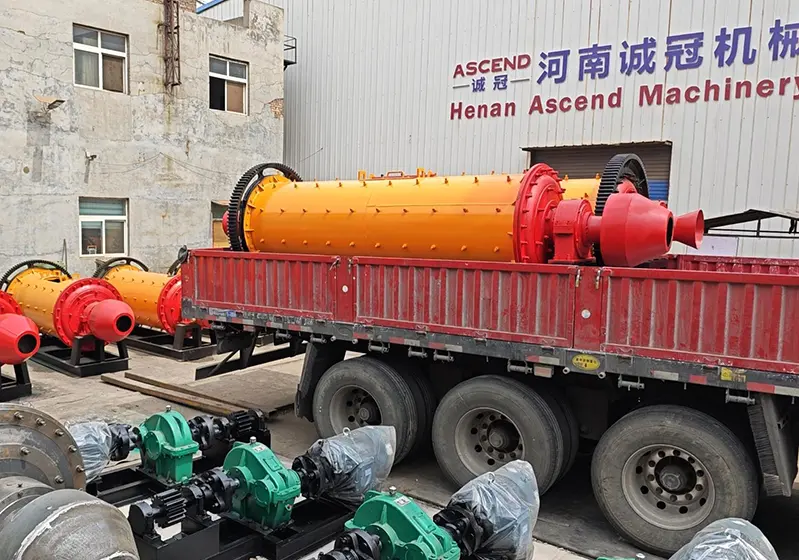
Henan Ascend Machinery & Equipment Co., Ltd. was established in 2005 and is located in the high-tech zone of Zhengzhou City, Henan Province, China. Over the past two decades, Ascend has grown into a leading manufacturer and exporter of heavy-duty mining machinery, serving clients across more than 130 countries.
We are mainly engaged in the research, development, manufacturing, sales, and after-sales service of complete sets of crushing, grinding, screening, feeding, and conveying equipment. Whether you need to crush limestone, granite, gravel, or grind gold ore into fine powder for gravity or chemical extraction, our engineers provide professional, customized advice. Because we operate our own state-of-the-art manufacturing facility, we guarantee strict quality control, highly competitive pricing, and reliable spare parts availability.
The global mining industry is under intense scrutiny to adopt sustainable practices. Historically, small-scale gold processing relied heavily on mercury amalgamation, a process that releases highly toxic methylmercury into local water systems and soils. Today, regulatory frameworks worldwide are banning or heavily restricting mercury use, forcing a rapid transition toward gravity concentration and flotation.
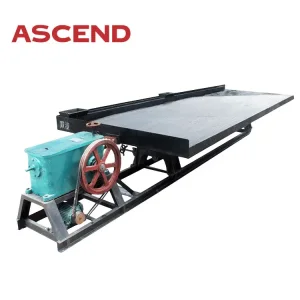
Henan Ascend is at the forefront of this environmental transition. We design integrated, mercury-free gold processing lines that combine high-efficiency grinding mills with gravity separation equipment. By optimizing the comminution stage, we ensure that gold particles are cleanly liberated from the quartz matrix without being pulverized into micro-fine slimes. This clean liberation allows gravity separation equipment—such as our 6-S shaking tables and gold centrifugal concentrators—to capture up to 95% of the free gold using only water and physical density differences, completely eliminating the need for mercury.
For complex ores where gold is locked within sulfide minerals (such as pyrite or arsenopyrite), we provide complete flotation and agitation systems. These systems concentrate the gold-bearing sulfides, which can then be safely processed using modern, closed-loop cyanidation or non-toxic leaching agents, ensuring full compliance with local environmental protection laws.
Stay updated with Henan Ascend's recent equipment deliveries and international mining project milestones.
 Nov 2025
 Aug 2025
Jul 2025
Jul 2025
Jul 2025
Jun 2025
Aug 2025
Jul 2025
Jul 2025
Jul 2025
Jun 2025
Expert answers to common technical queries regarding gold grinding mills, recovery optimization, and factory exports.
From primary screening to the final gold bar, explore our auxiliary equipment for a complete mining circuit.
 Ascend