Explore our primary crushing, grinding, classifier, and separator modules designed for heavy duty concrete sand processing.
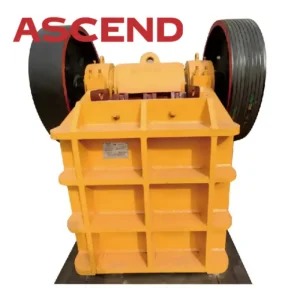
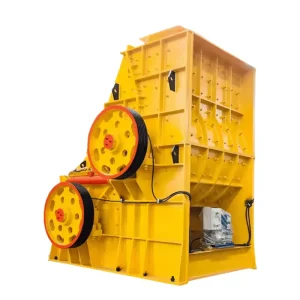
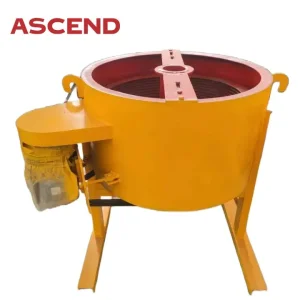
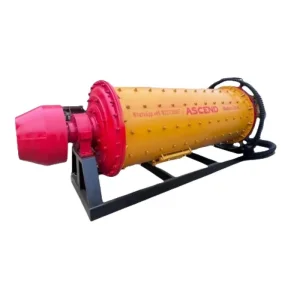
Analyzing the transition from diminishing natural river sand reserves to engineered Manufactured Sand (M-Sand).
Across the globe, high-performance concrete production is undergoing a major paradigm shift. Historically, construction projects relied on the extraction of natural river sand. However, rapid urbanization, combined with strict environmental bans on riverbed mining, has created a critical shortage of natural aggregate. This gap is being filled by high-quality crusher sand, also known as manufactured sand (M-Sand) or artificial sand. Crusher sand is engineered by mechanical processing of basalt, granite, limestone, or quartzite ores to achieve precise grain-size distributions, optimal shape profiles, and chemical purity.
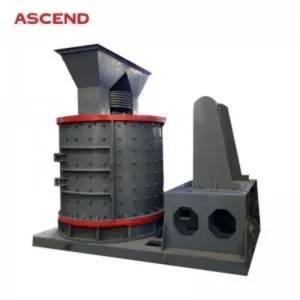
From an engineering perspective, manufactured sand is not merely a replacement for natural sand; it is an improvement. Natural river sand often contains organic silt, clays, and harmful chlorides that compromise the tensile strength of concrete and lead to long-term structural degradation. In contrast, crusher sand produced with modern dry or wet sand-making circuits features a highly cubical particle structure, a consistent fineness modulus between 2.6 and 3.0, and zero organic content. By using advanced vertical shaft impact (VSI) crushers and air classifiers, manufacturers can customize sand properties to match specific construction standards, including American ASTM C33, European EN 12620, and British BS 882.
The economics of crusher sand are heavily dependent on localized pricing variables, energy expenditures, wear-part life cycles, and supply chain logistics. To understand the total cost of ownership (TCO) for a sand-making plant, project managers must look beyond the initial capital expenditure (CapEx) of purchasing machinery and analyze the operational cost (OpEx) per ton of premium output. This guide provides a detailed technical breakdown of manufacturing methodologies, comprehensive pricing factors, supply chain advantages of Chinese production, and future technological paths.
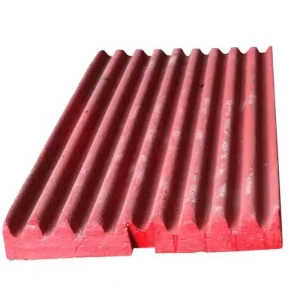
Establishing the unit cost of crusher sand requires a multi-dimensional analysis of quarry operations. Unlike natural sand, which is simply dug and transported, crusher sand is manufactured through multiple stages of size reduction. The cost structure generally consists of raw material excavation, energy (electricity for high-tonnage crushing), wear parts consumption (including high-manganese steel jaw plates, blow bars, and VSI rotor tips), water consumption for washing, and air classification utility costs.
| Rock Source Material | Average Hardness (Mohs) | VSI Wear Component Life (Hrs) | Processing Cost Range (USD/Ton) | Optimal Application Segment |
|---|---|---|---|---|
| Granite / Basalt | 6.0 - 7.5 | 80 - 150 | $4.50 - $7.50 | High-Strength Concrete (C60+), Bridges, Expressways |
| Quartzite | 7.0 - 8.0 | 60 - 100 | $6.00 - $9.50 | Heavy-Duty Pavements, Refractory Materials |
| Limestone / Dolomite | 3.0 - 4.0 | 300 - 500 | $2.00 - $3.80 | Standard Masonry Sand, Prefabricated Blocks |
| Cobbles / River Gravel | 5.5 - 7.0 | 120 - 200 | $3.50 - $5.50 | Ready-Mix Concrete (RMC), Asphalt Pavement |
Geographical locations and the geological composition of the feedstock material are the primary drivers of market pricing. Highly abrasive rock types like granite and quartzite demand superior, wear-resistant alloy castings for the crushing chamber. A crusher sand plant operating with low-grade wear parts will see maintenance costs rise significantly, causing the overall price per ton of output to increase. Implementing smart VSI systems with advanced rotor technology and rock-on-rock crushing action significantly reduces contact wear, lowering processing costs by up to 30% compared to traditional rock-on-anvil hammer designs.
Highly optimized sand and mineral processing plants engineered by Henan Ascend Machinery for global industrial applications.
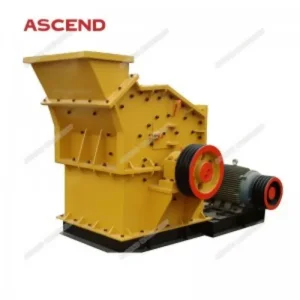
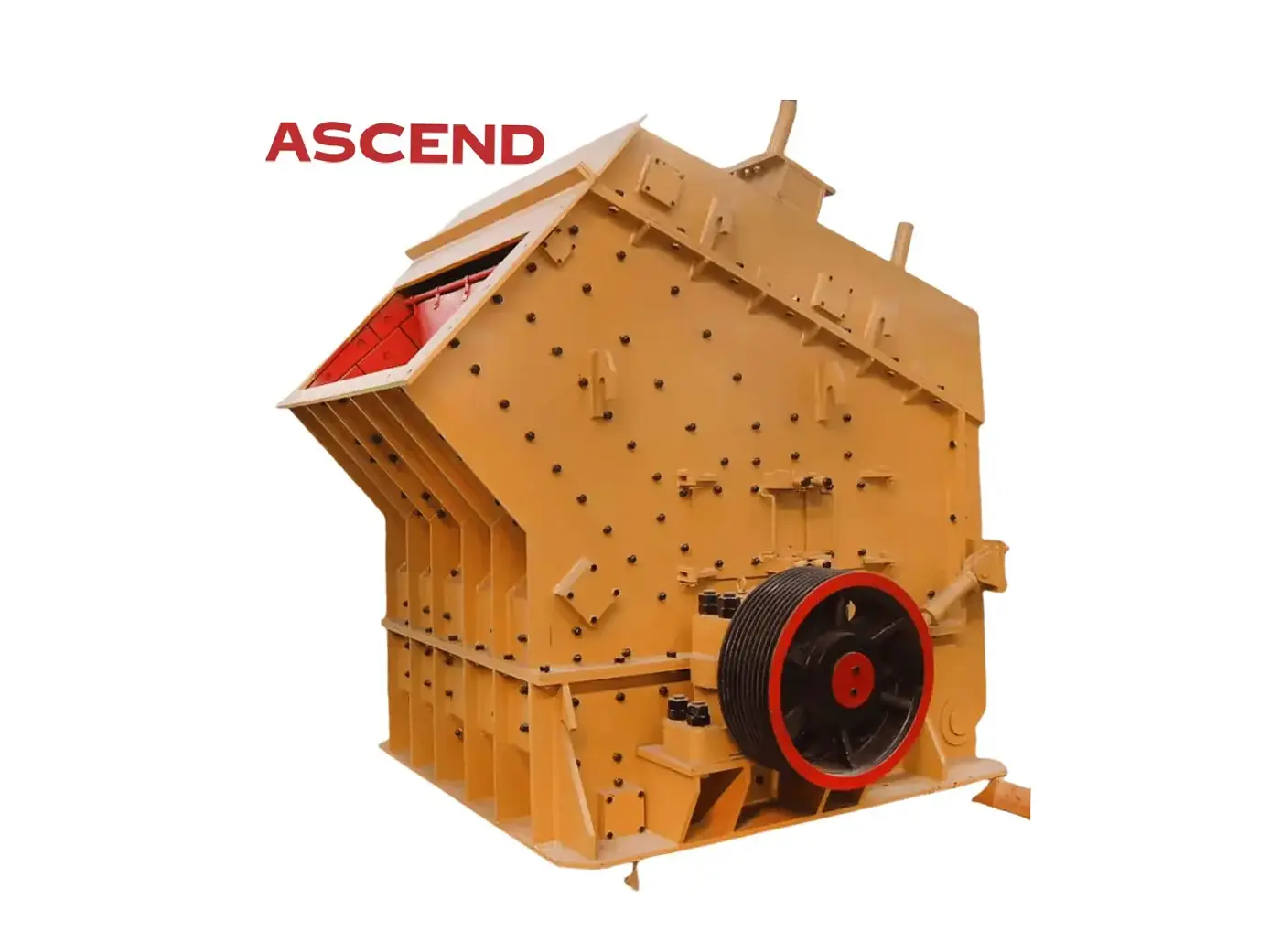
The secondary impact crusher utilizes high-velocity rotational impact energy to fracture materials along their natural planes of weakness. Designed with three internal crushing chambers, a seamlessly balanced heavy-duty rotor, and highly wear-resistant chromium-alloy blow bars, this machine ensures high reduction ratios and excellent cubic shape output. Adjusting the spacing between the impact plates and the rotor allows precise control over the grading curve of the finished sand, minimizing the percentage of flat and elongated aggregate particles.
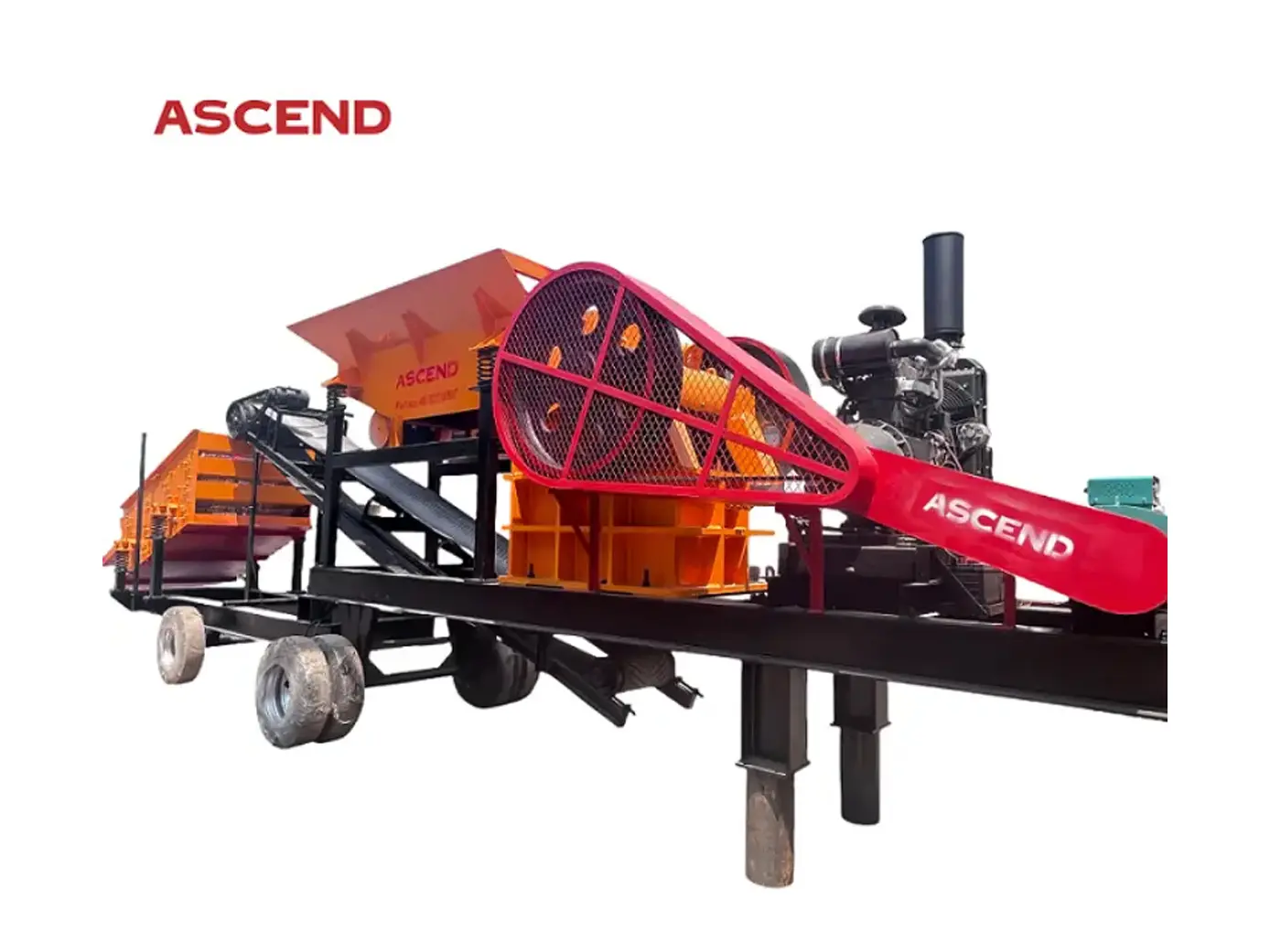
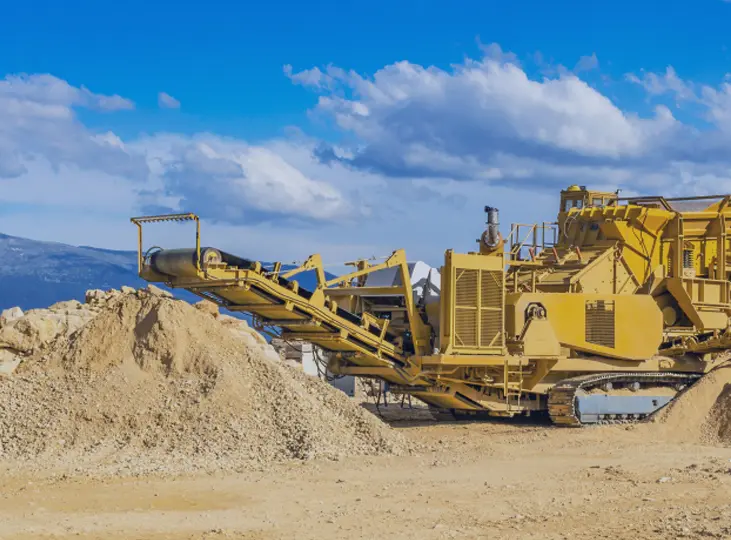
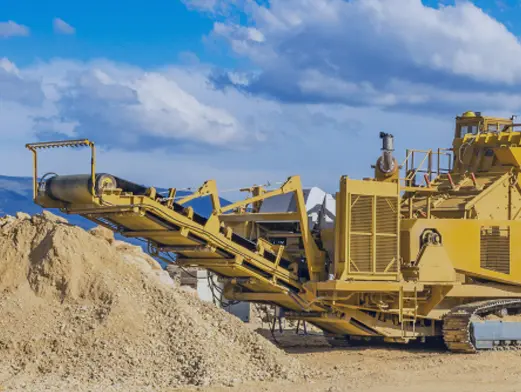
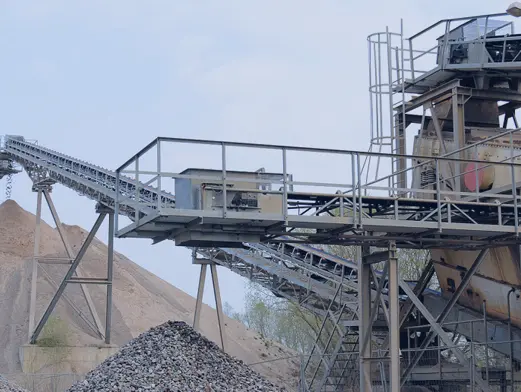
To eliminate high transport costs associated with moving raw aggregate from quarries to processing facilities, modern operators deploy mobile crusher plants. These units integrate high-capacity jaw crushers, cone crushers, screens, and conveyors on a single tracked or wheeled chassis. Mobile units can be placed directly at the blast face, allowing onsite sand production and reducing haul-truck fuel consumption.
Micro-powder grinding systems for processing industrial filler, limestone, and calcium carbonate with adjustable mesh outputs.
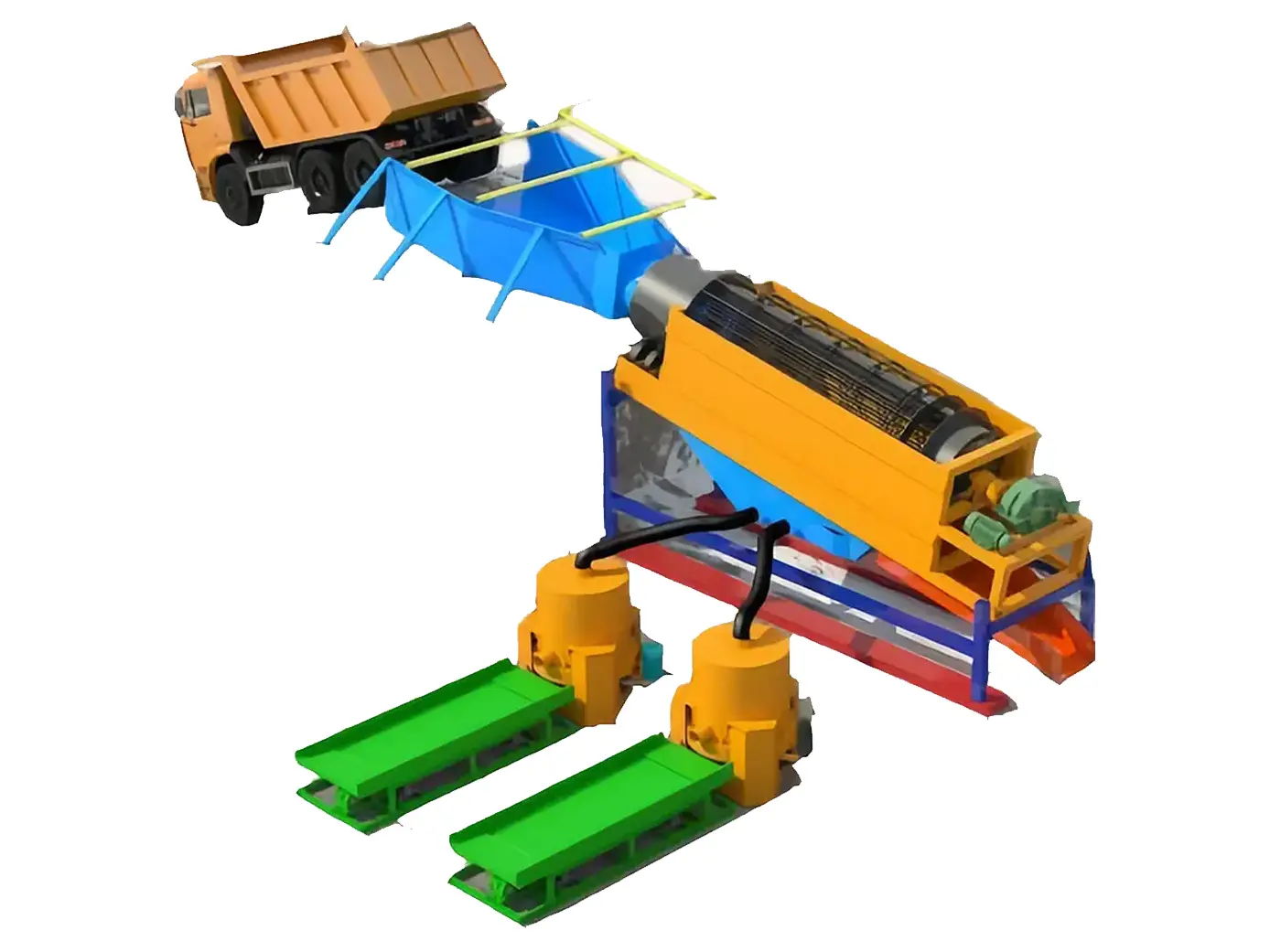
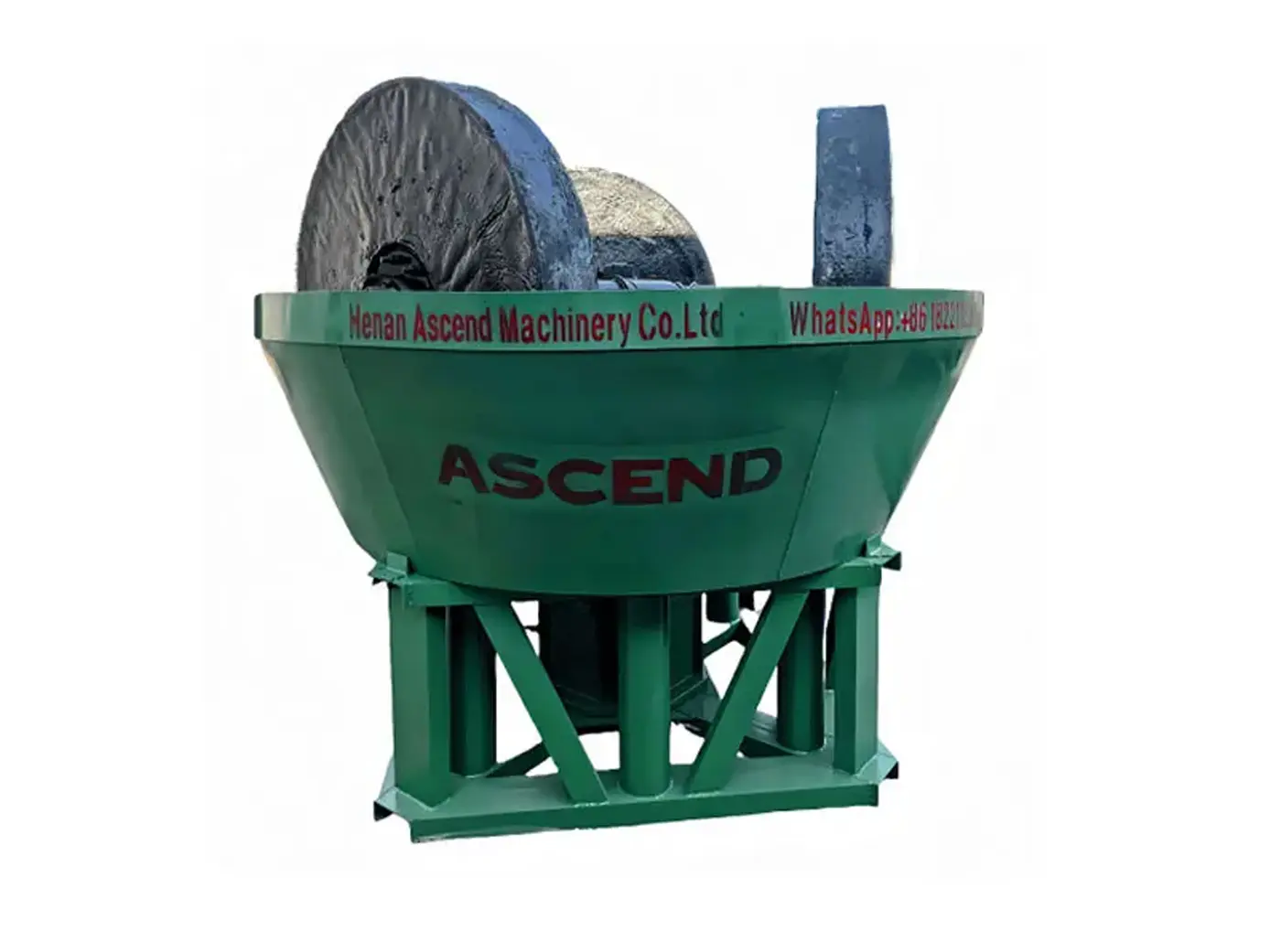
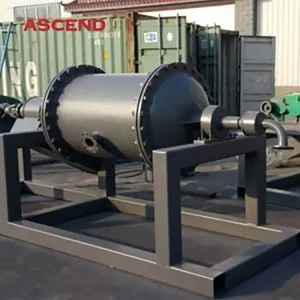
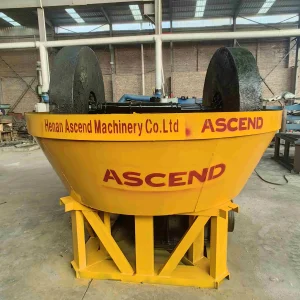
Complete beneficiation circuits including wet mills, collectors, and shaking tables engineered for maximum ore recovery rates.
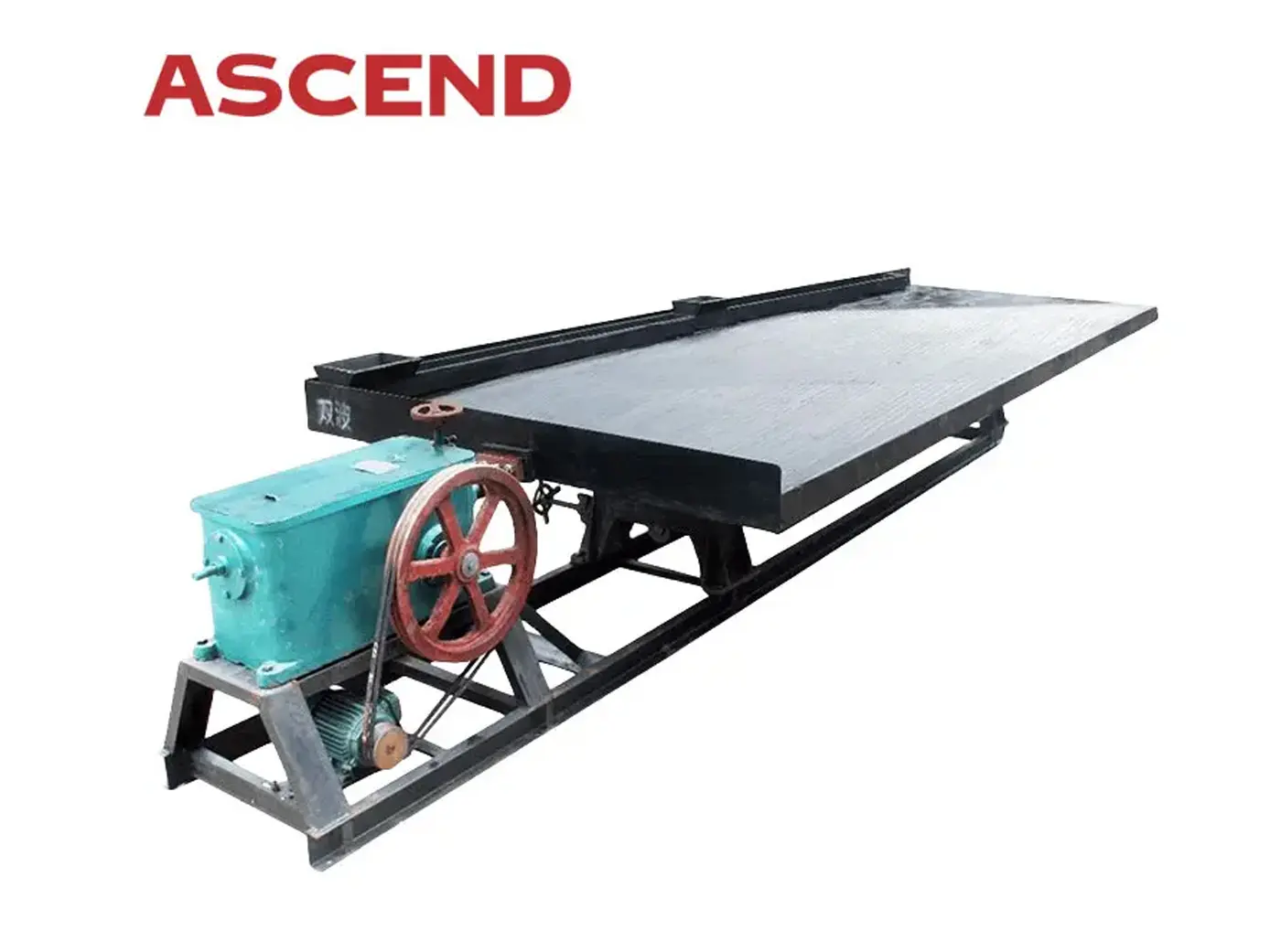
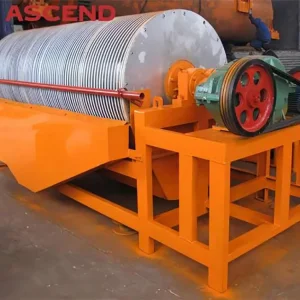
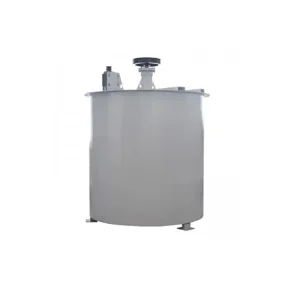
Advanced flotation cells, magnetic separators, and rotary drum washers engineered for diverse mineral enrichment plants.
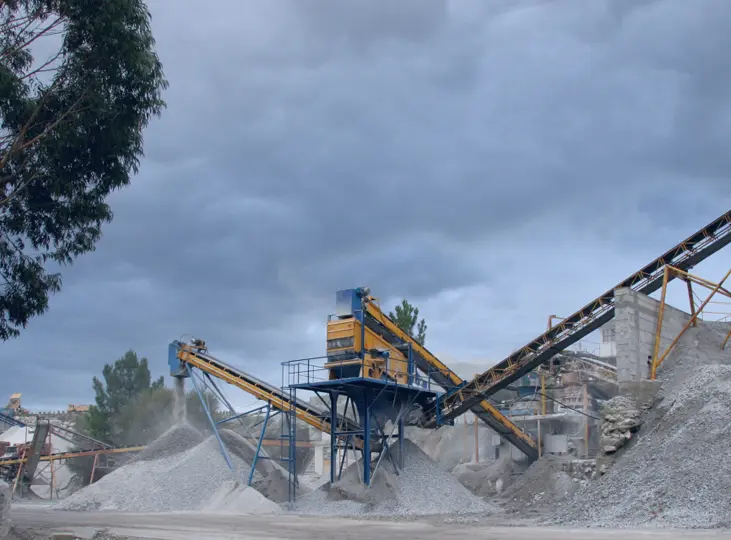
Designing an efficient sand and aggregate plant requires matching equipment selection with the geological characteristics of the deposit. Henan Ascend Machinery offers tailored, high-capacity systems for two main types of aggregate production:
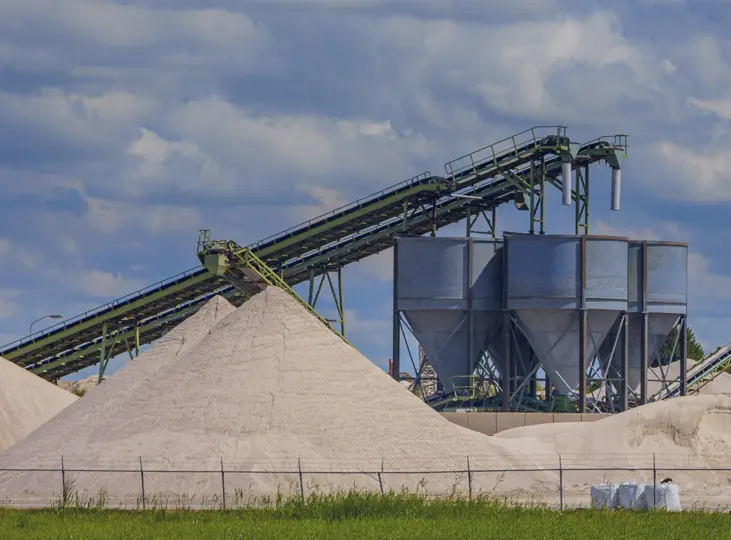
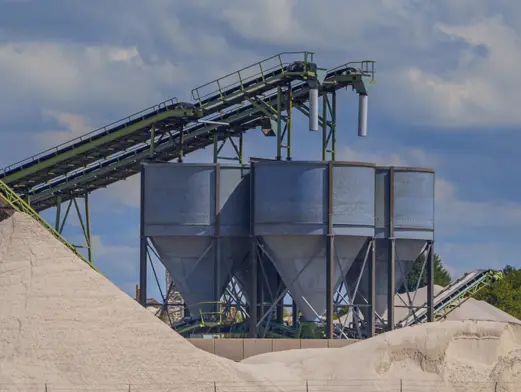
In arid regions, or where water usage is heavily regulated, dry-method sand production is the preferred industry standard. This process relies on high-efficiency VSI crushers coupled with multi-stage dynamic air classifiers. The primary crusher breaks the rock, and the VSI crusher shapes the sand grains. The material is then fed into an air classifier, where controlled updrafts separate excess ultra-fine dust (particles <75μm) from the final crusher sand product. This method keeps the sand clean and dry, saves water, and yields high-quality aggregate that meets strict concrete production standards.
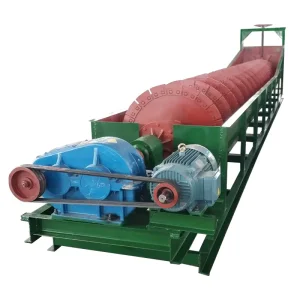
For raw materials with high clay content, a wet washing system is required. Here, hydrocyclones, spiral classifiers, and sand washing wheels clean the crushed aggregate. High-efficiency spiral classifiers use differences in settling rates to separate clays and silts from sand particles. By adjusting the classifier pitch and rotational speed, plants can wash away impurities while retaining fine sand particles, ensuring the final product meets standard grading curves.
Crusher sand machinery is also widely used in gold and precious metal mining. Our custom grinding circuits process gold-bearing quartz veins down to the liberation size of the target minerals. Utilizing wet pan mills, centrifugal concentrators, and shaking tables, these systems achieve high gold recovery rates even in small to medium-scale operations.
For high-rise commercial structures and municipal infrastructure projects, concrete must meet strict compressive and tensile strength standards. Our sand-making equipment delivers aggregate with low water absorption and an ideal particle shape, reducing cement consumption by up to 15% while maintaining excellent concrete workability.
The global competitiveness of Henan Ascend Machinery's sand-making equipment is built on modern manufacturing facilities in Zhengzhou's High-Tech Development Zone. Our Factory 4.0 initiative leverages advanced manufacturing systems to deliver high-quality machinery at competitive prices.
Key pillars of Henan Ascend's manufacturing advantage include:
By optimizing our manufacturing processes, Henan Ascend passes substantial savings to our global clients. Our customers receive high-quality equipment that matches western engineering standards at a lower total cost of investment.
Procuring industrial sand-making machinery requires evaluating key performance indicators that affect long-term cost and efficiency. Global purchasing managers must look beyond purchase price and focus on the overall cost of ownership:
Unscheduled downtime can quickly erode quarry profitability. Buyers should look for heavy-duty bearing cartridges, advanced lubrication systems, and robust structural steel assemblies designed for continuous operation.
Sourcing replacement wear parts can be challenging. Henan Ascend manufactures all critical wear components to standard sizes, allowing operators to source replacement parts locally or directly from our warehouse.
Power consumption is a major operational cost. Our energy-efficient VSI crushers and grinding mills feature optimized drive systems that lower power consumption by up to 22% compared to standard models.
Before purchasing machinery, buyers should also verify compliance with local environmental standards. Dust emissions and water discharge are heavily regulated in many jurisdictions. Henan Ascend offers complete dry-method plants with fully enclosed crushing circuits and dust collection systems, and wet-method plants with water recycling systems to meet local environmental laws.
The aggregate industry is evolving, driven by automation, sustainability, and digitalization. Henan Ascend's engineering team is developing the next generation of sand-making equipment, focusing on several key areas:
These developments aim to make sand processing cleaner, more cost-effective, and highly automated, helping our clients run efficient operations in changing market environments.
Explore our sand and mining equipment operations deployed worldwide, delivering consistent output under demanding conditions.
Track Henan Ascend's recent equipment dispatches and project updates from around the globe.
 Shipping
 Nov 2025
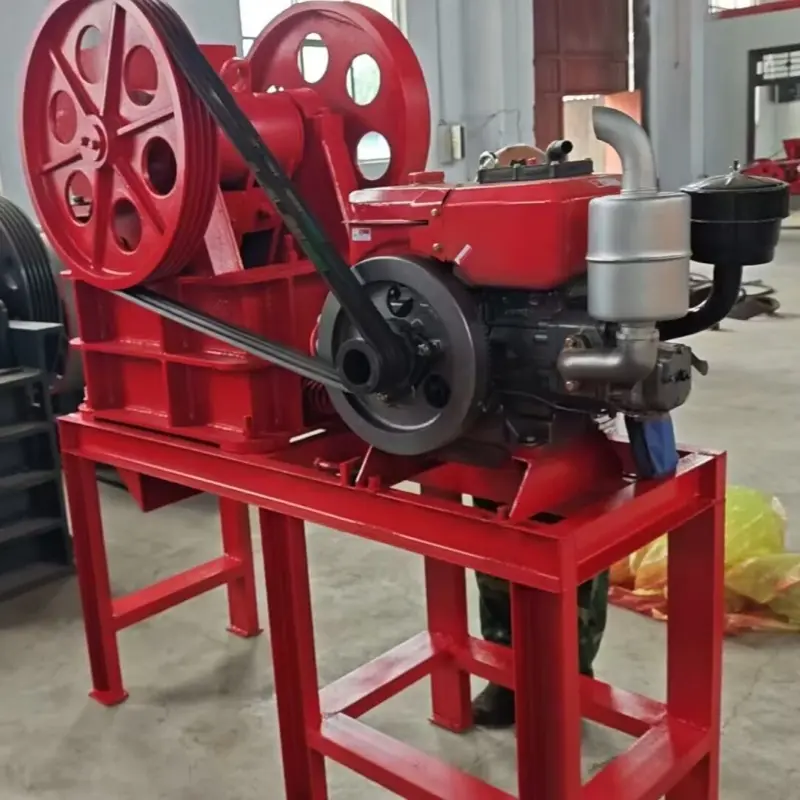
Custom-configured diesel-drive jaw crushing unit dispatched for gold mining and remote highway aggregate processing.
 Delivery
Aug 2025
Delivery
Aug 2025
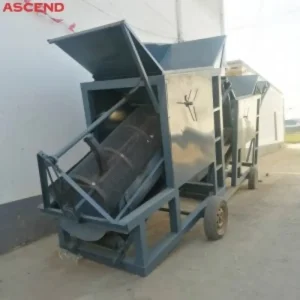
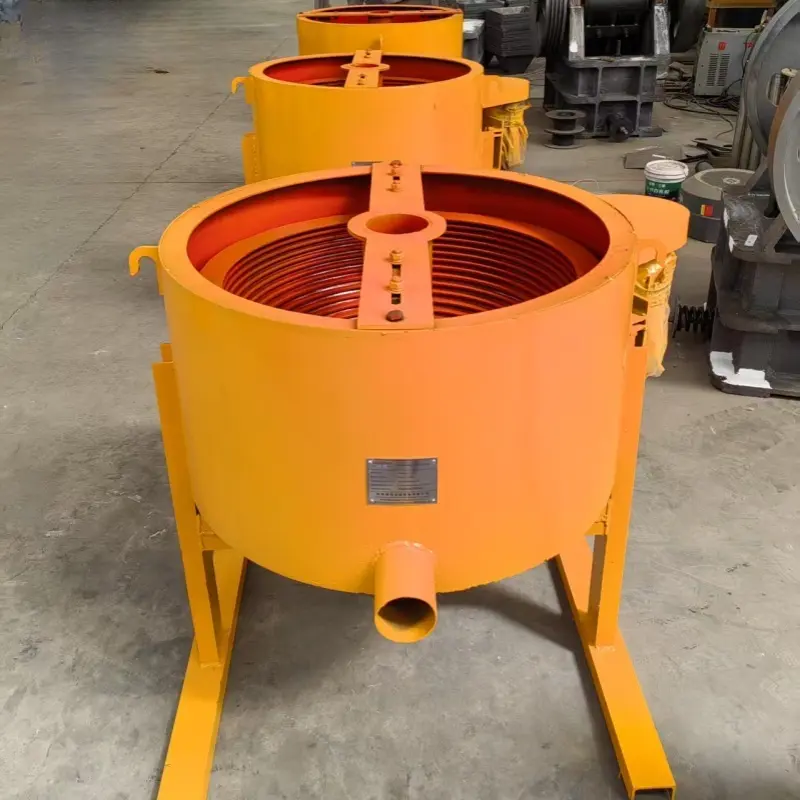
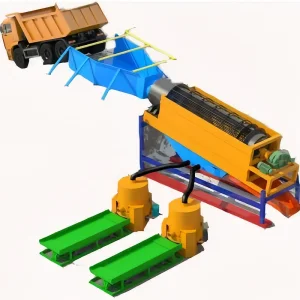
Designed for placer gold ore processing, these integrated plants feature trommel screens and high-recovery concentrators.
Jul 2025
A shipment of gravity separation tables designed to maximize recovery of fine-grain gold particles in active mining concessions.
Jul 2025
High-durability ball mill designed for off-grid operations in Papua New Guinea, providing reliable grinding without grid access.
Jul 2025
A portable jaw crushing station designed to process limestone on-site for local road infrastructure projects.
Jun 2025
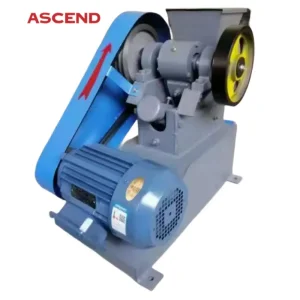
Large-capacity primary jaw crusher dispatched to process copper ore, featuring high-strength casting for abrasive feed material.
Technical answers about crusher sand processing, price factors, and machinery configurations.
Established in 2005, Henan Ascend Machinery & Equipment Co., Ltd. is located in the High-Tech Development Zone of Zhengzhou City, Henan Province, China. For two decades, Ascend has focused on the research, development, manufacture, and servicing of complete crushing, grinding, screening, feeding, and conveying systems for the mining and construction industries.
Our product portfolio ranges from high-capacity primary jaw crushers and secondary impact crushers to advanced mobile crushing stations, vertical shaft impact (VSI) sand-makers, spiral classifiers, and ore flotation systems. Our engineers work closely with global clients to configure systems that match their geological feeds, target capacity, and budget requirements.
With exports to over 130 countries across Africa, Southeast Asia, Latin America, and Central Asia, we have built a reputation for reliable machinery and responsive service. By manufacturing critical parts in-house, we maintain quality control and offer competitive prices to our international partners.
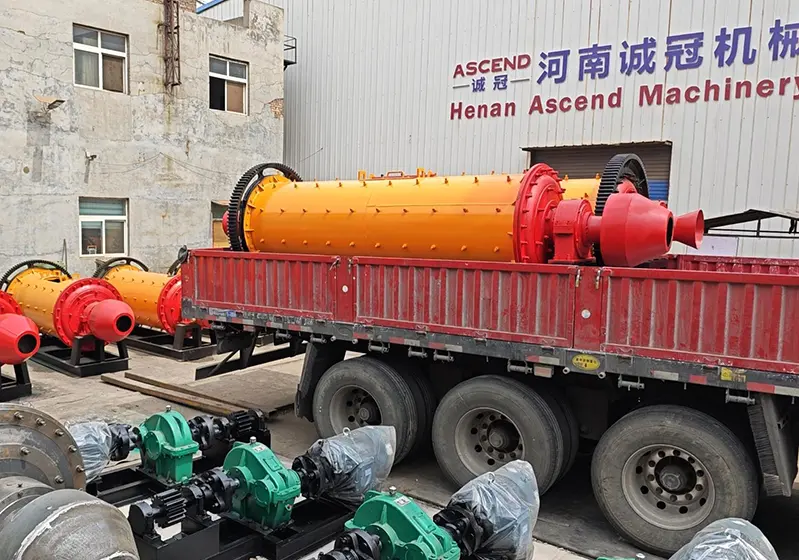
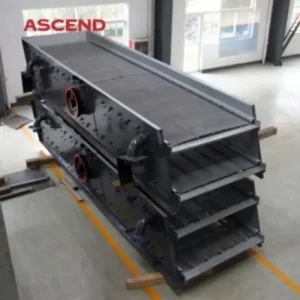
Explore our complete range of grinding, washing, sizing, and beneficiation systems for aggregate and ore processing.
 Ascend