Explore our core engineering catalog, designed for heavy aggregates processing, mineral dressing, and hard-rock reduction circuits.
In modern minerals processing and aggregate production, hammer crushers occupy a critical niche. Known also as hammer mills, these machines leverage high-velocity impact forces rather than pressure-based compression to break materials down. In sectors spanning infrastructure development, cement manufacture, and mining beneficiation plants, the hammer crusher is the primary engine of size reduction.
Unlike conventional jaw crushers that compress materials between stationary and moving dies, hammer crushers utilize a high-speed rotating shaft equipped with heavy, articulated hammers. When materials feed into the crushing chamber, they are struck by the hammers, flung against wear-resistant breaker plates, and forced through a sizing grate at the discharge zone. This mechanism results in a highly cubic product shape, which is critical for meeting strict construction material specifications in road building and concrete mixing.
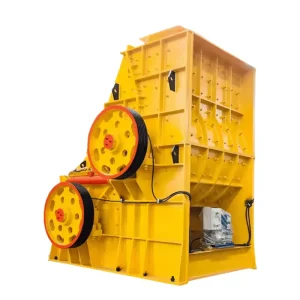
Industrially, demand has surged for double-stage hammer crushers, which stack two rotor assemblies vertically. This architecture eliminates the need for screen grates at the bottom, making it highly effective at handling sticky raw materials containing high moisture contents (e.g., damp clays, shale, gypsum) without risk of plugging or machine downtime.
Sourcing industrial crushing machinery from Henan Province—specifically the high-tech machinery cluster in Zhengzhou—provides global operators with a combination of cost efficiency, quality control, and metallurgical innovation.
The durability of a hammer crusher relies entirely on its wear components. Chinese manufacturing has evolved past standard high-manganese steels (like Mn13) to embrace composite bimetal alloys. By casting chromium alloys in the working end of the hammer head and tough manganese steel in the handle, Chinese foundries deliver wear components with extreme fracture toughness and impact abrasion resistance.
Zhengzhou’s industrial zone groups raw steel production, forge facilities, CNC finishing shops, and motor manufacturers in close proximity. This cluster dynamic lowers logistics costs, expedites research feedback loops, and allows manufacturers like Henan Ascend to deliver custom machine setups (such as diesel-powered mobile plants) at competitive rates.
To address international buyers' quality expectations, Henan factories implement rigorous testing protocols. This includes non-destructive testing (NDT) like ultrasonic flaw detection for heavy shafts and casting molds, dynamic balancing of rotor assemblies, and test-running every machine at no-load capacity before shipment.
Ascend has developed steadily since its establishment in 2005. Its business covers more than 130 countries and regions around the world, especially in Africa and Southeast Asia. Ascend's machinery build quality and after-sales support have earned recognition from international customers.
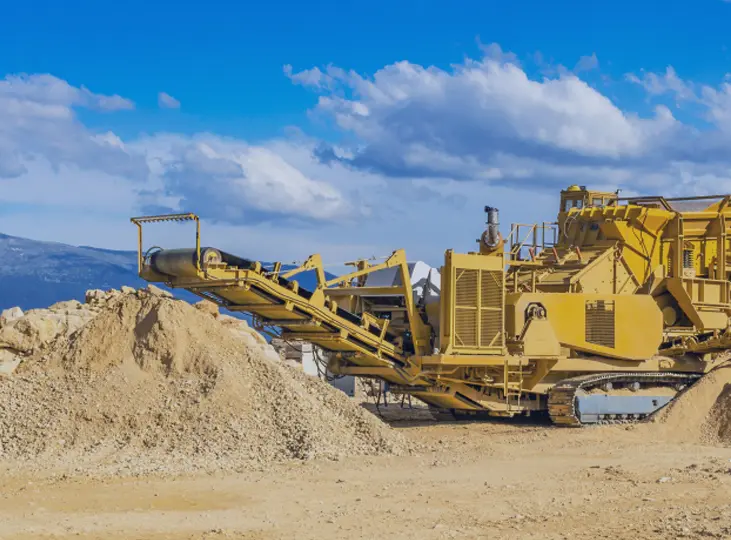
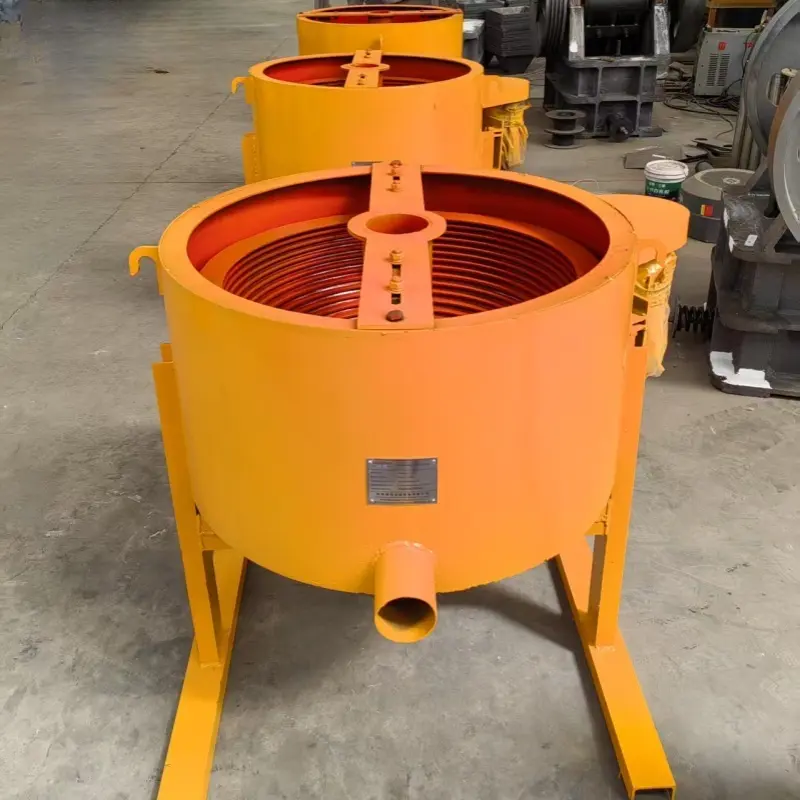
High recovery crushing circuits customized for hard rock and alluvial gold mining.
Learn More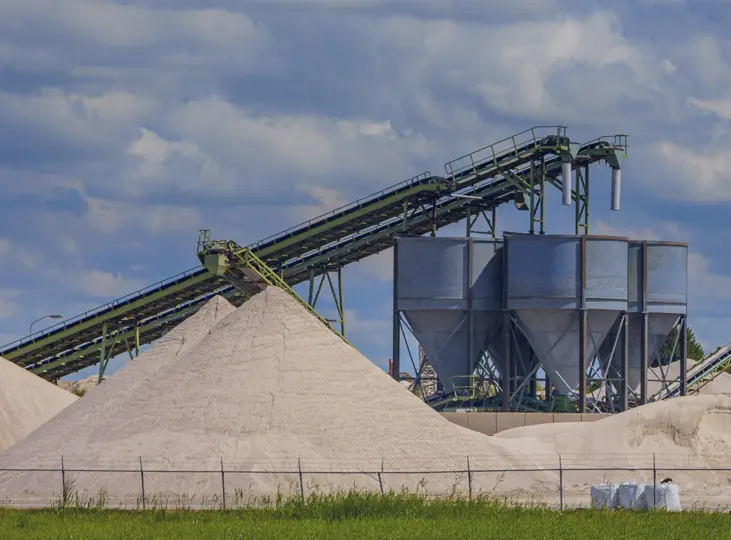
Coarse jaw reduction to fine hammer milling configurations for hard silica quartz.
Learn More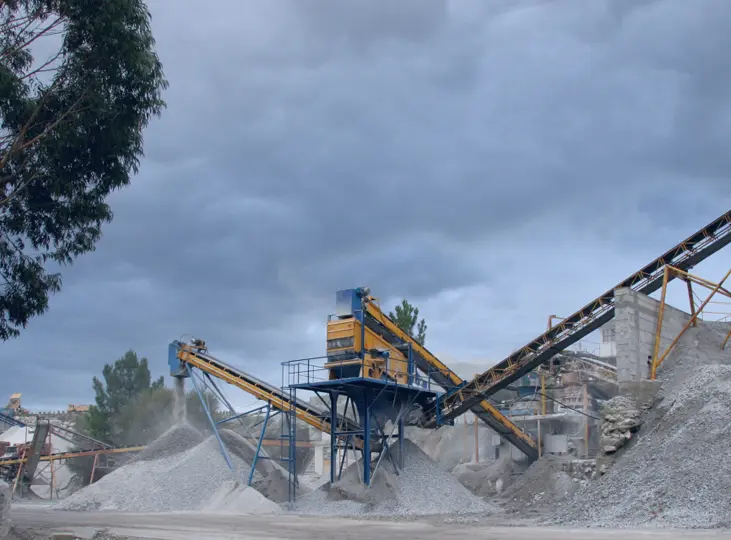
Optimized stone crushing setups ensuring uniform cubic products for construction.
Learn More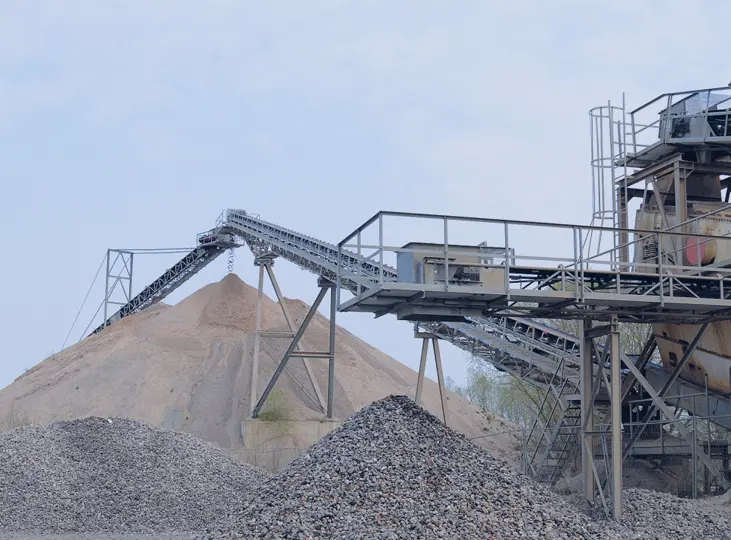
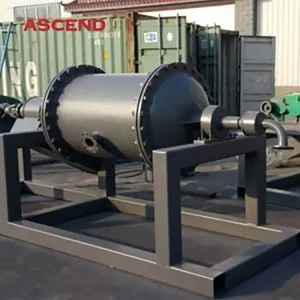
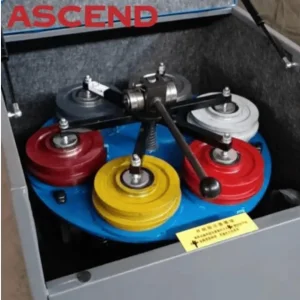
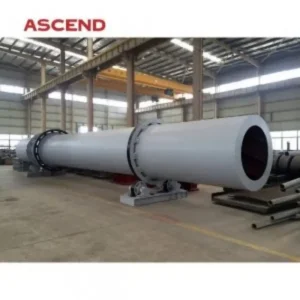
Complete solutions including ball mills, classifier systems, and drying units.
Learn MoreIndustrial crushers must perform in challenging environments. The mechanical stresses of processing hard, dry minerals in continental climates differ from those of handling clay-bound ore in tropical regions. Below are the primary application scenarios where hammer crusher setups excel:
In countries such as Zambia, Papua New Guinea, and Indonesia, mines deal with clay-heavy material and heavy seasonal rain. Traditional screening hammer crushers can suffer from screen-clogging. Ascend’s double-stage hammer crusher is designed without a screen grate, resolving this operational bottleneck and maintaining continuous production throughput.
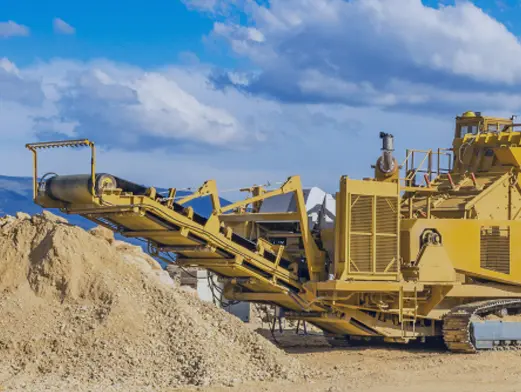
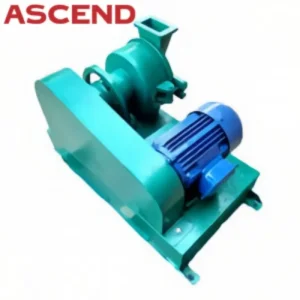
Many mineral processing sites lack reliable electrical grid access. The mobilization of electric drives requires significant investment in generator infrastructure. Diesel engine hammer mills offer a self-contained, mobile alternative, allowing gold-panning operators and quarry operators to deploy machines directly at the extraction face.
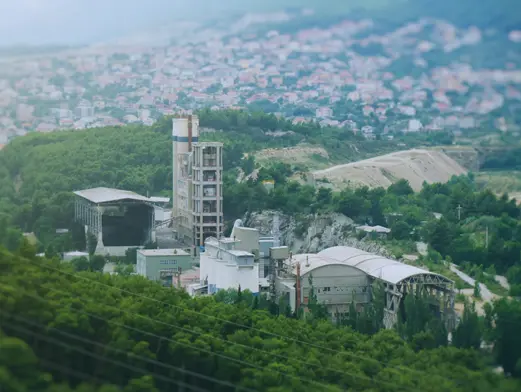
Limestone crushing demands high volume and a balanced product size distribution. Hammer crushers can act as a single-source reduction unit, accepting run-of-quarry stones and outputting mill feed size. This eliminates tertiary crushers and reduces power usage per ton of crushed limestone.
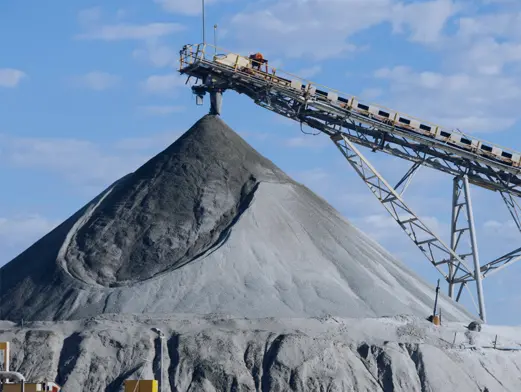
Our machinery solutions operate in demanding environments worldwide. Below are representative projects across major mining and aggregate centers:
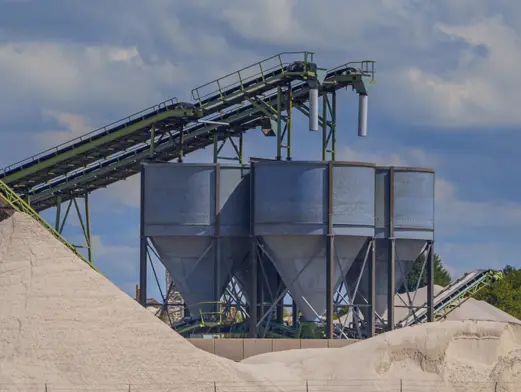
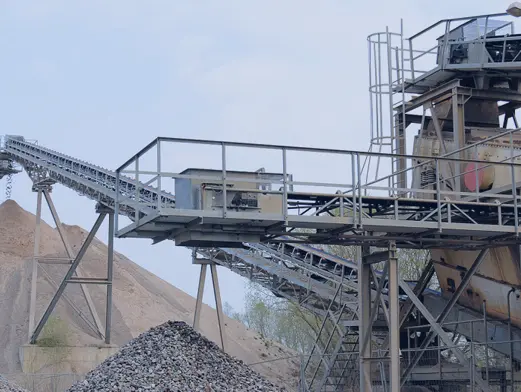
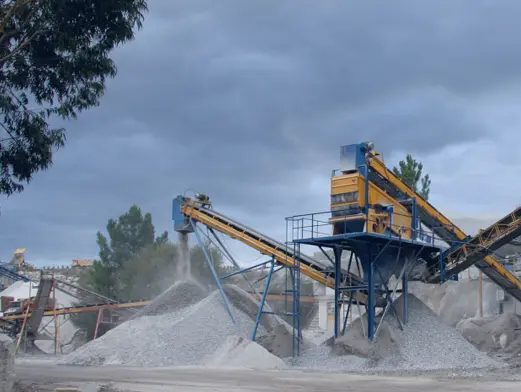
The comminution sector is adapting to meet new environmental requirements and energy targets. The next generation of industrial hammer crushers will integrate digital monitoring and wear-resistant technologies.
As carbon pricing impacts mining operations, operators are transitioning diesel units to hybrid configurations. This allows the use of clean, on-site solar power or local hydro grids, reducing operational costs and lowering carbon emissions.
Real-time acoustic and vibration sensors can monitor rotor balance and detect crack propagation in hammer bars before structural failures occur. This shift from reactive maintenance to automated predictive analytics reduces unplanned downtime.
Inserting titanium-carbide (TiC) columns into manganese steel castings significantly extends the service life of hammer surfaces. While this increases initial capital cost, it extends the replacement cycle by up to four times when crushing abrasive materials.
A comparison of key aggregate reduction technologies. Select the appropriate machine class based on your mineral processing requirements:
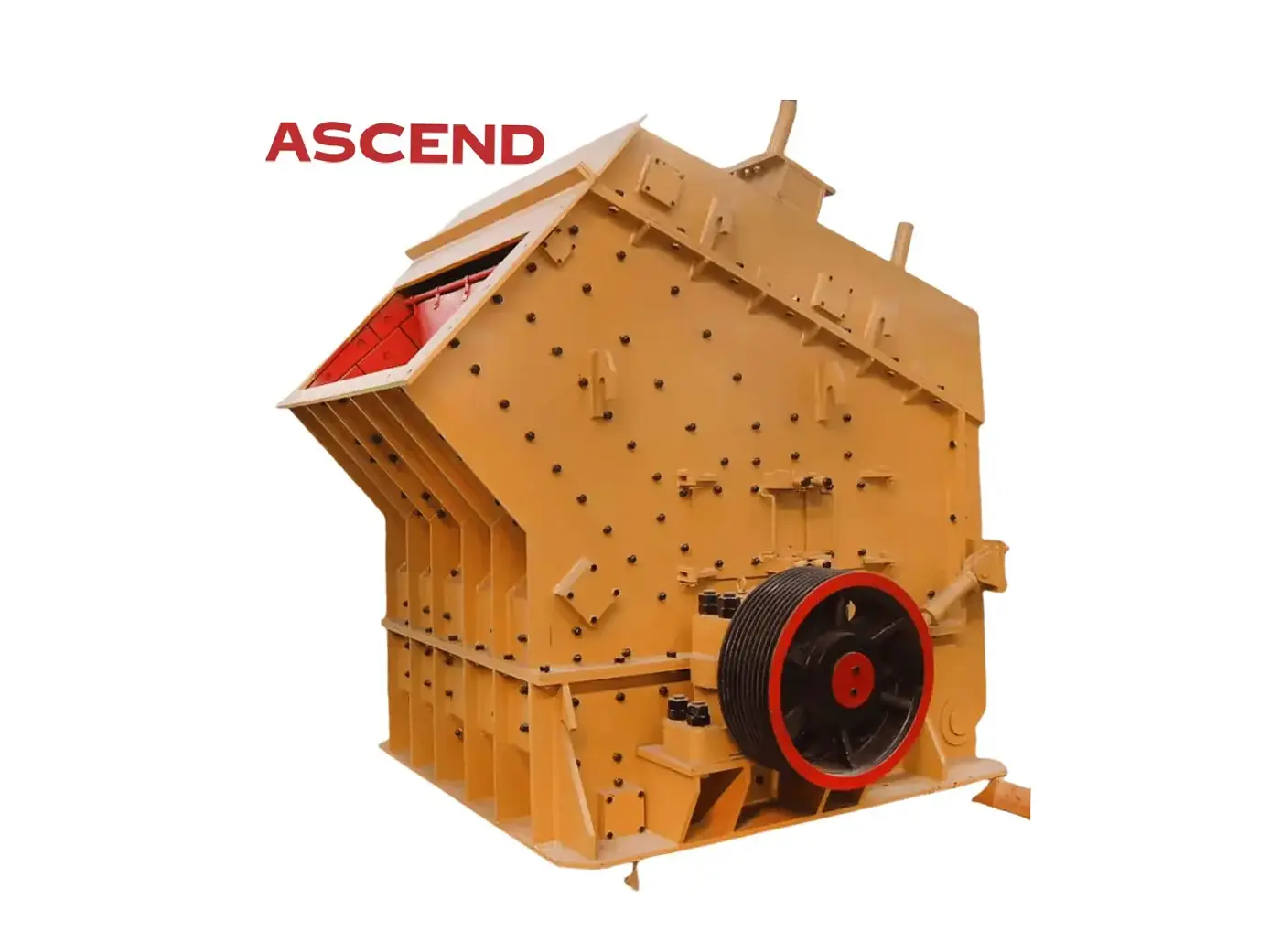
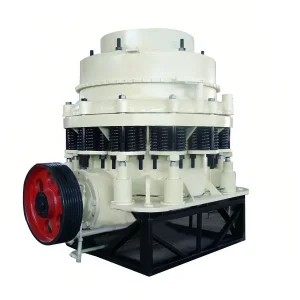
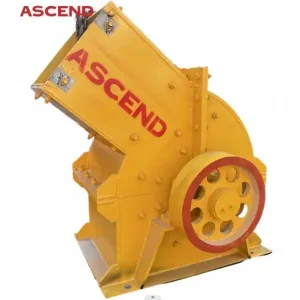
Impact crusher is a kind of secondary crushing equipment which uses impact power to crush materials. It features easy maintenance, high reduction ratios, and high efficiency to produce cubic shape products. Designed with three crushing chambers, a seamlessly connected rotor, and wear-resistant blow bars.
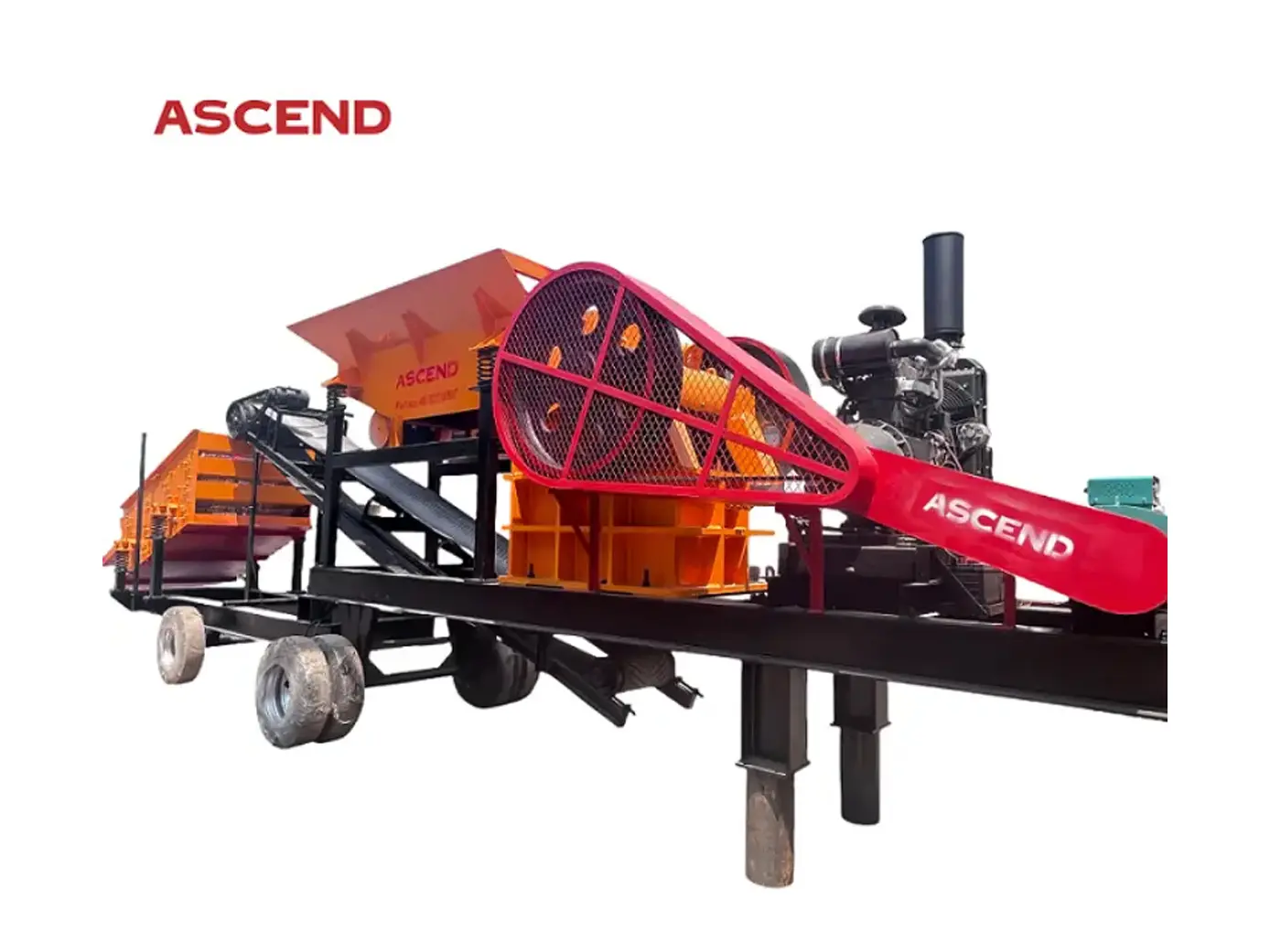
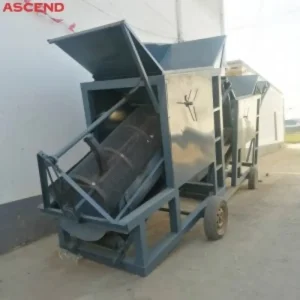
Integrated track or wheel-mounted crushing plants that combine primary jaw breakers, feeding systems, and screening screens on a single chassis for rapid quarry relocation.
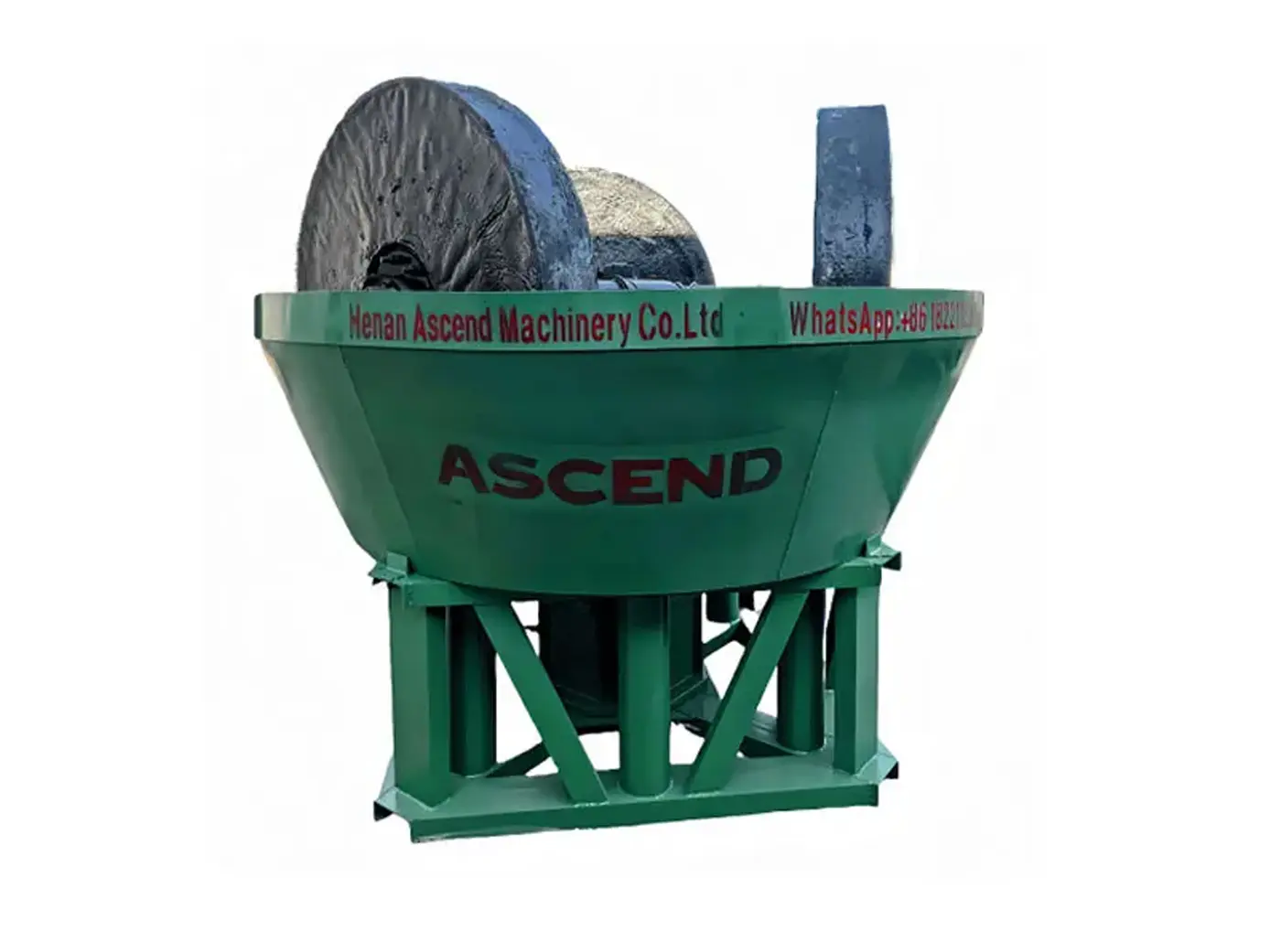
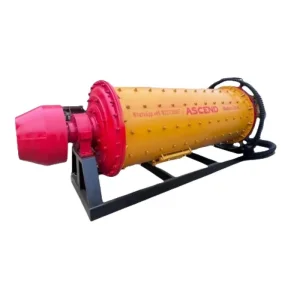
Grinding mill systems designed to reduce crushed ores to fine mesh powder. Suitable for talc, barite, marble, limestone, and other non-flammable mineral processing.
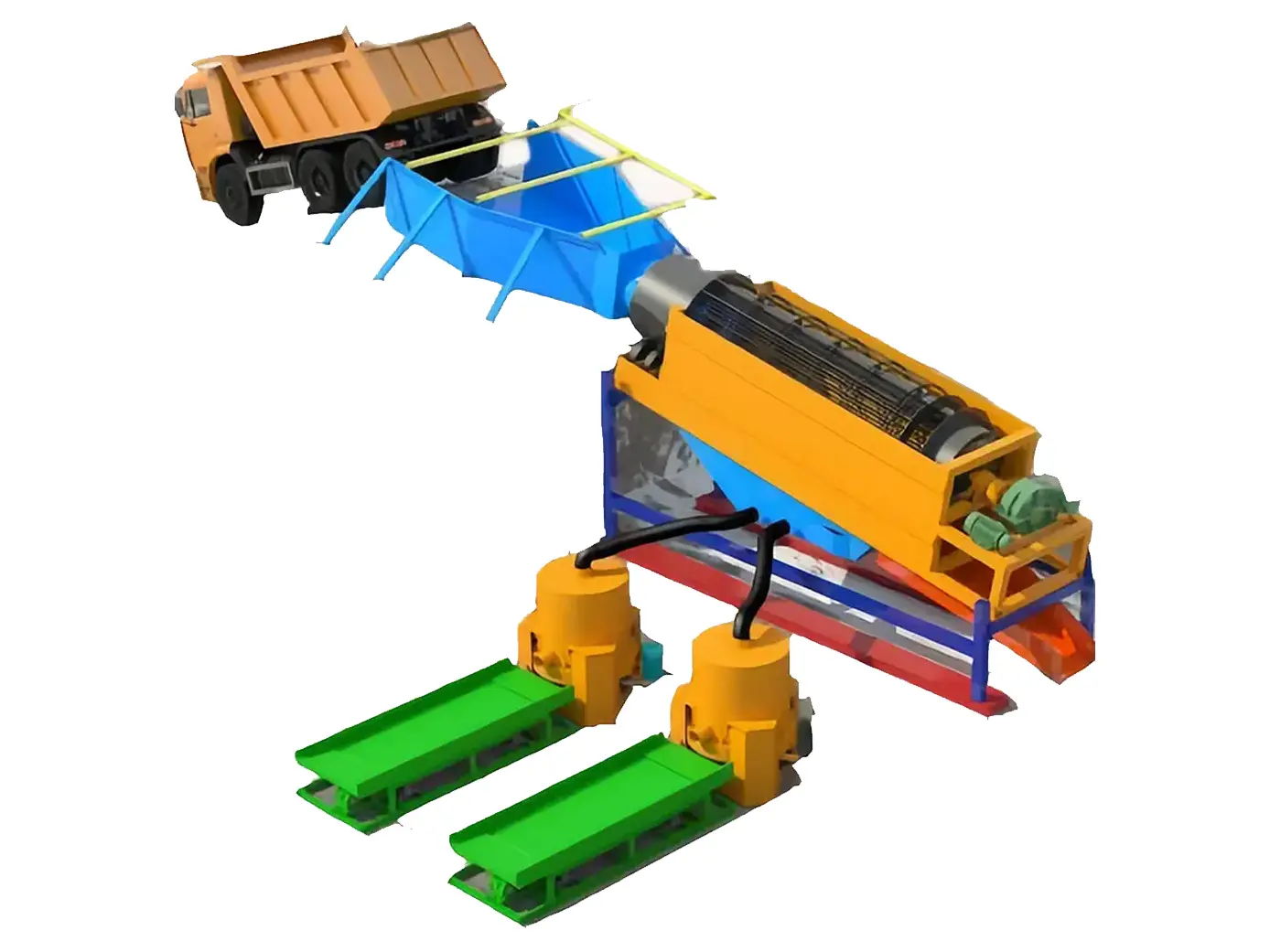
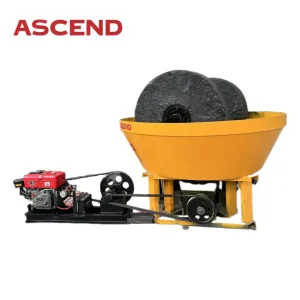
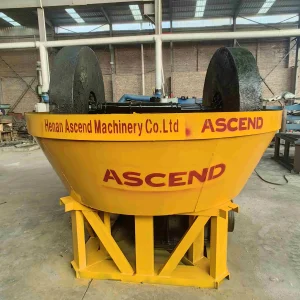
Complete gravity concentration and amalgamation setups configured specifically for artisanal, small, and medium-scale gold extraction operations.
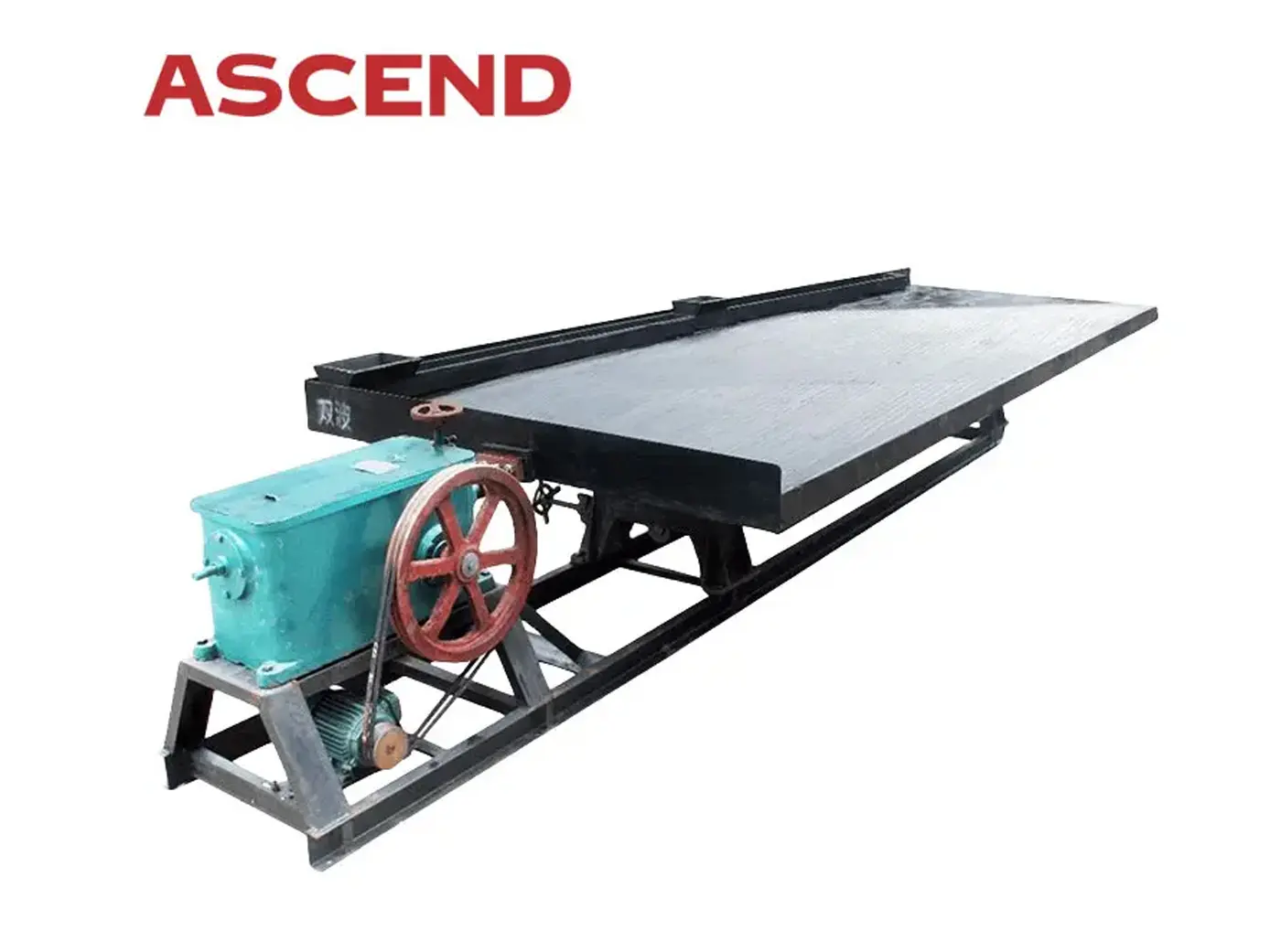
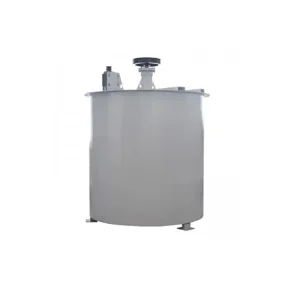
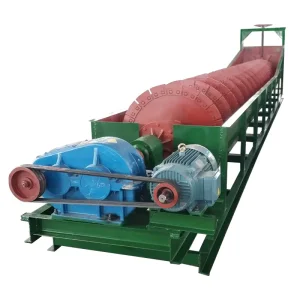
Includes magnetic separators, flotation cells, spiral classifiers, and agitation tanks to handle complex multi-metal ore dressing requirements.
Stay informed on our manufacturing schedules and international shipments to regional mining operations:
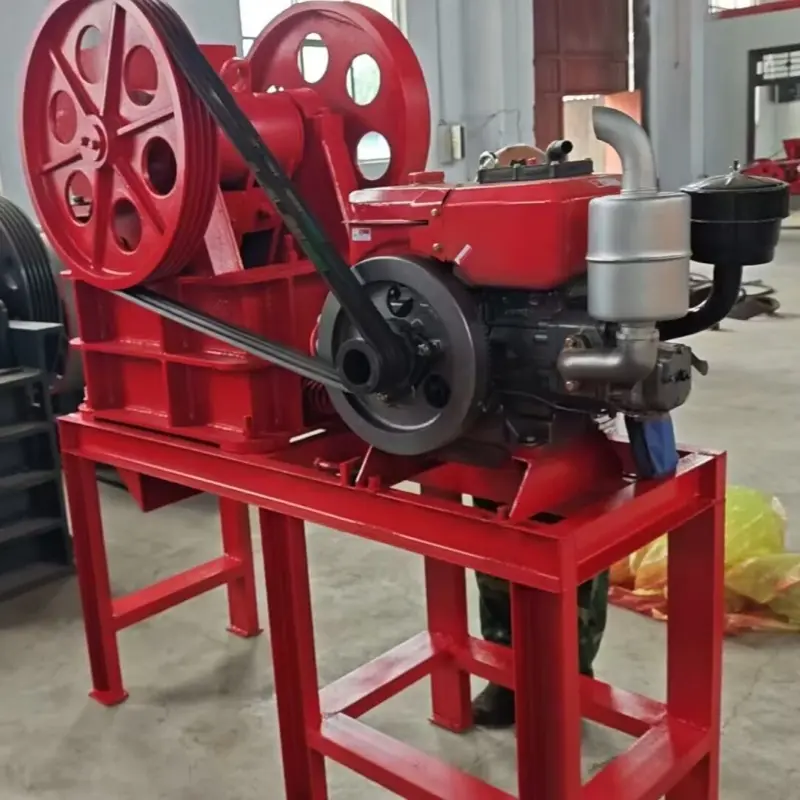
 November 2025
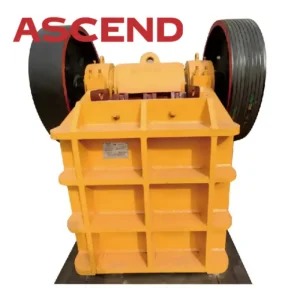
A fleet of diesel jaw crushers has been dispatched to rural mining operations in Papua New Guinea to support regional gold and aggregate production.
Get answers to common technical and logistical questions about sourcing hammer crusher units from China.
Established in 2005, Henan Ascend Machinery & Equipment Co., Ltd. is located in the high-tech zone of Zhengzhou City, Henan Province. Over the last two decades, we have focused on the R&D, manufacture, distribution, and after-sales servicing of heavy mining machinery.
Our product range covers complete systems for crushing, grinding, screening, feeding, and conveying. Whether you are processing limestone, granite, gravel, or gold-bearing ores, our engineering team can design an optimized circuit layout for your project. By managing our own manufacturing facility, we ensure quality control and offer direct factory pricing.
Read More About Ascend →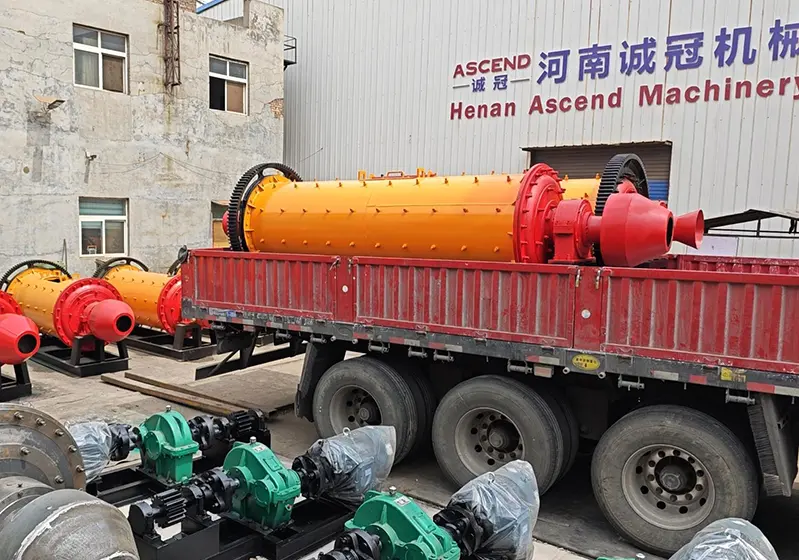
Explore our industrial range of fine grinding mills, classifiers, and specialized material processing systems:
 Ascend