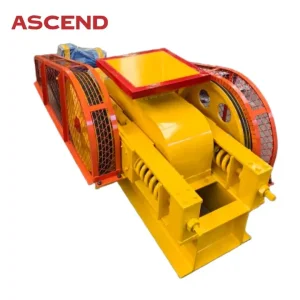
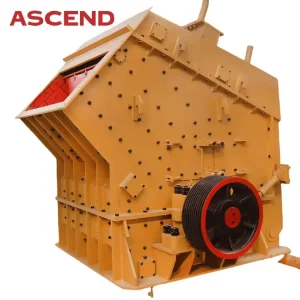
Explore our high-performance mineral processing systems, engineering spares, and advanced crushing plants designed for rigorous industrial environments.
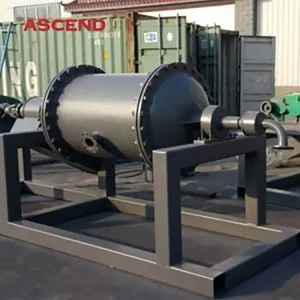
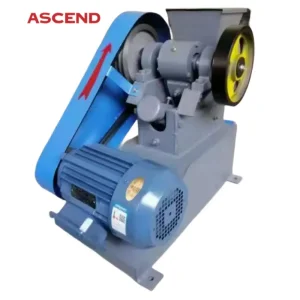
An analytical breakdown of mechanics, materials science, and processing mechanics in modern heavy industrial milling.
Unlike standard double-roller units, the four roller configuration splits structural workload. The upper pair of rollers features high-shear toothed profiles that fracture raw limestone or granite feeds down to mid-sized fractions. These immediately drop via gravity to the lower smooth rolls, where immense hydraulic pressure refines the aggregates to ultra-fine powders.
Heavy wear is mitigated through advanced Mn13Cr2 and high-chromium alloy casting for the roller liners. These outer sleeves undergo strict induction hardening to register above HRC 58-62. This drastically reduces the rate of micro-spalling and abrasive deterioration when processing hard ores like quartz or iron rock.
Our intelligent four roller mills are configured with digital HGC loops. Using dynamic LVDT sensors and high-pressure hydraulic cylinders, operators can modulate the nip gap dynamically down to 0.5 mm margins. If an uncrushable object (e.g. tramp iron) enters the chamber, relief valves immediately open to prevent damage.
Analyzing localization demands and China's industrial manufacturing core efficiency.
Across diverse operational landscapes, the performance requirements for grinding equipment shift radically depending on geological, environmental, and infrastructural contexts:
Henan Province, specifically the Zhengzhou High-Tech Zone, forms the geographical heart of China's heavy mining equipment sector. This concentration offers distinct advantages to global buyers:
| Mill Architecture | Optimal Feed Material | Energy Index (kWh/ton) | Maintenance Cycle | Ideal Output Fractions |
|---|---|---|---|---|
| Four Roller Mill | Limestone, Coke, Petroleum Coke, Clay, Shale | 12 - 18 kWh/t | Extremely Long (Segmented Roller Wear) | 0.5 mm - 100 Mesh |
| Traditional Ball Mill | Iron Ore, Gold Ore, Quartz, Cement Clinker | 28 - 45 kWh/t | Medium (Steel Ball Charging Required) | 200 Mesh - 400 Mesh |
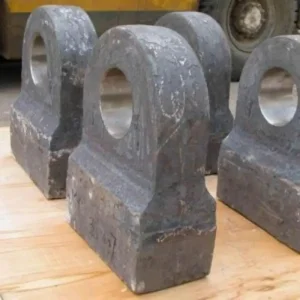
| Hammer Crusher | Soft Limestone, Coal, Medium-hard minerals | 15 - 25 kWh/t | Short (High Hammer Wear Rates) | 2 mm - 10 mm |
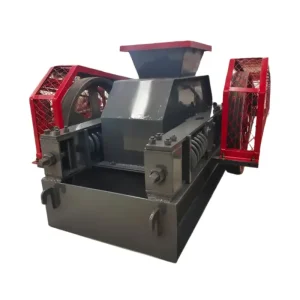
| Double Roller Crusher | Coals, Sintered Ores, Clay Clinker | 10 - 14 kWh/t | Long (Basic Maintenance) | 1 mm - 8 mm |
How intelligent systems are shaping the future of mineral processing.
By integrating vibration sensors onto bearing housings and acoustic emissions sensors on grinding zones, next-generation mills detect internal wear before failure occurs, feeding analytics directly to SCADA systems.
Dynamic motor speed tuning based on real-time load cell measurements adjusts roller RPM automatically to handle fluctuating hardness in geological strata, optimizing power draws.
Integrated dust mitigation systems combine negative-pressure containment housings with pulseless baghouse filters. This meets strict EPA and EU emission limits, keeping dust emissions below 10 mg/m³.
Providing custom answers to global crushing, grinding, and beneficiation projects.
Ascend has developed steadily since its establishment. Its business covers more than 130 countries and regions around the world, especially in Africa and Southeast Asia. Additionally, Ascend's machine quality and after-sales service have won widespread praise from international customers.
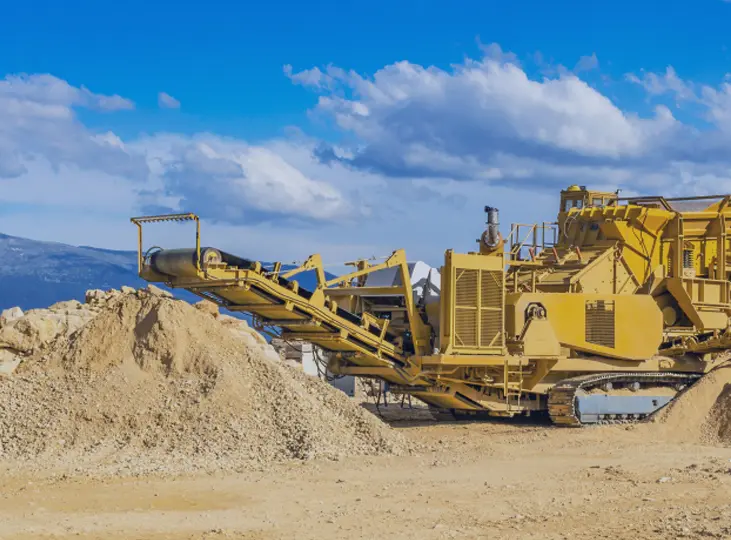
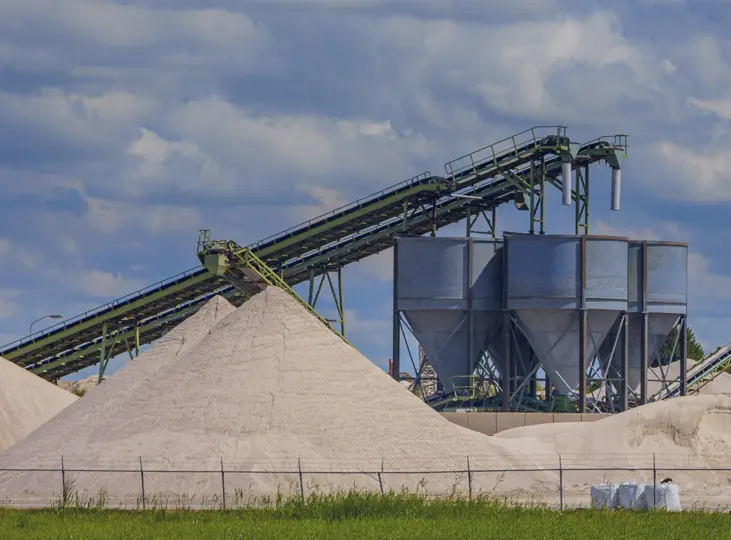
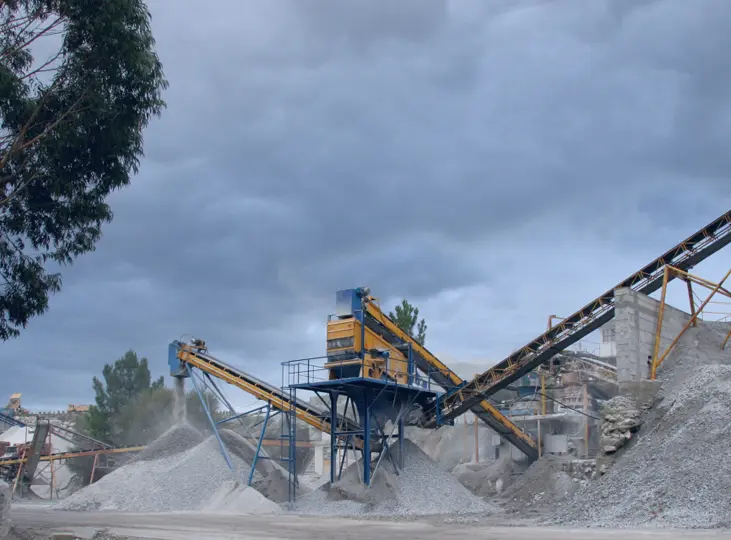
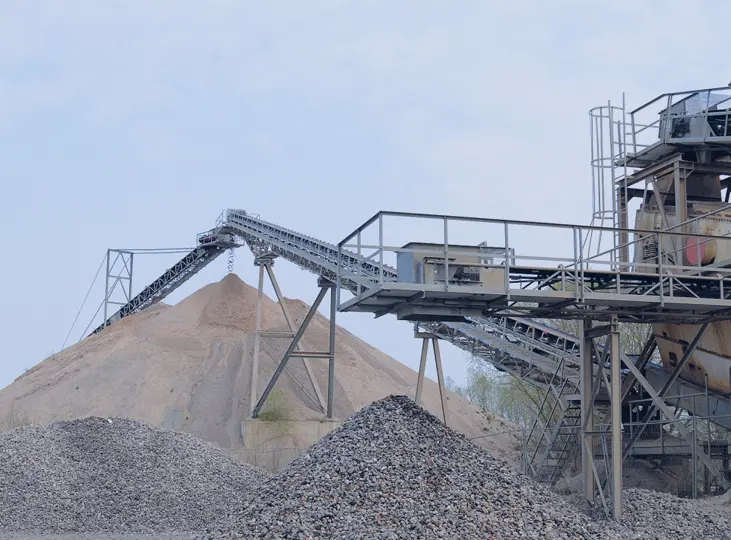
Our engineering expertise is backed by real-world deployments worldwide. We ensure each plant is configured to withstand harsh local operating conditions, from remote mine sites to high-capacity processing facilities:
Addressing critical engineering, operational, and procurement questions from plant managers and purchasing directors.
Four roller mills utilize direct, double-stage shear-and-compression zones, which bypasses the pneumatic recycling loop of a vertical roller mill. Because material is not repeatedly lifted and swept by internal air currents, fans require less power. For feed sizes under 30mm, a four roller mill averages 20% to 35% less power consumption per ton of processed material compared to VRM systems.
When processing materials with a Mohs hardness below 5-6 (such as limestone, coke, or gypsum), high-chromium alloy roller sleeves (HRC 58-62) average 6,000 to 10,000 hours of continuous operation before resurfacing or replacement is required. Harder ores, like quartz or basalt, will reduce shell lifespan to approximately 3,500 to 5,000 hours depending on the feed size distribution.
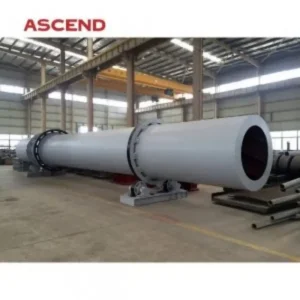
Yes. Standard configurations utilize scraper systems and internal heating jackets to process sticky materials. If the material moisture content exceeds 12%, we recommend integrating a rotary drum dryer inline before the grinding stage to ensure optimal flow and prevent material buildup on the roller surfaces.
Our systems utilize a hydraulic accumulator circuit that maintains consistent working pressure. If tramp metal or another uncrushable object passes through the feed, the system senses the pressure spike and triggers the hydraulic bypass valves. This allows the rollers to separate momentarily and discharge the object safely without damaging the drive shafts or alloy shells.
Typical manufacturing cycles range from 30 to 45 days depending on the level of customization. Transit time from Qingdao or Shanghai ports to main Southeast Asian ports (e.g., Jakarta, Klang, Haiphong) is 7 to 15 days, while shipments to East or West African ports (e.g., Dar es Salaam, Durban, Lagos) take 30 to 45 days.
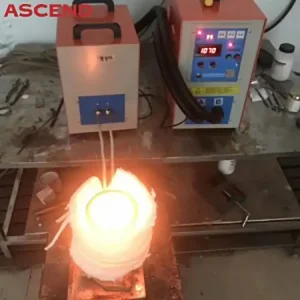
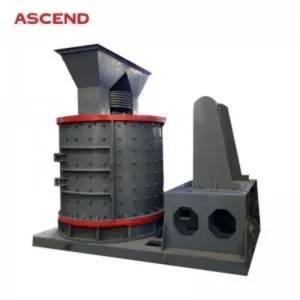
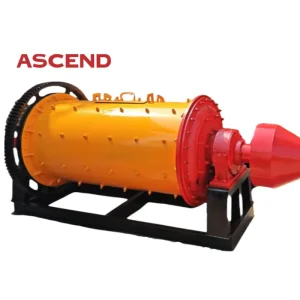
Complete beneficiation mills, material dryers, thermal treatment furnaces, and impact crushers optimized for global mine site conditions.
 Ascend