Premium quality crushing, grinding, and mineral processing equipment engineered for optimal field output.
Established Year
Countries Reached
Patented Technologies
Quality & Testing Gurantee
In the global crushing sector, size reduction of high-moisture materials like coal gangue, shale, clay, and limestone has historically presented severe mechanical difficulties. Typical hammer mills rely on screen grates to control discharge sizing. Consequently, when moisture content rises above 8%, the screen openings inevitably plug. This leads to friction buildup, high energy consumption, hammer wear, and unexpected system shutdowns.
The Double Stage Hammer Crusher represents a major leap in sizing and crushing engineering. Built with a grate-free, dual-rotor design, this machine uses two series of rotors working in sequence to achieve continuous fine reduction without clogging. The upper rotor performs primary impact reduction, and the lower rotor receives the material flow for secondary pulverization. This setup achieves a fine, uniform output (often under 3mm) from high-moisture raw materials, making it a critical asset for modern bricks, ceramics, and cement manufacturing plants.
"By removing the screen grate and using two rotors aligned vertically, the double stage hammer crusher resolves the moisture clogging issue that has limited single-shaft hammer mills for decades."
China is now the leading production hub for heavy-duty double stage hammer crushers, offering substantial advantages to global aggregate and mineral processing companies:
To understand the high reduction efficiency of the double-stage hammer crusher, we must analyze its mechanical arrangement. Below is a comparison table showcasing the standard structural and operating profiles of double-rotor vs. single-shaft hammer mill configurations:
| Performance Metrics | Dual-Rotor Double Stage Crusher | Standard Single-Rotor Hammer Mill |
|---|---|---|
| Discharge Grate Plate | None (Grate-free design) | Required (Prone to clogging with wet feed) |
| Moisture Tolerance Limit | Up to 25% - 30% without clogging | Strictly limited to less than 8% - 10% |
| Crushing Path | Dual stages (Upper primary + Lower secondary) | Single impact zone |
| Output Grain Size | 90% below 3mm (Highly uniform) | Irregular, depends heavily on grate condition |
| Hammer Wear Pattern | Balanced distribution, adjustable clearance | High localized wear near bottom grates |
The drive system uses dual motors that run independent rotor shafts in the same or opposing directions, depending on target output. Material feeds into the upper chamber, where high-speed hammers crush it against internal counter-attack liners. The partially crushed material falls directly into the second rotor's path. High-velocity impacts from the second set of hammers finish the reduction, discharging the material cleanly from the bottom of the machine.
Ascend has developed steadily since its establishment. Our business covers more than 130 countries and regions around the world, especially in Africa and Southeast Asia. The quality of Ascend machines and our committed after-sales service have won widespread praise from international customers.
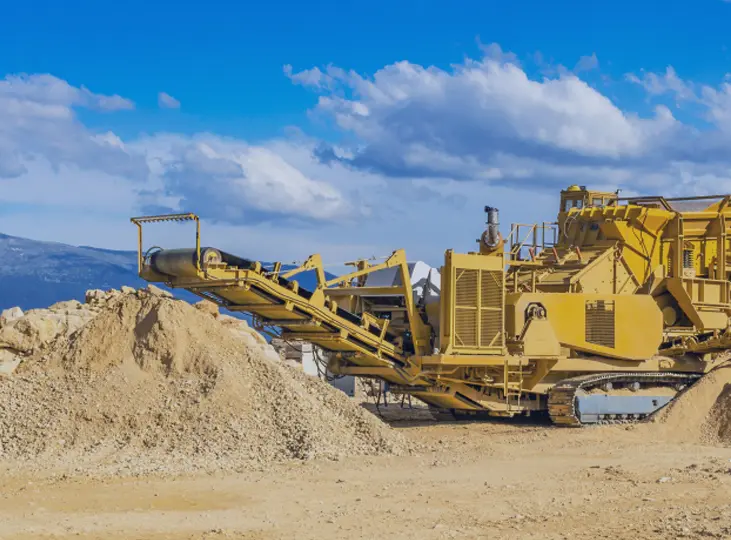
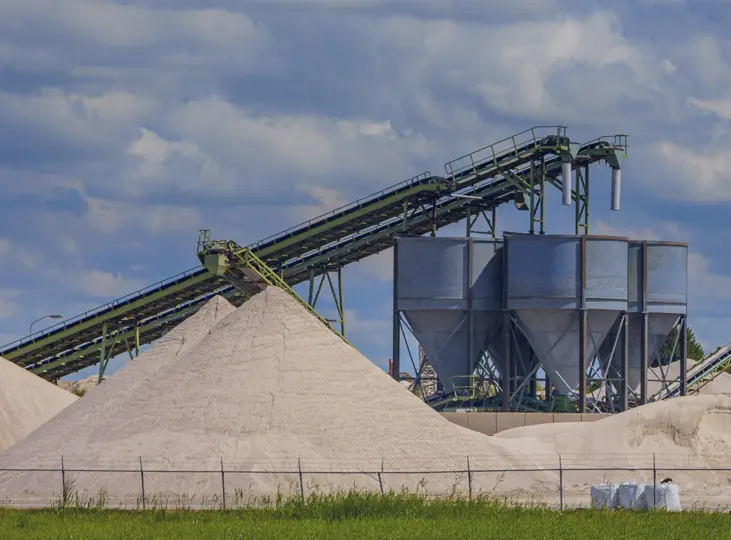
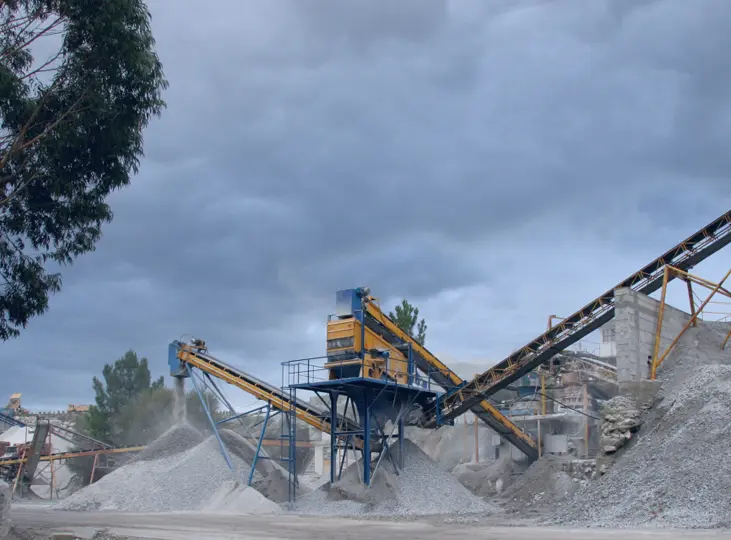
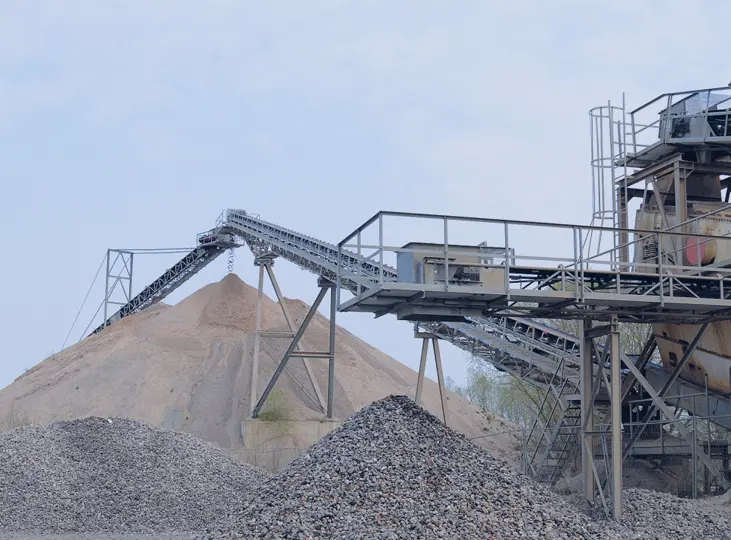
Explore our highly sought-after product series for construction, road building, and metallurgy applications.
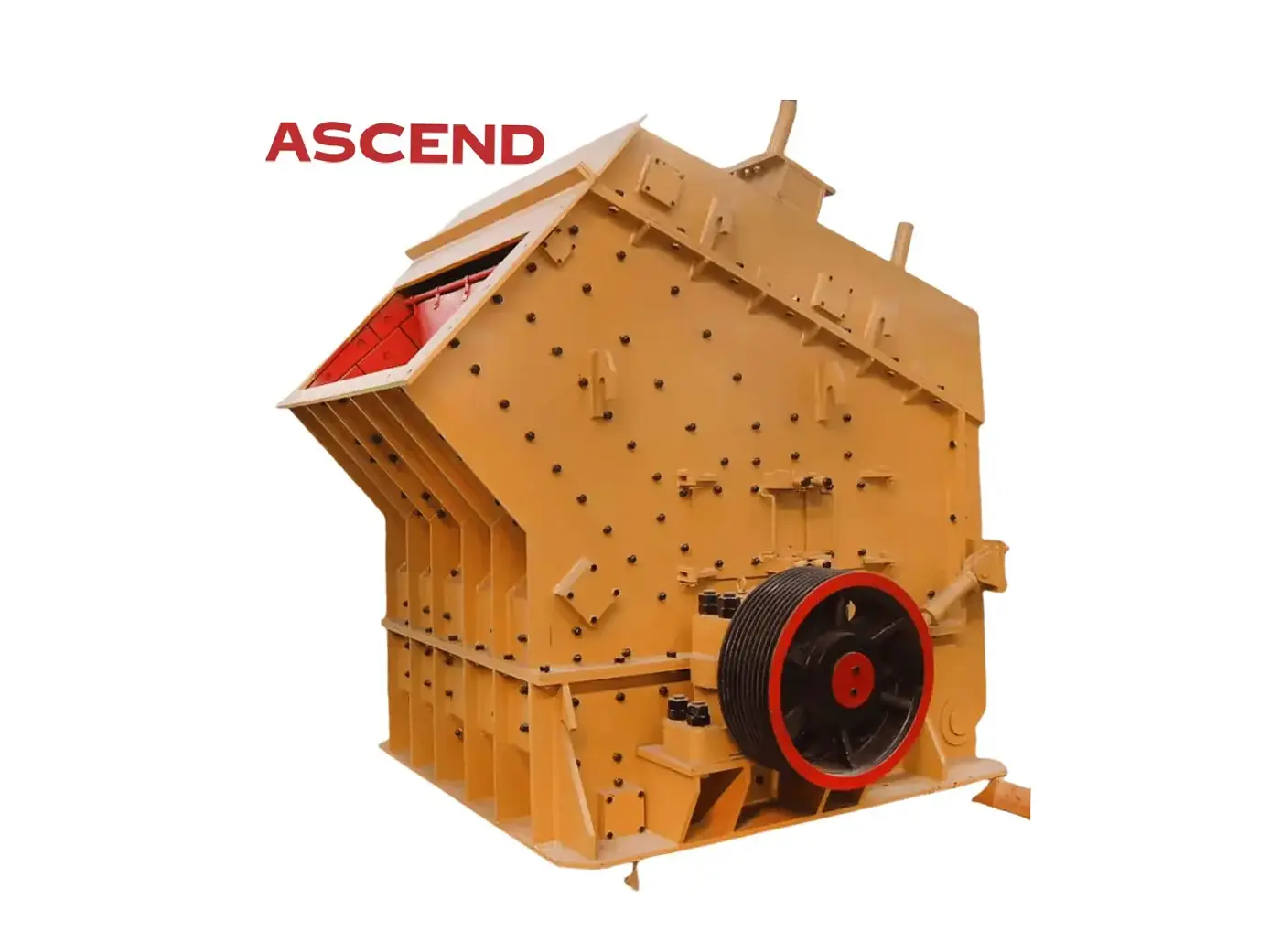
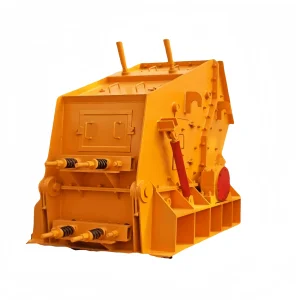
Impact crusher is a kind of secondary crushing equipment which uses impact power to crush materials. Impact crusher is characterized by easy maintenance, high reduction ratios and high efficiency to produce precisely cubic shape products. It is designed with three crushing chambers, seamlessly connected rotor, wear-resistant blow bar and installation of insert type. Moreover, it has tooth type liner, gradient designed bearing seat, frame with several openings and screws or hydraulic start-up devices. Impact crushers can be used in all different stages of size reduction from primary crushing to the last step of the crushing process.
Read MoreDouble stage hammer crushers serve as primary size-reduction units across several key processing systems:
Operating environments place unique demands on crushing machinery. Sourcing double stage hammer crushers from experienced manufacturers ensures systems are optimized for local conditions:
Tropical High-Moisture Regions (e.g., Southeast Asia, Central Africa): High humidity and heavy rainfall create sticky feed materials that shut down standard mills. Double-stage, grate-free crushers process these wet ores continuously, preventing paste buildup inside the crushing chamber.
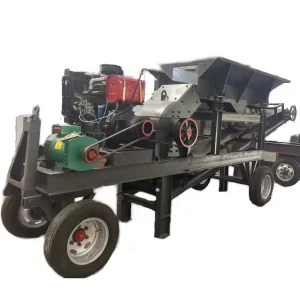
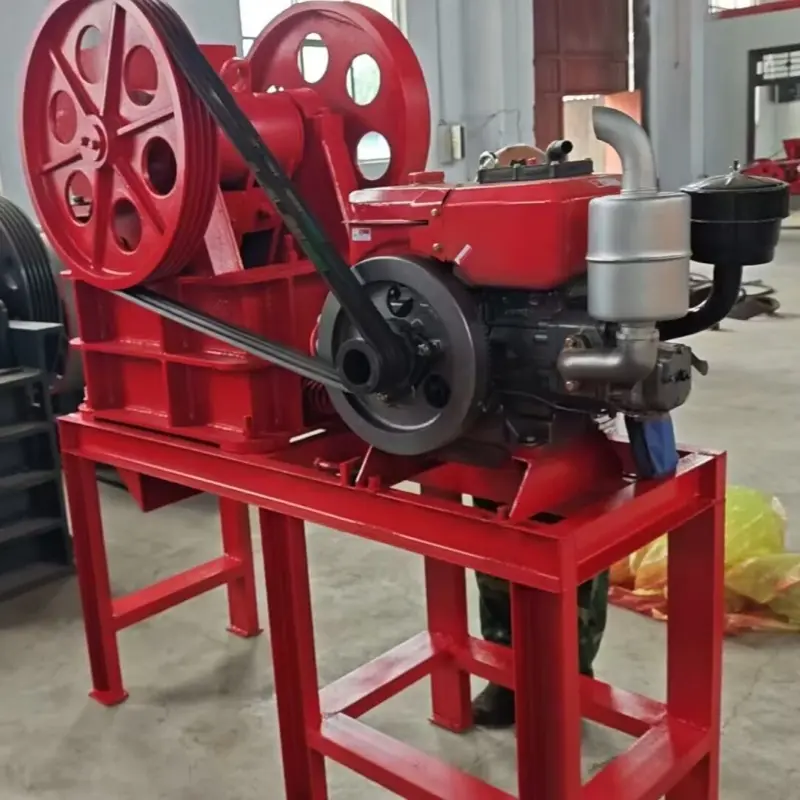
Remote Operations (e.g., Mining Sites in Papua New Guinea, Zambia): Off-grid mine sites depend on diesel-driven, mobile configurations. Integrated diesel engine double stage hammer crushers supply reliable crushing capacity without requiring high-voltage line connections.
Abrasive Aggregate Processing: For silica-rich materials, we specify double-turn bimetal hammers. When the leading edge wears down, the hammer head can be flipped, doubling its operational life and reducing maintenance downtime.
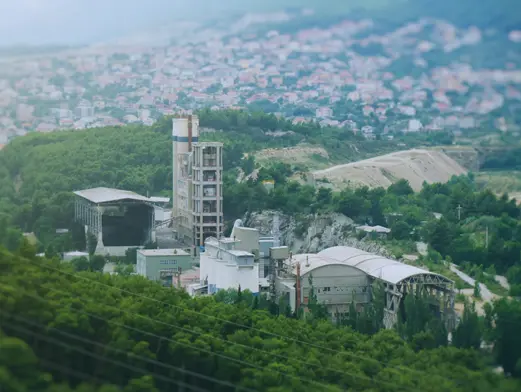
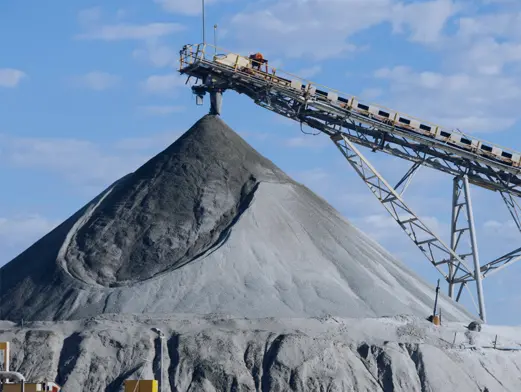
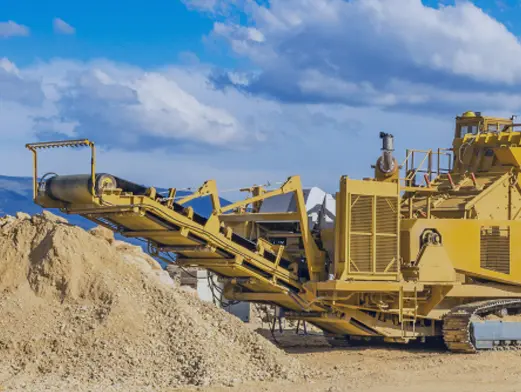
Real-world installations showing our systems running under varying site conditions.
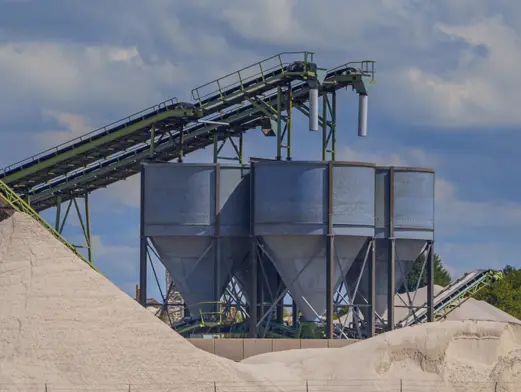
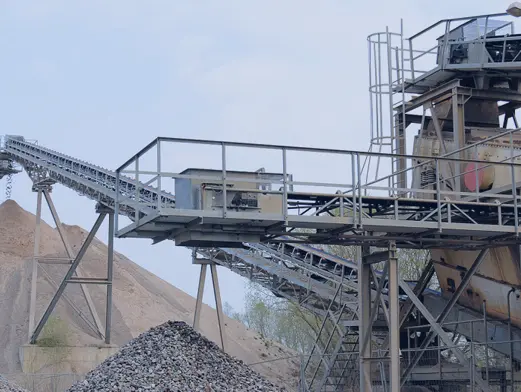
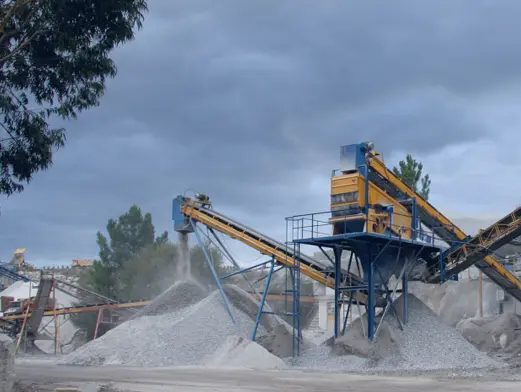
Technical developments in double stage hammer mill manufacturing are focused on increasing efficiency and ease of maintenance:
When purchasing industrial crushing equipment from China, sourcing teams should evaluate these technical parameters:
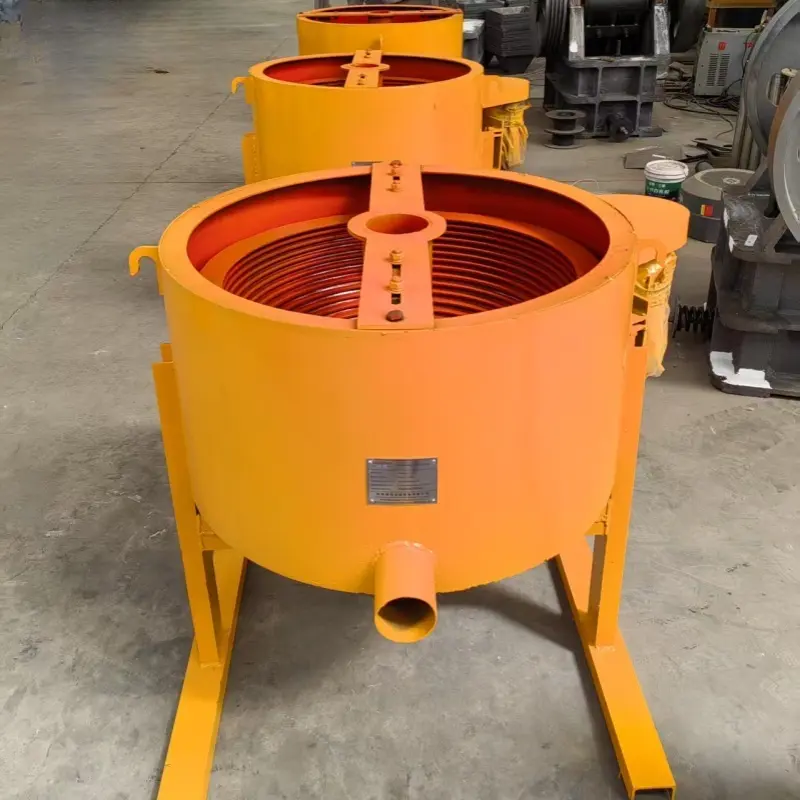
Recent international shipments, factory news, and mining equipment deliveries from Henan Ascend.
 News
News
Professional answers to common engineering, maintenance, and sourcing questions.
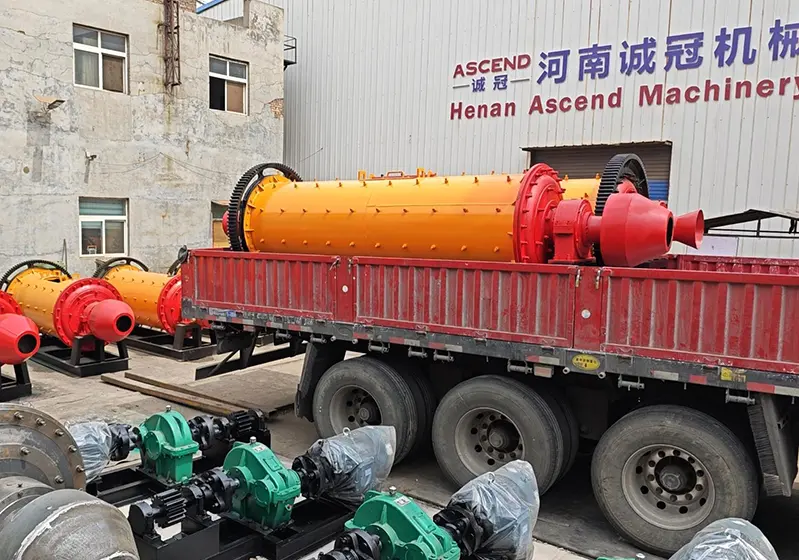
Henan Ascend Machinery & Equipment Co., Ltd. was established in 2005 and is located in the high-tech zone of Zhengzhou City, Henan Province.
Ascend is mainly engaged in the research, development, manufacturing, sales, and after-sales service of complete sets of crushing, grinding, screening, feeding, and conveying heavy mining machinery. If you need to crush limestone, granite, gravel, or other stone, grind them into powder, or extract gold, please feel free to contact us. Tell us your processing requirements, and our engineering team will provide you with professional advice. Operating our own factory ensures machine quality and allows us to offer competitive pricing. We look forward to supporting your next project.
Contact Our EngineersHeavy-duty, field-tested machinery engineered to support continuous processing operations.
 Ascend
 News
News