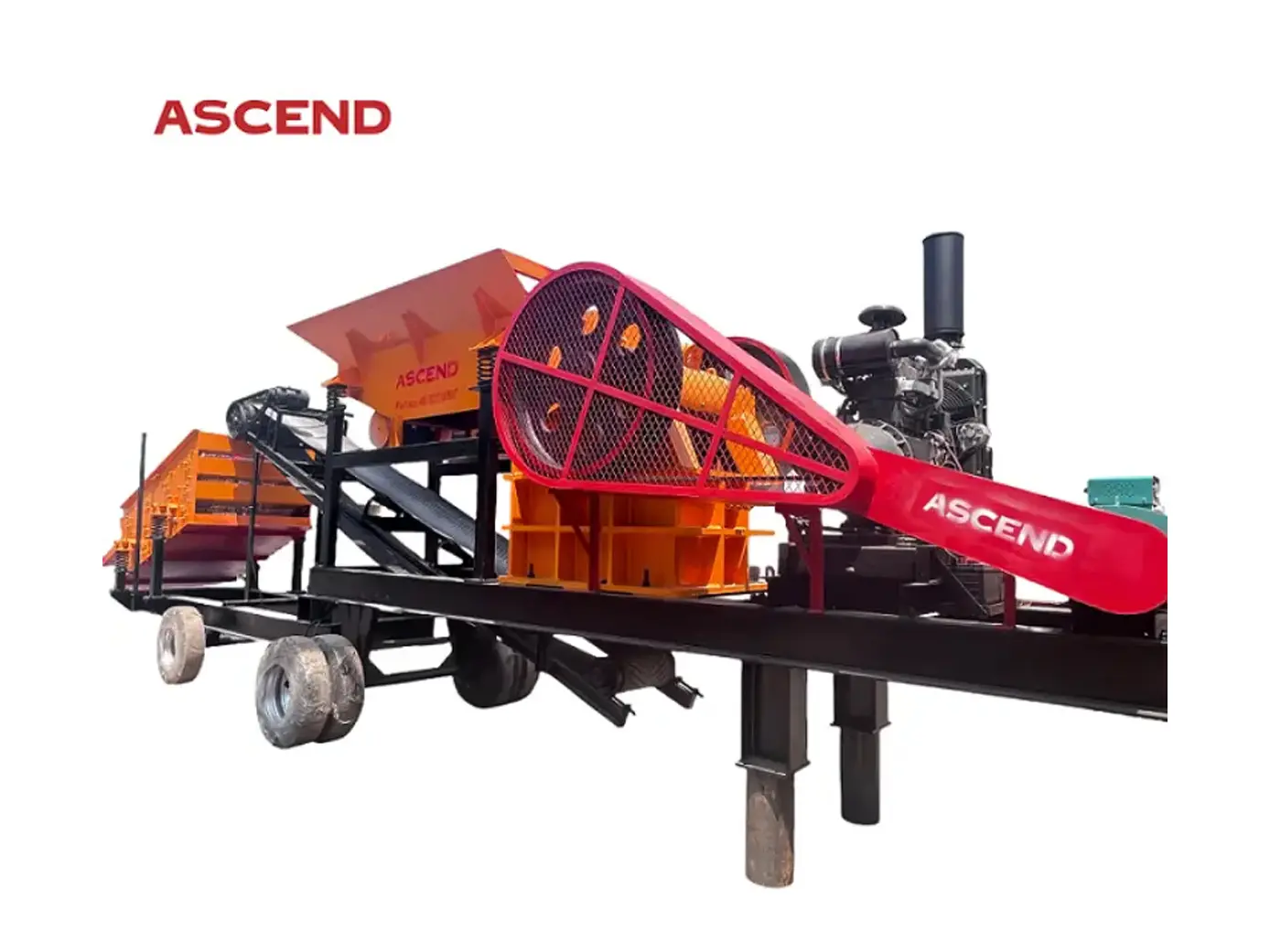
Industrial vibrating screens optimized for high-volume classifying in mining and quarrying applications around Thailand.
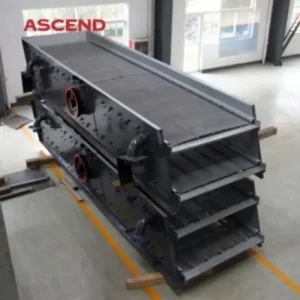
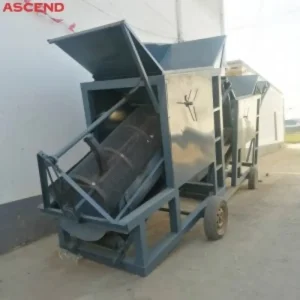
Bangkok's rapid urbanization and the continuous expansion of the Eastern Economic Corridor (EEC) have catalyzed an unprecedented demand for high-capacity material processing and classification machinery. As the hub of Thailand's construction, logistics, and processing industries, the Bangkok Metropolitan Region (BMR) relies heavily on high-fidelity aggregate grading. Vibrating screen machines serve as the fundamental backbone of this operation. Without precise size classification, materials such as river sand from the Chao Phraya, crushed limestone from Saraburi, and recycled concrete cannot meet the strict structural codes required for high-rise developments and MRT subway line extensions.
Furthermore, the industrial zoning around Laem Chabang and Samut Prakan is experiencing a significant shift towards environmental sustainability and precise materials extraction. Traditional open-air dry screening is rapidly being replaced by high-performance wet screening technologies and dust-contained, multi-deck circular vibratory systems. These upgrades mitigate fine dust air pollution (PM2.5), which has become a major legislative and municipal focus in Bangkok. Local processing plants require reliable machinery backed by prompt engineering services to keep downtime to an absolute minimum.
"The integration of smart vibrating screens in the Bangkok Metropolitan Region is no longer just about high volume; it is about precision cut-offs, moisture tolerance, and dust prevention to comply with modern green-building standards in Southeast Asia."
Globally, the mineral separation and aggregate classification industries are adapting to declining ore grades and rising energy costs. Heavy equipment buyers look for systems that maximize throughput per square meter of screen deck area. In wet mining and sand classification setups, the optimization of screen surface chemistry—specifically transitioning from woven wire mesh to modular polyurethane or hybrid screen media—has proven to prolong operational lifespan and prevent panel blinding. Global operators now prioritize systems that deliver high G-forces (up to 4.5G) while dampening stress transferring back into structural steel support towers, preventing weld cracking and catastrophic structural failures.
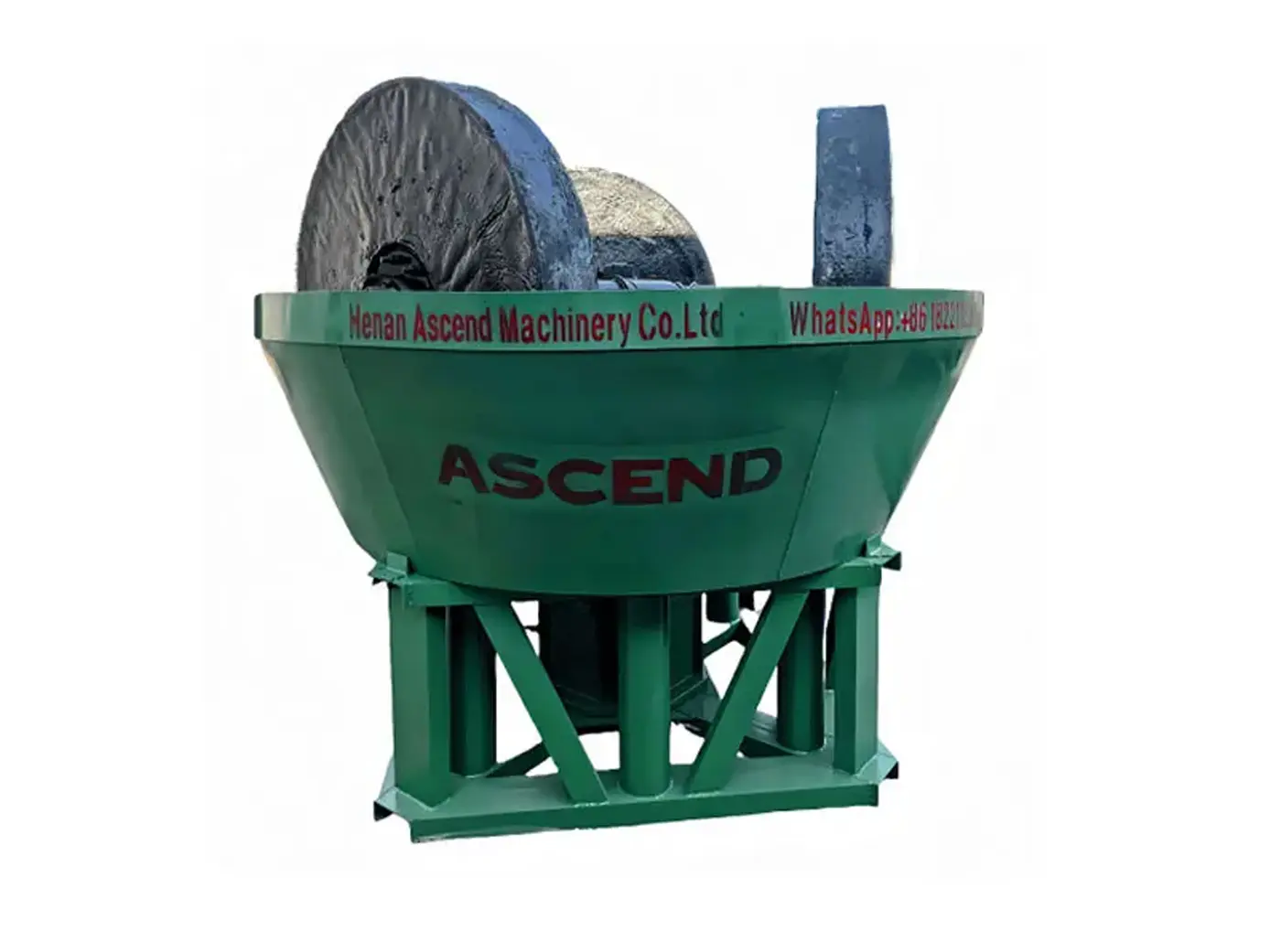
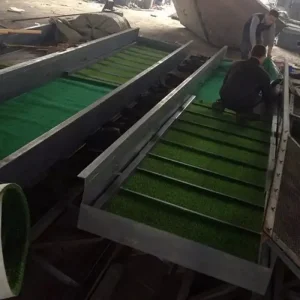
Engineered for high-yield mineral processing and fine gravity concentration under extreme industrial loads.
The production of industrial screening machinery has evolved from basic mechanical welding to advanced cyber-physical system manufacturing (Industry 4.0). Leading manufacturing hubs in China, such as Zhengzhou's high-tech zone, utilize robotic precision welding, automatic shot-peening, and thermal stress relief to ensure the structural integrity of heavy screen box assemblies. Vibrating screen side plates are now cut using ultra-high-power fiber lasers and joined using huck bolts rather than welding. This completely eliminates heat-affected zone (HAZ) embrittlement, which is the primary cause of fatigue cracks in high-frequency vibrating equipment.
By leveraging Chinese supply-chain resilience, factories can maintain continuous production schedules even during global material supply line shocks. Vertically integrated access to certified high-tensile steel, world-class vibrator motors (such as Oli or Martin), and robust bearing brands guarantees that every machine leaves the factory built to European and American performance tolerances at a fraction of the cost. For buyers in Bangkok, the geographic proximity allows for seamless shipping routes—from coastal ports like Shanghai or Qingdao directly to Laem Chabang, or via overland rail links directly into the heart of Thailand, lowering shipping overheads and transit lead times significantly.
Implementing heavy machinery in Thailand requires specialized engineering configurations to address specific environmental constraints. The tropical humidity and heavy monsoon periods in Bangkok demand that wet screening systems operate efficiently without aggregate material clumping or sticking to the mesh panels. Furthermore, silica sand extraction plants along the regional rivers require multi-stage classification systems that handle high pulp densities without structural wash-out. Incorporating specialized anti-blinding devices (such as rubber balls or polyurethane flip-flow screen decks) ensures consistent feed rates even during the peak of the rainy season.
Ascend has developed steadily since its establishment. Our business covers more than 130 countries and regions around the world, especially in Africa and Southeast Asia. Also, Ascend machine quality and after-sales service have won widespread praise from international customers.
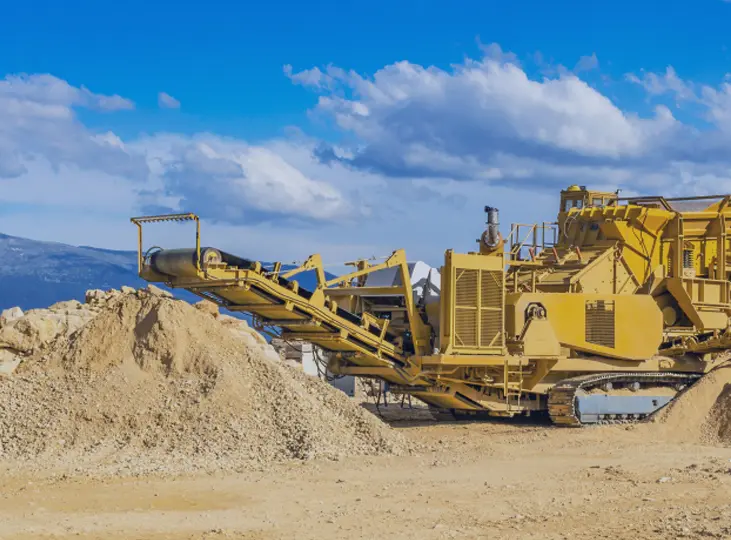
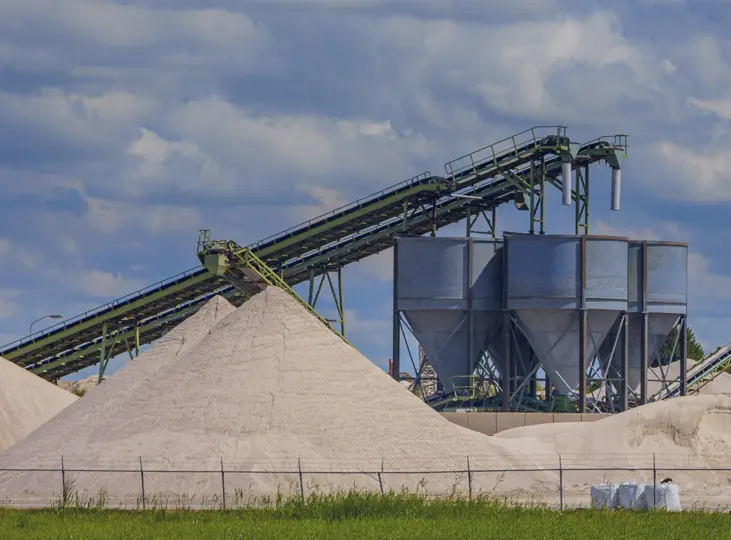
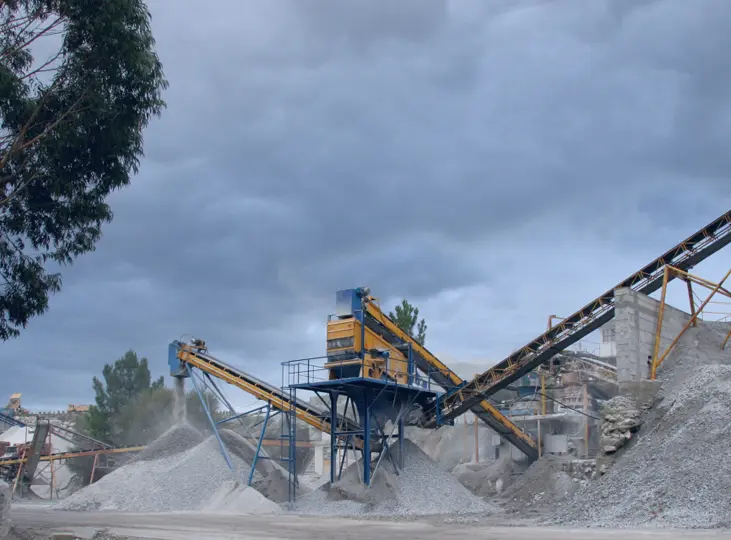
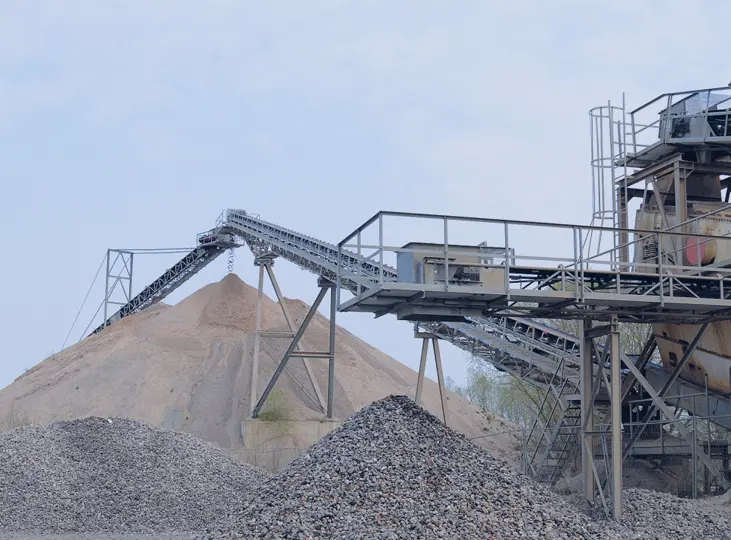
Explore our heavy-duty product range optimized for processing quartz, limestone, basalt, and alluvial ores.
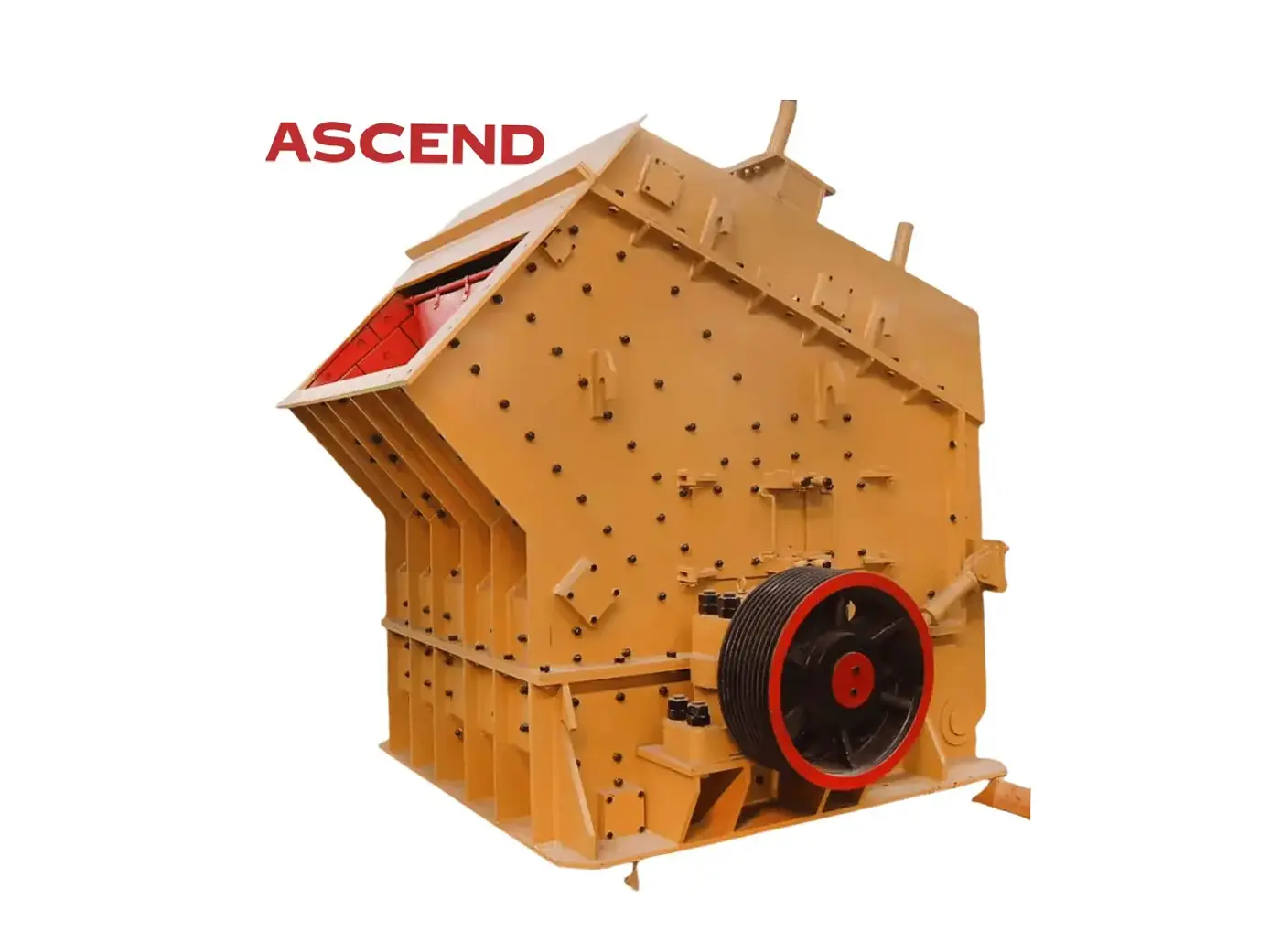
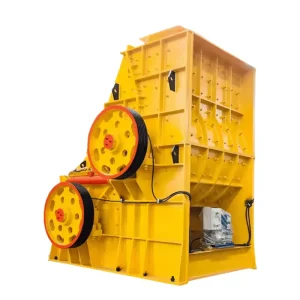
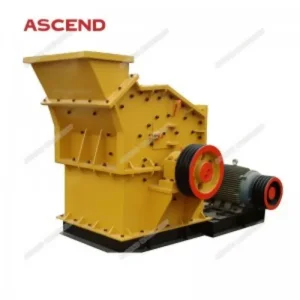
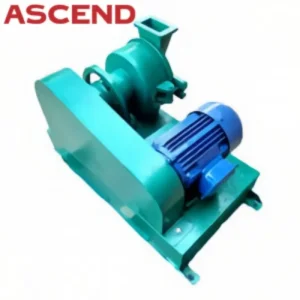
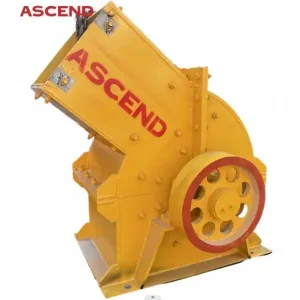
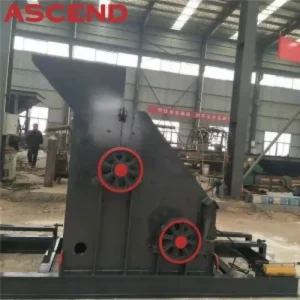
Impact crusher is a kind of secondary crushing equipment which uses impact power to crush materials. Impact crusher is characterized by easy maintenance, high reduction ratios and high efficiency to produce precisely cubic shape products. It is designed with three crushing chambers, seamlessly connected rotor, wear-resistant blow bar and installation of insert type. Moreover, it has tooth type liner, gradient designed bearing seat, frame with several openings and screws or hydraulic start-up devices. Impact crushers can be used in all different stages of size reduction from primary crushing to the last step of the crushing process.
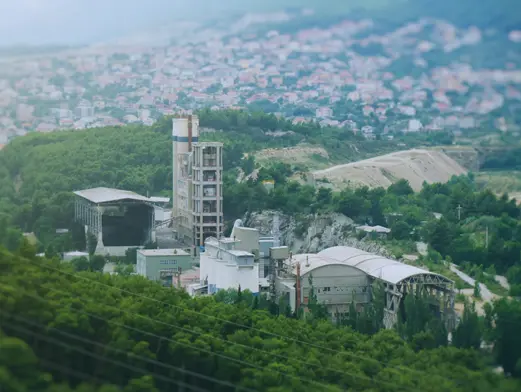
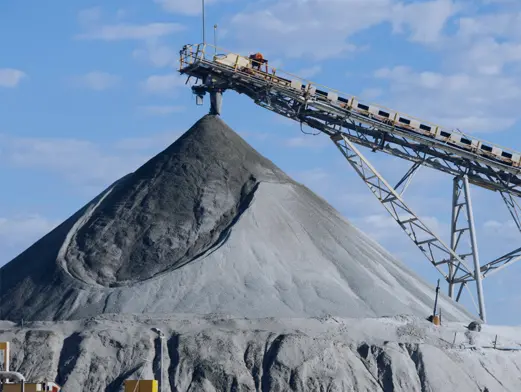
Consult Local PricingTake a look at our global installation sites, engineered to process limestone, coal, granite, and precious gold ores.
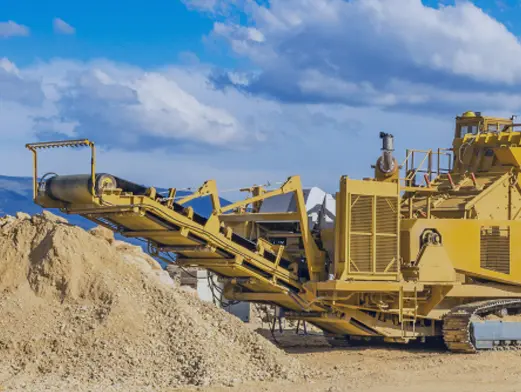
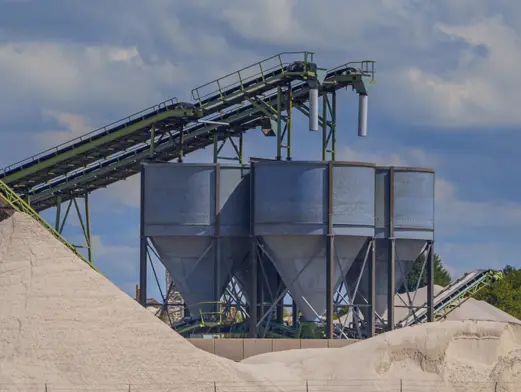
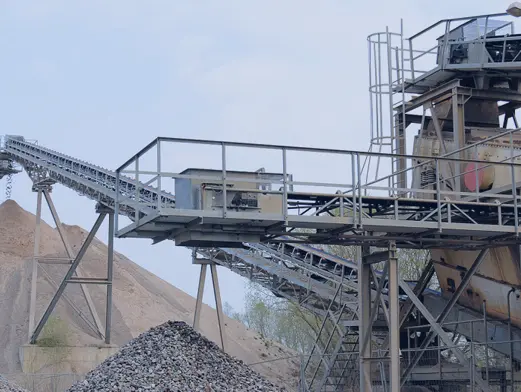
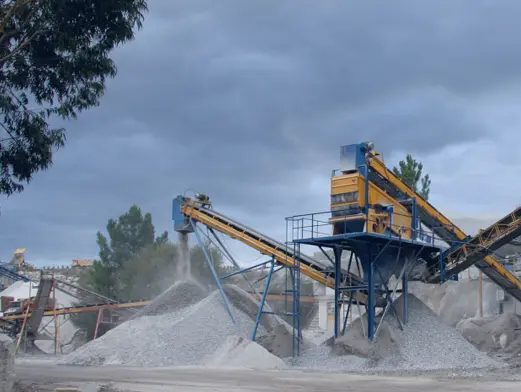
Read about our recent machinery deliveries, commissioning reports, and technological breakthroughs.
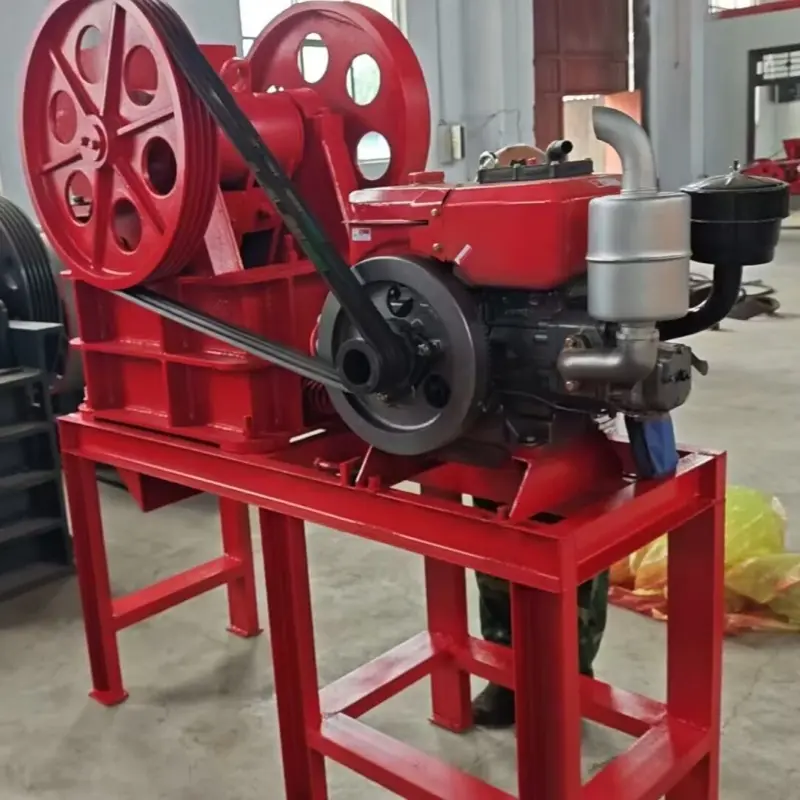
 Nov 2025
 Aug 2025
Henan Ascend Machinery & Equipment Co.,Ltd. was established in 2005 and it is located in the high-tech zone of Zhengzhou City, Henan Province.
Ascend is mainly engaged in the research and development, manufacturing, sales and after-sales service of complete sets of crushing, grinding, screening, feeding and conveying heavy mining machinery. If you need to crush limestone, granite, gravel or other stone, or grinding them into powder, or extract gold, please feel free to contact us. Just tell us your needs and our engineers can provide you with professional advice. And we have our own factory, the quality of the machine is guaranteed, the price is more advantageous. We believe that we will be your good choice.
Get Corporate CatalogEffective separation inside a vibrating screen machine relies on a phenomenon called material stratification. When dry or wet sand mixtures are loaded onto a high-frequency vibrating deck, the vibrations cause the bed of material to behave fluidly. Small particles sink through the voids between larger particles, accumulating at the bottom of the material bed and passing through the mesh apertures. The larger particles remain at the top of the bed and are discharged at the end of the deck.
Achieving high-grade stratification requires meticulous control over three main variables: the throw angle of the eccentric shafts, the speed of the motor (measured in RPM), and the deck tilt angle. For fine silica sand grading common in Bangkok's concrete production, a linear motion screen with a shallow incline of 5 to 10 degrees is ideal. Conversely, for primary limestone scalping where large boulders must be rapidly separated from run-of-mine (ROM) materials, heavy-duty circular motion vibrators mounted on inclined decks (15 to 20 degrees) are required. These setups prevent material rollback and absorb high impact shocks.
"Structural engineering parameters: Our screens are built using cold-riveted side plates. This technique distributes operating shear stresses uniformly across the main frame, preventing micro-fractures in high-frequency applications."
Bangkok's ambient temperature frequently exceeds 35°C, coupled with relative humidity levels reaching over 90% during the monsoon season. This combination poses critical challenges for the lubrication of drive mechanisms and the prevention of rust on structural components. At Henan Ascend, we address these challenges by employing IP65-rated, tropicalized vibrating motors. These motors are sealed with synthetic high-temperature grease that retains its viscosity even under prolonged high-vibration and high-temperature conditions. Additionally, our main frames undergo sandblasting to Sa2.5 standards followed by double-layer epoxy coating, ensuring long-term resistance to rust in wet processing environments.
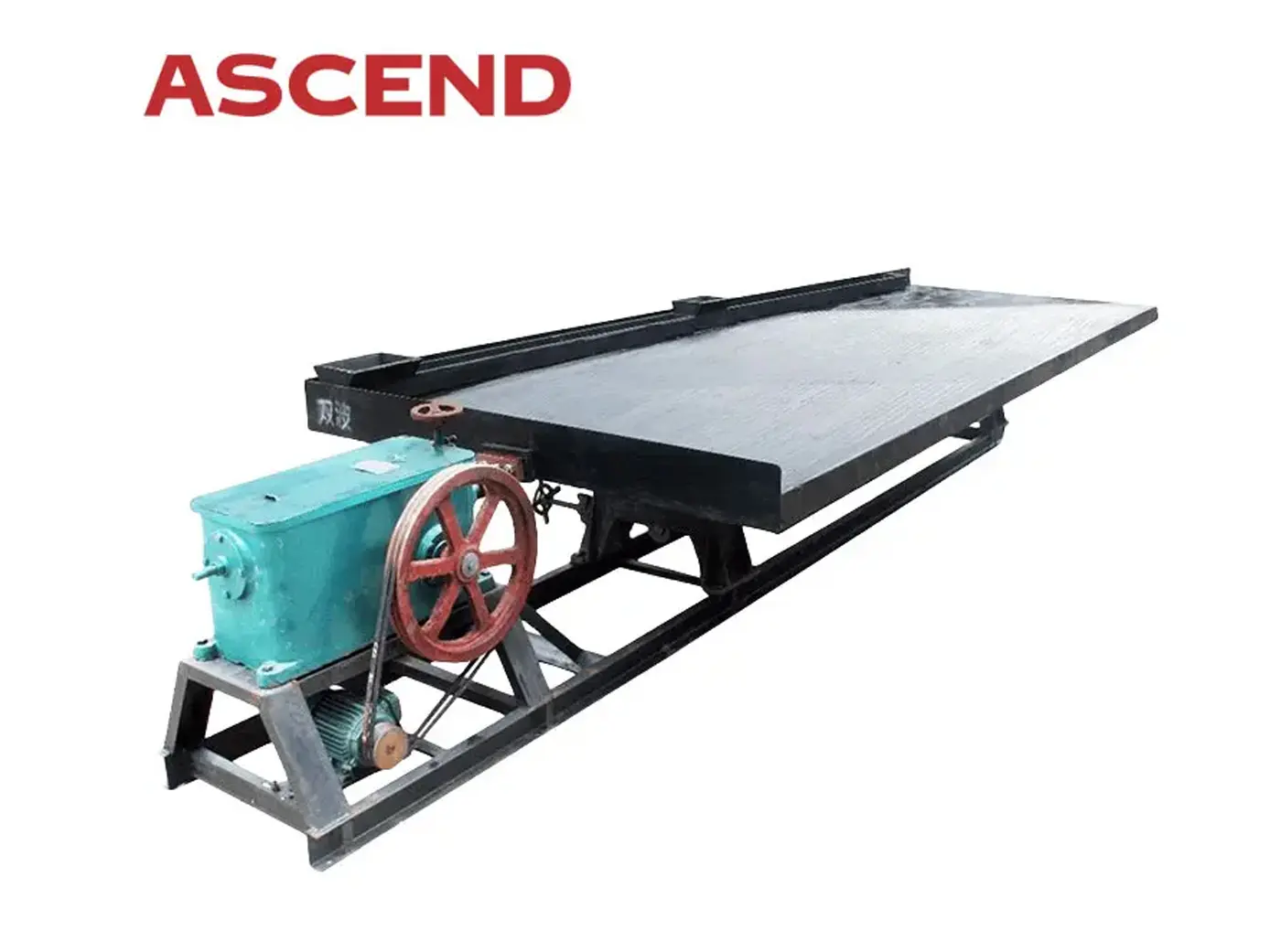
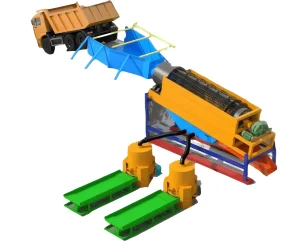
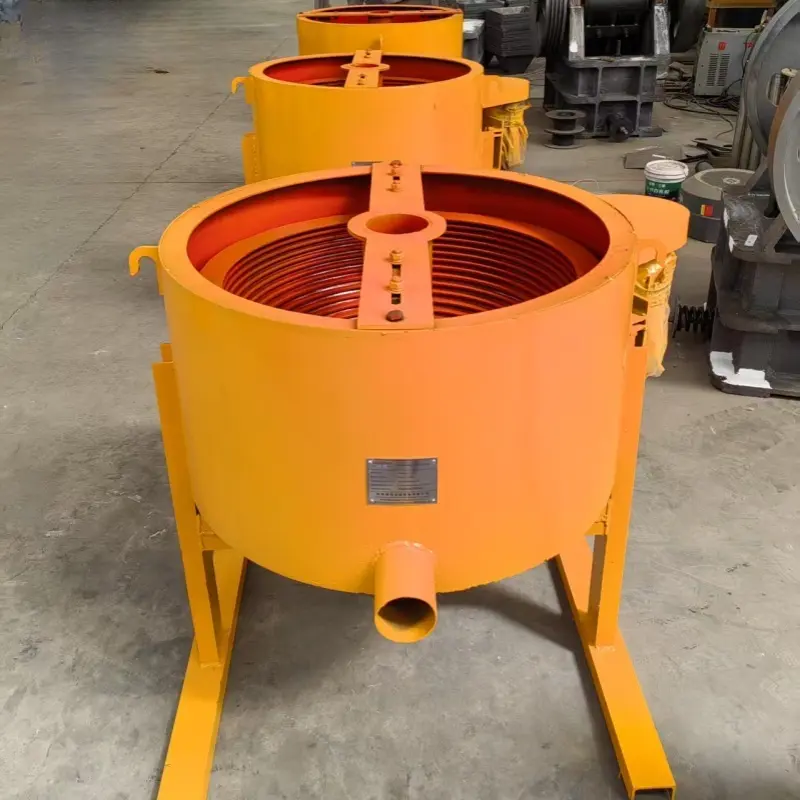
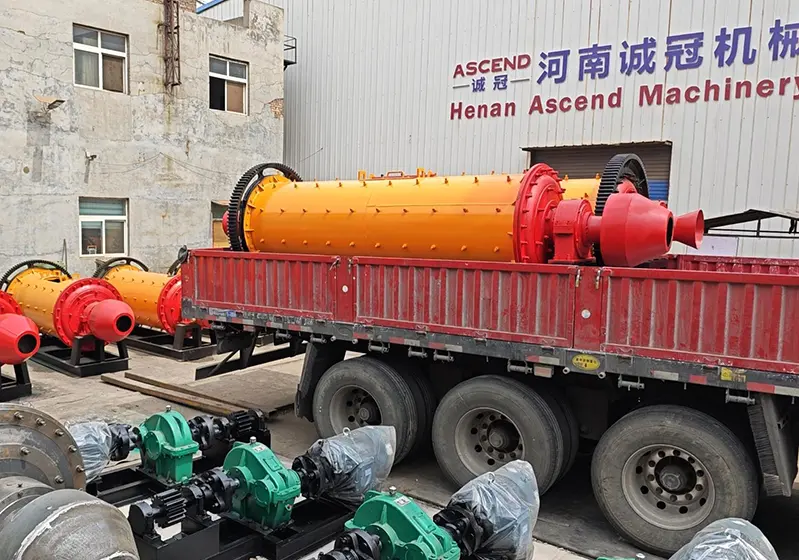
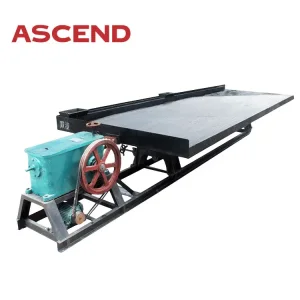
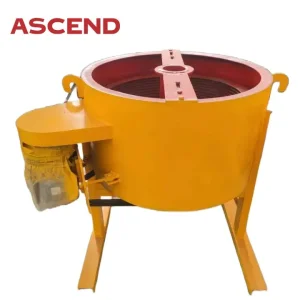
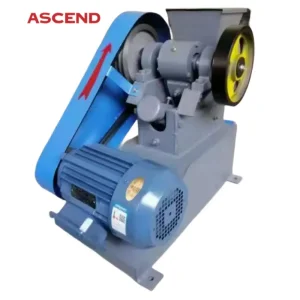
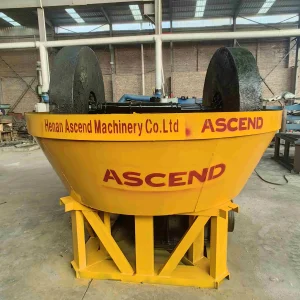
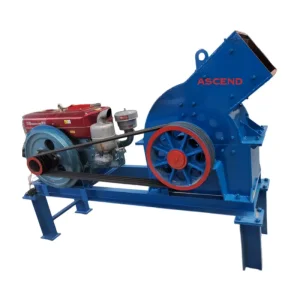
A full portfolio of milling, crushing, shaking tables, and wet gravity separators for industrial processing plants in Bangkok.
Technical, logistical, and structural screening questions answered by our processing engineers.
For silica sand applications, especially along the Chao Phraya River, wet classification is typically required. Standard wire mesh panels are prone to rapid wear due to abrasive silica friction and screen blinding. We highly recommend using polyurethane screen panels (with aperture sizes ranging from 0.5mm to 2mm). Polyurethane provides up to 10 times the wear life of high-carbon steel and offers self-cleaning properties due to the natural flexibility of the polyurethane bars under high G-forces.
We employ cold-riveted huck bolts rather than conventional welding to connect the side plates, deck stiffeners, and motor mounts. Conventional welding introduces heat-affected zones (HAZ) where fatigue cracks tend to form over time under continuous 4.5G vibration cycles. Cold riveting ensures stress is distributed uniformly across the components, significantly reducing mechanical failure risks.
High material moisture is the primary cause of screening deck blinding. To solve this, our processing screens can be configured with anti-blinding rubber balls placed beneath the main mesh decks, or designed as a dynamic flip-flow screen. In wet processing applications, our integrated high-volume wash spray bars use polyurethane nozzles to distribute water evenly, washing away clay and fines while keeping the screen surface clean.
We offer sea freight options from major ports in China (Shanghai, Qingdao, Ningbo) directly to Laem Chabang Port near Bangkok, taking roughly 10 to 14 days. We also offer land-rail transport options via the China-Laos-Thailand railway system, which is particularly convenient for urgent spare parts and compact modular machinery shipments.
Yes. Our engineering division works with CAD/Solidworks to model customized vibrating screen frame assemblies based on your specific layout constraints. We customize structural deck angles, feed hopper dimensions, discharge chute configurations, and motor placements to fit seamlessly into your existing aggregate or mining processing plant.
Get in touch with our engineering team for customized machine dimensions, G-force calculations, and competitive pricing for Bangkok and the wider Southeast Asia region.
 Ascend