Engineered for Maximum Mechanical Efficiency, Durability, and Low Maintenance Overhead
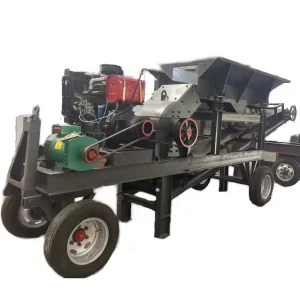
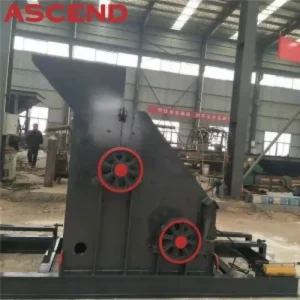

In modern industrial minerals, mining, and civil infrastructure projects, mechanical sizing serves as the initial, most vital layer of material preparation. Small jaw crushers stand out as the primary reduction workhorses, delivering high mechanical leverage, manageable dimensions, and long-term operating efficiency. These machines process high-compressive materials like basalt, granite, copper ores, gold-bearing quartz veins, and concrete debris. This makes them crucial for primary aggregate sizing and downstream separation lines.
Small jaw crushers offer a major operational advantage: they reduce bulk materials near the extraction point, avoiding costly transport of uncrushed raw feeds. This makes them ideal for both small mining setups (ASM) and heavy-duty pilot laboratories. Their simple toggle and eccentric shaft design ensures high reliability, even in challenging environments like remote mining areas in Sub-Saharan Africa or dense construction sites in Southeast Asia.
To evaluate the long-term cost of ownership (TCO) of a jaw crusher, you need to understand its kinematic dynamics. The standard Blake type or single-toggle overhead eccentric jaw crusher operates on a simple but effective principle: the eccentric shaft rotates, driving the pitman down and up. This movement pushes the swing jaw plate toward the fixed jaw plate, crushing the raw material through compressive force.
This design has a key advantage: the downward motion also helps pull material through the chamber, increasing capacity. However, this causes vertical rubbing on the jaw plates, which accelerates wear. This is why material selection is critical. Henan Ascend uses high-manganese alloys with chromium options, which harden under continuous impact to extend wear life during tough operations.
| Model Parameter | Feed Opening Size (mm) | Max Feed Size (mm) | Adjustable Discharge (mm) | Processing Capacity (t/h) | Motor Power (kW) |
|---|---|---|---|---|---|
| PE-150×250 | 150 × 250 | 125 | 10 - 40 | 1 - 3 | 5.5 |
| PE-250×400 | 250 × 400 | 210 | 20 - 60 | 5 - 20 | 15 |
| PE-400×600 | 400 × 600 | 340 | 40 - 100 | 16 - 60 | 30 |
| PE-600×900 | 600 × 900 | 500 | 65 - 160 | 50 - 180 | 75 - 110 |
Industrial application tip: Choosing the right jaw crusher requires matching your target processing capacity with the feed size. Feeding oversized rocks causes bridging in the mouth of the crusher, which reduces efficiency and increases downtime. We recommend keeping the feed size below 85% of the physical opening size for optimal throughput.
Tailored Projects Executed in Over 130 Countries and Regions Globally
Custom gold extraction configurations featuring crushing circuits, mills, and gravity concentration lines.
Learn More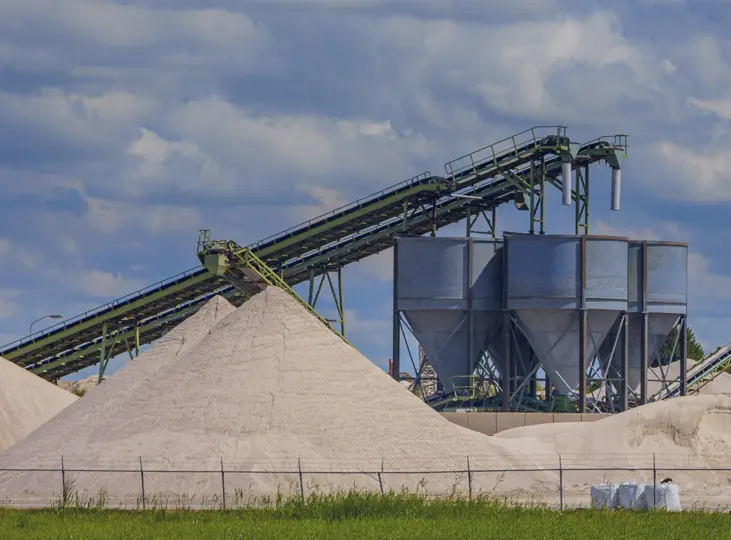
Stationary and mobile solutions engineered for heavy quarry applications, concrete, and asphalt production.
Learn More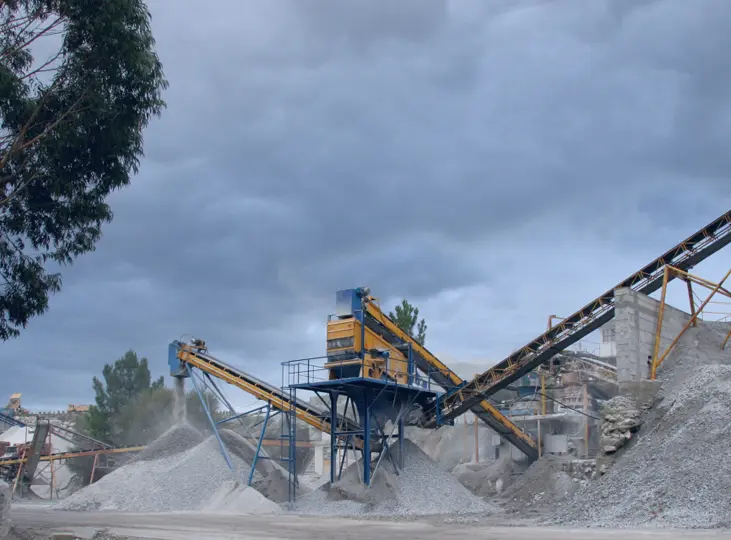
Granite, basalt, and silica crushing systems configured with durable primary jaw and secondary cone units.
Learn More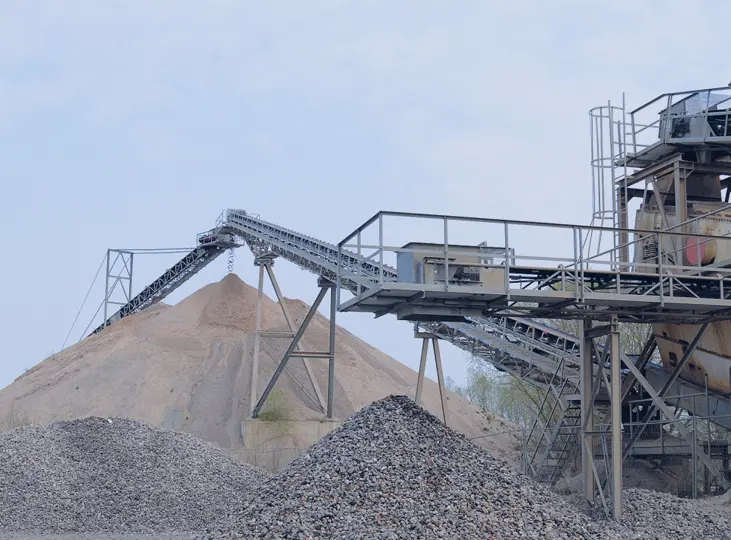
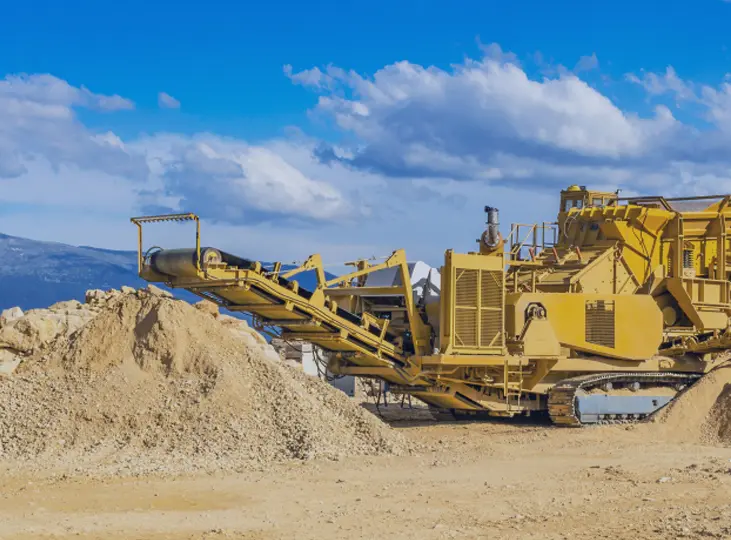
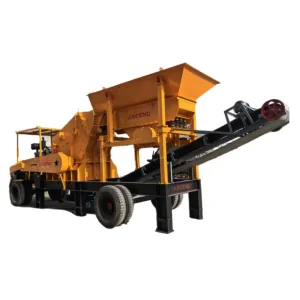
Diesel-driven crawler or wheel-mounted systems designed for flexible operations in remote locations.
Learn MoreAscend has developed steadily since its establishment. Its business covers more than 130 countries and regions around the world, especially in Africa and Southeast Asia. Ascend machine quality and after-sales service have won widespread praise from international customers.
The global demand for small jaw crushers varies significantly by region. In developing regions, these machines are essential for local infrastructure and mining projects. In contrast, mature markets prioritize compliance, noise control, and electric integration. By matching these regional requirements, exporters can build stronger partnerships with global clients.
These markets focus heavily on diesel-driven, mobile small jaw crushers. High-utility models like the PE250x400 diesel variant are popular because they can operate in remote areas without stable grid power. Reliable manual adjustments, simple mechanical layouts, and easy maintenance are key requirements here.
These markets prioritize environmental compliance, dust suppression, and lower noise emissions. Here, small jaw crushers are commonly integrated into recycling plants for onsite construction waste. Demand is strong for electric models with CE certification, advanced safety shielding, and hydraulic setting controls.
Our Most Requested Solid Sizing and Grinding Technology Packages
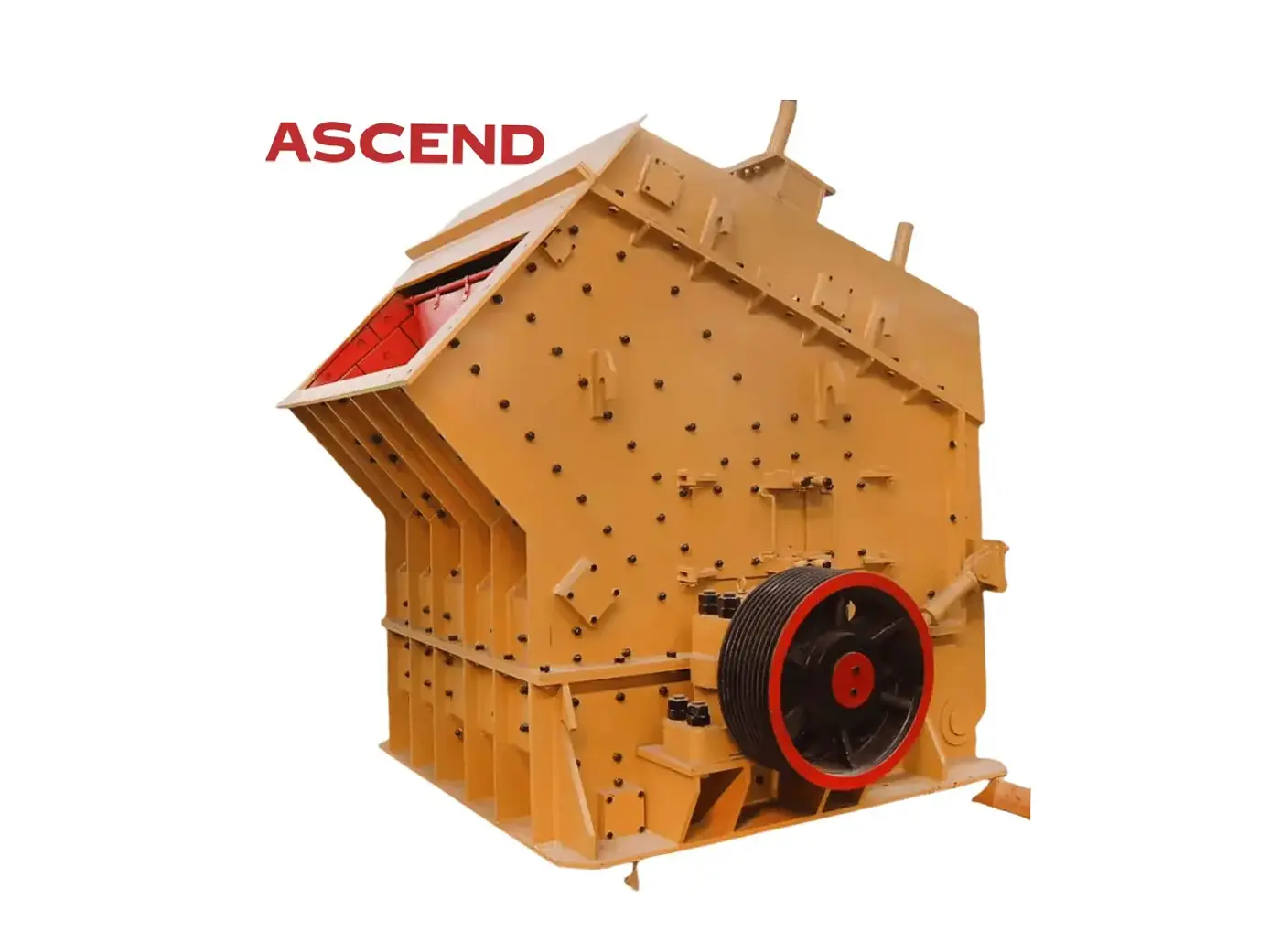
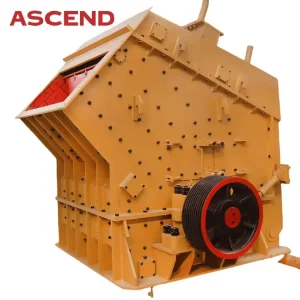
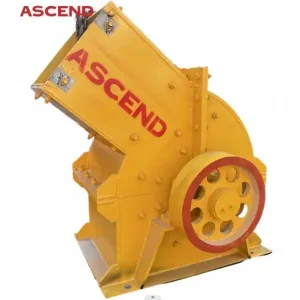
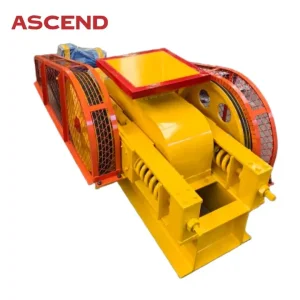
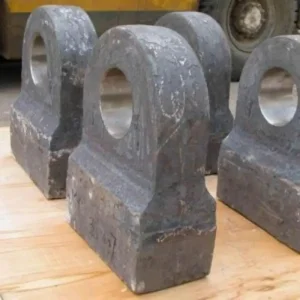
The impact crusher is secondary crushing equipment that uses impact energy to process materials. It features easy maintenance, high reduction ratios, and high efficiency to produce precisely cubical products. Designed with three crushing chambers and a wear-resistant blow bar.
Read More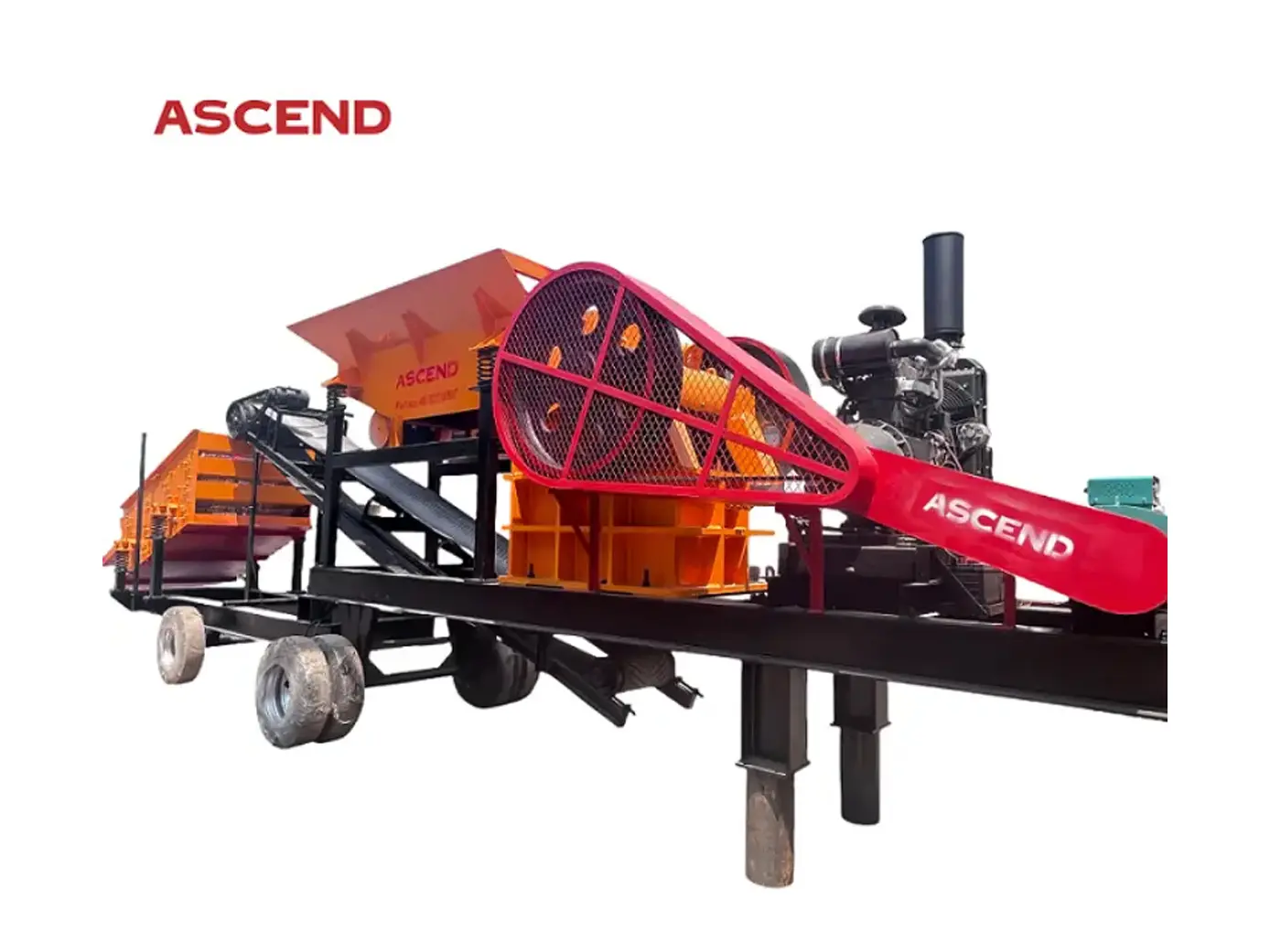
Flexible crushing plants with diesel engines, designed for rapid redeployment. Ideal for processing aggregates and demolition concrete directly on-site.
Read More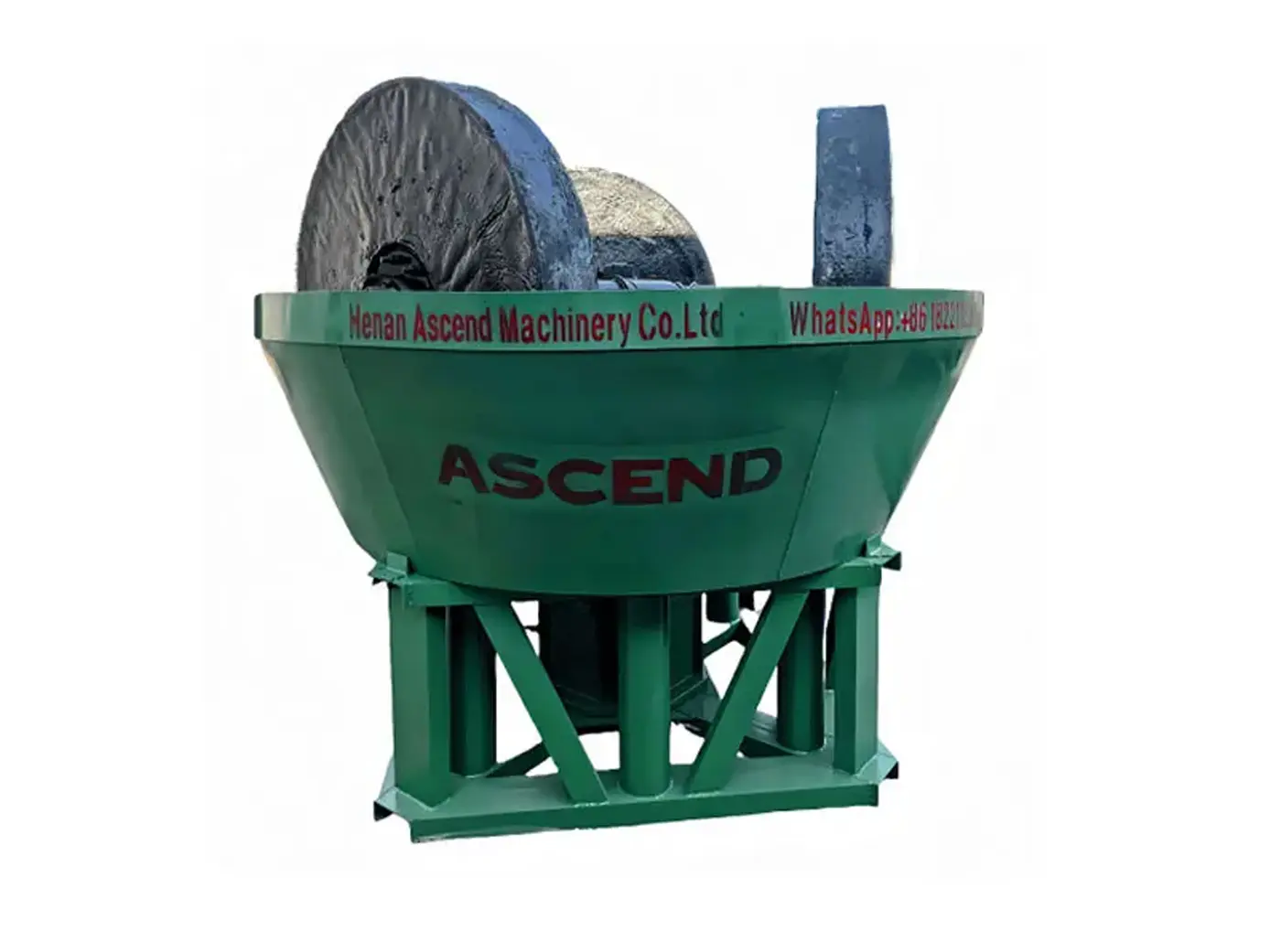
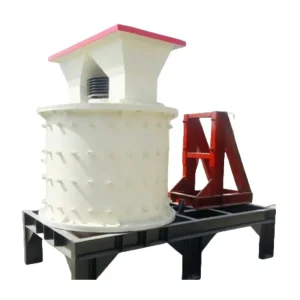
Engineered for fine powder production across diverse industrial minerals. Delivers reliable, fine output size control with low energy consumption.
Read More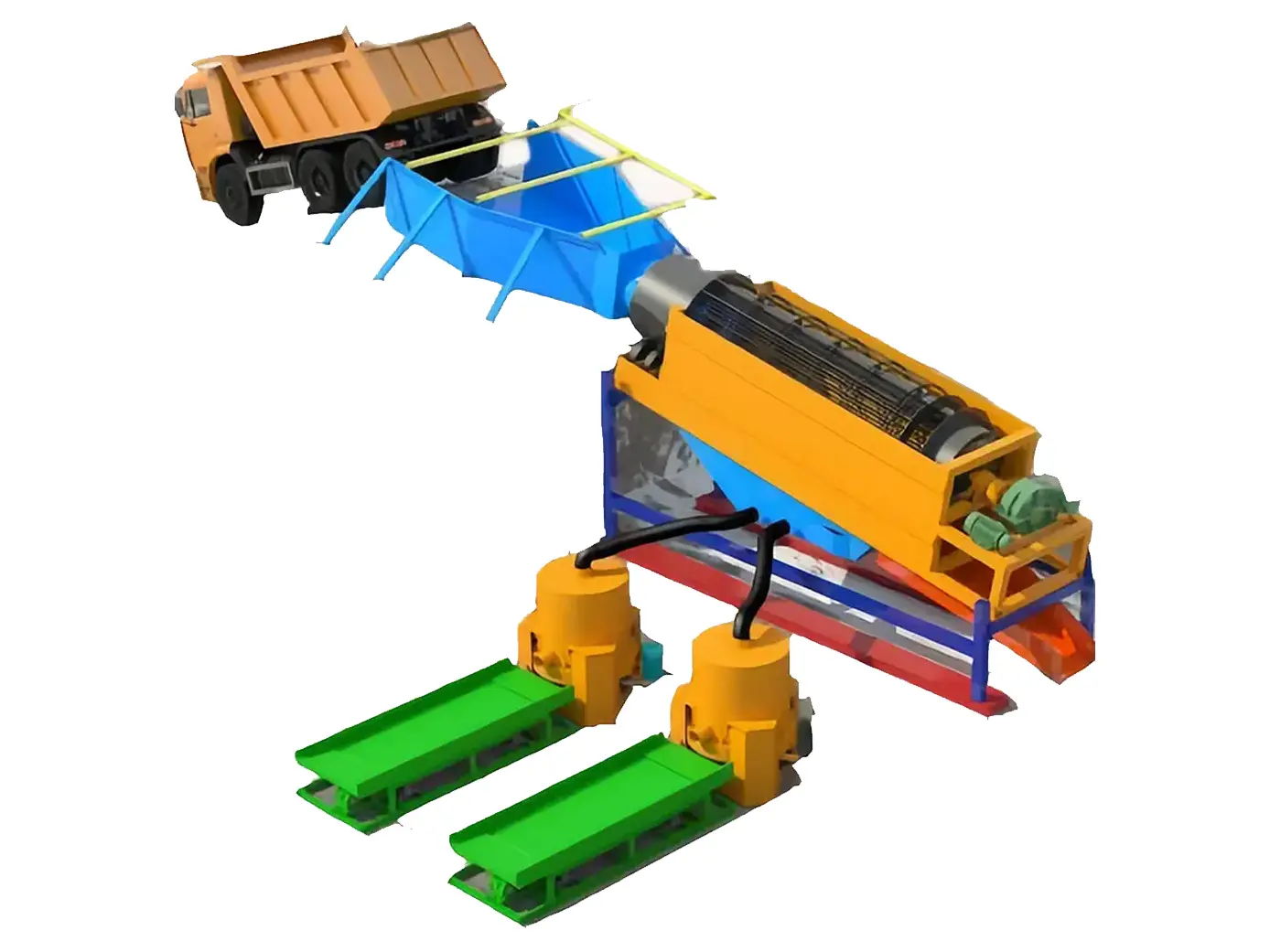
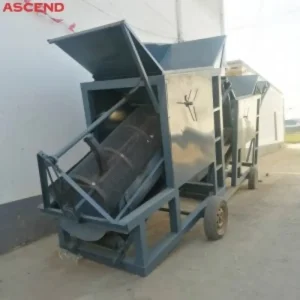
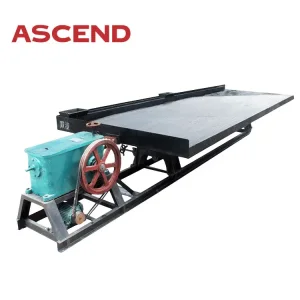
Integrated processing lines featuring primary crushing, milling, and gold concentration tables. Designed for high mineral recovery rates.
Read More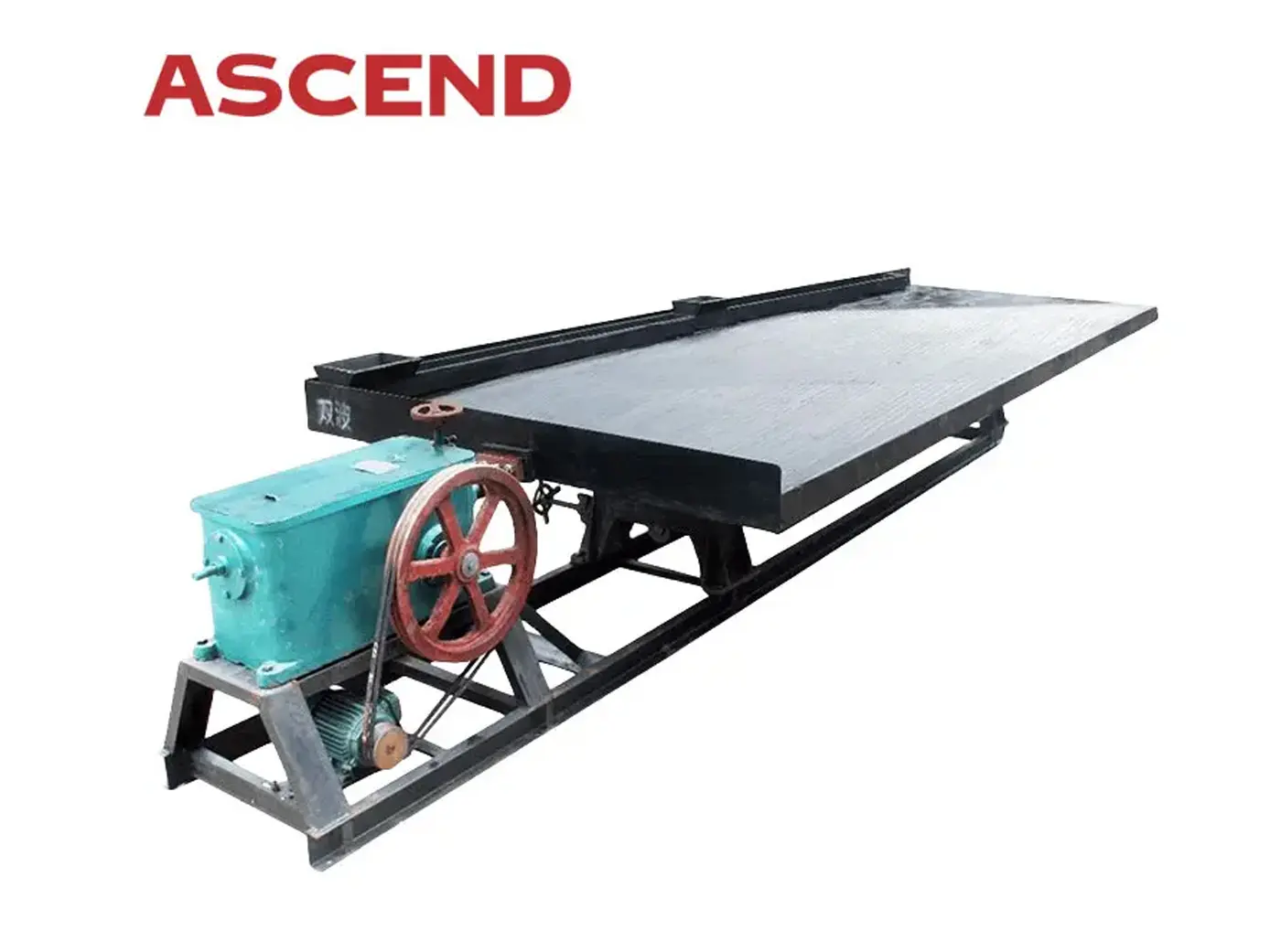
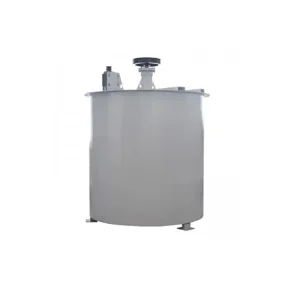
Complete separation solutions, including mixers, flotation cells, and magnetic separators, built to optimize grade recovery.
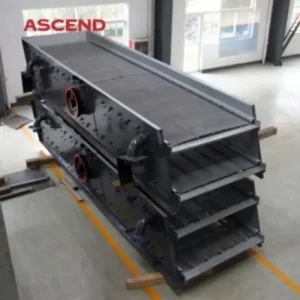
Read MoreA single small jaw crusher is rarely used in isolation. To maximize recovery, it is usually integrated into a larger processing circuit. Depending on the target output and the properties of the mineral, engineers design multi-stage systems. A typical setup links a primary jaw crusher to secondary impact crushers, vibrating screens, and fine-grinding mills.
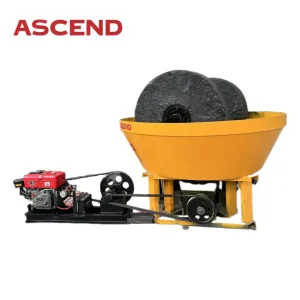
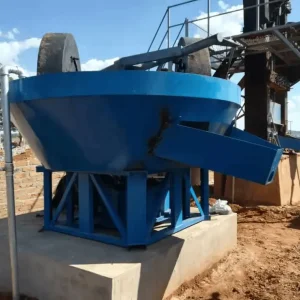
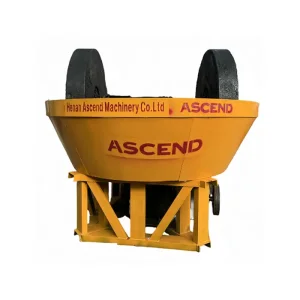
For example, in a gold ore operation, the primary PE250x400 jaw crusher reduces the run-of-mine (ROM) ore from 210mm down to 20-50mm. This output is then fed into a hammer mill or wet pan mill to grind it down to a fine slurry, which is finally processed on shaking tables or concentration vats. In contrast, aggregate production uses secondary impact or cone crushers after the jaw crusher to shape the gravel into high-quality cubical stones, which are sized and separated using vibrating screens.
Operational Highlights and Field Deployments Across Global Worksites

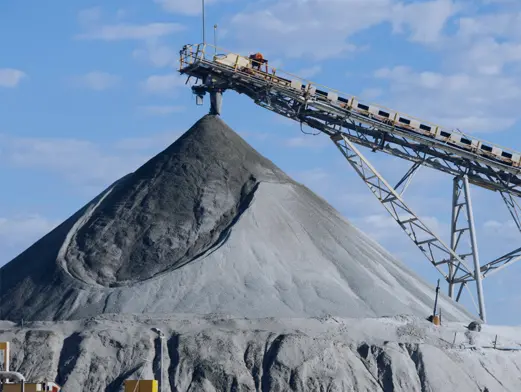
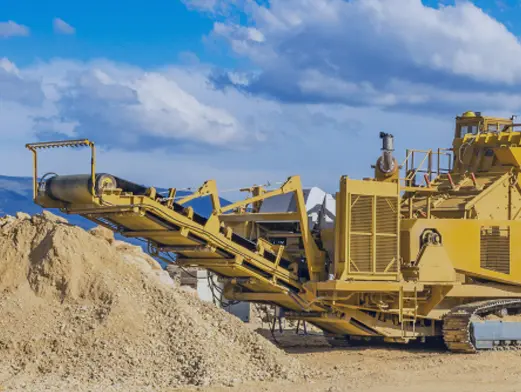
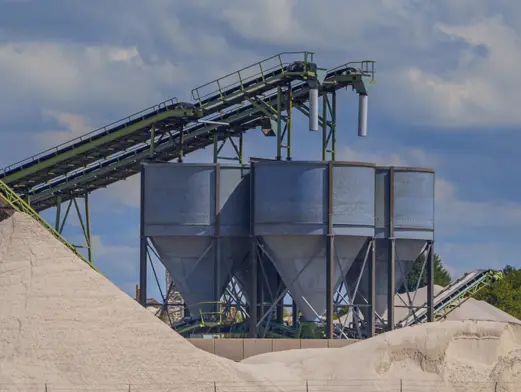
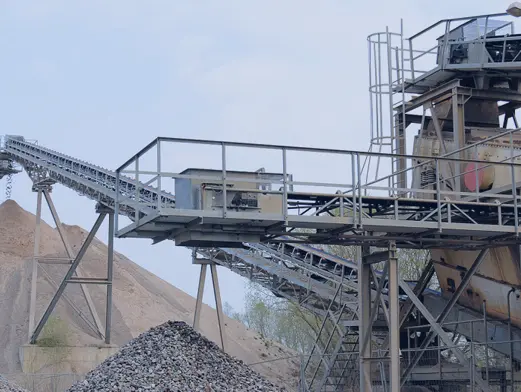
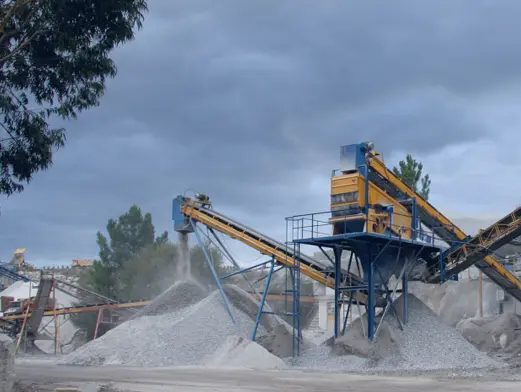
The crushing industry is adapting to new environmental and efficiency demands. The technology roadmap for small jaw crushers centers on three main innovations: mobility, intelligence, and electric integration. Portable, wheel-mounted designs allow operators to move systems quickly between sites. Additionally, onboard IoT sensors track bearing temperature and plate wear in real-time, helping prevent unexpected breakdowns.
Exporting industrial machinery requires strict adherence to international safety standards. Reliable manufacturers make sure their equipment meets CE standards for the European Union and UL/CSA requirements for North America. This involves adding features like emergency stop systems, belt guards, and dust suppression hookups. By ensuring compliance and providing clear documentation, factories help buyers avoid import delays and maintain safe, productive worksites.
Diesel engines meet EPA Tier 4 and EU Stage V standards, reducing carbon footprints in strict regulatory zones.
Double-walled feed hoppers and rubber dampeners lower operating noise, protecting workers and meeting local guidelines.
Frames undergo finite element analysis (FEA) to ensure long-term durability under continuous high stress.
Updates on Worldwide Shipments, Project Commmissioning, and Technical Advances
 November 2025
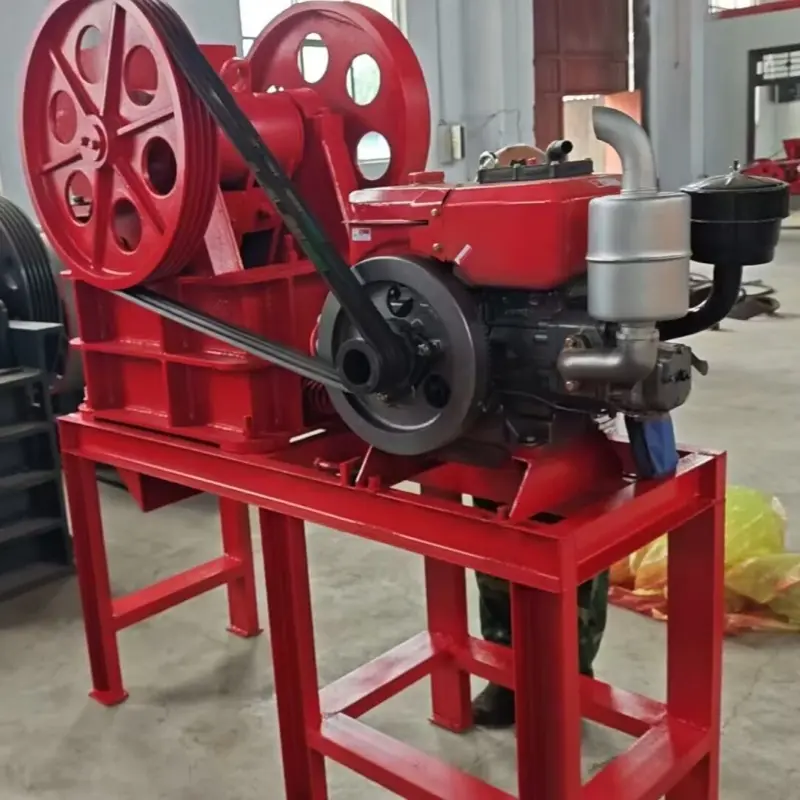
Successful delivery of heavy-duty mobile diesel jaw crushing stations to client mining projects in PNG, custom-configured for remote operation.
 August 2025
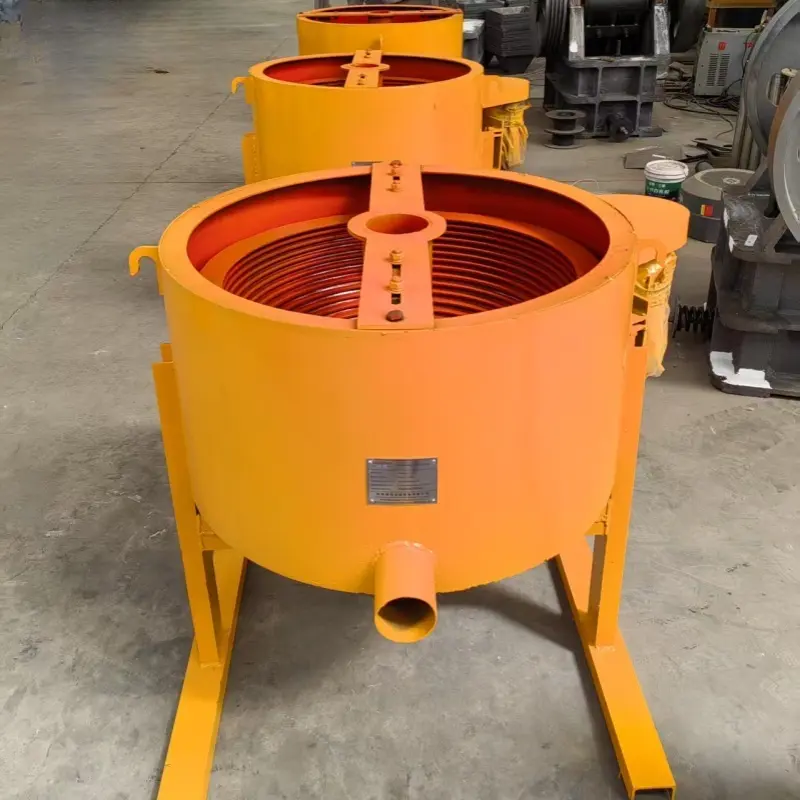
Expanding processing footprints in Zambia with dual gravity concentration units to improve gold recovery yields for artisanal miners.
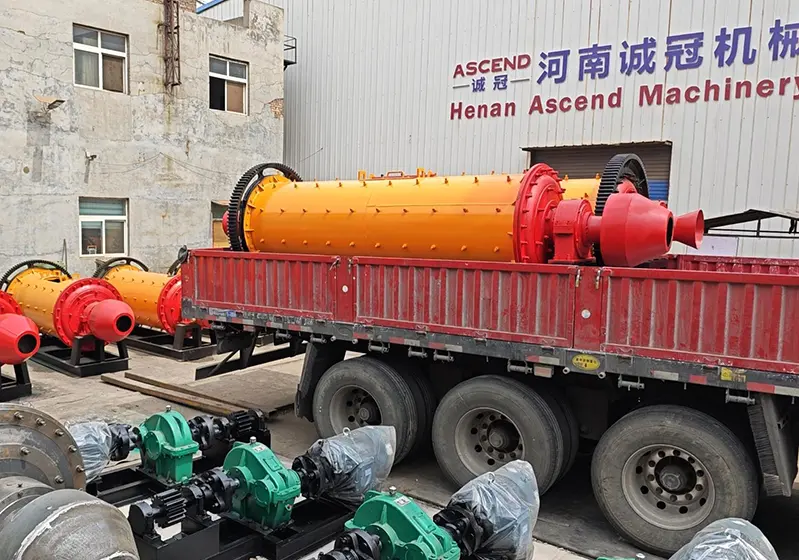
Henan Ascend Machinery & Equipment Co., Ltd. was established in 2005 and is located in the High-Tech Industrial Zone of Zhengzhou City, Henan Province, China. For twenty years, Ascend has specialized in the research, development, manufacturing, sales, and comprehensive after-sales servicing of heavy-duty mining machinery.
Our product line includes complete systems for crushing, grinding, screening, feeding, and conveying. Whether you are processing hard granite, limestone, quartz, or recovering precious metals like gold and copper, our engineers provide customized, reliable machinery built to match your project's unique requirements.
Addressing Technical Queries on Operational Efficiency, Sizing, and Wear Spares
The lifespan of jaw plates depends primarily on the silica content and hardness (compressive strength) of the feed material, combined with the alloy composition of the plates. Using high-manganese steel (like Mn18Cr2) helps the plates work-harden under high impact, significantly extending their service life. Keeping the closed-side setting (CSS) within recommended limits also prevents premature wear.
Adjusting the Closed-Side Setting (CSS) varies by model. Basic jaw crushers use shims or mechanical wedge blocks behind the toggle plate seats. Newer or larger models feature hydraulic adjustment cylinders, allowing operators to change the spacing quickly and safely. This setting determines the final output size of the crushed material.
Yes. For regions with limited electrical grid access, such as remote mining sites in Africa or South America, diesel-driven mobile jaw plants are highly reliable. They combine heavy-duty diesel engines with robust clutch systems, providing the high starting torque needed to operate efficiently without external electrical hookups.
The toggle plate serves two key purposes: it transmits the mechanical motion from the pitman to the swing jaw, and it acts as a mechanical safety fuse. If uncrushable material (like tramp iron or steel) enters the chamber, the toggle plate is designed to shear or break first, protecting expensive components like the eccentric shaft and frame from severe damage.
High-Capacity Mining and Processing Equipment Built for Global Export Compliance
 Ascend