Engineered for maximum reliability, throughput, and precise output particle size distribution.
Analyzing key commercial vectors, process efficiency metrics, and raw material dynamics shaping modern mineral processing.
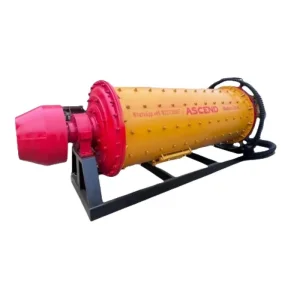
Comminution is the most energy-intensive process in mineral extraction, accounting for up to 50% of a mine's total operating costs. At the center of this process is the powder ball mill machine, a rotary grinding device designed to reduce crushed ore to a fine, liberable powder. Globally, the demand for industrial grinding mills has surged, driven by the depletion of high-grade mineral deposits. Operators must process higher volumes of low-grade ore to achieve equivalent output, making the operational efficiency of the ball mill a critical factor in profitability.
Modern powder ball mills are engineered to operate in either open-circuit or closed-circuit configurations. Closed-circuit grinding, paired with high-efficiency air classifiers or hydrocyclones, prevents over-grinding, controls particle size distribution, and lowers energy consumption. Key industries such as cement manufacturing, metallurgical processing, and fine chemicals rely on precise mineral processing machinery to achieve the optimal liberation size of valuable minerals, ranging from 74 microns (200 mesh) down to sub-micron scales.
Operational success relies heavily on matching mill design with ore hardness (measured via the Bond Work Index). Choosing the wrong liners, grinding media size distribution, or drive configuration can lead to premature wear, low throughput, and high energy costs.
How Henan Ascend leverages supply chain clusters, advanced metallurgy, and scale to deliver world-class grinding machinery.
Henan Province, and specifically the Zhengzhou high-tech zone, stands as the global hub for heavy mining machinery production. This dense manufacturing ecosystem gives factories immediate access to premium steel foundries, gear hobbing facilities, and state-of-the-art heat-treatment facilities. By sourcing manganese steel liners, high-alloy chrome grinding balls, and large-diameter girth gears within a 100km radius, transportation overheads are minimized, and quality control remains tight at every step.
Modern Chinese factories utilize large-scale CNC boring and milling machines to process ball mill shells, ensuring exact concentricity. A deviation of just a few millimeters in a 3-meter diameter mill shell can cause uneven load distribution, accelerated gear wear, and bearing failure. Dynamic balancing of the assembled drum guarantees smooth rotation, low vibration, and extended service life for both pinion and girth gears.
By leveraging mass production and optimized workflows, Chinese exporters can offer industrial ball mills at highly competitive rates without compromising on build quality. Global buyers benefit from direct factory pricing, which bypasses trading intermediaries and allows for custom configurations at standard pricing tiers.
Ascend has developed steadily since its establishment. Its business covers more than 130 countries and regions around the world, especially in Africa and Southeast Asia. Our machine quality and after-sales service have won widespread praise from international customers.
Understanding how material characteristics and processing goals dictate ball mill layout and configuration.
Wet grinding is predominantly used in mineral beneficiation plants (e.g., gold, copper, iron ore). By mixing the feed material with water, dust emission is eliminated, and transportation of the slurry is simplified. Wet mills typically require less power than dry mills of the same capacity because water acts as a natural lubricant and dispersant. The addition of surfactants and grinding aids can further reduce slurry viscosity, preventing the coating of grinding media and allowing for a higher throughput. However, wet grinding causes higher liner and steel ball wear due to corrosive slurry environments, requiring high-chromium cast iron alloys or rubber liners to prolong service life.
Dry grinding is preferred in cement manufacturing, glass raw materials, silica sand processing, and coal-fired power stations where moisture in the output is undesirable. Dry ball mills require efficient dust collection systems and air classifiers to remove fines continuously. Because air is less efficient at carrying particles out of the mill than water, dry systems must be monitored closely to prevent the "cushioning effect" where fine particles coat the grinding balls, absorbing impact energy and reducing grinding efficiency. Special carbon-steel or wear-resistant ceramic liners are common here, maintaining purity for materials like quartz and feldspar.
The optimal ball charge volume (typically 30% to 45% of the mill's internal volume) must follow a strict size distribution (e.g., 40% 80mm, 30% 60mm, 30% 40mm balls) to balance coarse crushing forces with fine surface grinding action. Using too many large balls leads to excessive wear and low fines, while too many small balls reduces the impact energy needed for hard ore.
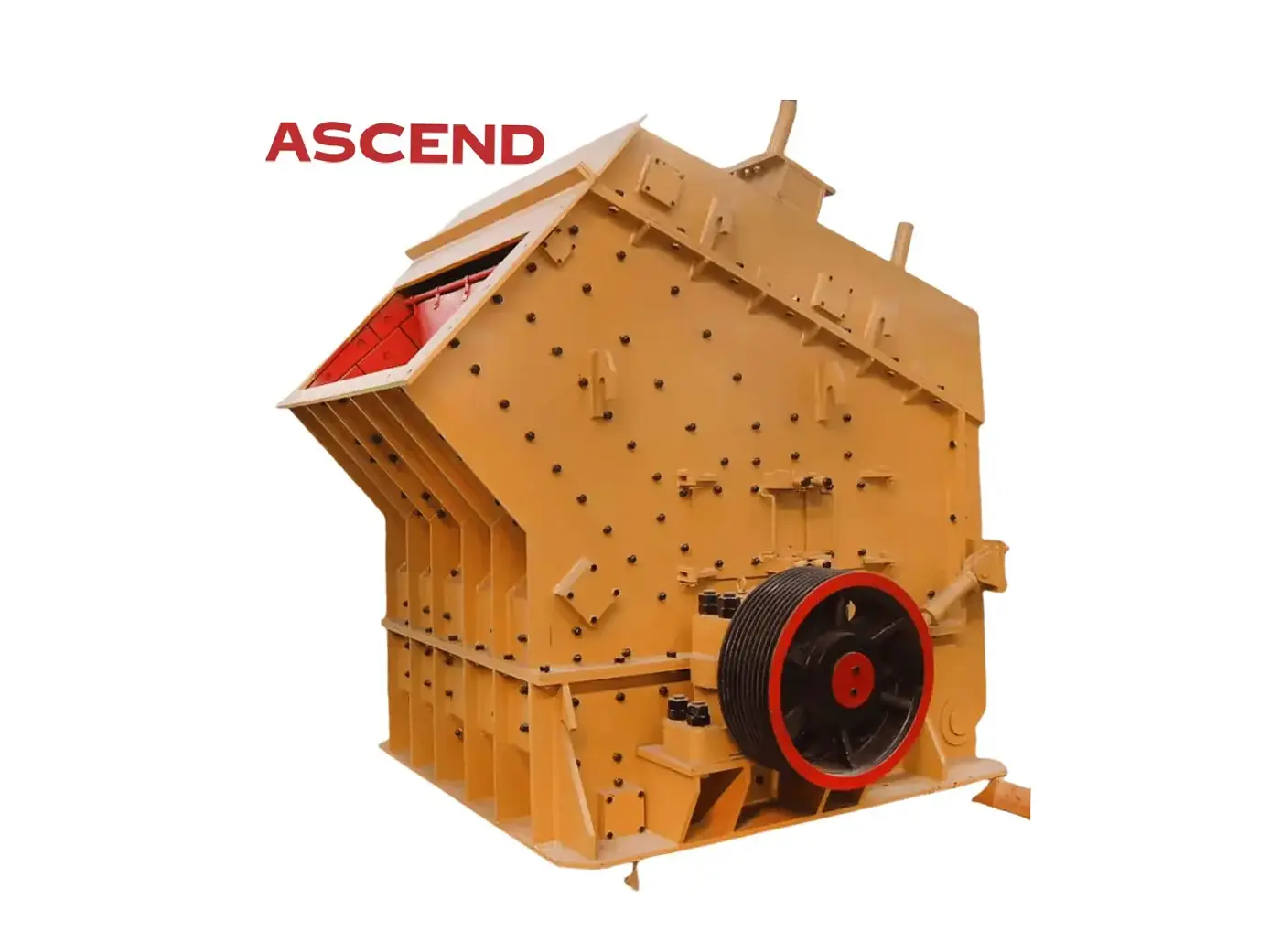
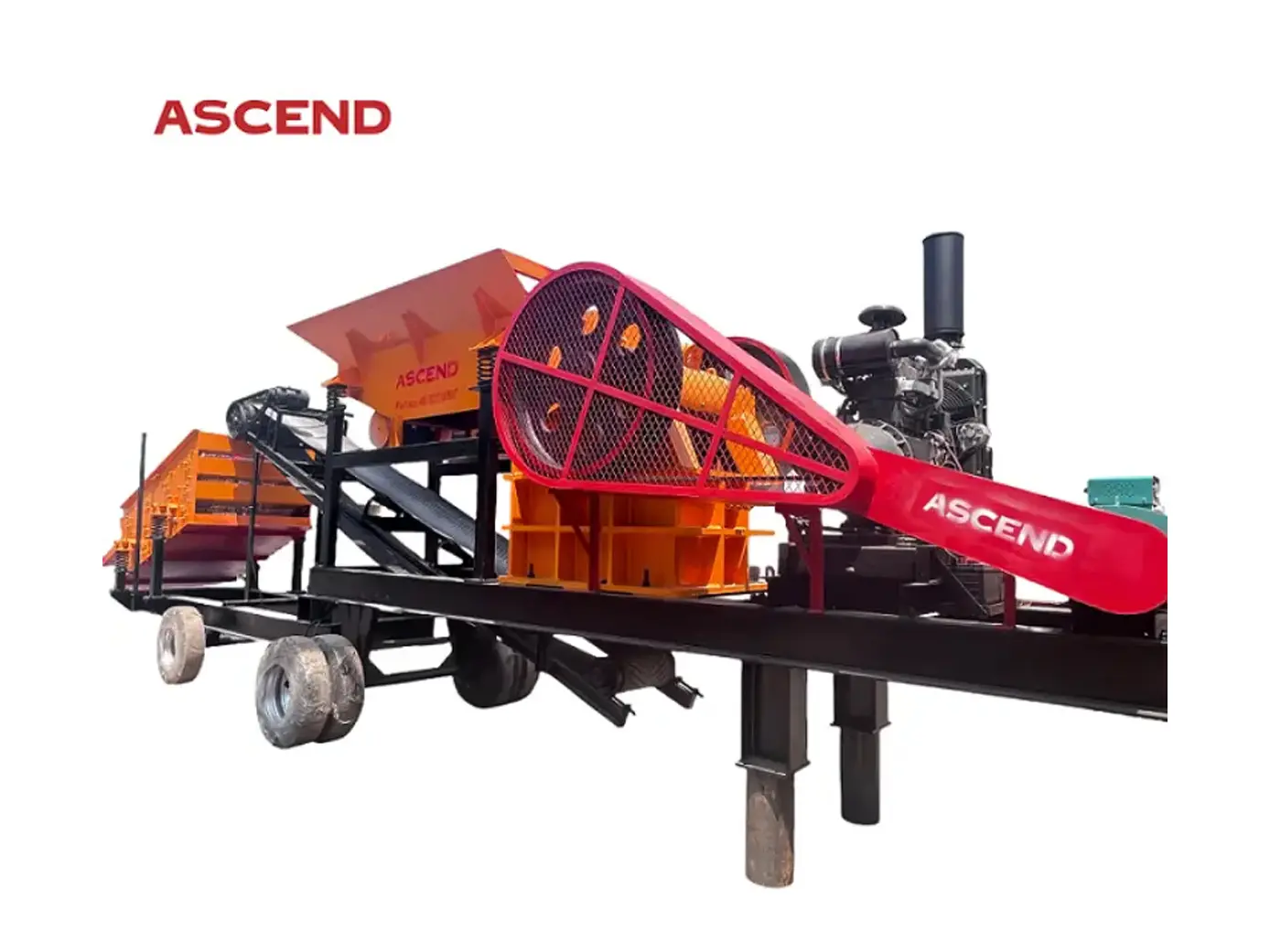
An in-depth look at our core technologies, including crushers, grinders, and ore dressers.
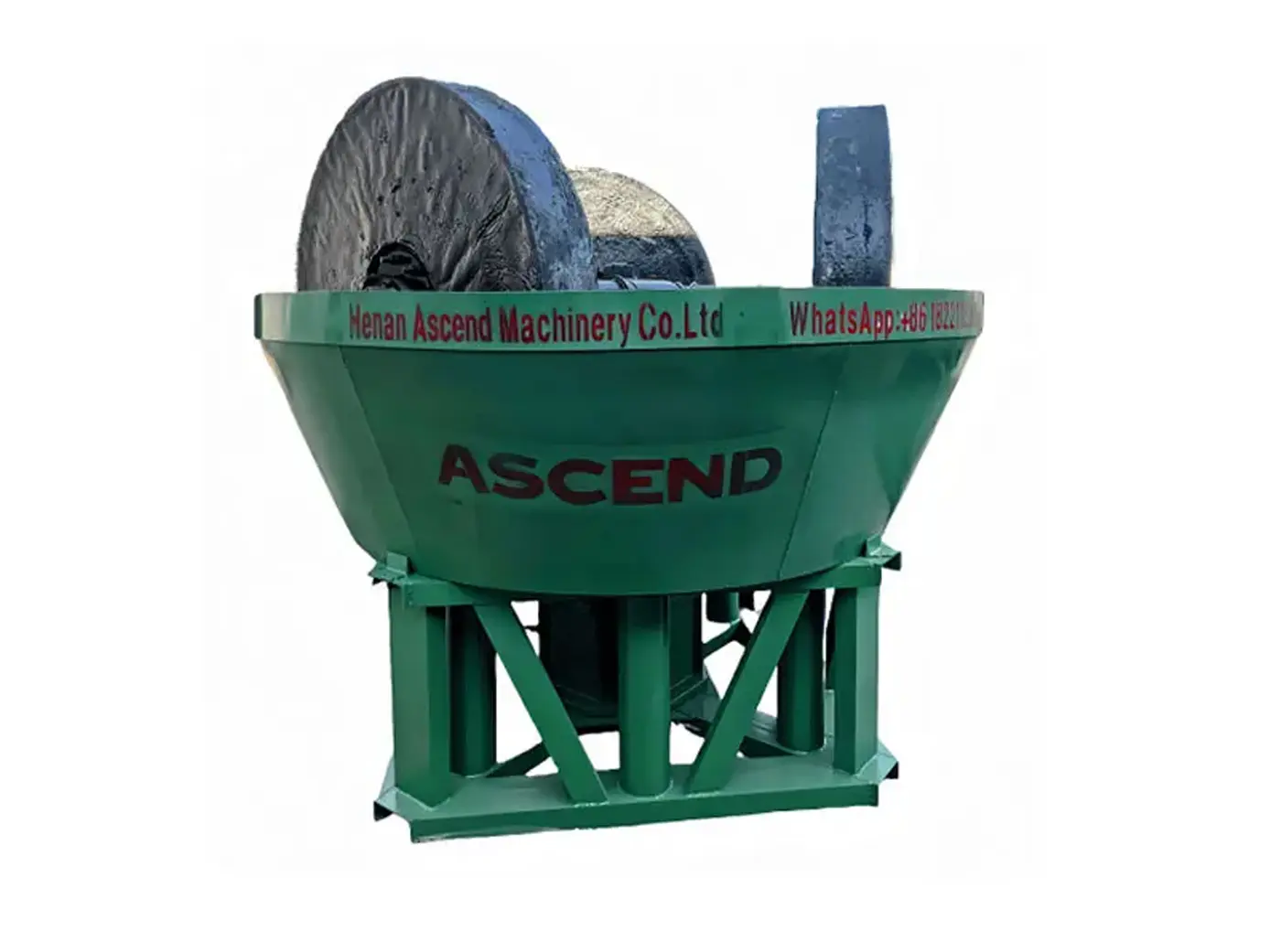
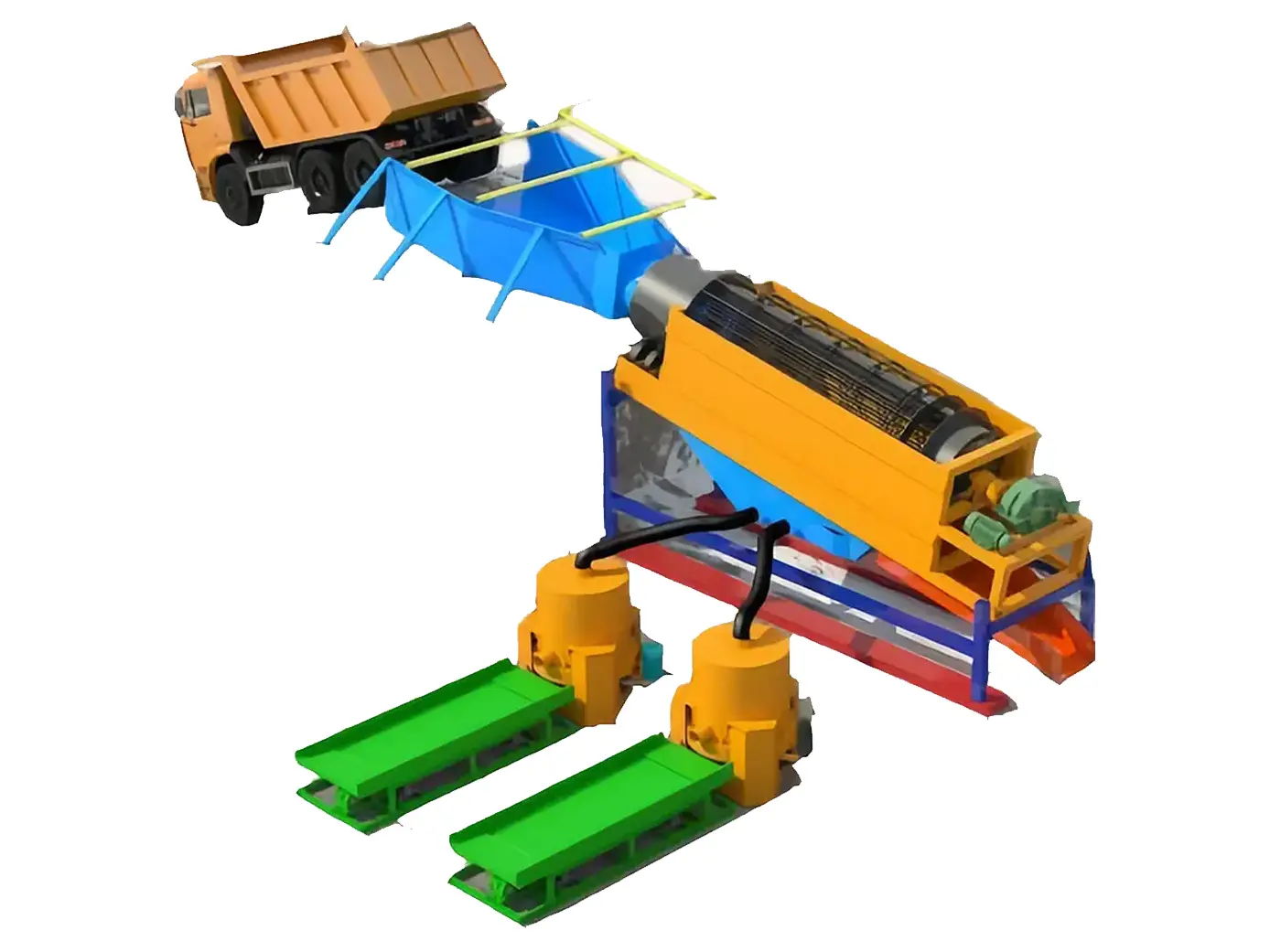
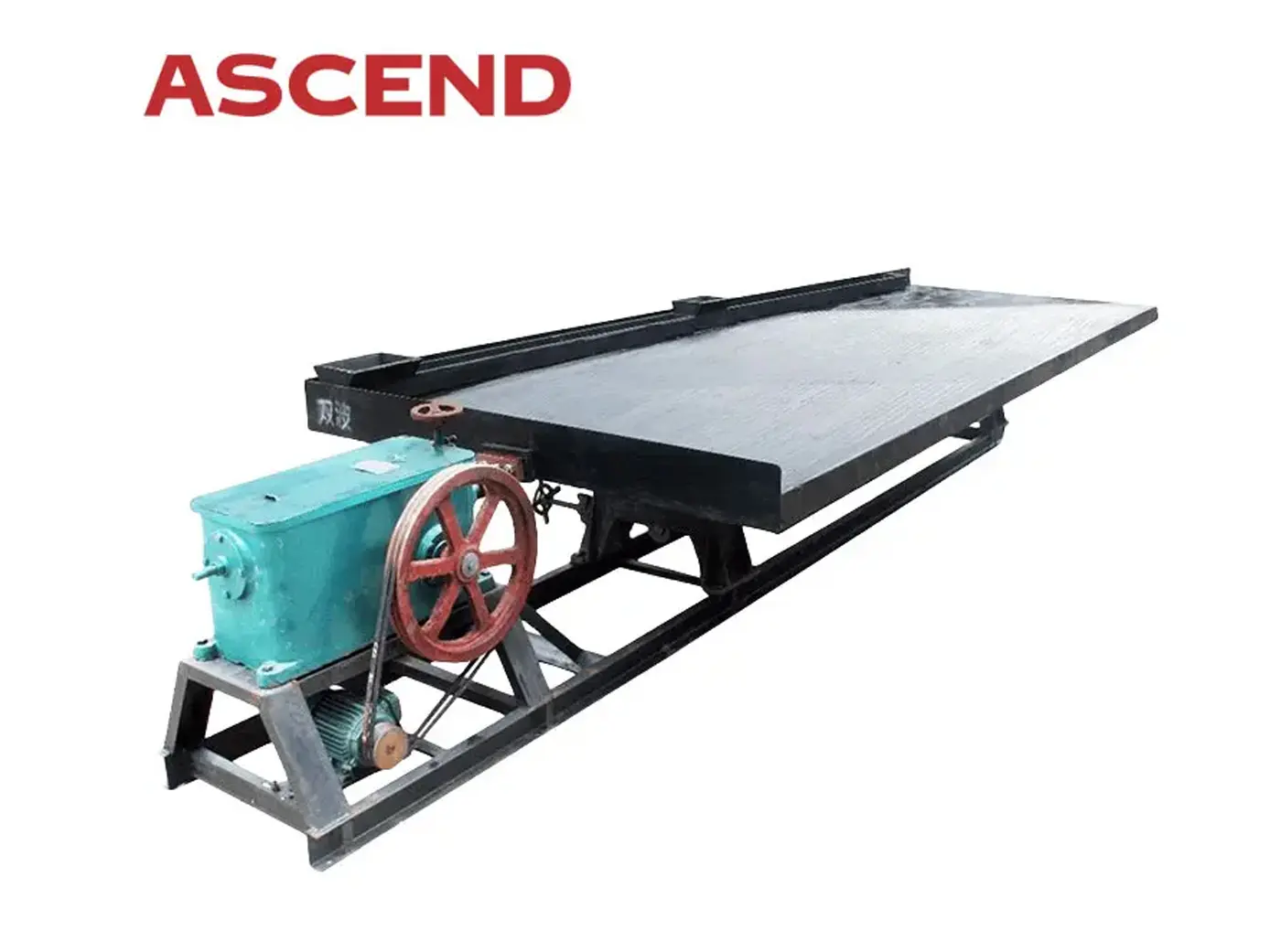
See our heavy equipment deployed in challenging terrains worldwide, delivering steady operations.
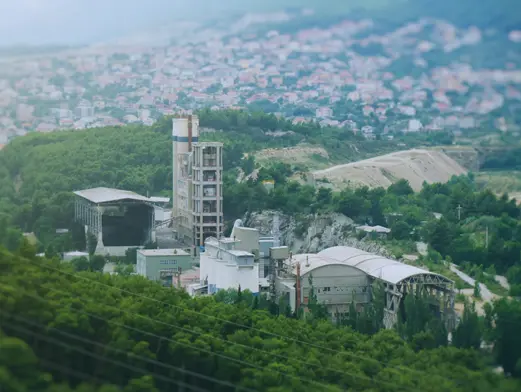
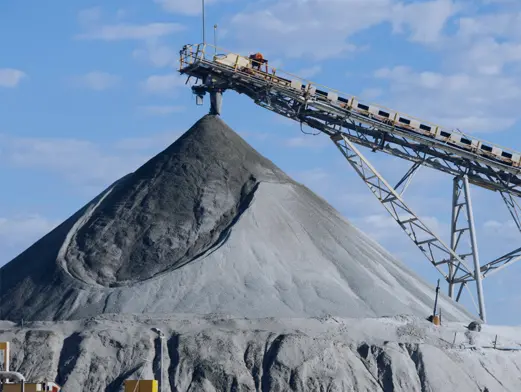
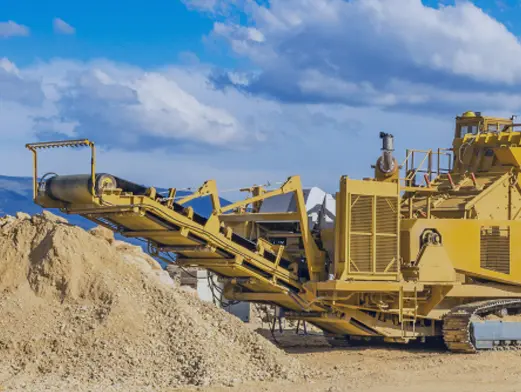
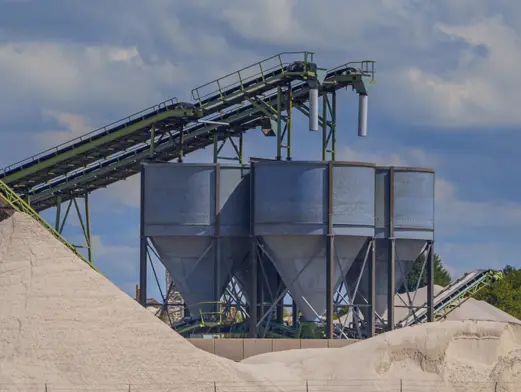
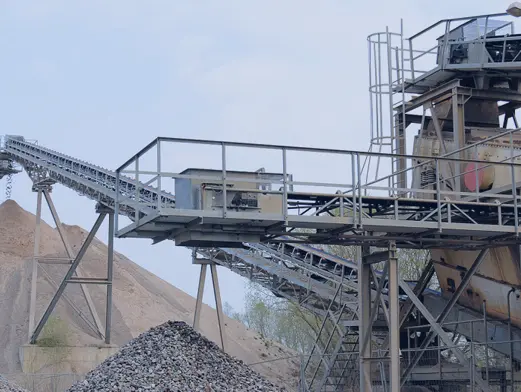
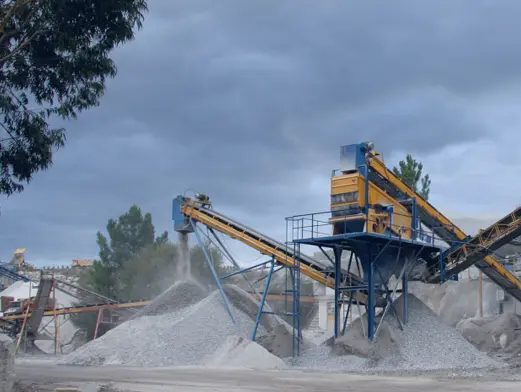
Stay updated with our latest factory exports, installation projects, and customer milestones.
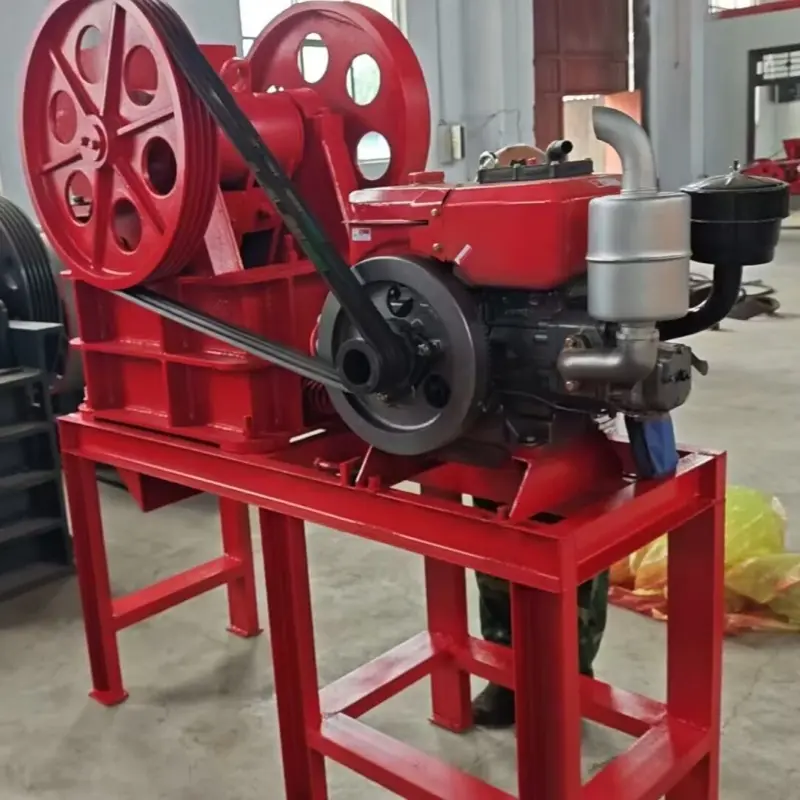 Shipment
 Nov, 2025
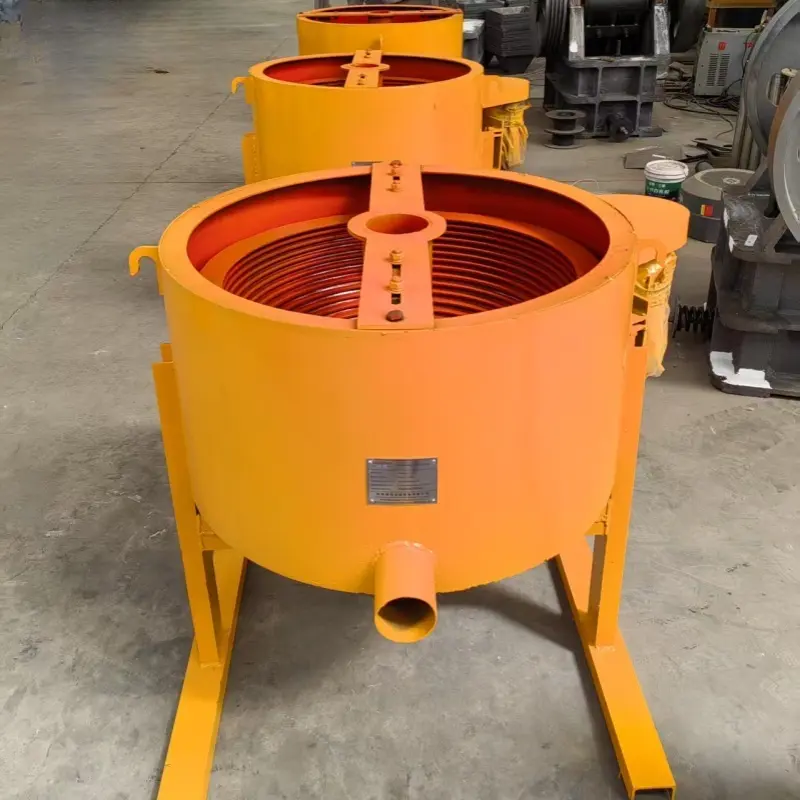 Export
The next era of industrial comminution centers on reducing operational waste and maximizing asset utilization.
Traditional ball mills operate at a fixed critical speed, limiting operator flexibility when processing varying ore grades. The implementation of high-power VFDs allows plant managers to optimize the mill’s rotational speed dynamically based on real-time pulp density and grinding media charge. This technology minimizes power draw and prevents the cascading balls from directly striking the liners during low-feed conditions.
By positioning advanced acoustic sensors close to the mill shell, automated control systems can "listen" to the frequency of the grinding noise. A high-pitched metallic ring indicates an underloaded mill (media striking the liners directly, leading to accelerated wear), whereas a low-frequency dull thud signifies an overloaded mill. Process AI adjusts the feed rate dynamically based on this data.
Replacing traditional all-steel manganese liners with modern rubber-steel composite alternatives reduces overall mill weight, lowers starting torque, and acts as a sound-absorbing barrier. This reduces ambient noise levels by up to 10-15 decibels, creating a safer working environment while offering superior wear life for fine grinding circuits.
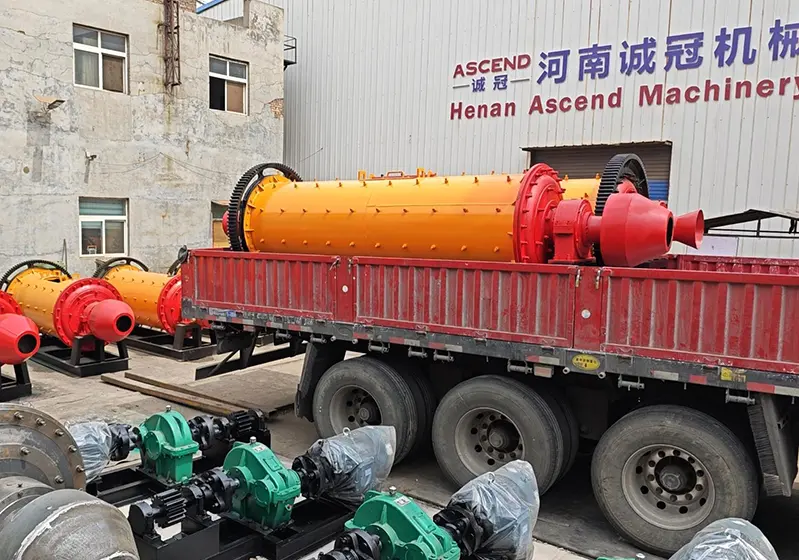
Henan Ascend Machinery & Equipment Co.,Ltd. was established in 2005 and it is located in the high-tech zone of Zhengzhou City, Henan Province.
Ascend is mainly engaged in the research and development, manufacturing , sales and after-sales service of complete sets of crushing, grinding, screening, feeding and conveying heavy mining machinery. If you need to crush limestone, granite, gravel or other stone, or grinding them into powder, or extract gold, please feel free to contact us. Just tell us your needs and our engineers can provide you with professional advice. And we have our own factory, the quality of the machine is guaranteed, the price is more advantageous. We believe that we will be your good choice.
Crucial troubleshooting and sizing questions answered by Ascend's Chief Minerals Engineer.
The critical speed ($N_c$) is the rotational speed at which the grinding balls cling to the inner wall of the mill shell due to centrifugal force, ceasing their grinding action. It is calculated using the formula $N_c = 42.3 / \sqrt{D - d}$, where $D$ is the mill's internal diameter and $d$ is the diameter of the largest grinding ball (in meters). Typically, industrial powder ball mills operate at 70% to 80% of this critical speed, achieving a "cataracting" motion where the balls cascade and impact the material efficiently.
Manganese steel (typically 12-14% Mn) is highly recommended for coarse, high-impact primary grinding phases where feed particles exceed 25mm. The impact force work-hardens the steel, maximizing wear resistance. In contrast, rubber liners are optimal for fine secondary and tertiary wet grinding circuits where the feed size is under 6mm. Rubber liners are lighter, reduce noise, prevent chemical corrosion, and are easier to replace.
Moisture in dry grinding must be strictly controlled, ideally below 1.5% to 2%. Moisture levels above this threshold cause the fine product particles to stick to the surface of the grinding media and the liners. This forms a damp cushion layer that absorbs impact energy, significantly lowering throughput and driving up specific power consumption. Hot air or gas sweeps are often integrated into dry mills to control moisture levels.
Lifespan varies depending on the abrasiveness of the ore (indicated by the Bond Abrasion Index, $A_i$). High-chromium alloy liners in wet mills grinding abrasive quartz may last 6 to 9 months, while in non-abrasive applications (like limestone) they can exceed 24 months. Grinding ball consumption rates range from 0.3kg to over 1.2kg per ton of processed ore, requiring regular manual sorting and ball additions to maintain the charge distribution.
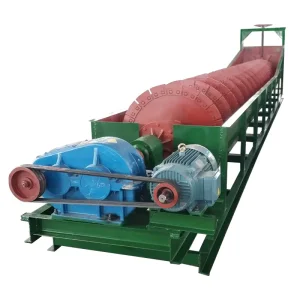
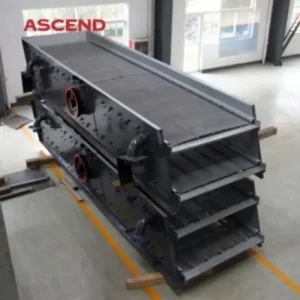
Complete your milling circuit with our high-grade spiral classifiers, wet pan mills, and vibrating screens.
 Ascend