Premium performance mills, gravity separators, and primary size-reduction machinery engineered for continuous industrial operations.
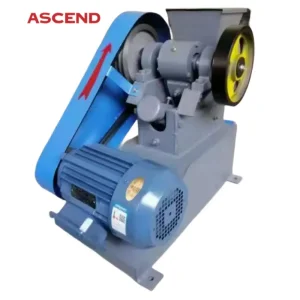
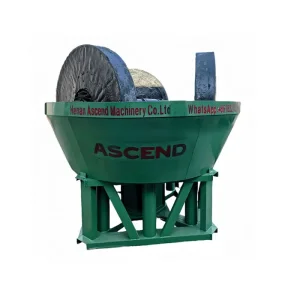
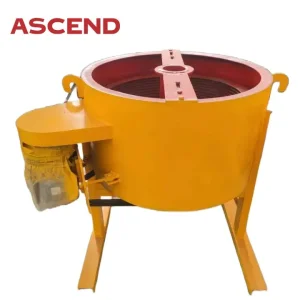
Limestone ($CaCO_3$) represents one of the most critical industrial minerals across the globe. From serving as the foundational binding agent in Portland cement manufacturing to acting as a vital desulfurization agent in thermal coal plants and a high-purity filler in paper, plastics, and paint, the demand for pulverized limestone is surging. Achieving the precise particle size distribution (PSD) required for these diverse applications demands advanced grinding technologies, among which the Limestone Grinding Ball Mill remains the industry benchmark for reliability, scalability, and cost efficiency.
Compared to vertical roller mills (VRMs) or hammer mills, ball mills operate with a unique combination of impact and attrition forces. This mechanism produces a highly spherical particle shape, which is highly advantageous for cement hydration kinetics and desulfurization reactions. Furthermore, ball mills exhibit exceptional mechanical tolerance when processing abrasive components and fluctuating silica contents within limestone ore deposits.
On a macro scale, the global transition towards clean energy and stringent environmental regulations has placed limestone grinding at the center of industrial sustainability. Flue Gas Desulfurization (FGD) systems rely heavily on wet limestone grinding ball mills to produce a fine limestone slurry (typically $d_{90} < 45\,\mu\text{m}$ or 325 mesh) that absorbs sulfur dioxide emissions in power plants. For limestone quarry operators and downstream manufacturing factories, securing reliable wholesale grinding equipment is critical to maintaining continuous production without excessive operational downtime.
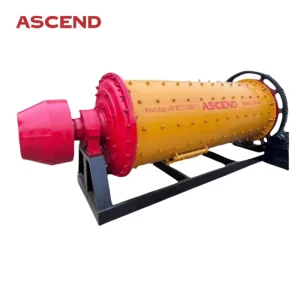
A limestone grinding ball mill is a cylindrical device containing grinding media (balls of steel or ceramic) that rotates about its horizontal axis. To maximize grinding efficiency while minimizing energy consumption, modern manufacturers focus heavily on optimization parameters, including liner geometry, internal lifter configurations, ball size distribution, and drive mechanism designs.
Proper ball charge volume (typically 35% to 45% of the mill's internal volume) and calculated size grading (e.g., using a blended ratio of 80mm, 60mm, and 40mm cast alloy steel balls) ensure that the mill balances high-impact cascading actions with fine shearing actions. Advanced high-manganese alloy or rubber liners prevent shell wear while promoting optimized trajectories for the grinding media.
Limestone processing utilizes both wet and dry grinding circuits. Dry grinding is typical for cement and industrial calcium carbonate (GCC) production, often coupled with an air classifier to achieve ultra-fine specifications. Wet grinding is primary for FGD plants and mining beneficiation, presenting lower capital and operating costs by eliminating heavy drying systems.
Modern industrial limestone factories integrate programmable logic controllers (PLCs) and variable frequency drives (VFDs). This allows operators to adjust the critical speed of rotation dynamically depending on raw material density, moisture content, and target Blaine surface area values, significantly extending gear life and reducing energy waste.
For large-scale wholesale procurement, understanding the parameters that govern processing throughput is crucial. Below is an engineering framework representing standard operations of industrial limestone ball mills:
| Mill Model Class | Feeding Size (mm) | Discharge Size (mm) | Capacity Range (t/h) | Motor Power (kW) |
|---|---|---|---|---|
| Standard Lab & Pilot | ≤ 20 | 0.074 - 0.4 | 0.5 - 2.5 | 15 - 30 |
| Medium Industrial Scale | ≤ 25 | 0.045 - 0.2 | 5 - 35 | 75 - 380 |
| Heavy Duty Factory Class | ≤ 30 | 0.038 - 0.15 | 40 - 180+ | 450 - 1600+ |
Explore our verified machinery categories optimized for high-performance aggregate size reduction, mineral extraction, and drying processes.
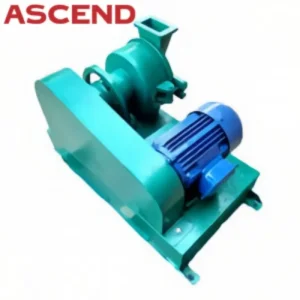
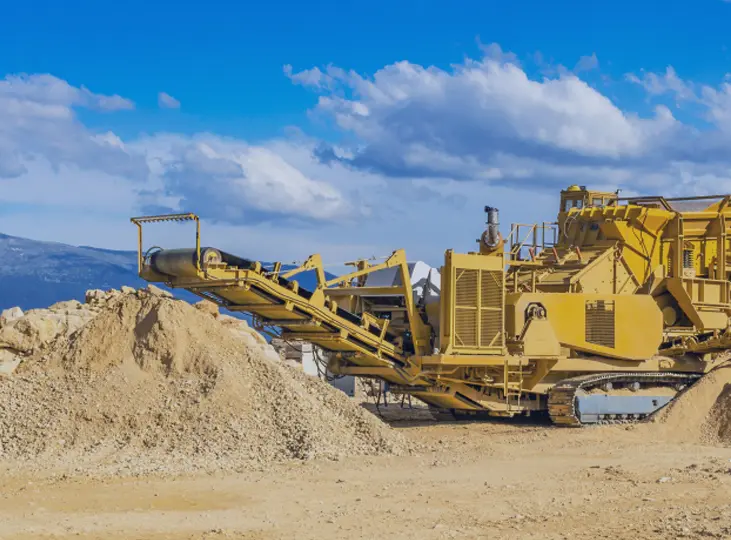
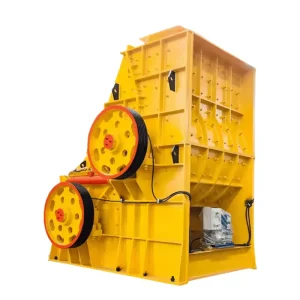
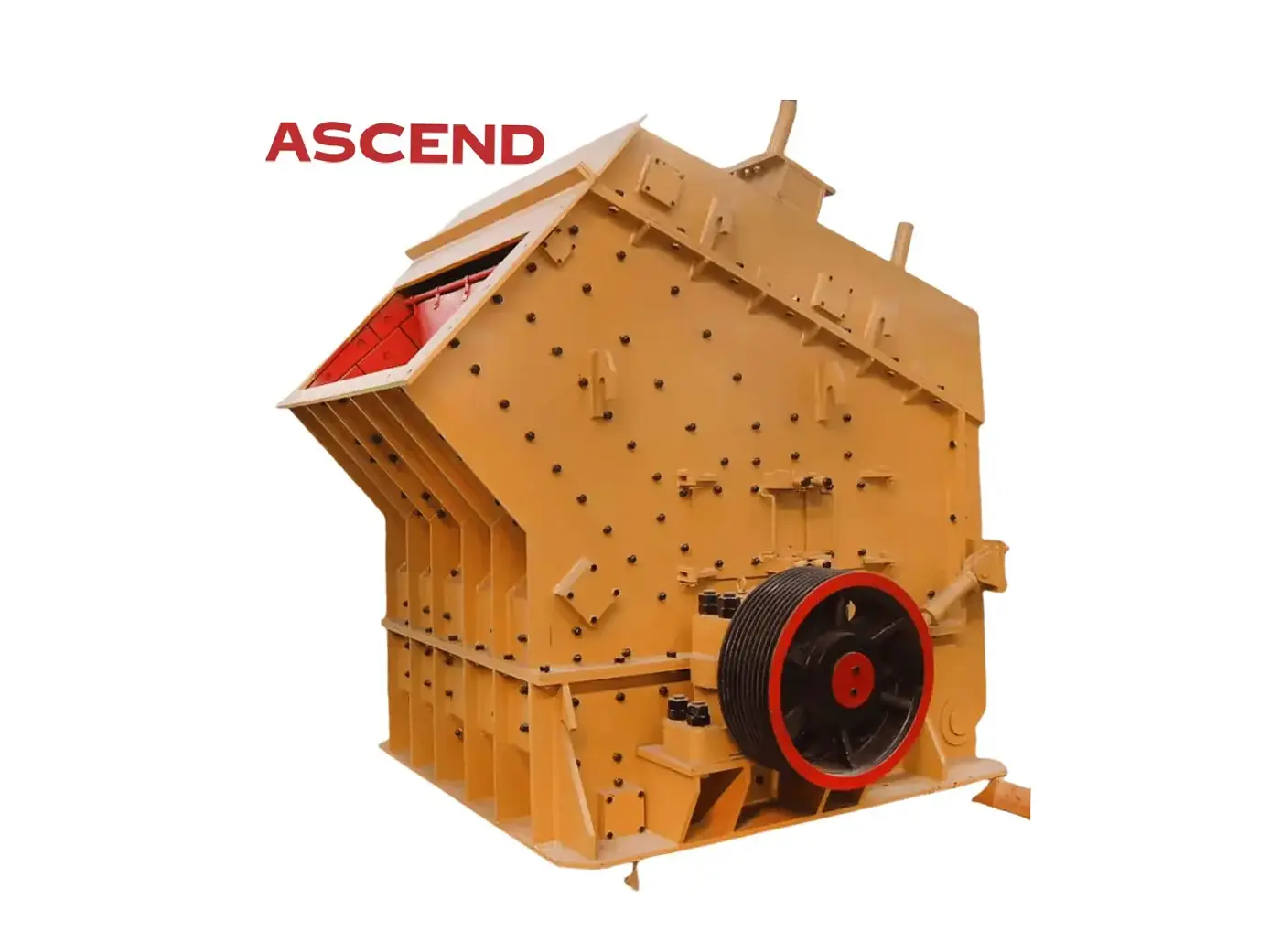
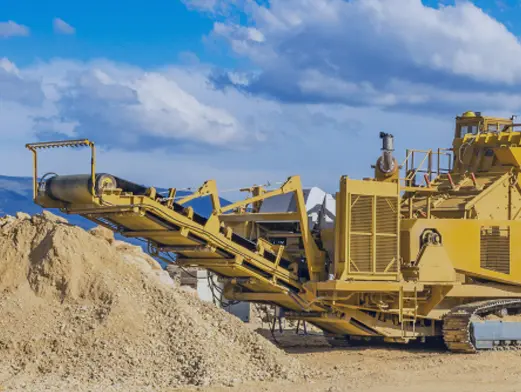
The Impact crusher is an essential secondary crushing system utilizing advanced impact forces to process raw limestone, granite, and gravel. Engineered with high-durability manganese blow bars, a heavily reinforced rotor, and structural hydraulic adjustments, these crushers ensure premium cubical shape output products with minimal flaky aggregate ratios.
Its design boasts simplified liner replacement processes and adjustable feed-opening mechanisms, offering unmatched reliability when integrated ahead of fine-grinding ball mills in global mineral processing circuits.
Integrating a limestone ball mill into a modern production facility requires custom circuit design. Raw limestone typically leaves the primary quarry crusher at a size of less than 30mm. Before entering the ball mill, moisture controls and magnetic separators are applied to remove tramp iron that could damage the internal liner plates.
Depending on the required application, we customize complete processing pathways:
Dry ball mills are paired with multi-stage dynamic air separators. The oversize material is returned to the mill feed while the fine product (Blaine 3500-4500 cm²/g) is transported to storage silos. This closed-circuit design reduces over-grinding, keeping energy expenditures minimal.
Wet grinding systems feed the mill with industrial wastewater or recycle loops. Hydrocyclones classify the mill discharge. The underflow (coarse material) gravitates back to the mill, while the overflow goes directly to the flue gas absorption tower to neutralize acidic gases.
For paper and coatings, high-purity limestone (>98% CaCO₃) is milled using specialized ceramic balls and liners to prevent metallic iron contamination, achieving ultra-fine D97 sizes down to 2 microns with specialized grinding aid surfactants.
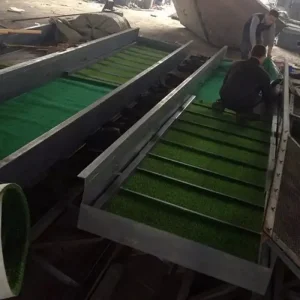
Our solutions are operational in over 130 countries, driving productivity in gold gravity concentration, limestone processing, and heavy mining sectors.
Henan Ascend Machinery has developed steadily since its establishment in 2005. Our global business covers more than 130 countries and regions, especially in Africa and Southeast Asia. Our heavy machinery quality and professional after-sales engineering support have won widespread praise from international mining operators and state infrastructure developers.
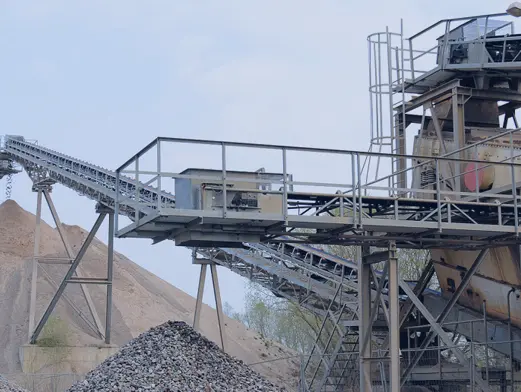
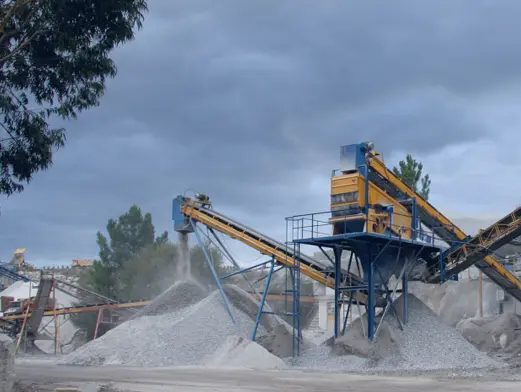
Investing in heavy-duty limestone grinding machinery involves extensive logistics, installation, and compliance tasks. A high-quality wholesale manufacturer must support regional engineering standards to guarantee structural reliability and occupational safety in different jurisdictions.
Each limestone grinding mill manufactured in our Chinese factories undergoes comprehensive mechanical tests. Before shipping, we perform shell ultrasonic testing, weld radiography, static and dynamic balance tests of the drum, and continuous dry-run trials. This prevents structural cracks or gear-alignment failures under heavy rotational load.
Through our established shipping networks, we ship mining and crushing equipment to ports worldwide, including major destinations in Africa (Zambia, Sudan, Tanzania, South Africa) and Oceania (Papua New Guinea). We manage custom export paperwork, packaging preservation (marine anti-rust coating), and provide heavy crane lifting plans for on-site unloading.
Our experienced field engineers travel directly to installation sites to assist with concrete foundation pouring, mill body alignment, gear-drive adjustments, and initial ball loading. We train local operators on lubrication schedules, liner wear monitoring, and particle-size classification system operations, maximizing daily production yields.
Track our latest global activities, machinery shipments, and mining plant commissionings around the world.
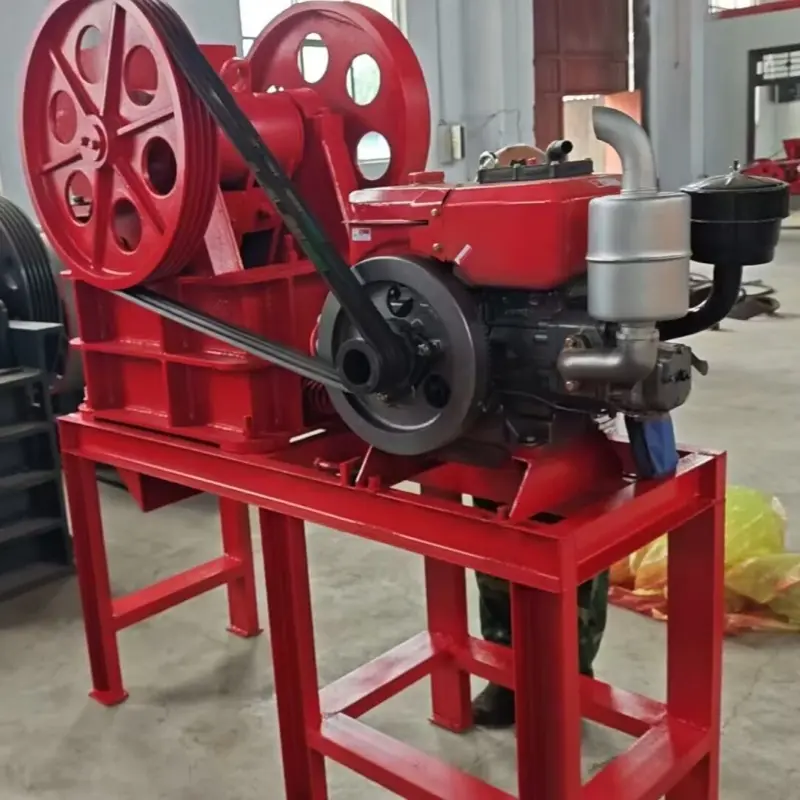
 Nov 2025
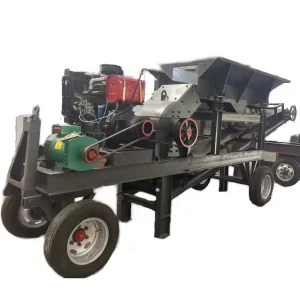
Supporting localized small-scale and lab-scale mineral testing operators in Papua New Guinea with highly mobile diesel-driven jaw crusher units, minimizing on-site electricity grid dependencies.
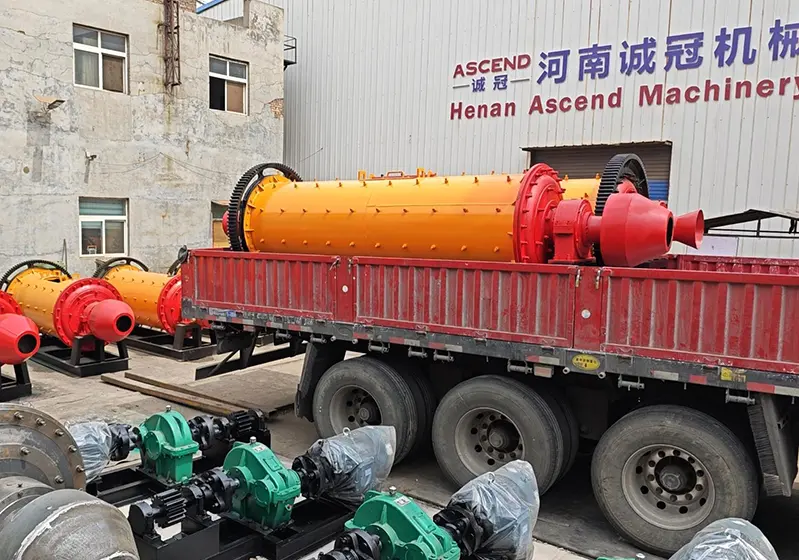
Henan Ascend Machinery & Equipment Co.,Ltd. was established in 2005 and is located in the high-tech zone of Zhengzhou City, Henan Province. For over two decades, we have remained committed to offering premium products at competitive wholesale pricing.
Ascend is mainly engaged in the research and development, manufacturing, sales and after-sales service of complete sets of crushing, grinding, screening, feeding and conveying heavy mining machinery. If you need to crush limestone, granite, gravel or other stone, or grinding them into powder, or extract gold, please feel free to contact us. Just tell us your needs and our engineers can provide you with professional advice. Because we operate our own ISO-certified factory, the quality of our machinery is guaranteed, and the pricing is direct, without middlemen markups.
Get professional engineering answers regarding the operation, design, and customization of Limestone Grinding Ball Mills.
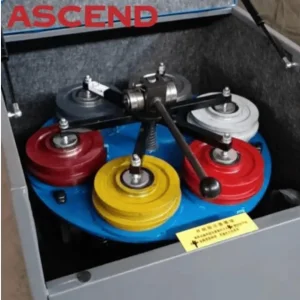
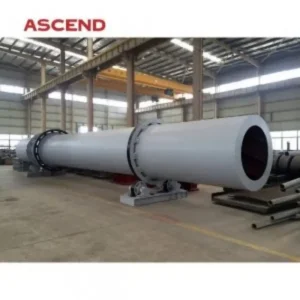
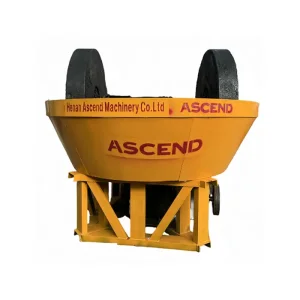
Complete your manufacturing circuit with our range of rotary drum dryers, heavy jaw crushers, and pan milling equipment.
 Ascend