Discover our core line of heavy-duty industrial machinery engineered to streamline mineral processing and aggregate extraction circuits.
When assessing primary size reduction systems, the term "High Jaw Crusher Capacity" is not merely a marketing claim—it is a measurable engineering parameter defined by kinematics, mechanical advantage, and cavity geometry. The volumetric throughput of a single-toggle jaw crusher is determined by the speed of the eccentric shaft, the depth of the crushing chamber, the stroke of the pitman, and the Closed Side Setting (CSS).
The physical principle of compression crushing in a jaw crusher relies on the rhythmic displacement of a movable swing jaw plate against a fixed jaw plate. As the eccentric shaft rotates, the pitman executes a complex elliptical movement. At the top of the chamber (the receiving throat), the movement is large and highly elliptical, which aids in drawing feed material deep into the cavity. Towards the discharge gate (CSS), the motion transitions into a linear reciprocating movement, maximizing compressive forces to reduce the material down to the target dimension.
To achieve maximum operational capacity while preventing premature wear, the nip angle—the angle formed between the fixed and swing jaws—must remain within an optimal range of 18° to 22°. If this angle is exceeded, material slips upward during the compression stroke, reducing capacity, increasing energy expenditure, and accelerating jaw plate erosion. An optimized nip angle ensures consistent progressive reduction, carrying the material systematically downward with every eccentric rotation.
Operational factors that directly influence jaw crusher efficiency and volumetric capacity include:
Ascend has developed steadily since its establishment. Our operations span more than 130 countries and regions globally, with a strong operational presence in Africa and Southeast Asia. Ascend's machinery build quality, robust manufacturing engineering, and reliable after-sales support have earned long-term partnerships with leading mining corporations.

Tailored crushing and concentration circuits designed for high gold recovery rates, integrating heavy-duty jaw crushers and gravity separation equipment.
Learn More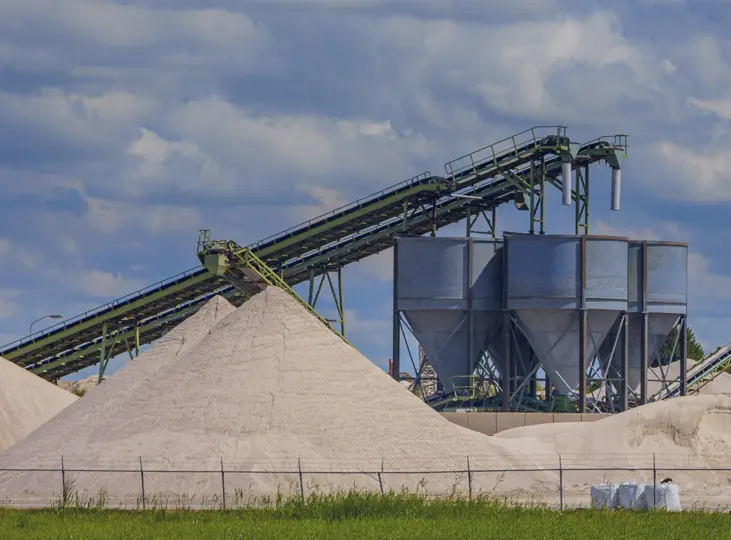
Robust processing loops customized for highly abrasive rocks such as granite, basalt, and diorite, maximizing output capacity with low wear rates.
Learn More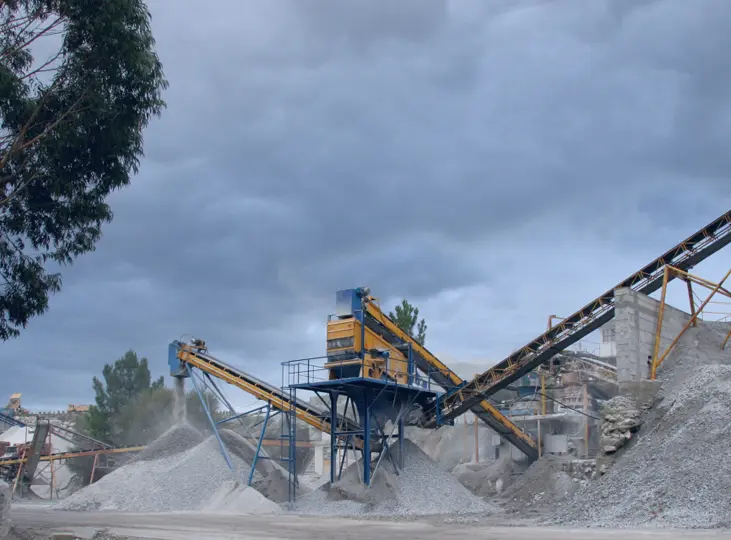
Comprehensive washing, screening, and sizing plants designed to operate efficiently in remote regions with low infrastructure support.
Learn More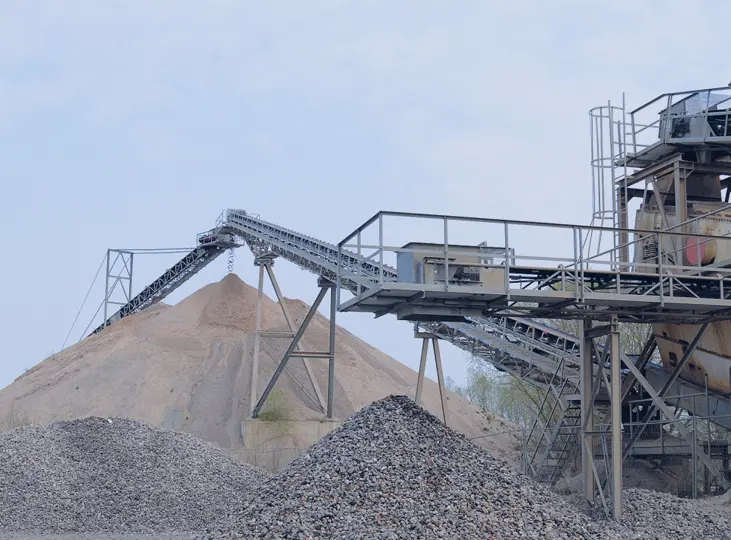
Industrial-scale configurations that produce precise, cubical aggregate sizes matching global construction specifications.
Learn MoreThe global heavy mining machinery industry is undergoing a structural shift. Rapid urbanization in Southeast Asia, industrial expansion in sub-Saharan Africa, and green infrastructure developments across Latin America have accelerated the demand for high-capacity, energy-efficient primary size reduction systems. In these regions, jaw crushers are the foundational elements of aggregate and mineral extraction plants.
High humidity levels and varied tropical rock conditions (e.g., sticky wet limestone or highly abrasive basalt) require primary jaw crushers with deep-chamber designs. These designs prevent material bridging and maintain continuous throughput under monsoon conditions.
Copper and gold mining circuits in Zambia, Tanzania, and Sudan require robust crushers with high uptime. Remote operational settings dictate the use of diesel-engine-powered primary units that can operate independent of unreliable electrical grids.
In nations like Papua New Guinea, rugged geography complicates the transport of heavy plant machinery. Modular, bolt-together mainframe designs and skid-mounted jaw crusher systems are vital for simplified air or off-road transport to site.
Furthermore, local environmental compliance has become a major factor in modern mining. Air quality regulations (regulating PM2.5 and PM10 dust emissions) and noise limits near residential zones require dust suppression sprays, acoustic enclosures, and optimized kinetic designs that limit vibrations in jaw crushers. High-capacity suppliers must offer integrated solutions that address these localized operational parameters.
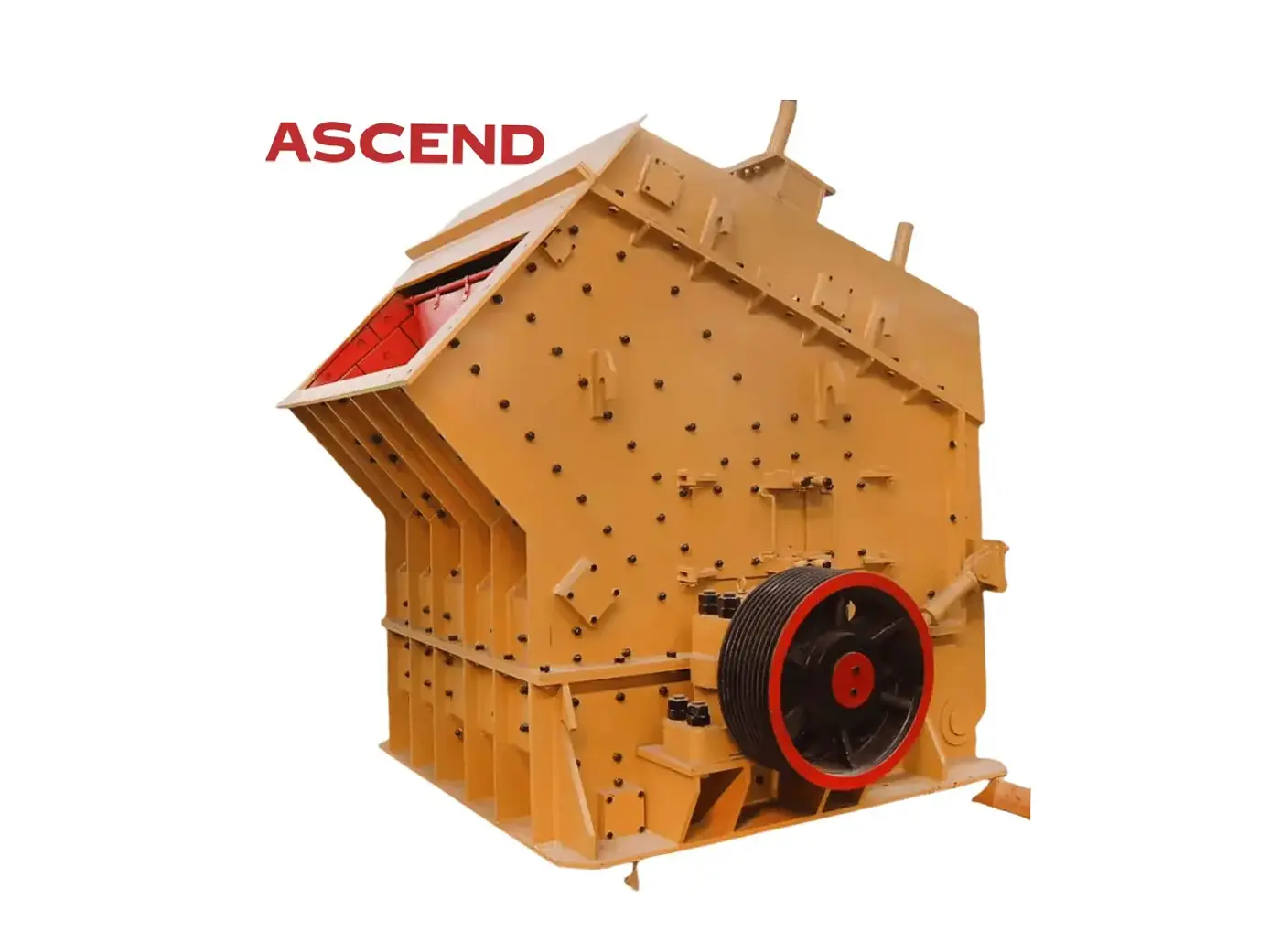
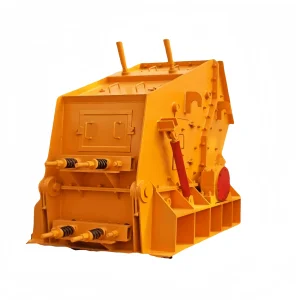
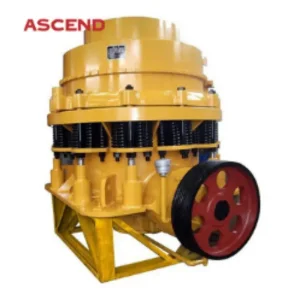
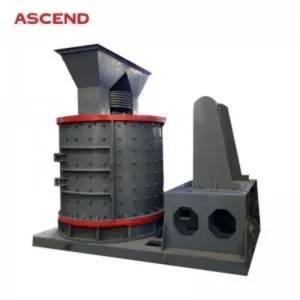
While jaw crushers handle primary crushing, secondary processing units are crucial for achieving the final product shape and size. Impact crushers utilize high-velocity impact energy to reduce medium-hard materials. They feature easy maintenance, high reduction ratios, and produce cubical finished products.
Equipped with three crushing chambers, a heavy-duty rotor, and wear-resistant blow bars, impact crushers function downstream from the primary jaw crusher. This pairing optimizes the total comminution circuit, reducing feed load and lowering wear rates on secondary components.
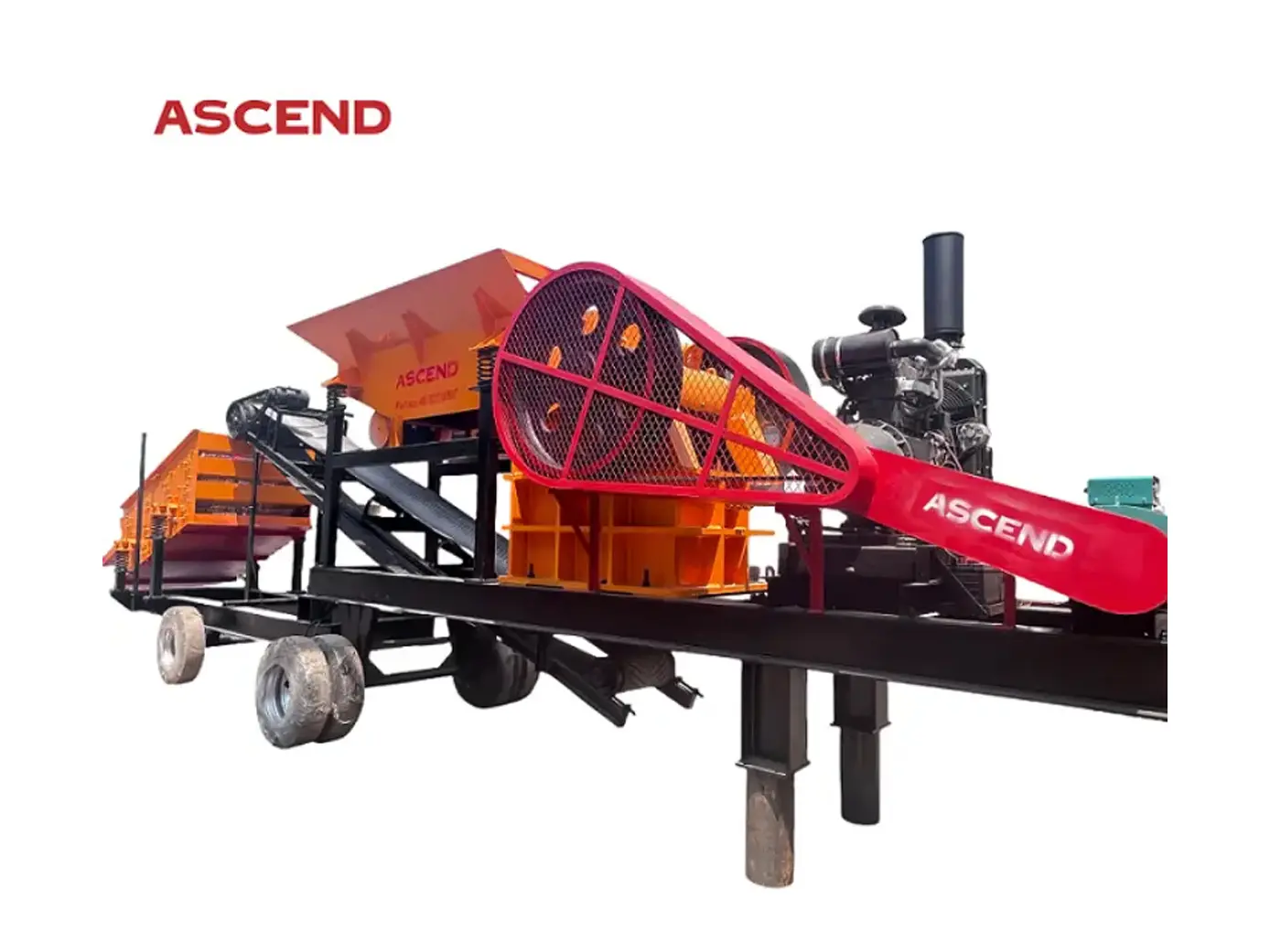
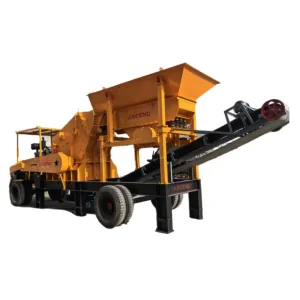
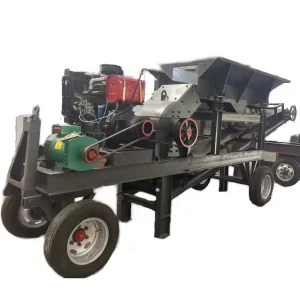
Mobile Crusher Plant
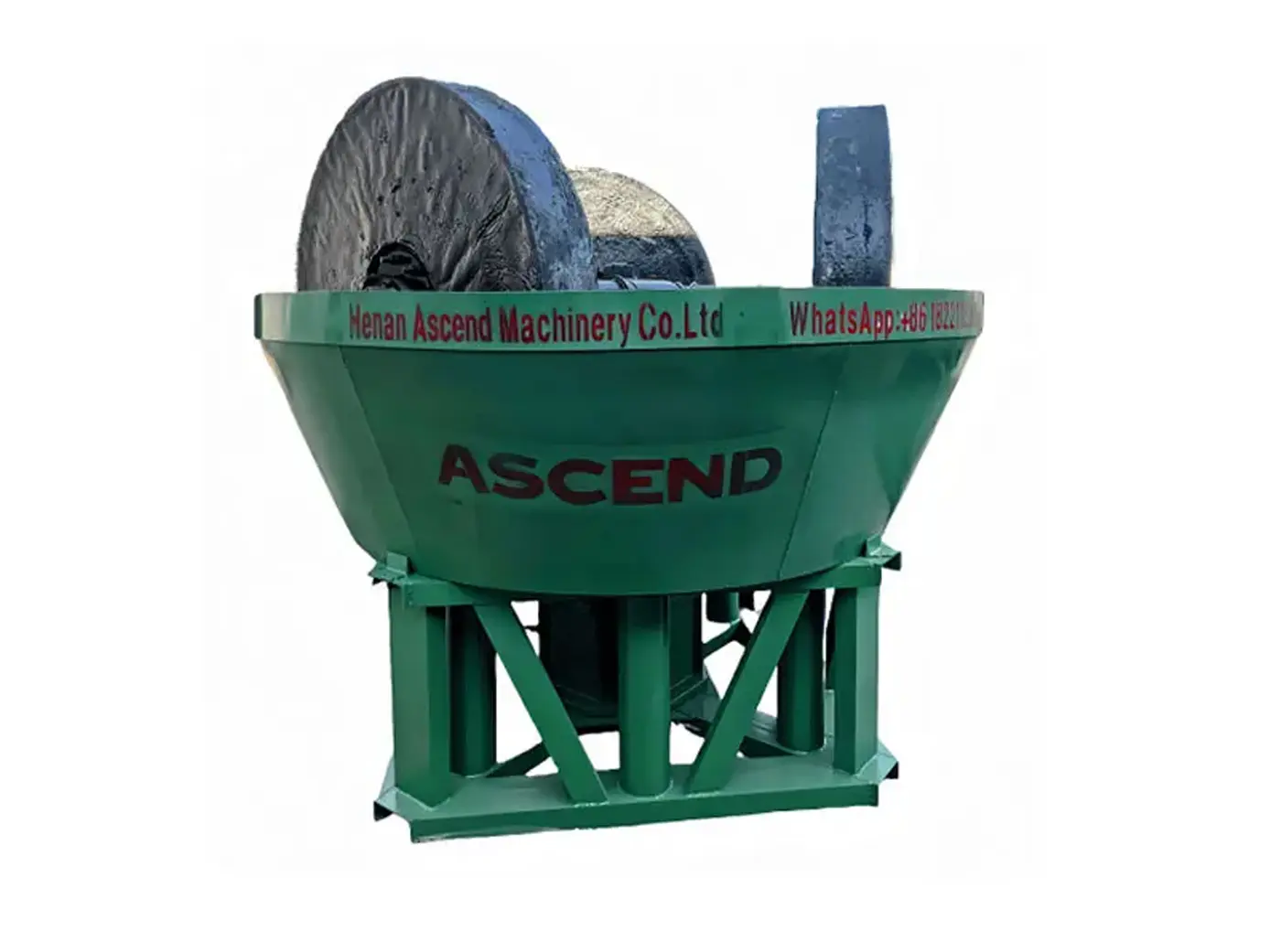
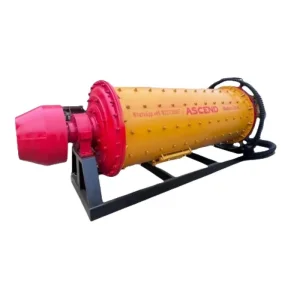
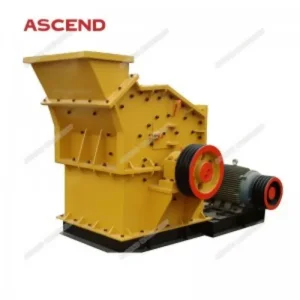
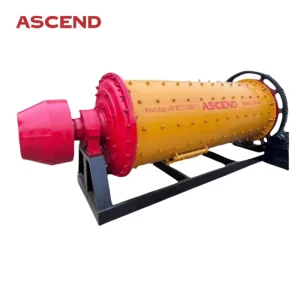
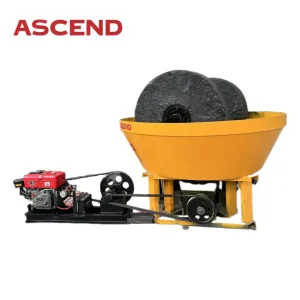
Stone Grinding Mill Machine
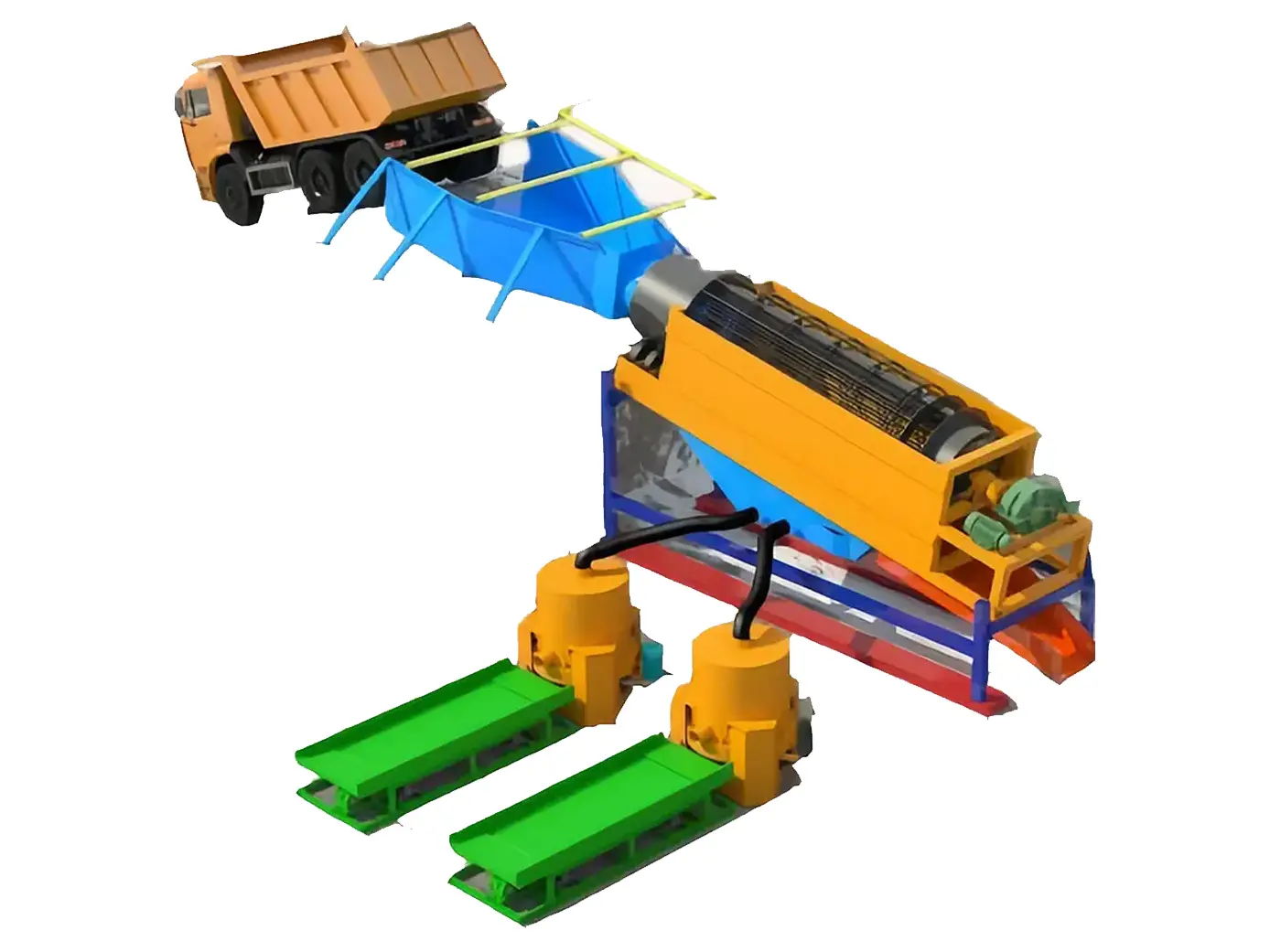
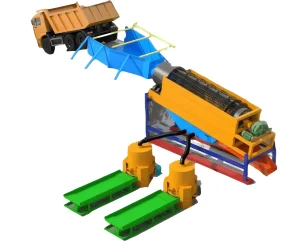
Gold Processing Plant
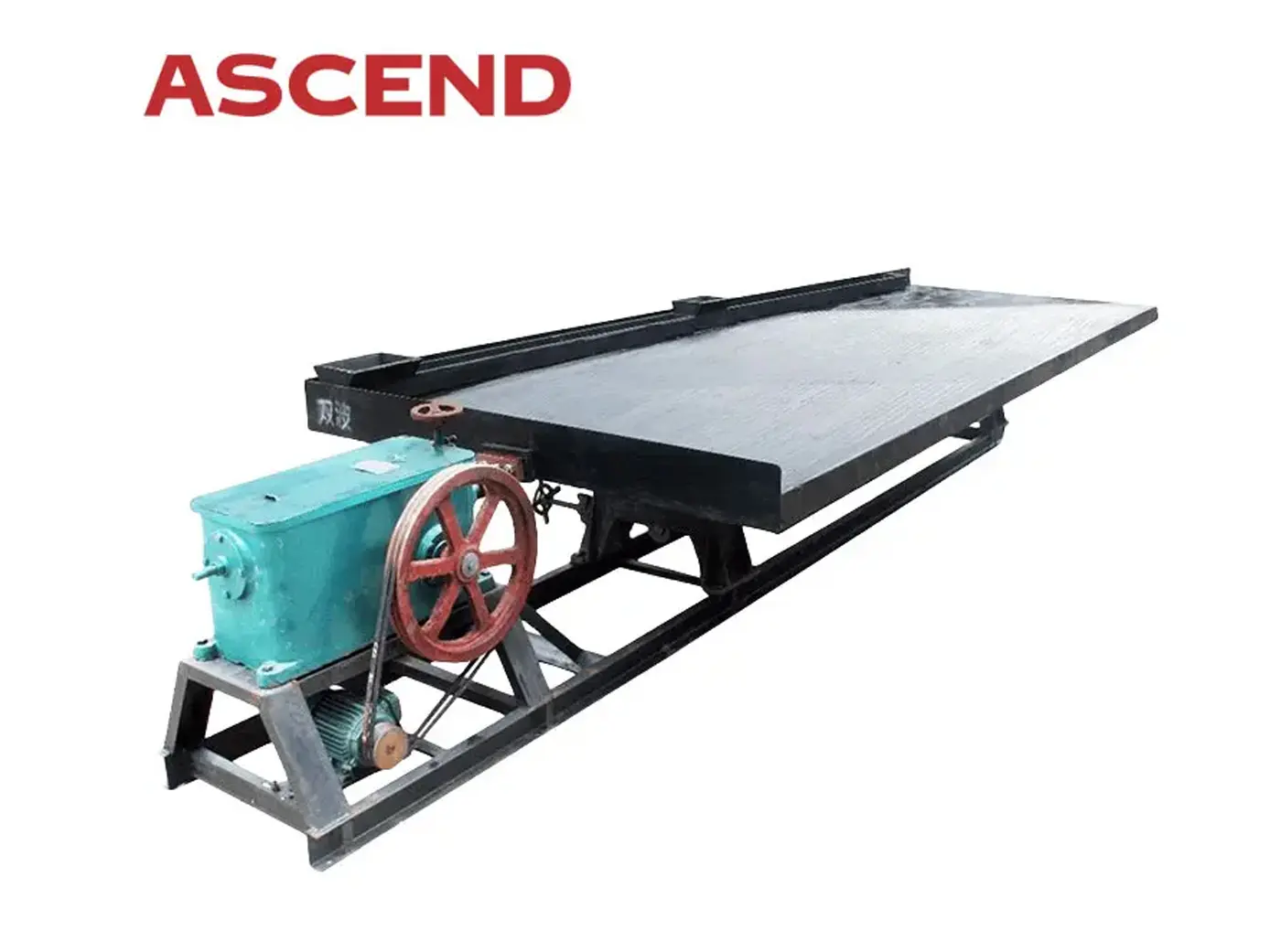
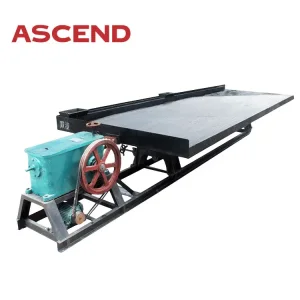
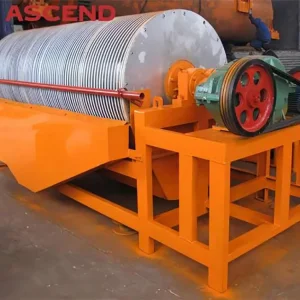
Ore Dressing Equipment
Selecting a primary jaw crusher requires aligning geological parameters with plant operational goals. The table below displays standard specifications for PE series jaw crushers, illustrating the relationship between feed gape, discharge range, throughput capacity, and required motor power.
| Model Designation | Feed Opening Gape x Width (mm) | Maximum Feed Size (mm) | Adjustable CSS Range (mm) | Throughput Capacity (t/h) | Electric Motor Power (kW) | Total Operating Weight (t) |
|---|---|---|---|---|---|---|
| PE-150×250 | 150 × 250 | 125 | 10 – 40 | 1 – 5 | 5.5 | 0.8 |
| PE-250×400 | 250 × 400 | 210 | 20 – 60 | 5 – 21 | 15 | 2.8 |
| PE-400×600 | 400 × 600 | 340 | 40 – 100 | 16 – 64 | 30 | 6.5 |
| PE-600×900 | 600 × 900 | 500 | 65 – 160 | 50 – 180 | 55 – 75 | 17.0 |
| PE-750×1060 | 750 × 1060 | 630 | 80 – 140 | 110 – 320 | 110 | 29.0 |
| PE-900×1200 | 900 × 1200 | 750 | 95 – 165 | 220 – 450 | 110 | 52.0 |
The engineering formula used to calculate theoretical jaw crusher capacity ($Q_t$) is derived as follows:
Where:
• w: Width of the crushing chamber at the discharge opening (m).
• S_m: Stroke of the swing jaw at the discharge point (m).
• n: Rotational speed of the eccentric shaft (RPM).
• d: Bulk density of the material being processed ($t/m^3$).
• C_c: Chamber design factor, which accounts for the nip angle and feed velocity.
In real-world applications, this theoretical value is modified by geological factors such as the Bond Work Index (Wi), which quantifies the energy required to reduce the rock size. High-abrasiveness rocks, such as quartzites or granites, increase wear on manganese jaw plates, reducing real-world throughput over time and requiring adjustments in operational calculations.
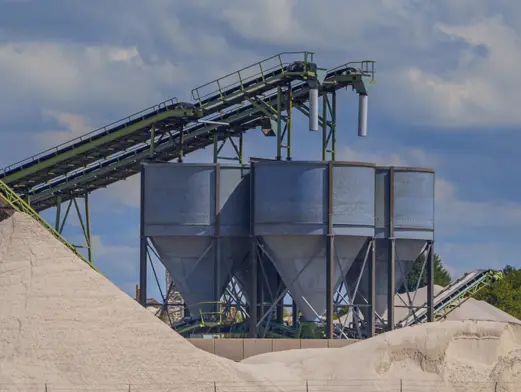
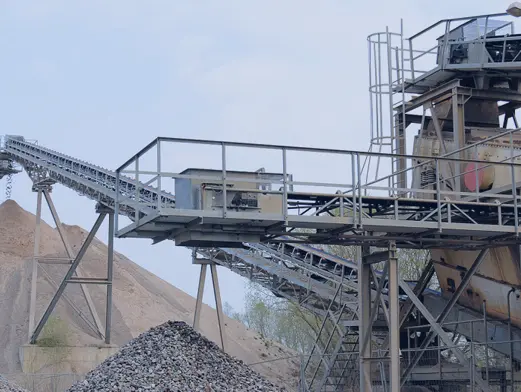
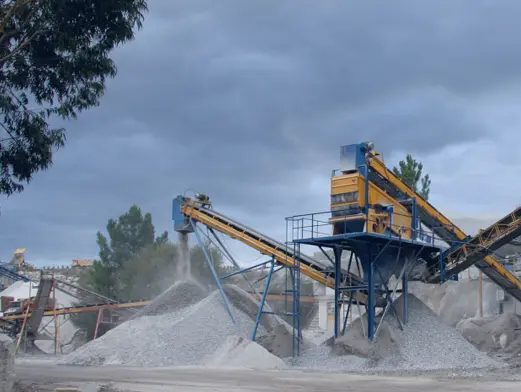
Explore our global operational footprint. Ascend crushing plants and modular beneficiation equipment are deployed worldwide, delivering high throughput and reliable operation in challenging environments.

Operating heavy machinery in remote regions requires reliable compliance and local support networks. Procurement managers must ensure their suppliers adhere to safety and environmental standards, such as CE compliance, ISO 9001:2015 certification, and local safety rules (including OSHA or MSHA standards for mining installations).
Ascend equipment is engineered to comply with strict international regulatory standards:
We offer direct support across Africa, Southeast Asia, and South America. Key services include:
Stay updated on our recent machinery exports, plant commissioning, and project installations globally.
 News
News
 Nov 2025
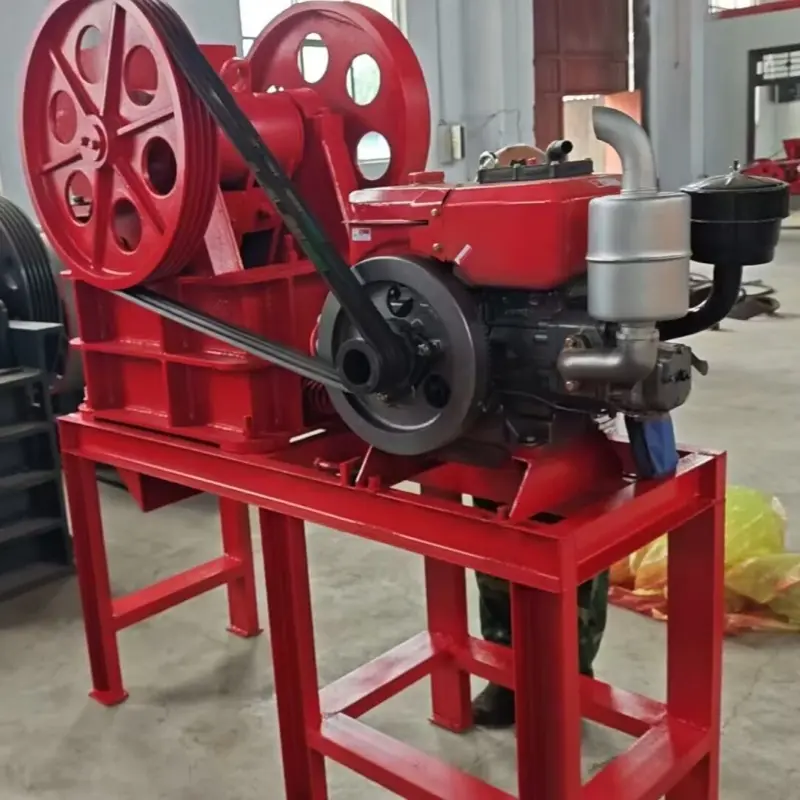
A shipment of compact, diesel-engine-powered primary jaw crushers was completed to PNG, supporting remote gold mining operations lacking grid power.
Read More →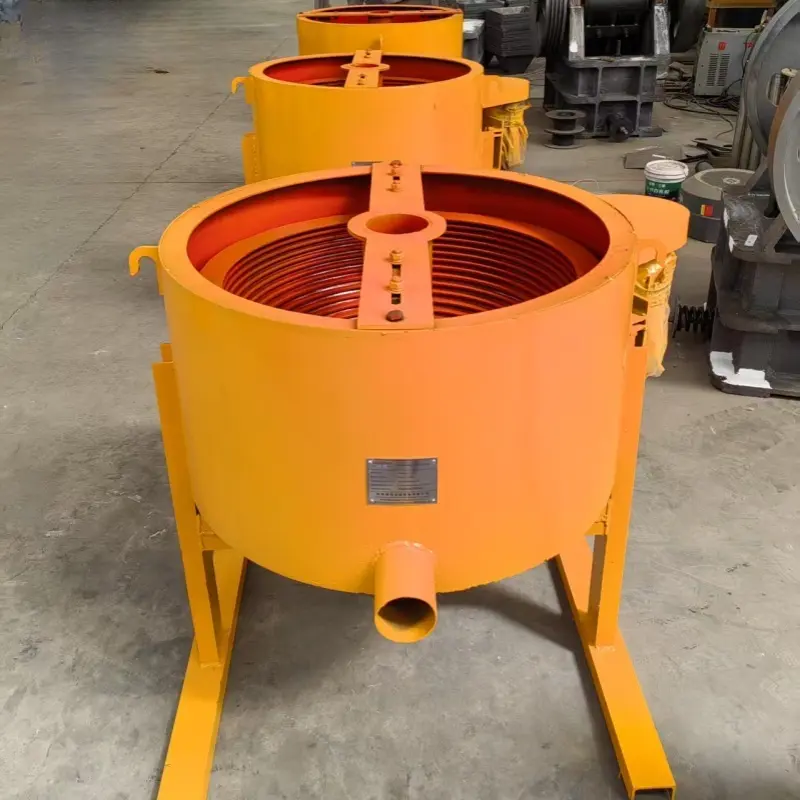 News
Aug 2025
News
Aug 2025
Two high-efficiency recovery systems were shipped to Zambia, enhancing fine particle gold collection in localized alluvial processing loops.
Read More →
Jul 2025
A batch of industrial-grade 6-S gravity separation shaking tables was exported to Sudan to support copper and gold mining projects.
Read More →
Jul 2025
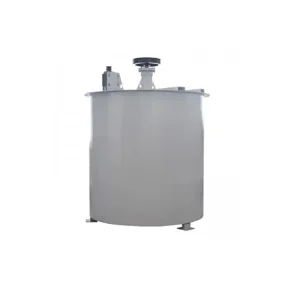
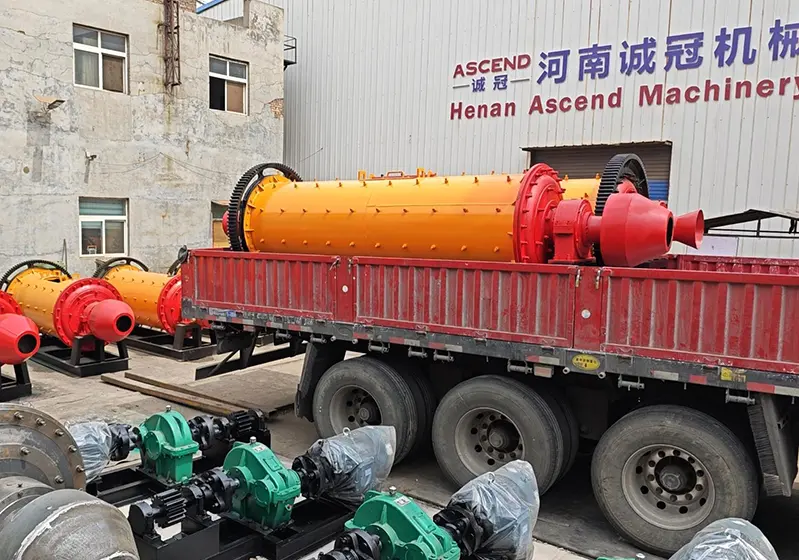
This large-scale diesel ball mill enables primary wet milling operations in remote zones, operating independent of localized grid power.
Read More →
Jul 2025
A trailer-mounted mobile jaw plant was shipped to Tanzania to process primary ores across multiple small-to-medium mining sites.
Read More →
Jun 2025
We completed the export of a PE600x900 jaw crusher to Zambia, supporting primary copper ore reduction projects with high-volume requirements.
Read More →Modern comminution systems are moving toward increased intelligence, electrification, and lower carbon emissions. Henan Ascend's R&D team is focused on integrating digital controls into our primary jaw crushing platforms.
Replacing mechanical toggle plates with hydraulic cylinders protects the frame from tramp iron. The hydraulic relief valve opens automatically when a high-pressure threshold is crossed, purging uncrushable material and resetting the system quickly.
Integrating temperature sensors and vibration accelerometers onto the main bearings allows real-world monitoring of heat levels and structural stresses, alerting operators before components fail.
We are expanding our lines of diesel-electric hybrid drive mobile units. These allow operators to run on grid electricity when available, or switch to efficient onboard diesel engines in remote areas, lowering operational emissions.
Henan Ascend Machinery & Equipment Co., Ltd. was established in 2005 and is located in the high-tech zone of Zhengzhou City, Henan Province. We are primarily engaged in the research, development, manufacturing, sales, and after-sales service of complete crushing, grinding, screening, feeding, and conveying systems for heavy mining operations.
Whether you need to crush limestone, granite, gravel, or hard ores, grind minerals to fine powder, or extract gold, our engineering team can provide professional design solutions. Operating our own modern manufacturing facilities ensures quality control and competitive factory pricing for our clients worldwide.
Get answers to common technical and commercial questions regarding jaw crusher selection, capacity planning, and supplier evaluations.
True output capacity is defined by the gape and width dimensions, eccentric shaft rotation speed, eccentric stroke, and the Closed Side Setting (CSS). Geological factors like material compressive strength (UCS), bulk density, moisture content, and particle size distribution also directly affect processing capacity. For example, high-moisture clay-heavy ores can stick near the CSS, reducing throughput.
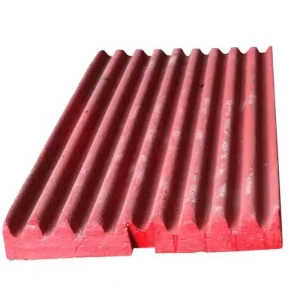
Material hardness and abrasiveness determine the selection of manganese alloy parts (such as Mn13Cr2, Mn18Cr2, or Mn22Cr2) for the jaw plates. Processing harder rocks like quartzites increases wear rates, requiring heavier casting frames and flywheels. This higher structural requirement increases the initial manufacturing cost and is reflected in the final quotation.
Remote mines in Papua New Guinea or Zambia often operate far from established electrical grid networks. Diesel-engine-driven mobile jaw crushers run independently of external power. Their skid or trailer mounts also simplify transport across rugged roads and allow quick setup on site.
Wear life depends on material abrasiveness, feed rate, and nip angle alignment, ranging from 200 hours for highly abrasive ores to over 2,000 hours for soft limestone. Operators can prolong plate lifespan by rotating jaw plates, ensuring uniform feed distribution across the chamber, and adjusting the CSS systematically to prevent localized wear concentration.
The CSS determines the primary discharge particle size distribution. A smaller CSS yields a finer output, reducing the feed load on secondary cone or impact crushers. However, a tight CSS reduces the jaw crusher's overall capacity. Balancing the CSS across primary and secondary stages optimizes the total efficiency of the comminution circuit.
Key factors to evaluate include frame wall thickness, casting quality (avoiding internal air pockets), bearing certifications, and toggle seat durability. Additionally, confirm that the quote covers the motor mounting brackets, motor, and crucial spare parts (e.g. toggle plate, cheek plates) to avoid unexpected start-up costs.
From primary reduction to final fine grinding and gravity concentration, we supply equipment designed for reliable performance in demanding environments.
 Ascend