Explore our wholesale-priced high-performance mineral processing systems engineered for maximum recovery rates and extreme operating environments.
Understanding the critical role of froth flotation in modern non-ferrous and precious metal recovery operations.
The global mining sector is currently facing a dual challenge: the rapid depletion of high-grade ore reserves and an unprecedented surge in demand for critical minerals such as copper, lithium, nickel, cobalt, and gold. To sustain global economic growth and fuel the green transition, mining operations must process complex, low-grade, and finely disseminated ores. In this demanding landscape, froth flotation has emerged as the definitive separation process, dictating the metallurgical recovery rates and overall financial viability of modern concentrator plants.
Flotation cells operate at the intersection of fluid dynamics, surface chemistry, and mechanical engineering. By adjusting the surface properties of mineral particles using specialized chemical collectors, valuable mineral grains are rendered hydrophobic, enabling them to attach to rising air bubbles while the hydrophilic gangue remains in the pulp. Consequently, optimizing the performance of your flotation cell circuit is not merely a mechanical consideration—it is a critical driver of mineral extraction efficiency, chemical economy, and plant profitability.
Achieving optimal recovery requires a deep understanding of the sub-processes within a flotation machine. The total probability of flotation ($P$) is governed by the collision probability ($P_c$), attachment probability ($P_a$), and detachment probability ($P_d$), expressed mathematically as $P = P_c \times P_a \times (1 - P_d)$. Engineers must design impellers and tanks that balance the shear rate to maximize bubble-particle collisions while minimizing the turbulent forces that detach particles from bubbles. High-efficiency impellers generate controlled hydrodynamics that sustain particles in suspension without generating excessive turbulence at the pulp-froth interface.
A comprehensive review of self-aspirated versus forced-air mechanical flotation machines.
Utilizes the negative pressure generated by the impeller rotation to automatically draw air into the pulp. No external blower required, simplifying structural overhead.
Slurry is aerated by pressurized air supplied by external blowers. Provides precise control over air flow rate ($J_g$) and bubble size distribution, optimized for deep large-capacity tanks.
Relies purely on pressurized gas injection without mechanical moving impellers. Exceptional for fine and ultra-fine particle cleaning steps, reducing energy input requirements.
| Technical Parameters | SF Flotation Cell | KYF Flotation Cell | XCF Flotation Cell |
|---|---|---|---|
| Aeration Method | Self-suction air & slurry | External blower forced air | Forced air, self-sucks slurry |
| Impeller Tip Speed | High (7.5 - 9.5 m/s) | Low (5.0 - 6.5 m/s) | Medium (6.5 - 7.5 m/s) |
| Power Consumption | Higher unit mechanical draw | Lowest per unit volume | Low to medium |
| Circuit Layout | Horizontal step, no pump required | Requires pump for return circuit | Combined with KYF (no pump needed) |
An architectural projection of smart sensors, machine vision, and ecological reagents in mineral beneficiation plants.
Traditional manual adjustment of froth leveling and wash water flow rate is being replaced by high-speed camera systems combined with deep learning algorithms. These systems continuously analyze the velocity, bubble diameter, bubble collapse rate, and color spectrum of the froth phase. Connected to variable speed impeller drives and automated air valve actuators, they adjust the flotation kinetic dynamics in real-time, preventing tailing runaways and improving concentrate grade spikes by up to 2.5%.
As modern mining operations scale up to 300m³ and 630m³ tanks, scaling issues become prominent. CFD modeling enables developers to simulate solid suspension rates, gas hold-up, and velocity profiles prior to physical fabrication. Ascend engineers leverage state-of-the-art multiphase fluid dynamics software to design impellers that reduce localized wear zone velocities while optimizing bubble distribution throughout the entire tank volume.
Custom setups optimized for specific geologic regions, targeting regional environmental constraints and ore types.
Processing dolomitic and siliceous complex copper-cobalt ores. Our circuits feature high-capacity slurry aeration units capable of adjusting pH levels in tough chemical conditions, preventing mechanical scaling in high carbonate pulp environments.
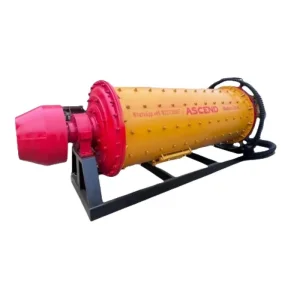
Polymetallic ores with fine-grained dissemination demand fine grinding. Combined with our secondary grinding ball mills, our specialized ultra-fine flotation cells achieve high selectivity of copper-zinc and lead-zinc ores.
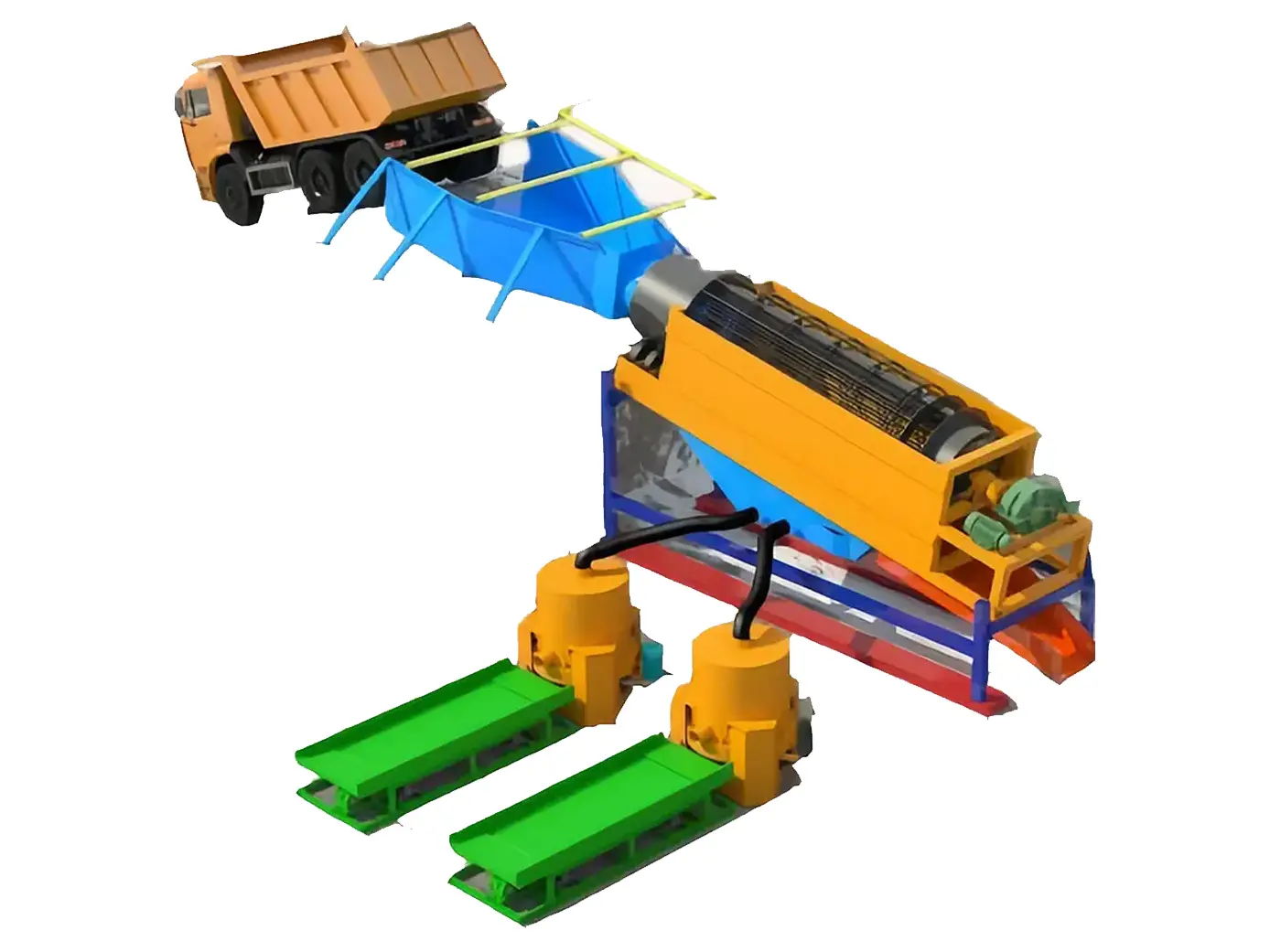
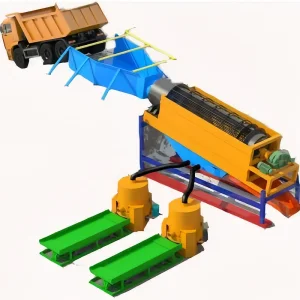
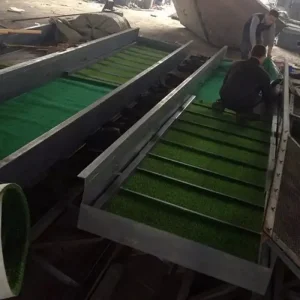
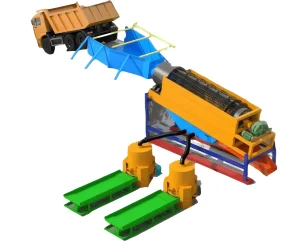
Eliminating mercury amalgamation practices in Africa and Latin America is a critical UN goal. Our portable gold washing plants and compact flotation circuits offer a high-recovery, eco-friendly alternative for regional cooperatives.
Ascend has developed steadily since its establishment. Our operations cover more than 130 countries and regions worldwide, especially in Africa and Southeast Asia. Ascend machine quality and after-sales service have won widespread praise from international customers.
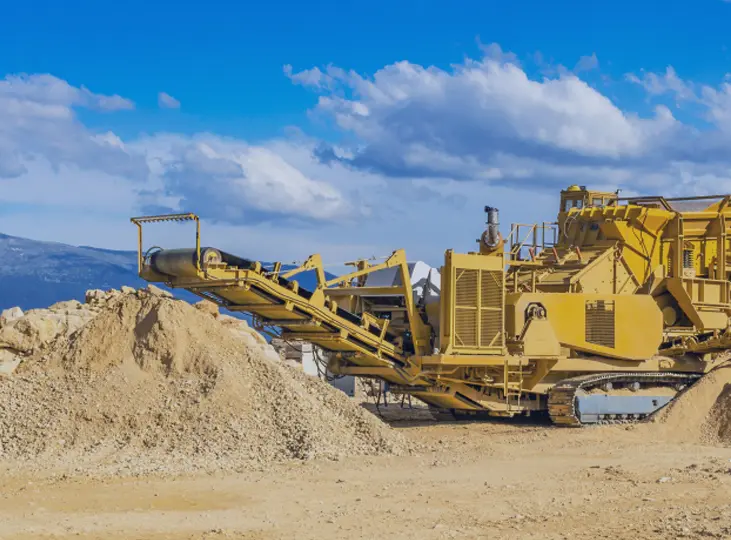
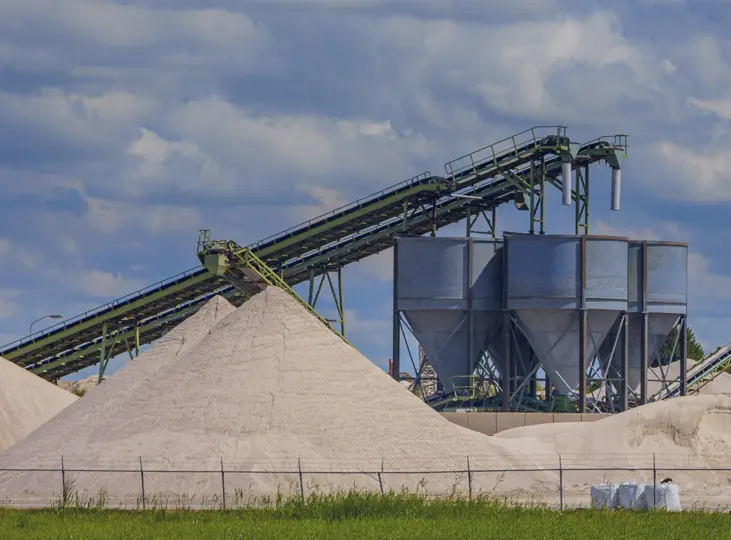
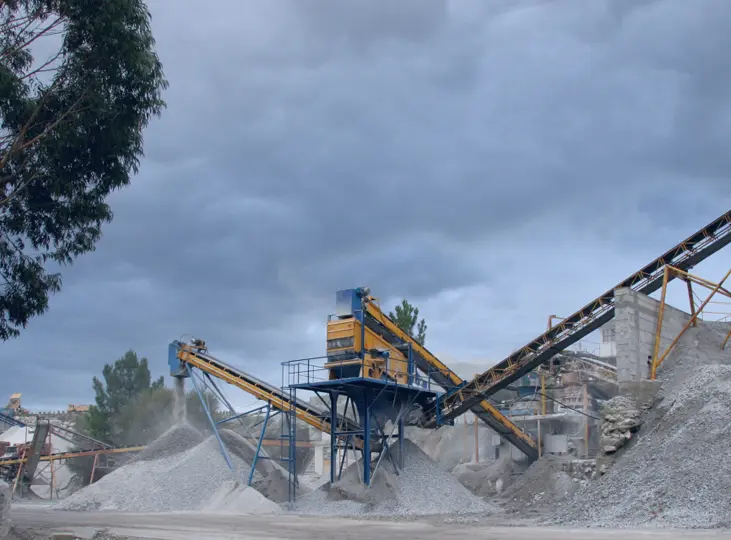
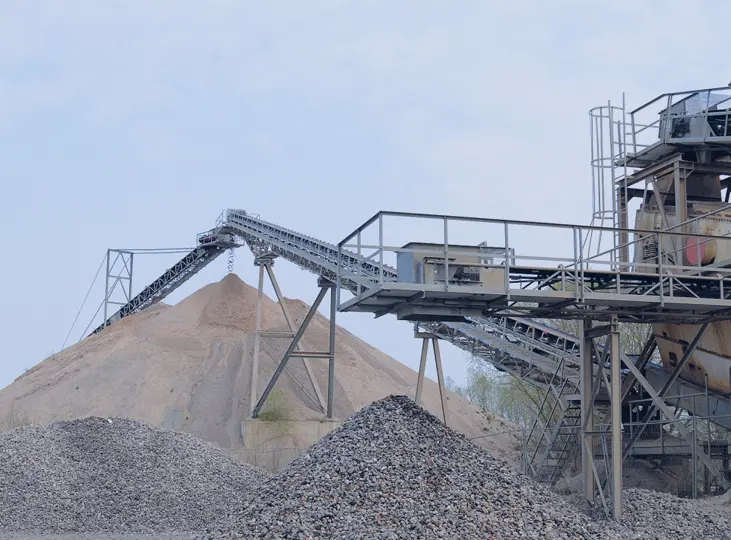
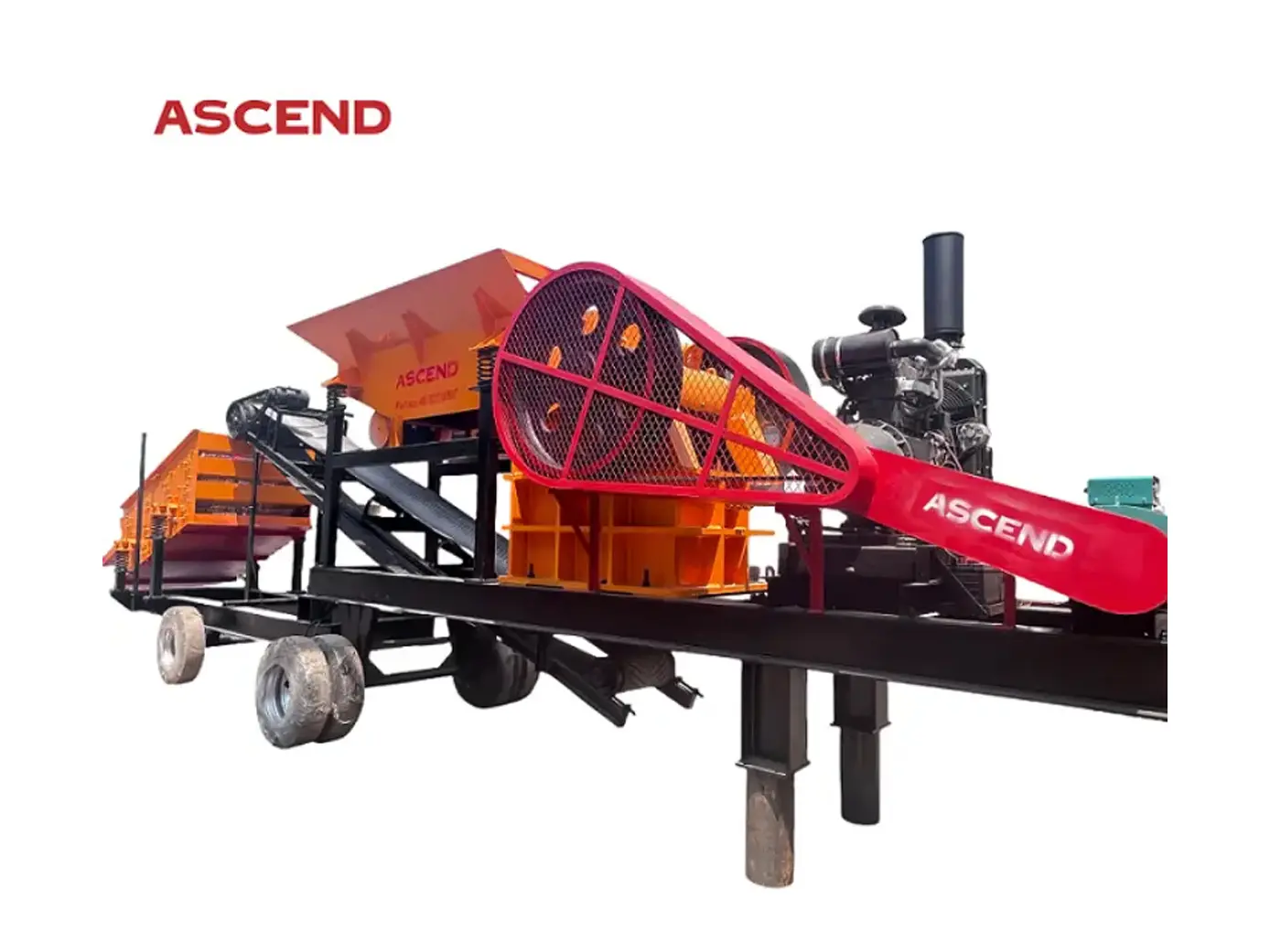
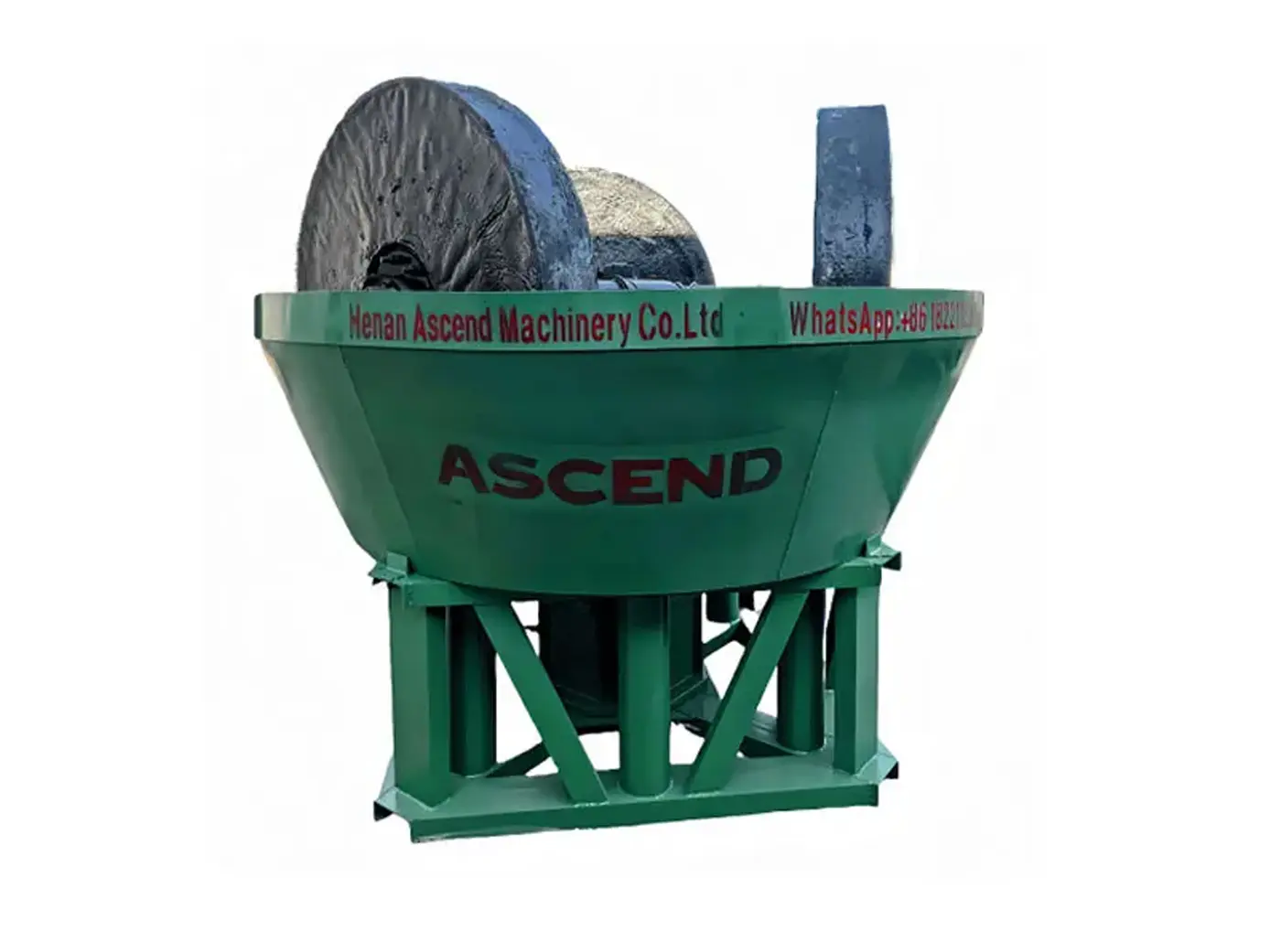
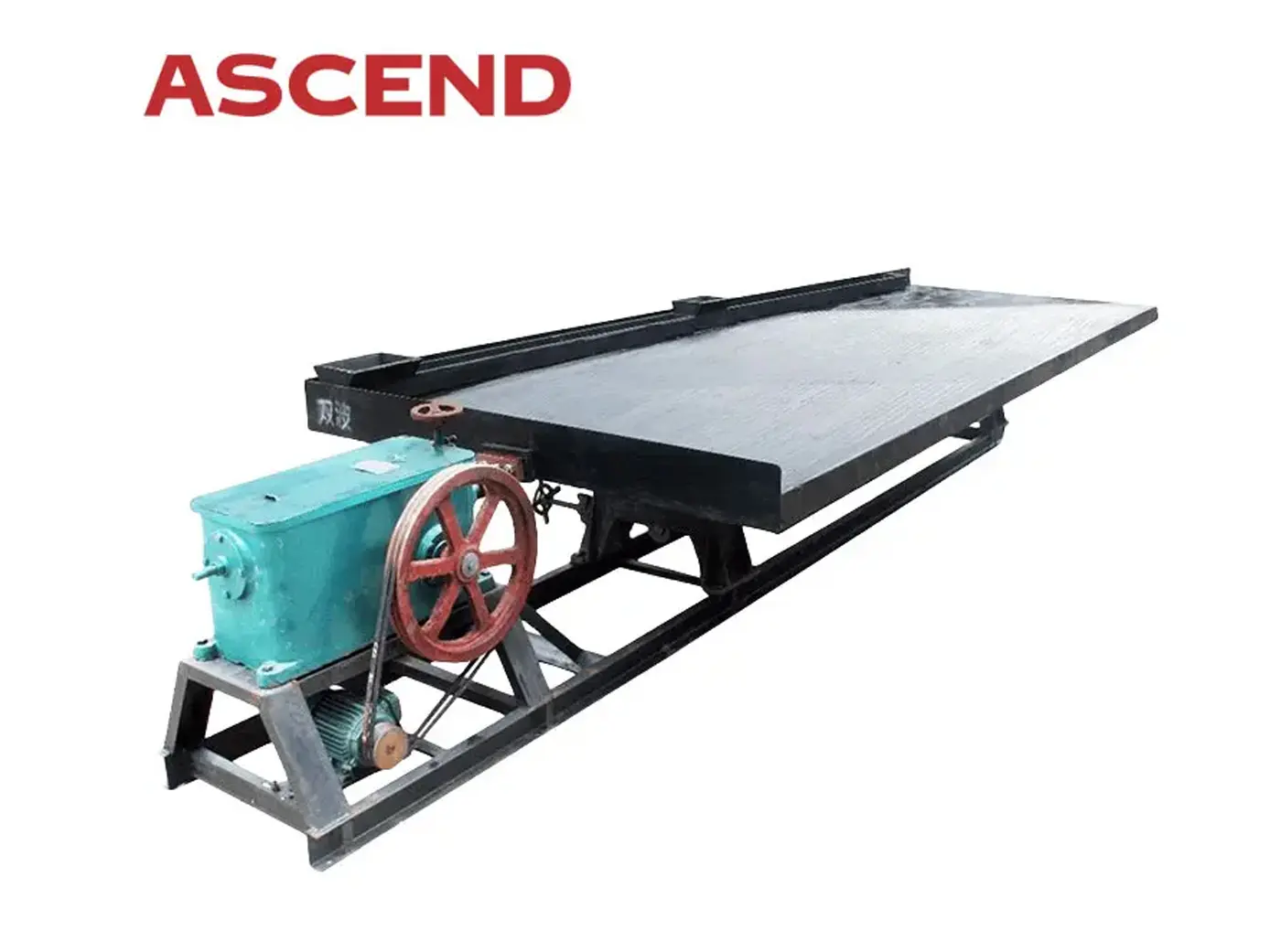
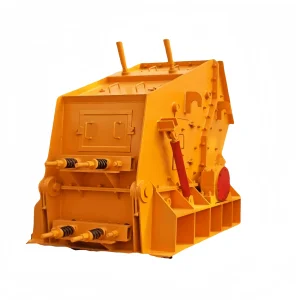
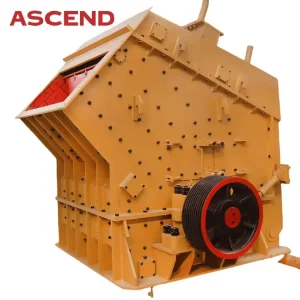
Our heavy mining machinery portfolio extends beyond mineral separation to cover crushing, grinding, screening, and milling.
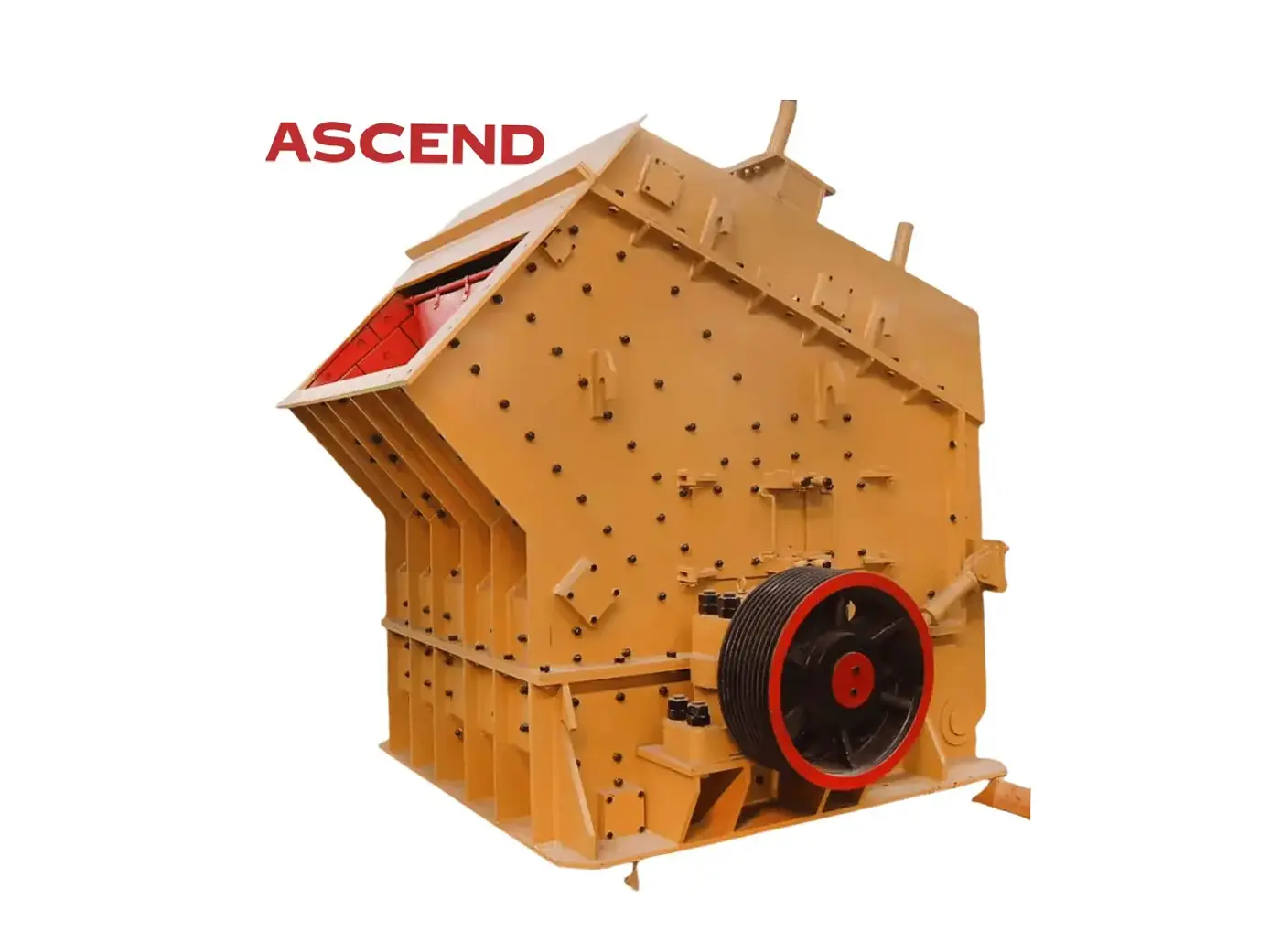
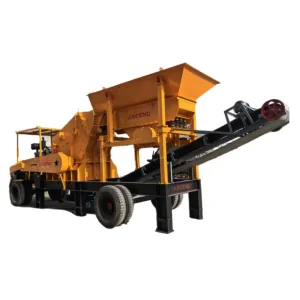
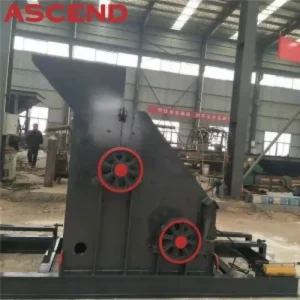
Impact crusher is a kind of secondary crushing equipment which uses impact power to crush materials. Impact crusher is characterized by easy maintenance, high reduction ratios and high efficiency to produce precisely cubic shape products. It is designed with three crushing chambers, seamlessly connected rotor, wear-resistant blow bar and installation of insert type. Moreover, it has tooth type liner, gradient designed bearing seat, frame with several openings and screws or hydraulic start-up devices. Impact crushers can be used in all different stages of size reduction from primary crushing to the last step of the crushing process.
Read MoreExplore our engineering case achievements showing operational machinery deployed in the field.
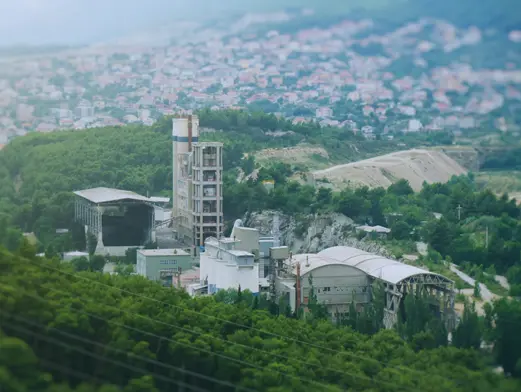
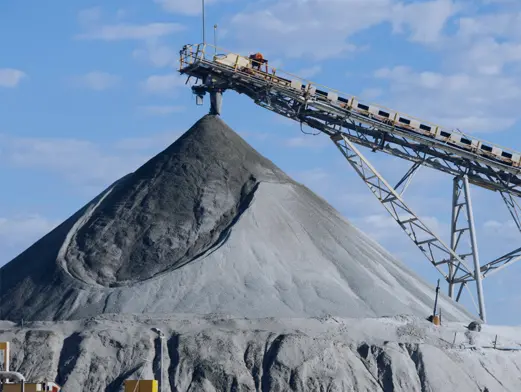
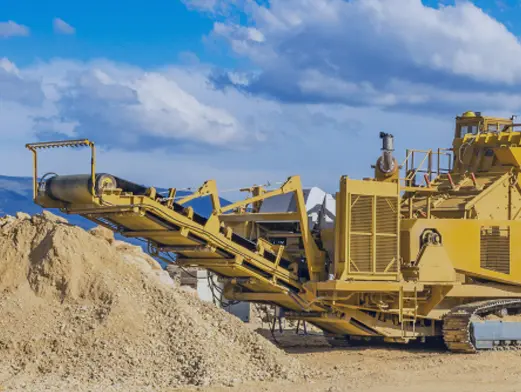
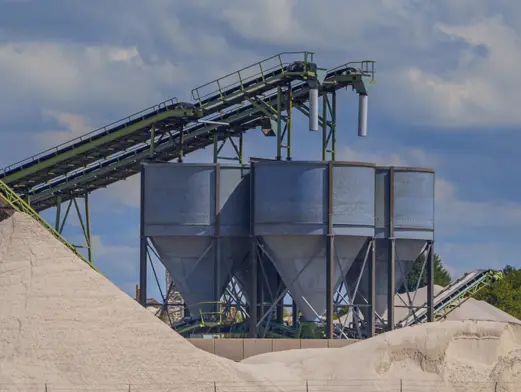
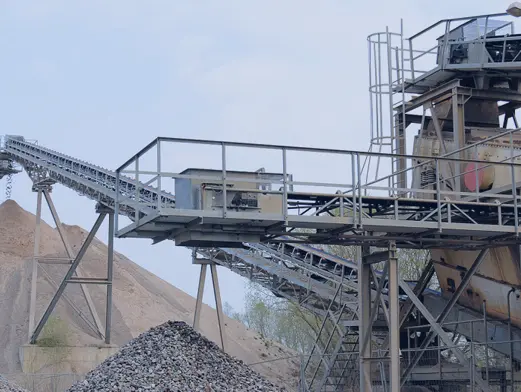
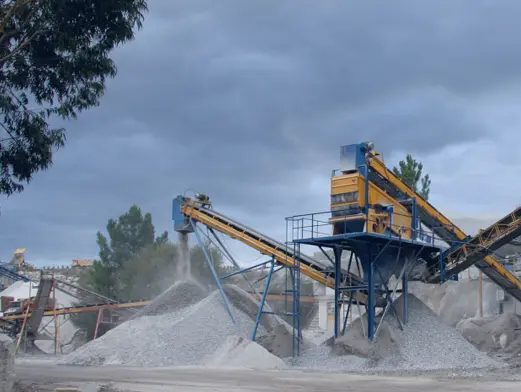
Stay updated on Henan Ascend's latest project deployments, machinery shipments, and technical achievements worldwide.
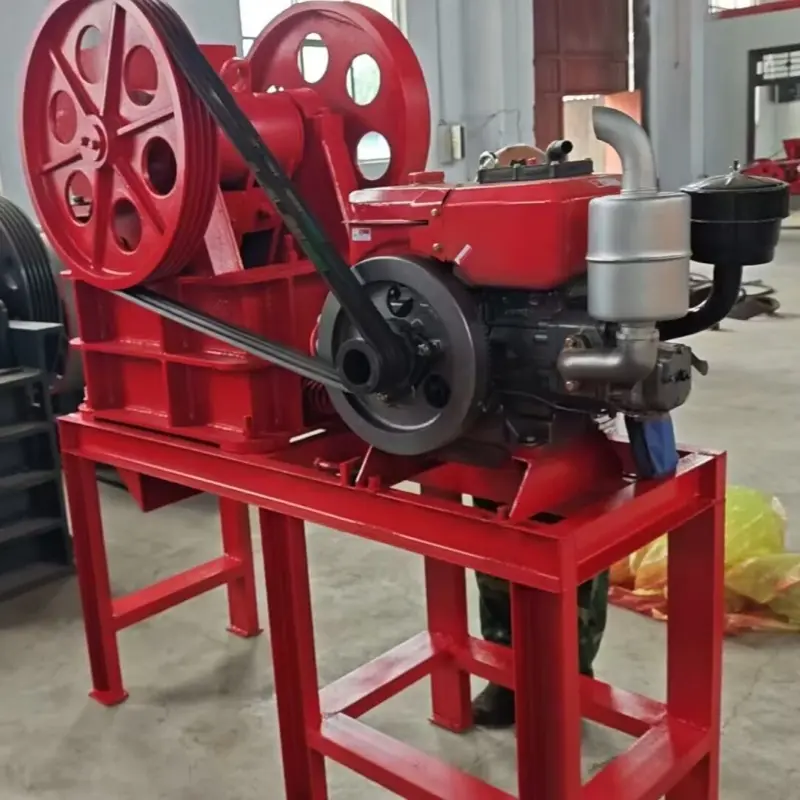
 Nov 2025
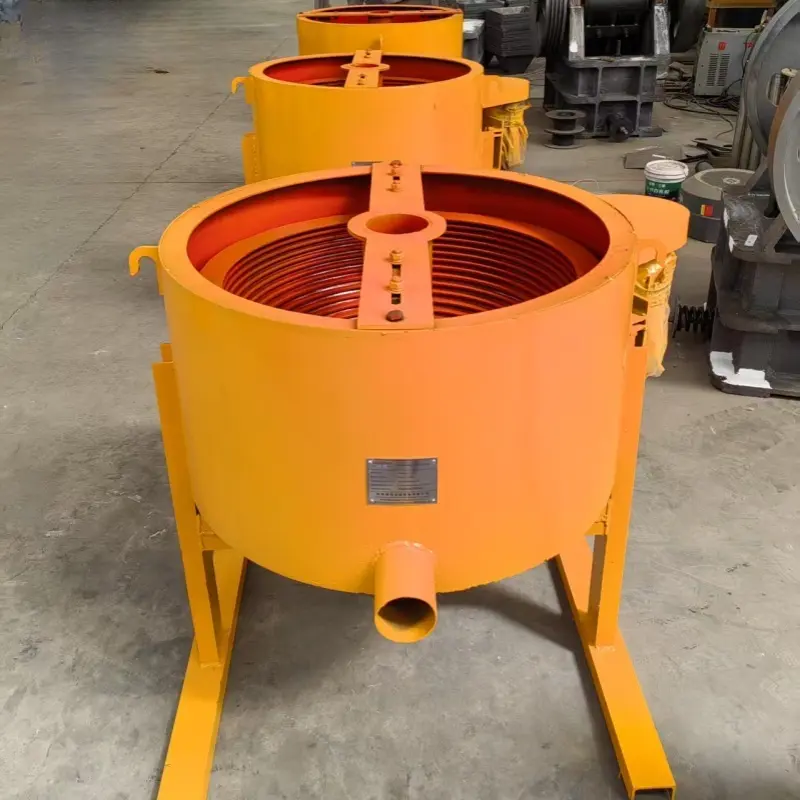
Technical guidance from our senior mineral processing engineers on troubleshooting and configuration adjustments.
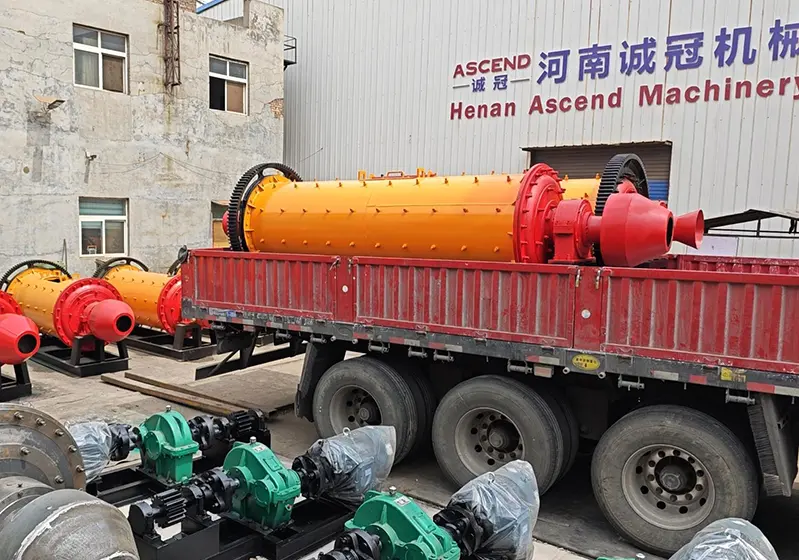
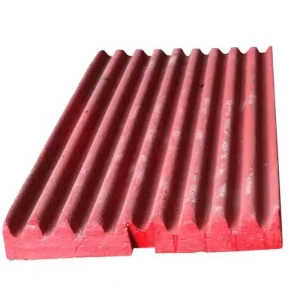
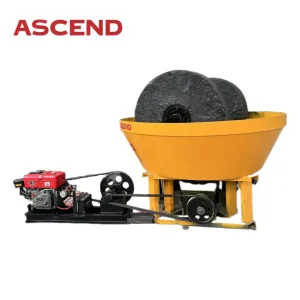
Complete your beneficiation circuit with our field-tested pulverizers, grinding mills, jaw plates, and portable plants.
 Ascend