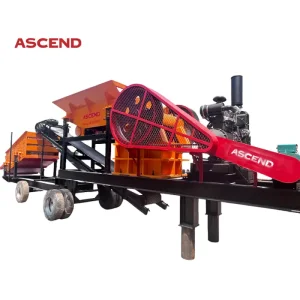
In modern metallurgy, mineral beneficiation, and aggregate production, the crushing circuit represents the foundation of downstream operation efficiency. While primary crushing stations (dominated by heavy-duty jaw crushers) target run-of-mine (ROM) materials to yield coarse sizing, the secondary crushing stage is where product geometry, uniform particle sizing, and matrix liberation are strategically shaped.
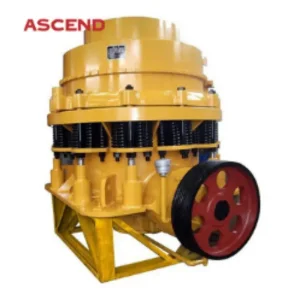
A high-efficiency cone crusher designed for secondary crushing employs dynamic compression to crush high-abrasive, high-strength mineral rocks such as granite, basalt, iron ore, and quartzite. Sourcing from specialized manufacturers and factories requires deep insight into structural kinematics, metallurgical composition, and plant-integration capabilities. This document details the engineering specifications, global logistics landscapes, procurement benchmarks, and technical pathways vital for industrial decision-makers.
Optimized compression kinetics deliver lower mechanical stress while achieving up to 35% higher throughput than conventional gyratory units in secondary loops.
Procuring wholesale industrial crushing machinery involves complex logistical, environmental, and financial calculations. The market demands reliable configurations that adapt to localized minerals and regulations.
Driven by intensive recovery operations in gold, copper, and iron-ore fields (Zambia, Sudan, Tanzania). Sourcing priorities target thermal tolerance, robust dust-sealing, mechanical tramp release mechanisms, and simplified maintenance that bypasses complex programming interfaces.
Rapid urban expansions require high-volume aggregate generation. Here, the focus is on maximizing production of cubical particles for high-grade concrete, calling for advanced multi-cylinder hydraulic systems with fine-tuned closed-side settings (CSS).
Procurement teams prioritize strict environmental controls, safety guards, and smart automated controls. Integration with SCADA systems, remote telemetry diagnostics, and certified noise-reduction housings is key to meeting strict regional regulations.
Choosing between a Spring Cone Crusher and a Hydraulic Cone Crusher dictates long-term maintenance cycles and operational efficiency. Below is an engineering comparison designed to guide procurement teams during technical reviews.
| Performance Indicator | Spring Cone Crusher (Mechanical) | Hydraulic Cone Crusher (Single/Multi-Cylinder) |
|---|---|---|
| Tramp Release System | Heavy-duty helical springs absorb uncrushable material passage. | Hydraulic cylinders automatically retract/reset for rapid recovery. |
| CSS Adjustment Method | Manual or gear-driven rotation of the bowl assembly. | Hydraulic motor or cylinder positioning via digital control panel. |
| Operational Efficiency under Load | Consistent torque; prone to choking on high moisture fines. | Variable chamber adjustment optimizes throughput based on feed variation. |
| Maintenance Profile | Highly reliable in remote zones, mechanical repairs only. | Shorter diagnostic times, requires skilled hydraulic technicians. |
| Capital Investment (CAPEX) | Medium to Low; optimized for long-term depreciation. | Higher initial investment, offset by lower OPEX and automation. |
The mechanical spring cone design remains an industry favorite for operations in remote, high-dust regions due to its simple troubleshooting design. In contrast, multi-cylinder hydraulic systems are suited for plants where automated calibration, minimal downtime, and remote tracking are essential.
Cone crushers for secondary crushing do not work in isolation. For high-capacity plants processing aggregates or metalliferous ores (such as gold, copper, or iron), they are integrated into complex circuits:
To achieve maximum efficiency in a secondary crushing circuit, operators should focus on the following parameters:
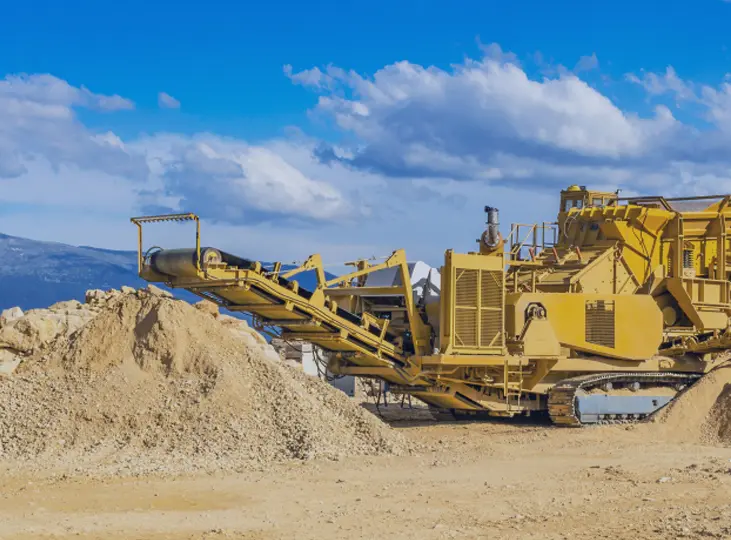
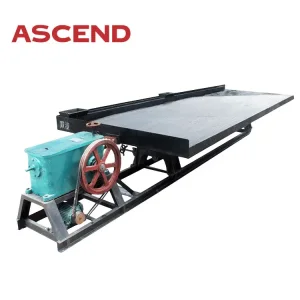
Tailored flowsheets engineered to maximize gold ore release prior to gravity tables or flotation extraction systems. Delivering optimized throughput and minimized fines across Africa and Southeast Asia.
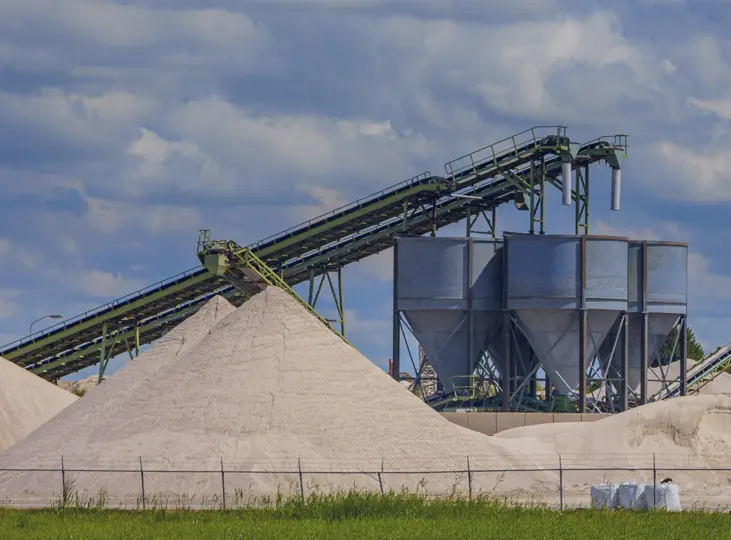
Secondary crushing circuits configured for high-abrasion ores. These systems protect downstream grinding mills by generating consistent sizing and minimizing wear on liners.
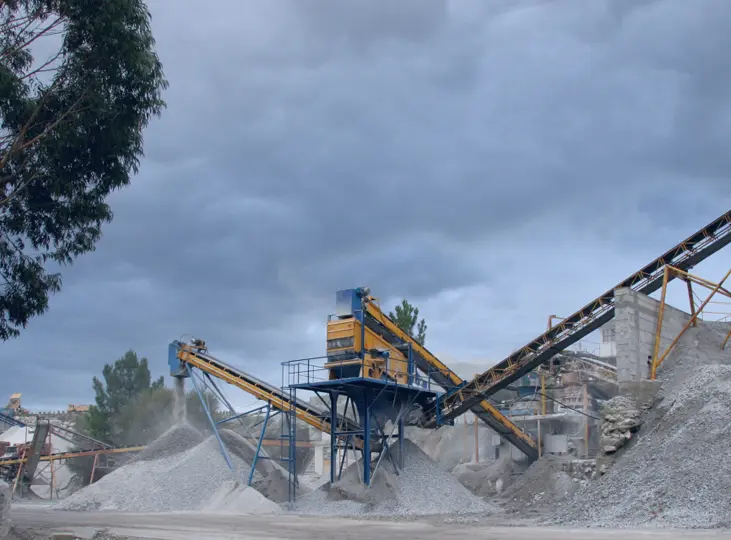
Combining jaw crushers with mobile configurations for transportable aggregate sites. Ideal for road building and concrete production in Southeast Asia.
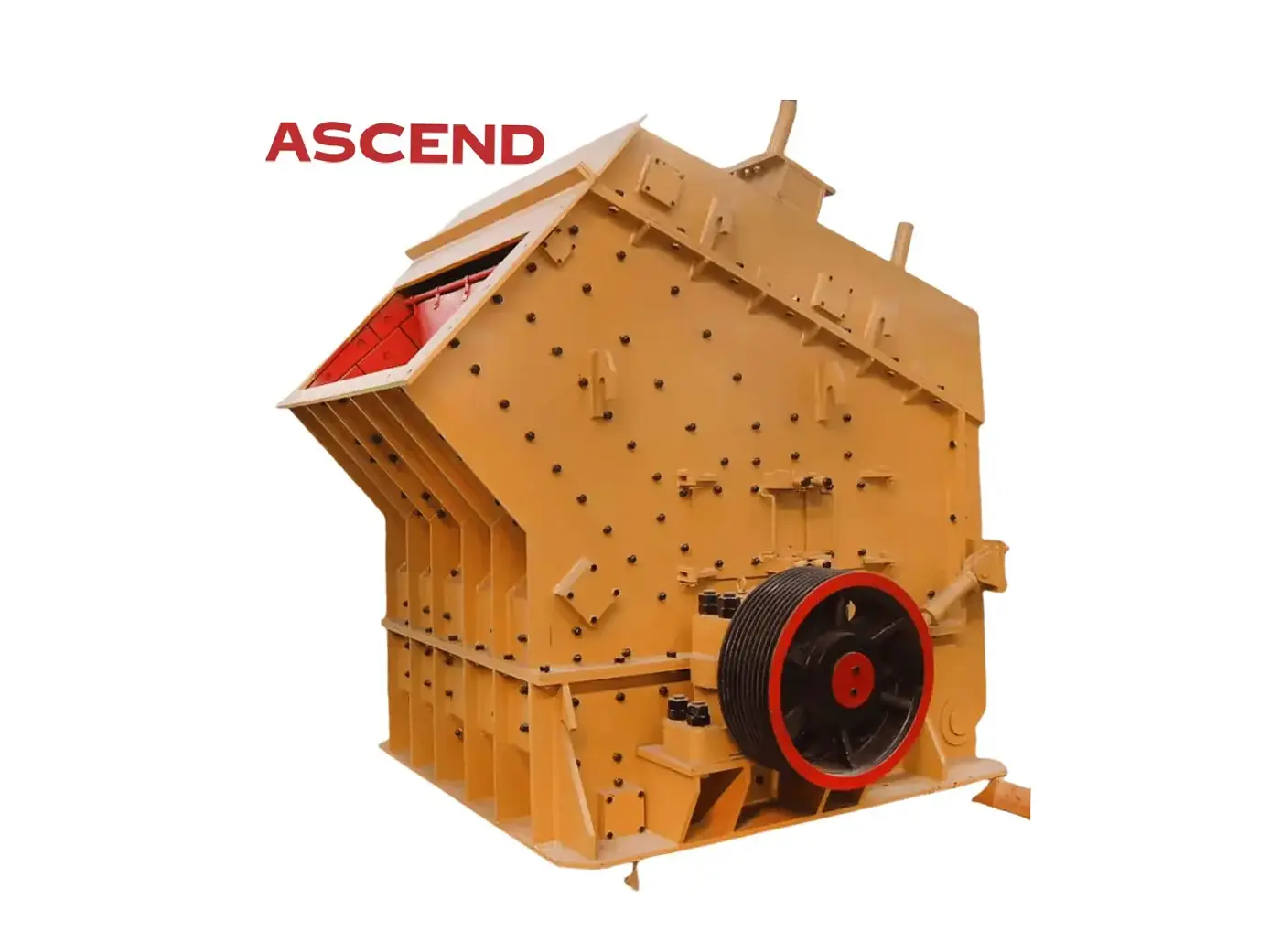
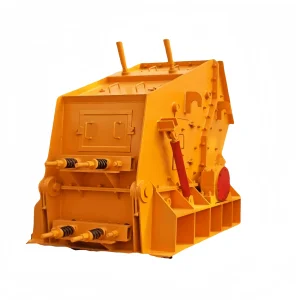
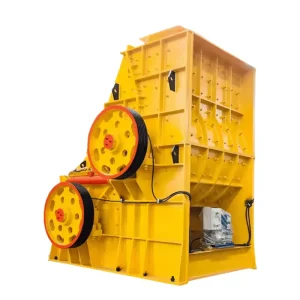
The impact crusher serves as a highly effective secondary machine, using dynamic kinetic energy to crush medium-hard to soft materials. These units are defined by straightforward maintenance, high reduction ratios, and cubical product shapes. They feature three crushing chambers, a seamlessly connected rotor, wear-resistant blow bars, and a hydraulic opening mechanism.
For abrasive rocks, compression-based cone crushers are often the preferred choice. They operate with lower dust output, produce less acoustic noise, and offer longer component life when processing materials with high silica levels.
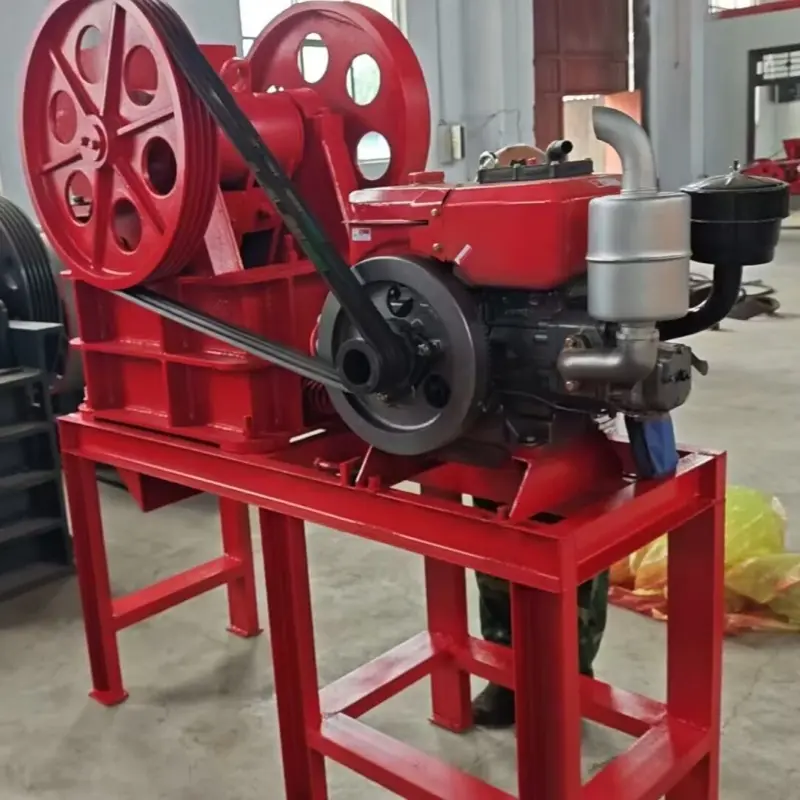
Optimized for remote mining sites lacking access to reliable electrical grids, these diesel-driven jaw crushers provide robust primary reduction to feed secondary crushing circuits.
 November 2025
Export Shipment
November 2025
Export Shipment
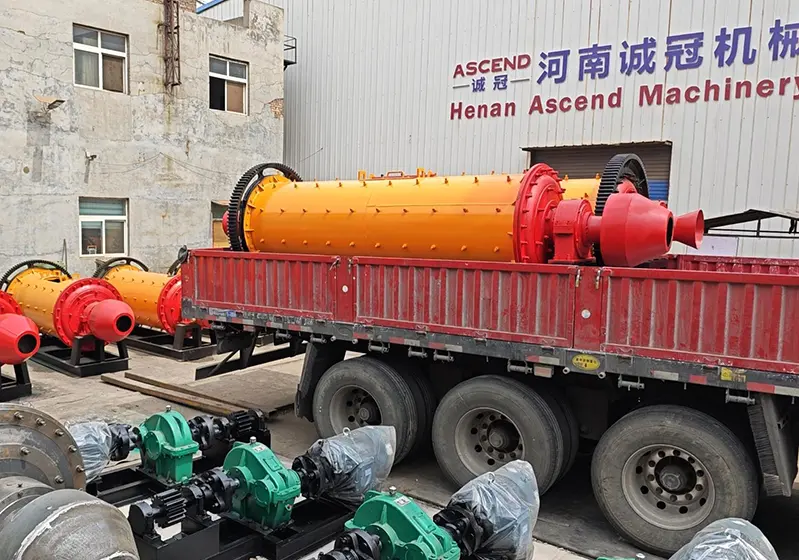
Established in 2005 and headquartered in the high-tech zone of Zhengzhou City, Henan Province, Henan Ascend Machinery has built a reputation as a trusted manufacturing partner. We focus on the design, production, sales, and service of complex crushing, grinding, screening, and mineral processing machinery.
With more than two decades of engineering expertise, our solutions serve operators in over 130 countries and regions. We maintain strict quality management systems (ISO9001 and CE standards) to deliver durable and reliable products. Our engineering team designs tailored solutions for crushing limestone, granite, basalt, and gold ore, helping operators optimize their production lines.
Developing systems for real-time tracking of eccentric shaft temperatures, vibration patterns, and liner wear rates. This allows operators to run predictive maintenance cycles, avoiding costly unscheduled downtime.
Applying variable-frequency drives (VFD) to adjust eccentric speeds on the fly. This optimizes electrical power consumption based on feed hardness variations, reducing carbon footprints.
Collaborating with specialized foundries to test new manganese alloys. This research aims to extend mantle and bowl liner life in demanding gold and basalt processing plants.
Cavity selection depends on maximum feed size, feed size distribution, and the target output range. A coarse cavity features a larger feed opening to handle run-of-mine material directly from the primary stage. A fine cavity utilizes a narrower entrance and longer parallel zone at the bottom, which is ideal for generating feed for tertiary grinding mills or fine aggregate production.
Choke feeding—maintaining a steady head of material above the crushing chamber—promotes inter-particle crushing. In this state, particles crush against each other rather than directly contacting the mantle and bowl liners. This yields a more cubical output product shape, increases throughput capacity, and reduces localized wear patterns on manganese steel components.
A spring tramp release uses heavy coils to allow the bowl assembly to lift slightly, letting uncrushable objects (like tramp iron) pass without damaging the frame. Hydraulic systems replace these springs with relief cylinders, which release oil pressure instantly during overload events to open the chamber. This hydraulic reset reduces downtime from hours to seconds and allows automated purging.
This transition is driven by the circuit's target output size. Typically, if the feed size to a ball or wet pan mill is above 12-15mm, grinding efficiency drops sharply, increasing energy draw. Operators will run a closed-loop secondary cone crusher with screen decks to ensure the mill feed remains consistent, maximizing overall plant capacity.
In hot climates like Sub-Saharan Africa, maintaining high oil viscosity is crucial. Lubrication loops require air-to-oil or water-to-oil heat exchangers to keep temperatures below 55°C. In contrast, colder operations in high-altitude zones need sump heating elements to prevent cold-start damage caused by thick, viscous oil.
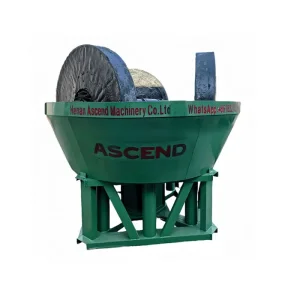
 Ascend