High-performance processing systems engineered for global mineral and aggregate production lines.
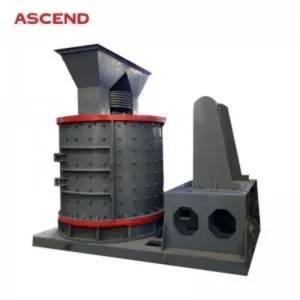
The global industrial landscape demands dynamic particle size reduction systems capable of handling medium-hard, friable minerals with maximum throughput and minimum specific energy consumption. As one of the most widely used metamorphic stones in architecture, construction, and high-purity chemical industries, marble (calcite-rich crystalline rock) demands specialized crushing profiles. Over the past decade, the engineering behind the marble hammer crusher for sale has pivoted from basic mechanical impact towards high-precision, wear-optimized, and digitally monitored systems.
Historically, traditional hammer mills suffered from excessive wear when operating on stones with varying levels of silica impurity. Modern metallurgy has resolved this challenge. The integration of high-chromium alloys, bimetallic composite hammerheads, and tungsten carbide overlays has extended the operational lifecycle of crucial impact components by up to 250% compared to traditional high-manganese steel. Today's industrial-grade hammer crushers utilize advanced rotor balance configurations and adjustable grate plates to ensure a uniform output size distribution, effectively minimizing over-crushing and the generation of unwanted ultra-fines.
"True information gain in modern mining extraction lies not in generating more kinetic force, but in optimizing the geometry of impact and leveraging material science to achieve maximum tonnage per kilowatt-hour."
In the current procurement ecosystem, multinational aggregate producers and chemical conglomerates are no longer looking simply at price-per-unit. The search intent of modern B2B procurers has evolved toward long-term operational resilience, lowest Total Cost of Ownership (TCO), and carbon emission reduction metrics. Key procurement parameters now include:
This shift in global demand highlights why choosing an established manufacturer with in-house foundry capabilities—rather than a third-party trader—is critical. Manufacturers control the chemical composition of the wear liners and hammerheads, tailoring them to the specific geological properties of the marble quarry.
Henan Province, China, has emerged as the premier global hub for heavy machinery fabrication. Under the transition to Industry 4.0, factories in the region have integrated automated casting lines, robotic weldments, and CNC precision milling centers. This industrial upgrades yield remarkable supply chain advantages:
First, **material traceability** is ensured via continuous spectrometer testing during the molten alloy stages. Second, **structural integrity** is verified through ultrasonic non-destructive testing (NDT) on heavy-duty rotors and shaft assemblies. This level of standardized production significantly lowers the premium on manufacturing while elevating quality parameters to meet or exceed CE, ISO, and GOST standards.
Furthermore, the localized cluster of high-grade steel mills, component suppliers, and direct logistics networks in Henan creates an unrivaled logistics buffer. Whether a project is situated in the remote highlands of Southeast Asia or the arid regions of East Africa, the lead time for custom-engineered hammer plates, shafts, and frame structures is minimized.
No single crusher setup fits every geological formation. The calcium carbonate content, moisture variations, and impurities dictate the crushing cavity's configuration.
For instance, in high-moisture marble operations, standard grates often plug up, leading to immediate productivity losses. To prevent this, dual-stage crushing or non-grate designs (such as wet-material hammer mills) are deployed. Conversely, for dry, pure calcite processing destined for the paper or paint industries, the hammer crusher is calibrated to maximize fine generation, producing a feed material optimized for secondary ultra-fine grinding mills.
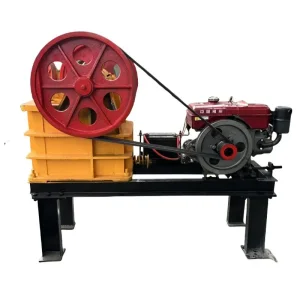
By working with engineers who understand these nuances, buyers receive bespoke layout designs, tailored motor options (including fuel-efficient diesel systems for remote locations), and customized feeding grids.
Our engineering team boasts over 18 years of technical research and structural design in industrial mineral processing.
Bespoke configuration of rotor speed, hammer count, and grate configurations based on your rock mineralogy.
Global dispatch teams and localized parts warehouses in Africa and Southeast Asia ensure minimal unplanned downtime.
Ascend has developed steadily since its establishment. Our business covers more than 130 countries and regions around the world, especially in Africa and Southeast Asia. Our machine quality and after-sales service have won widespread praise from international customers.
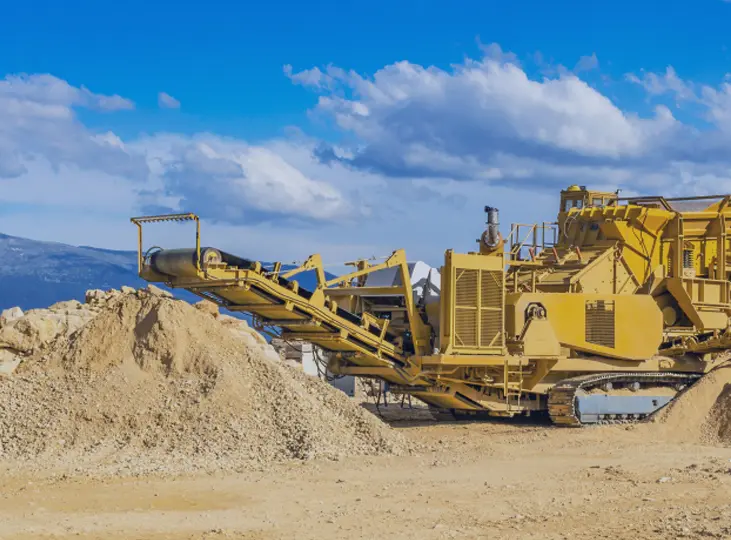
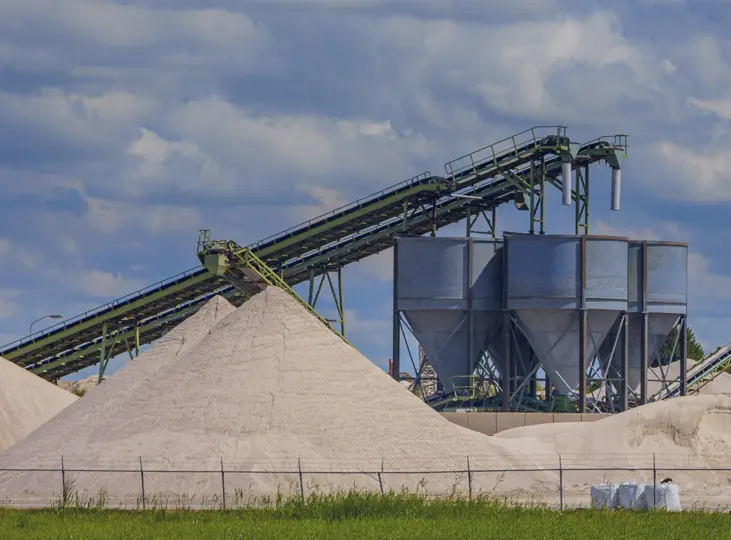
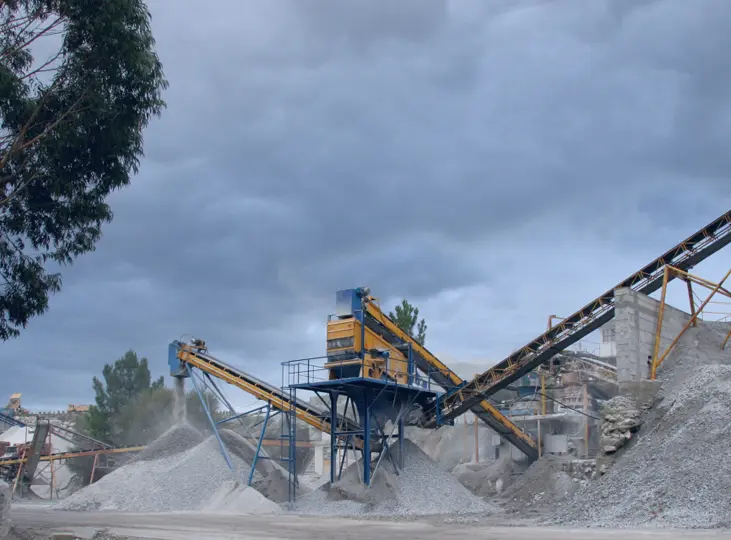
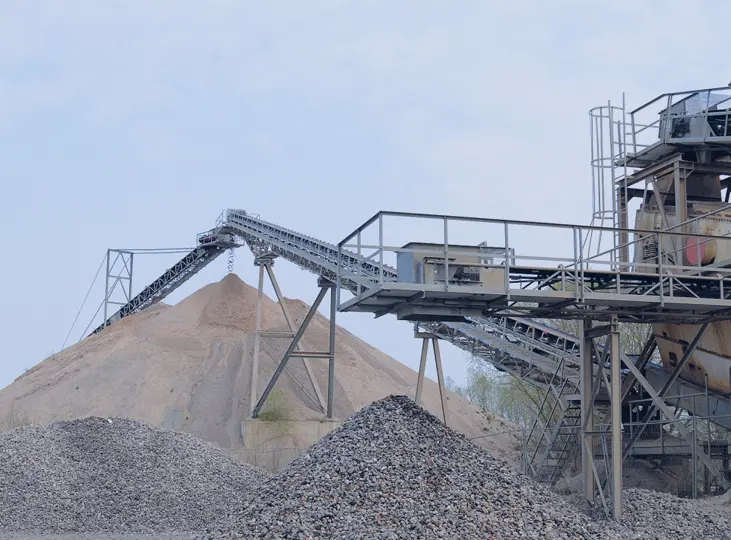
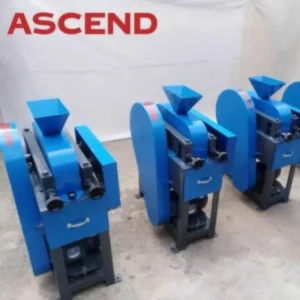
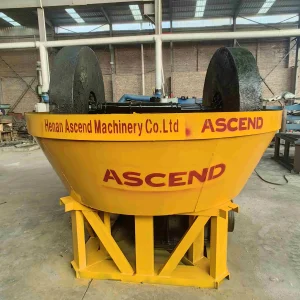
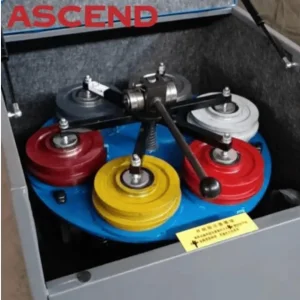
Explore our highly requested aggregate crushing machinery and grinding mills.
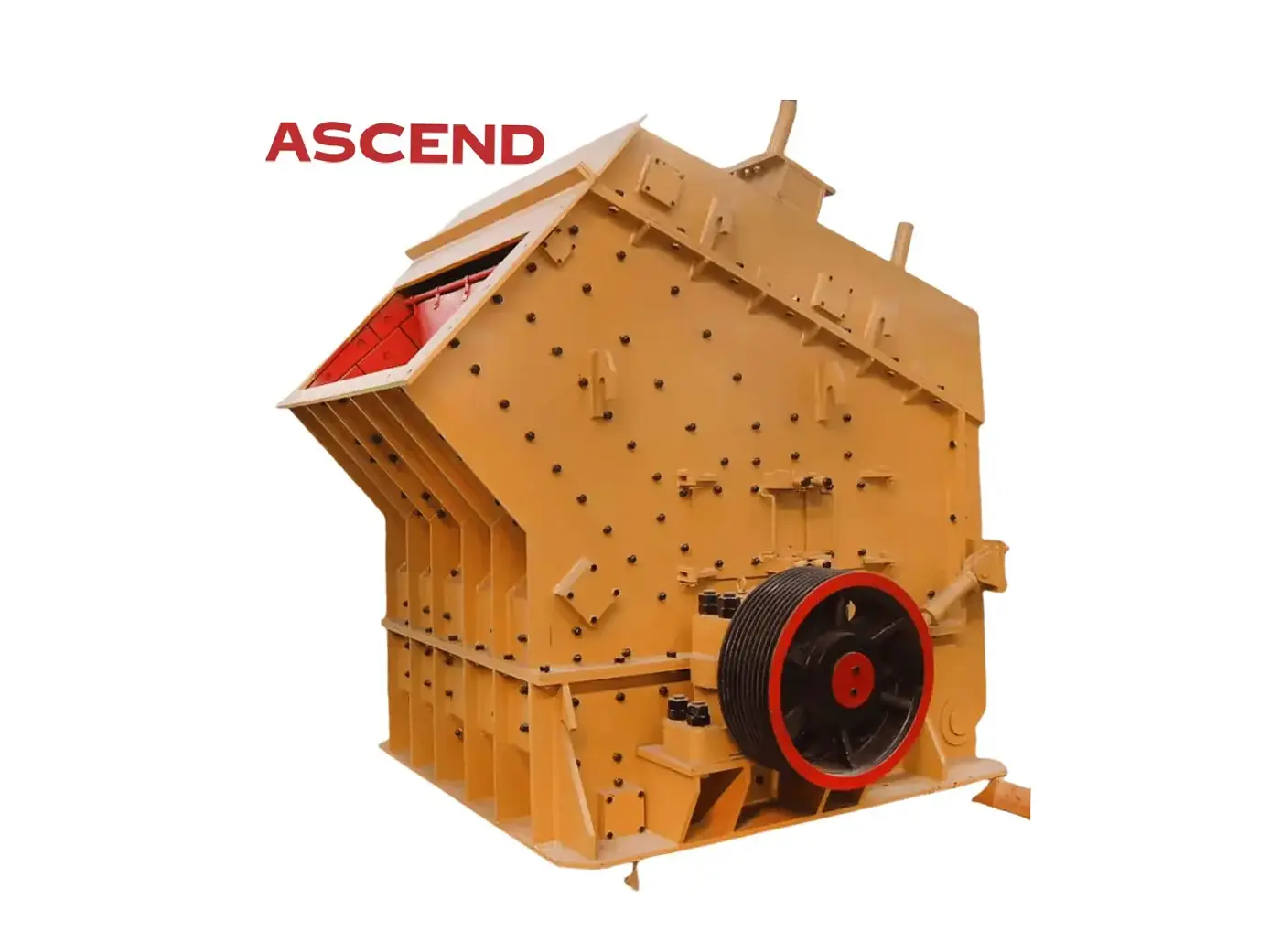
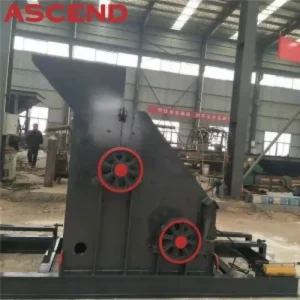
Impact crusher is a kind of secondary crushing equipment which uses impact power to crush materials. Impact crusher is characterized by easy maintenance, high reduction ratios and high efficiency to produce precisely cubic shape products. It is designed with three crushing chambers, seamlessly connected rotor, wear-resistant blow bar and installation of insert type. Moreover, it has tooth type liner, gradient designed bearing seat, frame with several openings and screws or hydraulic start-up devices. Impact crushers can be used in all different stages of size reduction from primary crushing to the last step of the crushing process.
Read MoreWitness our crushing systems and complete production plants deployed in real-world scenarios.
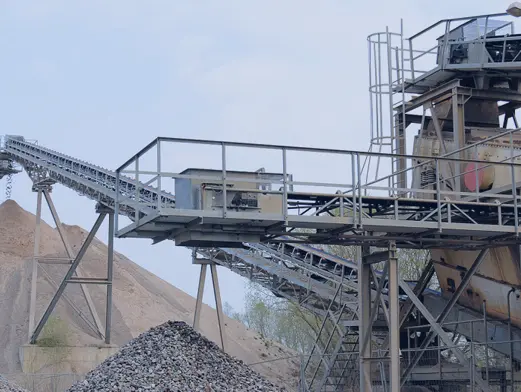
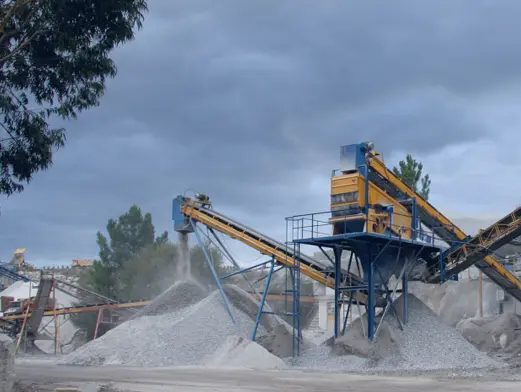
Stay updated on our latest shipments, on-site commissioning, and product innovations.
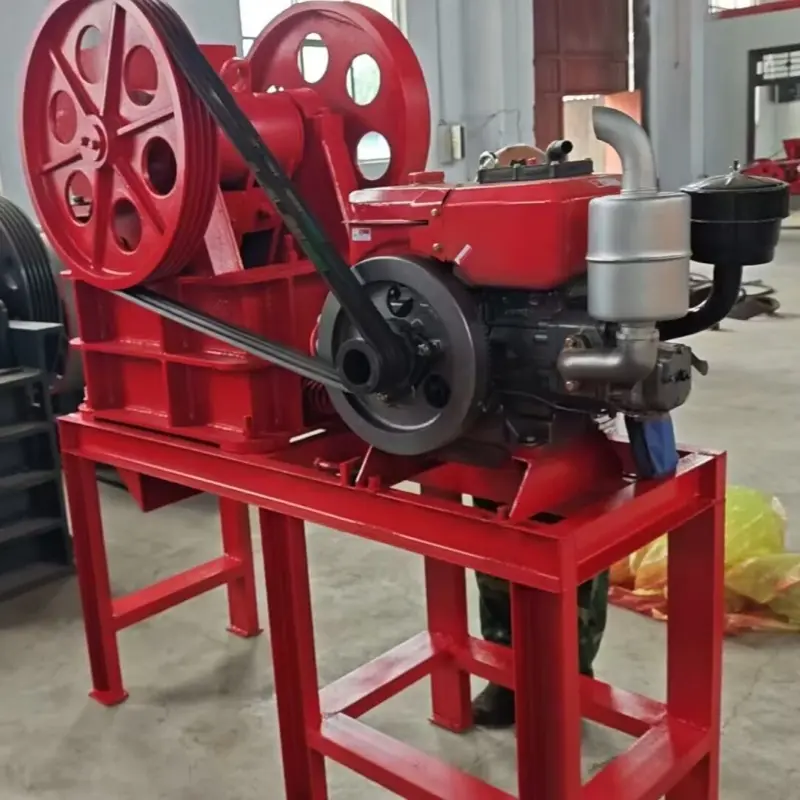
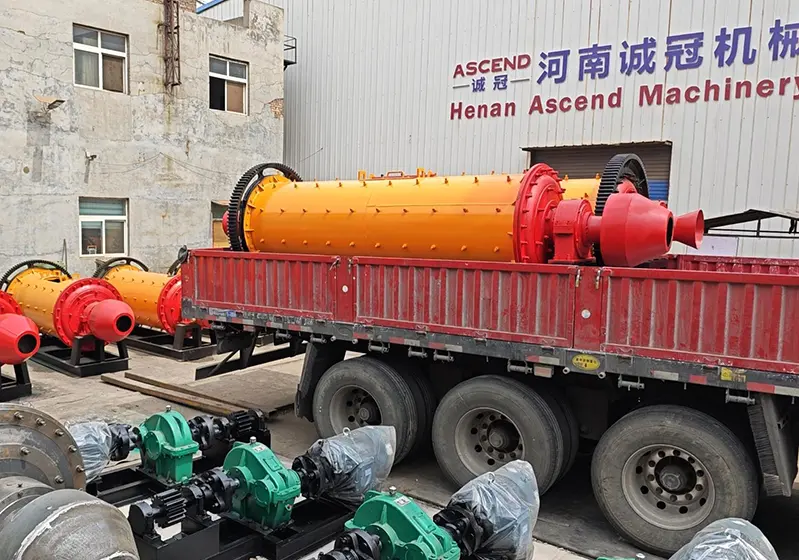
Henan Ascend Machinery & Equipment Co.,Ltd. was established in 2005 and it is located in the high-tech zone of Zhengzhou City, Henan Province.
Ascend is mainly engaged in the research and development, manufacturing, sales and after-sales service of complete sets of crushing, grinding, screening, feeding and conveying heavy mining machinery. If you need to crush limestone, granite, gravel or other stone, or grinding them into powder, or extract gold, please feel free to contact us. Just tell us your needs and our engineers can provide you with professional advice. And we have our own factory, the quality of the machine is guaranteed, the price is more advantageous. We believe that we will be your good choice.
Read MoreFind technical resolutions regarding operational, metallurgy, and output customization for hammer mills.
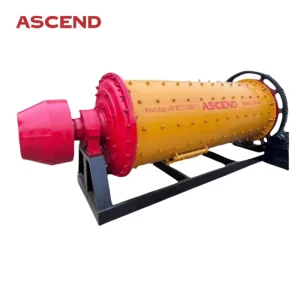
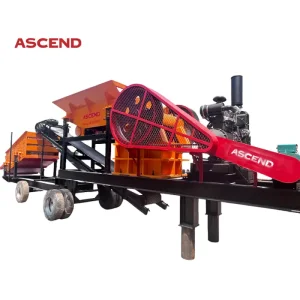
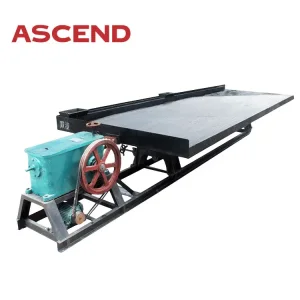
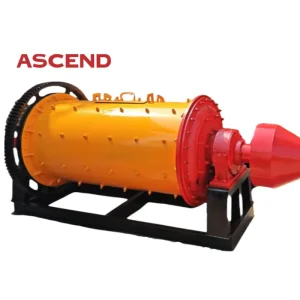
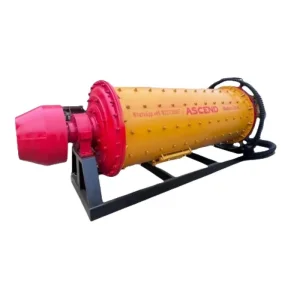
Heavy-duty rotary mills, diesel plants, and separation tables to expand your project's capacity.
 Ascend