Analyzing the dynamics of primary size reduction technologies in the modern aggregate and mineral extraction industries
In the globalized sectors of mining, metallurgy, and civil infrastructure, the demand for high-capacity material sizing solutions has hit historical highs. The jaw crusher plant is the fundamental mechanical barrier, acting as the primary system of size reduction for highly abrasive mineral resources. With raw aggregate production reaching nearly 50 billion metric tons globally, selecting, sourcing, and optimization of primary crushing systems has become a crucial concern for global mineral extraction corporations, heavy-civil engineering entities, and infrastructure developers.
The contemporary commercial landscape spans diverse environments. From the highly regulated mining sectors of North America and Western Europe to the rapidly growing extraction regions of Latin America, Africa, and Central Asia, the operational requirements differ significantly. Developing regions require heavy-duty, highly mobile systems capable of operating off-grid in remote, demanding environments. Developed countries, on the other hand, demand integrated systems with low environmental footprints, strict dust and noise control, and real-time remote telemetry. The global market is divided into these dual requirements: massive mechanical reliability for developing regions and high technological integration for mature ones.
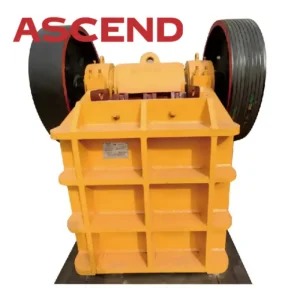
Many operators evaluate jaw crushers on standard pricing alone. However, long-term efficiency depends heavily on material design. High-quality crushing plates feature manganese content variations (typically Mn13Cr2, Mn18Cr2, or Mn22Cr2). Selecting the correct manganese grade for specific rocks, such as granite versus soft limestone, can improve operational lifespans by up to 40% and significantly reduce unplanned downtime.
This industrial analysis examines the cost structures, manufacturing dynamics, and regional differences of modern jaw crusher plants. Our goal is to provide procurement teams with the technical insights needed to make informed equipment purchasing decisions, minimize total cost of ownership (TCO), and maximize productivity.
Why Zhengzhou, Henan stands as the global epicentre for cost-effective heavy mining machinery manufacturing
The Henan industrial cluster integrates heavy steel mills, specialized casting foundries, precision bearing manufacturers, and gear cutting factories. This localized ecosystem reduces transport overheads and speeds up iteration cycles compared to isolated manufacturing plants worldwide.
Modern Chinese factories use large-scale CNC gantry milling machines, automated robotic structural welding systems, and digital stress-relief annealing furnaces. This guarantees structural consistency, precision fit tolerances, and long-term durability of swing jaws.
Manufacturing thousands of crushers annually allows Henan factories to secure bulk raw material pricing directly from major domestic steel complexes. The resulting cost savings are passed on to buyers, offering high-value options without compromising on metallurgy or performance.
The manufacturing output of Zhengzhou-based machinery enterprises represents a significant portion of global crushing systems. This dominance is not just based on low production costs, but also on modern engineering developments. Henan Ascend Machinery & Equipment Co., Ltd. has integrated research, development, and advanced manufacturing systems since 2005. The transition from simple casting designs to high-strength, finite-element-analyzed (FEA) welded frames represents a major technological step forward for Chinese mining machinery.
Furthermore, Chinese production processes include rigorous quality controls. This includes ultrasonic testing of eccentric shafts to detect internal micro-fractures, magnetic particle inspections on heavy structural welds, and operational test runs before shipping. These quality control steps ensure that equipment delivered to remote regions—from high altitudes in the Andes to high-temperature mining sites in Sub-Saharan Africa—can handle continuous, demanding workloads without failure.
Ascend has developed steadily since its establishment. Its business covers more than 130 countries and regions around the world, especially in Africa and Southeast Asia. Ascend's machinery quality and after-sales service have won widespread praise from international customers.
Detailed analysis of core sizing systems, secondary reduction units, and aggregate processing plant integrations
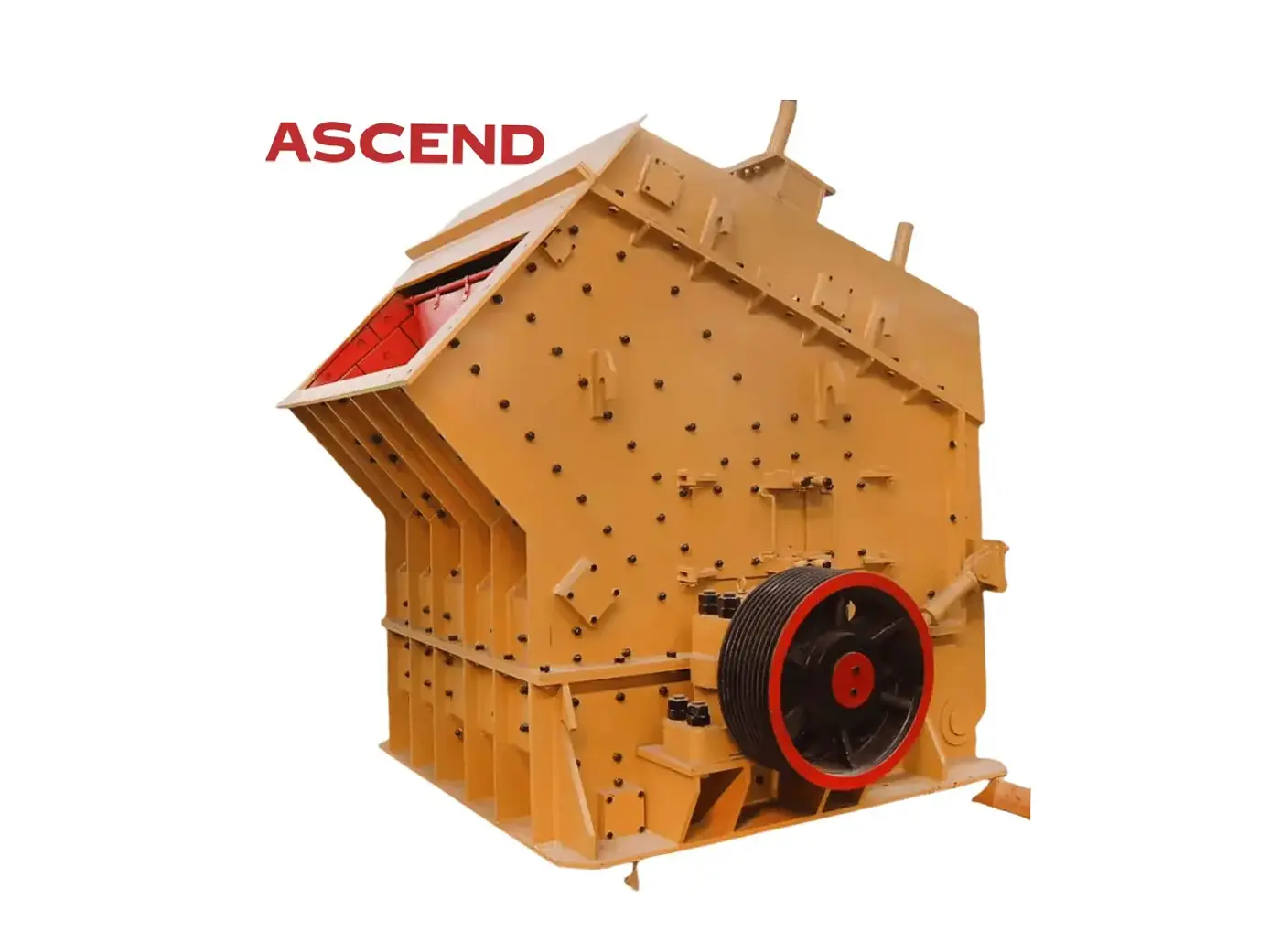
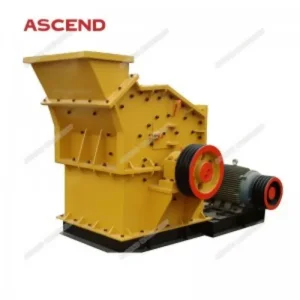
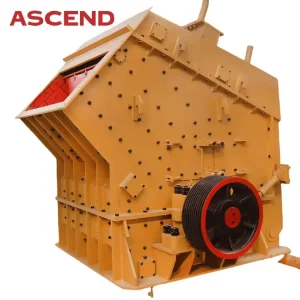
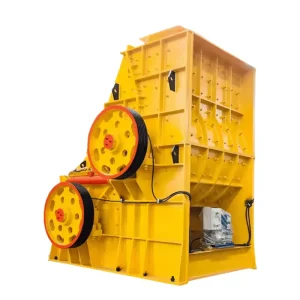
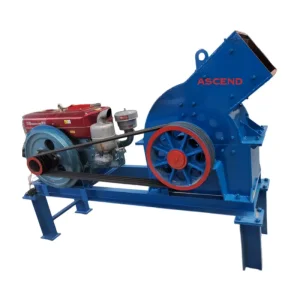
Impact crusher is a kind of secondary crushing equipment which uses impact power to crush materials. Impact crusher is characterized by easy maintenance, high reduction ratios and high efficiency to produce precisely cubic shape products. It is designed with three crushing chambers, seamlessly connected rotor, wear-resistant blow bar and installation of insert type. Moreover, it has tooth type liner, gradient designed bearing seat, frame with several openings and screws or hydraulic start-up devices. Impact crushers can be used in all different stages of size reduction from primary crushing to the last step of the crushing process.
View Detailed Catalogue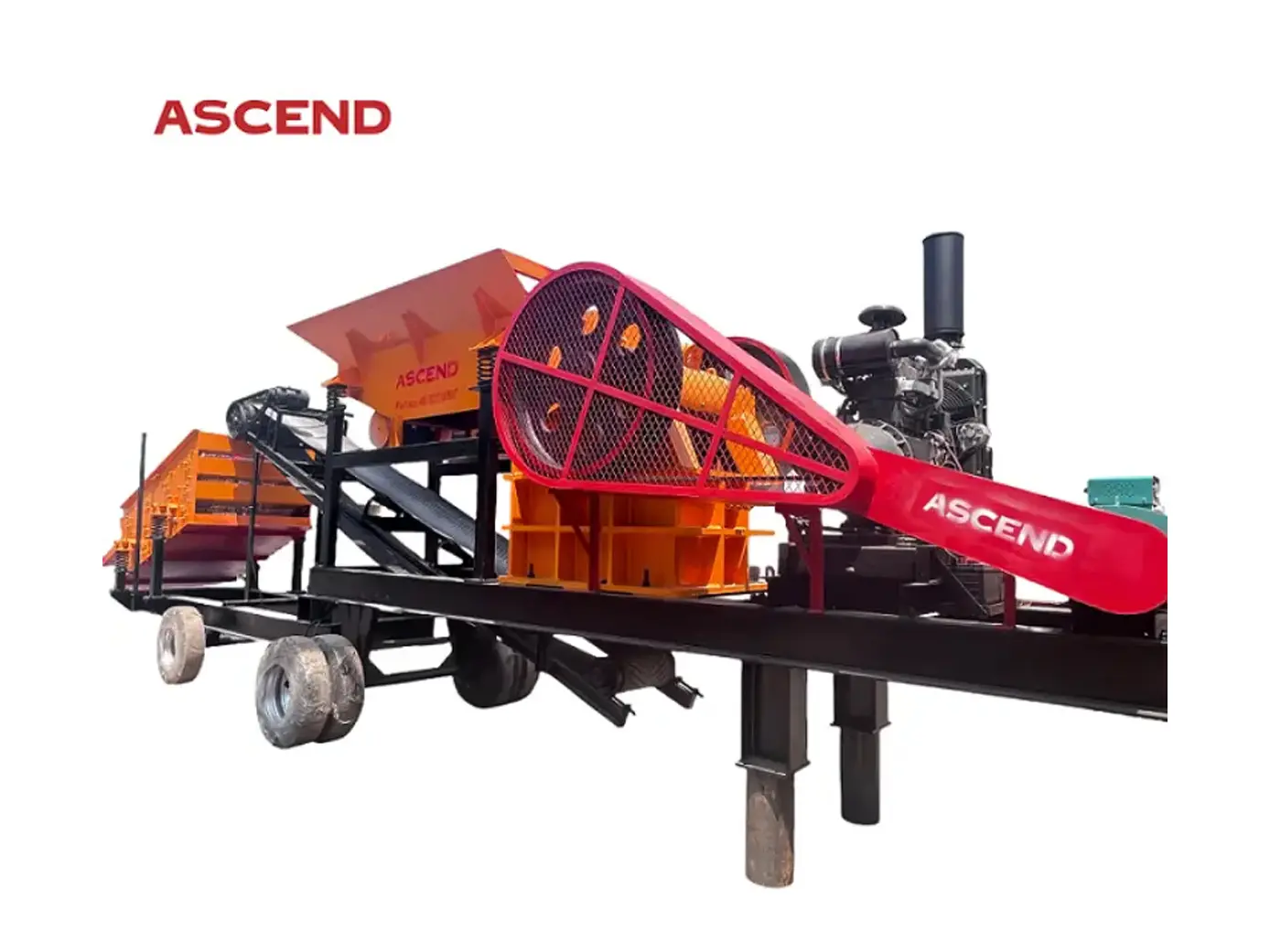
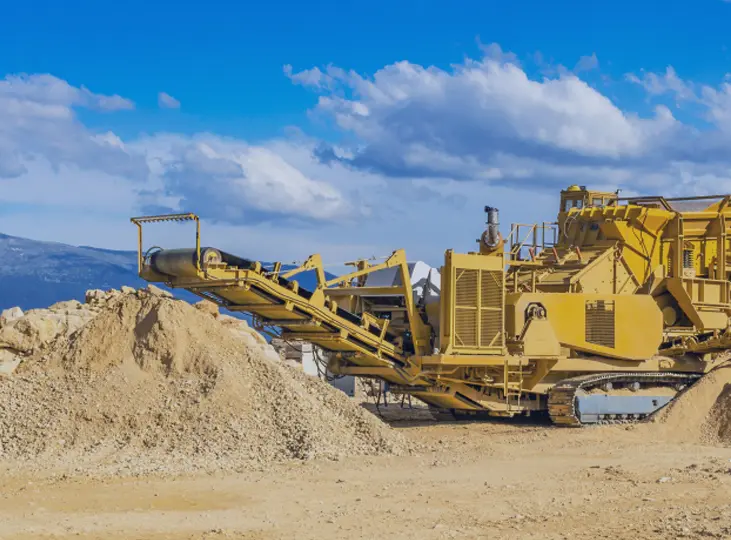
Fully integrated mobile crushing stations on tracks or tires for agile mine sites.
Read More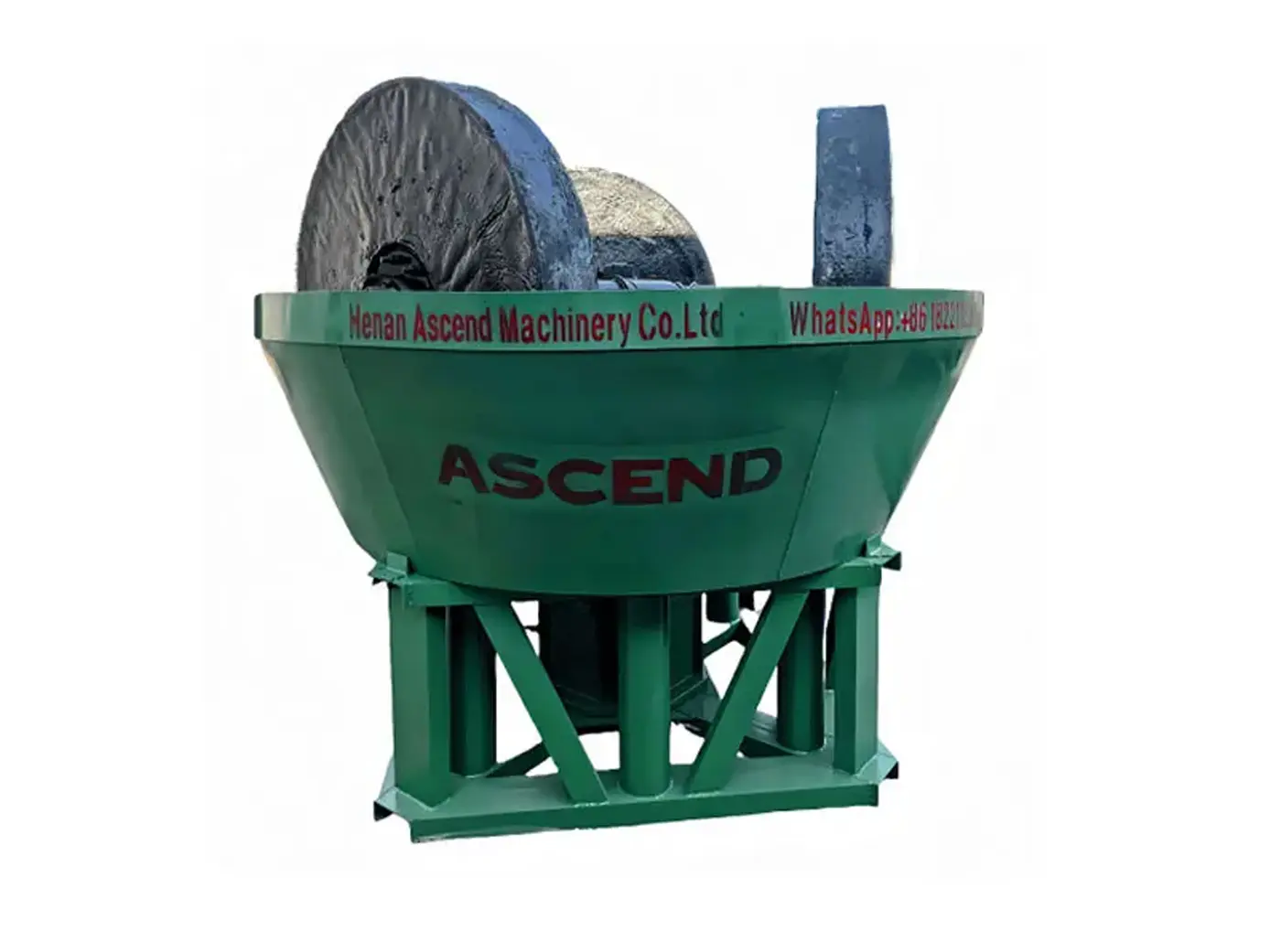
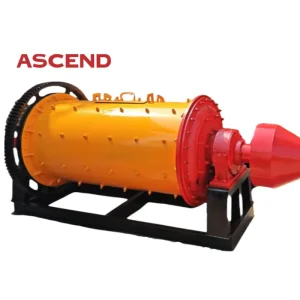
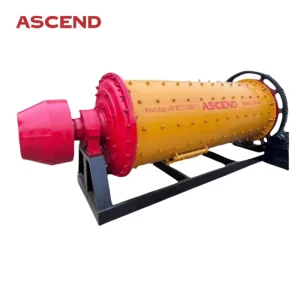
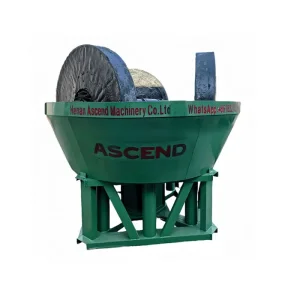
Fine size reduction systems for industrial minerals and mineral powder preparation.
Read More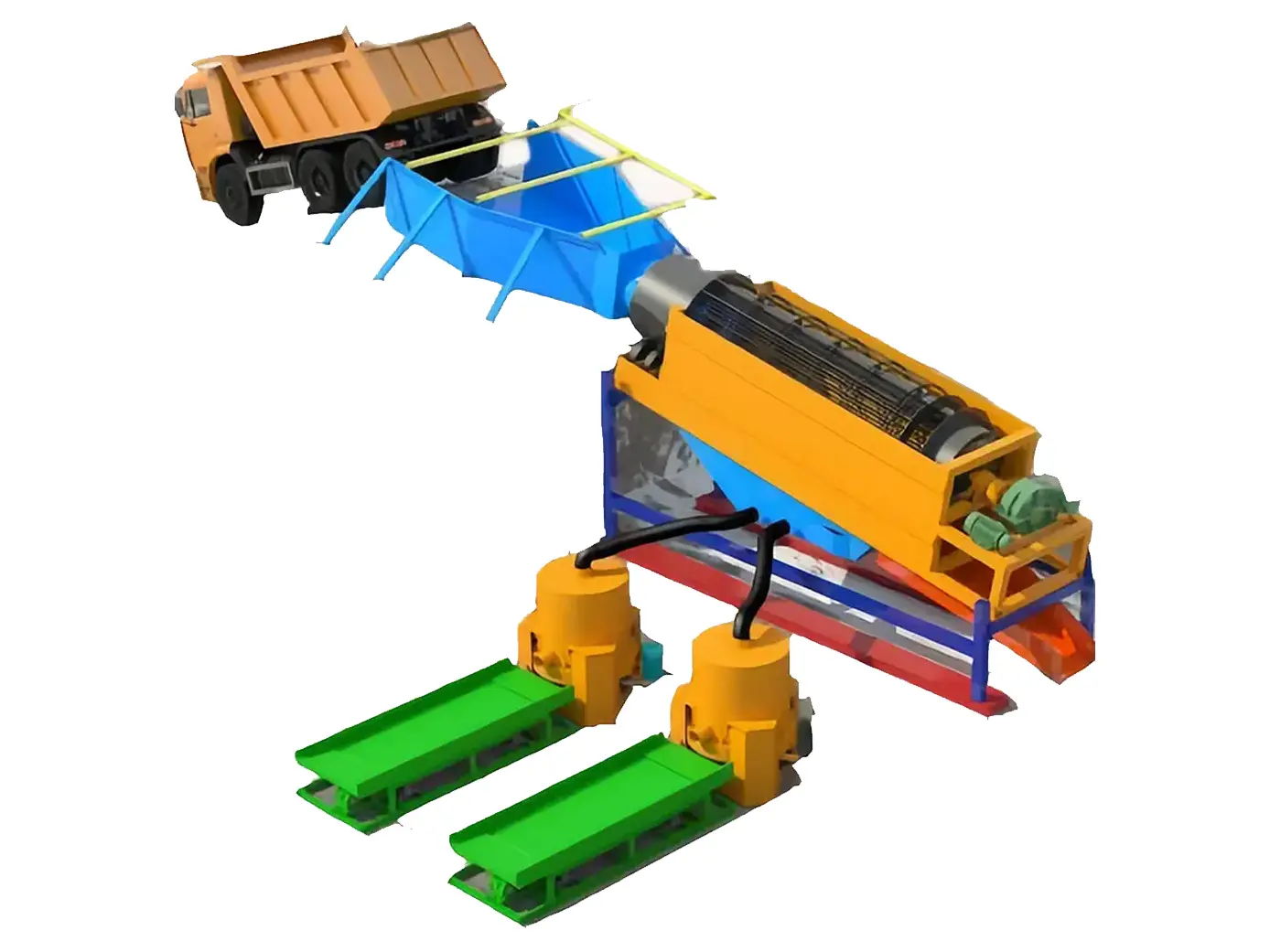
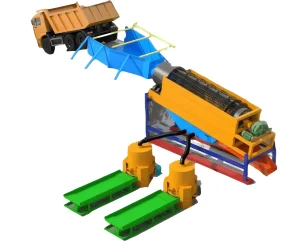
Complete wet and dry gravity beneficiation and separation systems for gold ore.
Read More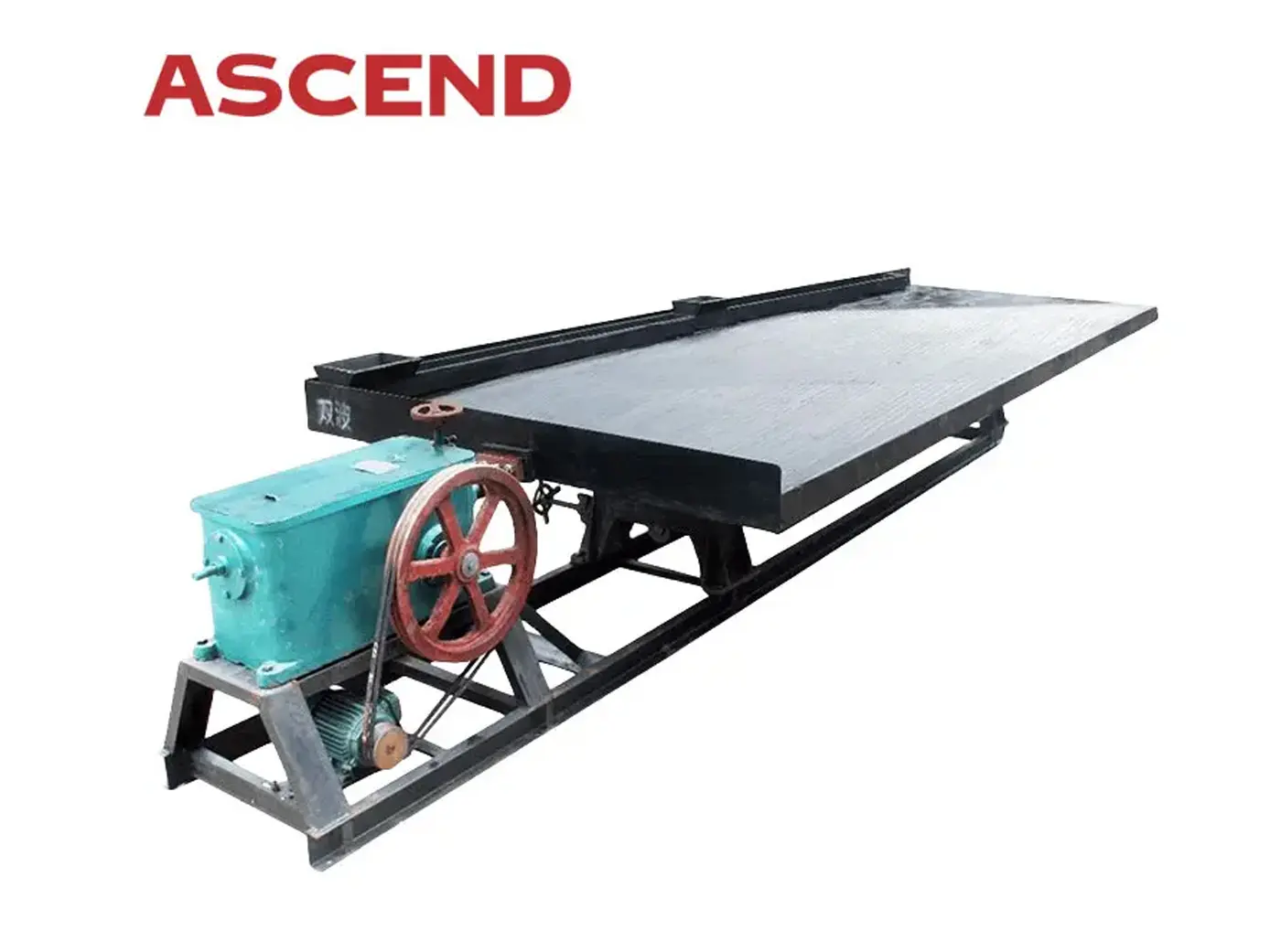
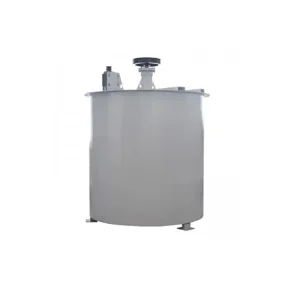
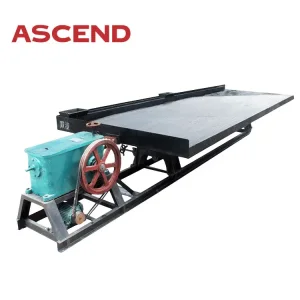
Advanced shaking tables, mixers, and magnetic separators for high mineral recovery.
Read MoreAligning structural configurations and material choices with operational environments and rock geology
Crushing equipment must match the geology of the site. A system configured for soft limestone will experience high wear if fed with hard granite or abrasive quartz. Selecting the right jaw crusher requires understanding rock mechanics—specifically Unconfined Compressive Strength (UCS) and the Abrasiveness Index (AI).
For example, hard granite quarries require a deep crushing chamber with a smaller nip angle (usually between 18° and 22°). This configuration prevents material slippage and concentrates energy on downward primary sizing. It also requires heavy-duty manganese jaw plates (Mn18Cr2 or Mn22Cr2) to handle continuous abrasive force. In contrast, softer limestone applications can use a wider nip angle for faster material movement and higher throughput. In these setups, standard Mn13Cr2 plates provide a cost-effective solution without premature wear.
Environmental factors also dictate structural configurations. In remote regions with limited electrical infrastructure, diesel-powered mobile jaw crushers are essential. These integrated plants combine a primary feeder, jaw crusher, and discharge conveyor on a single, towable chassis. This design allows operators to move the plant along the quarry face, reducing haul truck distances and lowering overall fuel costs.
| Rock Material Type | Average Hardness (UCS) | Recommended Jaw Metallurgy | Primary Crushing Speed |
|---|---|---|---|
| Limestone | 80 - 120 MPa | Mn13Cr2 Standard | High (280-320 RPM) | Granite | 160 - 250 MPa | Mn18Cr2 Premium | Medium (250-280 RPM) |
| Quartzite | > 250 MPa | Mn22Cr2 Reinforced | Optimized (230-250 RPM) |
Demonstrating performance and reliability in diverse climates and demanding mineral zones
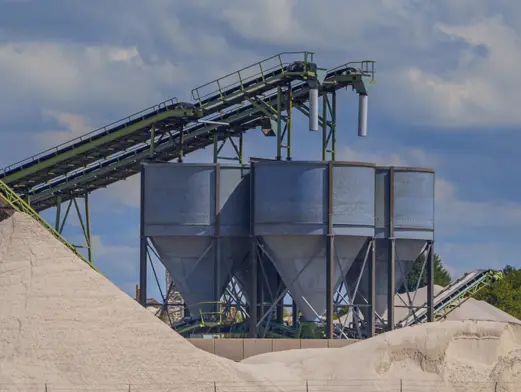
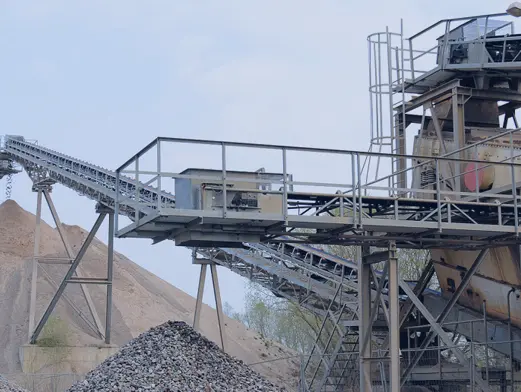
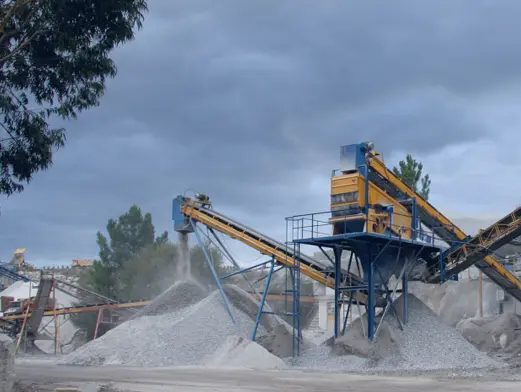
Evaluating purchase costs, operational expenses, maintenance requirements, and shipping logistics
Procuring heavy industrial equipment requires analyzing the Total Cost of Ownership (TCO) rather than just comparing upfront prices. While initial capital expenditure (CAPEX) is a key factor, operational costs (OPEX)—including power usage, replacement wear parts, lubricants, and unscheduled maintenance—typically represent over 70% of the plant's lifetime cost.
An optimized crusher features a heavy-duty forged eccentric shaft, high-grade spherical roller bearings, and cast steel structural elements. These high-spec components increase the purchase price but extend the machine's lifespan, reduce bearing failures, and lower overall maintenance costs. Conversely, lower-quality alternatives often lead to higher operating costs due to frequent failures, expensive downtime, and lost production.
Logistics also play a major role in international equipment sourcing. Henan-based manufacturers, through partnerships with international rail links and ocean transport companies, offer containerized and roll-on/roll-off shipping options. This systematic shipping prep, combined with custom import and export documentation support, helps prevent delivery delays and minimizes on-site assembly challenges.
Real-time records of machinery shipments, commissioning projects, and global supply distributions
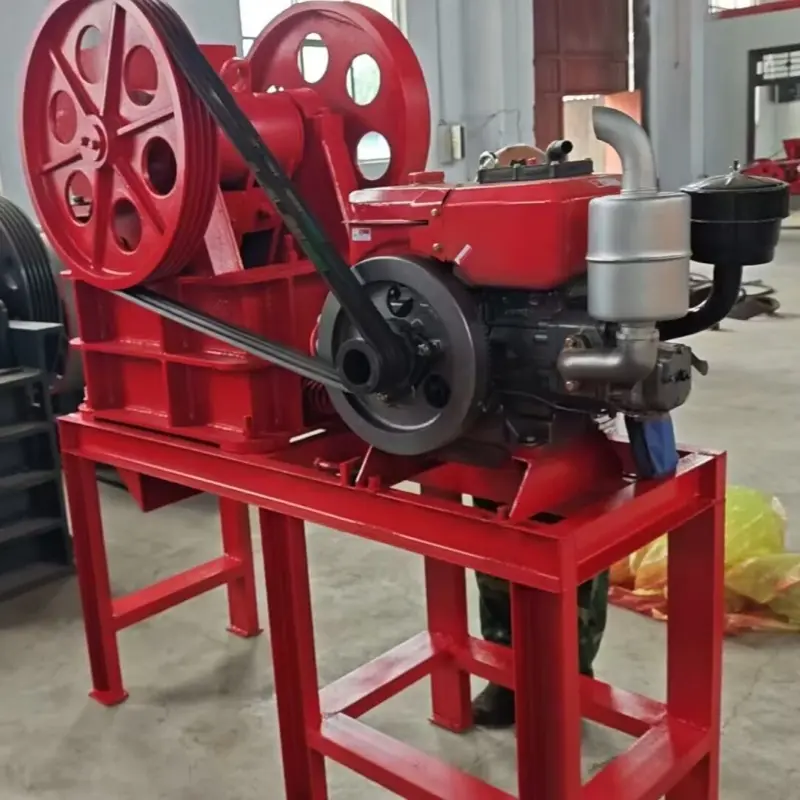
 Nov 2025
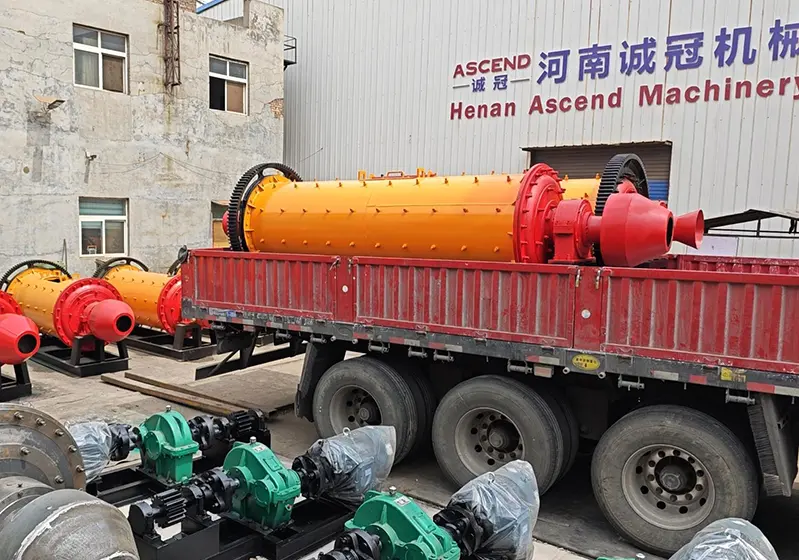
This shipment provides robust, diesel-configured crushing plants designed for off-grid operations in Papua New Guinea's challenging mining terrains.
Review Shipment details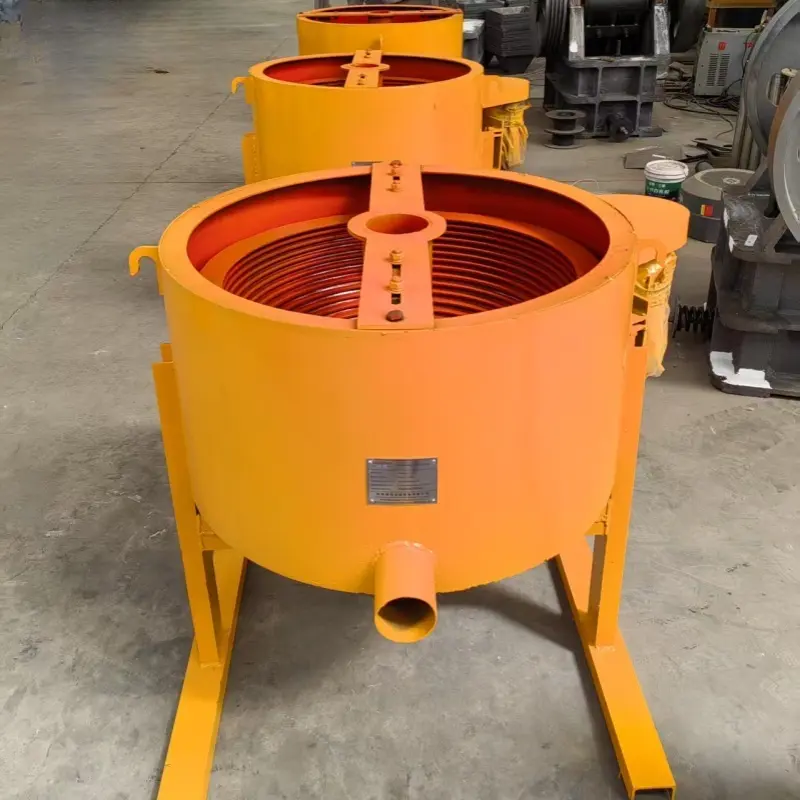 Aug 2025
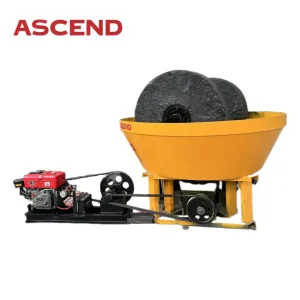
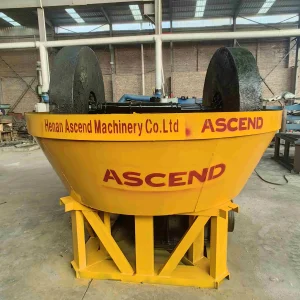
Expanding artisanal gold gravity separation capabilities in Zambia's key copper-belt mining districts.
Review Shipment details
Jul 2025
Jul 2025
Jul 2025
Jun 2025
Expert answers addressing the technical, financial, and logistical concerns of global buyers
Henan Ascend Machinery & Equipment Co.,Ltd. was established in 2005 and it is located in the high-tech zone of Zhengzhou City, Henan Province.
Ascend is mainly engaged in the research and development, manufacturing, sales and after-sales service of complete sets of crushing, grinding, screening, feeding and conveying heavy mining machinery. If you need to crush limestone, granite, gravel or other stone, or grinding them into powder, or extract gold, please feel free to contact us. Just tell us your needs and our engineers can provide you with professional advice. And we have our own factory, the quality of the machine is guaranteed, the price is more advantageous. We believe that we will be your good choice.
 Ascend