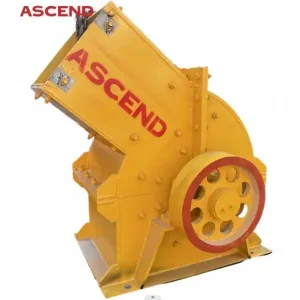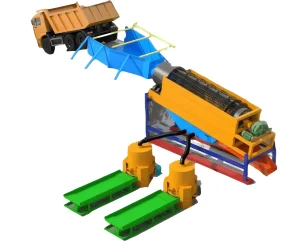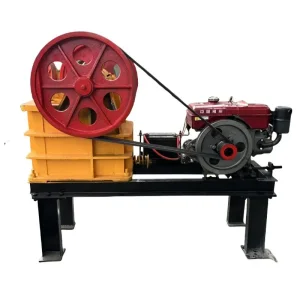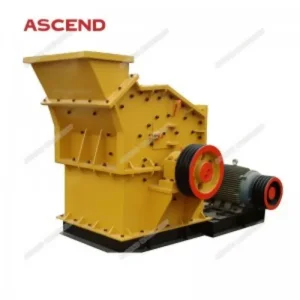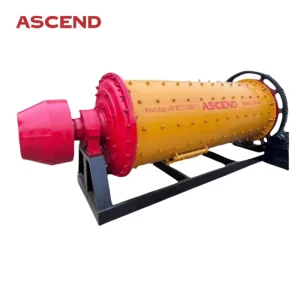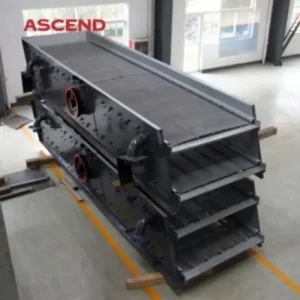
In the globalized industrial landscaping framework, size reduction represents one of the most critical phases in mining operations, infrastructure engineering, aggregates production, and recycling operations. Among the primary reduction mechanisms, the Jaw Crusher Machine remains the undisputed workhorse of heavy industry. With rapid structural shifts toward smart infrastructure, sustainable resource processing, and circular economies, the technological demand for jaw crushing assemblies has progressed beyond basic compression kinetics. Modern industrial operators demand higher performance efficiency, longer lifecycle durability, and minimized carbon emissions per crushed ton of material.
Strategic Information Gain: A jaw crusher's mechanical success is no longer judged solely on crushing capacity. Instead, it is evaluated on operational lifecycle management, raw fuel consumption (e.g. in diesel-driven models), and downstream feed preparation (reducing wear on secondary cone or impact crushers).
Geologically, mineral processing sites must manipulate diverse formations featuring varying degrees of compressive strength, abrasion indexes, and fracture metrics. From the dense, abrasive gold-bearing quartz veins of West Africa to the extremely hard granite deposits of Southeast Asia, selecting a primary crusher requires a comprehensive mechanical analysis. The implementation of high-performance Single-Toggle jaw crushers has significantly displaced older, heavier double-toggle configurations. This shift is driven by advancements in eccentric path configurations that introduce both compression and slight downward stroke components. As a result, this design facilitates material progression down the crushing chamber, boosting processing speeds and throughput.
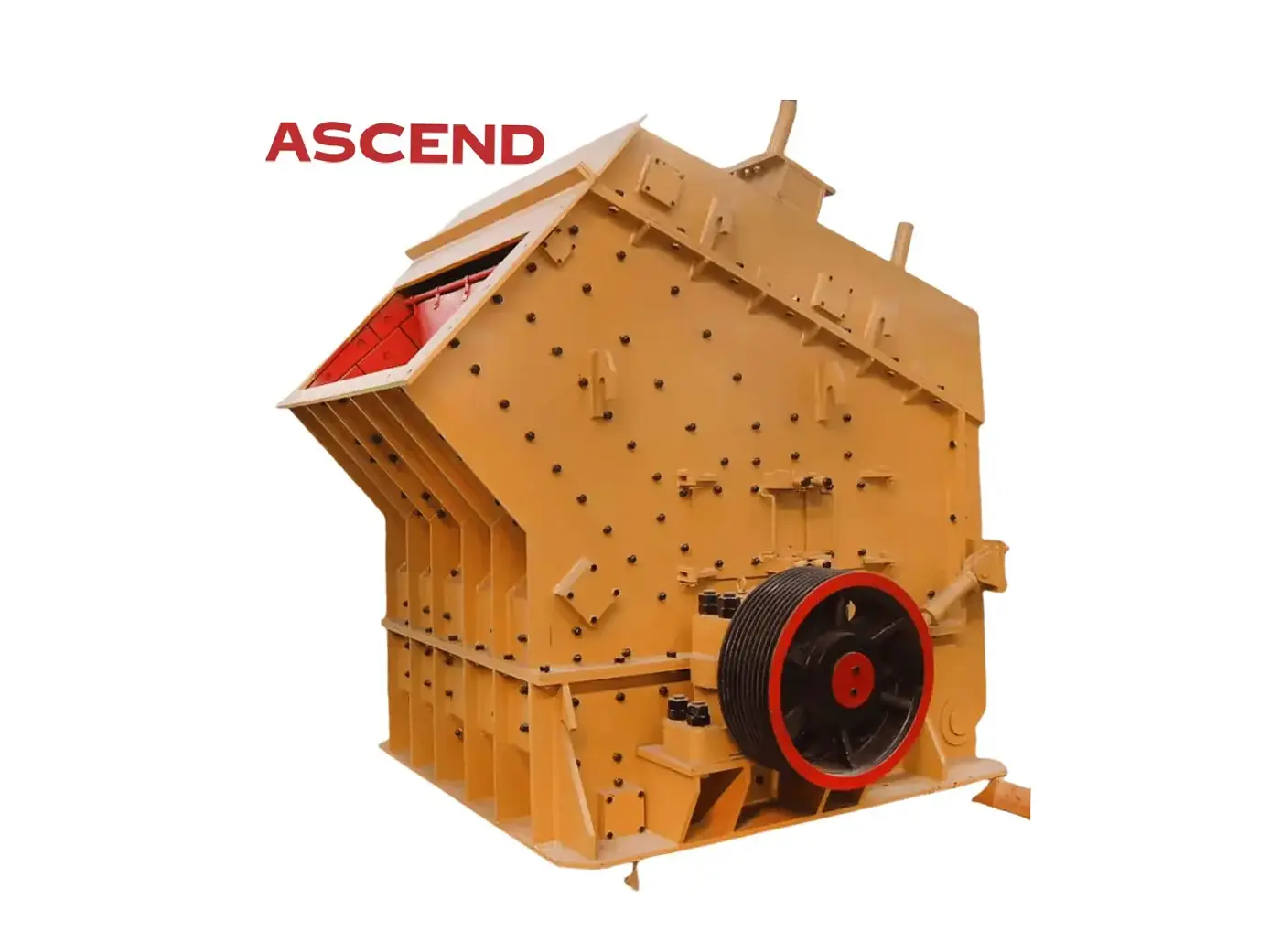
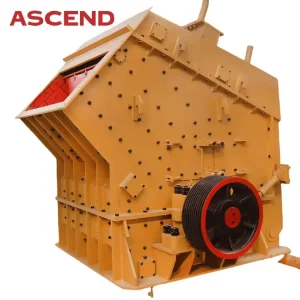
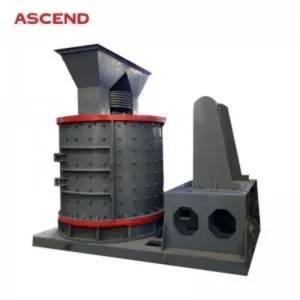
Impact crushers serve as critical secondary crushing equipment designed to handle materials processed by jaw crushers. Characterized by easy maintenance, high reduction ratios, and superior efficiency, our systems yield a highly desirable cubical end-product. The layout utilizes three crushing chambers, a seamlessly connected heavy-duty rotor, and wear-resistant blow bars. It incorporates structural features such as a progressive tooth-type liner, gradient-designed bearing seats, and hydraulic startup devices. From primary reduction outputs to final sizing, our stone crushing setups streamline multi-stage material processing.
A premier jaw crusher is built on structural durability. Under severe stress environments, standard cast or fabricated steel frames can develop fatigue cracking at weld points and high-vibration boundaries. Our heavy-duty frames are engineered using advanced Finite Element Analysis (FEA) models, allowing us to strategically reinforce high-load zones while reducing unnecessary dead weight. The structural frame is welded using premium-grade low-carbon alloy steel, followed by thermal stress-relief heat treatment to restore molecular integrity.
The eccentric shaft, critical to the machine's durability, is forged from high-tensile 42CrMo steel and ground to tight tolerances. It is housed in heavy-duty spherical roller bearings, which distribute mechanical stress evenly and prevent misalignment caused by severe crushing impacts. Additionally, the flywheels are dynamically balanced to store and release rotational inertia efficiently, maintaining stable operating speeds under peak loads. This design significantly reduces energy spikes and minimizes wear on the main drive motor.
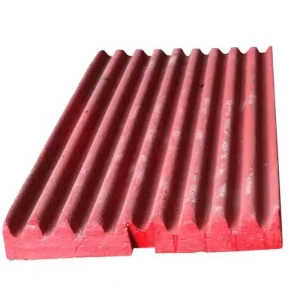
Technological Breakthrough: High-Manganese Alloy Chemistry (Mn18Cr2 up to Mn22Cr2) combined with modified profiles allows our jaw plates to work-harden continuously under impact loads. This increases mechanical lifespan by 30-50% compared to standard carbon-steel castings.
The nip angle—the angle between the stationary and swing jaw plates—is critical in determining whether material is successfully crushed or pushed upward out of the chamber. An oversized nip angle can cause material slippage, accelerating wear on the upper plates and reducing hourly output. Conversely, an undersized angle reduces the feed opening size and limits the maximum input capacity. By optimizing this geometry to fall between 18° and 22°, our jaw crushers maintain a consistent, downward crushing motion, achieving high reduction ratios and maximizing processing efficiency.
Henan Ascend Machinery & Equipment Co., Ltd. serves over 130 countries and regions worldwide. We design customized configurations to meet local environmental regulations and specific geological demands.
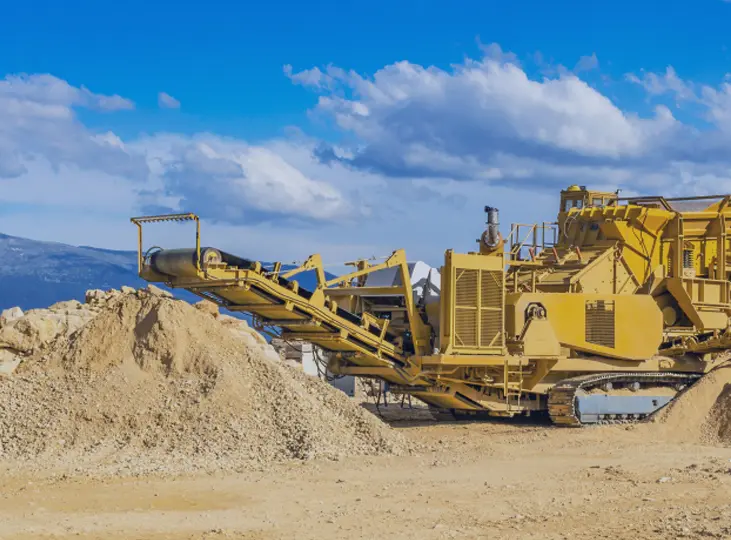
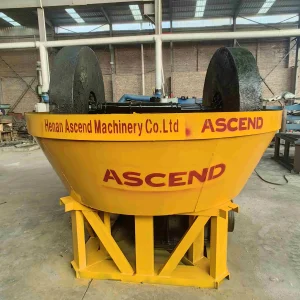
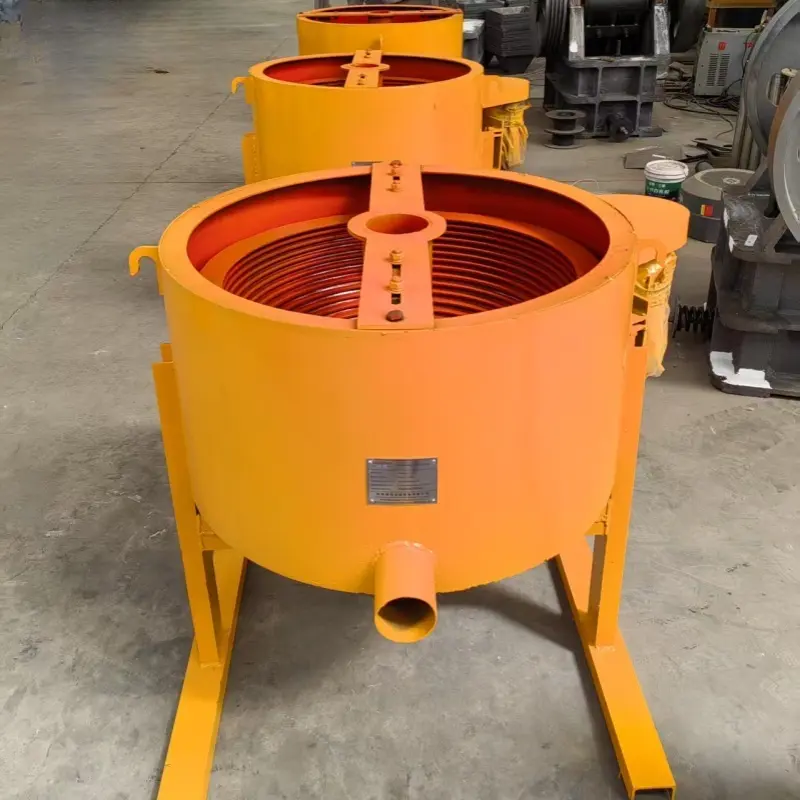
High-recovery gravity concentration systems, customized for both hard-rock extraction and alluvial processing lines.
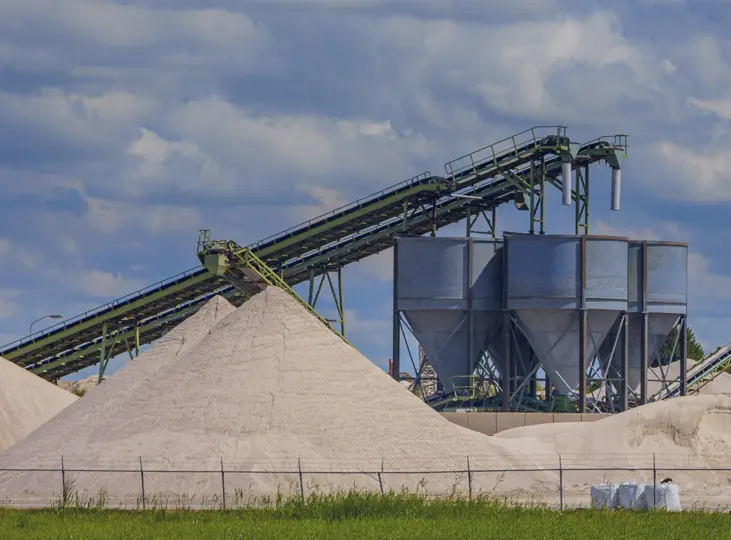
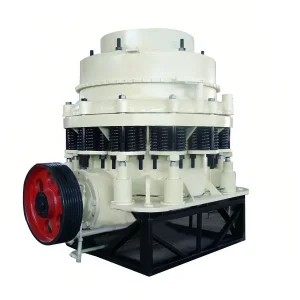
Secondary and tertiary crushing systems designed to handle granite, basalt, and high-abrasion silica ores.
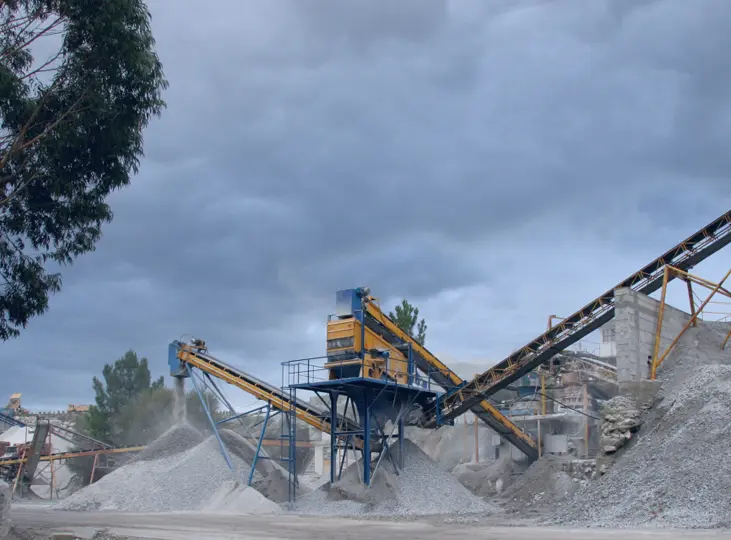
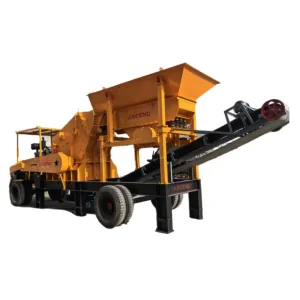
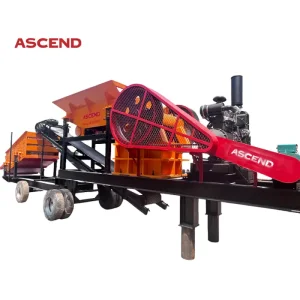
Integrated primary stations built on heavy-duty chassis, providing flexible relocation options for remote sites.

Alluvial placer operations utilizing centrifugal recovery systems for fine gold extraction.
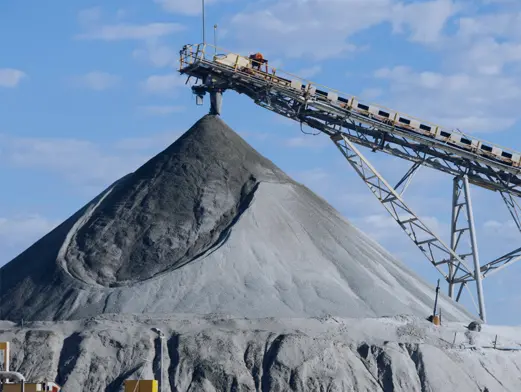
Diesel-powered primary sizing stations operating in highly humid, remote mountainous conditions.
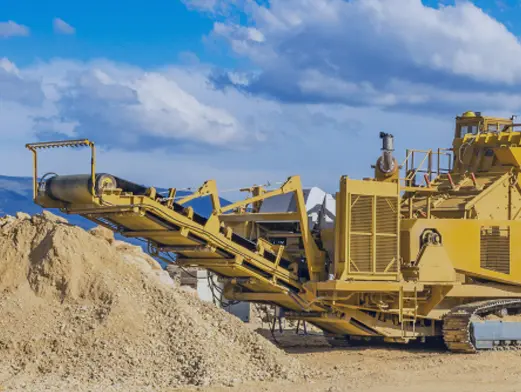
Mobile sizing plants engineered for limestone aggregates, supporting local road construction projects.
 Nov 2025
 Aug 2025
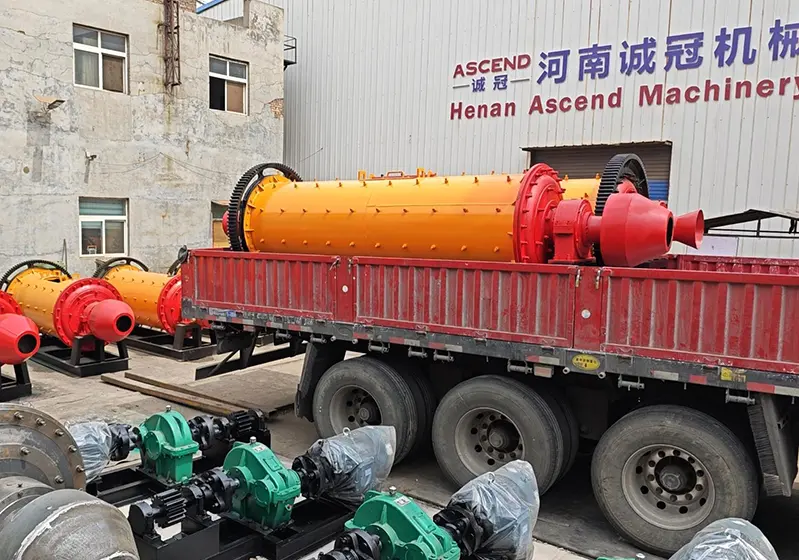
Established in 2005, Henan Ascend Machinery & Equipment Co., Ltd. is located in the High-Tech Industrial Zone of Zhengzhou City, Henan Province. For over twenty years, we have specialized in the research, engineering development, manufacturing, sales, and global support of complete mining machinery solutions, including primary crushing, fine grinding, screening, feeding, and conveying equipment.
Whether processing limestone, granite, highly abrasive silica, or extracting precious minerals like gold, copper, and iron ore, our engineering teams provide customized design proposals to match your site requirements. Operating our own modern manufacturing facilities ensures strict control over steel quality, machining tolerances, and final assembly testing, while offering competitive direct-from-factory pricing.
The crushing industry is rapidly shifting toward autonomous operations and digital monitoring. Ascend is leading this transition by integrating intelligent sensor networks directly into our high-performance primary jaw crusher frames. This technical roadmap focuses on three main developments designed to reduce downtime and optimize processing efficiency:
For highly abrasive materials, standard carbon steel plates wear quickly, leading to frequent downtime and increased replacement costs. Using high-manganese alloys (such as Mn18Cr2 or Mn22Cr2) allows the surface of the jaw plate to work-harden continuously under compression, creating a tough, wear-resistant outer layer while retaining a flexible inner core that resists cracking under heavy impact.
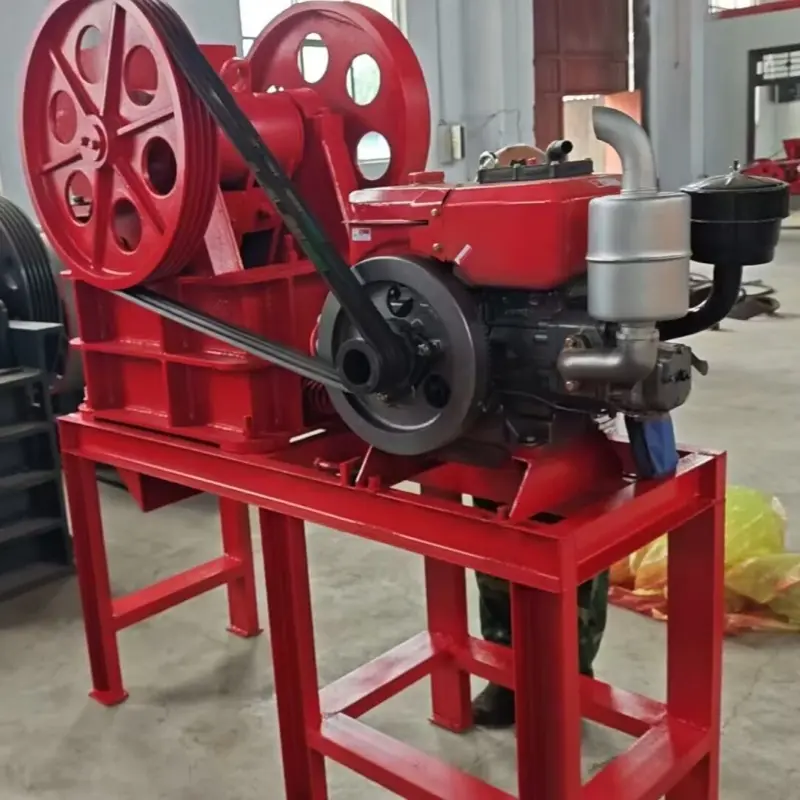
Stationary installations are optimized for high-volume, long-term processing plants where a stable grid connection is available, offering lower operating costs per ton. Mobile diesel jaw crushers, powered by onboard diesel engines, are designed for remote mining sites, road infrastructure development, and quarry relocation projects where electrical grid access is unavailable or unreliable.
The main bearing system and pitman assembly must be lubricated regularly using high-temperature, extreme-pressure lithium grease. Regular grease replenishment flushes out dust and rock particles that bypass the outer labyrinth seals. Additionally, monitoring bearing temperatures and checking belt tension periodically prevents eccentric loading and premature shaft failure.
 Ascend