As chemical gold processing experiences tightening environmental restrictions globally, the demand for high-efficiency, chemical-free gravity separation methods has achieved critical priority status across industrial mining operations.
Modern gold mining environments require balancing mineral yield efficiency with strict compliance frameworks regarding hazardous waste management. Cyanidation, while historically standard for fine gold recovery, is facing heavy regulation or outright bans in sensitive zones globally. As a consequence, physical gravity concentration via Gold Ore Shaking Tables has resurfaced as the fundamental pillar of environmental sustainability and robust economic yield.
Additionally, shaking tables provide a highly economical solution for processing alluvial deposits, placer mines, and secondary tailing recovery projects. By exploiting density differentials, gravity tables isolate fine gold particles without the costly overhead of flotation reagents or leaching plants, making them critical for operations of all sizes.
Achieves maximum concentration ratio for minerals with specific gravity differences, yielding up to 60-70% concentrate from raw feed in a single pass.
Eliminates toxic chemical runoffs, drastically reducing tailings pond compliance costs and enhancing local community approval metrics.
Engineered with heavy-duty wear-resistant surfaces (fiberglass/polyurethane decks) and rugged structural steel foundations designed for over a decade of continuous service.
Year Established
Countries Served
Shaking Table Standard
After-Sales Engineering
Explore the engineering mechanics that distinguish Ascend's gravity concentrators from typical mining equipment, including stroke control and deck surface metallurgy.
The core operating mechanism of a high-performance shaking table relies on the asymmetrical reciprocating motion of the deck. Designed using an eccentric link mechanism, the head motion drives the deck back and forth. The forward movement is slow and smooth, allowing feed slurry to settle, whereas the return stroke is abrupt and highly accelerated.
This rapid change of direction generates high inertial forces, driving heavier mineral grains (like gold particles with a specific gravity of 19.3) forward along the riffles, while lighter gangue materials (with a specific gravity of 2.6) are washed over the side by the transverse water current. Precision adjustment of the stroke length (11mm to 20mm) and stroke frequency (240 to 360 RPM) is critical to fine-tuning the separation process across varying feed sizes.
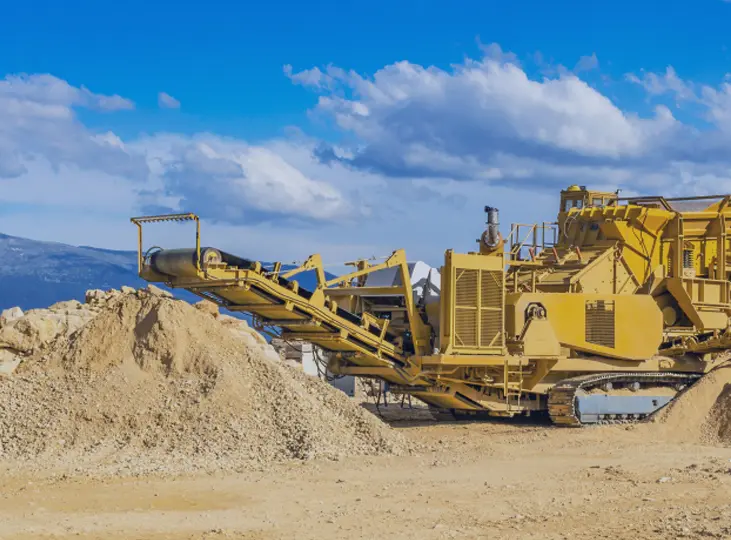
Engineered with varying riffle heights and spacing profiles (coarse sand, fine sand, or slime decks) to optimize the fluid dynamics of different feed streams.
Handwheel-operated deck slope and stroke adjustment systems enable operators to fine-tune operations during processing, maintaining consistent yield quality.
The enclosed cast-iron gear housing contains a continuous splash-lubricating system, keeping maintenance intervals long and operation running cool under load.
Our manufacturing facility in Zhengzhou, Henan Province, leverages advanced robotics, certified QC pipelines, and automated steel fabrication to produce high-durability mining machinery.
Our Factory 4.0 infrastructure utilizes robotic welding bays, automated laser-cutting stations, and strict testing protocols to guarantee consistent structural integrity across our product lines.
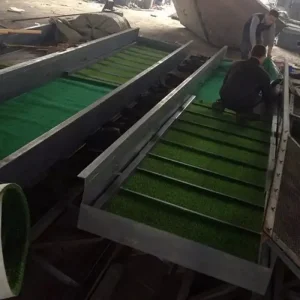
By using premium high-tensile steel channels for the shaking table subframes, we prevent deck warping under load. Crucially, the fiber-reinforced plastic (FRP) decks are cast in precision-machined molds. This ensures absolute flatness, which is essential to prevent channelized slurry bypass and maintain high separation efficiency.
We perform rigorous 48-hour mechanical run-in tests on every eccentric head assembly prior to shipping to verify bearing temperatures and ensure reliable operation in remote environments.
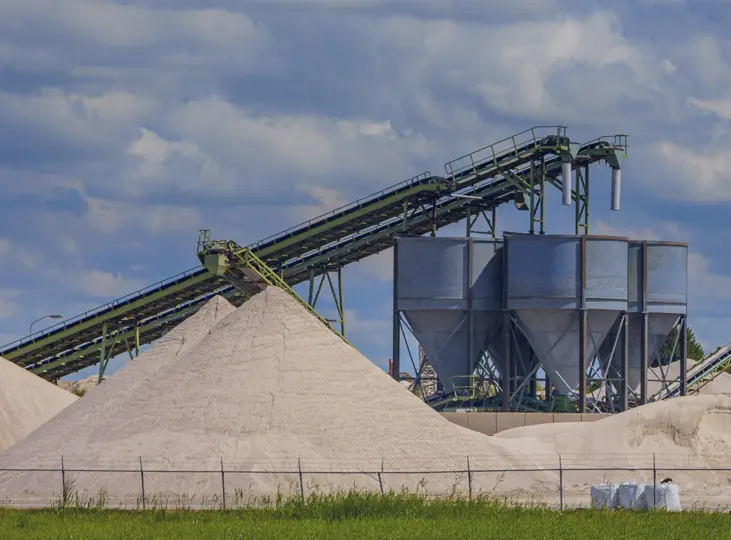
Ascend has developed steadily since its establishment. Its business covers more than 130 countries and regions around the world, especially in Africa and Southeast Asia. Our machinery quality and after-sales service have won widespread praise from international customers.
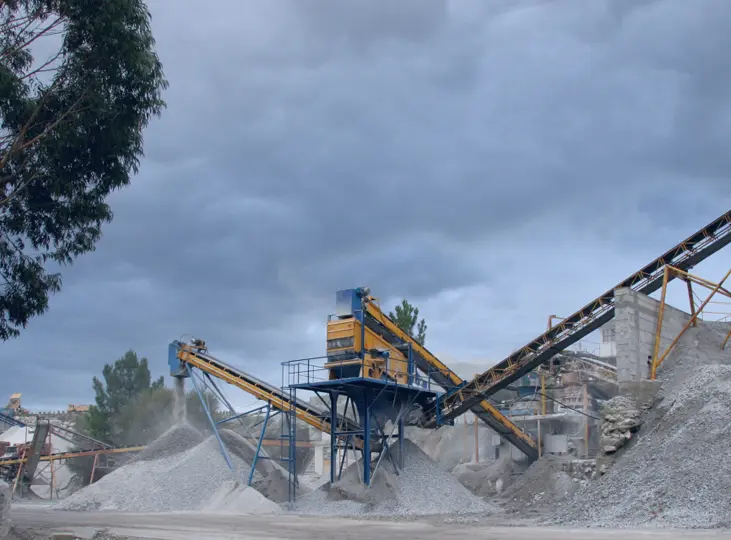
How mining operations globally configure Ascend shaking tables to match specific deposit characteristics and mineral dressing conditions.
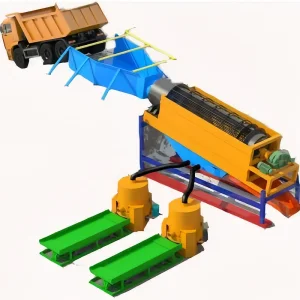
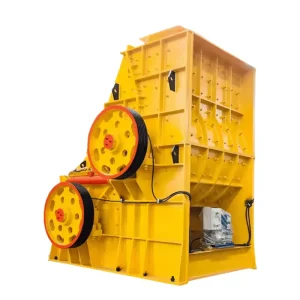
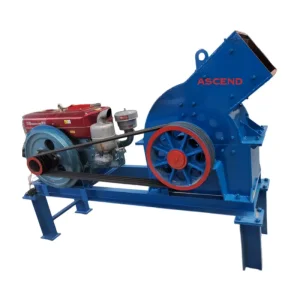
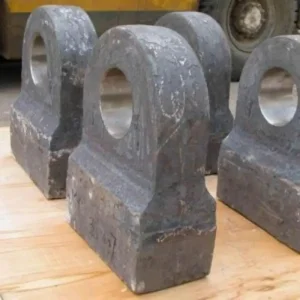
Different mining sites require distinct engineering approaches to optimize recovery rates. In the alluvial gold fields of sub-Saharan Africa, operations often rely on portable gravity circuits utilizing diesel-driven hammer mill crushers paired with shaking tables to operate independently of the local power grid.
Conversely, large-scale mining operations in regions like South America and Central Asia integrate our multi-deck shaking tables directly into complex flotation tailing lines. This configuration captures fine-grained, low-density minerals that escape initial concentration stages, significantly improving overall plant yield.
By manufacturing systems that run on electric, diesel, or hybrid drives, Ascend ensures that mines in remote regions can achieve optimal recovery without requiring complex local infrastructure.
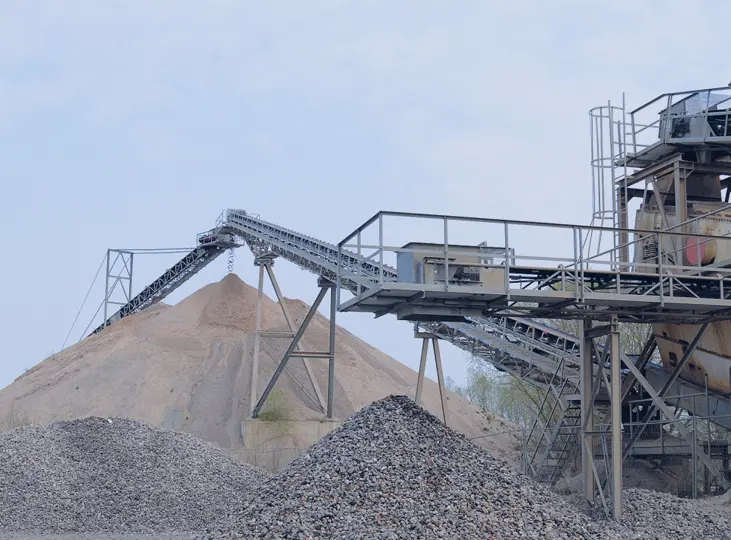
Review the performance of Ascend gravity circuits and crushing equipment in the field.
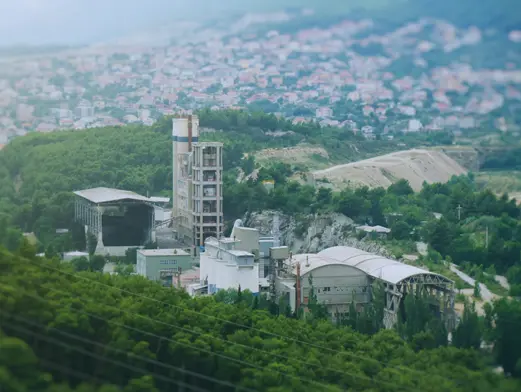
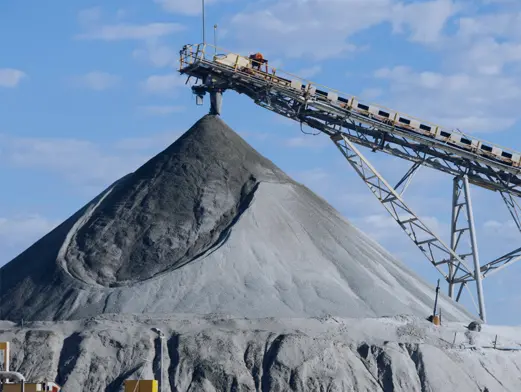
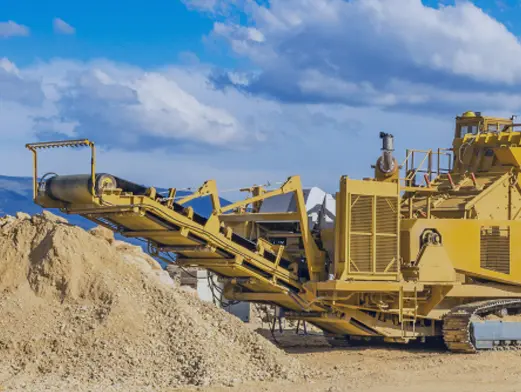
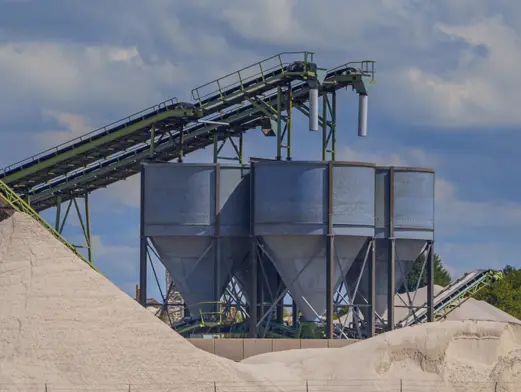
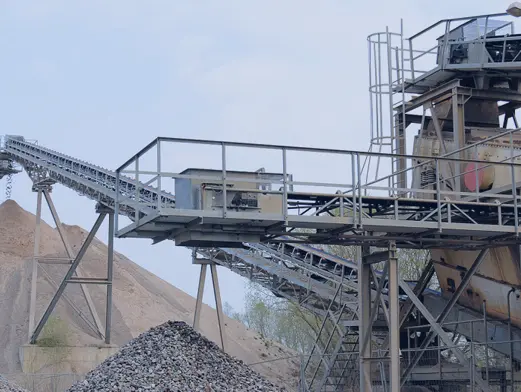
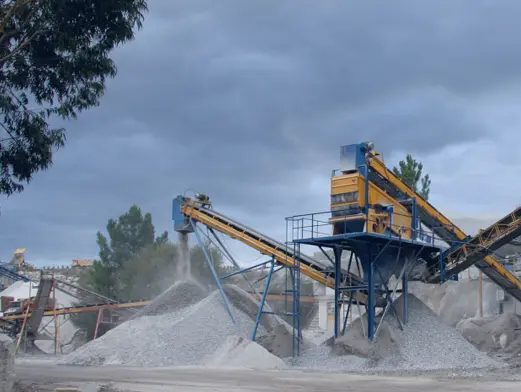
Stay up to date with Ascend's machinery deployments and gravity concentration project deliveries worldwide.
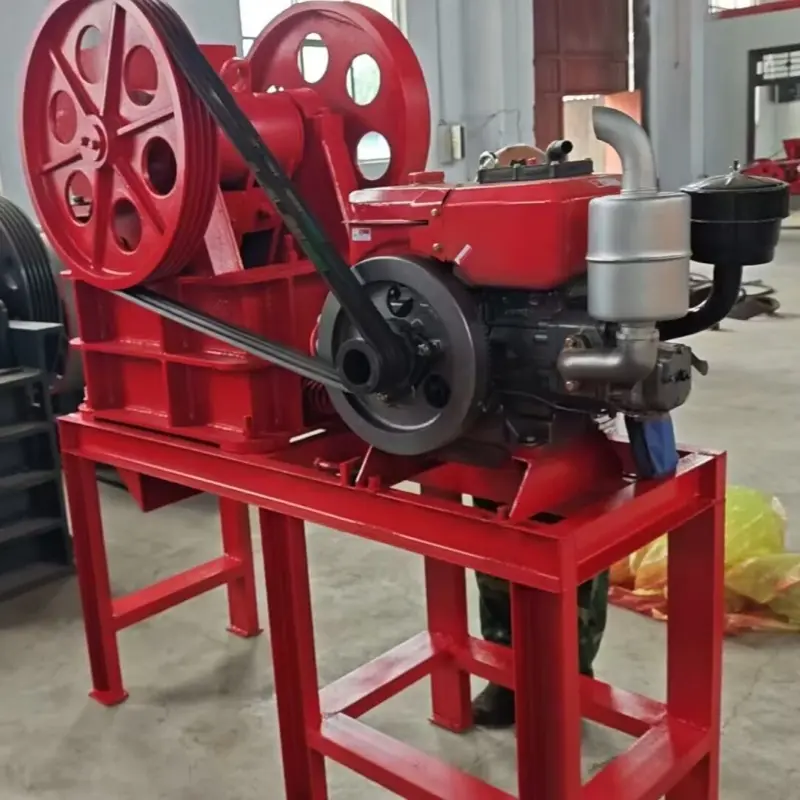
 November 2025
Our specialized diesel-powered jaw crushers were successfully dispatched to Papua New Guinea. These units are configured to run in remote gold mining sites where electric grid access is unavailable, delivering reliable primary crushing performance.
August 2025
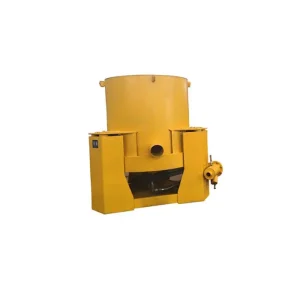
Delivered compact centrifugal-style gold Kacha units to help small-scale Zambian operators maximize fine gold recovery ahead of shaking table concentration.
July 2025
Successfully shipped a custom batch of high-recovery 6-S shaking tables for a large-scale alluvial gold processing project in the Sudanese desert.
July 2025
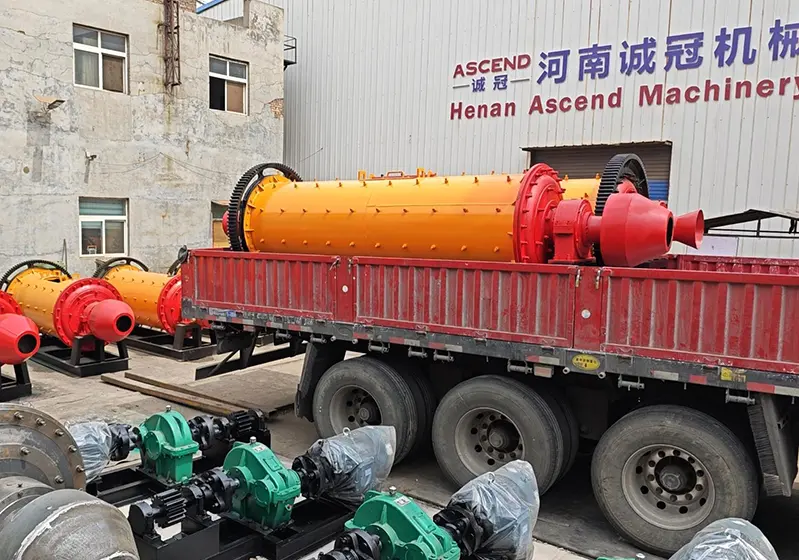
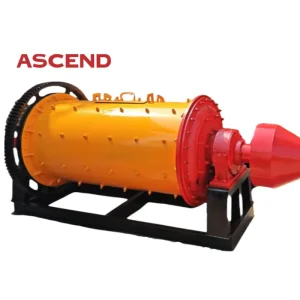
Dispatched a diesel-drive ball mill to process hard quartz gold ore in the highlands of Papua New Guinea.
July 2025
Delivered mobile crushing units to provide flexible ore pre-processing options across multiple operating sites in Tanzania.
Find expert answers to common queries regarding gravity separation, machine configuration, and gold recovery optimization.
The optimal feed size depends on your deck configuration. Typically, sand decks process material ranging from 0.5 mm to 2 mm, fine sand decks handle 0.074 mm to 0.5 mm, and slime decks are designed for ultrafine material between 0.037 mm and 0.074 mm. For best results, classify the material before feeding to avoid sizing conflicts.
Fine minerals require a shorter stroke (11 mm to 15 mm) and higher frequency (300 to 360 RPM) to keep the bed fluid and allow fine particles to settle beneath the surface current. Coarse materials require a longer stroke (16 mm to 20 mm) and lower frequency (240 to 280 RPM) to effectively move larger particles forward along the deck riffles.
Gravity separation is highly cost-effective and environmentally friendly, requiring only water and mechanical action instead of complex chemical reagents. For free-milling placer gold deposits, it delivers excellent recovery rates without the regulatory overhead, toxic runoff risk, or high capital costs associated with flotation plants.
Ascend provides complete lifecycle support, including site design, equipment installation guidance, commissioning, and staff training. We maintain a full inventory of replacement parts, including headbox components, support bearings, and replacement decks, ensuring minimal downtime for your operations globally.
 Ascend