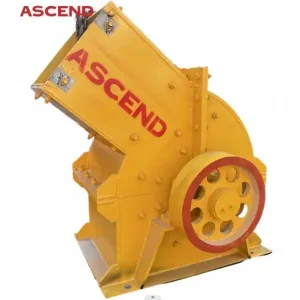
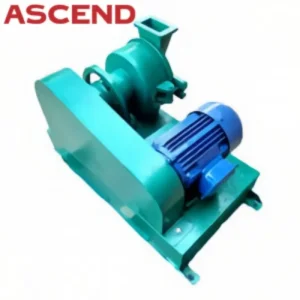
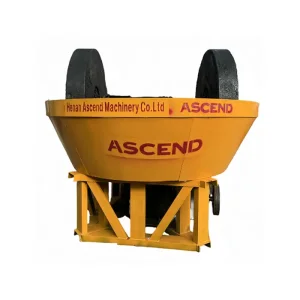
Explore our premium core extraction, concentration, and fine crushing equipment engineered for optimized mineral recovery and robust performance.
The contemporary construction landscape demands unprecedented efficiency, durability, and logistical precision. Concrete Batching Plants represent the vital heartbeat of mega-scale engineering projects, from high-rise commercial structures and municipal transit networks to marine breakwaters and high-speed rail lines. As urban centers consolidate globally, structural requirements demand transition from onsite, manual mixing processes to centralized, automated batching solutions.
Modern industrial batching installations are no longer mere blending stations; they are complex material science laboratories. An optimized batching facility integrates aggregate grading, cementitious binder dosing, chemical admixture blending, and moisture-compensation algorithms in real time. This ensures compliance with stringent international structural standards, such as EN 206 and ASTM C94.
Ascend has developed steadily since its establishment. Our business covers more than 130 countries and regions around the world, especially in Africa and Southeast Asia. Moreover, Ascend's machinery quality and after-sales service have won widespread praise from international customers.
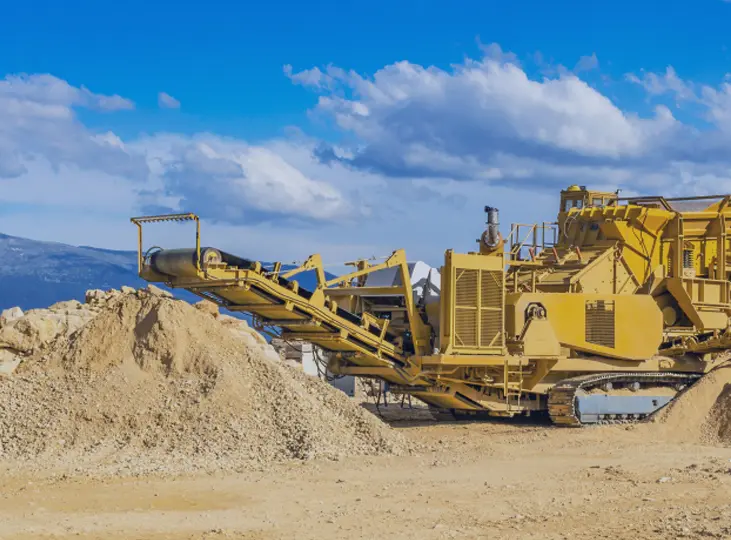
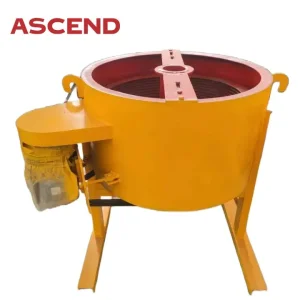
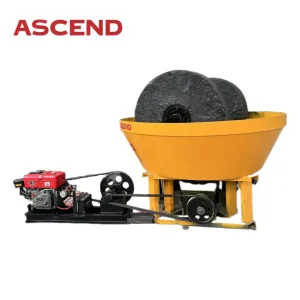
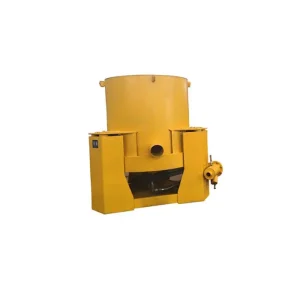
Complete heavy beneficiation plants utilizing gravity separation, knelson concentrators, and customized mill setups tailored to global industrial mining specifications.
Learn More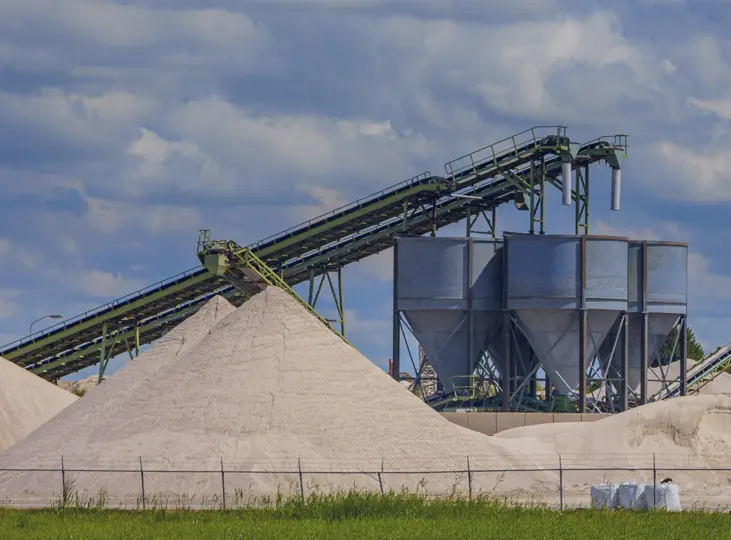
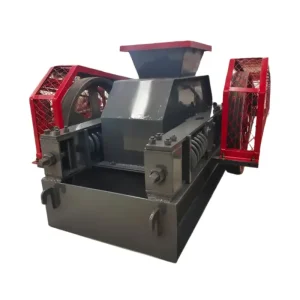
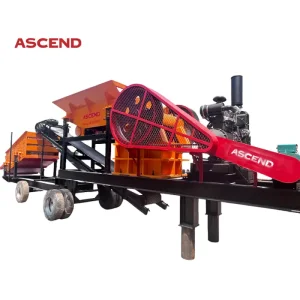
Advanced size reduction systems utilizing heavy jaw crushers, double roll crushers, and screens to process hard granite, basalt, and mineral ore.
Learn More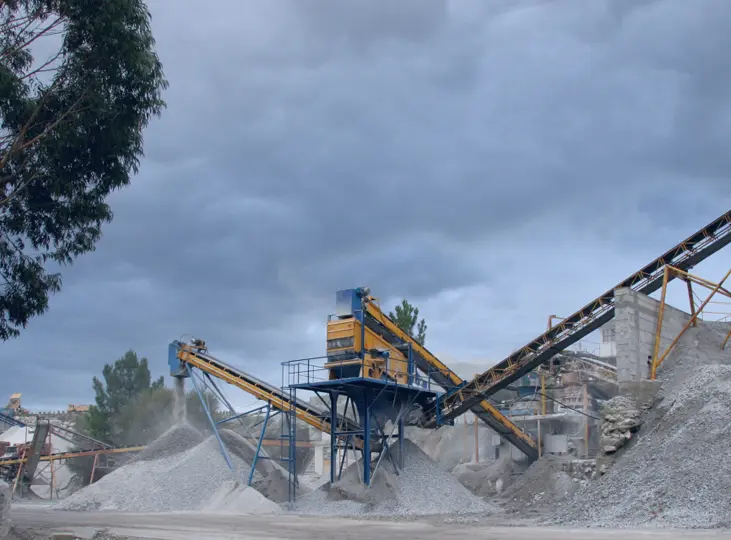
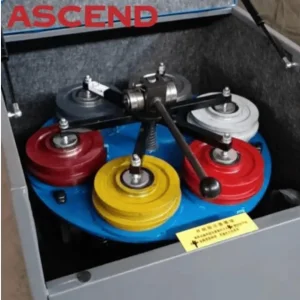
Targeted systems for grinding fine industrial aggregates and cement additives using high-efficiency mills and classifying equipment.
Learn More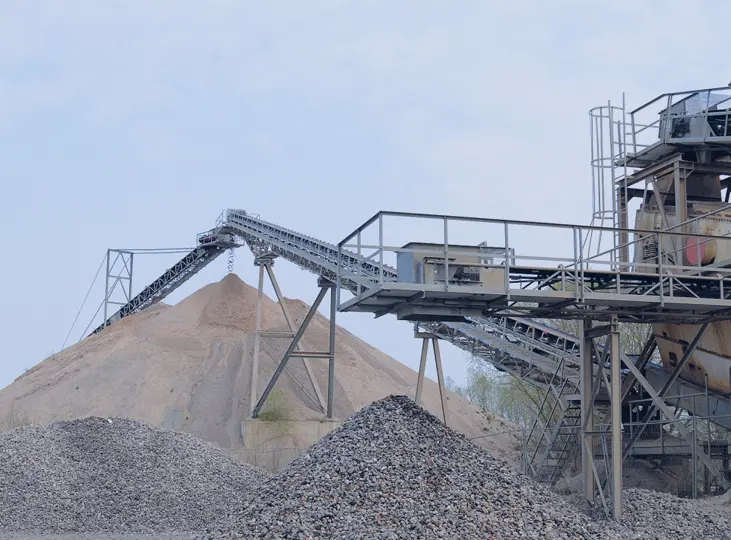
Providing heavy-duty, high-capacity aggregate manufacturing circuits designed to continuously feed commercial concrete batching systems.
Learn MoreExplore technical configurations across key stone crushing, mineral processing, and industrial material classification machinery.
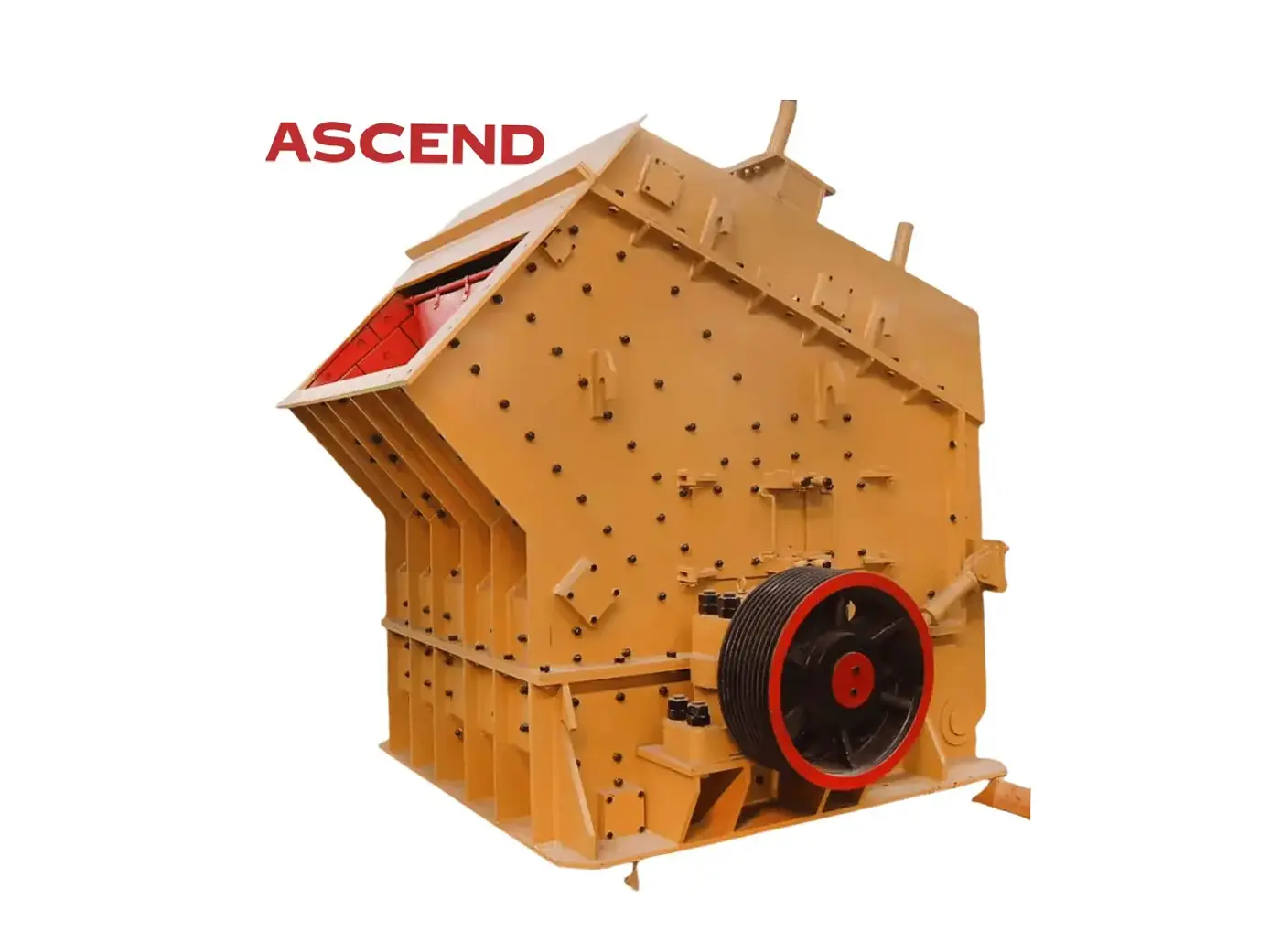
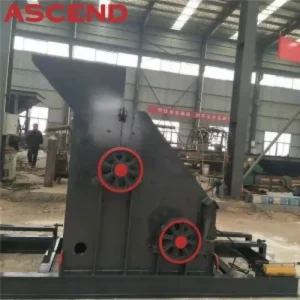
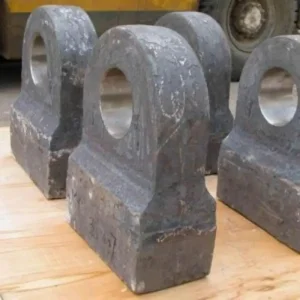
Impact crusher is a kind of secondary crushing equipment which uses impact power to crush materials. Impact crusher is characterized by easy maintenance, high reduction ratios, and high efficiency to produce precisely cubic-shaped products. It is designed with three crushing chambers, a seamlessly connected rotor, wear-resistant blow bars, and dynamic configuration inserts. Furthermore, it features a tooth-type liner, gradient-designed bearing seats, and frames with several structural openings and screw or hydraulic start-up auxiliary devices. Impact crushers are widely utilized across primary and secondary stages to prepare fine aggregates for high-standard concrete mixing.
read more »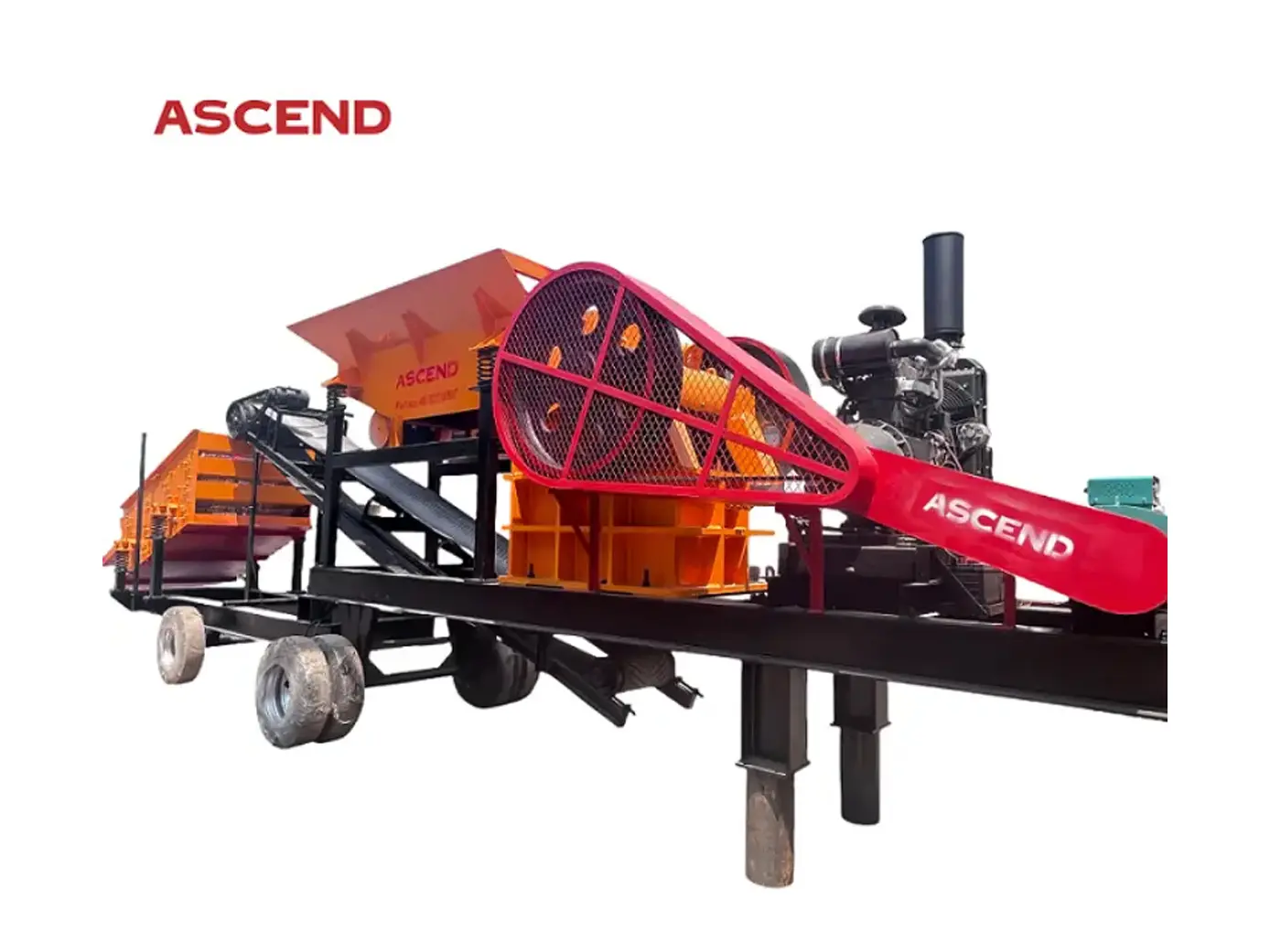
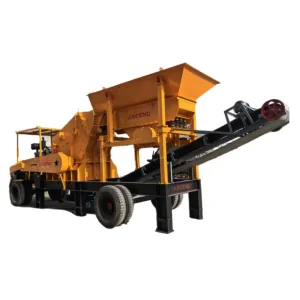
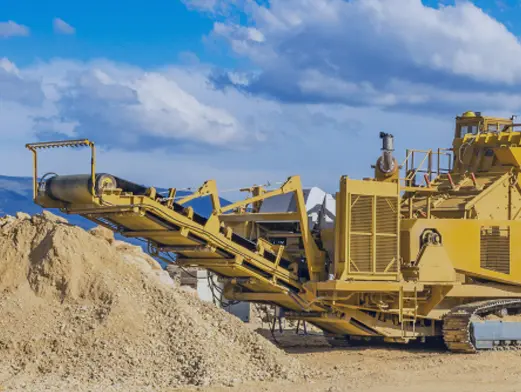
Designed for rapid mobilization and on-site material processing. Integrated with vibration screens, robust jaw units, and on-board diesel generators, these plants allow remote infrastructure builders to crush stone directly at roadbed and dam sites, significantly lowering transportation costs and providing instant aggregate feeds to nearby batching units.
read more »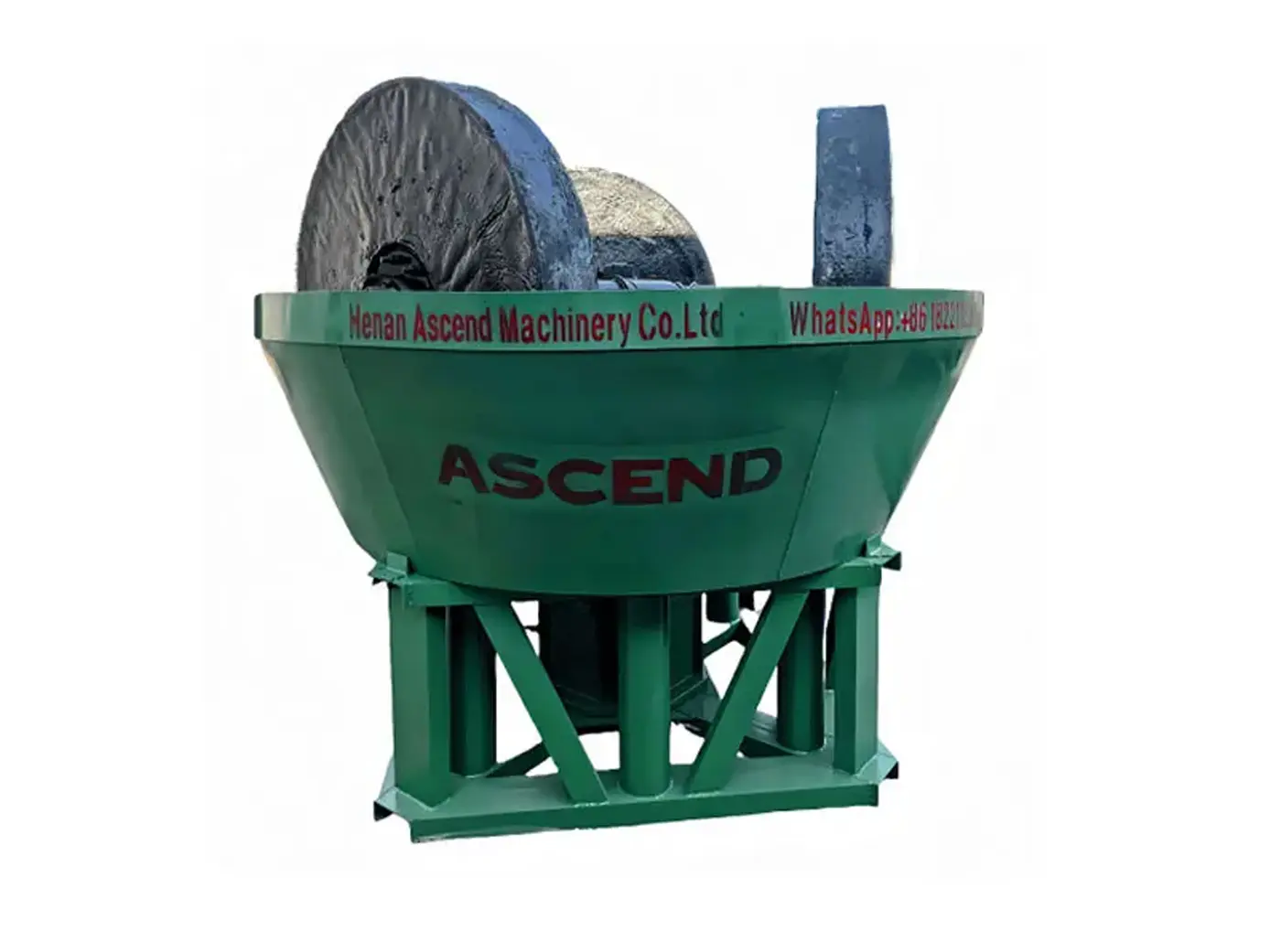
Critical for reducing mineral materials to fine powder. Ideal for grinding limestone (to produce cement binders), gypsum, bentonite, and minerals. Heavy structural rollers, precision air classifiers, and vibration-isolated frames guarantee consistent output fineness, high throughput, and minimal electrical power consumption.
read more »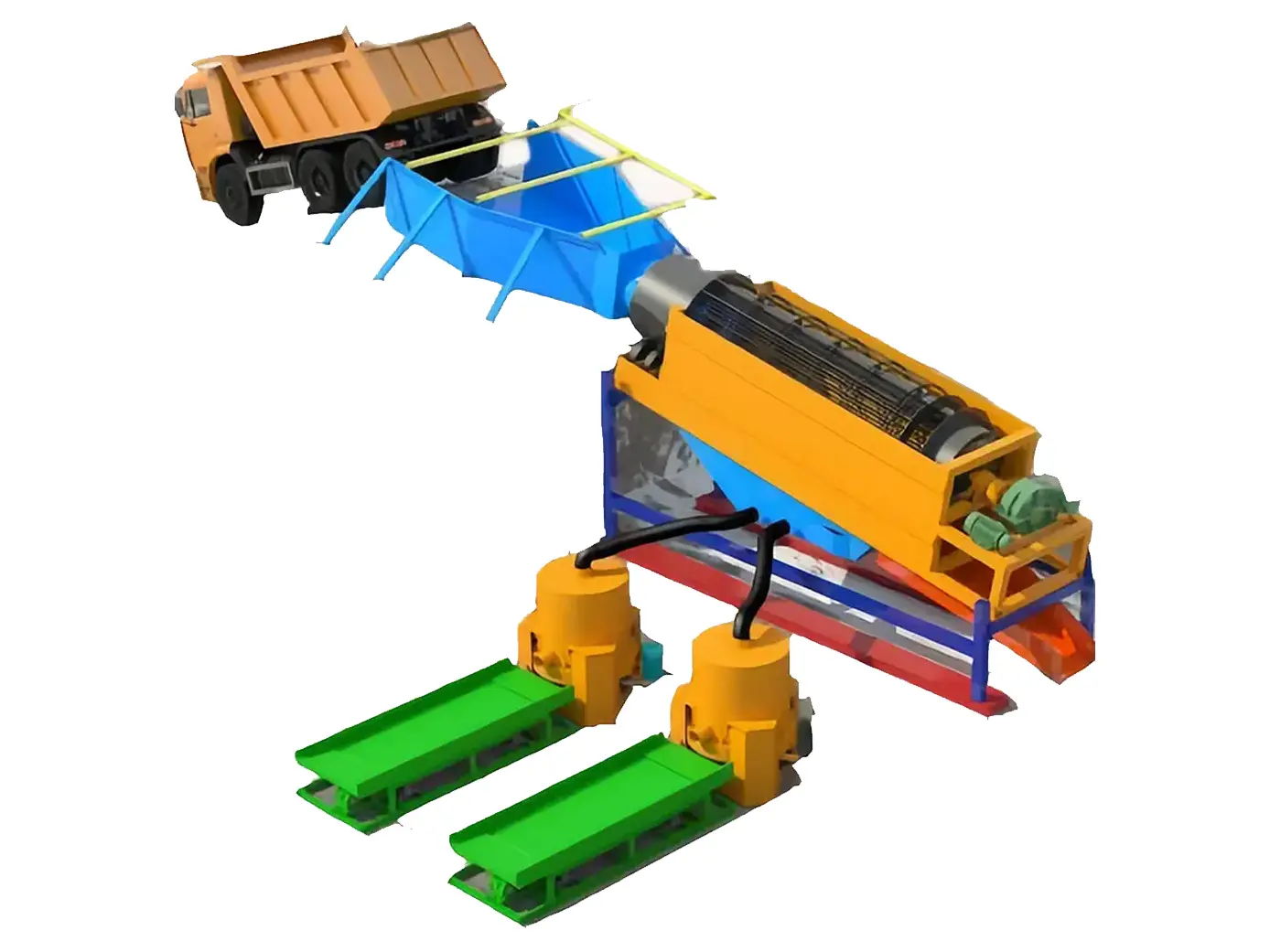
Integrated mineral processing systems combining crushing, milling, gravity separation, and high-efficiency centrifugal concentration. Engineered to process complex alluvial and hard-rock gold ores, maximizing recovery rates while minimizing chemical usage through advanced gravity physics.
read more »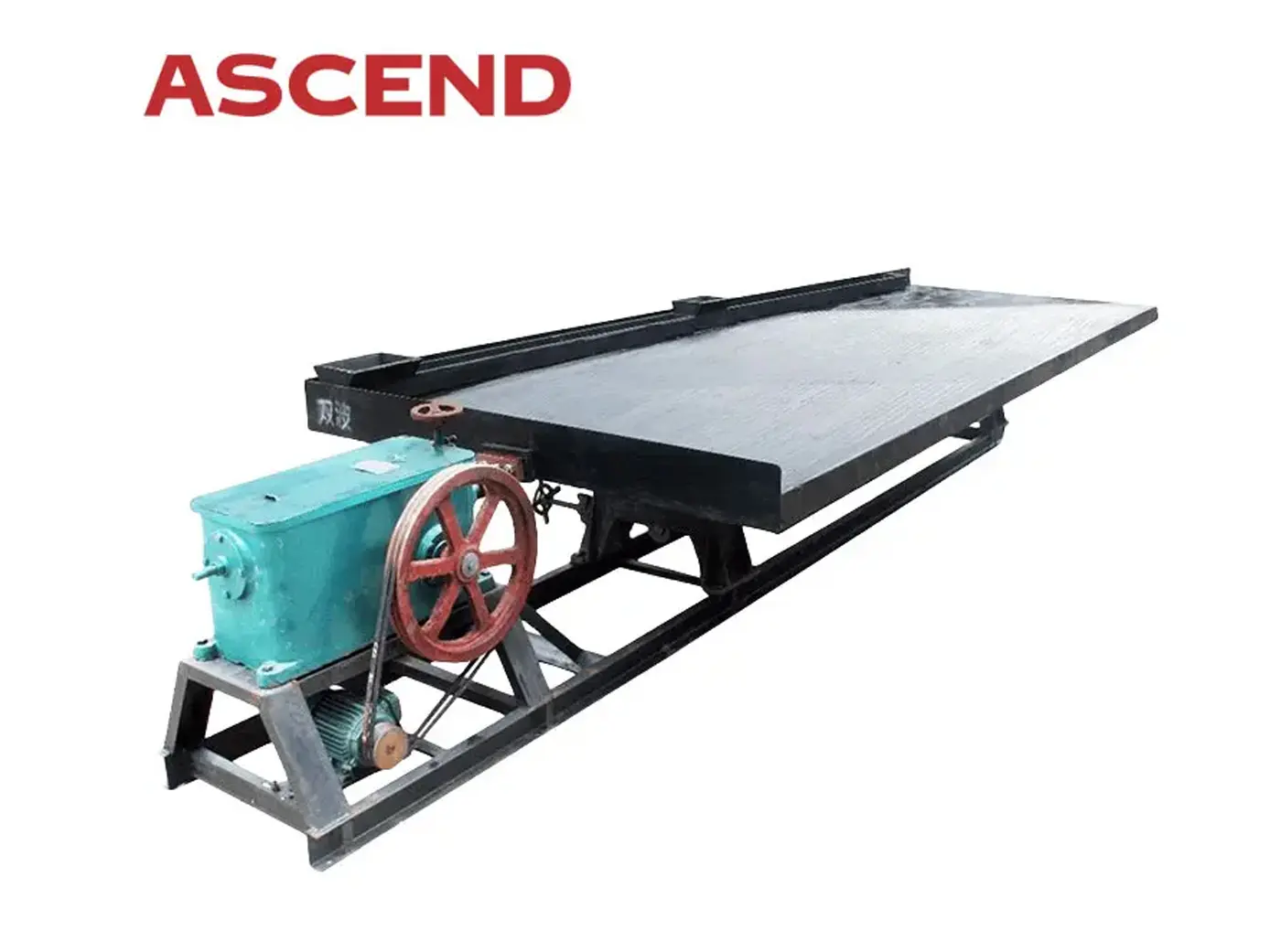
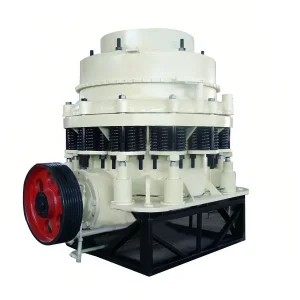
Heavy-duty magnetic separators, flotation cells, vibrating screens, and spiral classifiers designed to optimize mineral extraction circuits. Engineered to withstand continuous wet-processing operations with minimum maintenance, supporting mining operations worldwide.
read more »In high-end infrastructure engineering, the performance of the concrete batching plant directly governs the timeline, safety, and lifespan of the structural assets. Typical concrete mixing configurations must balance multiple variables: environmental moisture fluctuations, aggregate temperature control in high-heat zones, and precise delivery of chemical plasticizers. Achieving consistency requires a transition from basic mechanical volumetric measurement to high-precision gravimetric load-cell systems.
At the center of a modern batching setup is the mixing block. Twin-shaft horizontal mixers (JS Series) use synchronized counter-rotating shafts equipped with multi-angled paddle arms. This design moves material three-dimensionally, distributing water, cement paste, and fine particles uniformly. In contrast, planetary mixers are preferred for precast applications and Ultra-High-Performance Concrete (UHPC), utilizing orbital mixing stars to prevent aggregate segregation and optimize binder hydration.
Another major challenge is dust control. Central mixers, cement silos, and aggregate transfer points generate high amounts of fine particulate matter. Advanced concrete plants address this with integrated baghouse filter units that utilize pulse-jet cleaning systems. These systems capture 99.9% of dust particles, feeding them back into the cement weigh hopper to prevent waste and maintain compliance with strict emission standards.
An overlooked factor in concrete quality is aggregate morphology and grading. Aggregates are not just filler; they make up 70% to 80% of concrete's total volume. The shape, texture, and size distribution of these stones determine how much cement paste is needed to achieve the target workability and compressive strength.
This is where Ascend's crushing and grinding machinery connects with the concrete industry. Our Double Roller Crushers, Mobile Jaw Crushers, and Impact Crushers are engineered to produce cubical aggregate shapes with minimal elongated or flaky particles. Elongated particles create points of high stress and require more water and cement, which increases costs and the risk of shrinkage cracks. By pairing our heavy crushing systems with concrete batching lines, operators can control aggregate shape and grading directly from raw rock deposits. This ensures high-strength concrete and reduces cement consumption.
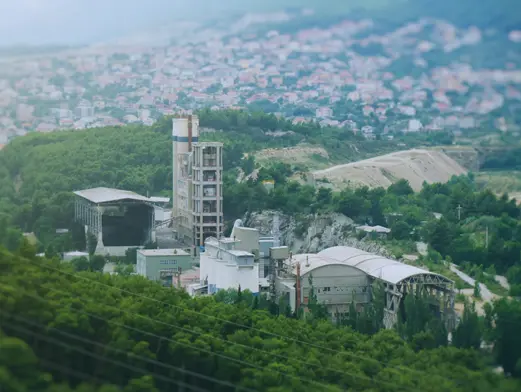
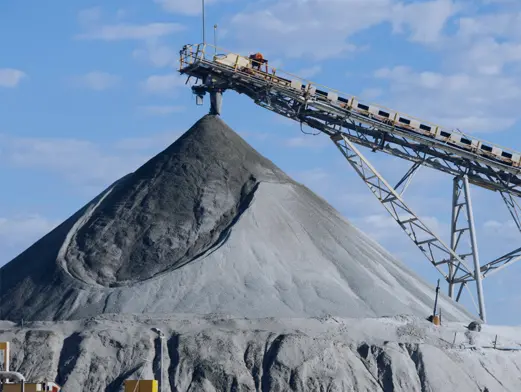
Real-world application of heavy mineral extraction, aggregate processing, and materials sorting technology across diverse geographical environments.
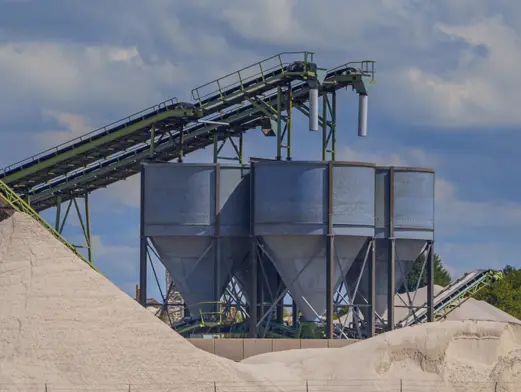
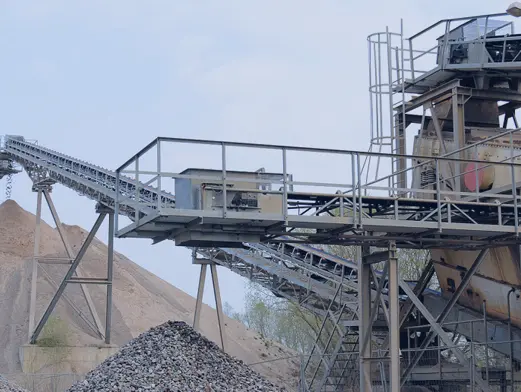
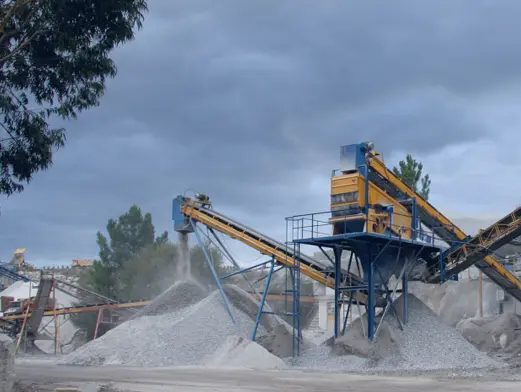
When planning concrete production, engineers must choose between stationary batching plants and highly versatile mobile systems. Stationary plants are built for high output, durability, and customization. They feature heavy structural foundations, high-capacity cement silos, and automated aggregate feed systems. This setup is ideal for long-term urban construction or ready-mix commercial businesses requiring continuous outputs of 90m³/h to over 240m³/h.
For remote work like roads, railways, and bridges, mobile batching plants are often the best solution. These plants are designed as single-trailer assemblies with integrated aggregate bins, weighing belts, water systems, and twin-shaft mixers. They can be set up in just a few days, eliminating the need for expensive concrete truck transit over long distances. Reducing transit times helps prevent early concrete setting and maintains slump specifications upon delivery.
Concrete batching plants face challenges in extreme climates. In hot regions, aggregate cooling is necessary to keep fresh concrete temperatures below 32°C and prevent thermal cracking. This is handled by integrating chiller units into the water supply and using ice-shaving dosing systems directly in the mixer.
In cold regions, the system must protect water lines and aggregate piles from freezing. Operators use steam heating jackets on aggregate bins, insulated cladding, and water heating boilers to maintain mixing temperatures above 5°C. At high altitudes, air compressors and electric motors must be adjusted for lower air density to ensure reliable performance of all pneumatic gates and drive belts.
Real-time updates showing heavy machinery departures, customer site commissioning, and industrial technology rollouts worldwide.
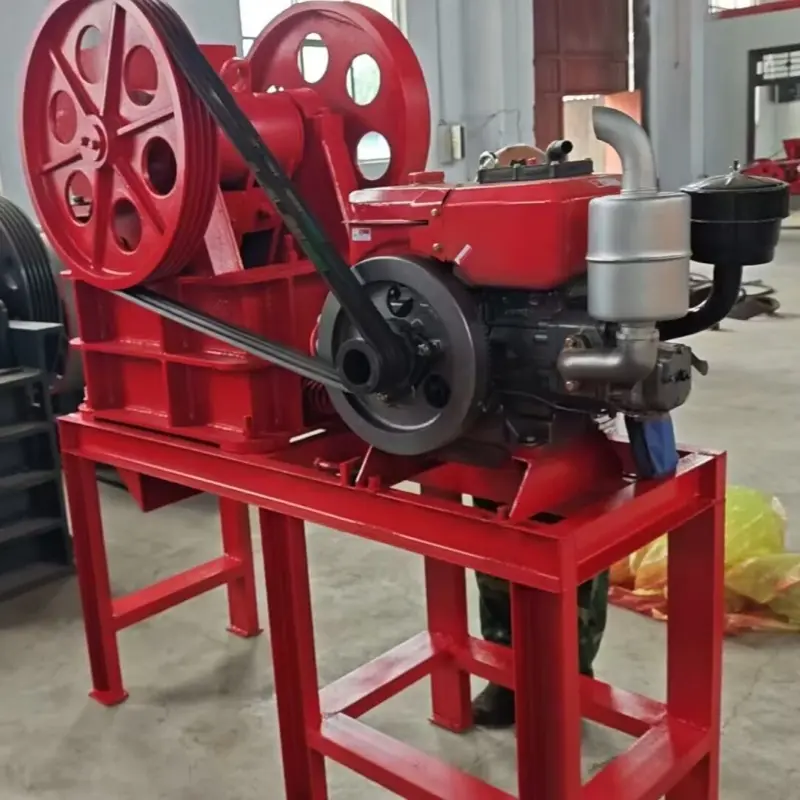
 Nov, 2025
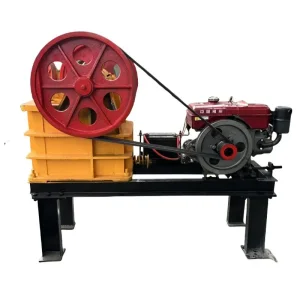
Our heavy compact diesel crushers shipped to PNG to process hard rock, providing essential aggregates for regional infrastructure and building projects.
 Aug, 2025
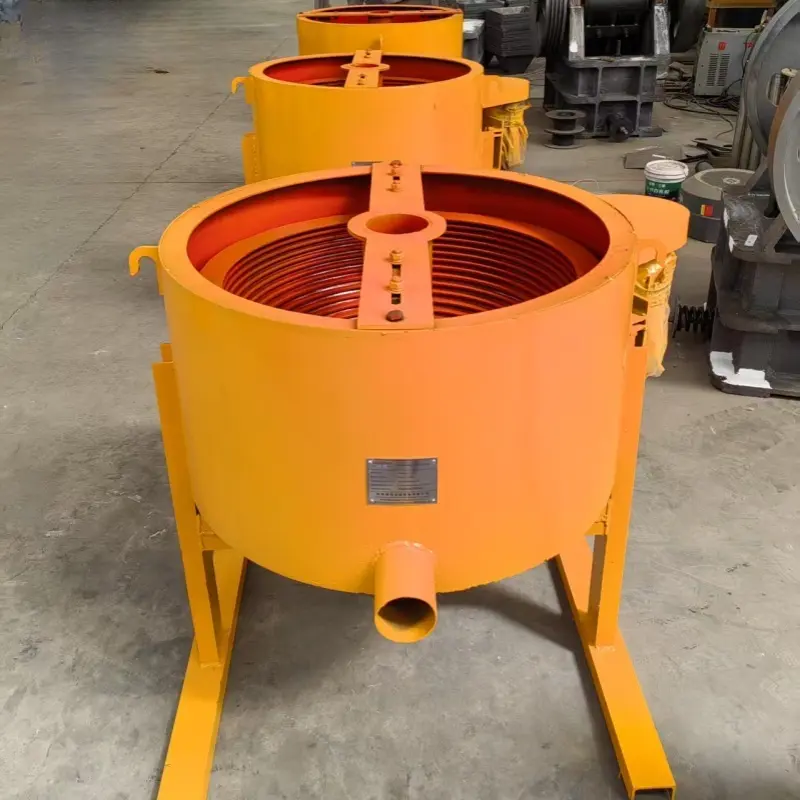
High-recovery separation units configured with integrated sorting screens shipped to Zambia to support gravity gold recovery projects.
Jul, 2025
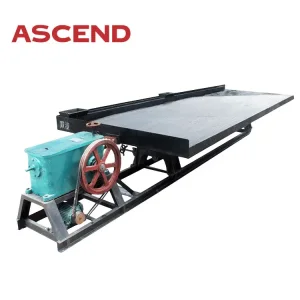
Industrial shaking tables delivered for gold gravity separation circuits, enhancing ore recovery rates in desert mining conditions.
Jul, 2025
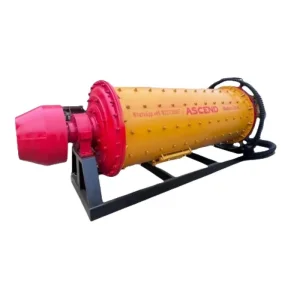
A heavy-duty ball mill system shipped to PNG to process fine quartz and gold ore in remote regions without grid electricity.
Jul, 2025
Mobile aggregate processing plant delivered to East Africa, enabling immediate on-site stone crushing for regional road construction.
Jun, 2025
Heavy jaw crusher shipped to Zambia to support primary crushing operations, processing hard stone at 120 tons per hour.
The concrete batching industry is focusing on reducing its carbon footprint. Standard concrete production releases significant amounts of CO2, primarily during cement manufacturing. Today's batching systems address this by optimizing formulations to use Supplementary Cementitious Materials (SCMs). Incorporating fly ash, slag, and silica fume allows operators to reduce cement use by up to 50% while improving structural density and chemical resistance.
Modern batching plants also utilize closed-loop recycling systems. Waste concrete slurry is collected in reclamation units where aggregates are separated from water. This recovered water is filtered and reused in the mixing cycle, while the salvaged aggregates are reintroduced into base-course concrete mixtures. This setup reduces fresh water consumption, eliminates environmental runoff, and ensures zero-discharge compliance for operators.
Modern batching plants rely on automated control systems. Industrial PLC systems manage every step of the process, from opening gates to discharging the mix. If the moisture sensor detects high water content in a sand batch, the system instantly adjusts the added water to keep the water-to-cement ratio correct.
Advanced SCADA systems allow operators to track batch performance, generate detailed mix reports, and monitor equipment wear. Predictive maintenance alerts notify operators when parts like mixer liners or scale linkages need attention, reducing unplanned downtime and keeping projects on track.
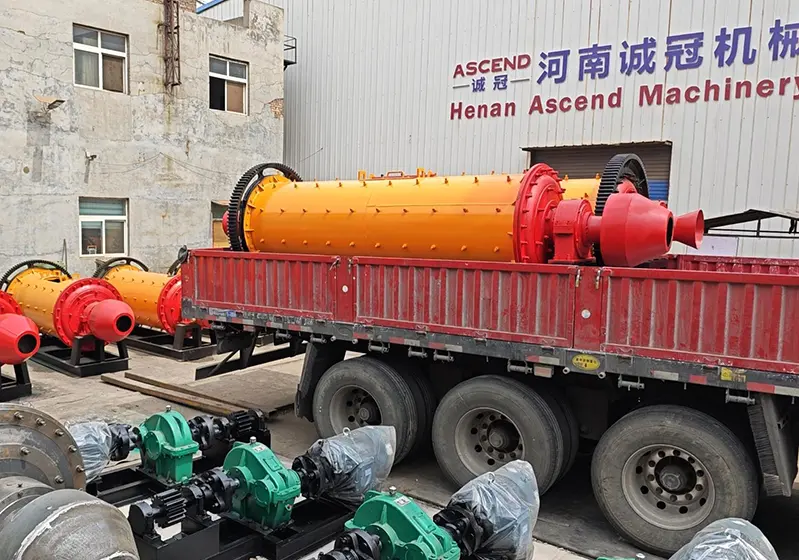
Henan Ascend Machinery & Equipment Co.,Ltd. was established in 2005 and is located in the high-tech zone of Zhengzhou City, Henan Province. We focus on the research, development, manufacture, and servicing of complete crushing, grinding, screening, and mineral dressing systems.
Whether processing limestone, granite, or river gravel for aggregate, or extracting gold and industrial minerals, our engineering teams design layouts tailored to your project specs. Operating our own production facilities allows us to guarantee component quality, manage production timelines, and offer direct pricing advantages. We are committed to supporting your project goals with reliable equipment and responsive service.
Read More About UsExpert answers addressing concrete batching operations, aggregate preparation, and equipment selection.
Aggregate shape directly influences concrete workability and strength. Round or cubical aggregates pack more efficiently, requiring less cement paste to coat their surfaces and fill voids. Elongated or flaky aggregates, often caused by poor crushing setups, increase water and cement demands, which can lead to cracking. Using tertiary impact crushers or double roll crushers helps shape aggregates into consistent cuboidal forms for optimal mixing.
Twin-shaft mixers use two horizontal shafts with paddles that move material in a continuous loop. This design is highly effective for high-volume ready-mix operations. Planetary mixers use vertical shafts that rotate and orbit, creating intensive shear force. This makes them ideal for specialized, low-slump mixes, precast components, and ultra-high-strength concrete (UHPC).
Aggregates stored in open bins absorb environmental moisture. Automated microwave sensors in sand and aggregate hoppers measure moisture levels in real-time. The control system uses this data to adjust water and aggregate weights for each batch. This prevents high water-cement ratios, maintaining slump consistency and concrete design strength.
High-friction areas require regular maintenance. In the mixer, the wear liners, paddle tips, and discharge gate seals need routine inspection. In batchers, conveyor belt rollers, hopper liners, and pneumatic solenoids should be monitored. High-chromium alloys and thick polyurethane liners help extend the lifespan of these wear components.
Explore our heavy-duty grinding mills, primary impact systems, shaking tables, and specialty rock crushing solutions.
 Ascend