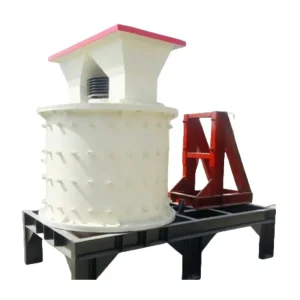
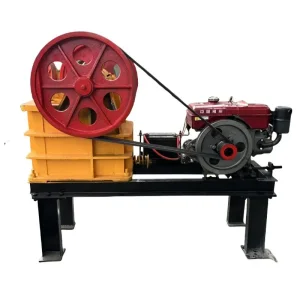
Granite, an intrusive igneous rock composed primarily of quartz, feldspar, and mica, is the cornerstone of modern infrastructural aggregates. With a high compressive strength typically ranging from 150 to 250 MPa and a high Mohs hardness index of 6 to 7, granite processing demands highly engineered machinery capable of handling severe mechanical abrasion.
Across the globe, the rapid expansion of transportation networks, urbanization, and energy infrastructure drives an insatiable demand for high-quality crushed stone aggregates. In developing economies within Sub-Saharan Africa, South Asia, and Southeast Asia, the requirement for premium, cubically shaped road aggregates has surged by over 35% in the last decade. Historically dominated by expensive European and American OEMs, the industry is witnessing a structural shift. Chinese manufacturers and suppliers have transitioned from producing low-cost basic machinery to designing and exporting state-of-the-art, fully automated crushing lines that optimize the Total Cost of Ownership (TCO).
Modern granite crushing plants deploy premium metallurgical castings like high-manganese steel and high-chromium iron to prolong wear cycles and minimize downtime.
Integrations of PLC control modules, real-time temperature sensors, and load detectors allow remote operations to run continuously under optimal load profiles.
For infrastructure-sparse locations, crawler-type and wheel-mounted mobile crushing plants reduce initial civil building setup costs and transport fees.
Processing granite requires a distinct understanding of compression vs. impact physics. Because granite has a high Bond Work Index ($W_i \approx 14-22 \text{ kWh/t}$), attempting to crush it using impact force as the primary reduction method results in exponential wear of hammer and blow bar metals.
Therefore, global aggregate designers mandate a three-stage compression circuit to optimize grain shape and limit operational expense:
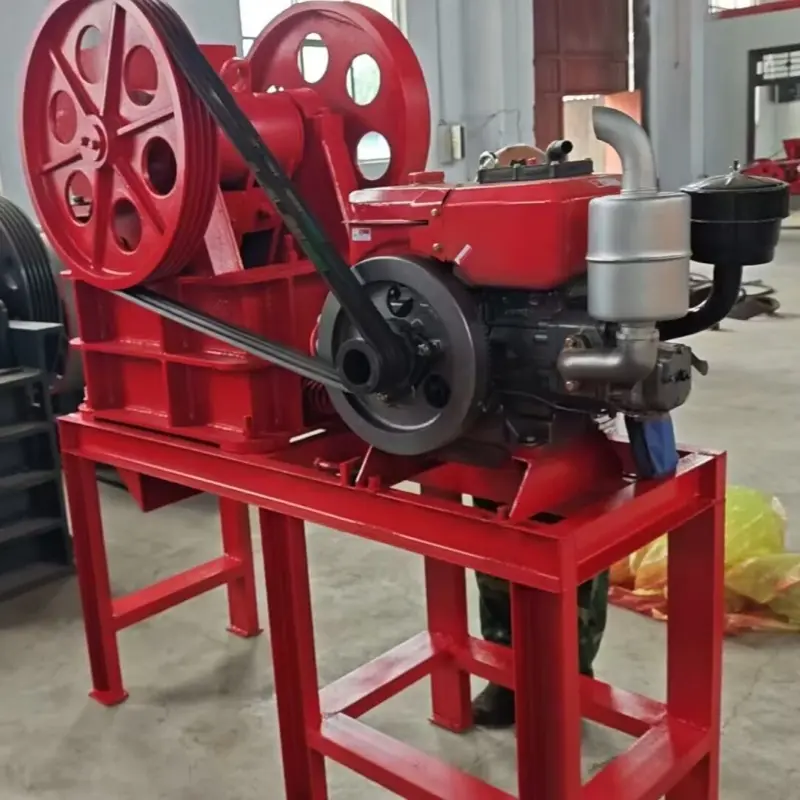
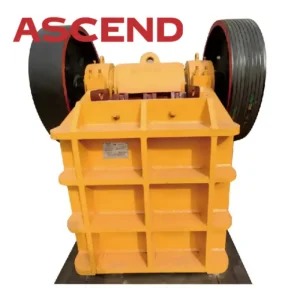
Heavy duty jaw plates reduce large-sized run-of-mine granite boulders.
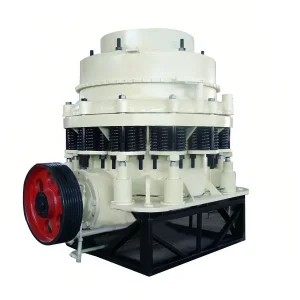
Laminated compression reduces the rock further while protecting internal components.
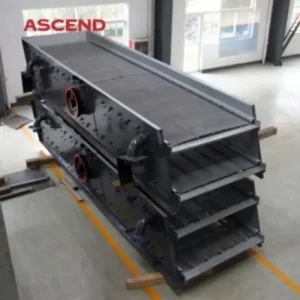
Shapes the aggregate to achieve a high cubic ratio, while high-efficiency screening separates target fractions.
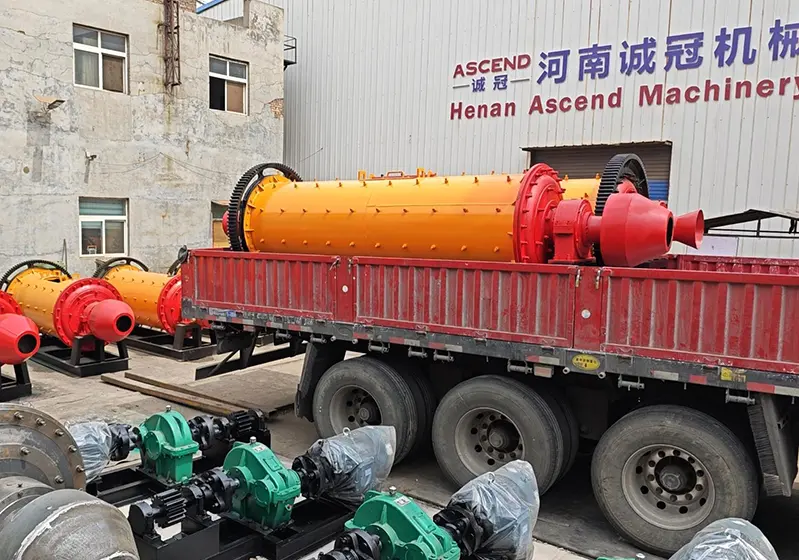
Henan Ascend Machinery & Equipment Co., Ltd. was established in 2005 and is located in the high-tech zone of Zhengzhou City, Henan Province. Ascend is mainly engaged in the research and development, manufacturing, sales and after-sales service of complete sets of crushing, grinding, screening, feeding and conveying heavy mining machinery.
If you need to crush limestone, granite, gravel or other stone, or grind them into powder, or extract gold, please feel free to contact us. Just tell us your needs and our engineers can provide you with professional advice. With our own modern factory, the quality of our machines is guaranteed, and our pricing structures offer a distinct competitive advantage.
Ascend has developed steadily since its establishment. Our business footprint covers more than 130 countries and regions around the world, especially in Africa and Southeast Asia. Our manufacturing quality and after-sales services have won widespread praise from international mining and construction enterprises.
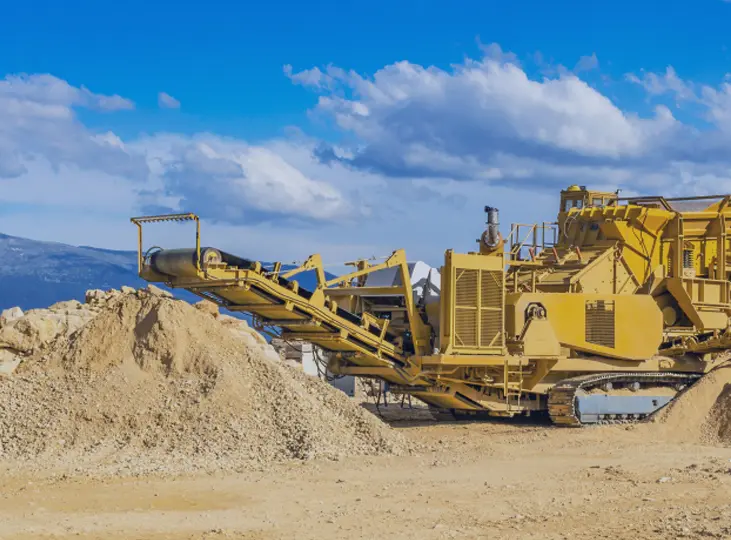
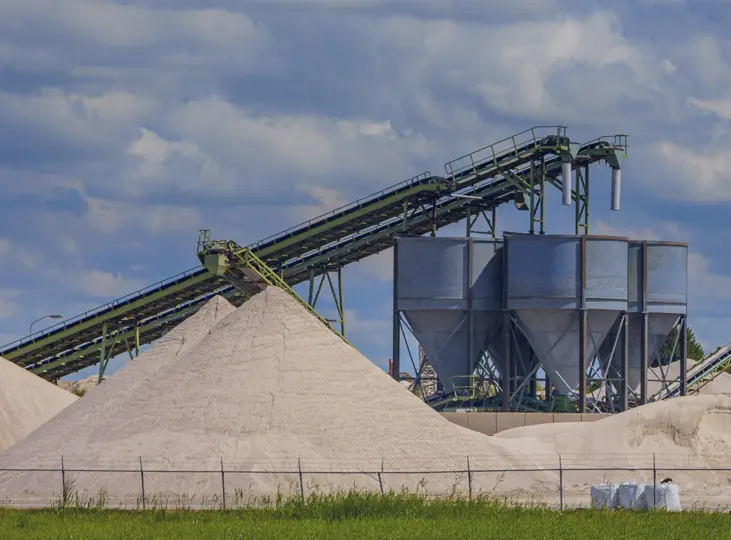
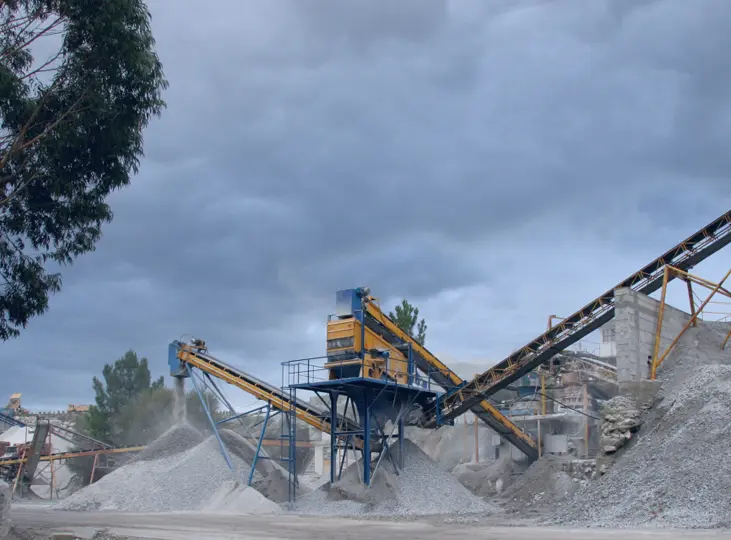
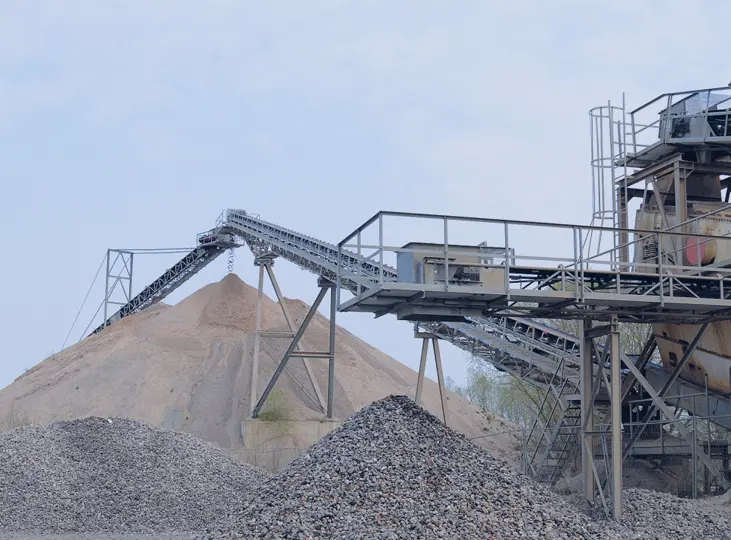
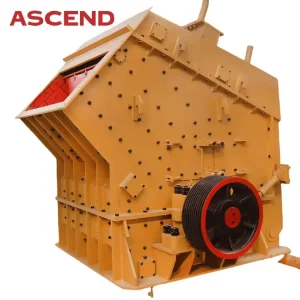
Impact crusher is a kind of secondary crushing equipment which uses impact power to crush materials. Impact crusher is characterized by easy maintenance, high reduction ratios and high efficiency to produce precisely cubic shape products. It is designed with three crushing chambers, seamlessly connected rotor, wear-resistant blow bar and installation of insert type. Moreover, it has tooth type liner, gradient designed bearing seat, frame with several openings and screws or hydraulic start-up devices. Impact crushers can be used in all different stages of size reduction from primary crushing to the last step of the crushing process.
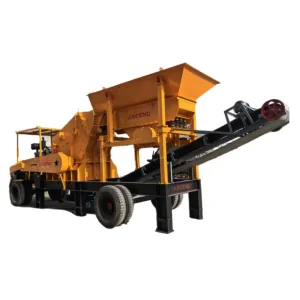
Designed for heavy-duty quarry applications where project mobility is critical. Featuring a compact structure, these plants integrate a primary feeder, jaw/cone crusher, and screening machine on a single chassis. Ideal for road construction, demolition recycling, and remote mining sites where installing concrete foundations is unfeasible.
For processes requiring fine size reduction down to the micron scale. Ideal for processing calcite, limestone, quartz, and medium-hard ores. Featuring robust grinding rings, rollers, and dynamic classifiers to ensure strict control over product fineness and particle distribution.
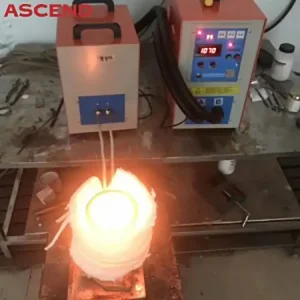
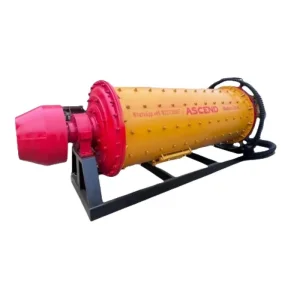
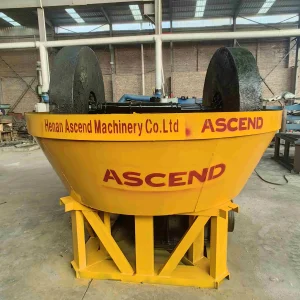
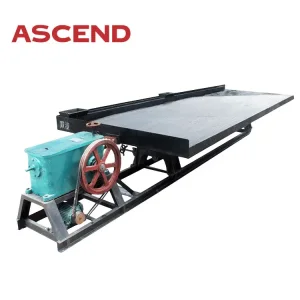
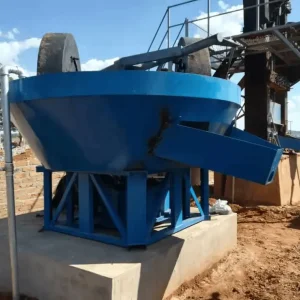
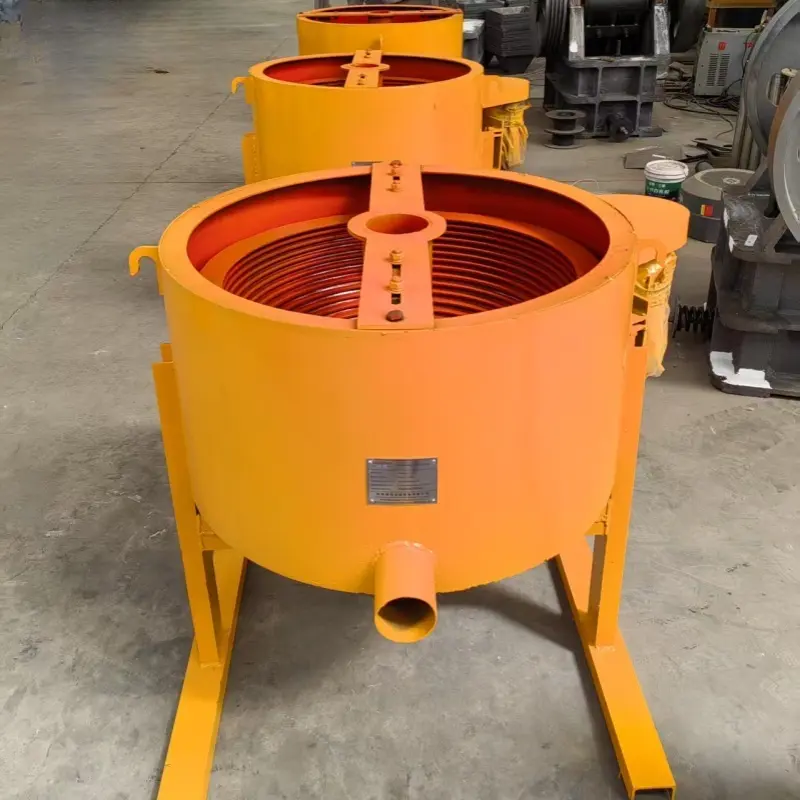
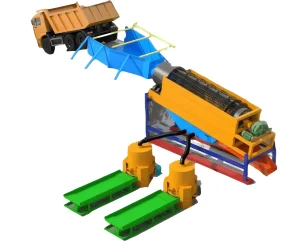
Complete gravity separation and flotation plant configurations. From initial hard-rock crushing, ball mill grinding, and hydro-cyclone classification, to final concentration via centrifugal separators and shaking tables, optimizing recovery rates of both placer and lode gold.
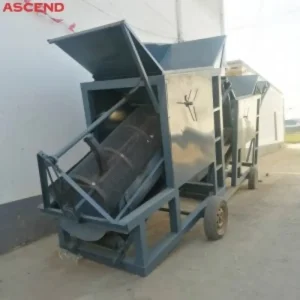
A wide array of separation systems including rotary trommel screens, magnetic separators, spiral classifiers, and flotation cells. Engineered to handle abrasive ores while maintaining low slurry friction and high throughput consistency.
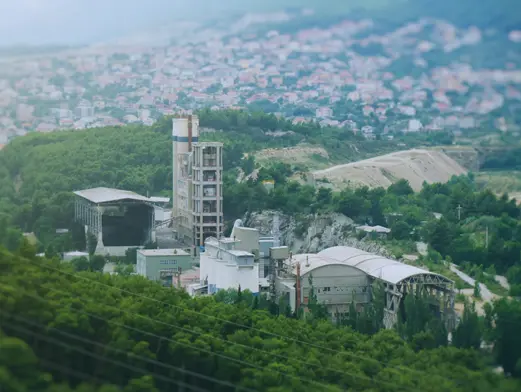
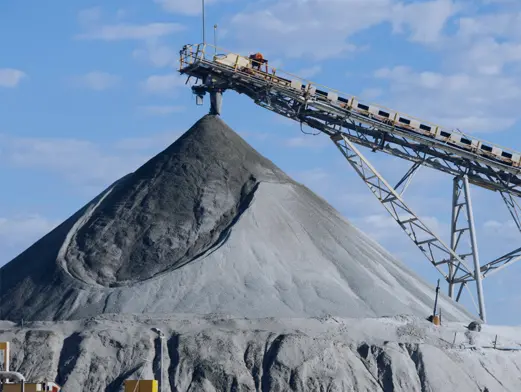
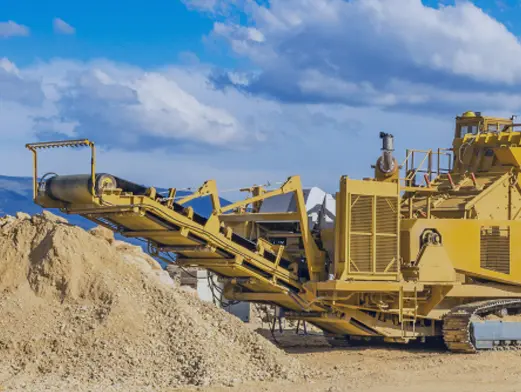
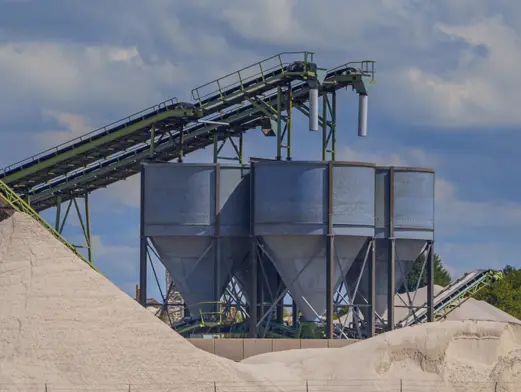
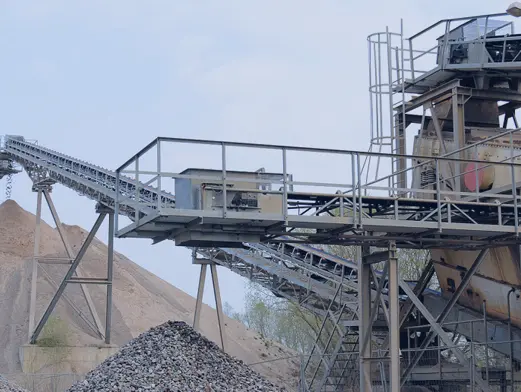
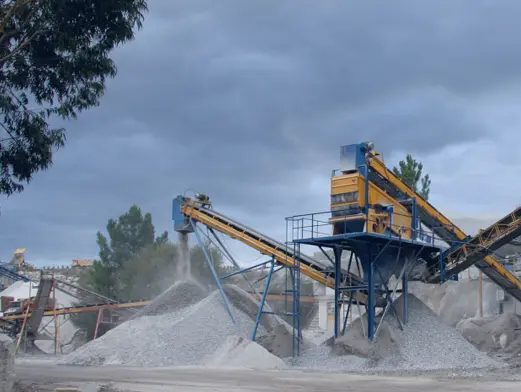
As the quarrying and mining sectors adapt to more stringent ecological standards and operational cost controls, the roadmap for granite crushing technology is focused on three main pillars:
To mitigate carbon taxes and fossil fuel dependency, modern systems are transitioning toward grid-powered electric setups. Where grid access is absent, such as remote mining zones in Zambia and Papua New Guinea, high-efficiency diesel-electric hybrid engines power modular equipment, optimizing diesel combustion efficiency by up to 30%.
By embedding smart sensors into the main frames of jaw plates and cone concaves, system operators can track wear patterns in real-time. This dynamic telemetry prevents unexpected catastrophic structural failures and allows parts replacements to be scheduled precisely, reducing maintenance costs.
Environmental regulations require dust containment. Modern aggregate plants now feature closed-circuit operations equipped with integrated high-pressure water spray bars, sealed conveyor shrouds, and dry bag-house filtration networks to capture fugitive fine particulates before they escape.
 Ascend