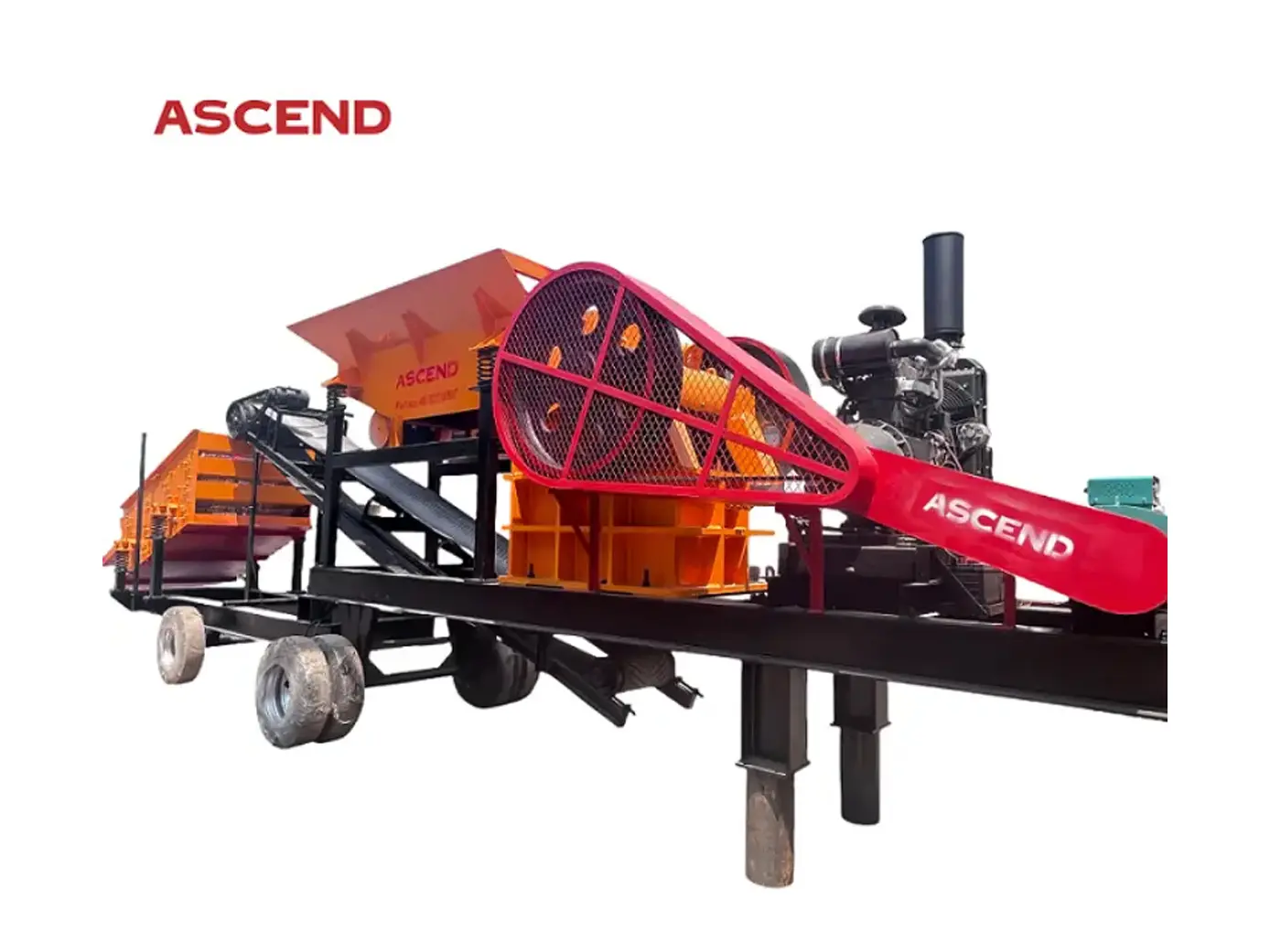
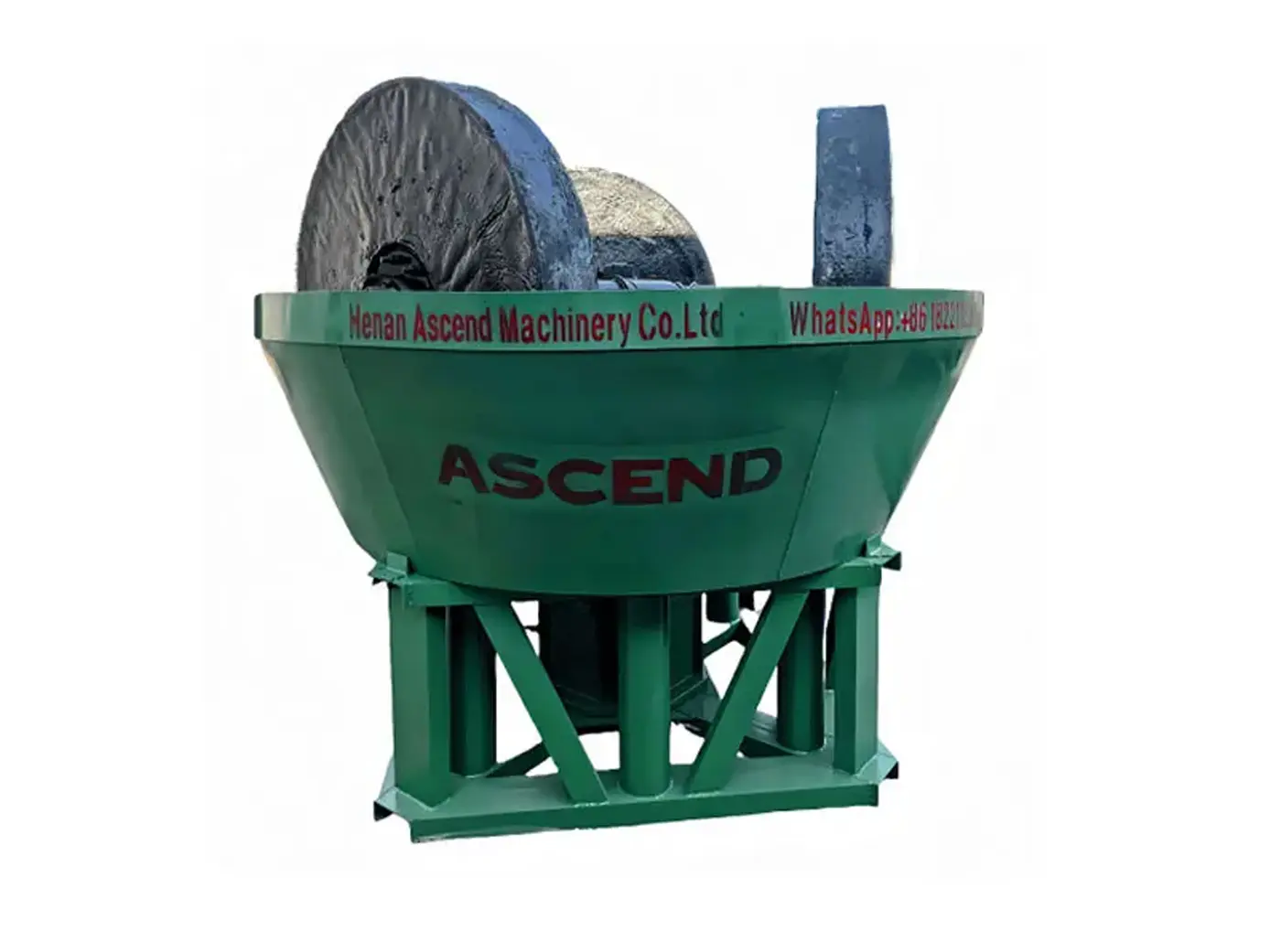
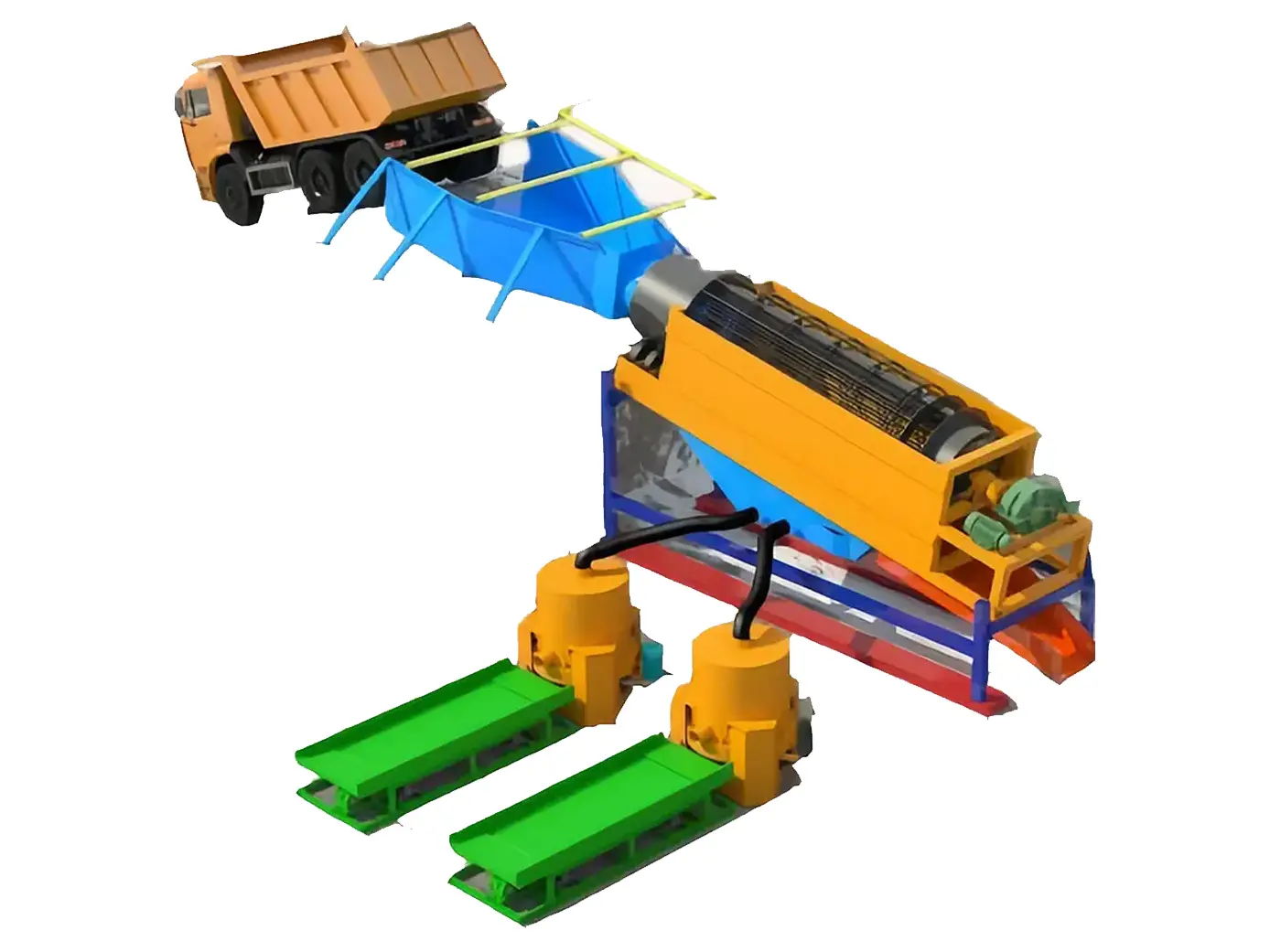
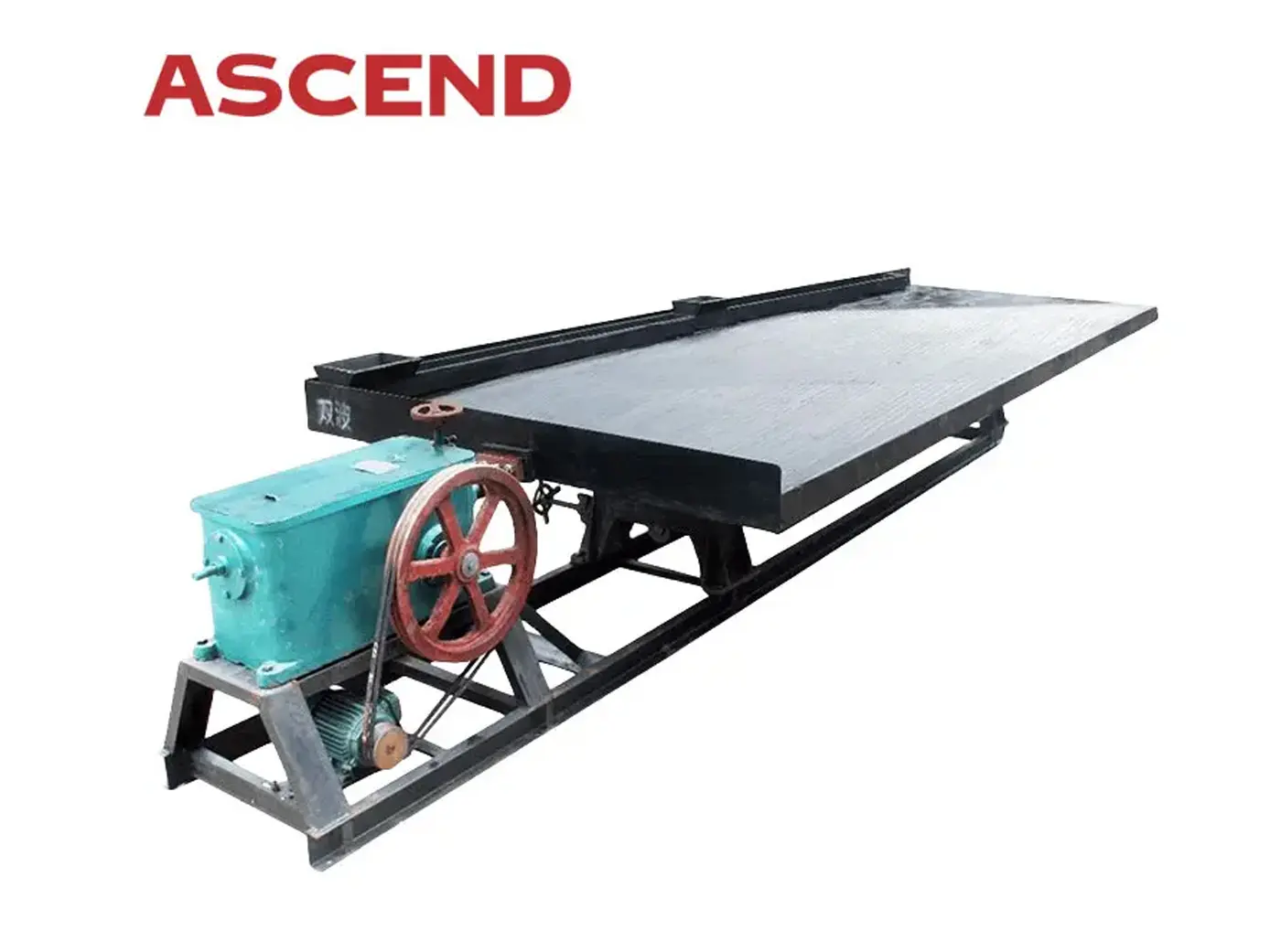
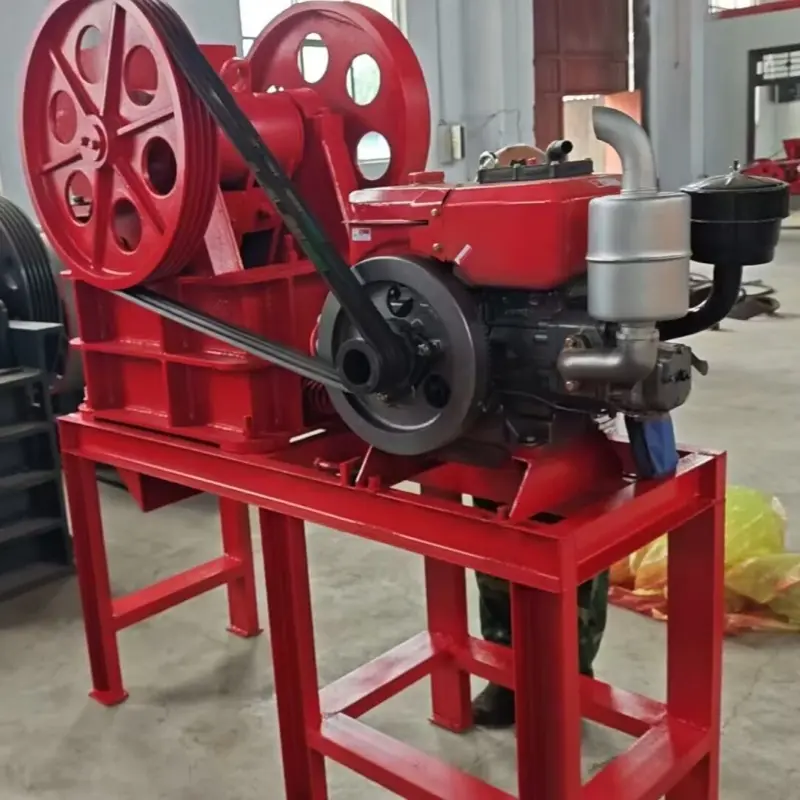
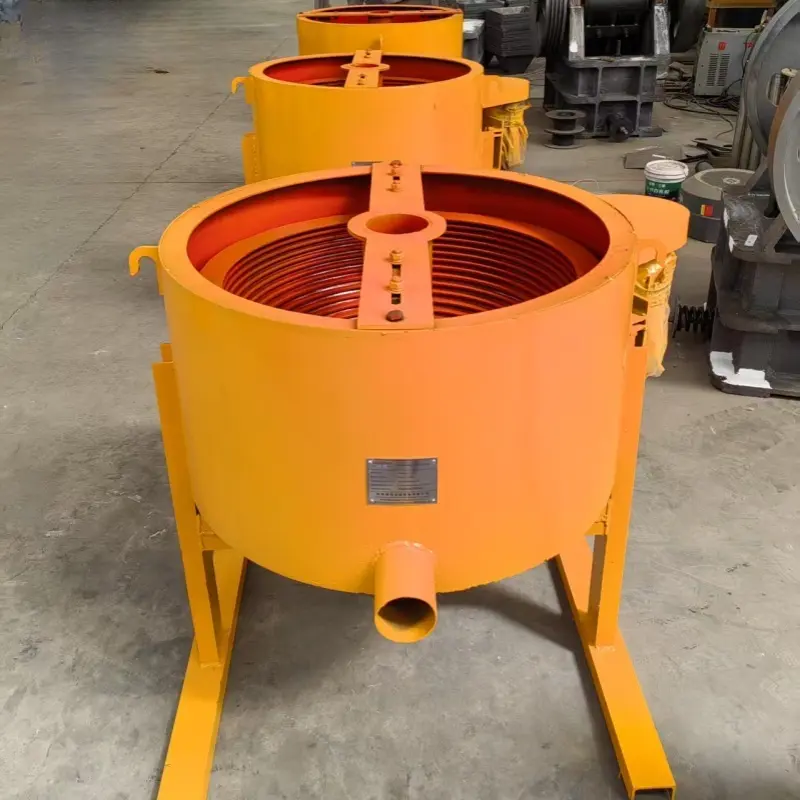
Engineered for extreme performance, these foundational mining technologies represent the peak of robust manufacturing, high throughput rates, and long service lifetimes in global mining operations.
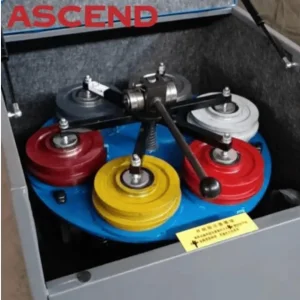
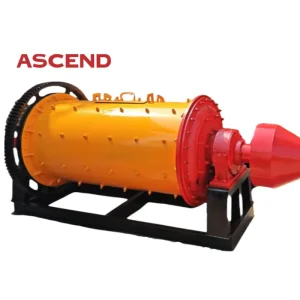
In modern mineral processing, chemical engineering, and construction material manufacturing, the comminution process—specifically fine grinding via industrial ball mills—remains a critical determinant of overall metallurgical recovery and plant efficiency. Comminution is inherently energy-intensive, accounting for up to 50% of a mine's total electricity consumption. Therefore, selecting the optimal grinding system is not merely a purchasing choice, but a critical financial and operational decision.
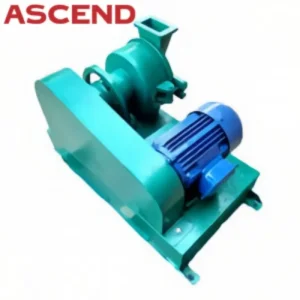
Ball mills function by rotating a hollow cylinder filled with grinding media (such as high-chrome steel balls or ceramic cylpebs). As the shell rotates, the grinding media are lifted by internal lifter bars before cascading down onto the feed material. The mechanism relies on a combination of impact forces (free-fall impact from the top of the charge) and attrition/abrasion forces (shearing action between rolling steel balls). Achieving the correct balance between these forces depends on variables like mill speed, pulp density, lifter design, and media fill level.
With global ore grades decreasing, miners must process higher volumes of harder rock to sustain production. This shift demands grinding systems that deliver consistent product sizing down to sub-75 micron levels, while keeping maintenance and liner wear to a minimum. Industrial ball mills are the industry standard for this task, providing reliable wet or dry grinding across gold, copper, iron ore, and quartz applications.
Operating a closed-circuit ball mill system with hydrocyclones or classifiers helps operations avoid over-grinding, which wastes energy and can cause recovery issues in downstream flotation or leaching. Conversely, under-grinding fails to sufficiently liberate target minerals, leading to valuable elements remaining locked in waste rock. Advanced system engineering focuses on optimizing these classification loops.
China has transitioned from a manufacturer of low-cost industrial goods to a global leader in high-performance heavy machinery. Chinese factories leverage integrated supply chains, automated casting processes, and advanced metallurgical research to produce world-class ball mills and crushers at competitive price points.
Henan Province, and specifically the high-tech zone of Zhengzhou, is a premier industrial hub for heavy mining equipment. Henan Ascend Machinery & Equipment Co., Ltd. exemplifies this regional expertise. By combining localized manufacturing clusters with strict quality controls, Ascend manufactures complete grinding and crushing solutions that balance capital efficiency with long-term reliability.
Chinese industrial manufacturing excels in advanced metallurgy, producing highly durable ball mill components. Key elements like girth gears, pinion shafts, and internal liners are cast and heat-treated to resist cracking and uneven wear. For example, high-manganese steel alloys and chromium-molybdenum compositions are optimized for high-impact applications. This metallurgical focus translates directly into reduced downtime and lower total cost of ownership (TCO) for global mining operators.
Additionally, Chinese manufacturing integrates modern control technologies directly into heavy industrial machinery. Modern ball mills from Chinese exporters are increasingly equipped with variable frequency drives (VFDs), automatic lubrication systems, and sensors that monitor bearing temperatures and shell vibrations in real time. These smart features help prevent catastrophic failures and extend the working life of critical components.
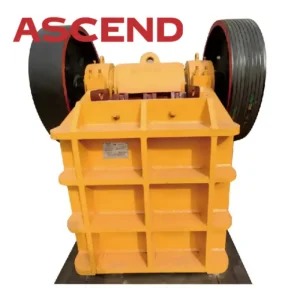
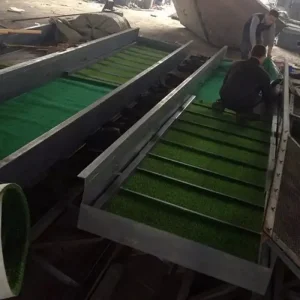
This integration of heavy engineering with digital monitoring enables Chinese manufacturers to supply complete, tailored solutions. Ascend's technical teams configure complete comminution circuits, sizing everything from primary jaw crushers and secondary impact crushers to fine-grinding ball mills and downstream magnetic separators or gravity concentrators. This integrated approach ensures consistent flow rates and optimal sizing throughout the processing line.
Our mills are built with specialized structural components designed to handle high tonnage and abrasive materials in demanding industrial settings.
Features heavy-duty gearboxes and girth gear assemblies designed to withstand high starting torques and varying load conditions, ensuring reliable operation over extended production runs.
Internally lined with high-manganese steel or rubber to protect the steel shell, lift the grinding media, and optimize energy transfer for efficient rock breakage.
Utilizes self-aligning spherical roller bearings or hydrostatic slide shoe bearings to reduce friction loss, lower power requirements, and simplify maintenance.
Ascend has developed steadily since its establishment. Its business covers more than 130 countries and regions around the world, especially in Africa and Southeast Asia. Also, Ascend machine quality and after-sales service have won widespread praise from international customers.
Our engineering department works closely with mining operators to design and deliver complete, customized processing plants. We tailor every stage of the circuit—from crushing and grinding to classification and concentration—to match the specific characteristics of your ore body. This custom engineering ensures optimal sizing, maximizes recovery rates, and reduces overall operating costs.
Request Engineered Solution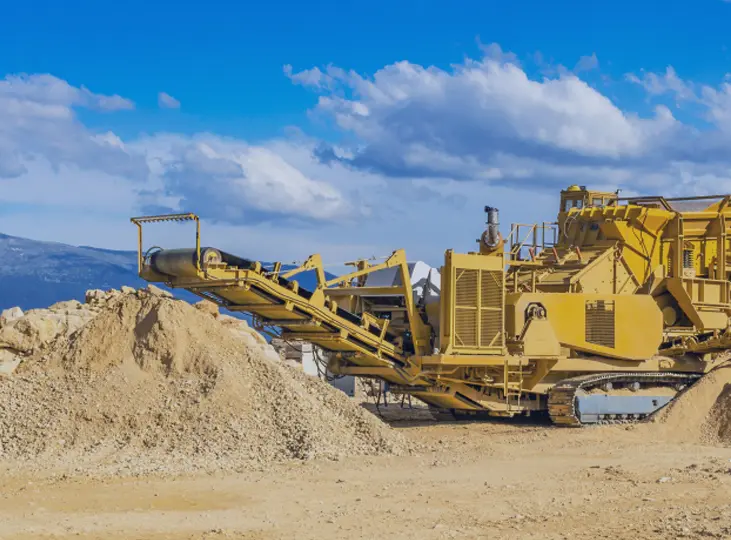
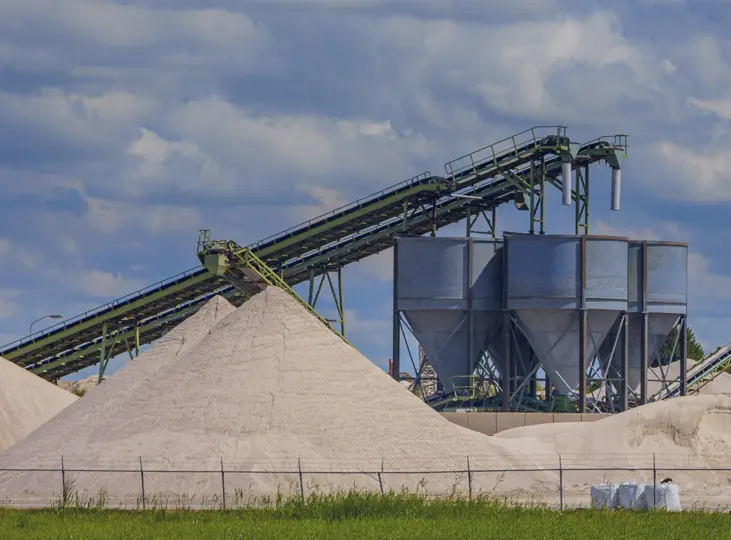
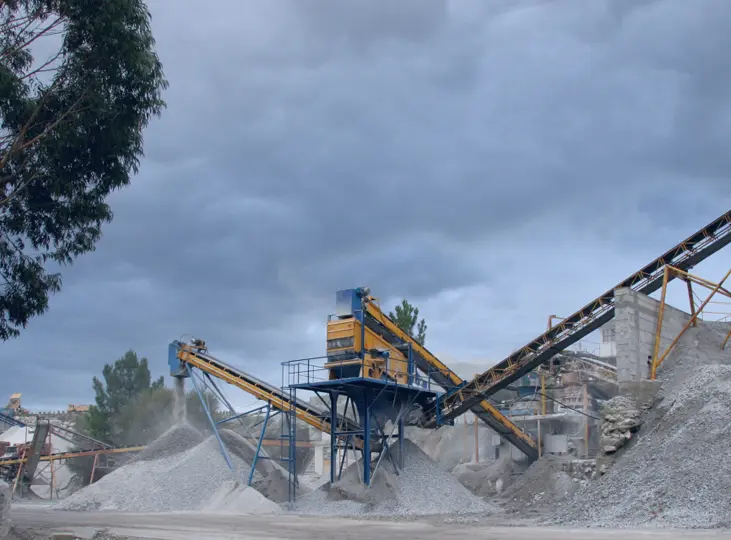
Explore our primary equipment categories, engineered for applications ranging from coarse primary crushing to fine product sizing.
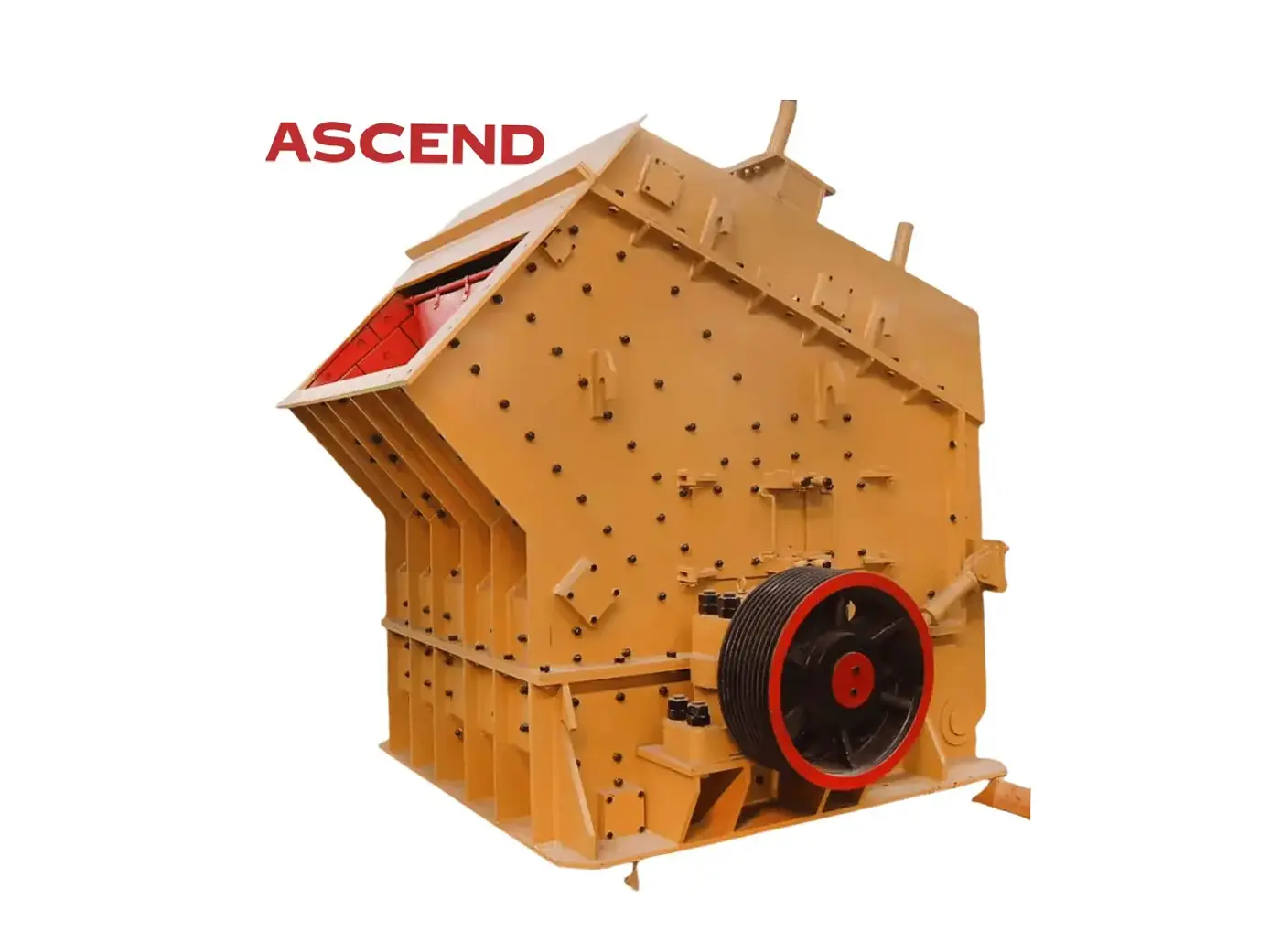
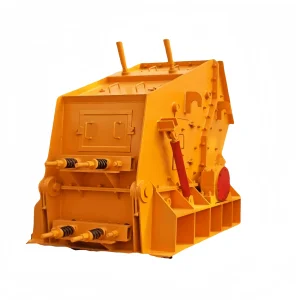
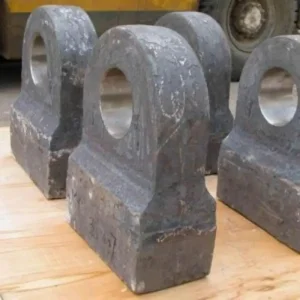
Impact crusher is a kind of secondary crushing equipment which uses impact power to crush materials. Impact crusher is characterized by easy maintenance, high reduction ratios and high efficiency to produce precisely cubic shape products. It is designed with three crushing chambers, seamlessly connected rotor, wear-resistant blow bar and installation of insert type. Moreover, it has tooth type liner, gradient designed bearing seat, frame with several openings and screws or hydraulic start-up devices. Impact crushers can be used in all different stages of size reduction from primary crushing to the last step of the crushing process.
read moreIndustrial ball mills and crushers are deployed in diverse operational environments around the world, each presenting unique geological, climate, and infrastructural challenges. To deliver reliable performance under these varied conditions, the equipment must be designed for flexibility and ease of maintenance.
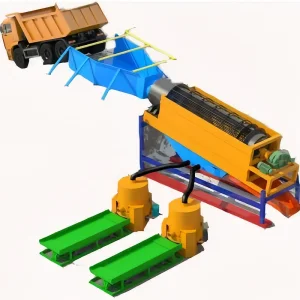
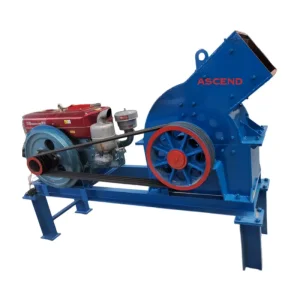
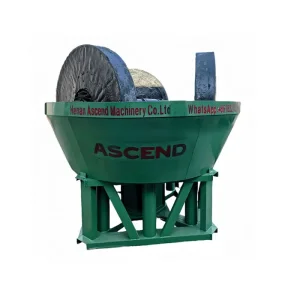
Gold Ore Processing in Sub-Saharan Africa: Many small to medium-scale operations in regions like Zimbabwe, Tanzania, and Sudan require robust, simple equipment capable of performing reliably far from major logistics hubs. For these sites, diesel-driven hammer crushers and wet pan mills are highly effective, providing solid grinding performance without requiring a grid connection. In larger rock gold operations, heavy-duty ball mills process primary crusher output to prepare it for gravity concentration tables or cyanidation.
Silica Sand & Industrial Mineral Grinding in Southeast Asia: Quartz and silica sand processing require high-purity outputs. In these installations, ball mills with high-alumina ceramic or silica lining blocks, paired with ceramic grinding media, are used to prevent iron contamination. This ensures the crushed silica meet the strict purity standards required for flat glass, solar glass, and electronics manufacturing.
Base Metal Beneficiation in Latin America: Copper, lead, and zinc plants process massive tonnages of abrasive sulfides. In these operations, large, continuous-feed overflow ball mills run in closed circuits with hydrocyclones. Key requirements for these plants include long-lasting, impact-resistant manganese alloy liners and automated lubrication systems to minimize downtime during continuous, round-the-clock runs.
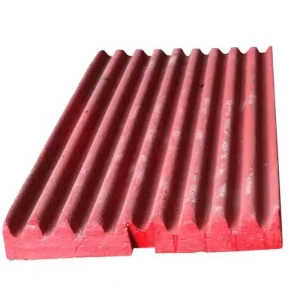
Understanding these distinct application scenarios allows Henan Ascend to tailor its equipment for specific local conditions. Whether configure a system with high-impact steel alloy liners for hard granite crushing, or implementing custom discharge grates for wet grinding, our machinery is engineered to deliver reliable results in the field.
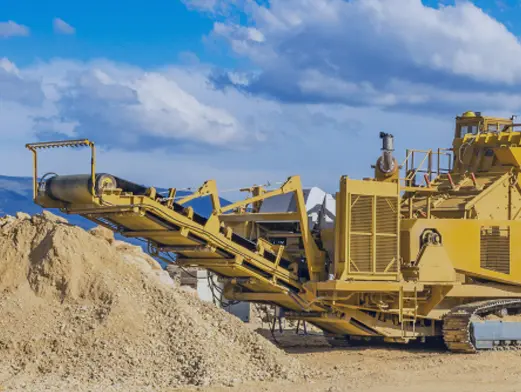
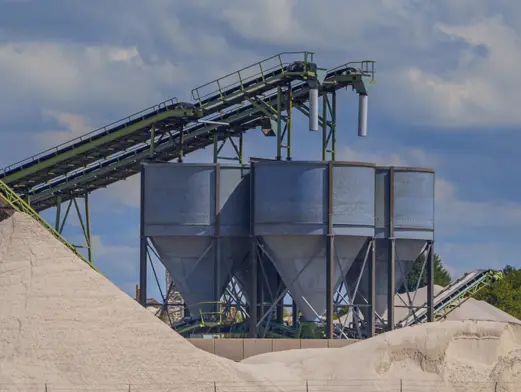
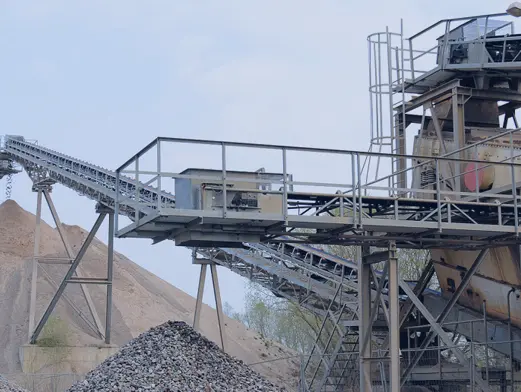
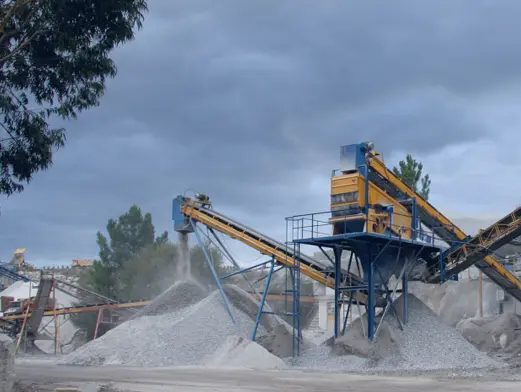
See our equipment in action at processing facilities worldwide, showing real-world reliability in challenging conditions.
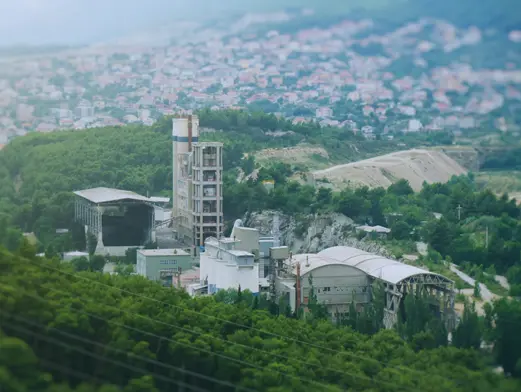
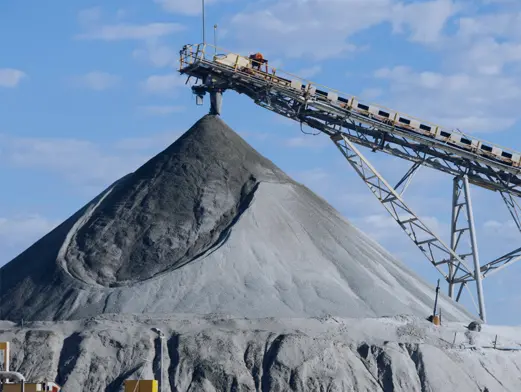
Procuring large industrial machinery like ball mills requires a structured approach that goes beyond comparing initial purchase prices. To make an informed investment, buyers must evaluate the Total Cost of Ownership (TCO), which includes shipping costs, installation requirements, energy consumption, and long-term maintenance needs.
Evaluating Factory Capabilities: Before choosing an exporter, inspect their manufacturing facility and quality control systems. A qualified supplier should have ISO 9001 certification and use modern testing techniques like ultrasonic thickness testing for cast components and dynamic balancing for mill shells. These checks ensure the equipment is free from structural defects that could lead to premature failure under load.
Assessing wear-part supply lines: The ongoing operating cost of a ball mill is heavily influenced by the lifespan of its wear parts, such as liners and grinding media. When sourcing equipment, verify that the supplier uses standard, easily sourced sizes for these components, or offers long-term supply agreements for custom wear parts. A reliable exporter should maintain an inventory of key spares—like pinions, liners, and discharge grates—to minimize downtime during replacement cycles.
Shipping & Logistics Logistics: Shipping heavy machinery requires specialized logistics, including custom heavy-duty packaging, secure container stuffing, and coordination of inland transport for heavy loads. Exporters should have experience managing these logistics, providing clear documentation, rust-preventative coatings for ocean transit, and technical support to ensure safe arrival and unloading at the job site.
Post-Installation Support: The relationship with the manufacturer should continue after the equipment is delivered. A complete procurement plan must include provisions for installation guidance, commissioning support, and training for local operating teams. Reliable exporters provide technical documentation, detailed electrical schematics, and remote or on-site engineering support to help streamline the commissioning process and ensure safe, efficient operation.
Modern mineral processing demands higher precision, better energy efficiency, and reduced downtime. Integrating smart sensing technologies into ball mills and crushers helps operations optimize throughput and prevent unexpected breakdowns.
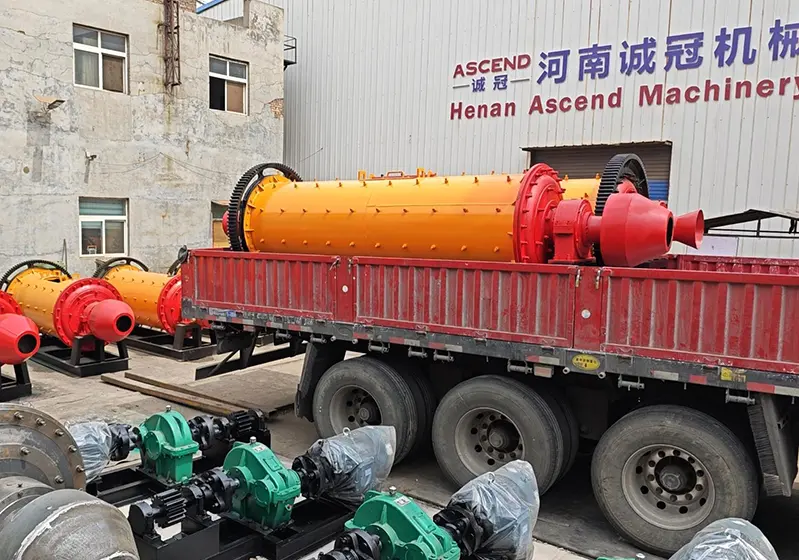
Henan Ascend Machinery & Equipment Co.,Ltd. was established in 2005 and it is located in the high-tech zone of Zhengzhou City, Henan Province.
Ascend is mainly engaged in the research and development, manufacturing , sales and after-sales service of complete sets of crushing, grinding, screening, feeding and conveying heavy mining machinery. If you need to crush limestone, granite, gravel or other stone, or grinding them into powder, or extract gold, please feel free to contact us. Just tell us your needs and our engineers can provide you with professional advice. And we have our own factory, the quality of the machine is guaranteed, the price is more advantageous. We believe that we will be your good choice.
Learn MoreKeep up with our latest product shipments, project completions, and industrial news from around the world.
Answers to common technical and operational questions regarding grinding systems, selection criteria, and maintenance practices.
Selecting the right ball mill size depends on several key variables: the hardness of the feed material (measured by the Bond Work Index or Bond Impact Work Index), the size of the incoming feed, the target product size, and the required hourly throughput (tonnage per hour). Engineers use these values to calculate the required energy input per ton, allowing them to size the mill diameter, length, and motor horsepower.
Wet ball milling is typically chosen for mineral processing operations, such as gold or copper recovery, because downstream separation steps (like flotation, gravity tables, or leaching) require a wet slurry. Wet grinding is generally more energy-efficient and avoids dust issues. Dry grinding, on the other hand, is suited for materials that react negatively with water, or for products that must be sold in a dry powder form, such as cement, limestone filler, and certain chemicals.
The lifespan of internal liners varies from 6 months to over 2 years, depending on the abrasiveness of the feed material, the size of the grinding media, and the mill's operating hours. You can extend liner life by maintaining the correct ratio of feed material to grinding media to prevent balls from impacting the liners directly. Using specialized rubber liners in fine-grinding applications also helps absorb impact forces and reduce wear.
A closed-circuit system uses classification equipment, like hydrocyclones or screens, to separate finished product from oversize material. Oversize rock is returned to the mill for further grinding, while finished sizes are discharged immediately. This prevents over-grinding, which wastes energy, reduces mill capacity, and can create excess fines that hurt downstream flotation or leaching recoveries.
Operators should perform daily checks on bearing temperatures, lubrication oil levels and pressures, motor draw, and the condition of the drive gears. They should also monitor the feed rate and slurry density (in wet mills) to ensure the grinding charge remains properly balanced. Consistently tracking these metrics helps identify operational shifts and prevent issues before they lead to unplanned downtime.
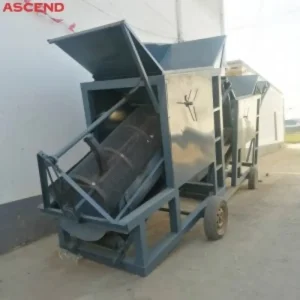
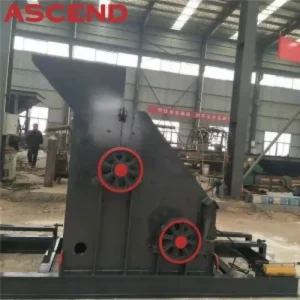
Complete heavy machinery options for processing systems, designed to ensure efficient rock reduction and high classification accuracy.
 Ascend