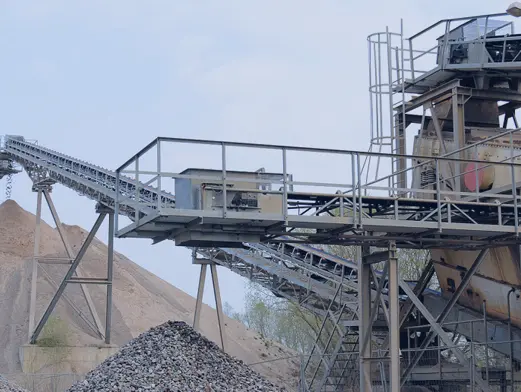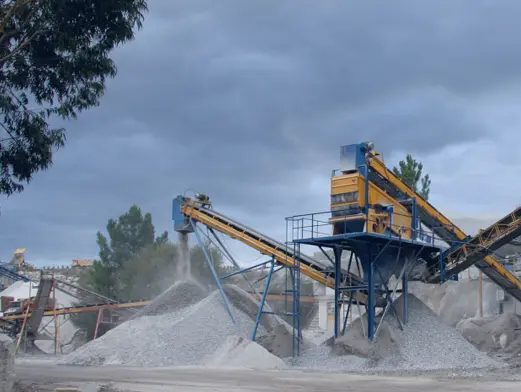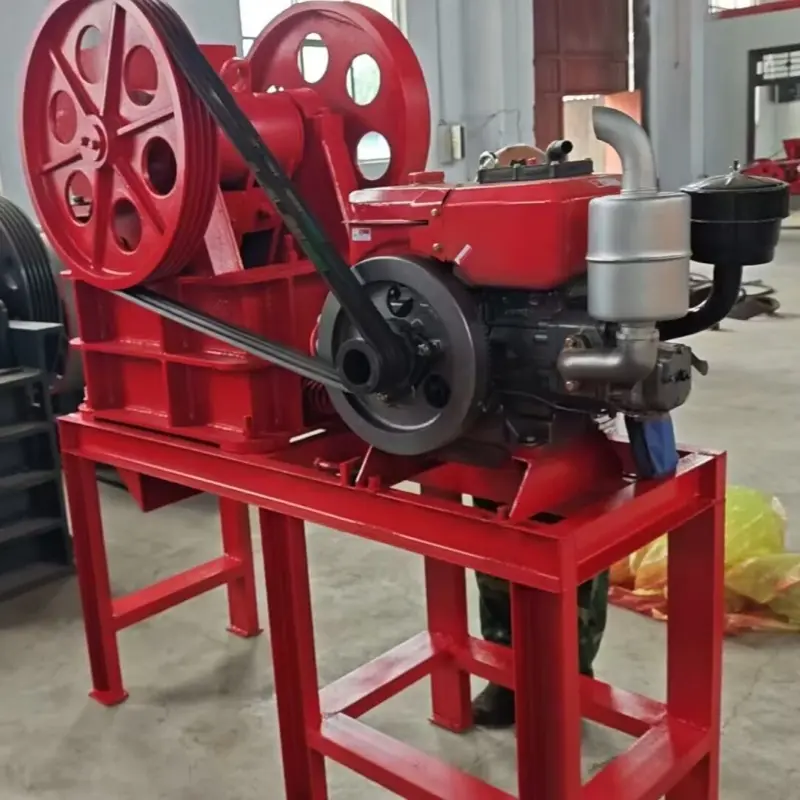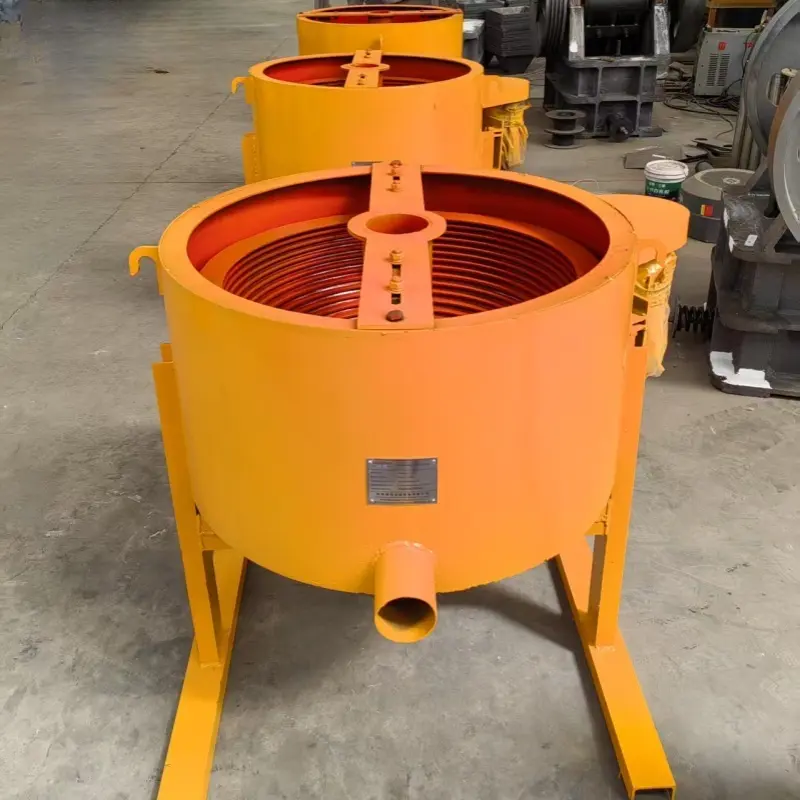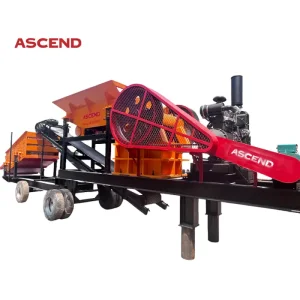
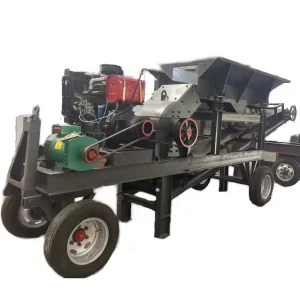
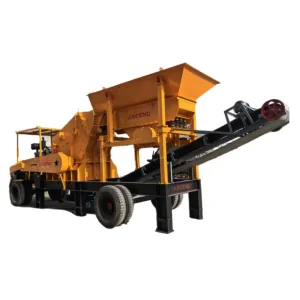
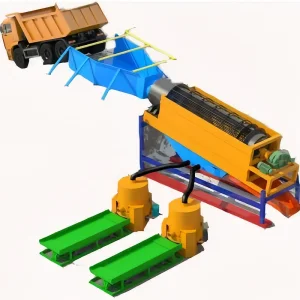
Austria’s crushing and mining market operates under some of the most rigorous geological and environmental parameters in Central Europe. Characterized by the complex topography of the Eastern Alps, Styria's carbonate rock zones, and the Bohemian Massif's ancient crystalline basement, quarry operators require highly specific equipment parameters. The crushing of hard stone like granite, basalt, and abrasive gneiss requires primary jaw crushers designed with superior wear alloy liners, while the limestone quarry sectors demand high-efficiency impact or hammer crushers capable of generating cubic aggregate shapes (ideal for Austrian road building standards under the local ÖNORM framework).
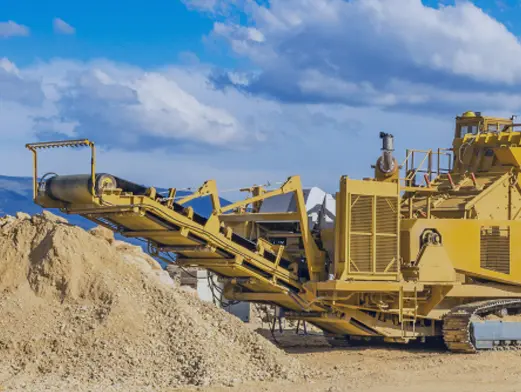
Simultaneously, Austria's ambitious commitment to the European Union's Circular Economy goals has led to a massive expansion of Construction & Demolition Waste (C&DW) processing. According to Austrian Federal Waste Management Plans, recycled aggregate consumption has scaled rapidly. For operations in urban areas like Vienna, Graz, or Linz, static aggregate plants are no longer viable options due to high setup costs, land footprints, and strict environmental zoning laws. Mobile and track-mounted plants offer the precise flexibility required to process concrete and asphalt directly on-site, reducing heavy truck haulage and significantly cutting transport carbon emissions.
Our mobile crushers feature highly engineered CSS (Closed Side Setting) adjustments to withstand compressive strengths up to 320 MPa, optimal for Austrian granite, quartz rock, and dolomitic limestone.
Austria's environmental legislation mandates low-emission diesel power units. Our diesel engine units feature clean combustion options to meet local machinery regulation certificates.
On a global level, the heavy machinery market is shifting rapidly from massive, energy-intensive stationary layouts to modular, crawler-mounted portable setups. Logistics cost optimization is driving this change. Instead of moving millions of tons of raw feed materials to centralized static processing hubs, operators are bringing the mobile processing plant directly to the blasting or extraction face. This paradigm shift saves up to 40% of the operational material transport budget and reduces the carbon footprint, facilitating easier approvals from local authorities.
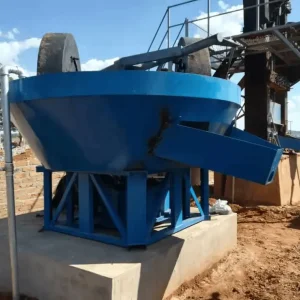
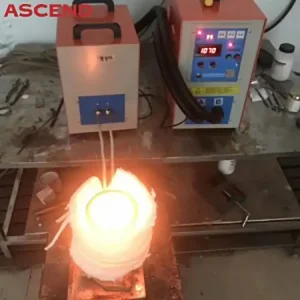
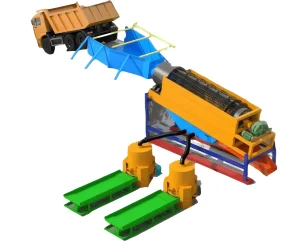
Henan Ascend Machinery's high-efficiency heavy manufacturing base leverages China's industrial cluster advantages. By integrating a highly vertical supply chain, advanced digital design and casting, and rigorous QA testing protocols, we are able to provide European customers with exceptionally reliable, cost-effective equipment options. The savings achieved through scale do not come at the expense of quality. All structural components of our mobile plants undergo Finite Element Analysis (FEA) testing to simulate high-stress conditions on raw granite and basalt.
Furthermore, the core wear-resistant parts of our mobile plants are formulated from advanced metallurgical alloys, utilizing high-chromium cast iron and premium manganese steel (Mn13Cr2, Mn18Cr2, or Mn22Cr2 based on rock hardness). This results in wear parts that last 25-40% longer compared to standard carbon steel alternatives, reducing maintenance shutdowns and yielding a far lower Total Cost of Ownership (TCO) for Austrian contractors operating in remote regions like Tyrol or Carinthia.
Our customized mobile configurations are actively engineered to match specific regional scenarios in Austria:
As the mining and processing industries face increasing pressure to lower carbon emissions, key technology trends have emerged. High among these is Electrification. Track-mounted mobile plants featuring dual-power drives (diesel-electric) allow operators in Austria to run directly from local grid connections where available, lowering energy costs by up to 60% compared to pure diesel drives. Additionally, the development of intelligent machine learning sensors allows for automated feed rate stabilization, preventing blockage events in the crushing chamber and maximizing hourly yield output.
Before purchasing a mobile plant for an Austrian operation, procurement managers should map their target specifications against key regional regulations:
Importing heavy machinery from Henan Ascend to Austria is simplified by our comprehensive support ecosystem. We handle structural compliance certification, provide full shipping insurance through key European corridors, and arrange local commissioning with our partner engineers in the EU.
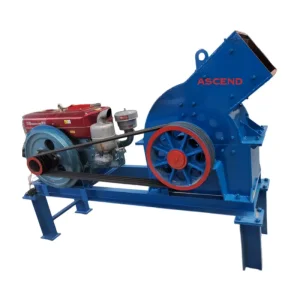
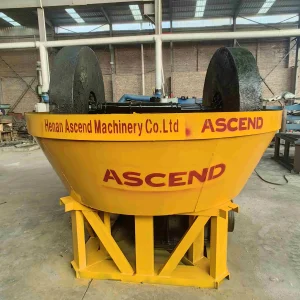
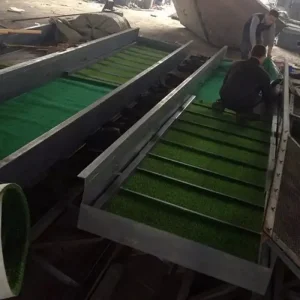
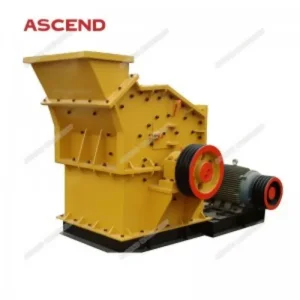
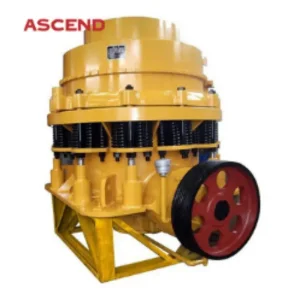
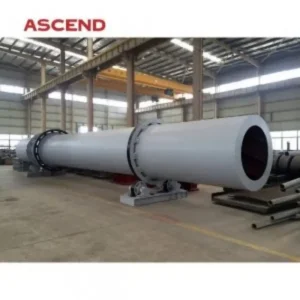
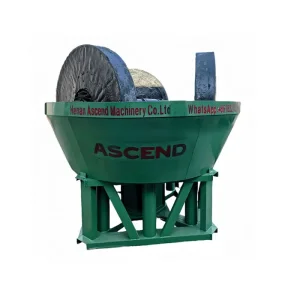
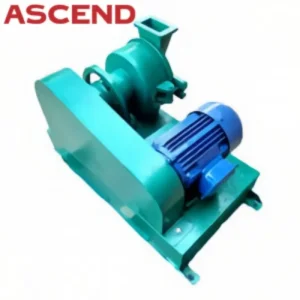
Established in 2005 and headquartered in the High-Tech Industrial Zone of Zhengzhou City, Henan Province, Ascend has grown into a leading international manufacturer of industrial crushing, grinding, screening, feeding, and conveying heavy mining equipment. Covering more than 130 countries and regions globally, our engineering team focuses heavily on matching regional application criteria with our mechanical setups.
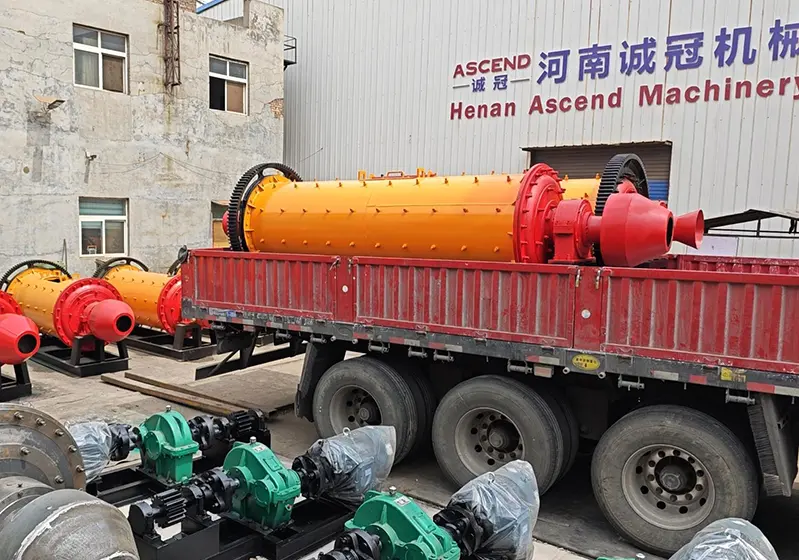
With our own fully integrated metallurgy casting foundry and structural assembly shops, we guarantee the mechanical performance and alloy durability of all export equipment. Whether you need to process alpine granite, build recycling systems for demolition concrete in Austria, or implement fine gold ore recovery systems, our experienced engineering division will provide layout plans, material tests, and customized equipment specifications to ensure optimal ROI.
Yes, our plants can be customized with noise attenuation enclosures and localized dust suppression spray bars that utilize pressurized water mist. For diesel power units, we provide European emissions-compliant configurations to satisfy local environmental laws.
For reinforced concrete containing rebar, a mobile impact crusher is highly recommended because it is designed with a wider crushing cavity and can be fitted with an over-belt magnetic separator to extract clean scrap metal. For extremely hard natural stone structures like granite, a jaw crusher is the ideal primary reduction selection.
Standard manufacturing times range between 15 to 30 days depending on customization requirements. Transport to Central Europe is typically handled via the China-Europe Railway Express (direct rail container delivery to dry ports in Vienna or Graz) or sea freight via Rotterdam or Hamburg.
We support commissioning remotely via real-time video diagnostic programs or can coordinate with EU-based engineering partners for direct setup support. We also keep a robust stock of spare parts (jaw plates, blow bars, screen meshes) ready for rapid dispatch to reduce downtime.
 Ascend