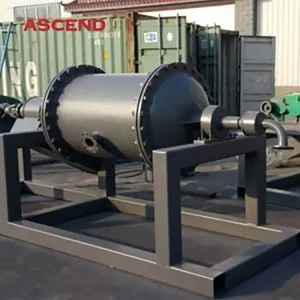
Wet gold ball milling is the foundational stage of modern mineral liberation. Unlike dry milling, which suffers from severe electrostatic agglomeration and dust safety hazards, wet grinding utilizes a liquid medium (typically water) to create a high-density slurry. In this hydro-dynamical system, energy is transferred to the ore particles through a combination of compressive, impact, and shear forces generated by cascading and cataracting grinding media.
The core objective of the wet gold ball mill is the liberation of microscopic gold particles encapsulated within quartz, pyrite, or chalcopyrite matrices. Achieving the optimal target P80 size (the aperture through which 80% of the product passes) is critical. Under-grinding results in incomplete liberation, leaving valuable gold locked inside gangue minerals and causing high tailing losses. Over-grinding, on the other hand, wastes mechanical energy, accelerates media wear, and produces ultra-fine slimes that hinder downstream gravity concentration and flotation processes.
Understanding the thermodynamics and physical limits of both options is essential when designing a milling system. The table below outlines why wet ball mills are preferred in industrial gold extraction.
| Evaluation Parameter | Wet Gold Ball Milling System | Dry Grinding System |
|---|---|---|
| Energy Utilization Efficiency | Up to 30% higher due to reduced particle cushioning effects. | Lower; energy is lost to air resistance and dry cake compaction. |
| Slurry/Material Transport | Continuous liquid discharge via grate or overflow; highly automated. | Requires high-energy pneumatic systems or mechanical screw discharge. |
| Media Consumption Rate | Higher corrosive wear, but offset by optimized chemical dosing. | Mainly abrasive wear, but suffers from low throughput rates. |
| Environmental Safety | Zero fugitive dust emissions; excellent working environment. | High risk of respirable dust; requires extensive baghouses. |
| Downstream Compatibility | Direct feed to shaking tables, centrifuges, and flotation circuits. | Requires re-wetting plants, introducing hydraulic imbalances. |
Ascend has developed steadily since its establishment. Our operations span over 130 countries and regions globally, particularly in Africa and Southeast Asia. Our machine quality and reliable after-sales support have earned widespread praise from international operators.
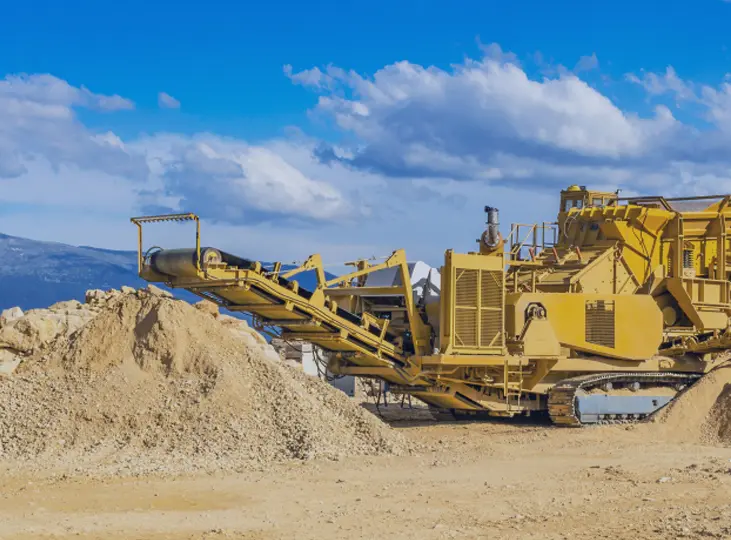
Custom-engineered processing lines designed specifically for complex quartz vein and alluvial deposits, optimizing recoveries for small-to-large operations.
Request Tech Specs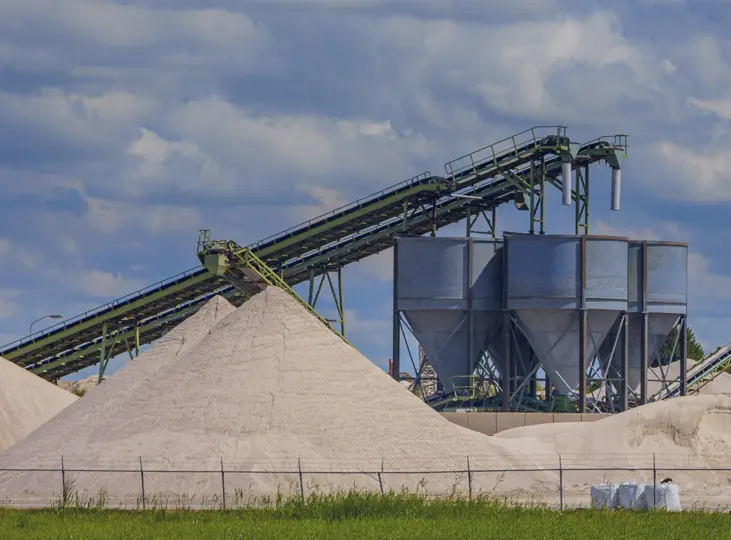
From initial primary jaw crushing to fine grinding and gravity separation, delivering complete turn-key solutions built for harsh environments.
Request Tech Specs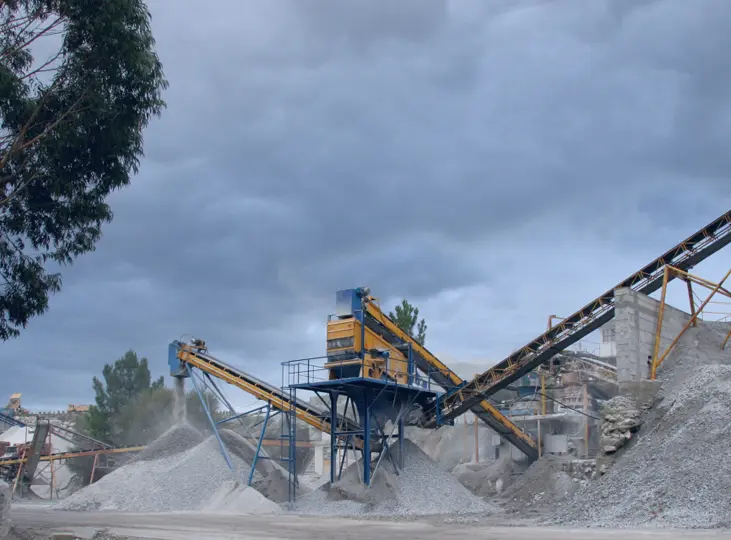
Integrating modern wet ball mills and hydrocyclones into existing mill setups to boost output quality and cut recovery tailing losses.
Request Tech Specs
Henan Ascend Machinery & Equipment Co., Ltd. was established in 2005 and is located in the High-tech Industrial Zone of Zhengzhou City, Henan Province, China. Ascend focuses on the research, development, manufacturing, sales, and support of heavy-duty mineral processing machinery, including complete sets of crushing, grinding, screening, feeding, and conveying equipment.
Whether you require high-capacity limestone and granite crushing plants, industrial grinding mills, or specialized gold gravity recovery setups, our engineers can design a custom plant configuration. As direct factory operators, we deliver certified product quality alongside competitive factory pricing.
Read More About Our FactoryDifferent geological formations require distinct grinding strategies. We engineer our wet gold ball mills to match local field conditions and power grid access.
Sudan, Tanzania, Zambia
Designed for remote operations, these mills use heavy-duty diesel engines to handle fluctuations in local electrical grids. Grinding chambers are built to process abrasive quartz-gold deposits, while structural frames are engineered for easy transport over challenging roads.
Papua New Guinea, Indonesia
Engineered for high humidity and tropical climates. Anti-corrosive seals protect the bearings, and the feeding inlets are designed to prevent sticky, clay-rich alluvial materials from clogging. These mills integrate directly with gravity separation shaking tables.
Andean Mining Regions
Custom-built motor configurations account for high-altitude air density losses to maintain torque. Internal lifter bars are designed to optimize cascading action for high-grade vein ores, and the discharge systems are configured to minimize fresh water consumption.
The mineral processing industry is shifting toward automated, energy-efficient operations. Henan Ascend's engineering team is leading this transition by integrating smart monitoring technologies into our wholesale wet gold ball mills.
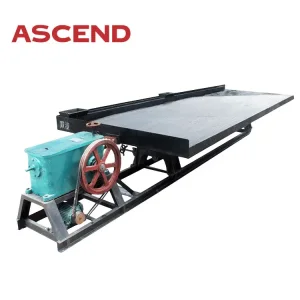
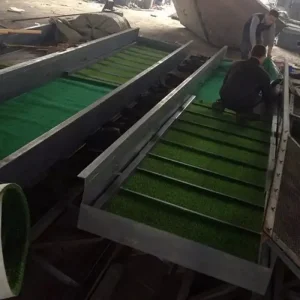
Modern gold processing focuses heavily on environmental safety. In line with the Minamata Convention on Mercury, our technical systems combine wet ball mills directly with high-performance shaking tables and centrifugal concentrators. This setup eliminates the need for mercury-based amalgamation while maintaining gold recovery rates of up to 98% for free milling ores.
We source heavy-duty manganese steel and high-chromium iron alloys directly from local mills. This reliable raw material access keeps production moving smoothly and prevents project delays.
By operating our own casting and machining facilities, we eliminate third-party markup. Customers receive high-quality equipment at factory-direct pricing.
We work with international logistics providers out of major Chinese ports to guarantee reliable delivery, complete with export compliance paperwork and sea-freight tracking.
Every wet gold ball mill undergoes rigorous testing before shipment. We verify motor insulation, carry out non-destructive testing (NDT) on structural welds, run dynamic balance testing on the main drive shaft, and test bearing heat levels under dry-run conditions. All machinery meets international CE and ISO9001:2015 safety guidelines.
Proper installation and routine maintenance are key to maximizing the operating life of your milling equipment. Use this guide to ensure correct setup and performance.
Pour a reinforced concrete foundation on stable ground. Ensure it is isolated from building structural footings to prevent vibration transfer.
Align the pinion gear and the main girth gear carefully. Verify that gear clearance and tooth contact patterns meet technical standards.
Charge the mill with a graded mix of steel balls (e.g., 50% 80mm, 30% 60mm, 20% 40mm) to optimize grinding performance across different particle sizes.
Use high-temperature extreme pressure lubricants. Regularly inspect bearing temperature sensors to prevent damage from overheating.
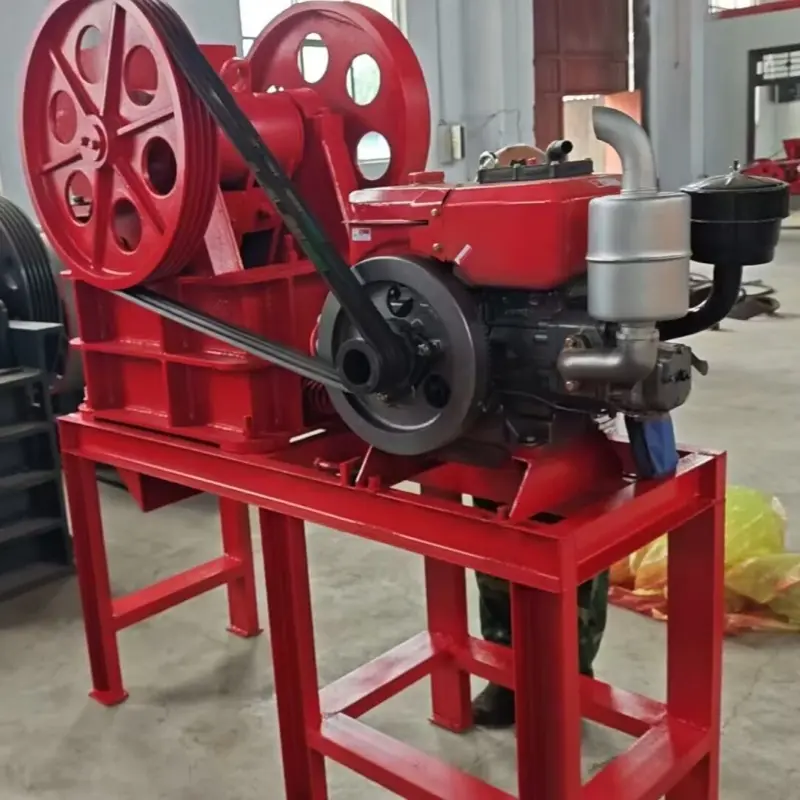
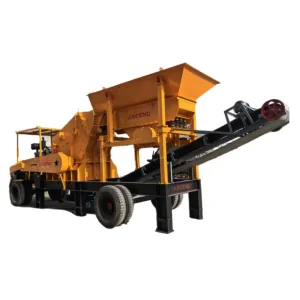
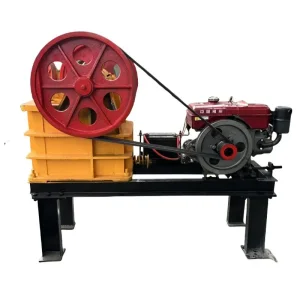
Customized diesel jaw crushers shipped out to support PNG alluvial gold projects with mobile crushing capabilities.
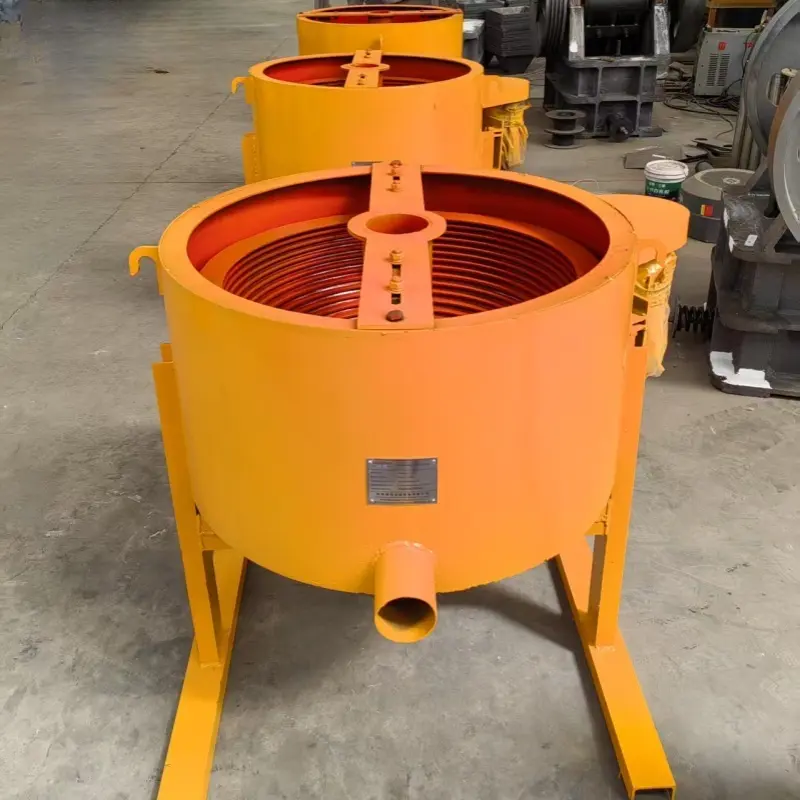
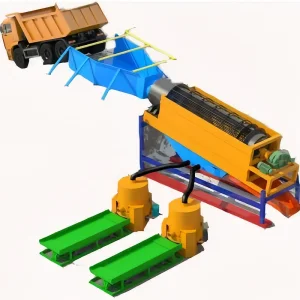
Delivering gravity separation systems to Zambian mining operators to boost concentrate recovery rates.
 Ascend