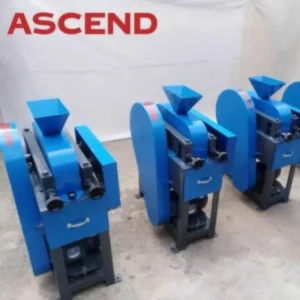
Explore our top-tier engineering machinery supplied directly from our ISO-certified factories to global industrial projects.
Within the mineral processing and industrial powder manufacturing sectors, the 4R Raymond Grinding Mill remains a foundational pillar for processing non-flammable and non-explosive materials. This versatile system handles minerals with Mohs hardness below 9.3 and moisture content under 6%, including limestone, barite, calcite, potassium feldspar, talc, marble, gypsum, and active carbon. The "4R" designation represents a machine equipped with four grinding rollers suspended within the main frame, striking an optimal balance between power consumption, throughput capability, and particle-size distribution.
As global infrastructure expands across emerging economies in Southeast Asia, Africa, and Latin America, the demand for high-grade calcium carbonate, gypsum boards, and pulverized coal has surged. Industrial manufacturers require grinding machinery that guarantees stable long-term performance, high energy efficiency, and simple maintenance protocols. Direct-from-factory partnerships are increasingly preferred by global enterprise buyers to secure custom configurations and reliable technical support.
"Global sourcing strategies for heavy machinery require a shift away from third-party broker models. Partnering directly with certified manufacturers ensures structural reliability, custom-tailored chamber aerodynamics, and access to wear-resistant alloy spare parts."
Procuring a 4R Raymond Mill involves evaluating total cost of ownership (TCO) rather than just initial purchase price. Large-scale infrastructure projects require plants that run continuously with minimal unplanned downtime. Key regional demands shape the sourcing behaviors of modern buyers:
Direct export models from factories like Henan Ascend provide buyers with verified material testing reports, localized commission services, and custom grinding ring configurations (manganese alloy vs. chrome steel) tailored to the target mineral's Mohs hardness.
The 4R Raymond Grinding Mill operates on a centrifugal pendulum principle. The main shaft is driven by an electric motor via a speed reducer, rotating the spider arm assembly. The four grinding roller assemblies, suspended from the spider arm, swing outward under centrifugal force to press tightly against the inner face of the stationary grinding ring.
Raw material is fed into the grinding chamber, where the rotation of the shovel blade lifts the minerals into the space between the rollers and the ring. Crushing and grinding occur as the rollers roll over the material. The fan sweeps air through the chamber, carrying the pulverized particles upward into the classifier. Large particles fail to pass the classifier blades and fall back for regrinding, while fine particles are drawn into the cyclone collector for collection as finished product.
| Technical Metric | 4R3216 Raymond Mill | 4R3016 Raymond Mill | Comparison / Output Notes |
|---|---|---|---|
| Roller Count & Size | 4 Rollers (Φ320 x 160mm) | 4 Rollers (Φ300 x 160mm) | Larger rollers increase grinding surface contact. |
| Max Feed Size | ≤ 25 mm | ≤ 20 mm | Requires primary crushing prior to mill entry. |
| Output Fineness Range | 0.044 - 0.125 mm (80-325 mesh) | 0.044 - 0.125 mm (80-325 mesh) | Adjustable via dynamic classifier speed. |
| Production Capacity | 1.8 - 5.6 T/H | 1.2 - 4.8 T/H | Varies based on Mohs hardness and fineness target. |
| Main Unit Power | 37 kW | 30 kW | High energy efficiency index per ton of output. |
Ascend delivers engineered systems to over 130 countries, optimizing gold extraction, limestone milling, and sand production plants.
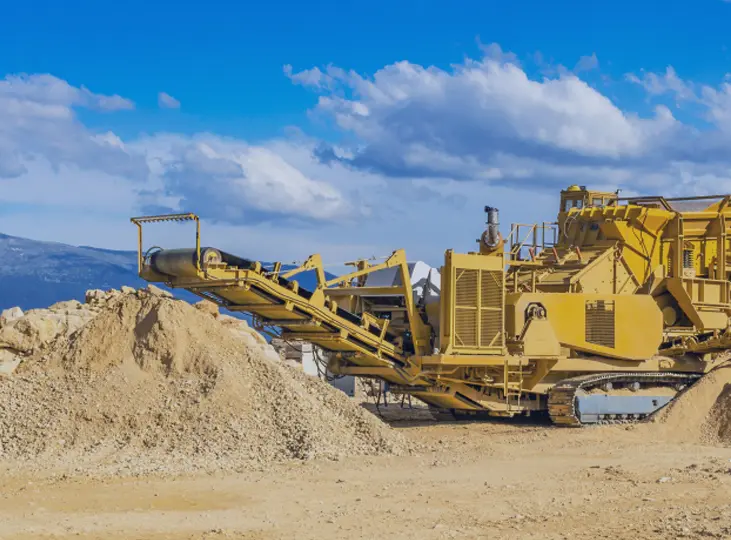
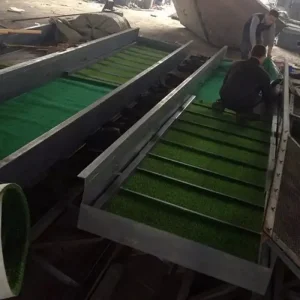
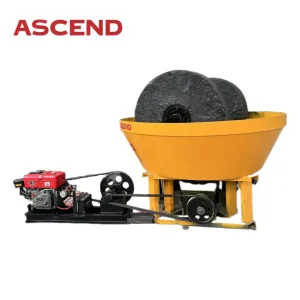
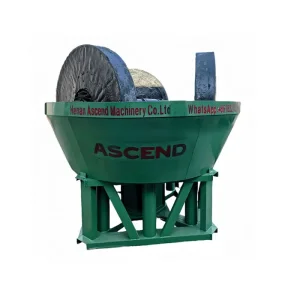
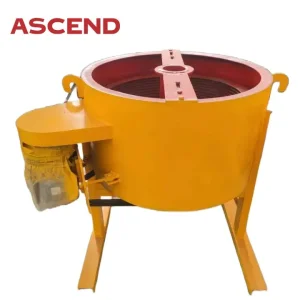
Complete gold gravity concentration circuits featuring wet pan mills, centrifugal concentrators, and shaking tables designed to optimize mineral recovery.
Explore Project Specifications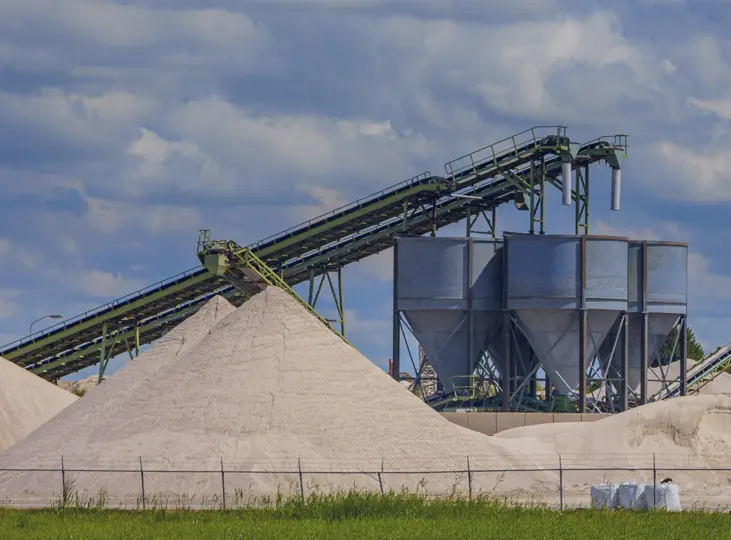
Crushing and screening circuits designed for abrasive rocks like granite and basalt, featuring jaw crushers and screens to prepare feed for fine grinding.
View Technical Flowcharts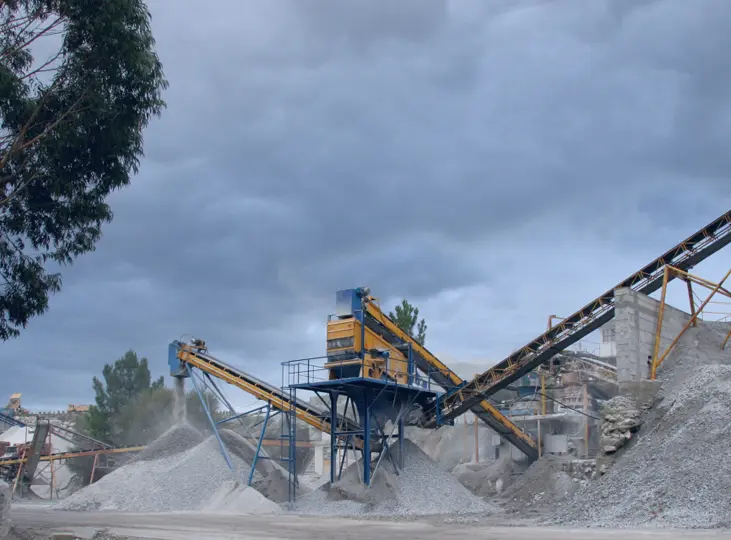
Turnkey industrial setups utilizing 4R Raymond Mills to process gypsum and talc for building materials and chemical fillers.
Check Layout Blueprint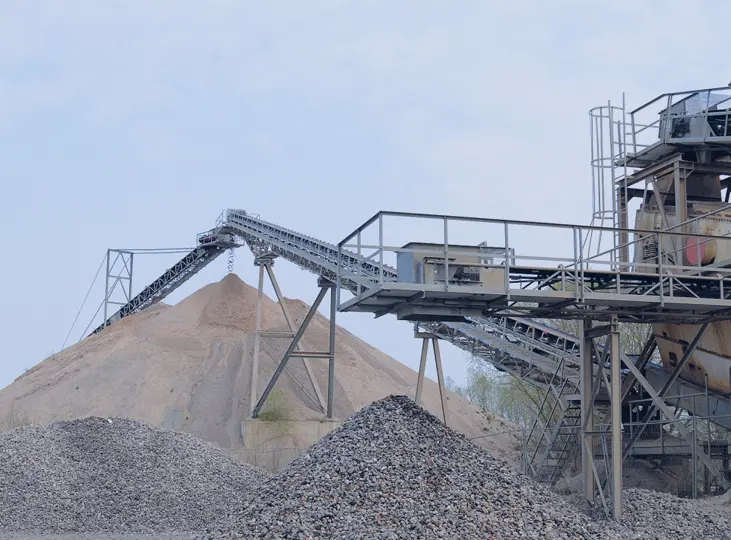
Direct field services, site leveling reviews, assembly configuration, electrical alignment, and staff training provided globally by Henan Ascend's technical engineering teams.
Book Technical ConsultantModern industrial milling setups require continuous technological development. The 4R Raymond Mill design has evolved to incorporate advanced control features and wear-resistant materials:
Integrated sensors monitor the mill's current draw, temperature, and feeding rate, adjusting electromagnetic vibratory feeders automatically to avoid overloads.
Traditional static classifiers are replaced with variable frequency drive (VFD) dynamic cage rotors, allowing real-time fineness adjustments between 80 and 400 mesh.
Equipped with offline pulse jet cleaning mechanisms, these collectors achieve a 99.9% dust collection rate, meeting strict global environmental and workplace standards.
Tracking our global delivery and commissioning operations as we supply heavy mining equipment to global ports.
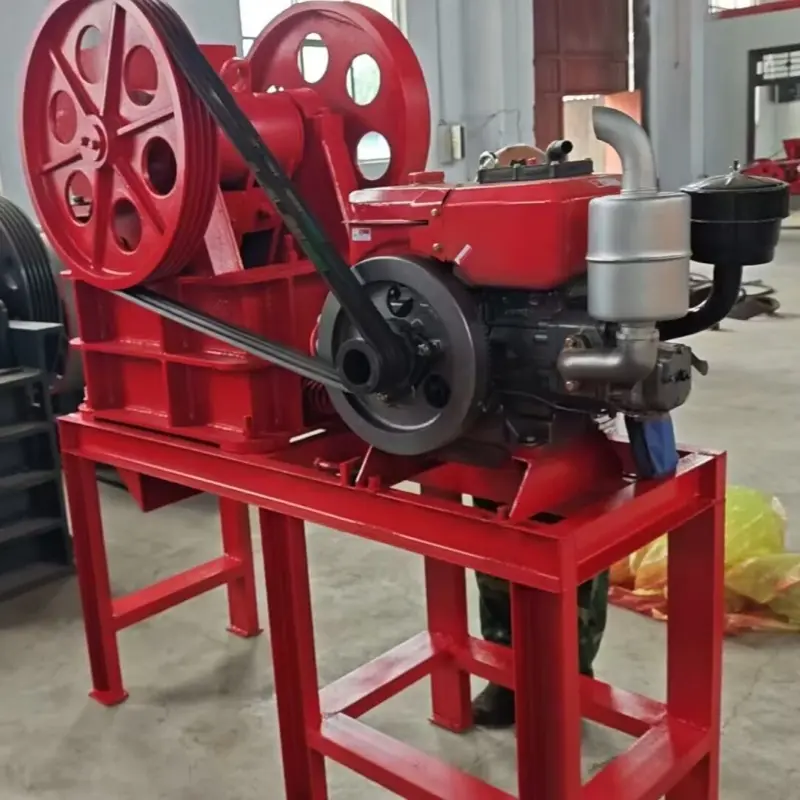
 November 2025
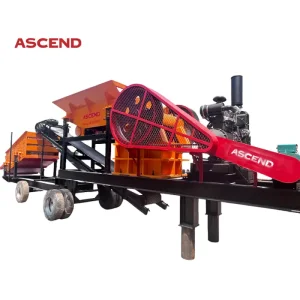
Delivery of portable diesel-powered crushing stations designed for rugged, remote alluvial gold mining regions.
Read Detailed Case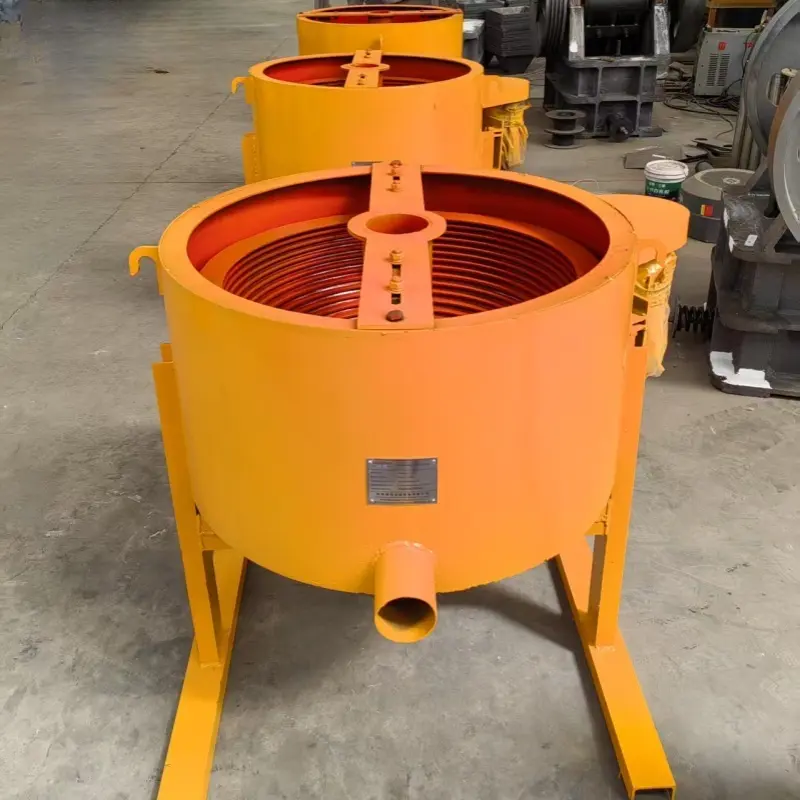 August 2025
Commissioning of modular fine gold gravity concentrator assemblies to boost artisanal mining processing yields.
Read Detailed Case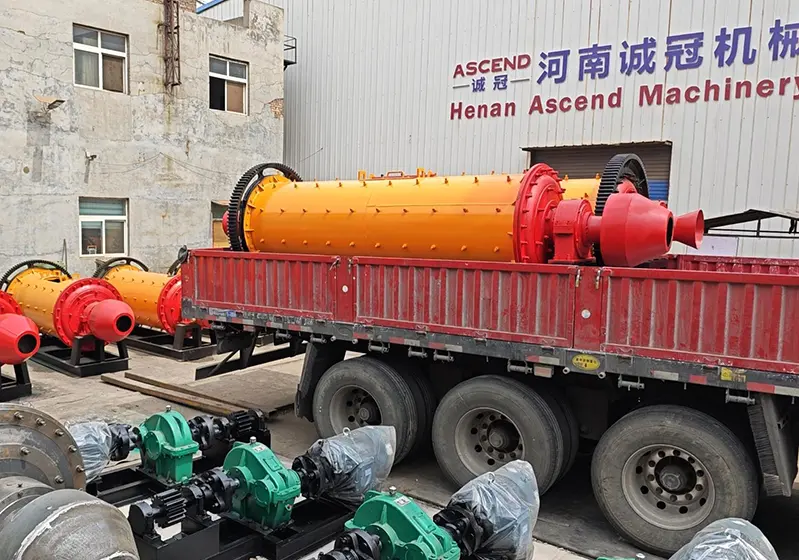 July 2025
Expanding mineral separation capabilities for mining operations in North Africa with gravity concentration decks.
Read Detailed Case
Henan Ascend Machinery & Equipment Co., Ltd. was established in 2005 and is located in the high-tech zone of Zhengzhou City, Henan Province. Ascend is engaged in the research, development, manufacture, sales, and after-sales support of crushing, grinding, screening, feeding, and conveying equipment for heavy mining applications.
Whether your project requires processing limestone, granite, gravel, or other hard stones, grinding minerals into fine powders, or separating precious gold ore, our engineering team provides tailored design solutions. Operating our own modern manufacturing facility ensures strict quality control, transparent pricing, and robust structural warranties.
Read More About UsOur operations span key mining hubs, delivering machinery engineered to perform in demanding industrial conditions.
Year of Establishment
Countries Reached
Milling Systems Installed
Client Commissioning Rate
Complete your grinding circuit with our associated screening, classification, and separation equipment.
 Ascend