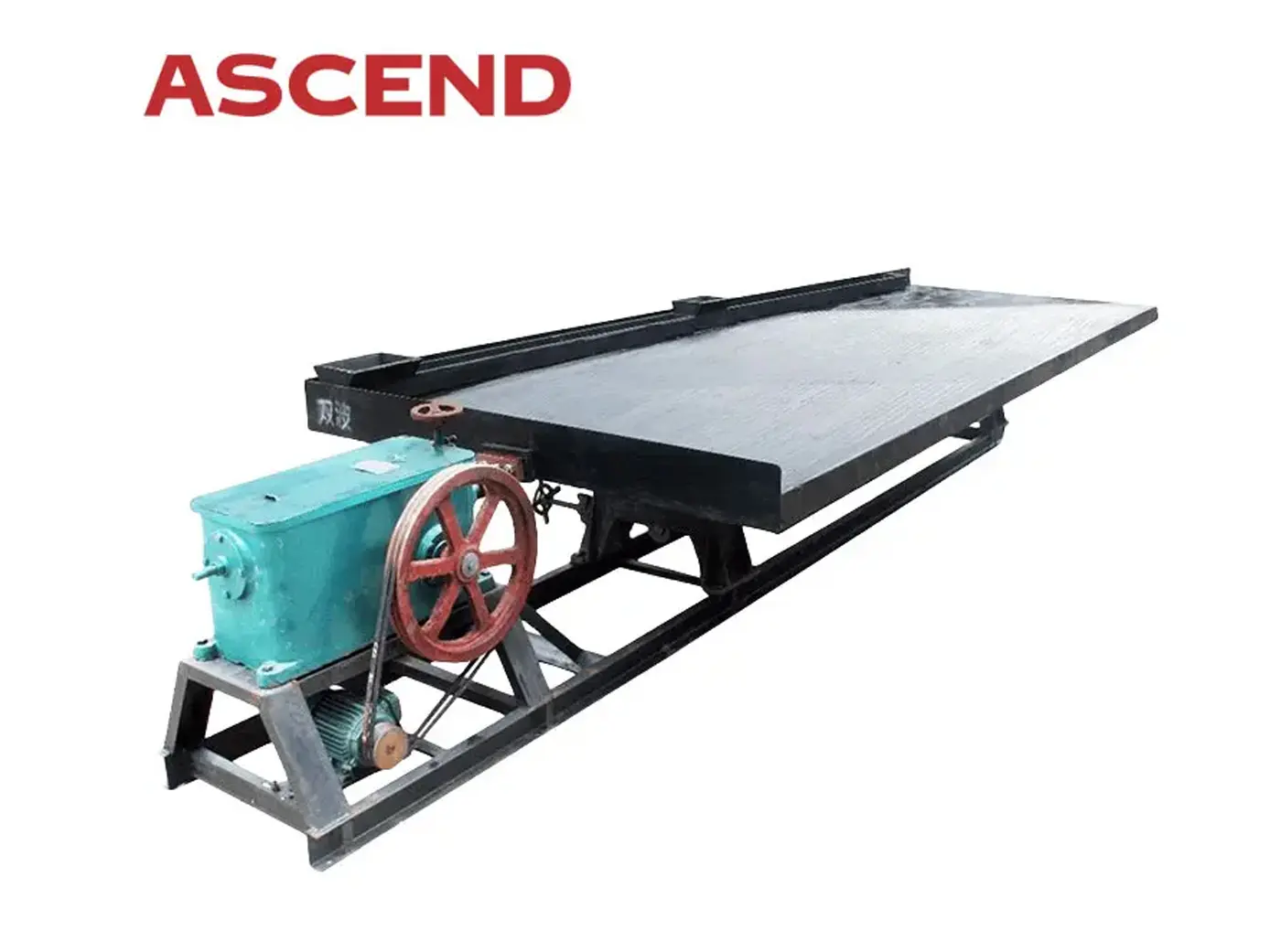
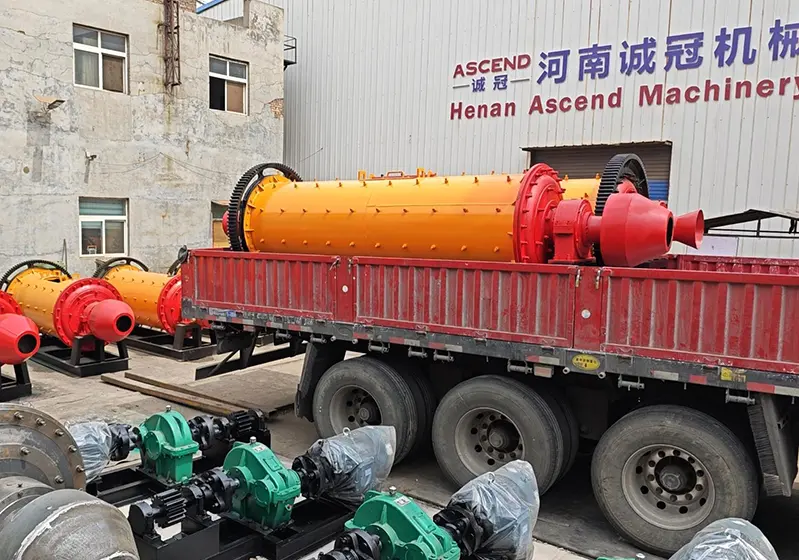
Explore our highly integrated core grinding, milling, crushing, and physical separation units engineered for premium mineral yield.
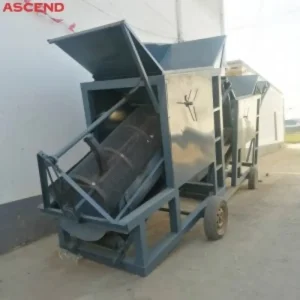
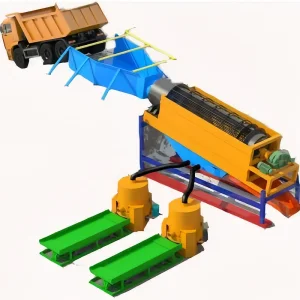
An in-depth structural review of high-performance mobile hammer mills and their systemic impact on operational efficiency in modern mineral beneficiation.
The modern mobile hammer crusher machine operates on the physical principle of impact kinematics. Unlike traditional compression crushers (such as jaw or cone crushers) which crush minerals through steady hydraulic force, the hammer mill exploits high kinetic energy transfer. Materials entering the crushing chamber are immediately struck by dynamic, free-swinging hammers suspended from a central heavy-duty rotor assembly rotating at linear velocities ranging between 30 to 45 meters per second.
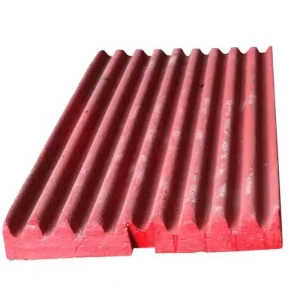
Upon impact, energy is rapidly transferred to the mineral body, inducing immediate tension fractures along existing natural cleavage planes. The shattered particles are then propelled violently against internal high-manganese steel breaker plates, which trigger a secondary shattering cycle. Finally, the size-reduced aggregate is filtered through adjustable grate bars at the base of the chamber, ensuring a highly cubic product index. This kinetic paradigm delivers a high reduction ratio, frequently reaching up to 20:1 in single-stage processes, making it highly effective for medium-hard minerals such as limestone, coal, glass, gypsum, and gold-bearing ores.
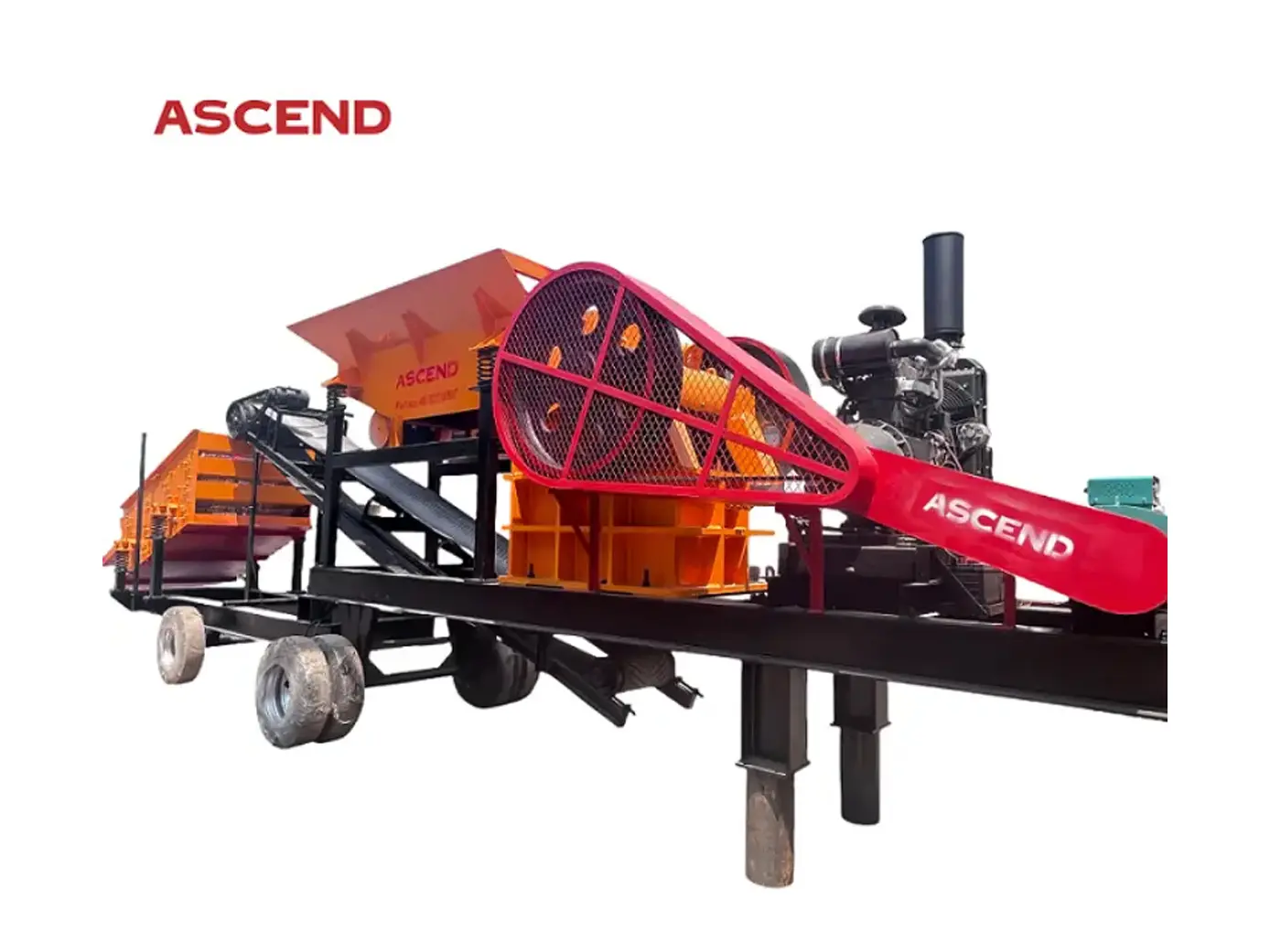
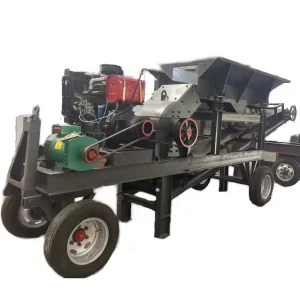
In modern infrastructure projects, local topography and shifting extraction zones often make fixed processing plants economically unviable due to high transport costs. The emergence of the mobile diesel-driven hammer mill has fundamentally shifted this dynamic. By mounting the complete crushing unit, feed hopper, screen decks, and primary conveyor system onto a high-strength chassis (wheeled trailer or crawler track system), operators can bring the process directly to the extraction face.
This geographical flexibility reduces quarry-to-crusher transportation distances, minimizing the need for heavy haulage truck fleets. Operating on-site helps eliminate secondary haulage costs, lowers carbon emissions per ton of crushed material, and speeds up project start times by avoiding the lengthy concrete foundation construction required for stationary plants.
Why Henan's heavy engineering clusters represent the apex of cost-performance, custom metallurgy, and integrated global supply chain logistics.
Chinese manufacturing clusters, particularly in Henan Province, benefit from mature metallurgical supply chains. Sourcing alloy steel directly allows local factories to produce high-durability components like manganese-chromium composite hammerheads and high-density rotors. These parts offer improved resistance to abrasive wear, extending service life in demanding environments.
Chinese factories offer highly flexible engineering services, allowing mobile hammer mills to be customized for specific project demands. Options include designing chassis configurations for rough terrain, adapting diesel engine setups for high altitudes, and adjusting grate-bar openings to control output size distributions.
Zhengzhou's high-tech manufacturing zone provides direct access to rail networks, deep-water ocean ports, and heavy cargo air routes. This infrastructure helps shorten manufacturing lead times and reduces transport costs, enabling prompt delivery of machinery and spare parts to sites worldwide.
A closer look at the technical layout and operational parameters of our key crushing and grinding equipment families.
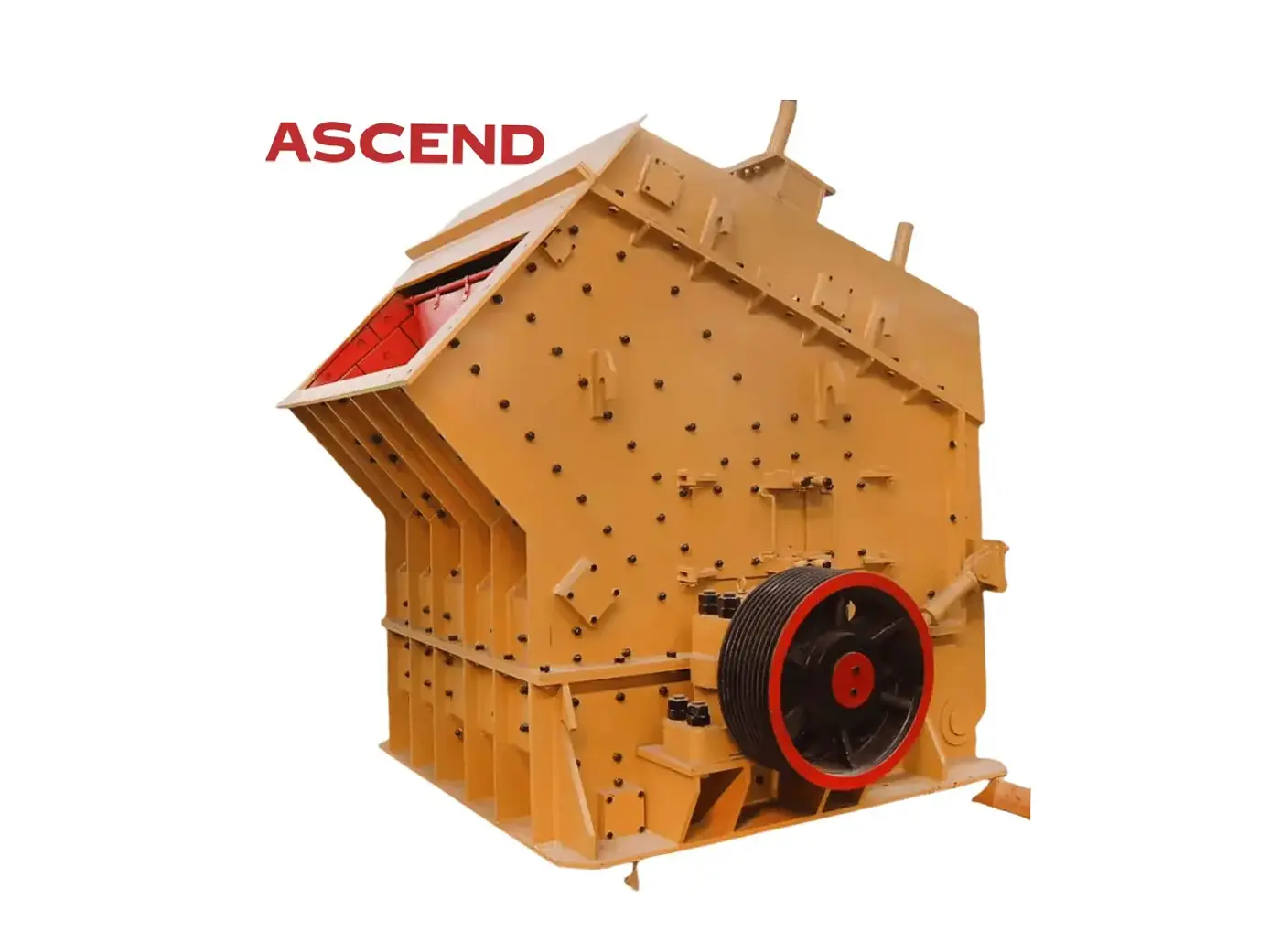
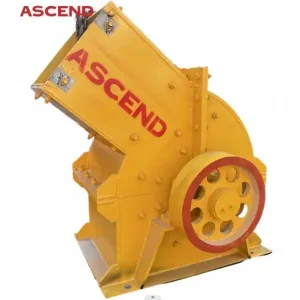
Features a three-chamber crushing layout and a balanced rotor configuration to produce highly cubical aggregates. Ideal for processing medium-hard minerals with high reduction ratios and simple maintenance requirements.
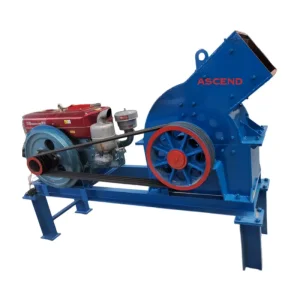
Designed for high mobility in quarrying, recycling, and remote mining operations. Built on a modular chassis to enable rapid setup and reduce material transport costs.
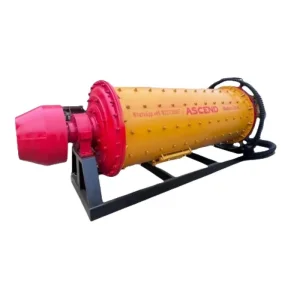
Engineered for fine powder production, milling industrial minerals and rock ores to exact mesh specifications for paint, chemical, and cement applications.
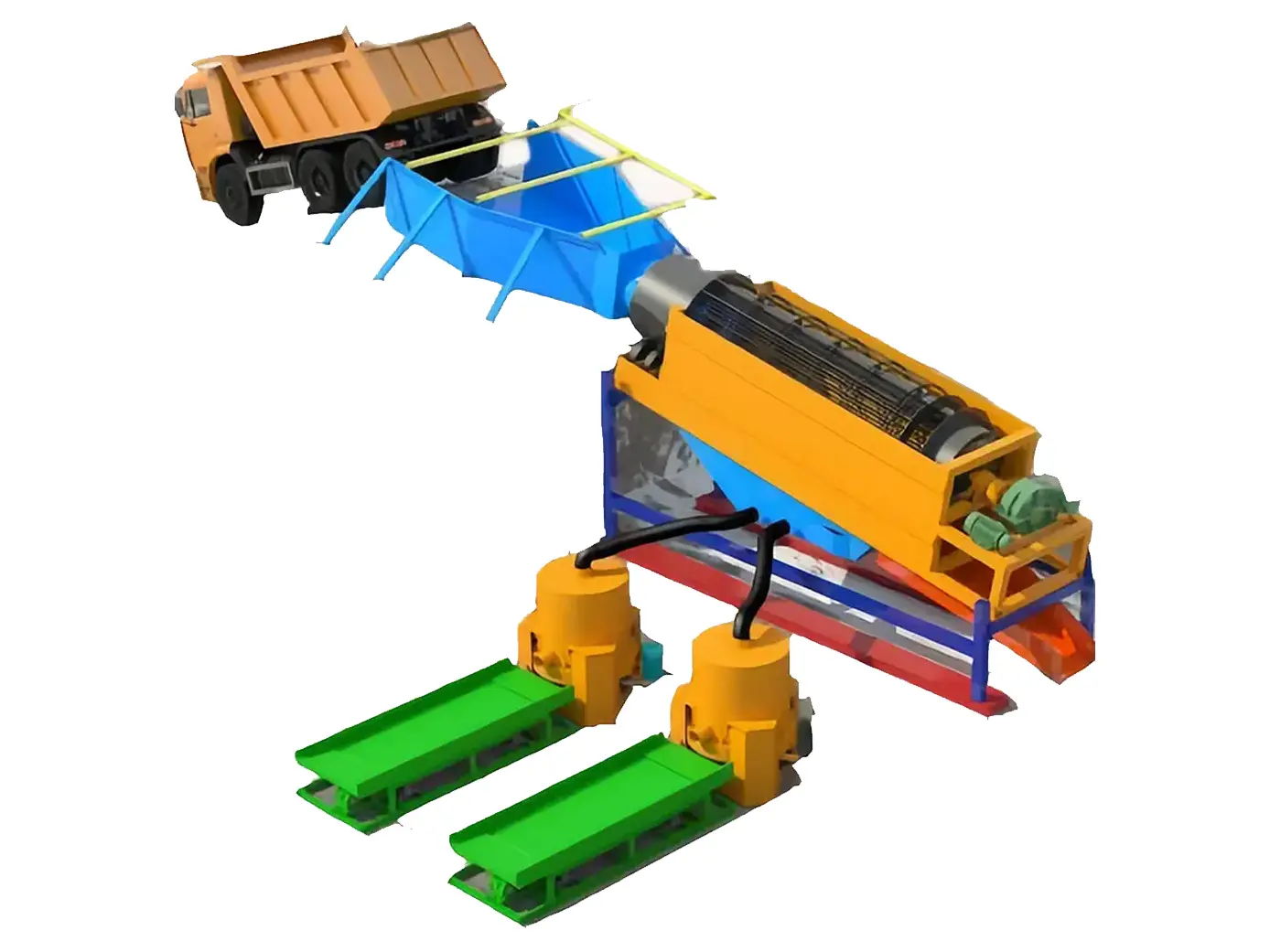
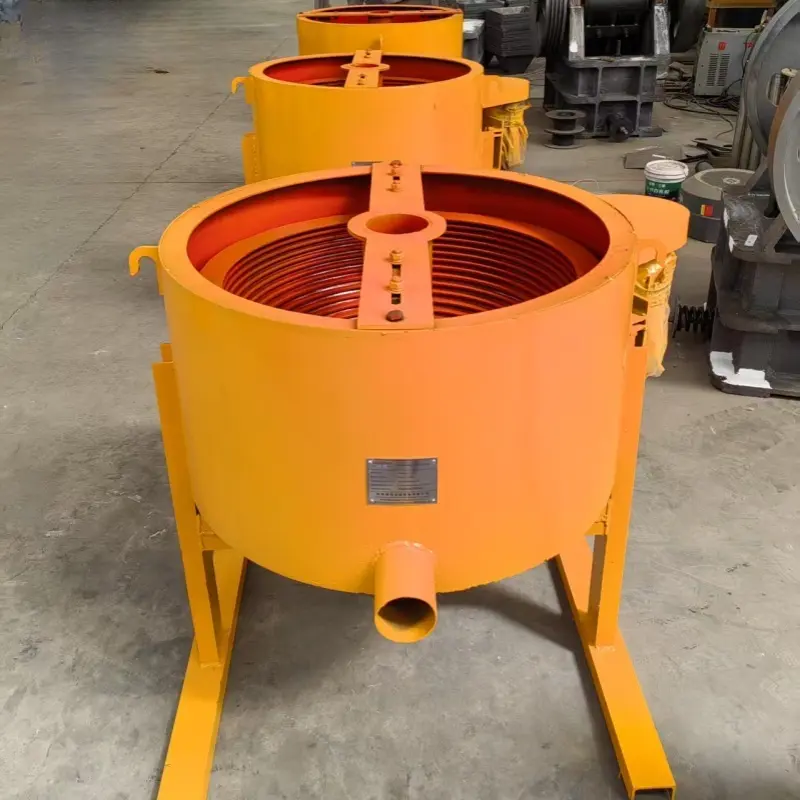
Integrated mineral recovery circuits combining mobile crushers, wet pan mills, and gravity concentrators to optimize extraction yields from gold-bearing ores.
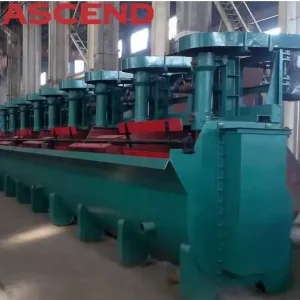
Comprehensive range of mineral separation machinery, including magnetic separators, classifiers, and flotation units, configured for industrial mineral beneficiation.
Ascend has developed steadily since its establishment. Its business covers more than 130 countries and regions around the world, especially in Africa and Southeast Asia. We provide customized mineral processing flowsheets matching project requirements and geological conditions.
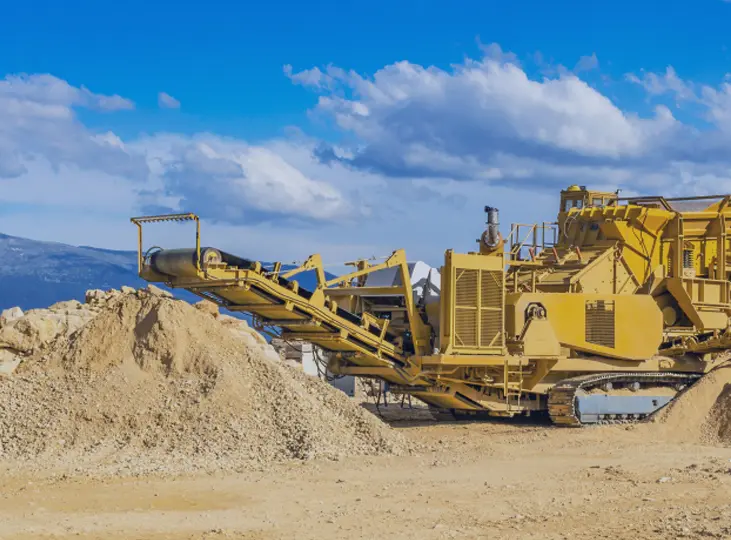
Gravity concentration circuits optimized for artisanal and medium-scale alluvial and rock gold deposits.
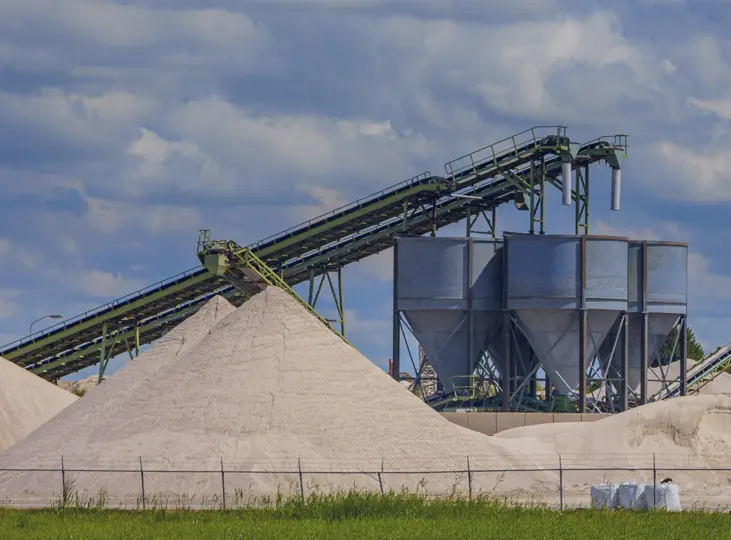
High-efficiency aggregate systems configured to produce quality materials for asphalt and concrete production.
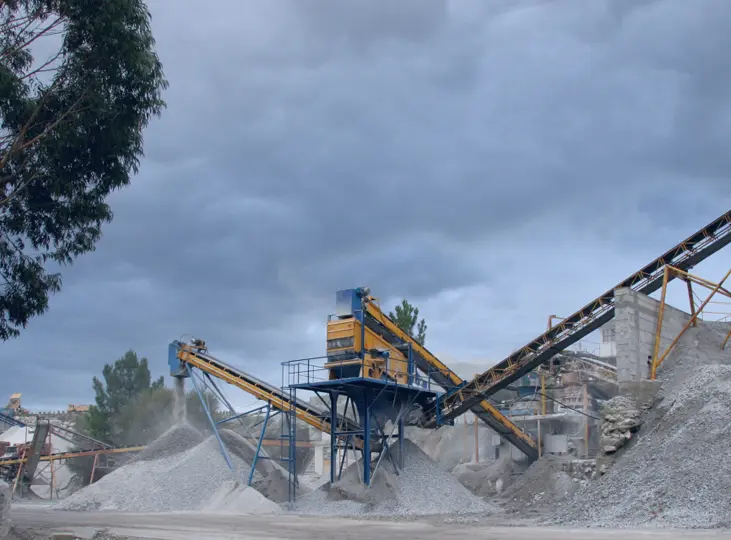
Multi-stage crushing and screening plants designed to handle abrasive granite, basalt, and iron ore.
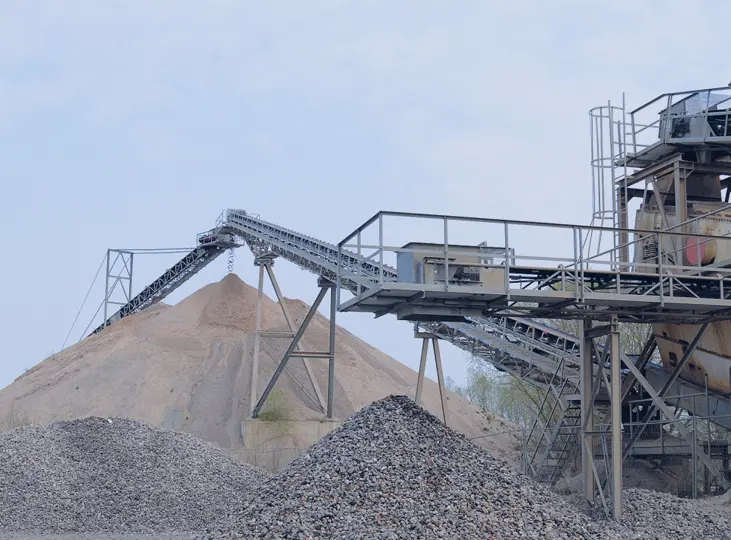
On-site mobile setups designed for recycling asphalt, brick, and concrete on urban demolition sites.
Operational setups illustrating our equipment deployed across diverse geological and remote logistics challenges.
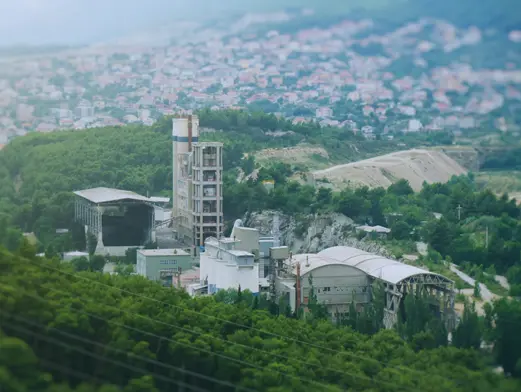
Crushing plant integration in East Africa.
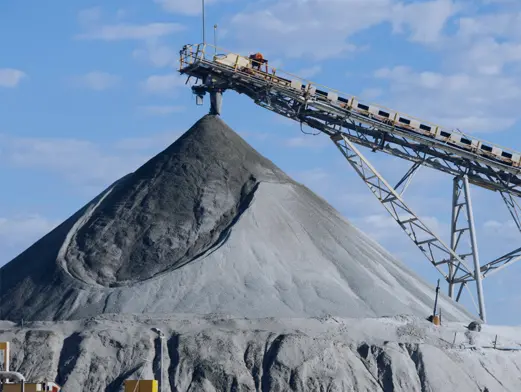
Limestone milling facility setup in Southeast Asia.
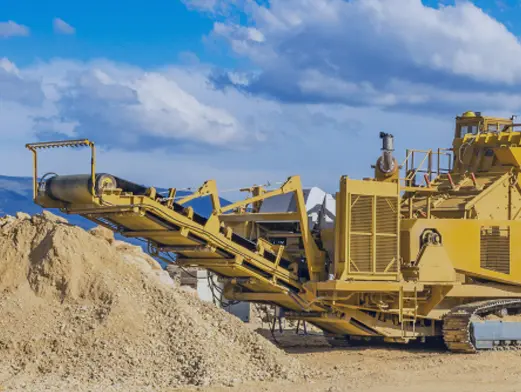
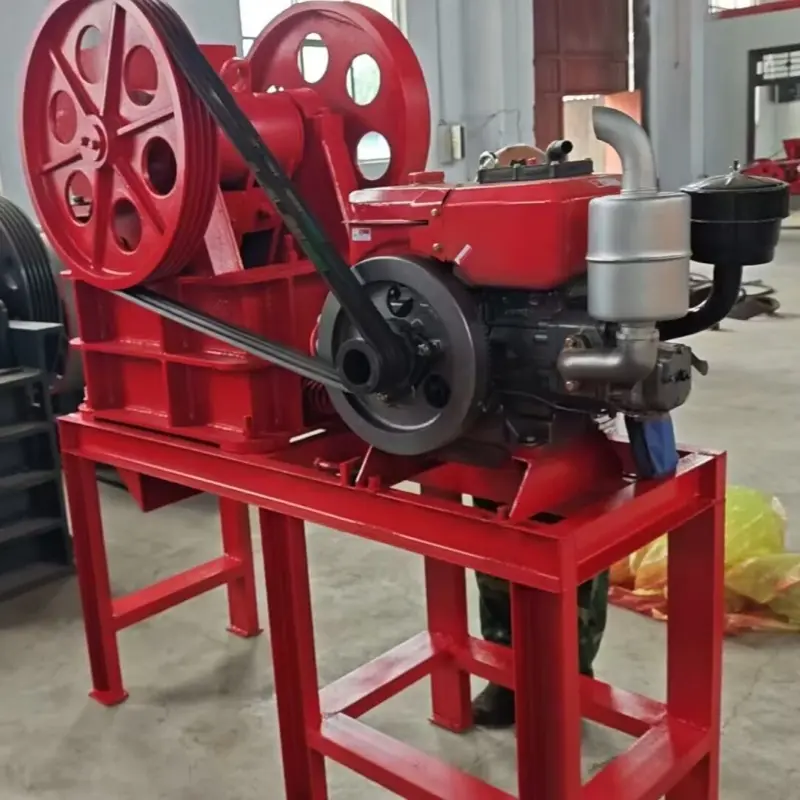
Mobile diesel hammer mill operational unit.
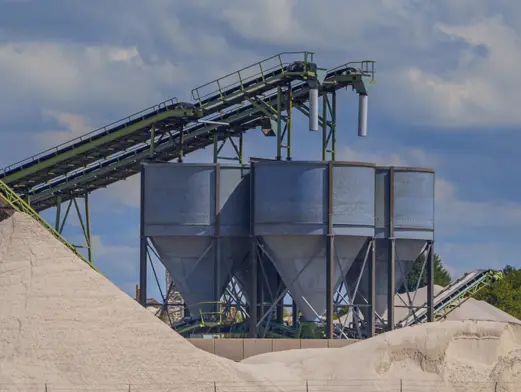
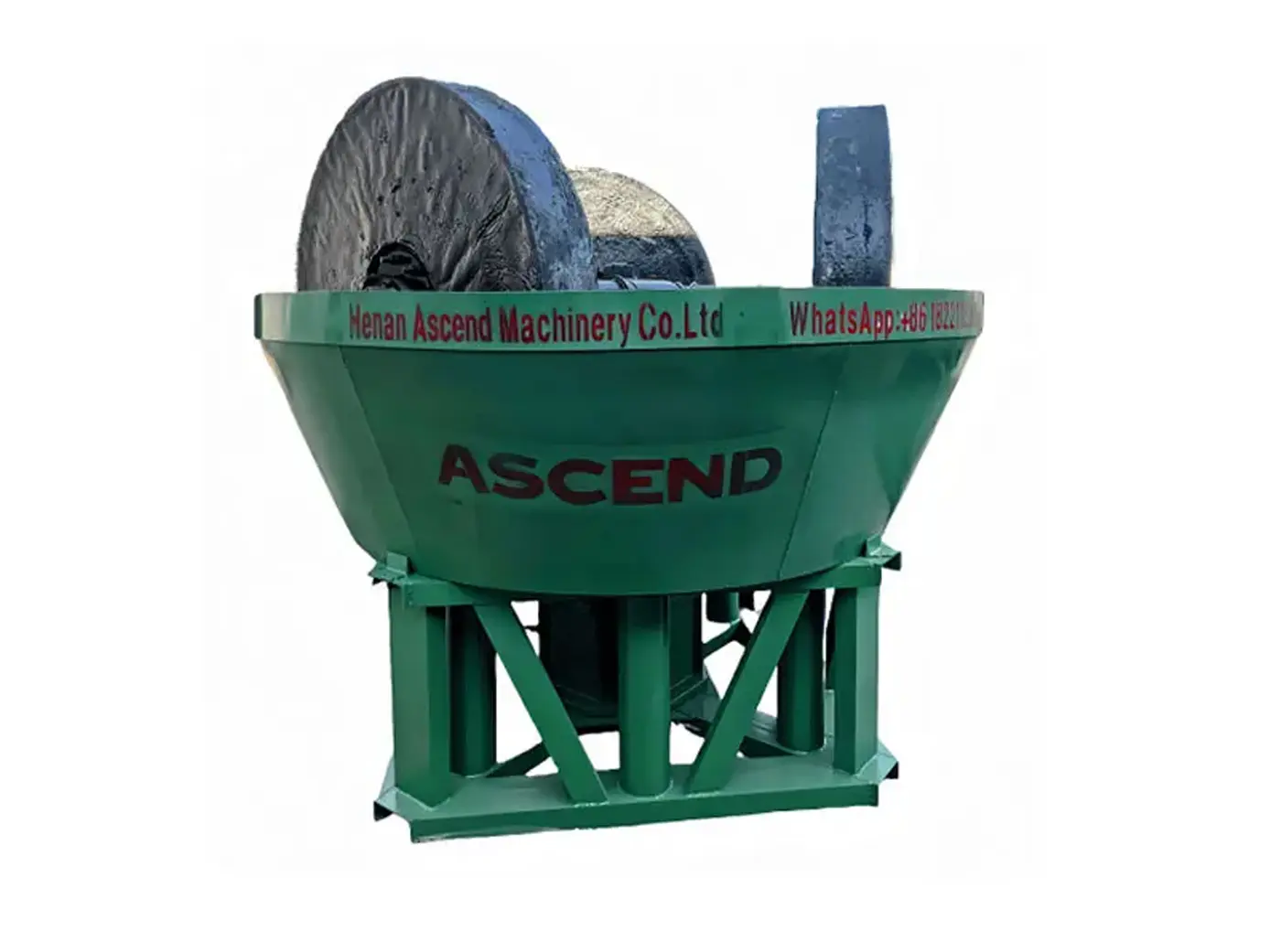
Gold ore milling project using wet pan mill lines.
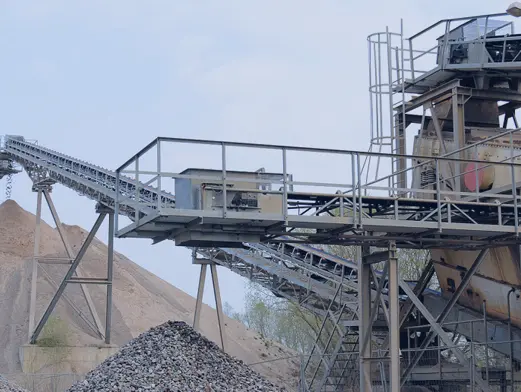
River stone sand making line installation.
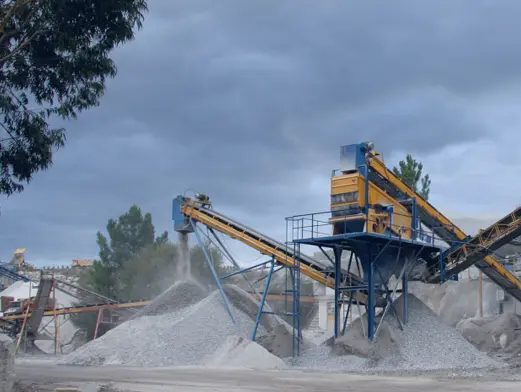
Vibrating screening and separation setup.
Read about our recent equipment deliveries, project installations, and product shipments to mining regions worldwide.
 Nov 2025
 Aug 2025
Jul 2025
Jul 2025
Jul 2025
Jun 2025
Aug 2025
Jul 2025
Jul 2025
Jul 2025
Jun 2025
Essential criteria for procurement directors managing heavy industrial acquisitions, wear-part inventory, and equipment sizing.
For international sourcing departments, the initial purchase price is only one part of the long-term investment. Estimating Total Cost of Ownership (TCO) requires evaluating power source efficiency (diesel fuel consumption curves versus grid power input), high-wear component life cycles, and spare parts availability.
In remote regions with limited grid access, a diesel engine hammer crusher offers high utility by avoiding electrical infrastructure setup costs. Operating under these conditions makes sourcing durable alloy hammers (such as manganese-steel or high-chromium alloys) essential, as abrasive rocks can accelerate wear-plate replacement cycles.
It is critical to analyze raw feed properties before selecting a machine. Hammer mills excel with materials showing low to medium silica content. Feed materials with high silica levels (exceeding 5-8%) can increase hammer wear rates, making impact crushers or jaw-and-cone systems a more appropriate choice.
Moisture content in the feed must also be monitored. If levels exceed 8-10%, fine particles can adhere to the internal grates, causing screen blockage, reducing throughput, and raising operating temperatures. For high-moisture materials, operators can adjust grate configurations or run the unit without grates for a coarser output, which is then refined downstream.
Operational answers to help engineers choose, configure, and maintain high-performance mobile crushing machinery.
Explore auxiliary milling, heavy-duty screening, fine separation, and mobile diesel power options to complete your processing circuit.
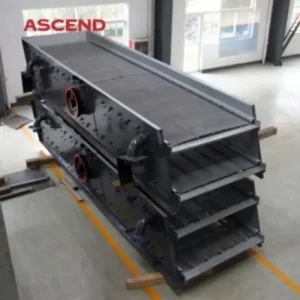
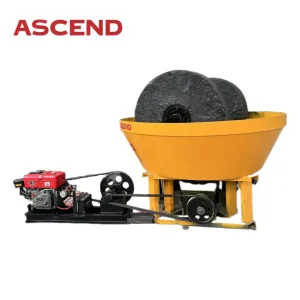
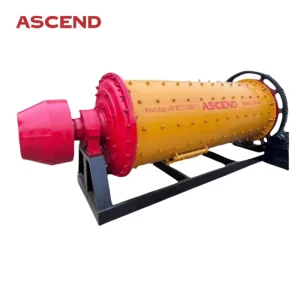
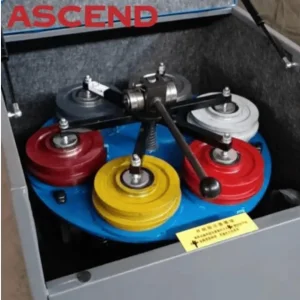
Established in 2005 and located in the High-Tech Zone of Zhengzhou City, Henan Province, Henan Ascend Machinery & Equipment Co.,Ltd. designs, manufactures, and supports a comprehensive line of heavy mining machinery. Our product portfolio spans crushing, grinding, screening, feeding, and conveying equipment suited for aggregate production, mining, and industrial recycling operations.
Ascend serves clients in over 130 countries, with active installations across Africa, Southeast Asia, and South America. Our manufacturing facilities utilize precise QA processes and premium materials to ensure equipment durability. By managing both design and production directly, we offer custom-engineered solutions tailored to the needs of mineral processing operations globally.
 Ascend