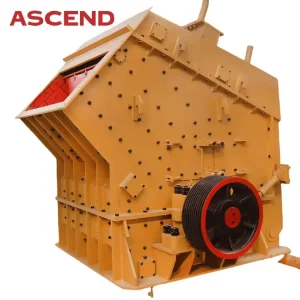
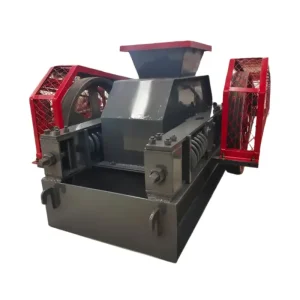
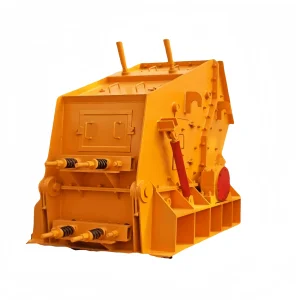
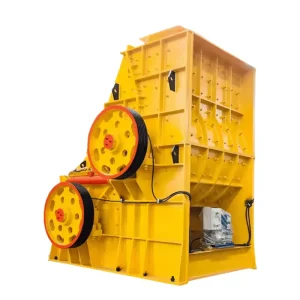
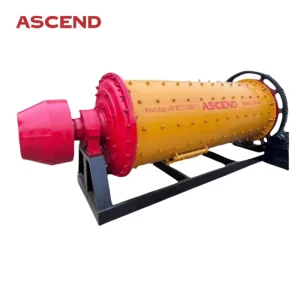
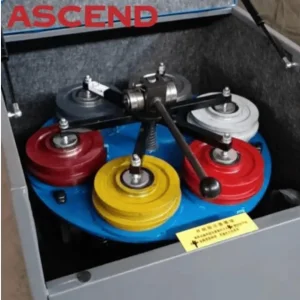
Premium industrial processing equipment engineered for high-durability mineral dressing, size reduction, and fine ore recovery.
The global mining landscape is undergoing a structural paradigm shift toward decentralized extraction and localized processing. Historically, gold concentration was dominated by large-scale, capital-intensive beneficiation plants requiring heavy infrastructure and long project lead times. Today, the rapid expansion of artisanal and small-scale gold mining (ASGM) sectors, coupled with the exploitation of remote and scattered gold-bearing deposits, has propelled the global demand for Gold Concentrator Mini systems. These compact centrifugal devices utilize enhanced gravity separation to achieve high recovery rates without requiring massive operational footprints.
According to recent global mineral processing assessments, small-scale operations account for approximately 20% of the world's annual gold production. In regions such as Sub-Saharan Africa, Latin America, and Southeast Asia, operators face strict capital constraints, limited power grid infrastructure, and complex permitting processes. A mini gravity concentrator serves as a modular, low-CAPEX solution that permits operators to begin production rapidly. In addition to primary alluvial recovery, these systems are increasingly deployed as secondary scavenging units within larger mills to capture fine particulate gold from tailing discharges, preventing environmental loss and optimizing economic yield.
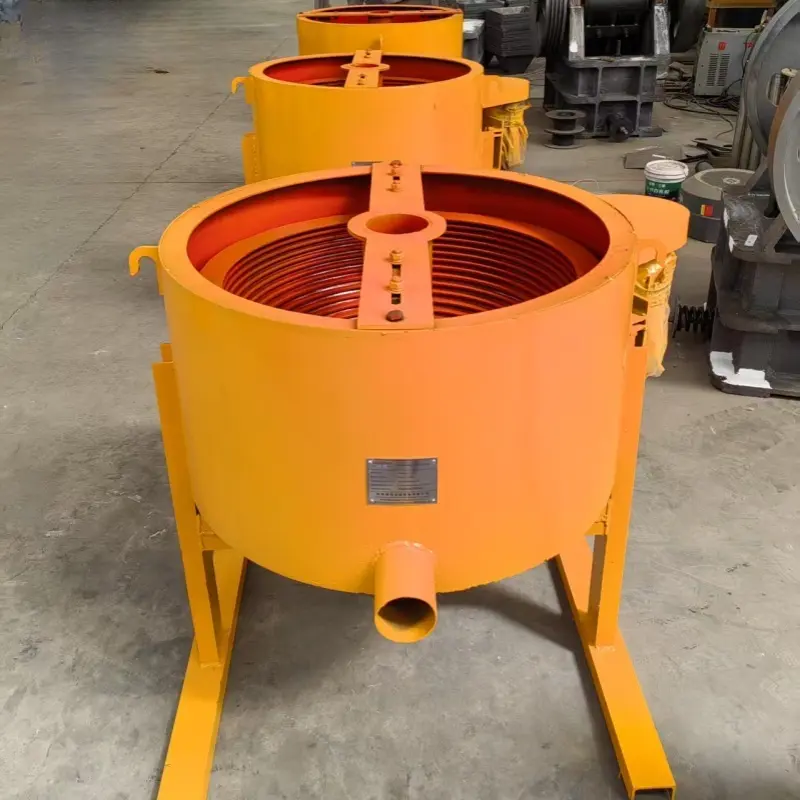
At the core of the high-quality gold concentrator mini is the integration of centrifugal force and fluidized bed mechanics. Conventional sluice boxes and shaking tables rely purely on earth's standard gravity (1G), which often fails to capture gold particles smaller than 100 microns due to surface tension and boundary layer turbulence. Centrifugal concentrators solve this by spinning the inner cone at high rotational speeds, generating forces equivalent to 60G to 120G.
During operation, slurry is introduced through a central feed pipe into the bottom of the spinning inner cone. The slurry is thrown outward by centrifugal force, climbing the ribbed walls of the cone. The heavy minerals (primarily gold, platinum, and sulfides) become trapped in the concentric grooves of the cone. Simultaneously, fluidization water is introduced through small holes in the cone walls to create a fluidized bed. This keeps the bed loose, preventing compaction from lighter gangue materials (silicates, quartz). The lighter particles are forced out over the top of the cone as tailings, leaving a highly concentrated, premium grade gold concentrate in the grooves.
The global dominance of Chinese mining machinery manufacturers is rooted in the synergistic combination of deep industrial supply chains and continuous design iteration. Leading hubs like Henan Province integrate research, development, and heavy fabrication in specialized zones, notably the high-tech development zone of Zhengzhou City. Henan Ascend Machinery & Equipment Co., Ltd. exemplifies this structural advantage by maintaining a comprehensive vertical supply chain from raw foundry operations to precision digital control manufacturing.
Chinese production efficiency translates directly into key competitive advantages for global operators:
Henan Ascend Machinery & Equipment Co.,Ltd. has developed steadily since its establishment in 2005. Operating across more than 130 countries and regions worldwide—particularly within Africa, Central Asia, and Southeast Asia—Ascend has established a reputation for manufacturing excellence and responsive after-sales service.
Our engineering team specializes in configuring complete modular gravity flowsheets, integrating crushers, grinding circuits, and centrifugal concentrators to match specific ore characteristics. Let us know your target throughout and mineralogy, and we will model an optimized circuit for your project.
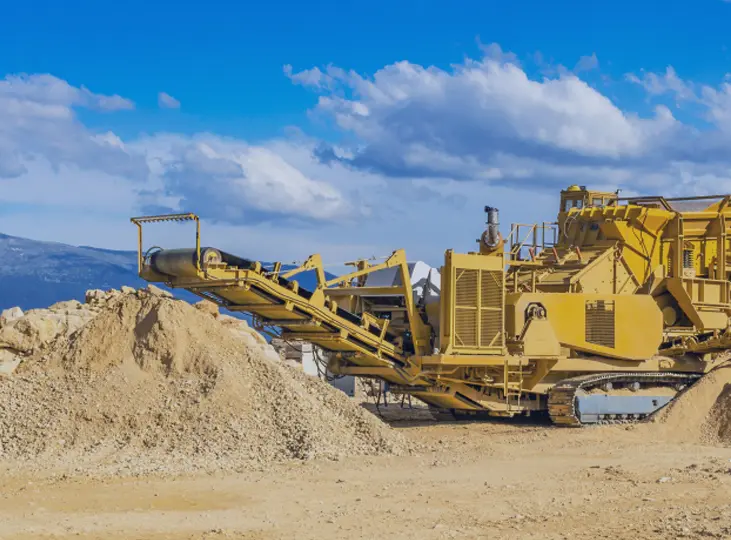
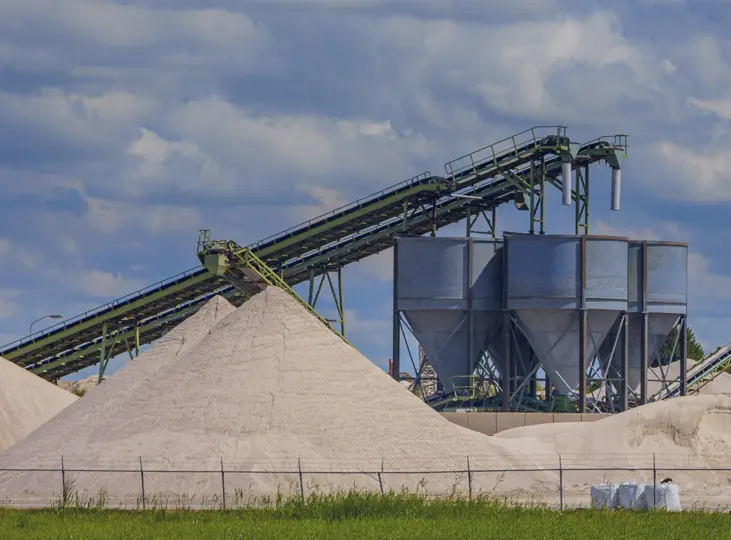
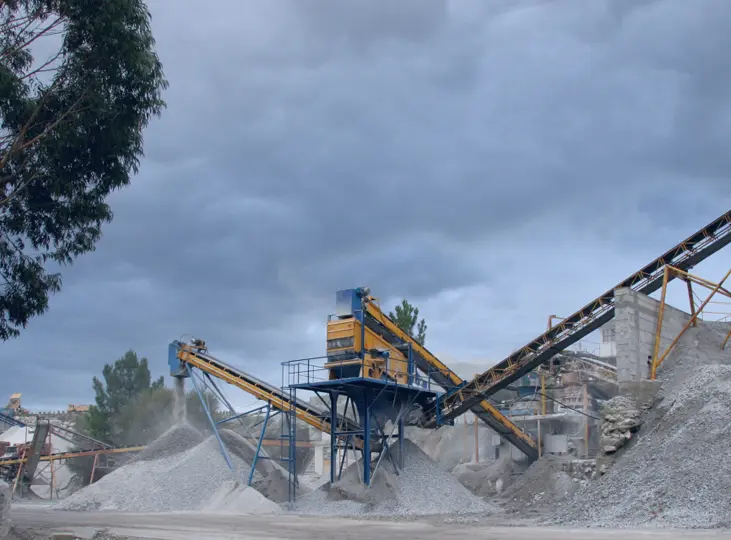
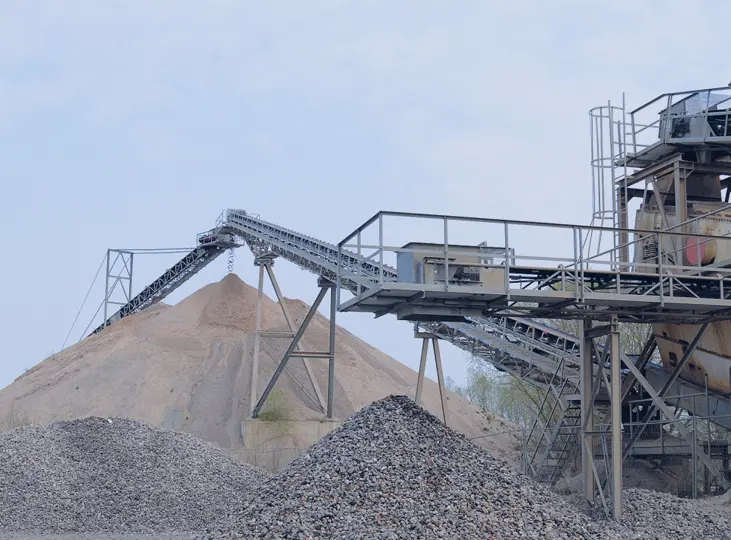
Mineral deposits differ significantly in grade, composition, and location, requiring tailored equipment setups to ensure effective recovery. Below are the primary localized applications of mini gravity systems in global projects:
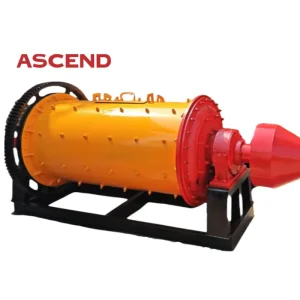
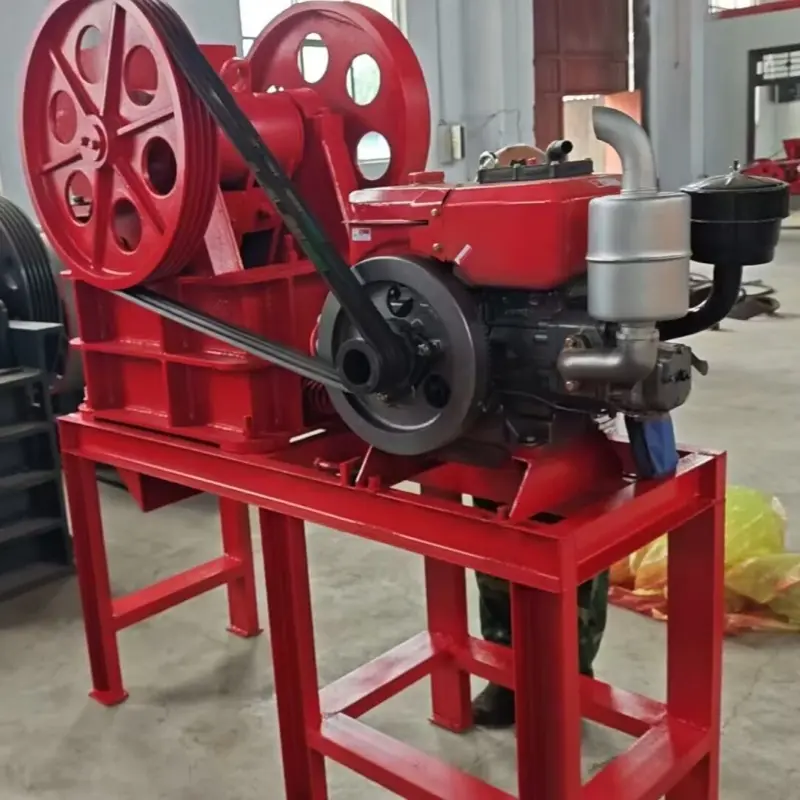
In primary gold deposits (hard rock), gold is bound within quartz veins or sulfide ores. To extract the gold, the rock must first be crushed and ground. The classic configuration involves a diesel-driven jaw crusher, followed by a ball mill to grind the ore to a fine powder (typically 80% passing 200 mesh). The slurry is then fed into a mini centrifugal concentrator. This setup is highly effective for recovery prior to downstream cyanidation or chemical leaching.
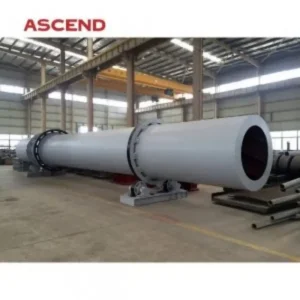
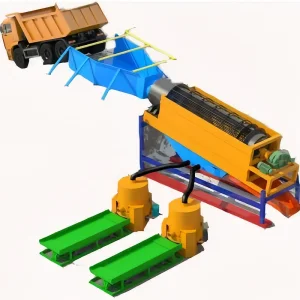
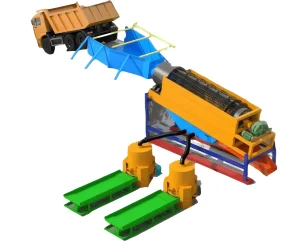
In riverbeds, floodplains, and sand deposits, gold occurs in loose, alluvial forms. The clay and gravel matrix must be thoroughly washed to liberate the gold. Here, the gold concentrator mini is paired with a trommel screen or a rotary scrubber. The trommel washes and rejects oversized rocks, while the undersized material flows directly into the centrifugal concentrator. This mobile configuration allows operators to move the plant along the river path as mining progresses.
Large volumes of historical tailings contain significant amounts of fine gold that older gravity tables and sluices could not capture. By setting up a centralized scavenging circuit utilizing multiple mini concentrators, mining companies can process old waste dumps, turning a liability into a profitable secondary resource stream.
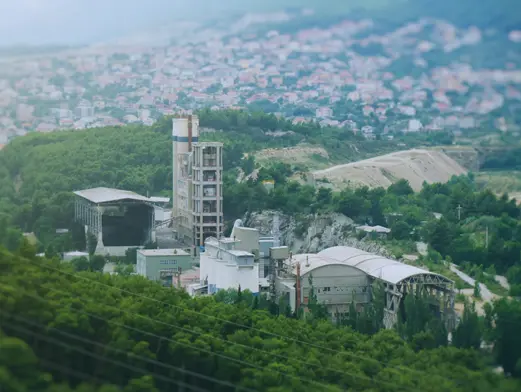
High-clay liberation system utilizing rotary drum scrubbers and centrifugal recovery for maximised fine gold capture.
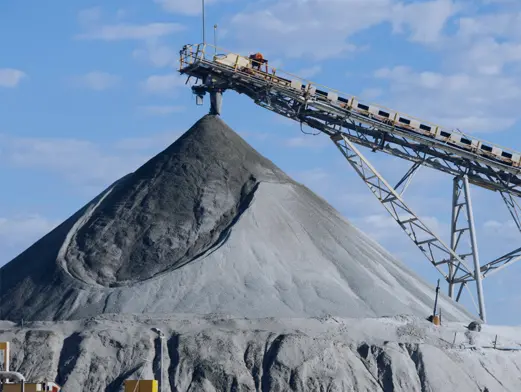
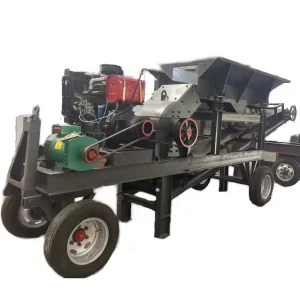
Skid-mounted diesel units deployed in remote African districts, providing high throughput and simple maintenance.
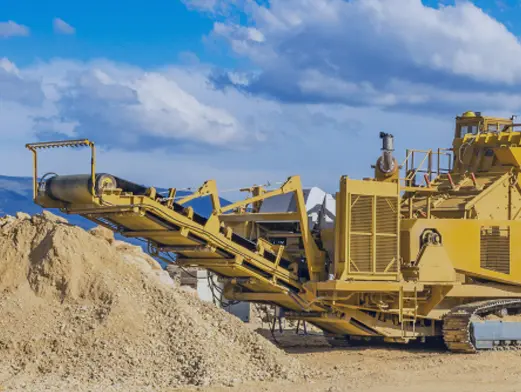
Crushing and ball mill grinding plants paired with centrifugal gravity traps to capture free gold before leaching.
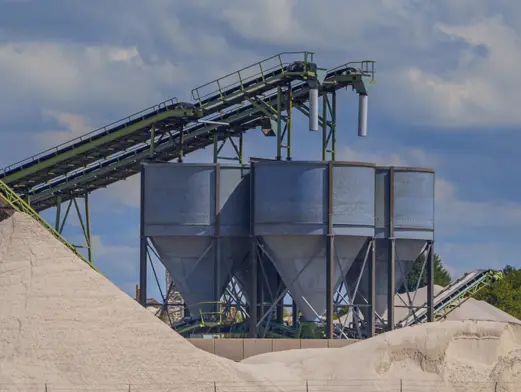
Centrifugal scavenging circuits designed to recover fine particulate gold from historical waste dumps.
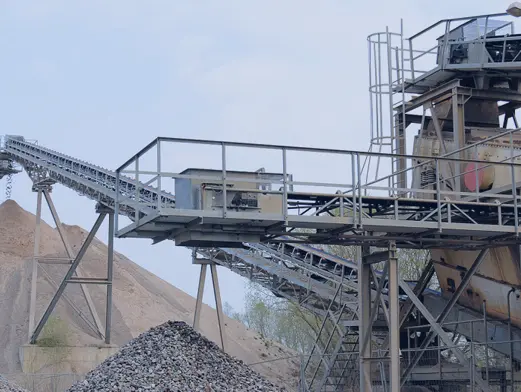
Gravity concentrators optimized to capture fine gold, heavy sands, and platinum group minerals.
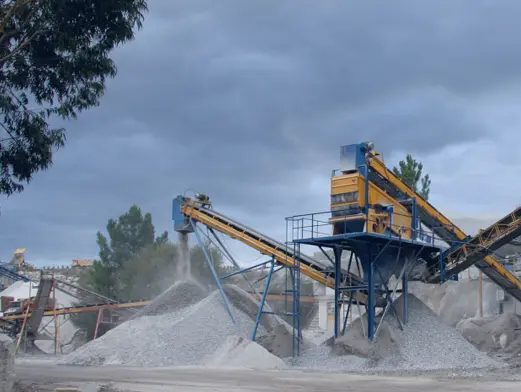
Prefabricated modules designed for quick assembly, minimizing on-site setup time and structural requirements.
The mineral processing sector is shifting toward sustainable, efficient, and automated systems. Future developments in mini gold concentration technology are focused on three primary areas:
When sourcing a gold concentrator mini, global procurement departments must evaluate suppliers based on operational requirements:
Throughput capacity and feed size: The selected model must match the output of your upstream grinding circuit. Overloading a small concentrator with coarse material will lead to premature wear and reduced recovery rates.
Fluidization water requirement: Operators must ensure their site has a reliable water source capable of providing the necessary volume at a steady pressure (typically 1.5 to 2.5 bar).
After-sales support and wear parts availability: High-wear parts like inner cones and seals require regular maintenance. Working with established manufacturers ensures a reliable supply of replacement parts, minimizing downtime.
Track our global machinery shipments, installations, and on-site project developments across international mining districts.
 Nov 2025
 Aug 2025
Jul 2025
Jul 2025
Jul 2025
Jun 2025
Aug 2025
Jul 2025
Jul 2025
Jul 2025
Jun 2025
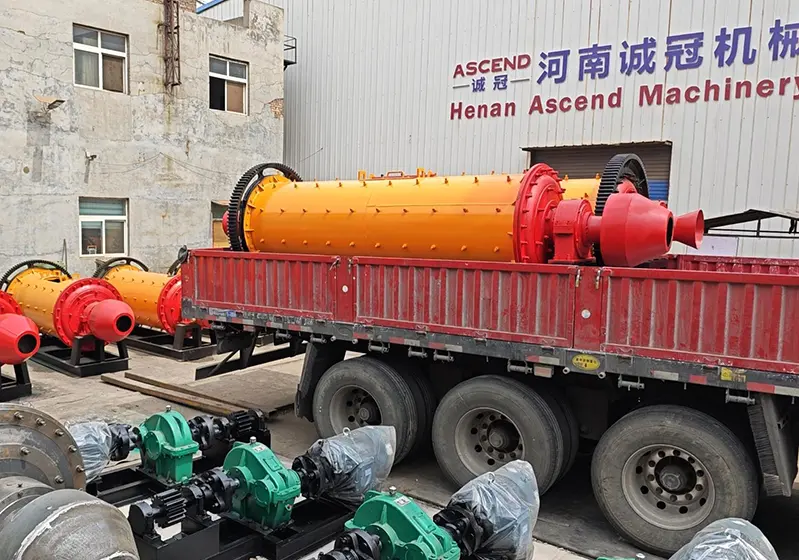
Henan Ascend Machinery & Equipment Co.,Ltd. was established in 2005 and is located in the high-tech zone of Zhengzhou City, Henan Province. We are primarily engaged in the research, development, manufacturing, sales, and after-sales service of complete sets of crushing, grinding, screening, feeding, and conveying heavy mining machinery.
Whether you need to crush limestone, granite, gravel, grind rock into powder, or extract gold via gravity concentration, our engineers are here to design a custom circuit for your project. Our manufacturing facility ensures strict quality control and direct pricing, helping you optimize your processing plant.
Read MoreExpert answers to common engineering questions regarding centrifugal concentration, water requirements, and capacity matching.
Explore our complete range of gravity concentrators, crushing plants, screens, and milling systems.
 Ascend