Explore our top-performing industrial-grade processing units deployed globally.
The modern mineral processing and quarrying sector is experiencing a massive transformation. Rapid urbanization and intensive infrastructure projects across developing economies demand durable rock crushing and grinding equipment. Operators must optimize feed capacity, reduce energy consumption, and guarantee structural reliability under high-load conditions.
In regions like Sub-Saharan Africa and Southeast Asia, mineral beneficiation requires tailored equipment. Decentralized gold mining operations require high-recovery concentration systems and robust wet pan mills capable of continuous operations without access to stable electrical grids. Standardizing production through robust diesel engine driven machinery is no longer an alternative; it is an operational standard.
Established Year
Countries Covered
Heavy Machinery Designs
Quality Guaranteed
Ascend has developed steadily since its establishment. Its business covers more than 130 countries and regions around the world, especially in Africa and Southeast Asia. Our machine quality and after-sales service have won widespread praise from international customers.
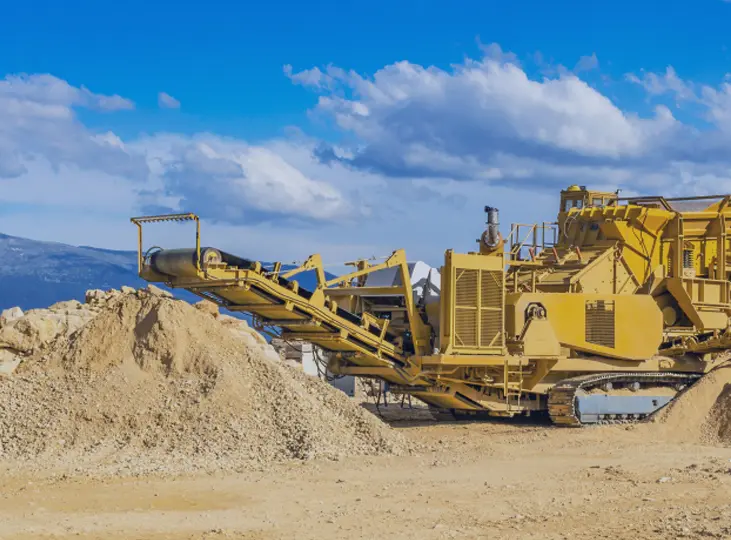
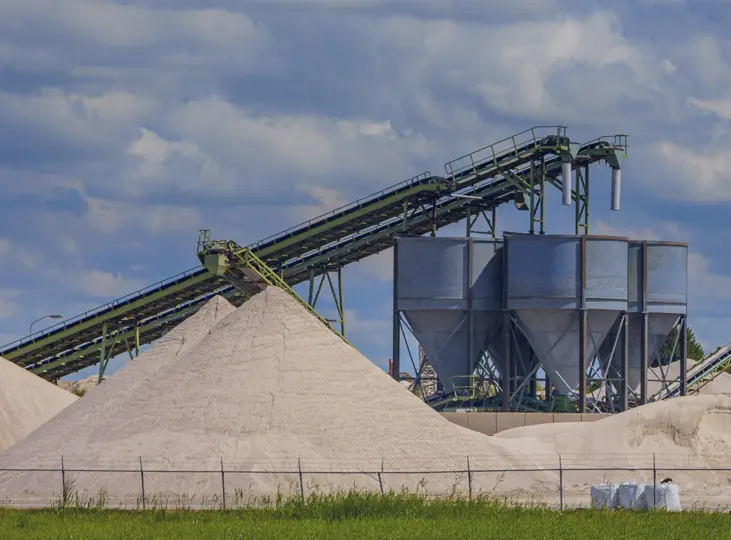
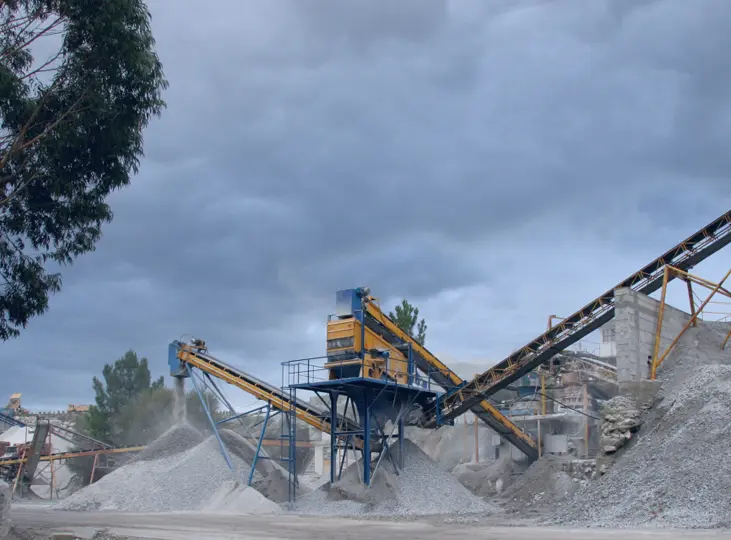
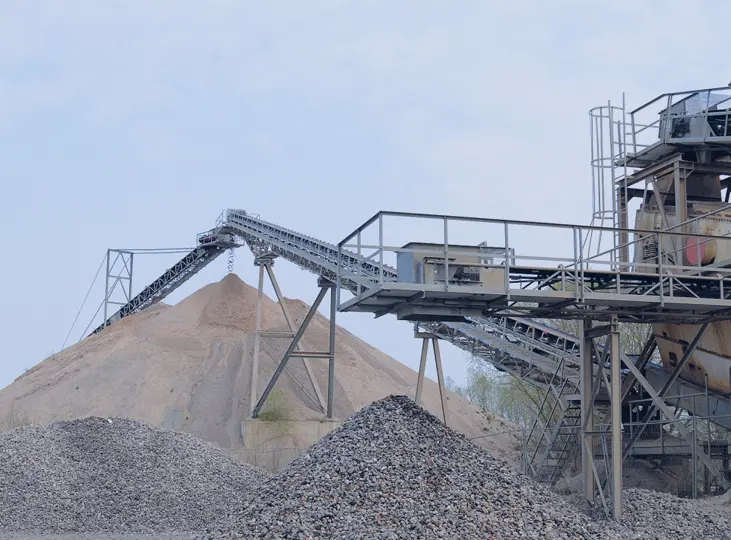
We design equipment tailored for specific crushing stages. Explore the main machinery classifications below.
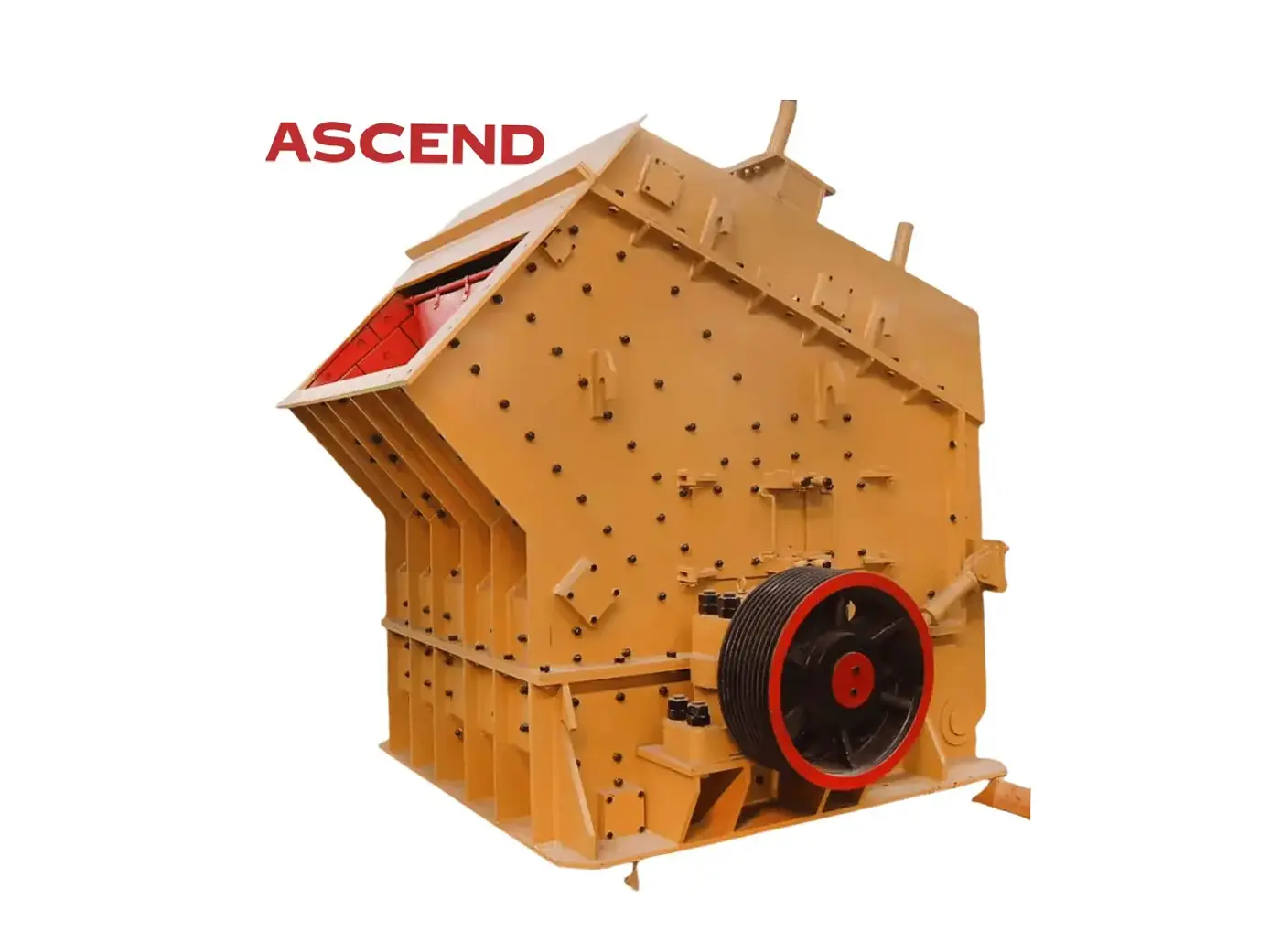
Impact crusher is a kind of secondary crushing equipment which uses impact power to crush materials. Impact crusher is characterized by easy maintenance, high reduction ratios and high efficiency to produce precisely cubic shape products.
It is designed with three crushing chambers, seamlessly connected rotor, wear-resistant blow bar and installation of insert type. Moreover, it has tooth type liner, gradient designed bearing seat, frame with several openings and screws or hydraulic start-up devices. Impact crushers can be used in all different stages of size reduction from primary crushing to the last step of the crushing process.
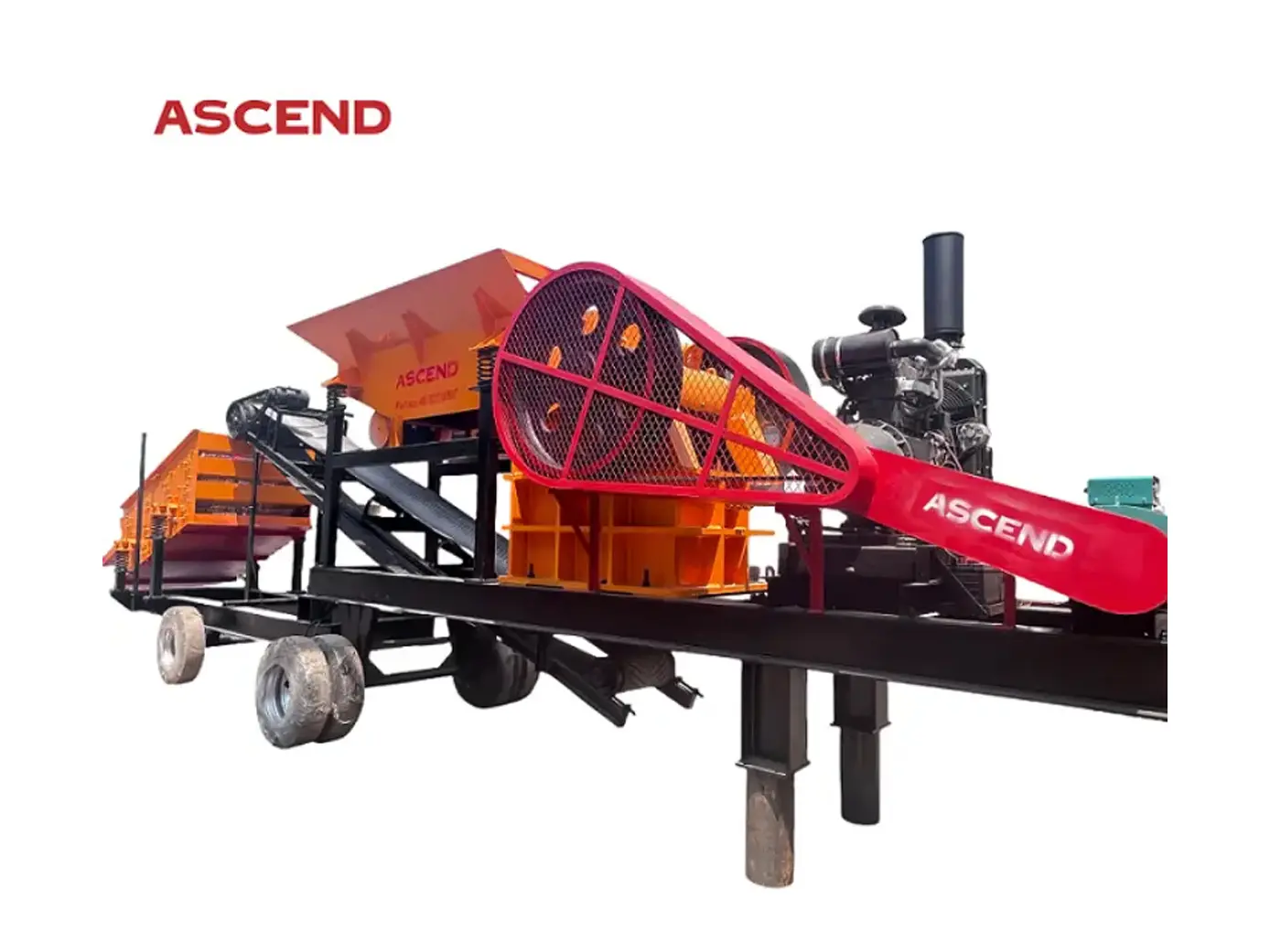
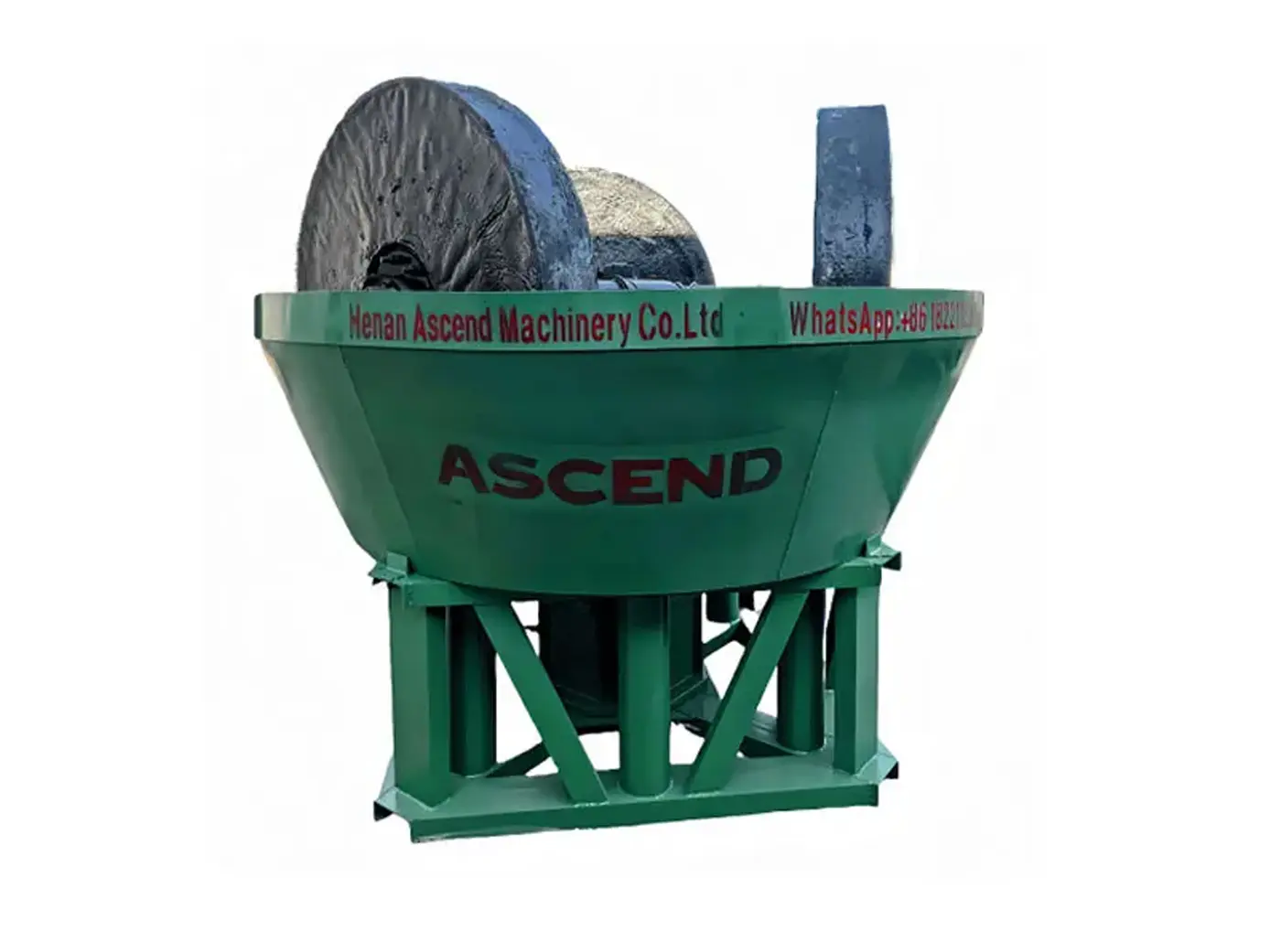
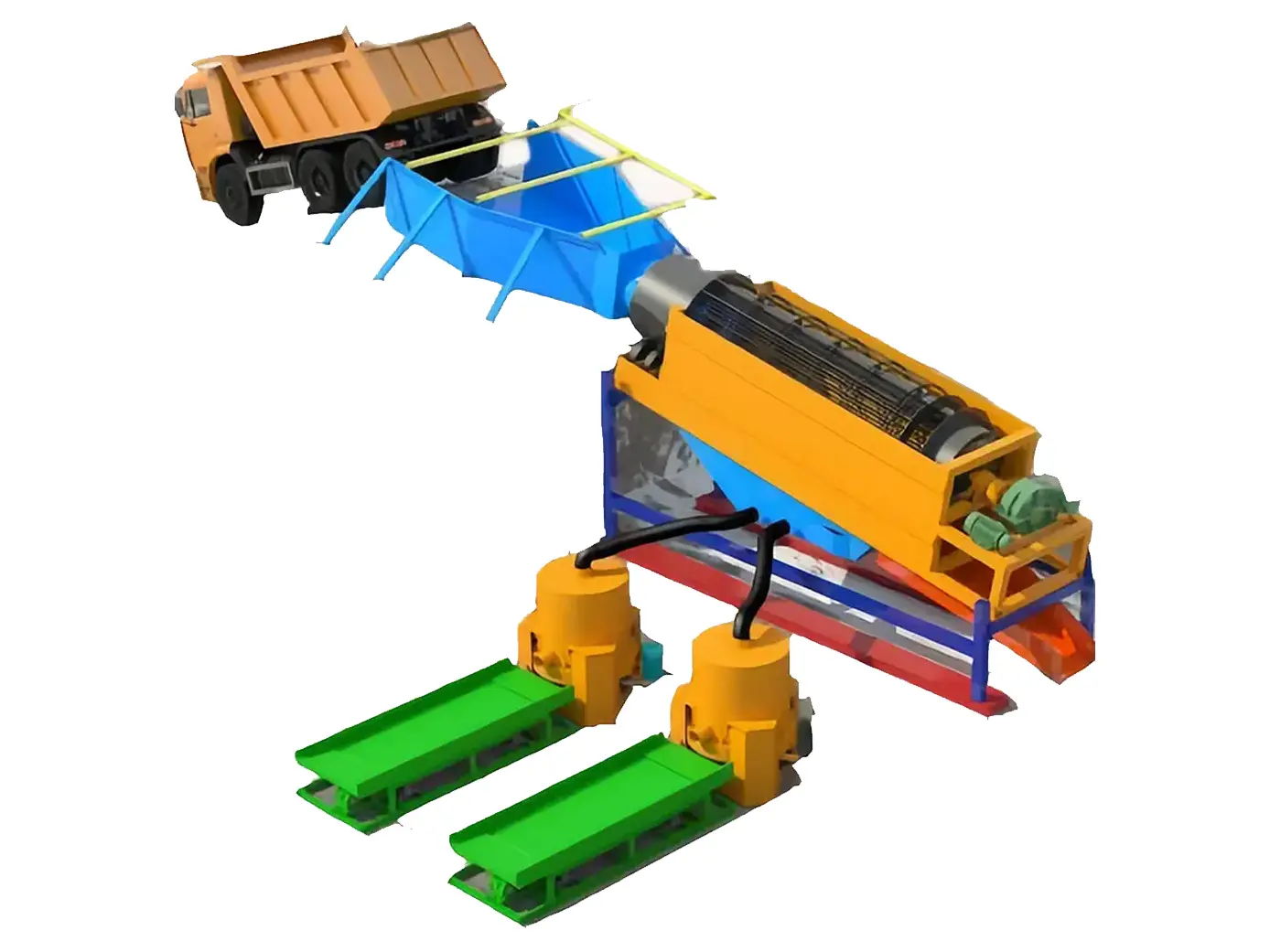
Designing an efficient crushing and grinding circuit requires a clear understanding of material properties, rock mechanics, and size distribution metrics. Industrial comminution circuits use three main mechanisms to break materials: compression, impact, and shear.
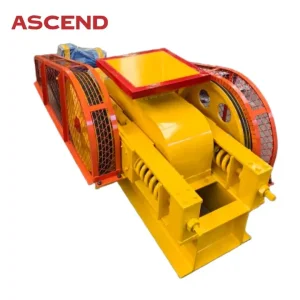
Compression Crushing: This method is typified by jaw crushers and roller mills. Heavy manganese jaw plates apply compressive forces exceeding the rock's compressive strength, crushing it. This process is highly effective for hard, abrasive materials (e.g., granite, basalt) because it minimizes sliding contact, reducing wear on parts.
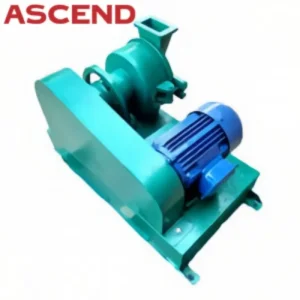
Impact Crushing: Utilized in horizontal shaft impactors (HSI) and hammer mills. The material is subjected to rapid shock forces from high-velocity blow bars and impacts breaker plates. This design excels at producing cubical aggregates with minimal internal stress fractures, which is a key requirement for modern high-strength concrete specifications.
Downstream beneficiation requires precise control over grinding sizes. If material is over-ground, it leads to slimes that reduce flotation and gravity recovery rates. Under-grinding fails to liberate target minerals from the host rock.
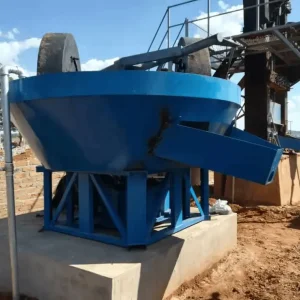
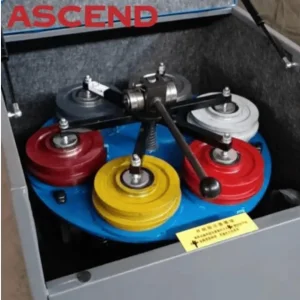
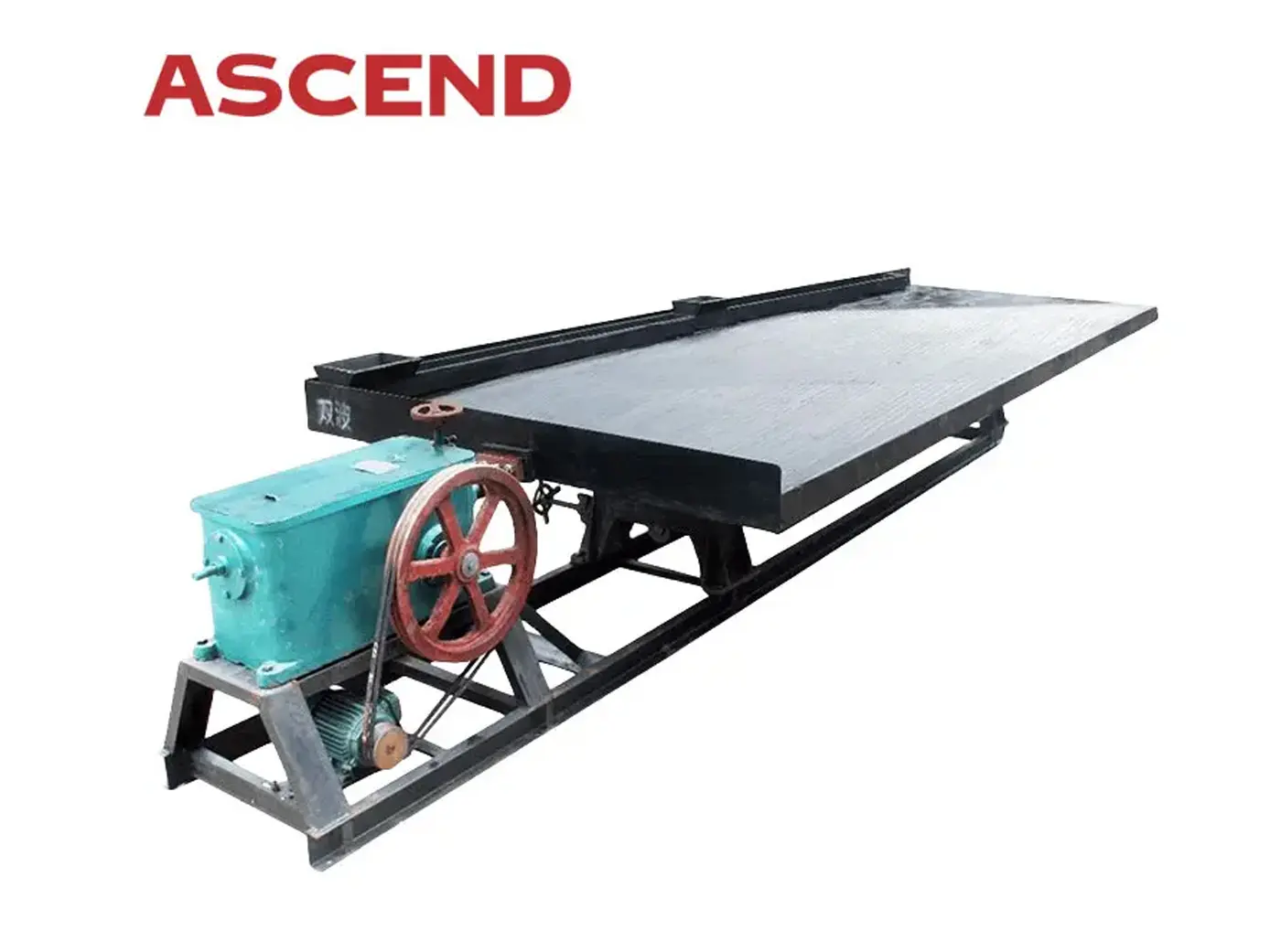
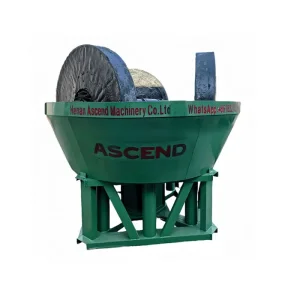
Wet Pan Mills operate with high-mass rollers that shear and compress slurry on a manganese steel base. By controlling the water flow rate, operators can adjust retention times. This allows gold particle liberation to align with the density separation curves of systems like the Gold Kacha Centrifugal Concentrator, maximizing gold recovery without using chemical reagents.
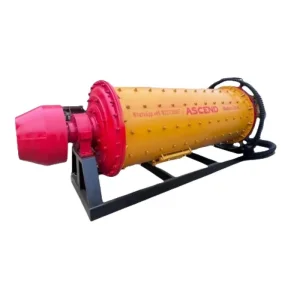
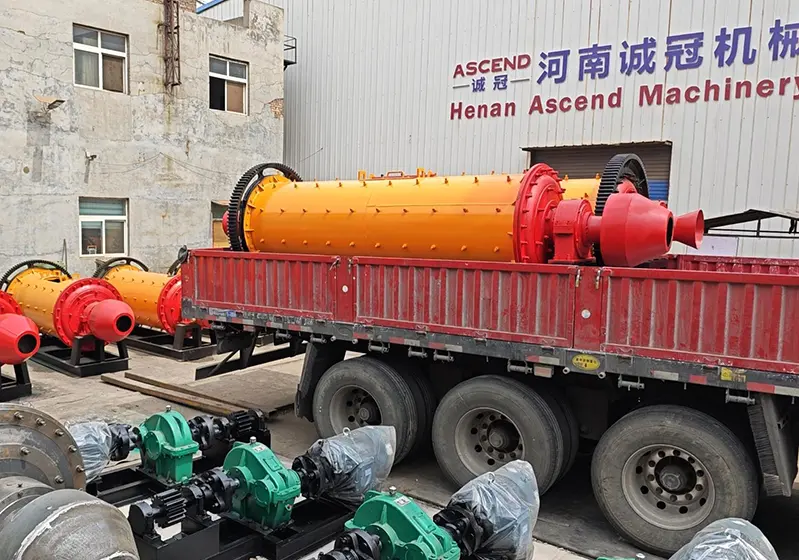
For harder rocks, diesel-powered ball mills use cast steel balls to crush material. This prepares the feed for gravity tables, resulting in efficient mineral separation in regions with limited power infrastructure.
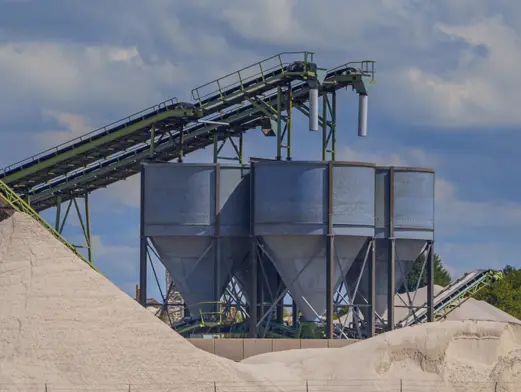
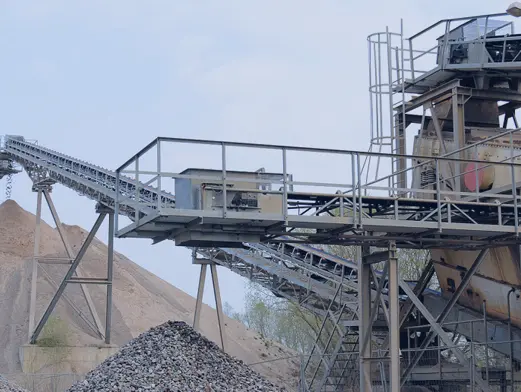
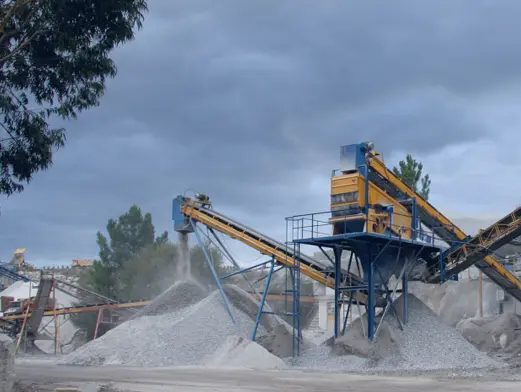
Take a look at our global operations, showcasing our heavy machinery active across mining sites and aggregate quarries.
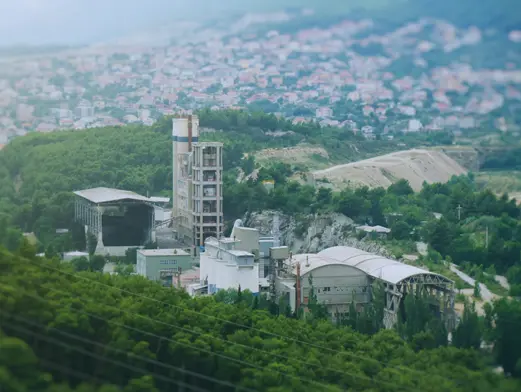
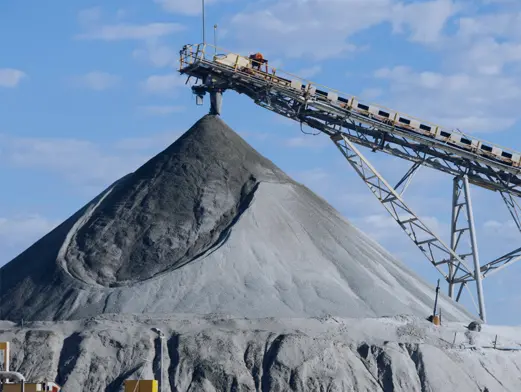
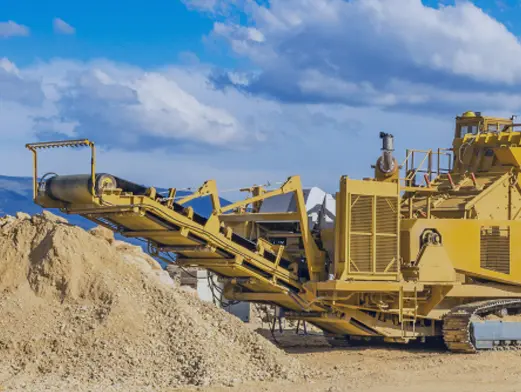
Established in 2005 and located in the High-Tech Zone of Zhengzhou City, Henan Province, Henan Ascend Machinery & Equipment Co., Ltd. has grown into a major manufacturer of heavy-duty mining machinery.
Ascend specializes in the research, development, production, and after-sales service of complete sets of crushing, grinding, screening, feeding, and conveying equipment. Whether you are processing limestone, granite, gravel, or extracting gold, our engineers design layouts tailored to your operational needs.
By managing our own manufacturing facility, we maintain strict quality control and offer competitive pricing. Our team provides engineering support and on-site training to ensure your operations run efficiently.
How Ascend is integrating digital features and environment-friendly designs into mineral processing plants.
Integrating thermal and vibration sensors onto bearings and eccentric shafts. This enables predictive maintenance schedules, helping operators prevent costly mechanical issues before they happen.
Developing dry separation methods and mercury-free gravity circuits. These designs help operations comply with strict environmental policies while maintaining high recovery rates.
Upgrading mobile crushing plants with high-efficiency electric motors and diesel generators. This hybrid setup lowers operating costs and emissions in remote regions.
Real-time shipping logs showing the delivery of Ascend machines to international mining operations.
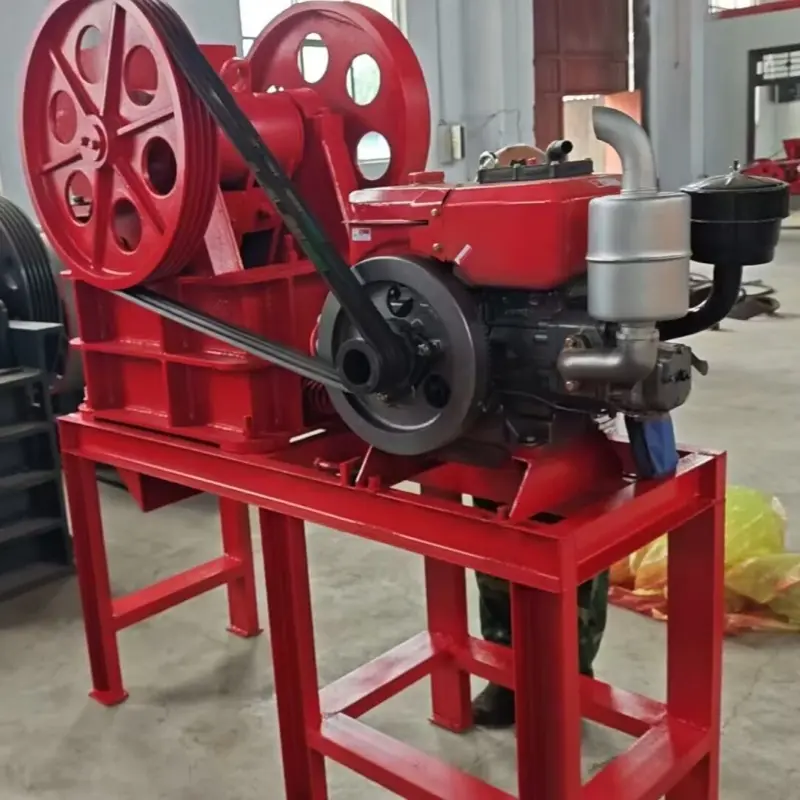
A batch of high-efficiency, diesel-driven jaw crushers was dispatched to Papua New Guinea. These units are configured with heavy-duty diesel engines to operate reliably in remote regions lacking grid access.
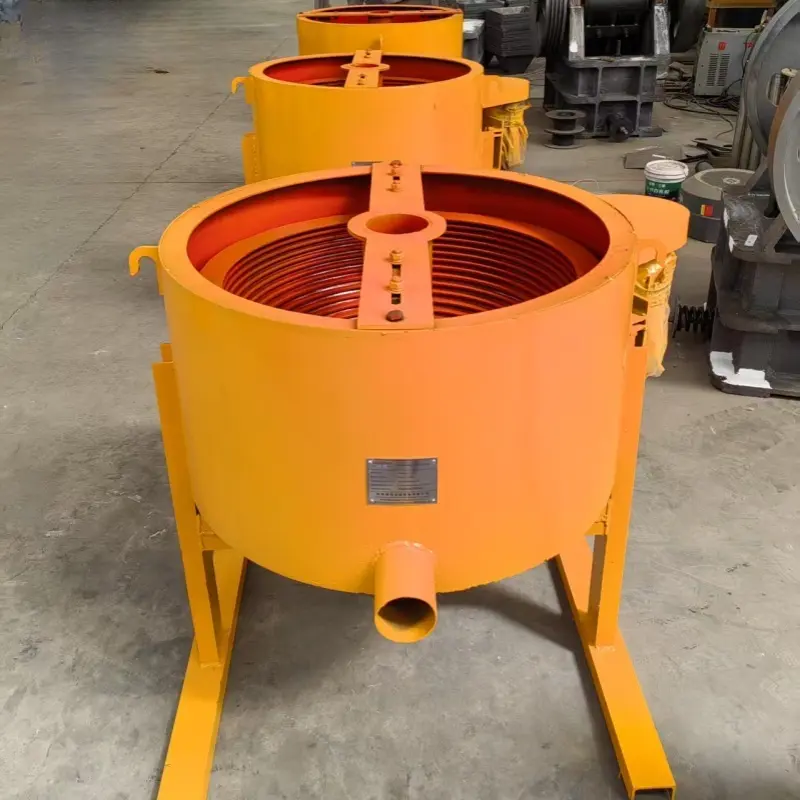
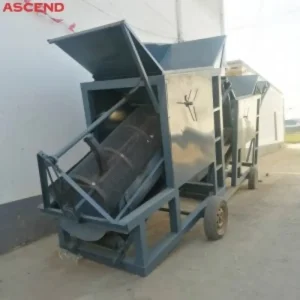
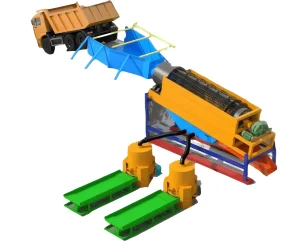
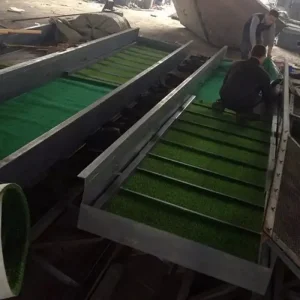
Shipped to a placer gold processing operation in Zambia. The setup features custom screening decks designed to maximize gold particle recovery from slurry.
Expert answers to common engineering and operational questions about rock crushers and grinding mills.
The choice depends on your operation's scale and target recovery method. A Wet Pan Mill (such as the 1400, 1500, or 1600 models) is excellent for small-to-medium operations. It combines grinding and mixing in a single step, making it ideal for gravity separation. A Ball Mill is better suited for larger, continuous plants that require a fine, consistent grind to feed downstream concentration equipment like shaking tables or flotation cells.
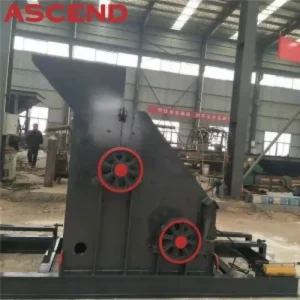
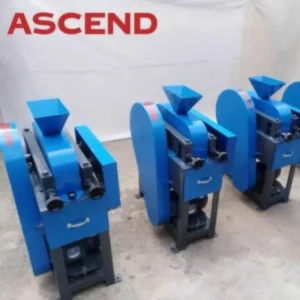
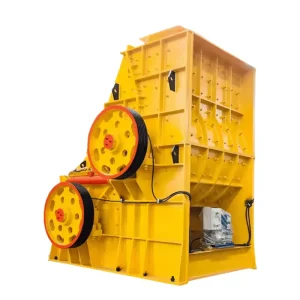
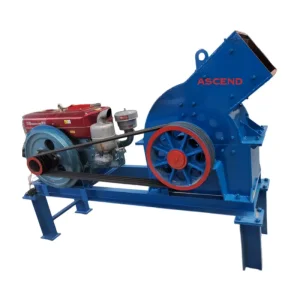
Standard hammer crushers often clog when processing sticky or wet materials (such as clay or wet coal) because they rely on bottom screens. The Double Stage Hammer Crusher features a screenless bottom design. It utilizes two rotors positioned vertically to pulverize materials continuously, preventing buildup and avoiding clogging even at high moisture levels.
Diesel-powered crushers are essential for remote sites lacking stable grid power. They eliminate the need for expensive high-voltage gensets, reducing setup times and simplifying field maintenance. These mobile or skid-mounted units are highly reliable for applications like aggregate production or mining exploration in remote areas.
Extending part life starts with matching the right metallurgy to the rock hardness. For hard, abrasive stone (e.g., granite or quartz), choose high-manganese alloy components. It is also important to maintain consistent feed sizing and ensure the chamber is correctly filled to prevent direct wear on the backing plates.
The Gold Kacha uses centrifugal force to separate fine gold particles from lighter gangue material. As slurry is fed into a rapidly spinning rotor, the high-density gold is trapped in the rotor's inner riffles, while the lighter materials wash over the rim. This process provides high recovery rates for fine gold without the use of chemical reagents.
Complete your comminution circuit with our processing, classification, and smelting systems.
 Ascend