Engineered for durability, high recovery rates, and extreme process efficiency under demanding industrial conditions.
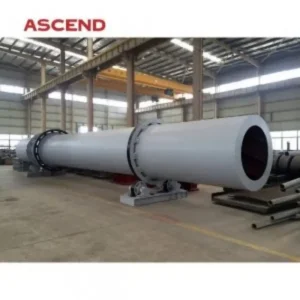
High-Quality Rotary Dryer And Rotary Drum Dryer Machine Service, Companies
Learn More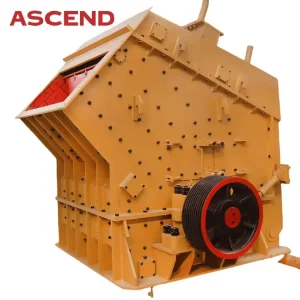
China Impact crusher secondary crushing equipment Exporter, Pricelist
Learn More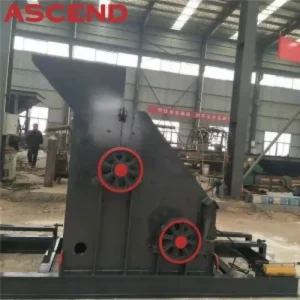
High-Quality Wet Coal Material Double Stage Hammer Crusher Manufacturers, Suppliers
Learn More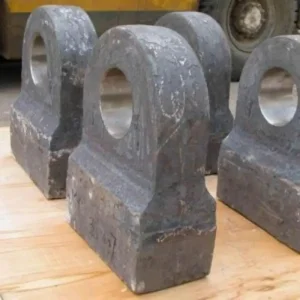
Wholesale Hammer crusher spare parts hammer rotor grate plates Service, Product
Learn More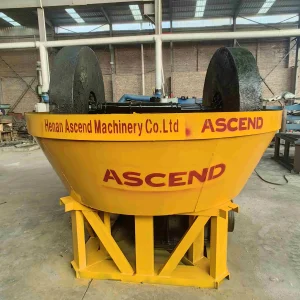
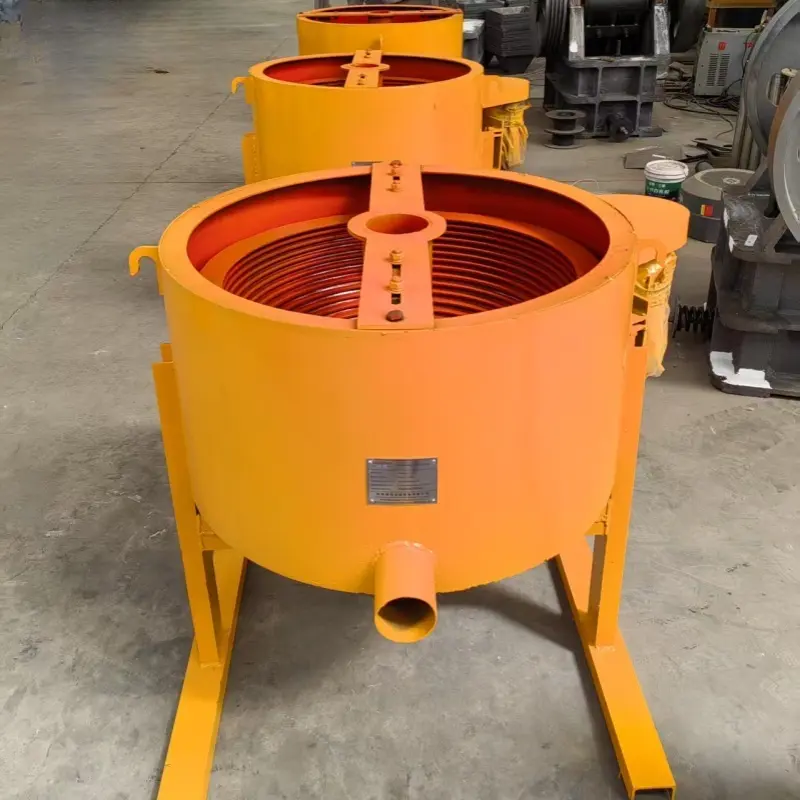
High-Quality Gold gravity beneficiation wet pan mill plant Exporter, Pricelist
Learn More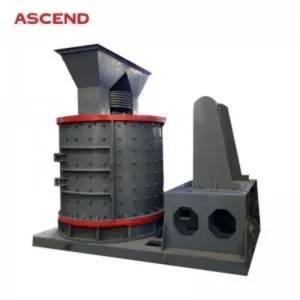
Wholesale Vertical shaft impact crusher compound crusher for sand making production Product, Factories
Learn More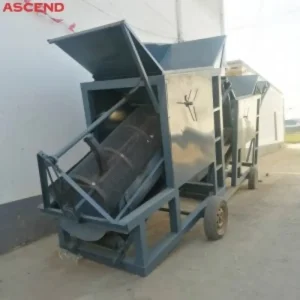
Wholesale Rotary trommel screen minerals sieving and graded washing machine Service, Supplier
Learn More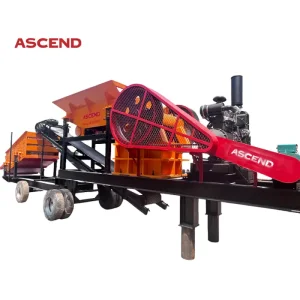
China Diesel engine mobile jaw crusher machine for stone rock crushing Service, Company
Learn MoreIn heavy industrial processing, size reduction (comminution) remains one of the most energy-intensive steps. The selection between dry process ball mill grinders and wet process alternatives is determined by chemical requirements, downstream thermal processing, and environmental resource availability. A dry process ball mill operates by using impact and attrition mechanisms of grinding media (typically forged steel balls, cast high-chromium balls, or ceramic cylpebs) rotating inside a cylindrical chamber to reduce materials to a fine powder without the addition of water or liquids.
Dry processing is crucial for minerals that undergo immediate chemical degradation or hydration when exposed to water, such as cement clinker, quicklime (calcium oxide), certain phosphates, and gypsum. The absence of water avoids the cost of dynamic drying and slurry handling, yielding a finished product that is dry and immediately packageable or pneumatically conveyable. Our engineering data shows that dry milling achieves optimal thermodynamic profiles when handling materials with feed moisture levels strictly controlled below 1% to 1.5%. Excess moisture leads to the formation of a cohesive material coating on the grinding media and lining plates, cushion-filtering the impact energy and reducing output efficiency by up to 45%.
For cementitious applications and advanced technical ceramic preparation, achieving a high Blaine specific surface area (ranging from 3,000 to 5,500 cm²/g) requires precise control over the mill's rotational velocity, air-sweep volume flow rate, and internal media sizing distribution. Dynamic air classifiers integrated with dry ball mills are essential to prevent over-grinding and ensure a sharp particle size distribution (PSD).
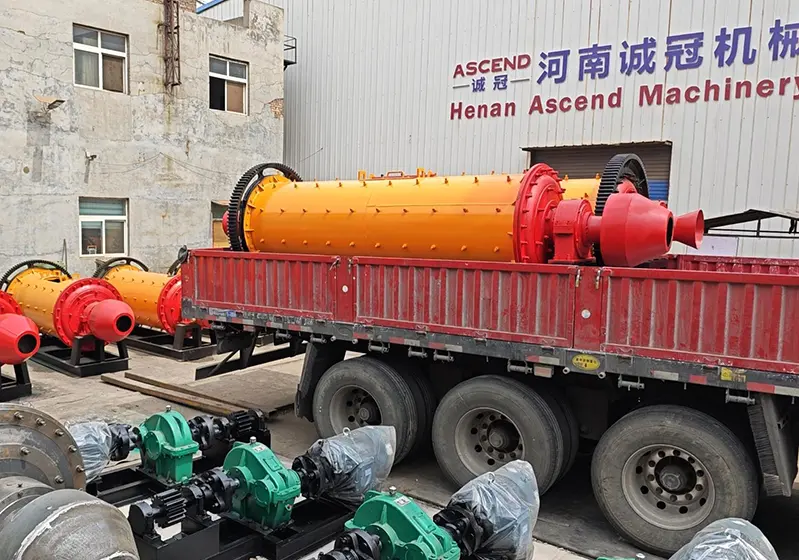
Dry process ball mills engineered by leading exporters like Henan Ascend integrate multiple design refinements to maximize lifetime and operating efficiency:
By eliminating water acquisition, wastewater treatments, and thermal drying systems, operational expenditure is reduced by up to 30% compared to wet-to-dry processing loops.
Constructed utilizing ultra-thick Q245R boiler-grade steel plates with stress-relieved weldments to ensure structural alignment under severe cyclic loading.
Supports real-time acoustic filling monitors and variable frequency drive (VFD) speed regulators to maximize output according to real-time feed variations.
Ascend has developed steadily since its establishment. Our operations span over 130 countries and regions globally, with deep engineering footprint across Africa and Southeast Asia.
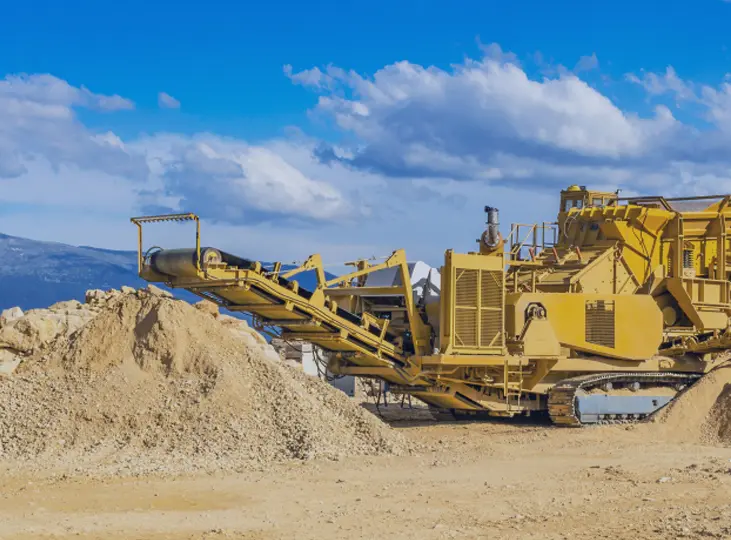
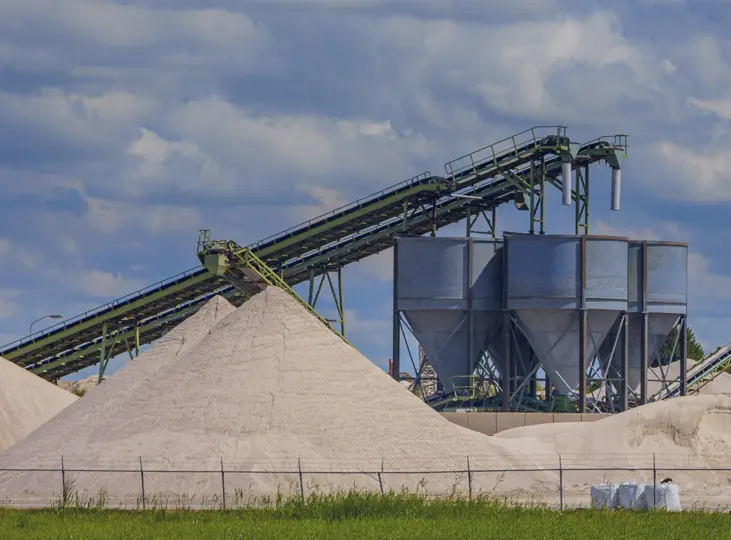
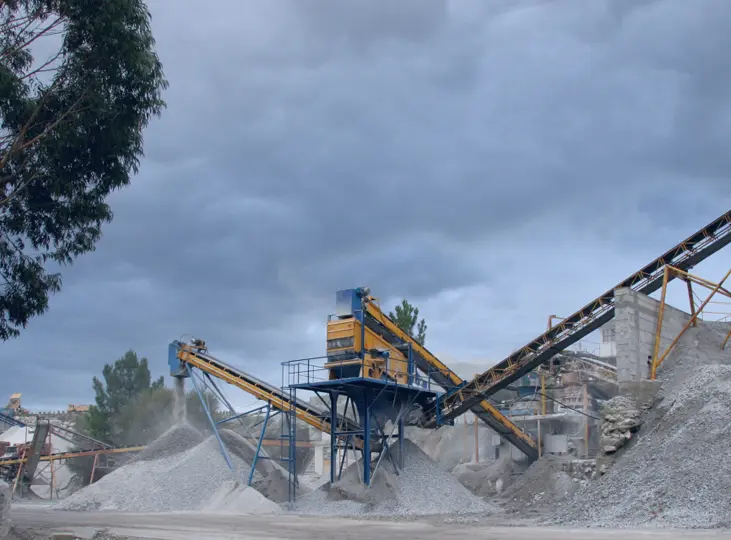
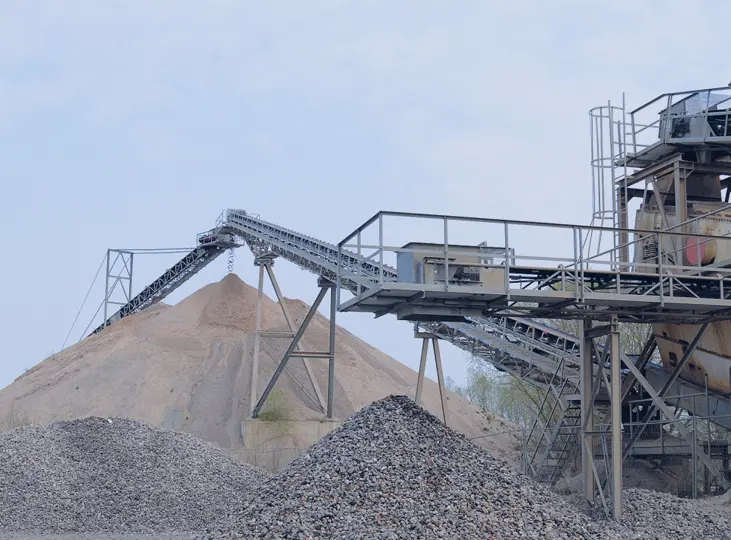

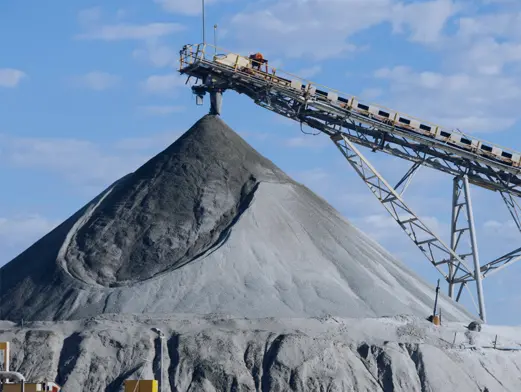
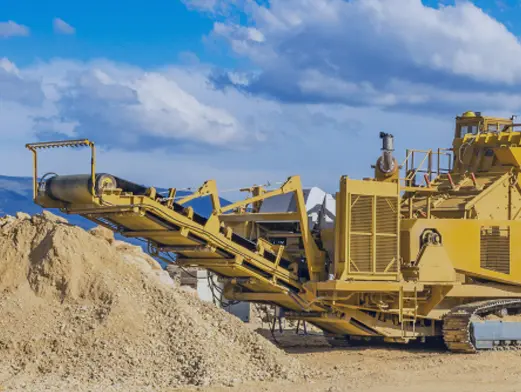
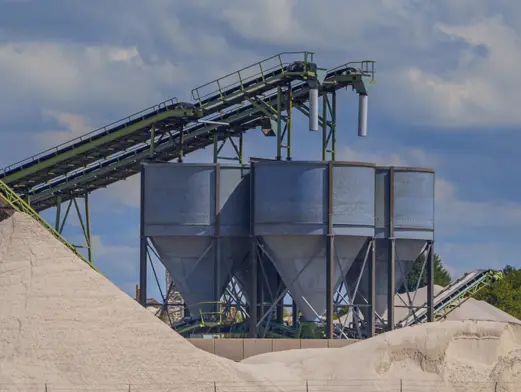
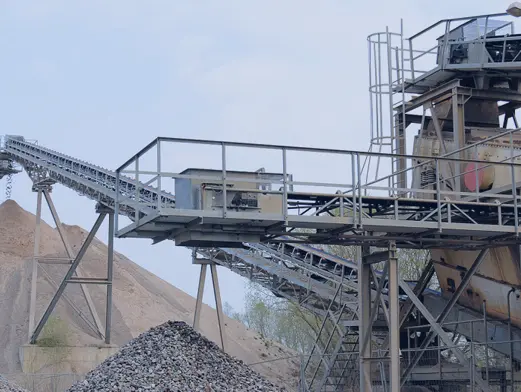
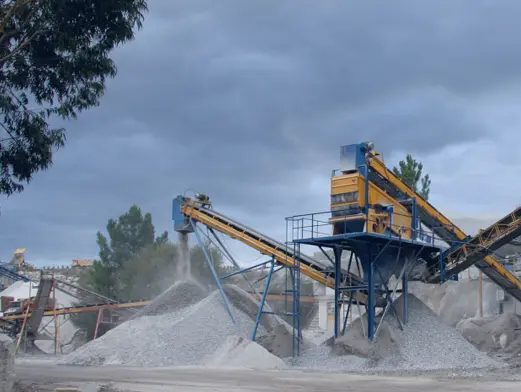
The global dominance of Chinese manufacturers in the heavy mining machinery sector is not merely a function of cost competitiveness; it is the result of complete industrial supply-chain integration, strict metallurgical advancements, and massive scale optimization. In Henan province, the recognized hub for industrial grinding equipment, companies like Henan Ascend Machinery & Equipment Co., Ltd. leverage unique geological and regional logistics advantages to provide heavy industrial grinding solutions.
Key strengths include:
Industrial operations looking to deploy a dry process ball mill grinder must evaluate the machine from a macro-process perspective. The mill is not an isolated unit; it functions within an integrated milling circuit. A typical modern dry processing circuit includes a primary hopper, vibrating feeder, magnetic separator, dry ball mill, dynamic separator (air classifier), bag filter system, bucket elevator, and final product silo.
From a global procurement perspective, buyers from fast-growing regions such as South America, Africa, and Central Asia look for systems that optimize the Total Cost of Ownership (TCO). Procurement factors include:
Explore our flagship heavy equipment, built to execute fine grinding and crushing processes across various materials.
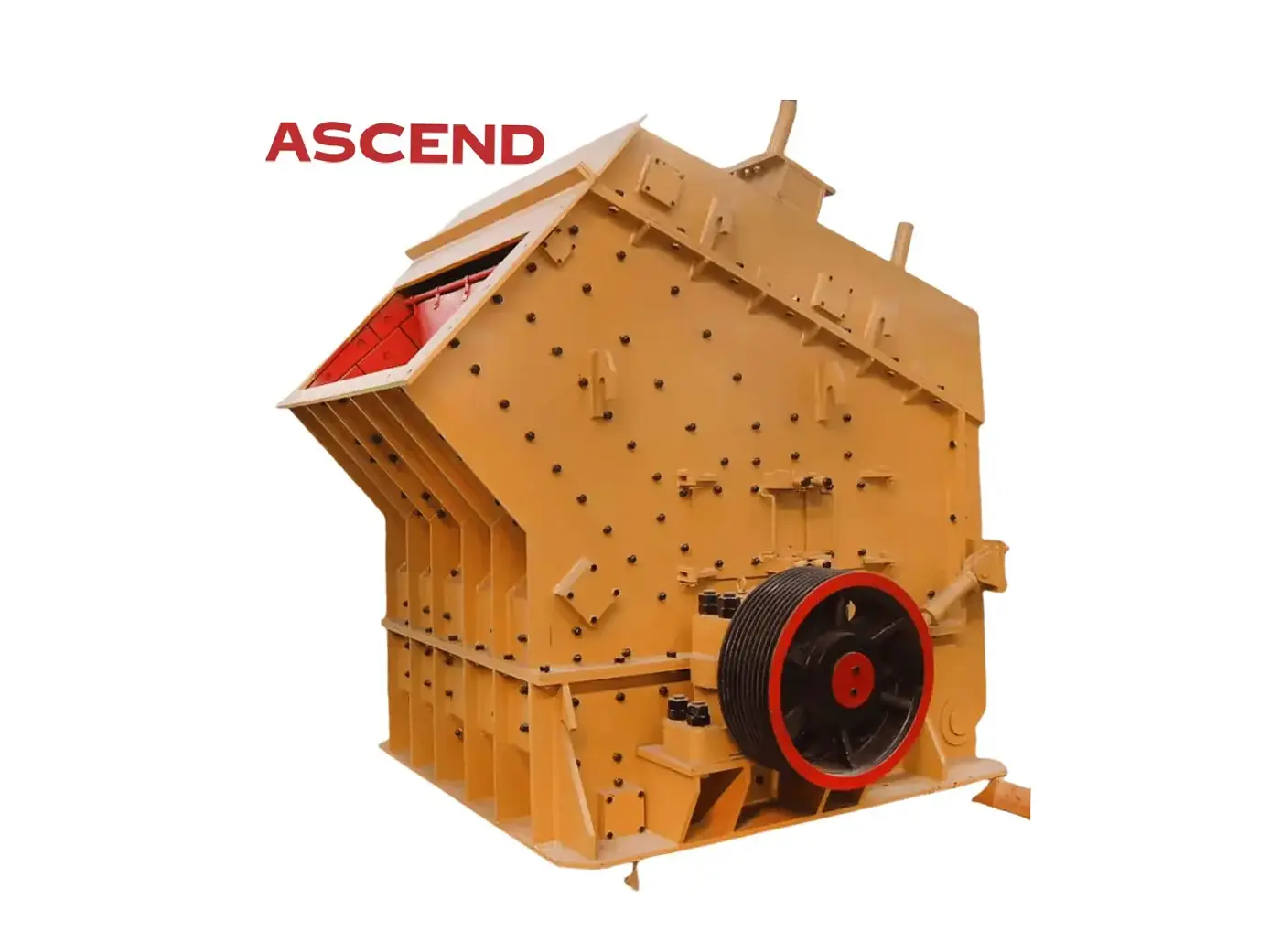
Impact crusher is a kind of secondary crushing equipment which uses impact power to crush materials. Impact crusher is characterized by easy maintenance, high reduction ratios and high efficiency to produce precisely cubic shape products. It is designed with three crushing chambers, seamlessly connected rotor, wear-resistant blow bar and installation of insert type. Moreover, it has tooth type liner, gradient designed bearing seat, frame with several openings and screws or hydraulic start-up devices. Impact crushers can be used in all different stages of size reduction from primary crushing to the last step of the crushing process.
For fine grinding applications, our Dry Process Ball Mills are the ideal secondary processing unit to receive the crushed outputs and reduce them to ultra-fine dusts, enabling efficient chemical and industrial processing.
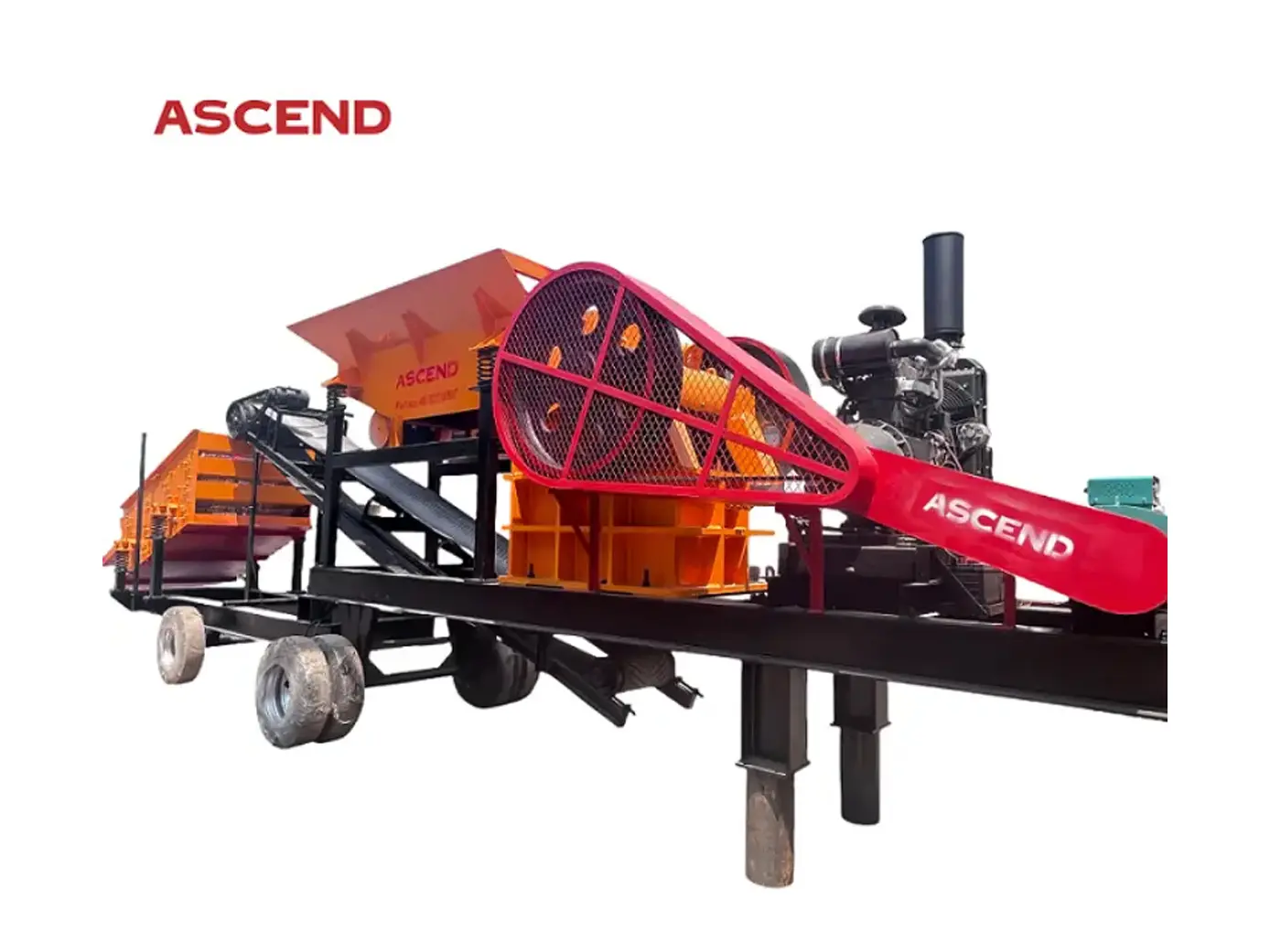
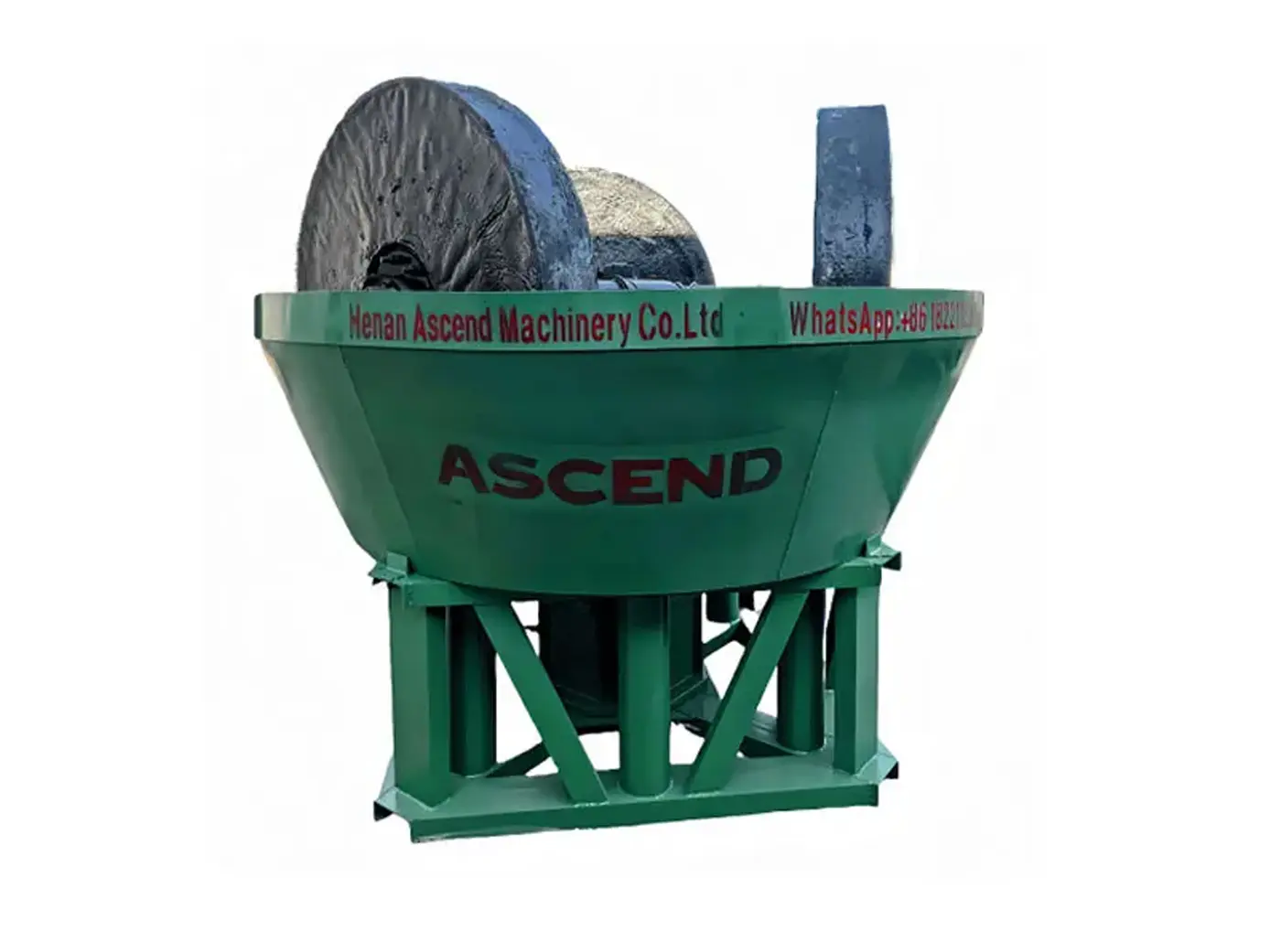
The industrial landscape for dry processing is evolving rapidly. Key developments currently shaping this market include:
Selecting Henan Ascend Machinery & Equipment Co., Ltd. ensures partnership with a verified manufacturer holding a massive domestic foundry footprint. With over two decades of production experience, we specialize in offering comprehensive solutions. Our team assists clients with initial material testing (calculating the Bond Grindability Index), custom engineering layouts, dynamic foundation design, shipping logistics, and on-site assembly, commissioning, and staff training.
Stay updated with our manufacturing and exporting operations across different global regions.
 Nov 2025
 Aug 2025
Jul 2025
Jul 2025
Jul 2025
Jun 2025
Aug 2025
Jul 2025
Jul 2025
Jul 2025
Jun 2025
High-precision machinery catalog featuring robust builds, certified performance metrics, and global parts support.
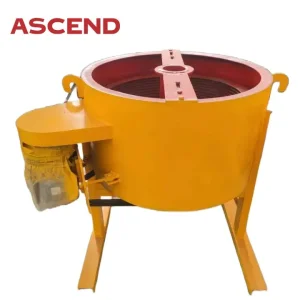
Wholesale Gold Kacha Centrifugal Concentrator Collector Machine Manufacturers, Pricelist
Learn More
High-Quality Gold Gravity Knelson Centrifugal Concentrator Separator Manufacturers, Suppliers
Learn More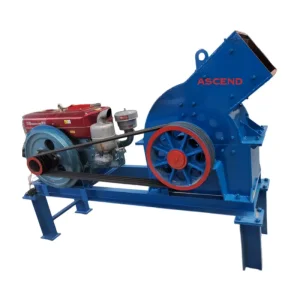
China Diesel engine hammer crusher mill glass stone crushing machine Manufacturers, Product
Learn More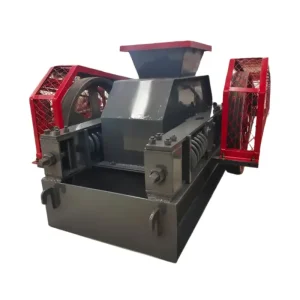
High-Quality Double roller crusher for coarse and fine crushing Manufacturer, Pricelist
Learn More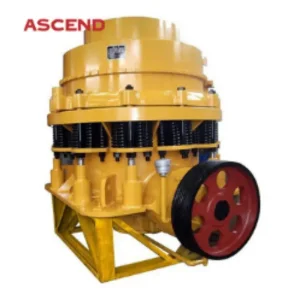
Wholesale Stone Spring Cone Crusher Machine Manufacturers, Exporters
Learn More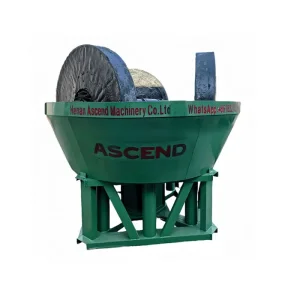
China 1100 1200 model Three rollers water wet pan mill for gold ore grinding Products, Companies
Learn More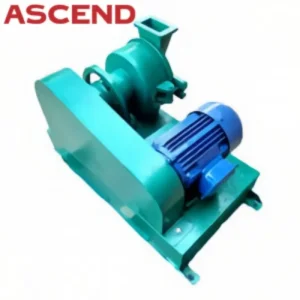
High-Quality Ascend Lab Small Disc Grinding Mill Machine Product, Suppliers
Learn More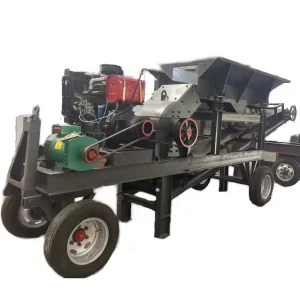
China Stone crushing machine diesel engine mobile hammer crusher plant Exporter, Quotes
Learn MoreTechnical answers to crucial engineering and procurement questions regarding industrial dry process ball mills.
The critical speed ($n_c$) is the theoretical rotational speed at which the centrifugal force acting on the grinding balls matches the gravitational force, causing the balls to cling to the mill shell rather than falling to grind the feed. It is calculated by the formula $n_c = 42.3/\sqrt{D-d}$ (where $D$ is the mill inner diameter and $d$ is the maximum ball diameter, in meters). Dry process ball mills typically operate between 72% to 78% of their critical speed to achieve the ideal cataract motion, maximizing impact breakage of particles.
For stable dry process operations, the incoming moisture content of the raw material should ideally be under 1%. Moisture exceeding 1.5% causes the ground particles to stick to each other and form a dynamic coating on the grinding balls and internal liners. This cushion layer absorbs the kinetic energy of the impacts, drastically reducing milling capacity and increasing power draw per ton of output material. Implementing dynamic pre-dryers (like Rotary Dryers) is highly recommended for moist feeds.
For the primary grinding chamber where impact forces are predominant, high-manganese steel liners are used due to their strain-hardening properties. In the second chamber where attrition and friction dominate, high-chromium alloy steel (containing 12% to 20% Cr) provides superior wear life. For applications requiring contamination-free powder (e.g., high-purity silica or industrial ceramics), high-alumina ceramic liners are utilized.
An open-circuit milling setup discharges the crushed material directly as the final product. A closed-circuit setup connects the mill discharge to a dynamic air classifier. The air classifier isolates the particles that meet the target specification and redirects the coarser particles back to the mill inlet for re-grinding. Closed-circuit processing increases overall plant productivity by up to 30%, reduces specific electricity consumption (kWh/t), and delivers a highly uniform particle sizing envelope.
Dry milling systems generate substantial airborne dust. Our complete system designs use closed pneumatic circuits coupled with high-efficiency pulse jet bag filters and cyclone dust collectors. The mill operates under negative pressure (slight vacuum) created by a main system draft fan, ensuring that zero dust escapes into the working environment, achieving emissions ratings of less than 20 mg/Nm³, compliant with local eco-regulations.
 Ascend