Top 10 Portable Stone Crusher Plants for Global Buyers

Time:2026-10-20 Author:Ethan
0%

Choosing the right Portable Stone Crusher Plant can shape a project’s cost, output, and daily reliability. Global buyers often compare capacity, mobility, fuel use, maintenance access, and after-sales support. Yet specifications alone rarely tell the whole story.

Guillaume Lambert, a recognized crushing-industry executive at Metso, has emphasized, “The right crushing solution starts with the application, not the machine.” This principle matters on real sites. A compact plant may work beside a narrow road, while a heavier tracked unit may handle hard rock more efficiently. Dust control, noise limits, transport dimensions, and local service coverage also deserve careful attention.

Small details matter.

This guide reviews ten widely considered Portable Stone Crusher Plant options for international buyers. Each selection should be judged against feed size, target aggregate, hourly production, terrain, and operating conditions. A plant producing 200 tons per hour on paper may perform differently with wet material, uneven feeding, or inexperienced operators. That gap is easy to overlook.

There is no perfect model.

Some buyers may prioritize low purchase cost and accept slower maintenance support. Others may pay more for automation, stronger wear protection, and faster parts delivery. These trade-offs are not always obvious. They require practical comparison, supplier verification, and honest site planning.

The following list offers a structured starting point. It does not replace a technical assessment. Before purchase, buyers should confirm performance data, warranty terms, electrical standards, spare-parts availability, and commissioning support. A promising machine can still disappoint when the application is misunderstood.
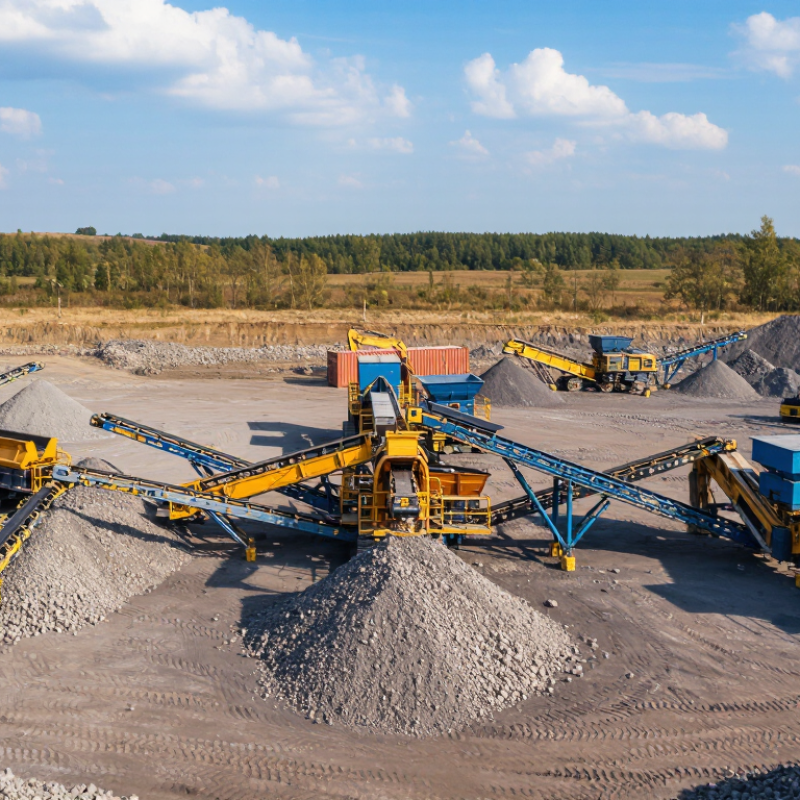
Top 10 Portable Stone Crusher Plants for Global Buyers

Portable Stone Crusher Plants: Definition, Functions, and Global Applications

Portable stone crusher plants combine feeding, crushing, screening, and conveying equipment on movable frames. They process quarried rock, demolition concrete, and recycled aggregates near the work area. Their main value is reduced hauling distance, faster relocation, and controlled material sizing. Tracked or wheeled configurations can match different ground conditions and transport limits. Operators adjust the crusher gap and screen decks to produce road base, ballast, or fine aggregate. Good systems also include dust suppression, guards, emergency stops, and accessible maintenance points.

In road projects, a plant can follow construction teams along a changing alignment. At a quarry, it can prepare feedstock before secondary or tertiary processing. Urban recycling sites use compact layouts where space and truck movement are restricted. I have found that performance depends heavily on feed hardness, moisture, and operator discipline. A machine rated for high output may slow sharply with sticky clay. That detail is easy to overlook. No site plan is perfect; access, noise, drainage, and local permits can alter the practical choice. Buyers should request test data, service intervals, fuel use, and spare-part availability before purchase.

Tips: Inspect belt alignment daily, remove tramp metal, and record product gradation each shift. Keep a buffer stock of wear parts. Do not judge capacity from brochures alone. A short field trial can reveal feeding problems that specifications miss.

Core Equipment and Crushing Processes in Portable Stone Crusher Plants

A portable stone crusher plant combines several machines on a movable chassis. In field applications, the vibrating feeder controls the material flow and removes small soil particles. A jaw crusher usually handles large, uneven rocks during primary crushing. Its output then moves toward a cone or impact crusher for finer reduction.

The process is simple but not automatic. Excavated stone enters the feeder, passes through the primary crusher, and travels by conveyor to the secondary unit. A vibrating screen separates the finished sizes. Oversized particles return for another crushing cycle. This closed-loop arrangement improves product consistency, although wet feed can block screen openings. Feed size matters.

Effective plants also use dust-suppression sprays, guarded transfer points, and emergency stop controls. A magnetic separator can remove unwanted steel fragments from recycled materials. Operators should check belt tension, liner wear, bearing temperature, and fuel consumption during each shift. These small inspections often prevent costly downtime. Keep it practical.

In my experience, transport width, setup time, and ground stability influence productivity as much as crusher capacity. A plant rated for high output may perform poorly on a soft, uneven site. Moisture, rock hardness, and required aggregate grading must guide equipment selection. No layout is perfect. Trial runs may reveal excessive recirculation or uneven loading, requiring adjustments to screen angles, discharge gaps, or conveyor speeds. Detailed maintenance records support dependable operation across changing projects.

Top 10 Portable Stone Crusher Plants for Different Operating Requirements

Portable stone crusher plants must match the job, not merely the material. The ten practical configurations include jaw plants for primary breaking, cone plants for hard rock, impact plants for softer stone, and vertical-shaft plants for manufactured sand. Tracked units suit short quarry moves. Wheeled units work better beside roads and fixed stockpiles. Closed-circuit plants control final grading. Open-circuit plants offer faster, simpler production. Scalping plants remove fines before crushing. Crushing-and-screening combinations reduce transfer points and handling.

The U.S. Geological Survey reported about 1.5 billion metric tons of crushed stone production in 2023. That scale shows why fuel use, uptime, and product consistency matter. For remote projects, a diesel-electric plant can reduce idle losses and simplify maintenance. For urban work, lower noise and dust control deserve equal attention. A practical selection should check feed size, hardness, moisture, required output, and transport limits. A compact jaw unit may appear economical, yet it can struggle with sticky feed. That mistake is common.

Field experience also shows that advertised capacity is rarely constant. Actual output changes with liner wear, operator settings, and feed continuity. The U.S. Environmental Protection Agency has identified construction and demolition debris as a major recoverable material stream. This supports mobile recycling plants for concrete and clean rubble, where contamination control remains essential. My ranking would change by site. A perfect top ten does not exist.

Key Factors for Comparing Capacity, Mobility, Power, and Maintenance

When comparing ten portable stone crusher plants, measure capacity under actual feed conditions, not brochure peaks.

A plant rated at 200 tons per hour may deliver less with wet, sticky stone. Request test data using similar rock size and hardness. Check the closed-side setting, feeder width, and screen efficiency. These details expose performance gaps. Keep records.

Mobility affects more than transport time.

Measure setup distance, chassis clearance, ground pressure, and leveling requirements. A tracked unit may cross rough quarry roads, while a wheeled plant can move efficiently between prepared sites. Confirm hydraulic folding systems, towing limits, and transport permits with local authorities. Power demand also deserves careful review. Compare engine output, fuel use, electrical requirements, and peak-starting load. Undersized power creates blockages and unstable production.

Maintenance is where ownership costs become visible.

Inspect access doors, lubrication points, belt tensioners, liners, and replacement intervals. Access matters. Daily checks should be possible from safe platforms, without awkward climbing. Request parts lists, service records, and clear warranty terms. Reliable suppliers provide measured noise, dust, and emissions data, not vague claims. Still, comparisons are rarely perfect. Site conditions change, and operators may value convenience differently. A two-hour setup saved each week can matter more than higher nominal capacity.

Global Buying Considerations: Compliance, Logistics, Costs, and After-Sales Support

Buying a portable stone crusher plant requires more than comparing production capacity. Global buyers should verify safety certificates, electrical standards, emissions requirements, and local import rules before signing a contract. Documents must match the actual machine, including serial numbers, motor ratings, and component lists. A supplier’s technical explanation matters, but independent inspection is more reliable.

Logistics can change the final price sharply. Confirm equipment dimensions, total weight, loading points, and container requirements early. Remote sites may need modular designs, reinforced tires, or tracked mobility. Request a complete cost sheet covering freight, insurance, customs duties, installation, spare parts, and operator training. A low quotation can become expensive after arrival. This happens more often than buyers expect.

Tips: Ask for recent project references in similar climates and materials. Check crushing tests using your actual stone samples. Require clear warranty terms, response times, and spare-parts availability. Remote support is useful, but local technicians are better during urgent repairs. Keep a small inventory of wear parts. It may cost more initially, yet downtime can cost far more. Mistakes are still possible, especially when site conditions are described too simply, so leave room for technical revisions.

FAQS

What is a portable stone crusher plant?

It combines feeding, crushing, screening, and conveying equipment on movable frames. The plant processes quarried rock, demolition concrete, and recycled aggregates near the work area. Less hauling is needed.

Where can a portable crusher plant be used?

It can support road construction, quarry preparation, and urban recycling sites. Tracked units suit rough ground, while wheeled units may simplify transport. Space and truck access matter greatly.

What materials and products can it handle?

It can process hard rock, concrete, and recycled aggregate. Operators adjust the crusher gap and screen decks. Typical outputs include road base, ballast, and fine aggregate.

What site conditions affect performance?

Feed hardness, moisture, and clay content can change output sharply. Sticky clay may slow a high-rated machine. This detail is easy to underestimate.

Which safety and maintenance features are important?

Useful features include dust suppression, equipment guards, emergency stops, and accessible service points. Inspect belt alignment daily and remove tramp metal. Keep spare wear parts nearby.

How should buyers evaluate production capacity?

Do not rely on brochures alone. Request test data using actual stone samples, then review product gradation. A short field trial may reveal feeding problems.

What costs should be checked before purchase?

Review freight, insurance, customs duties, installation, spare parts, training, and fuel use. Confirm dimensions, weight, loading points, and container needs. A low quote can become expensive.

What documents and support should buyers request?

Verify safety certificates, electrical standards, emissions requirements, and import rules. Documents should match serial numbers, motor ratings, and component lists. Ask about warranty response times and local technicians.

Why is after-sales support important at remote sites?

A small failed part can stop the entire operation. Remote guidance helps, but local technicians usually respond faster. My judgment may be incomplete without site-specific service data.

Conclusion

A Portable Stone Crusher Plant is a flexible crushing solution designed for projects that require efficient material processing at different locations. It typically combines feeding, primary and secondary crushing, screening, conveying, and control systems on a movable platform. This integrated design supports applications such as road construction, building material production, quarrying, recycling, and infrastructure development. Depending on operating requirements, different plant configurations can be selected for high capacity, compact transport, rapid setup, or challenging working environments.

When comparing the top portable plants, buyers should evaluate output capacity, mobility, power consumption, automation, maintenance access, component durability, and compatibility with the target material. Global purchasing decisions should also consider equipment compliance, shipping dimensions, customs procedures, installation requirements, operating costs, spare-parts availability, training, and after-sales support. A well-matched Portable Stone Crusher Plant can improve productivity, reduce relocation time, and provide a practical long-term solution for diverse crushing operations.


Ethan

Ethan

Ethan is a seasoned marketing professional with a deep expertise in our company's innovative product line. With a passion for sharing knowledge and insights, he takes the lead in regularly updating our corporate blog, where he explores industry trends, product features, and effective marketing......