Mobile Stone Crusher equipment has become an important investment for quarrying, demolition, road construction, and recycling operations. The U.S. Geological Survey reported approximately 1.5 billion metric tons of crushed stone production in the United States during 2023. That figure shows the enormous demand behind modern crushing systems. However, production volume alone does not determine the best machine.
This guide examines ten recognized mobile stone crusher brands, including Metso, Sandvik, Kleemann, Komatsu, McCloskey, and Terex Finlay. It compares equipment design, crushing capacity, fuel performance, maintenance access, mobility, and estimated prices. Industry reports from Research and Markets and Grand View Research identify growing demand for mobile crushing and screening equipment. Their findings connect this growth with urban construction, infrastructure renewal, and aggregate recycling. Those trends matter, but regional conditions can change the buying decision quickly.
Prices require careful interpretation. A compact jaw crusher may cost tens of thousands of dollars, while a large tracked impact plant can exceed several hundred thousand dollars. New and used machines differ sharply. Freight, taxes, wear parts, automation, warranty coverage, and operator training can also alter the final invoice. A low purchase price may become expensive beside a dusty quarry road. Real operating experience often exposes details that brochures overlook. This comparison is not perfect; published prices are rarely standardized, and dealer quotations may change monthly. Buyers should verify specifications, local service support, and total ownership cost before choosing a brand. The strongest machine is not always the largest one.
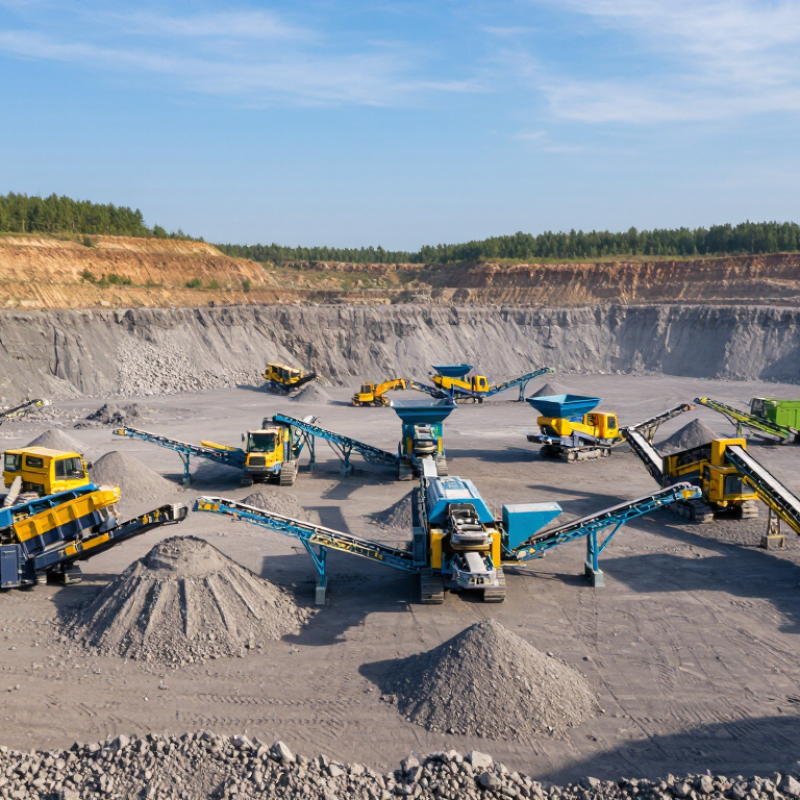
A mobile stone crusher is a compact processing plant mounted on tracks or wheels. It moves between quarries, road projects, and demolition sites. The machine receives blasted rock through a vibrating feeder. The feeder removes fine soil and controls the material flow. A jaw, impact, or cone chamber then reduces the stone through compression or impact. Discharge conveyors carry the product to stockpiles or screening equipment. It is practical, but not magically simple.
The U.S. Geological Survey reported about 1.5 billion metric tons of crushed stone production in the United States in 2023. That scale explains the demand for faster, site-based processing. A mobile unit can reduce hauling distance and fuel use when the quarry layout is suitable.
Its actual performance depends on rock hardness, moisture, feed size, and operator settings. Abrasive granite can wear parts quickly. Wet clay can block the feeder. Field experience matters here. A specification sheet cannot predict every site condition.
The European Committee for Standardization’s machinery guidance also emphasizes guarding, access, and safe maintenance procedures. Operators should inspect belts, liners, emergency stops, and dust controls before production begins. Mistakes still happen. Careful measurement remains better than confident guessing.
Top 10 Mobile Stone Crusher Brands and Prices
Key Features Used to Compare Mobile Stone Crusher Brands
Mobile stone crushers should be compared through measurable operating features, not price alone. Market reports estimate steady growth in mobile crushing and screening equipment. Fortune Business Insights projects the sector to expand from roughly USD 3 billion in the early 2020s toward more than USD 4 billion by the next decade. Such growth reflects rising demand for on-site aggregate production and shorter transport distances.
Throughput is a practical starting point. Compare tonnes per hour under the same feed size and material hardness. A wider feed opening reduces blockage risks on uneven quarry material. Closed-side setting accuracy also affects product grading and resale value. Fuel use matters during long shifts. A lower hourly consumption can offset a higher purchase price. Hybrid power systems may reduce operating costs, but their maintenance needs require careful checking.
Mobility is another important feature. Track dimensions, transport weight, setup time, and ground clearance influence real jobsite performance. Dust suppression and noise control should be reviewed with local operating requirements. Independent laboratory data is more reliable than sales claims. Service access matters too. Can a technician reach the conveyor drive without removing half the machine?
Published comparisons are imperfect. Test conditions often differ. A 300-tonne-per-hour figure may not match field production. Buyers should request test records, warranty terms, parts availability, and total cost estimates. The best-value machine is not always the cheapest one. It is the unit that maintains consistent output with fewer interruptions.
When comparing the top ten mobile stone crusher brands by product range, look beyond headline capacity. Leading suppliers usually offer jaw, impact, cone, and heavy-duty tracked models. Some also provide wheeled units for short-term projects. Compact crushers suit urban recycling and narrow access roads. High-capacity models serve quarries with steady feed material.
The strongest product ranges often include screening units, conveyors, magnetic separators, and dust-control options. This creates a complete processing line on one site. In my field observations, a 120-ton-per-hour jaw crusher handles hard stone reliably, but it needs disciplined feeding. An impact crusher may produce better shaping for road aggregates. A cone model often delivers finer output, although maintenance can be more demanding. Small electric or hybrid units reduce fuel use near populated areas. They are not ideal for every quarry.
Prices vary with capacity, engine standards, automation, and after-sales support. Compact mobile crushers may cost roughly 80,000 to 180,000 US dollars. Larger tracked systems can exceed 500,000 dollars. These figures are market estimates, not fixed quotations. Shipping, wear parts, taxes, and commissioning may change the final cost considerably. No ranking is perfect. A supplier with ten models is not automatically better than one with five well-supported machines. Buyers should inspect frame quality, service response, warranty terms, and actual output tests. A detailed site trial is worth more than a polished brochure.
Top 10 Mobile Stone Crusher Brands and Prices
Mobile Stone Crusher Price Ranges and Main Cost Factors
New mobile stone crushers commonly cost about USD 150,000 to USD 1.2 million. Small tracked units often fall between USD 150,000 and USD 350,000. Larger jaw, cone, or impact systems can exceed USD 800,000. Used equipment may cost 40% to 60% less, but maintenance history changes the real value. Prices vary sharply.
Fortune Business Insights valued the global mobile crushers and screeners market at approximately USD 3.37 billion in 2023. Its report forecasts continued growth through 2032, supported by road construction, recycling, and quarrying demand. However, market growth does not guarantee lower equipment prices. Steel, diesel engines, automation, freight, and exchange rates remain major cost drivers. Installation, operator training, spare parts, and taxes can add 15% to 30% to the quoted machine price. A neat price table can mislead.
Tips: Request a complete landed-cost quotation. Check output capacity, feed opening, fuel use, and transport width. Ask for service records on used units. Test the crusher with your actual stone. Granite and wet clay expose weaknesses quickly. I would also keep a repair reserve; even reliable machines eventually surprise owners. Industry estimates are useful, but local quotations deserve more trust.
Choosing the right mobile stone crusher starts with your feed material, target output, and site conditions. According to the U.S. Geological Survey’s 2024 Mineral Commodity Summaries, U.S. crushed stone production reached about 1.5 billion metric tons in 2023. This scale highlights the importance of reliable, productive equipment. Hard granite usually needs a jaw crusher with strong compression power. Softer limestone may work better with impact crushing. A tracked unit suits short-distance movement across rough ground. A wheeled model can reduce relocation time on prepared roads.
Capacity is not everything. Field operators should compare real output at the planned closed-side setting, not only the brochure rating. Check fuel use, feed opening, dust-control systems, noise limits, and access for maintenance. When comparing prices, include wear parts, transport, setup, labor, and expected downtime. A cheaper machine can become expensive beside a remote quarry. I have seen theoretical hourly figures create unrealistic plans. That is an easy mistake to repeat.
Tips: Test the feed before buying. Ask for a practical demonstration using similar stone. Inspect the discharge size and product shape. Review service response times and spare-parts availability. Keep a simple cost-per-ton estimate. It may reveal that a slightly higher purchase price delivers better value. Small details matter.
It is a crushing plant mounted on tracks or wheels. It moves between quarries, road projects, and demolition sites. The machine reduces rock into usable aggregate. It is practical, not magically simple.
A vibrating feeder receives blasted rock and controls material flow. It also removes some fine soil. A jaw, impact, or cone chamber then crushes the stone. Conveyors carry the product to stockpiles or screens.
Hard granite usually needs strong compression crushing. A jaw chamber is often suitable for this material. Softer limestone may respond better to impact crushing. Material testing remains essential.
Compare tonnes per hour using the same feed size and rock hardness. Check output at the planned closed-side setting. Brochure capacity may exceed real field production. Measure it.
Rock hardness, moisture, feed size, and operator settings all affect output. Abrasive granite can wear liners quickly. Wet clay may block the feeder. Ground conditions also influence mobility and setup time.
Tracked units suit rough ground and frequent short-distance movement. Wheeled units can relocate faster on prepared roads. Compare transport weight, ground clearance, track dimensions, and setup time. The site decides.
Consider purchase price, fuel, wear parts, transport, setup, labor, and downtime. Service access and spare-parts availability also affect long-term costs. A cheaper machine may cost more beside a remote quarry. That matters.
Inspect belts, liners, emergency stops, guards, access points, and dust controls. Follow safe maintenance procedures before production begins. Keep people away from moving components. Never guess.
A Mobile Stone Crusher is a flexible crushing system that can be transported between job sites and process rocks, concrete, and other hard materials close to where they are needed. It typically uses a feeder, crusher chamber, conveyor, and control system to reduce large materials into useful sizes. This article explains the main features used to compare the top 10 Mobile Stone Crusher options, including crushing capacity, mobility, fuel or energy efficiency, automation, maintenance access, safety design, and adaptability to different materials.
It also presents general price ranges and explains the main factors that influence cost, such as machine size, crushing technology, production output, configuration, transportation, installation, and after-sales support. Finally, the guide shows how to select the right Mobile Stone Crusher by considering project scale, material hardness, desired product size, operating environment, available budget, and future expansion needs.

Ascend